




menu

Water Stains on Ceiling in Philadelphia – Expert Diagnosis and Permanent Roof Repair

Atlas Roofing Philadelphia identifies the exact source of water stains on ceiling damage and fixes the underlying roof failure, preventing recurring brown spots, ceiling discoloration, and structural decay in Philadelphia homes.

Slider Image 1
Slider Image 2
Slider Image 3
Slider Image 4
Slider Image 5
Slider Image 7
Slider Image 8
Slider Image 9
Slider Image 10
Slider Image 11

Why Philadelphia Homes Get Water Stains on Their Ceilings

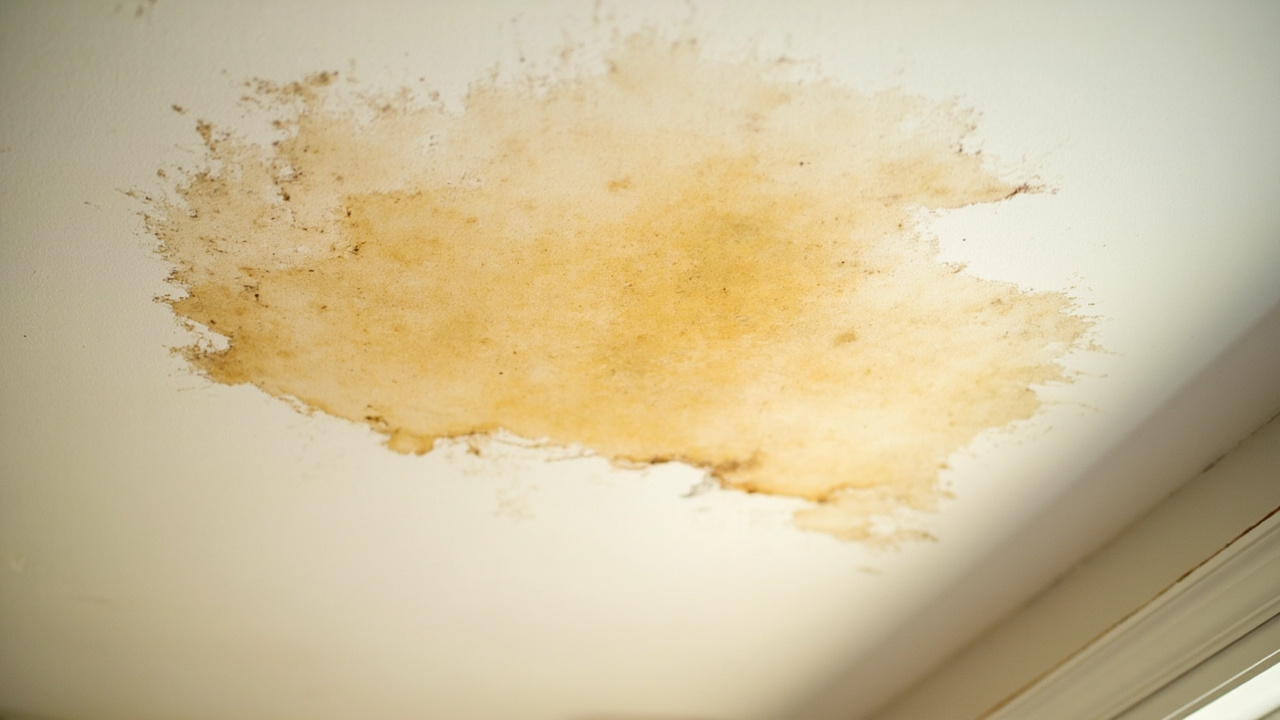
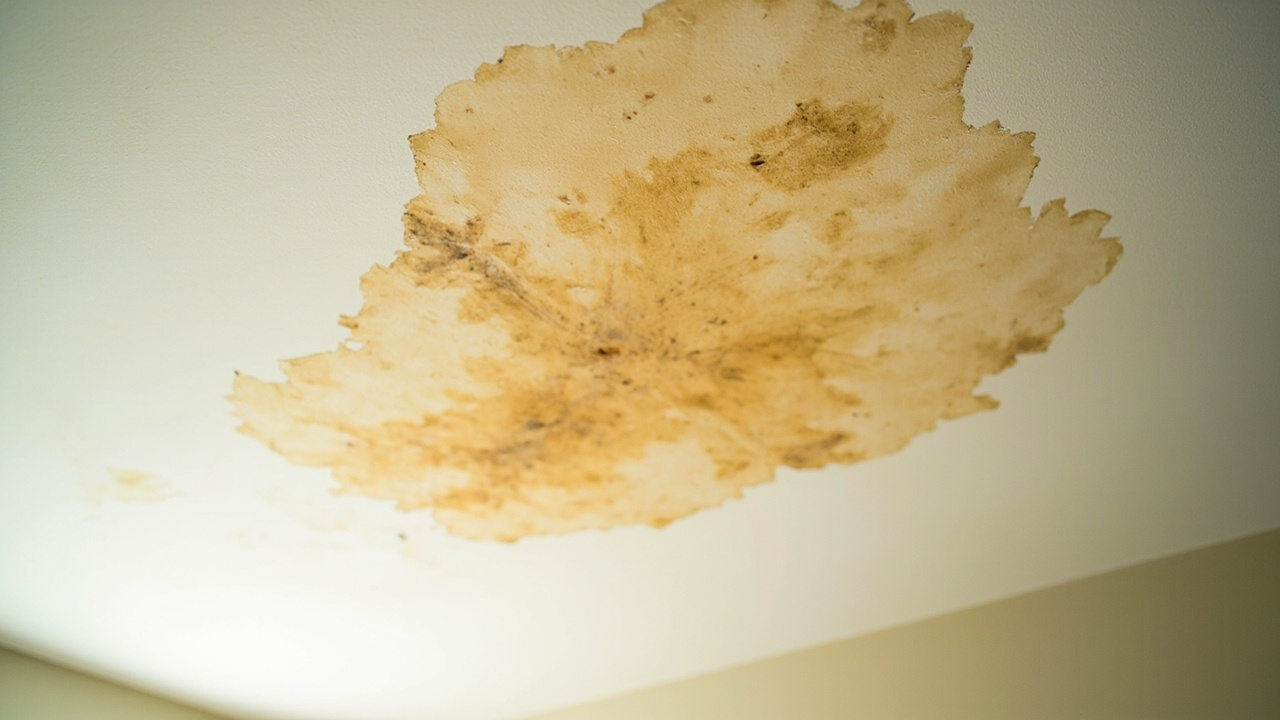
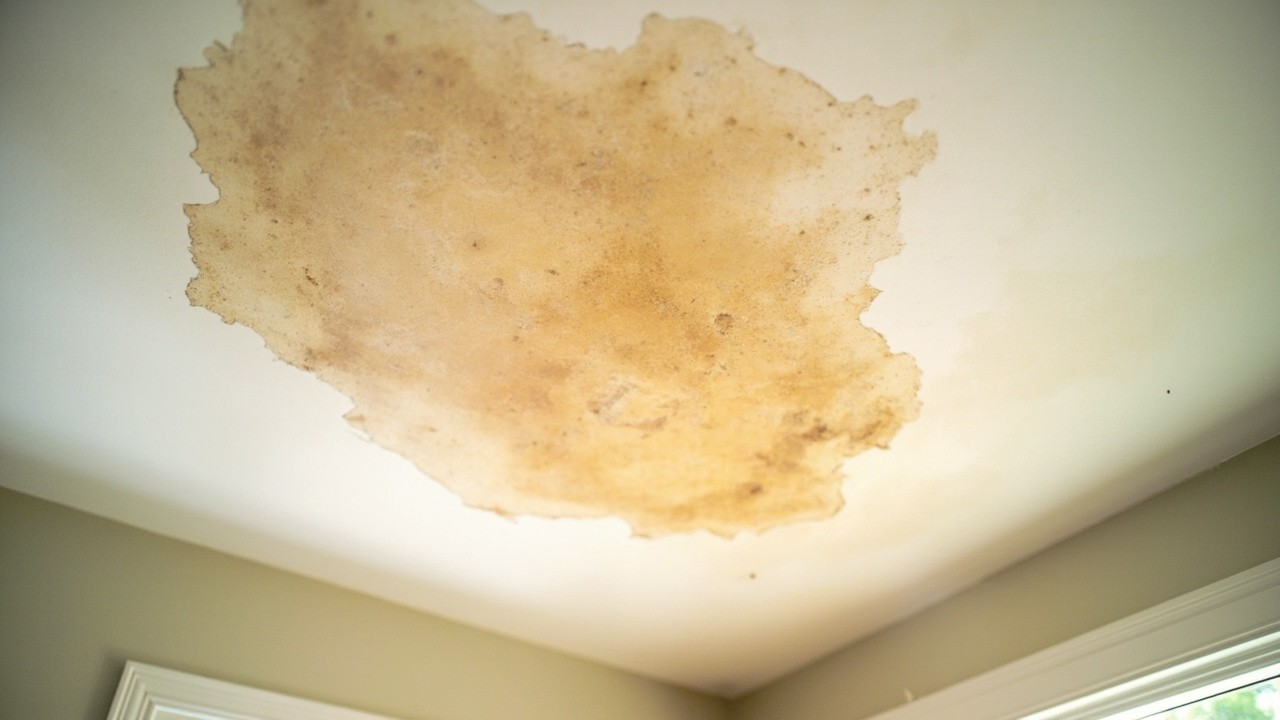
You notice brown spots on ceiling surfaces in your bedroom or living room. Maybe you see yellow ceiling stains spreading near a corner. Damp ceiling patches appear after heavy rain. These ceiling water marks are not cosmetic problems. They are symptoms of active roof failure.

Philadelphia's weather accelerates roof damage. Freeze-thaw cycles crack flashing and lift shingles. Ice dams form along eaves during winter, forcing meltwater under roofing materials. Spring storms dump heavy rain that exploits every gap in your roof system. Summer humidity prevents proper drying, which allows mold to grow inside ceiling cavities.

The row homes and twins common in neighborhoods like Fishtown, South Philly, and West Philadelphia create unique vulnerability. Shared roof valleys between units concentrate water flow. Aging flat roof sections on additions leak at seams. Original slate roofs on historic homes develop cracked tiles that channel water directly to your ceiling.

Ceiling discoloration starts small. A faint ring near a light fixture. A slight darkening along the crown molding. Then it spreads. The drywall softens. Paint bubbles and peels. You smell mustiness. By the time you see visible staining, water has been entering your home for weeks or months.

The problem is rarely the ceiling itself. The problem is always the roof. Damaged shingles, failed flashing around chimneys or skylights, clogged gutters causing overflow, or deteriorated roof penetrations all create entry points. Water follows roof decking, drips along rafters, and saturates insulation before it finally appears as a stain on your ceiling.

Why Philadelphia Homes Get Water Stains on Their Ceilings
How Atlas Roofing Philadelphia Stops Ceiling Water Damage at the Source

How Atlas Roofing Philadelphia Stops Ceiling Water Damage at the Source

We do not patch your ceiling and hope the problem goes away. We trace water stains back to their exact roof failure point and repair the breach.

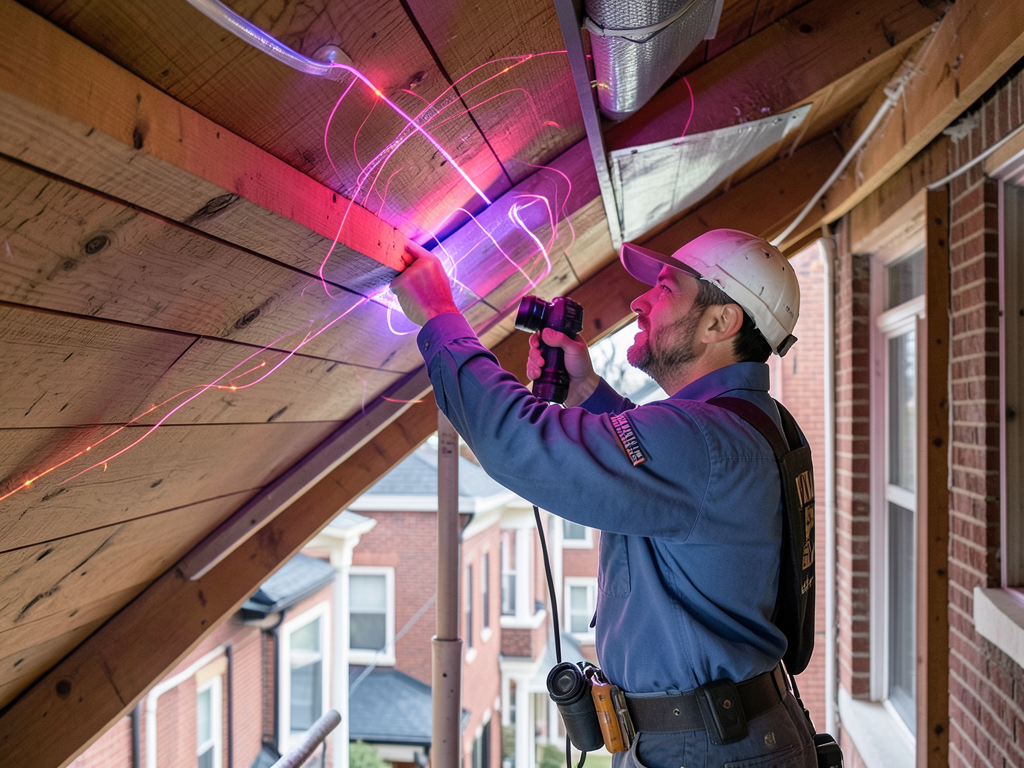
Our diagnostic process starts on your roof, not inside your home. We inspect every penetration, every flashing transition, every valley, and every damaged shingle. We look for compromised underlayment, separated step flashing, and deteriorated pipe boots. We check attic spaces for active moisture intrusion, wet insulation, and water trails along rafters.

Philadelphia roofs have specific weak points. The transition where an addition meets the main structure often lacks proper flashing integration. Skylights installed in the 1980s and 1990s have aged seals that crack. Chimneys need counter flashing that fits tight against masonry and base flashing that integrates with shingle courses. We understand these failure modes because we repair them daily.

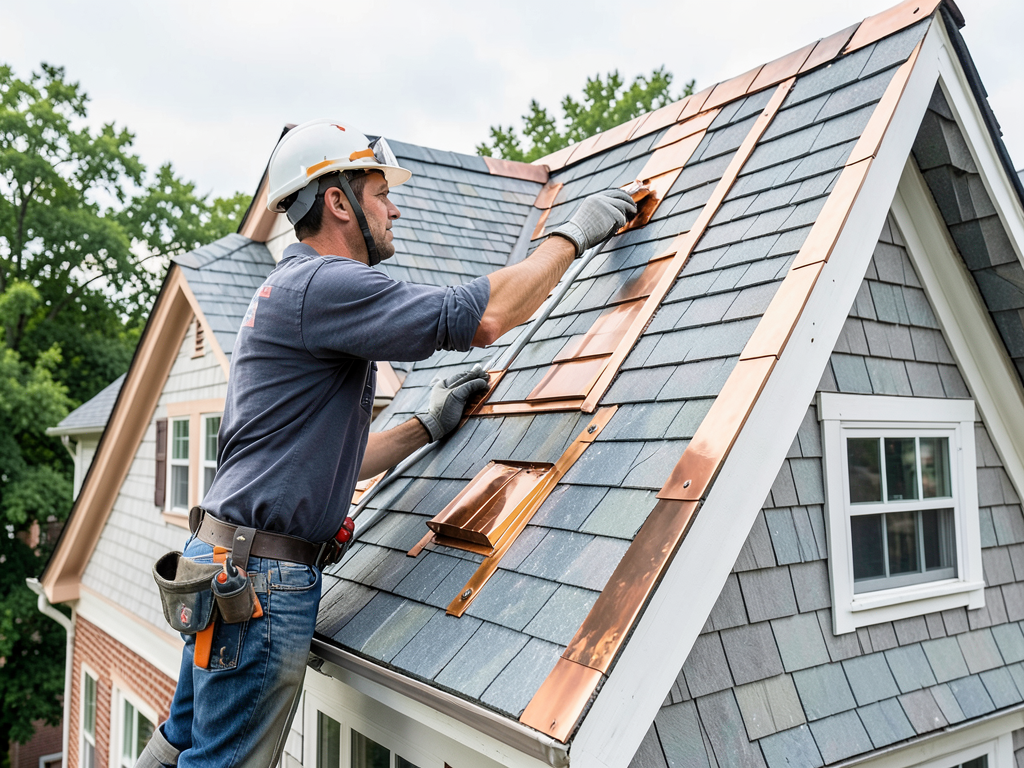
Once we identify the breach, we execute a surgical repair. If flashing failed, we remove surrounding shingles, install new step flashing or counter flashing using corrosion-resistant materials, and integrate it properly with the roofing system. If shingles are damaged, we replace the affected section and inspect adjacent areas for hidden damage. If a roof penetration like a plumbing vent has a cracked boot, we install a new sealed boot and reflash the area.

We also address secondary damage. Wet roof decking gets replaced. Soaked insulation gets removed. We ensure your attic has proper ventilation to prevent future moisture accumulation. The goal is not just stopping the leak. The goal is restoring your roof system to proper function so water stains never return.

What Happens During a Ceiling Stain Roof Inspection

Water Stains on Ceiling in Philadelphia – Expert Diagnosis and Permanent Roof Repair
01

Exterior Roof Assessment

We climb onto your roof and systematically inspect every potential water entry point. This includes examining shingle condition, checking all flashing installations, inspecting roof valleys, and evaluating penetrations like vents and chimneys. We look for lifted shingles, exposed nail heads, cracked caulking, and damaged underlayment. We document every finding with photos so you understand exactly what failed and why water reached your ceiling.
02

Interior Moisture Mapping

We trace the water path from your ceiling stain back through your attic or crawl space to the roof breach. Using moisture meters and thermal imaging when needed, we identify all affected structural components. This reveals hidden damage you cannot see, like wet insulation, soaked rafters, or compromised roof decking. Understanding the full extent of water intrusion ensures we address all damage, not just the visible ceiling discoloration.
03

Repair Plan and Execution

We present a detailed repair plan that addresses the roof failure and any structural damage caused by water intrusion. You get a clear explanation of what work is required and why each step matters. Once approved, we execute the repair using proper materials and installation techniques. We replace damaged decking, install new flashing correctly, and ensure all shingles integrate seamlessly. You get a roof system that sheds water as designed, which means your ceiling stays dry.

Why Philadelphia Homeowners Trust Atlas Roofing for Ceiling Leak Diagnosis

Ceiling water stains require roof expertise, not guesswork. Atlas Roofing Philadelphia has repaired hundreds of leaking roofs in every Philadelphia neighborhood. We understand the architectural quirks of Philadelphia housing stock, from the flat roof additions in Manayunk to the slate roofs in Chestnut Hill.

We know how Philadelphia weather attacks roofs. Winter ice dams form at specific temperature thresholds. Spring storms test flashing installations. Summer heat accelerates shingle aging. Fall leaves clog gutters and create standing water. Every season presents unique threats, and we have diagnosed and repaired damage from all of them.

Our technicians do not guess where water is entering. They follow evidence. They understand how water travels along roof decking, how it follows seams, and where it pools before dripping through to your ceiling. This forensic approach eliminates trial-and-error repairs that waste your money without solving the problem.

We also understand Philadelphia building patterns. Row homes share roof systems, which means a leak in one unit can sometimes originate from an adjacent property's roof failure. Twin homes have joined valleys that concentrate water flow. Additions often have improper flashing where new construction meets old. We have seen these configurations thousands of times and know how to properly repair them.

When you call us about ceiling water marks or brown spots on ceiling surfaces, you get a technician who climbs on your roof that day or the next. We provide same-day emergency tarping if you have active leaking. We give you a written assessment of what failed and what needs repair. No pressure sales tactics. No inflated estimates. Just honest diagnosis and professional repair by a crew that has fixed Philadelphia roofs for years.

What You Get When Atlas Roofing Repairs Your Ceiling Leak

Rapid Response Time

We schedule roof inspections within 24 hours of your call. If you have active leaking and need emergency tarping, we can often arrive the same day. Philadelphia weather does not wait, and neither do we. Once we complete our inspection and you approve the repair plan, we schedule the work based on weather conditions and material availability. Most ceiling leak repairs are completed within three to five business days from approval. You get clear communication at every step so you know exactly when your roof will be fixed and your ceiling can be safely repaired.

Thorough Leak Diagnosis

You get a comprehensive roof inspection, not a quick glance from the ground. Our technicians physically inspect your roof surface, check every flashing detail, and examine your attic or crawl space for moisture damage. We provide photo documentation of the failed components so you understand exactly what caused your ceiling stains. We explain the repair in plain language and answer every question you have. You receive a written estimate that details all work required, including any structural repairs needed due to water damage. No surprises, no hidden conditions discovered mid-job.

Permanent Roof Repair

We fix roof leaks correctly the first time using quality materials and proven installation methods. Damaged flashing gets replaced with corrosion-resistant metal properly integrated into your shingle system. Failed shingles get replaced with matching materials installed according to manufacturer specifications. Compromised roof decking gets cut out and replaced with new plywood or OSB sheathing. We do not use temporary patches or quick fixes that fail in six months. You get a repair that restores your roof to proper function and stops water intrusion permanently. Your ceiling dries out and stays dry.

Post-Repair Assurance

After we complete your roof repair, we provide a detailed summary of all work performed. We explain what to watch for and when to call us if you have concerns. If you experience any issues with the repaired area, we respond quickly to assess and address them. We stand behind our work because we use proper techniques and quality materials. You also receive maintenance recommendations to prevent future roof problems, like gutter cleaning schedules and signs of shingle aging to monitor. Our goal is not just fixing today's leak but helping you maintain a healthy roof system for years.

Frequently Asked Questions

You Have Questions,
We Have Answers

Is a water stain on a ceiling serious? +

Yes. A water stain signals active or past water intrusion. In Philadelphia, freeze-thaw cycles and heavy rainfall accelerate damage behind that visible stain. You face mold growth, compromised insulation, and structural rot if ignored. Even old stains warrant inspection because moisture often hides in drywall, joists, or attic insulation. The stain is the symptom, not the problem. The real issue is the source: roof leak, plumbing failure, HVAC condensation, or ice dam backup. Do not wait. Water damage compounds fast in humid Mid-Atlantic summers, turning a small repair into a gut job.

How do you get rid of water stains on the ceiling? +

First, fix the source. Stop the leak or you waste time. Let the area dry completely, which takes days in Philadelphia's humidity. Scrape off loose paint or drywall. Apply stain-blocking primer like Kilz or BIN to seal the discoloration and prevent bleed-through. Then paint with ceiling paint that matches your existing finish. If the drywall is soft or sagging, you need to cut out the damaged section and patch with new drywall. Skipping the primer guarantees the stain reappears through fresh paint. Address mold if present before sealing anything.

How do I get rid of a water mark on the ceiling? +

A water mark is the same as a water stain. You remove it by fixing the leak source first, drying the ceiling thoroughly, and applying stain-blocking primer before repainting. Do not skip drying time. Philadelphia's humid spring and summer slow evaporation, and trapped moisture feeds mold. If the mark is small and the drywall is firm, primer and paint suffice. If the mark is large, feels damp, or the ceiling texture is compromised, you need drywall repair or replacement. Rushing cosmetic fixes without addressing moisture guarantees the mark returns within weeks.

Why do I have wet spots on my ceiling? +

Wet spots mean active water intrusion. Common causes in Philadelphia include roof leaks from damaged shingles or flashing, plumbing leaks from upstairs bathrooms, HVAC condensation from clogged drain lines, or ice dam backup during winter. Row home and twin construction often means shared walls or roof valleys where leaks migrate. If the wet spot appears after rain, suspect the roof. If it appears near bathrooms or radiators, suspect plumbing. If it worsens in summer, suspect HVAC. Do not ignore wet spots. They expand fast and cause structural damage and mold.

What are signs of a serious ceiling issue? +

Sagging drywall signals water saturation and imminent collapse. Soft or spongy texture means the gypsum core has failed. Discoloration spreading outward means ongoing moisture migration. Visible mold or musty odor indicates prolonged exposure. Cracks radiating from the stain suggest structural movement or joist damage. In older Philadelphia homes with plaster ceilings, bulging or detachment from lath is critical. Peeling paint alone is less urgent but still requires investigation. If you see multiple symptoms or rapid change, evacuate furniture below and call a professional immediately. Ceilings fail without warning once saturated.

Should I call a plumber for a ceiling stain? +

It depends on the source. If the stain appears near bathrooms, under a second-floor fixture, or along plumbing runs, call a plumber first. If it appears after rain, near chimneys, or along exterior walls, call a roofer. In Philadelphia's older housing stock, cast iron drain stacks and galvanized supply lines fail frequently, causing ceiling leaks that mimic roof issues. A plumber can pressure test lines and inspect above the stain. If plumbing checks out, the roof or flashing is the culprit. Do not guess. Misdiagnosis wastes money and time while damage spreads.

Can I just paint over a water stained ceiling? +

No. Paint traps moisture and the stain bleeds through within days. Philadelphia's humidity accelerates bleed-through. You must fix the leak source, dry the ceiling completely, and apply stain-blocking primer before painting. If you skip primer, tannins and minerals in the water stain leach through latex paint. If the drywall is soft, painting over it hides structural damage that worsens behind the fresh coat. Painting over mold seals spores against the surface, feeding growth in the drywall cavity. Cosmetic fixes fail fast. Address the root cause or repeat the work.

How much does it cost to fix a wet spot in a ceiling? +

Repair costs vary by damage extent. Simple drywall patching and repainting runs a few hundred dollars. If joists are rotted or insulation is saturated, expect significantly more. Philadelphia's older homes often have plaster ceilings, which cost more to repair than drywall. Roof repairs add cost if shingles or flashing need replacement. HVAC or plumbing fixes are separate. Get multiple estimates. Cheap fixes often miss hidden damage, leading to callbacks. Expect higher costs if mold remediation is required. Insurance may cover sudden failures like burst pipes but not gradual leaks from deferred maintenance.

What are the common signs of a roof leak? +

Missing or damaged shingles expose underlayment to rain. Cracked or missing flashing around chimneys, vents, and skylights lets water seep under roofing material. Water stains on ceilings or walls, especially after storms, confirm active leaks. Ice dams in winter force melt water under shingles on older Philadelphia roofs with poor attic ventilation. Granules in gutters signal shingle deterioration. Daylight visible through roof boards in the attic means gaps. Sagging rooflines indicate structural compromise. Musty attic odor suggests chronic moisture. Catch leaks early before they rot decking or rafters.

Can a small leak cause a big stain? +

Yes. A pinhole leak in a pipe or tiny roof gap drips for weeks before you notice. Water spreads along joists, soaks insulation, and migrates across drywall before gravity pulls it through as a visible stain. In Philadelphia's freeze-thaw cycles, small roof cracks expand and contract, funneling water deep into roof assemblies. A slow drip from an upstairs toilet seal saturates subflooring before the ceiling below shows damage. By the time you see a large stain, gallons have already soaked structural components. Small leaks cause disproportionate damage because they go undetected longer.

How Philadelphia's Freeze-Thaw Cycles Cause Ceiling Water Stains

Philadelphia's winter temperature swings create brutal conditions for roofs. Daytime temperatures rise above freezing, melting snow and ice on your roof. Water runs down to the eaves and gutters. Then nighttime temperatures drop below freezing, and that water becomes ice. This freeze-thaw cycle repeats dozens of times each winter. Ice expands with tremendous force, lifting shingle edges, widening gaps in flashing, and creating pathways for water infiltration. Ice dams form when heat from your attic melts snow on the upper roof, and that meltwater refreezes at the cold eaves. The ice dam backs water under shingles, where it seeps through to your roof decking and eventually drips onto your ceiling. Yellow ceiling stains and damp ceiling patches that appear in late winter or early spring are often the result of ice dam damage that occurred weeks earlier.

Atlas Roofing Philadelphia understands these seasonal damage patterns because we repair freeze-thaw roof failures every year. We know which roof configurations are most vulnerable to ice dams. We understand how inadequate attic insulation and ventilation contribute to ice dam formation. We recognize the difference between shingle damage from ice lifting and damage from wind or age. This local knowledge means we do not just repair the visible leak. We address the underlying conditions that allowed ice and water to breach your roof system. Philadelphia homes need roofing contractors who understand Philadelphia weather, and we have that expertise from years of diagnosing and repairing ceiling water damage caused by our unique climate conditions.
Roofing Services in The Philadelphia Area

Atlas Roofing proudly serves the entire Philadelphia area, including all surrounding counties. We invite you to view our service area on the map to confirm we cover your neighborhood. As your trusted local roofing contractor, we are always ready to deploy our expert teams promptly to your home or business, ensuring you receive the high-quality, professional service you deserve, exactly when you need it.

Address:
Atlas Roofing Philadelphia, 100 N 18th St, Philadelphia, PA, 19103

Additional Services We Offer

Our news updates

Latest Articles & News from The Blogs

The Best Way to Handle Downspout Runoff in Narrow Manayunk Alleyways Water pouring off your roof into the narrow alleyway…

The Best Way to Handle Downspout Runoff in Narrow Manayunk Alleyways

The Best Way to Handle Downspout Runoff in Narrow Manayunk Alleyways Water pouring off your roof into the narrow alleyway…

Finding the Leak in Your Complicated Tudor Roof in West Mt. Airy

Finding the Leak in Your Complicated Tudor Roof in West Mt. Airy Water dripping from your ceiling during a storm…

Why Ridge Vents Alone Might Not Be Enough for Your Hot Attic in Wynnefield

Why Ridge Vents Alone Might Not Be Enough for Your Hot Attic in Wynnefield Your attic feels like an oven…

Contact Us

Ceiling stains get worse, not better. Call Atlas Roofing Philadelphia now at (267) 344-1222 for same-day inspection scheduling. We diagnose the exact roof failure causing your water damage and provide honest repair recommendations. Stop the leak before it destroys more of your home.