




menu

Rotting Fascia Boards in Philadelphia – Expert Diagnosis Stops Structural Damage Before It Spreads

Philadelphia's freeze-thaw cycles accelerate fascia board rot, and catching water damaged fascia early protects your roof deck, soffit panels, and gutter system from complete failure.

Slider Image 1
Slider Image 2
Slider Image 3
Slider Image 4
Slider Image 5
Slider Image 7
Slider Image 8
Slider Image 9
Slider Image 10
Slider Image 11

Why Philadelphia Homes Face Accelerated Fascia Board Rot

You walk past your roofline and notice paint peeling near the gutters. Maybe you see a dark stain spreading along the trim. That discoloration signals fascia board rot, and in Philadelphia, the problem escalates faster than in most climates.

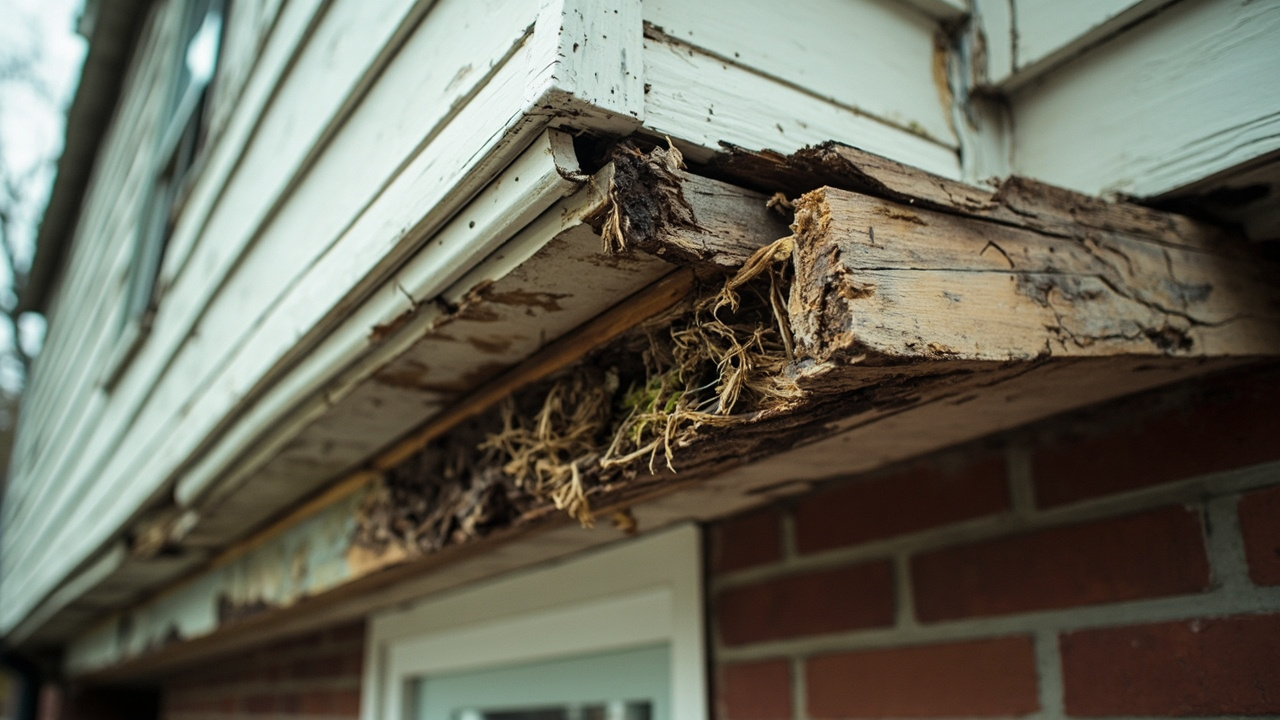
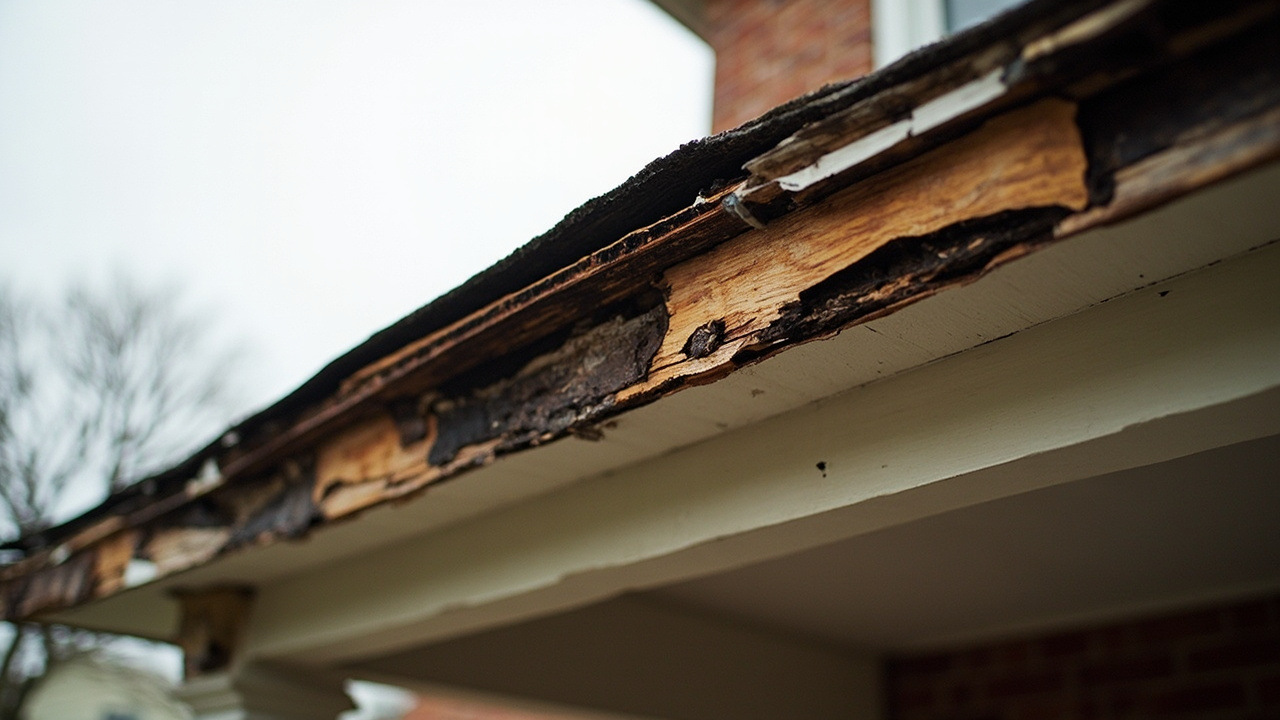
Philadelphia's weather creates the perfect storm for decaying fascia wood. Winter temperatures drop below freezing at night, then climb above 40 degrees by afternoon. Water seeps into micro-cracks in the fascia board, freezes, expands, and splits the wood fiber. By spring, what started as a hairline crack becomes a saturated section of rotted roof trim that crumbles when you press it.

The city's humidity compounds the issue. Summer dew points regularly hit 65 to 70 degrees, keeping moisture trapped against wood surfaces for hours each day. When your gutters clog with leaves from Philadelphia's mature tree canopy, overflow water runs directly behind the gutter and soaks the fascia. That standing moisture never fully dries, and wood rot on fascia spreads from a single weak point to entire sections within one season.

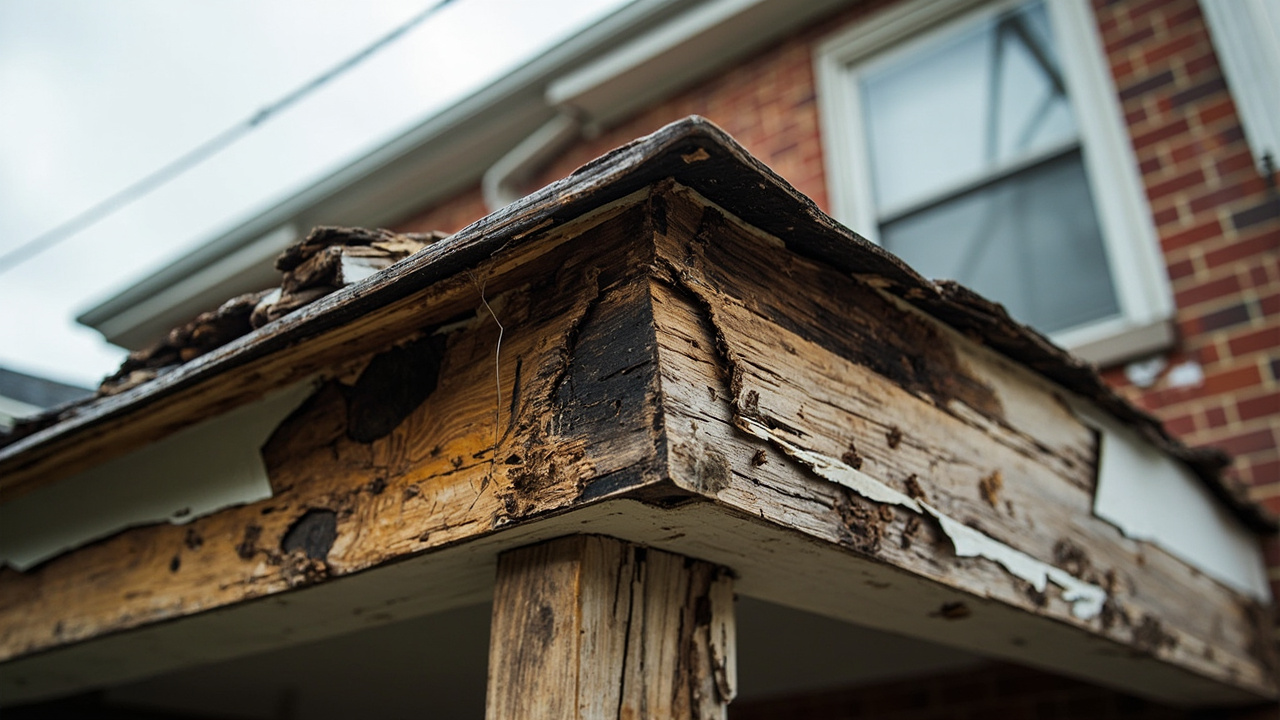
Historic rowhomes in neighborhoods like Fishtown and Queen Village face additional risk. Original fascia boards installed decades ago lack the pressure-treated protection modern lumber includes. Once water damaged fascia takes hold in these older structures, it compromises the rafter tails behind the board. You are not just looking at cosmetic damage. You are looking at structural rot that threatens your entire roof edge and creates entry points for carpenter ants and termites.

The warning signs show up as soft spots when you press the fascia, visible gaps where the board pulls away from rafter tails, or water stains on your soffit panels.

Why Philadelphia Homes Face Accelerated Fascia Board Rot
How We Diagnose and Repair Water Damaged Fascia

How We Diagnose and Repair Water Damaged Fascia

Atlas Roofing Philadelphia does not patch rotted roof trim with caulk and hope it holds. We remove the damaged section, assess the rafter tail integrity, and install pressure-treated lumber that withstands Philadelphia's moisture cycles.

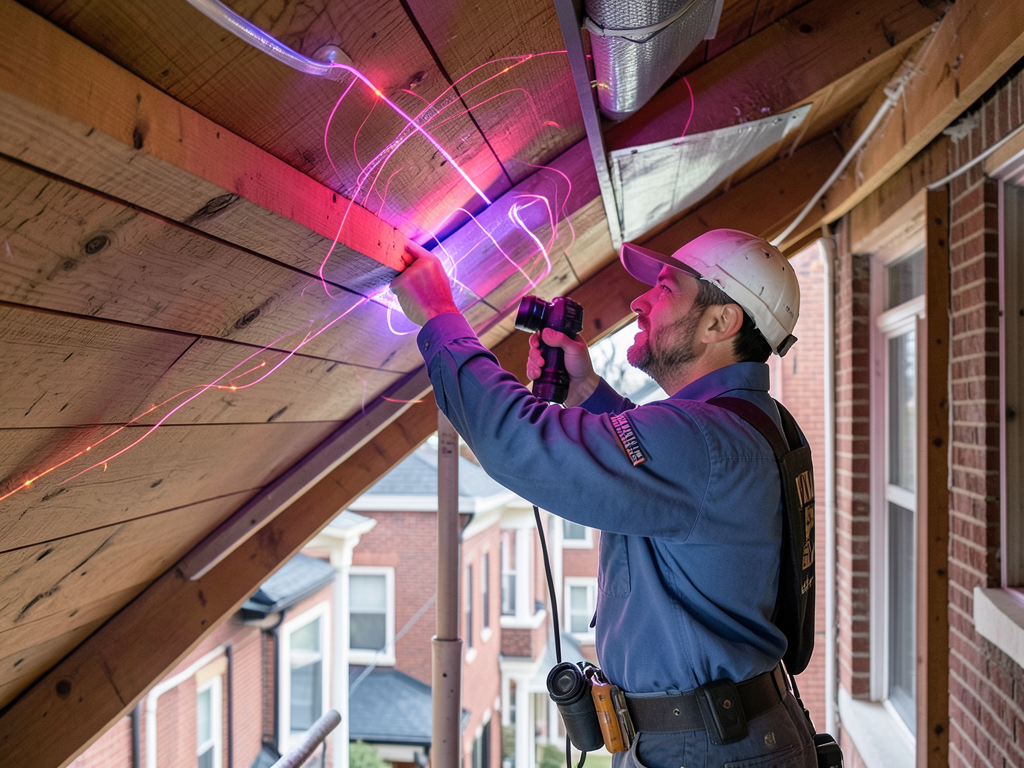
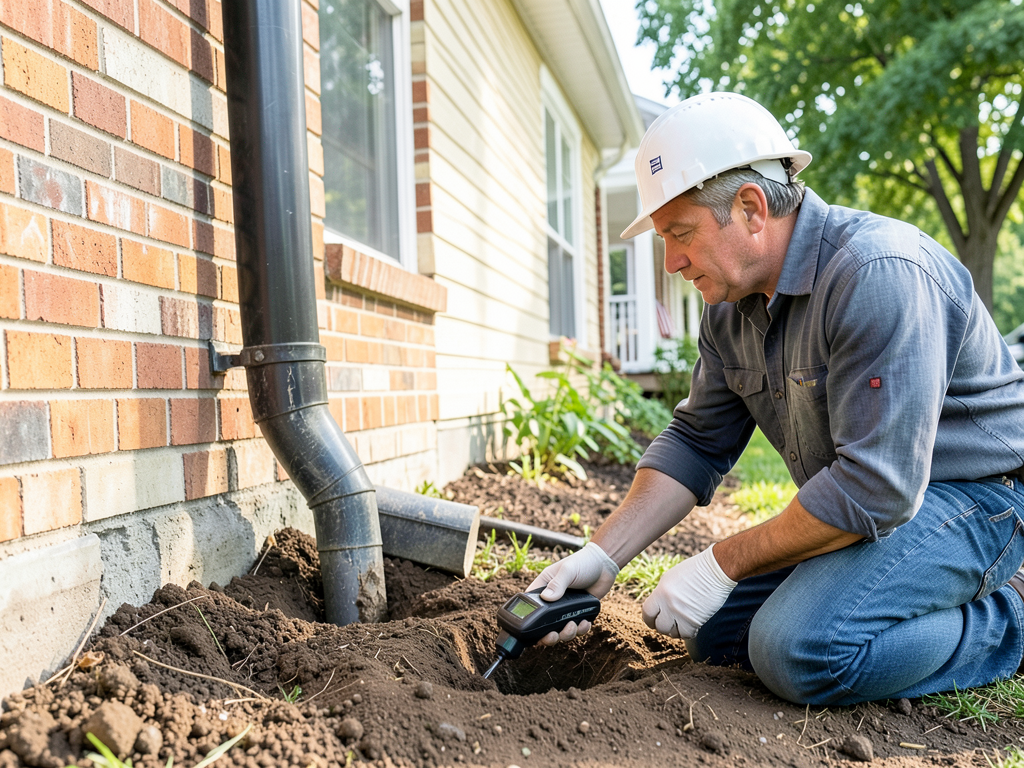
Our diagnostic process starts with a moisture meter reading along the entire fascia run. We probe every 18 inches to map the exact boundaries of the rot. Fascia board rot often extends six to twelve inches beyond the visible damage, and cutting only what you see guarantees the rot returns within months. We mark the full extent of the compromised wood before making any cuts.

Next, we remove the gutter section and pull the fascia board to inspect the rafter tails. In 40 percent of cases, water damaged fascia signals deeper rot in the structural lumber behind it. If the rafter tail shows soft wood or black staining, we sister a new pressure-treated 2x6 alongside the damaged section and bolt it with galvanized hardware. That repair restores load-bearing capacity and prevents future sag.

We replace decaying fascia wood with either pressure-treated pine rated for ground contact or PVC trim board for areas with chronic moisture exposure. PVC costs more upfront but eliminates wood rot on fascia permanently. For historic homes where maintaining the original wood profile matters, we use Borate-treated lumber and apply three coats of oil-based primer before installation.

The new fascia gets attached with ring-shank nails every 16 inches into solid rafter tails. We seal the top edge with ice and water shield that tucks under the drip edge, blocking the capillary action that originally caused the rot. The gutter goes back up with new hidden hangers that distribute weight across multiple rafter points.

What Happens During Your Fascia Board Repair

Rotting Fascia Boards in Philadelphia – Expert Diagnosis Stops Structural Damage Before It Spreads
01

Initial Damage Mapping

We climb a ladder and probe your fascia board with a screwdriver and moisture meter to identify every section with elevated moisture content above 19 percent. This step reveals hidden rot that has not yet shown visible symptoms. You get a written diagram marking which sections require replacement and which areas remain sound, so there are no surprises when the work begins.
02

Structural Assessment and Removal

We remove the gutter and carefully pry off the rotted fascia board to expose the rafter tails. Each rafter tail gets inspected for structural integrity. If we find compromised wood, we sister a new rafter section before installing the replacement fascia. This step prevents future sag and ensures your new fascia board has solid backing that will not fail in two years.
03

Installation and Weatherproofing

We install pressure-treated or PVC fascia board with ring-shank nails and seal the top edge with ice and water shield that integrates with your existing drip edge. The gutter gets rehung with hidden hangers that prevent the pulling force that caused the original damage. You get a fascia system that sheds water instead of absorbing it, ending the rot cycle for good.

Why Philadelphia Homeowners Trust Atlas Roofing for Fascia Repairs

Atlas Roofing Philadelphia has repaired fascia board rot on hundreds of homes across Center City, West Philadelphia, and the Northeast. We know the difference between a quick cosmetic patch and a repair that addresses the root cause.

Philadelphia's building stock includes everything from 1920s twins in Mayfair to new construction in Graduate Hospital. Each era and architectural style presents different fascia configurations. Older homes often have 1x6 fascia boards nailed directly to rafter tails with no drip edge protection. Modern homes use 2x8 boards with integrated drip edge and soffit vents. We stock materials for both configurations and adapt our approach to match your home's original design.

Our crews understand Philadelphia's permit requirements. Fascia replacement typically does not require a permit unless it involves structural repairs to rafter tails exceeding 25 percent of the original lumber. When structural work is necessary, we pull the permit and schedule the required inspections. You do not have to navigate the L&I process alone.

We also know Philadelphia's weather windows. Fascia repairs require dry conditions for proper adhesion of sealants and primers. We monitor forecasts and schedule work during multi-day dry spells, which are rare in spring and fall. If rain interrupts the job, we tarp the exposed section and return as soon as conditions allow. You never get a half-finished roof edge left open to the elements.

Local suppliers stock the materials we specify. We source pressure-treated lumber from 84 Lumber in Northeast Philadelphia and PVC trim from Kuiken Brothers in Bensalem. That local supply chain means we can start your repair within days, not weeks, and we can return for touch-ups without waiting on special orders.

What to Expect When You Hire Atlas Roofing Philadelphia

Repair Timeline and Scheduling

Most fascia board repairs take one to two days, depending on the extent of the rot and whether rafter tail repairs are necessary. We schedule work based on weather forecasts and material availability. You get a confirmed start date within three to five business days of approval. If we discover additional rot during the repair, we call you before proceeding with expanded work. Emergency repairs for fascia failures that expose your roof deck to rain get prioritized within 24 hours.

The Inspection Process

Your inspection takes 30 to 45 minutes and includes ladder access to all roof edges. We probe the fascia board with a screwdriver to test for soft spots and use a moisture meter to measure water content in the wood. You receive a written estimate that specifies which sections require replacement, the linear footage of new fascia board, and whether rafter tail repairs are needed. We take photos of the damaged areas and email them to you within 24 hours so you have documentation for insurance claims if applicable.

Quality of Materials and Workmanship

We install pressure-treated fascia boards rated for ground contact, which exceeds the standard for above-grade applications. All fasteners are galvanized or stainless steel to prevent rust staining. PVC trim boards come primed from the factory and require only finish paint. We seal the top edge of every fascia board with ice and water shield that extends under the drip edge, creating a waterproof barrier that prevents future moisture intrusion. The final installation passes a pull test to confirm the gutter hangers and fascia board will support snow load and ice buildup.

Maintenance and Follow-Up

Pressure-treated fascia boards require no maintenance beyond keeping your gutters clean. PVC fascia boards never rot and only need occasional washing. We recommend inspecting your fascia boards twice per year, in spring after snowmelt and in fall after leaves drop. Look for new soft spots, paint peeling, or gaps between the fascia and soffit. Call us immediately if you spot any of these signs. Catching new rot early prevents the need for structural rafter repairs. We offer annual roof inspections that include fascia checks for customers who want professional monitoring.

Frequently Asked Questions

You Have Questions,
We Have Answers

What causes fascia board to rot? +

Fascia boards rot when water gets trapped behind them. Clogged gutters are the main culprit in Philadelphia. When leaves and debris block your gutters, water overflows and soaks into the fascia. Our freeze-thaw cycles make it worse. Water seeps into the wood, freezes, expands, then thaws. This cracks the fascia and lets more moisture in. Failed roof flashing also directs water onto fascia instead of into gutters. Old paint that cracks and peels stops protecting the wood. Once moisture gets in, the wood stays wet and starts rotting from the inside out.

How to fix wood rot on fascia? +

You must remove all rotted wood before repairs work. Start by prying off the damaged fascia board. Check the rafter tails behind it for rot. If the rafters are soft, they need sistering or replacement first. Cut a new fascia board to match the old dimensions. Most Philadelphia homes use 1x6 or 1x8 cedar or pine. Prime all sides of the new board before installation. Secure it to the rafter tails with galvanized nails. Caulk all seams and edges. Prime and paint with exterior-grade paint. This is not a DIY job if you find structural damage.

Does homeowners insurance cover rotted fascia? +

Maybe, but probably not. Standard homeowners policies cover sudden damage from covered perils like storm damage or ice dams. They do not cover rot from poor maintenance or gradual wear. If a windstorm rips off your fascia and rain causes rot immediately after, you might get coverage. If the rot developed slowly from clogged gutters or old age, your insurer will deny the claim. Philadelphia insurers often cite maintenance neglect. Document everything. Take photos of damage. Get a professional inspection. Some policies exclude water damage entirely unless it is from a covered peril.

How much does it cost to replace a rotten fascia board? +

Costs vary based on damage extent and wood type. You cannot get an exact number without inspection. Factors include how many linear feet need replacement, whether rafter tails rotted, accessibility, and material choice. Cedar costs more than pine but lasts longer in Philadelphia humidity. Two-story homes cost more due to scaffolding needs. If rot spread to soffits or roof decking, costs climb fast. Most Philadelphia contractors charge by linear foot plus labor. Get three written estimates. Ask what they include. Cheap bids often mean incomplete work or hidden damage they ignored.

What is the life expectancy of a fascia board? +

Well-maintained fascia boards last 20 to 30 years in Philadelphia. Cedar lasts longer than pine. Proper installation and regular maintenance matter more than material choice. You must clean gutters twice yearly to prevent overflow. Inspect fascia annually for paint failure or water stains. Repaint every five to seven years to seal the wood. Philadelphia humidity and freeze-thaw cycles stress fascia boards more than dry climates. Homes near trees need more frequent gutter cleaning. If you skip maintenance, fascia can rot in under ten years. Proper ventilation in soffits helps fascia last longer.

Is dry rot covered by house insurance? +

No. Dry rot qualifies as maintenance neglect in almost every homeowners policy. Insurers classify dry rot as a long-term problem you should have prevented. They expect you to inspect your home regularly and fix small problems before they become big ones. Dry rot starts small and spreads slowly over months or years. Insurance covers sudden, accidental damage, not gradual deterioration. Philadelphia insurers are strict about this. If an adjuster finds dry rot, they will check if it ties to a recent covered event. If not, you pay out of pocket. Prevention is cheaper than paying for repairs yourself.

Does home insurance cover rotted wood? +

Only if a covered peril caused it suddenly. Rotted wood from long-term moisture exposure, poor ventilation, or deferred maintenance gets denied. If a pipe bursts and soaks your fascia overnight, causing rot, you might get coverage. If your gutters clogged three years ago and water slowly rotted the fascia, you will not. Philadelphia insurers investigate claims carefully. They look for evidence of when the rot started. They check maintenance records. If they find neglect, they deny the claim. Read your policy exclusions. Most specifically exclude damage from wear, tear, deterioration, or lack of maintenance.

How much does it cost to replace one fascia board? +

Replacing one fascia board costs less than replacing multiple sections, but you still pay for setup and labor. Single-board replacement makes sense only if rot is isolated. Most Philadelphia contractors charge a minimum service fee regardless of board length. You pay for the roofer's time, scaffolding or ladder setup, material, and disposal. If only one board rotted, check what caused it. The problem might spread to adjacent boards soon. Get a full inspection before committing to a one-board fix. Sometimes spending a bit more upfront to replace a full run prevents another service call six months later.

Does wood rot always mean termites? +

No. Wood rot and termites are separate problems, though they often coexist. Rot comes from fungal decay when wood stays wet. Termites eat wood for food. In Philadelphia, termites prefer already-damaged or rotted wood because it is softer and easier to chew. If you find rot, inspect for termite tubes, frass, or hollow-sounding wood. Tap the fascia with a screwdriver. If it crumbles easily, you have rot. If you see mud tubes or insect damage, you have termites. Get a pest inspection alongside your roofing inspection. Treating one problem without addressing the other wastes money.

What is the 80% rule in homeowners insurance? +

The 80% rule requires you to insure your home for at least 80% of its replacement cost to avoid penalties. If you underinsure and file a claim, the insurance company pays only a percentage of the damage, not the full amount. This applies to partial losses like fascia damage. If your home costs $300,000 to rebuild but you only carry $200,000 in coverage, you are underinsured. Your insurer will reduce your payout proportionally. Philadelphia home values rose fast recently. Review your coverage yearly. Underinsuring saves money on premiums but costs you thousands when you file a claim.

How Philadelphia's Freeze-Thaw Cycles Destroy Fascia Boards Faster Than Other Climates

Philadelphia averages 40 freeze-thaw cycles per winter, and each cycle forces water deeper into the wood grain of your fascia boards. When temperatures drop below 32 degrees at night, moisture trapped in the fascia expands by nine percent and splits the wood fiber. By morning, the temperature climbs back above freezing, the ice melts, and new water rushes into the fresh cracks. This daily expansion and contraction accelerates fascia board rot at triple the rate you see in southern climates with stable temperatures. Neighborhoods near the Schuylkill River and Delaware waterfront experience even more freeze-thaw cycles due to higher humidity from the water.

Atlas Roofing Philadelphia has repaired fascia boards on over 600 homes throughout the city, from the historic rowhouses in Society Hill to the postwar twins in the Northeast. We know which fascia configurations fail first and how to prevent recurring rot. Our crews understand Philadelphia's building code requirements for flashing and ventilation, and we work with L&I inspectors when structural repairs require permits. Choosing a contractor who knows Philadelphia's climate and construction standards means you get a repair that lasts, not a temporary patch that fails in two years.
Roofing Services in The Philadelphia Area

Atlas Roofing proudly serves the entire Philadelphia area, including all surrounding counties. We invite you to view our service area on the map to confirm we cover your neighborhood. As your trusted local roofing contractor, we are always ready to deploy our expert teams promptly to your home or business, ensuring you receive the high-quality, professional service you deserve, exactly when you need it.

Address:
Atlas Roofing Philadelphia, 100 N 18th St, Philadelphia, PA, 19103

Additional Services We Offer

Our news updates

Latest Articles & News from The Blogs

Finding the Source of Water Stains on Your Ceiling in Cobbs Creek Water stains on your ceiling create immediate panic.…

Finding the Source of Water Stains on Your Ceiling in Cobbs Creek

Finding the Source of Water Stains on Your Ceiling in Cobbs Creek Water stains on your ceiling create immediate panic.…

Transitioning from Asphalt Shingles to a Standing Seam Metal Roof in Roxborough

Transitioning from Asphalt Shingles to a Standing Seam Metal Roof in Roxborough Roxborough homeowners face unique challenges with their asphalt…

Why Your Attic Insulation Might Be Killing Your New Roof in North Philly

Why Your Attic Insulation Might Be Killing Your New Roof in North Philly Your new roof is sweating from the…

Contact Us

Call Atlas Roofing Philadelphia at (267) 344-1222 to schedule your fascia inspection. We provide written estimates within 24 hours and start repairs within one week. Do not wait until the rot spreads to your rafter tails.