




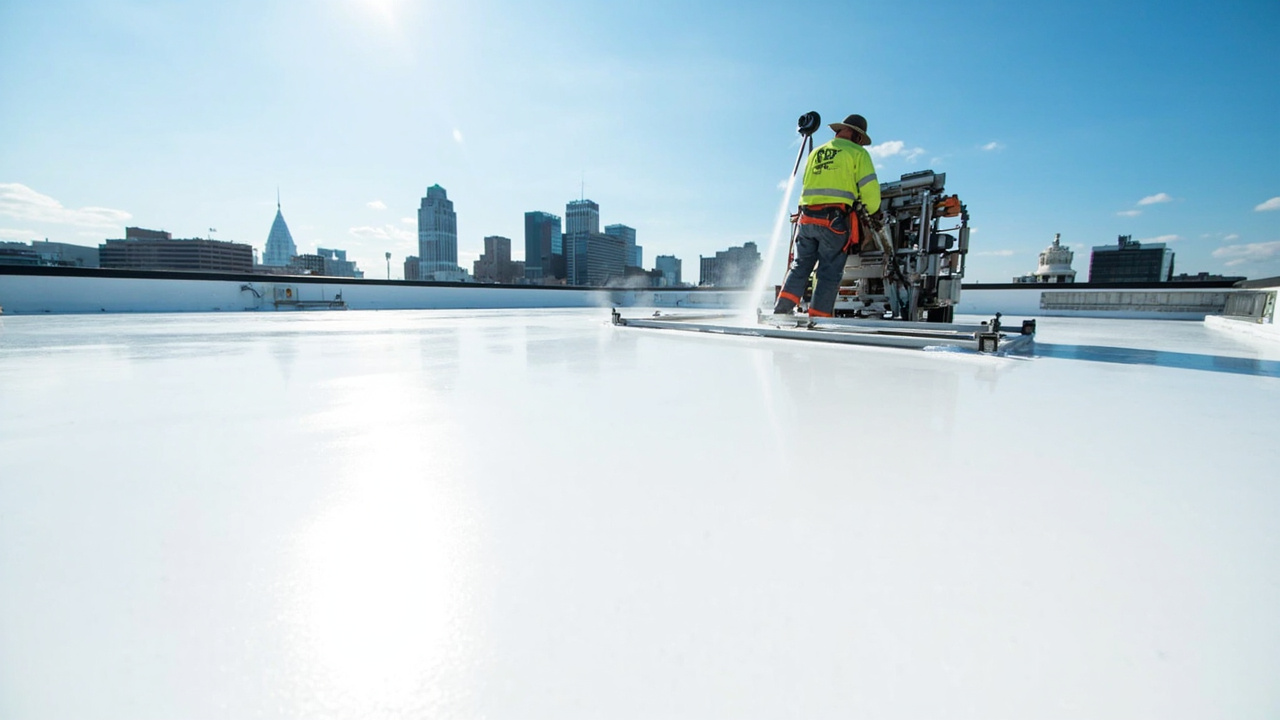
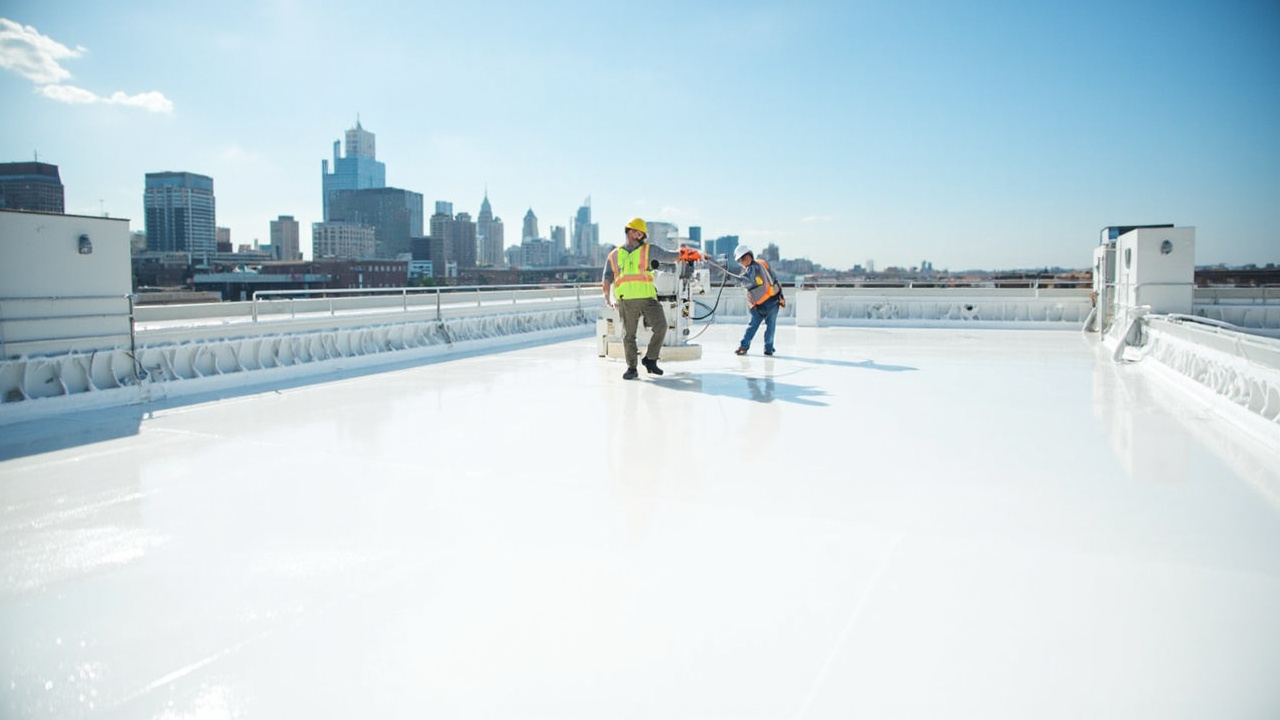

Philadelphia experiences 30 to 40 freeze-thaw cycles annually, creating expansion and contraction stress that degrades rigid roofing materials. This climate pattern makes elastomeric roof coatings particularly valuable because they maintain flexibility across temperature extremes from below zero to summer highs exceeding 95 degrees. Commercial buildings in University City and Center City with flat roofs experience ponding water that freezes, expands, and damages seams. Silicone coating systems resist ponding water better than acrylics, making them the preferred choice for low-slope roofs common in Philadelphia's commercial districts. Understanding these local climate factors determines which coating chemistry delivers optimal performance for your specific facility.
Philadelphia's commercial building codes require specific R-values and reflectivity standards for roof systems. Atlas Roofing Philadelphia works with building officials across Philadelphia County to ensure coating systems meet energy code requirements and permit standards. We understand local inspection processes and documentation requirements. Our familiarity with Philadelphia's architectural landscape, from converted industrial buildings in Fishtown to modern construction in the Navy Yard, means we specify appropriate systems for your building type and use classification. Local expertise matters because coating failures often result from mismatched systems or improper application techniques, not material defects.