




menu

Blistering Shingles in Philadelphia – Expert Diagnosis and Permanent Repair

Atlas Roofing Philadelphia identifies the root cause of asphalt shingle blisters and bubbling roof shingles, then repairs them correctly to prevent premature roof failure and water damage in your home.

Slider Image 1
Slider Image 2
Slider Image 3
Slider Image 4
Slider Image 5
Slider Image 7
Slider Image 8
Slider Image 9
Slider Image 10
Slider Image 11

Why Philadelphia Roofs Develop Heat Blisters and Shingle Bubbles

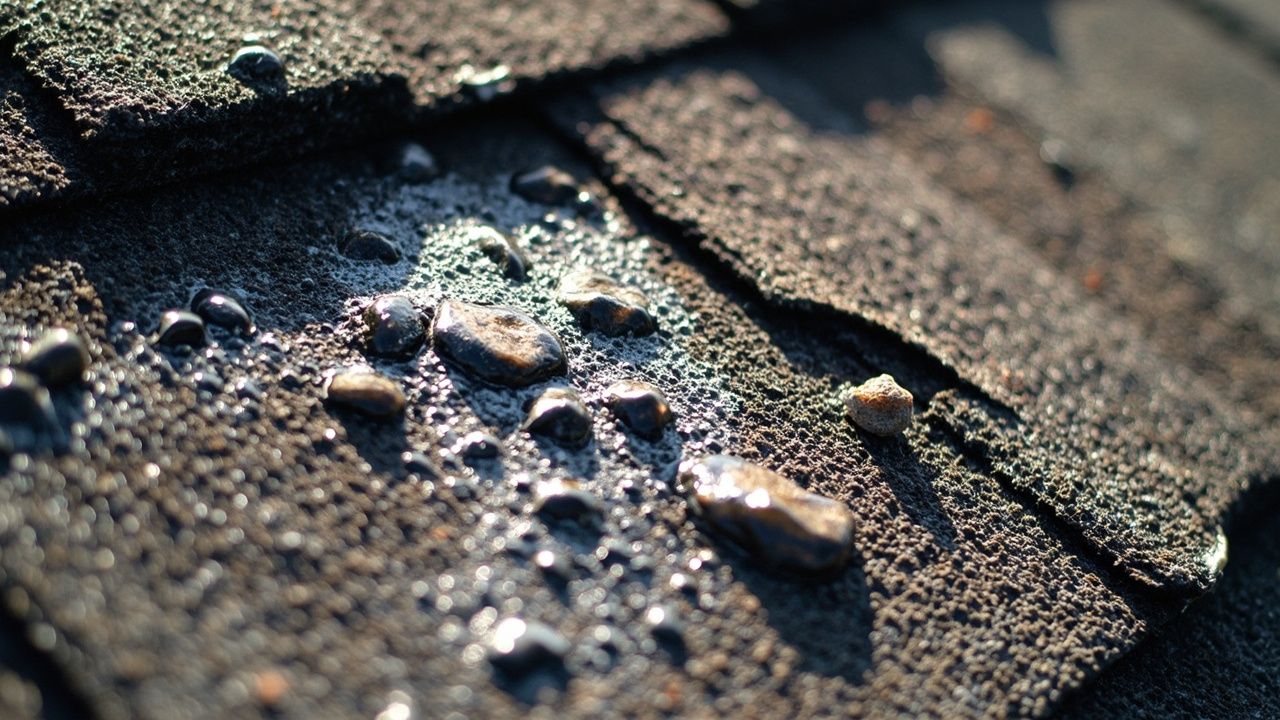
You notice raised, circular bumps on your roof. Some have already popped, leaving small craters. These are roof blisters, and they signal trapped moisture or volatile gases beneath the shingle surface.

Philadelphia's climate makes this problem worse. Summer temperatures on dark asphalt shingles can exceed 160 degrees Fahrenheit. When moisture gets trapped during installation or from condensation in your attic, that heat turns water into steam. The steam has nowhere to go, so it pushes up through the shingle layers, creating bubbling roof shingles.

This happens in three ways. Poor attic ventilation traps humidity against the roof deck. Shingles installed over wet decking trap moisture from the start. Low-quality manufacturing leaves volatile compounds in the asphalt that vaporize under heat, creating heat blisters on shingles.

Philadelphia's freeze-thaw cycles make existing blisters worse. Water enters through popped blisters, freezes, expands, and cracks the surrounding shingle. What starts as a cosmetic issue becomes a leak path. You see stains on your ceiling. You smell mold in your attic. The damage spreads faster than you expect.

Ignoring asphalt shingle blisters cuts your roof's lifespan in half. A 20-year roof fails in 10. The repair bill grows. Atlas Roofing Philadelphia stops the damage before it reaches your deck and insulation.

Why Philadelphia Roofs Develop Heat Blisters and Shingle Bubbles
How We Fix Blistered and Bubbling Shingles the Right Way

How We Fix Blistered and Bubbling Shingles the Right Way

Most roofers patch the visible blister and leave. We diagnose why the blister formed in the first place.

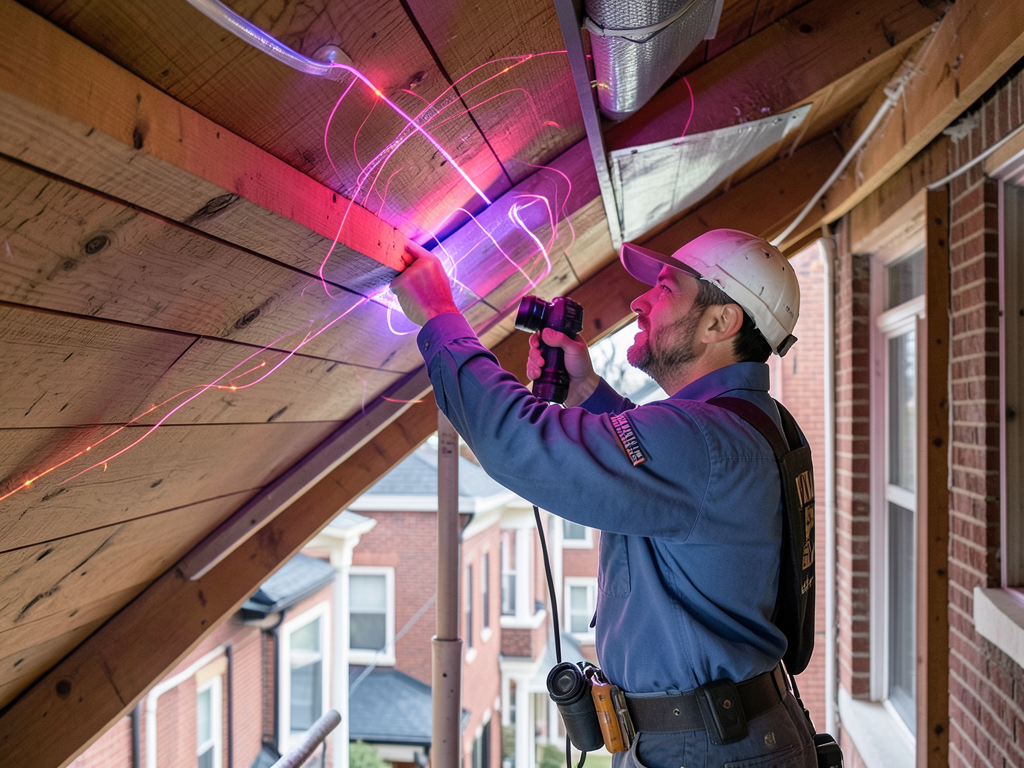
We start with a full roof and attic inspection. We measure attic temperature and humidity. We check soffit and ridge vent flow rates. We look for condensation on the underside of your roof deck. If your attic traps heat and moisture, blisters will return no matter how many shingles we replace.

We inspect the shingle installation. Were shingles nailed through the adhesive strip? Was the deck damp during installation? We look for patterns. Blisters clustered on south-facing slopes indicate heat damage. Blisters near valleys and eaves suggest water infiltration. Random scattered blisters point to manufacturing defects.

Once we identify the cause, we remove the damaged shingles. We inspect the underlayment and deck for water damage. If moisture reached the deck, we replace the affected section. Wet plywood loses structural integrity and grows mold. We do not roof over compromised decking.

We install new shingles with proper nailing patterns and adhesive activation. If ventilation caused the problem, we add ridge vents or baffles to improve airflow. If the entire roof has manufacturing defects, we document the failure and help you file a warranty claim with the manufacturer.

Philadelphia homeowners trust Atlas Roofing Philadelphia because we fix the cause, not just the symptom. Your repair lasts because we addressed the system failure.

What Happens During Your Blister Repair

Blistering Shingles in Philadelphia – Expert Diagnosis and Permanent Repair
01

Inspection and Diagnosis

We examine your roof and attic to find the source of the blistering. We measure ventilation rates, check moisture levels in your deck, and photograph the blister distribution pattern. You get a written report explaining whether the issue stems from heat, moisture infiltration, or defective materials. This prevents future blistering after the repair.
02

Shingle Removal and Deck Assessment

We remove damaged shingles and inspect the underlayment and plywood deck beneath. If moisture penetrated through popped blisters, we replace wet decking and underlayment to prevent rot and mold growth. We document all damage with photos for your records or insurance claim. You see exactly what failed and why replacement is necessary.
03

Repair and Prevention

We install new shingles using manufacturer-approved nailing patterns and ensure proper adhesive activation. If poor ventilation caused the blisters, we add vents or baffles to eliminate trapped heat and moisture. Your roof gets a final inspection to confirm all repairs meet code. You receive maintenance recommendations to extend your roof's lifespan and prevent future failures.

Why Philadelphia Homeowners Choose Atlas Roofing for Blister Repairs

Philadelphia roofs face unique stress. Summer heat bakes asphalt shingles while winter ice dams force water under the edges. Your roof needs more than a generic repair. It needs someone who understands how the Delaware Valley climate accelerates shingle failure.

Atlas Roofing Philadelphia has repaired blistered roofs in Fishtown, Manayunk, and Chestnut Hill. We know the older rowhomes in South Philly have limited attic ventilation, which traps heat and moisture. We know the newer builds in Northeast Philadelphia sometimes use lower-grade shingles that blister within five years. We tailor the repair to your home's construction and your neighborhood's weather patterns.

We also understand Philadelphia's building code requirements. Roof repairs that affect more than 25 percent of a roof section trigger permit requirements. We handle the paperwork. We know which repairs need L and I approval and which do not. You avoid fines and failed inspections.

Most roofers replace shingles and disappear. We explain what caused the blistering and how to prevent it. If your manufacturer warranty covers the defect, we document the failure and help you file the claim. You get reimbursed for materials when applicable.

Philadelphia homeowners return to Atlas Roofing Philadelphia because we treat your roof as a system, not a surface. We fix the ventilation. We replace wet decking. We install quality shingles correctly. Your repair lasts because we eliminated the root cause of the blistering.

What to Expect When You Call Atlas Roofing Philadelphia

Fast Response Times

We schedule your inspection within 48 hours of your call. Blisters that have popped expose your deck to water damage, so speed matters. We arrive on time, complete the inspection in under an hour, and provide a written diagnosis the same day. If the repair is urgent, we prioritize your job to prevent further deterioration. You know exactly when we will start and how long the work will take.

Thorough Roof and Attic Assessment

We do not just look at your shingles. We inspect your attic ventilation, measure humidity levels, and check your roof deck for moisture damage. We take photos of the blistering pattern and explain whether the cause is heat, trapped moisture, or defective materials. You get a detailed report with recommendations for repair and prevention. This thoroughness ensures we fix the problem permanently, not temporarily.

Quality Materials and Workmanship

We use manufacturer-approved shingles that match your existing roof color and style. Our installers follow NRCA nailing guidelines and ensure proper adhesive activation to prevent future blistering. If your deck or underlayment is damaged, we replace it with code-compliant materials. You get a roof repair that lasts as long as the rest of your roof. We do not cut corners to save time.

Documentation and Warranty Support

You receive photos of the damage, a detailed scope of work, and receipts for all materials. If your shingles are under manufacturer warranty, we document the defect and help you file the claim. You get reimbursed for covered materials. We also provide a workmanship guarantee on our installation. If a repaired section fails due to our work, we fix it at no charge. You have proof of quality repair for future home sales or insurance claims.

Frequently Asked Questions

You Have Questions,
We Have Answers

What does shingle blistering look like? +

Shingle blistering looks like raised bubbles or bumps on the surface of your asphalt shingles. These bubbles can be small or large, and they often appear as circular or irregular shaped pockets. You will see the granules on top pushed upward or missing entirely where the blister formed. The blisters may be darker than surrounding areas or show exposed underlayment. In Philadelphia homes, moisture trapped during installation combined with our humid summers accelerates this issue. Blistered shingles feel soft when pressed and eventually crack open, exposing your roof deck to water damage during storms.

What does it mean when shingles blister? +

When shingles blister, moisture or air gets trapped between the asphalt layers during manufacturing or installation. This trapped vapor expands when heated by the sun, creating pressure that pushes the shingle surface upward. Philadelphia's hot, humid summers intensify this expansion. Manufacturing defects cause blisters from day one, while installation issues like poor ventilation or wet materials create problems over time. Once blistered, the shingle's protective granule layer gets compromised. The weakened spot cracks and allows water penetration, which leads to deck rot and leaks. Blistering signals your roof is failing prematurely and needs professional inspection.

What stage of shingles are blisters? +

This question confuses roofing shingles with the medical condition shingles (herpes zoster). For roofing, blistering is a defect stage, not a disease progression. Roof shingle blisters form when manufacturing defects or installation errors trap moisture. They worsen with heat cycles and eventually rupture. If you are asking about the viral infection shingles, blisters appear during the active rash stage, typically two to three days after pain begins. You should contact a medical professional for health concerns. For roof blistering issues in Philadelphia homes, contact a licensed roofing contractor to assess damage and prevent leaks before winter freeze-thaw cycles cause additional structural problems.

How to treat shingle blisters? +

You cannot repair blistered shingles effectively. The damage is permanent once the asphalt layers separate. Individual blistered shingles need replacement to prevent leaks. A Philadelphia roofing contractor will remove damaged shingles, inspect the underlayment and deck for moisture damage, then install new matching shingles. If blistering is widespread across your roof, full replacement may be more cost-effective than patchwork repairs. Many Philadelphia homeowners discover their insurance covers premature shingle failure if manufacturing defects are documented. Do not ignore blistering. Our freeze-thaw cycles will split those weakened spots wide open, allowing water into your attic and walls during winter storms.

Why Philadelphia's Humid Summers and Poor Attic Ventilation Cause Chronic Roof Blistering

Philadelphia's summer humidity averages 65 percent, and attic temperatures in poorly ventilated homes can reach 150 degrees. This combination turns your attic into a steam trap. Moisture from your home rises into the attic, condenses on the underside of the roof deck, and gets absorbed into the shingles. When the sun heats those shingles, the trapped moisture vaporizes and creates bubbling roof shingles. Older Philadelphia rowhomes and twins often lack proper ridge vents or soffit vents, making this problem worse. The blisters form faster here than in drier climates.

Atlas Roofing Philadelphia has worked on homes across the city, from the narrow rowhomes in Queen Village to the larger colonials in Mount Airy. We understand the ventilation challenges in Philadelphia's housing stock. Many homes were built before modern building codes required adequate attic airflow. We do not just replace blistered shingles. We add the ventilation your roof needs to prevent the problem from returning. Philadelphia homeowners trust us because we understand the city's construction history and climate realities.
Roofing Services in The Philadelphia Area

Atlas Roofing proudly serves the entire Philadelphia area, including all surrounding counties. We invite you to view our service area on the map to confirm we cover your neighborhood. As your trusted local roofing contractor, we are always ready to deploy our expert teams promptly to your home or business, ensuring you receive the high-quality, professional service you deserve, exactly when you need it.

Address:
Atlas Roofing Philadelphia, 100 N 18th St, Philadelphia, PA, 19103

Additional Services We Offer

Our news updates

Latest Articles & News from The Blogs

The Best Way to Handle Downspout Runoff in Narrow Manayunk Alleyways Water pouring off your roof into the narrow alleyway…

The Best Way to Handle Downspout Runoff in Narrow Manayunk Alleyways

The Best Way to Handle Downspout Runoff in Narrow Manayunk Alleyways Water pouring off your roof into the narrow alleyway…

Finding the Leak in Your Complicated Tudor Roof in West Mt. Airy

Finding the Leak in Your Complicated Tudor Roof in West Mt. Airy Water dripping from your ceiling during a storm…

Why Ridge Vents Alone Might Not Be Enough for Your Hot Attic in Wynnefield

Why Ridge Vents Alone Might Not Be Enough for Your Hot Attic in Wynnefield Your attic feels like an oven…

Contact Us

Blistered shingles fail faster than intact ones. Call Atlas Roofing Philadelphia at (267) 344-1222 for a same-week inspection. We diagnose the cause, repair the damage, and prevent future blistering. Your roof gets the attention it needs before leaks start.