




menu

Nail Pop Repair in Philadelphia – Fast Diagnosis and Permanent Fixes for Popped Roofing Nails

When shingles lift or metal flashing starts to buckle, you need more than a patch job. Atlas Roofing Philadelphia identifies the root cause of nail pops and reseats fasteners to restore structural integrity across your entire roof system.

Slider Image 1
Slider Image 2
Slider Image 3
Slider Image 4
Slider Image 5
Slider Image 7
Slider Image 8
Slider Image 9
Slider Image 10
Slider Image 11

Why Nail Pops Are So Common in Philadelphia Homes

Philadelphia's freeze-thaw cycles hit roofs hard. Water seeps into tiny gaps around fasteners, freezes overnight, and expands. When morning sun melts the ice, the wood contracts. This constant push and pull forces nails upward through shingles, creating bumps and lifting tabs. You see it most on south-facing slopes and near chimneys, where temperature swings are sharpest.

The city's housing stock makes the problem worse. Row homes and Victorian-era houses use dimensional lumber that shrinks and swells with humidity. As roof decking moves, fasteners lose their grip. A single popped nail can crack sealant around the shingle, letting wind catch the edge during storms. Once water gets under that lifted shingle, you have a leak pathway straight to your attic.

Fixing roof nail pops means more than hammering the fastener back down. That approach splits shingles and leaves the decking compromised. You need to remove the old nail, inspect the hole for rot, and install a new fastener in solid wood. Shingle nail pop repair also requires resealing the shingle tab with roofing cement, so wind cannot lift it again. If the decking shows soft spots or water stains, you replace that section before reseating popped roof nails. Ignoring the issue invites mold growth, insulation damage, and structural decay that costs thousands to reverse.

Repairing popped roofing nails is not a DIY job. Walking on an already compromised roof can drive more nails through, and missing the rafter when you reinstall a fastener leaves the shingle loose. You also risk voiding manufacturer warranties if you use improper fasteners or placement.

Why Nail Pops Are So Common in Philadelphia Homes
How Atlas Roofing Philadelphia Fixes Nail Pops the Right Way

How Atlas Roofing Philadelphia Fixes Nail Pops the Right Way

We start with a full deck inspection from the attic. Popped nails often signal broader movement in the sheathing, so we check for rafter spacing issues, missing blocking, or undersized decking. If your roof was installed before 1980, you might have skip sheathing or boards instead of plywood. Those systems require different fastener types and spacing.

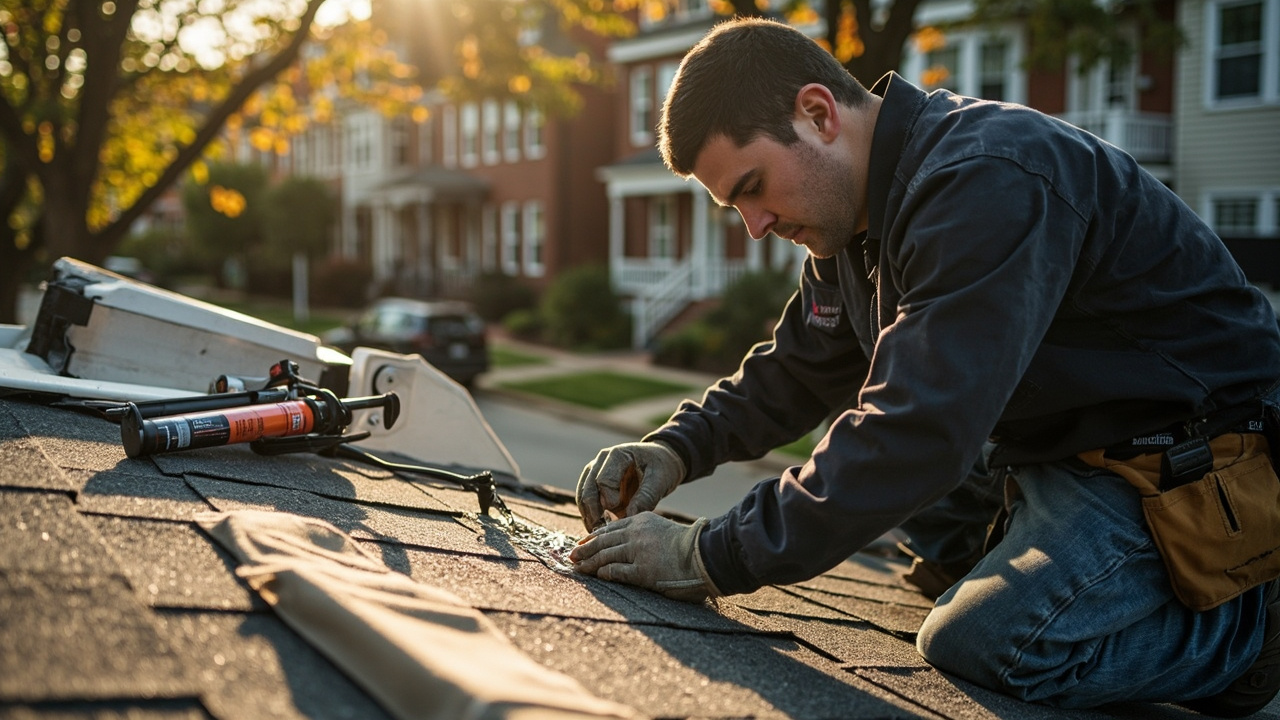
Once we map the problem areas, we remove each lifted fastener and examine the hole. A clean hole gets a new galvanized roofing nail driven one inch to the side, into solid decking. If the wood is punky or stained, we sister a new piece of plywood or OSB to the underside of the sheathing. This spreads the load and gives the fastener fresh purchase. We never reuse old nail holes because the wood fibers are crushed and cannot hold.

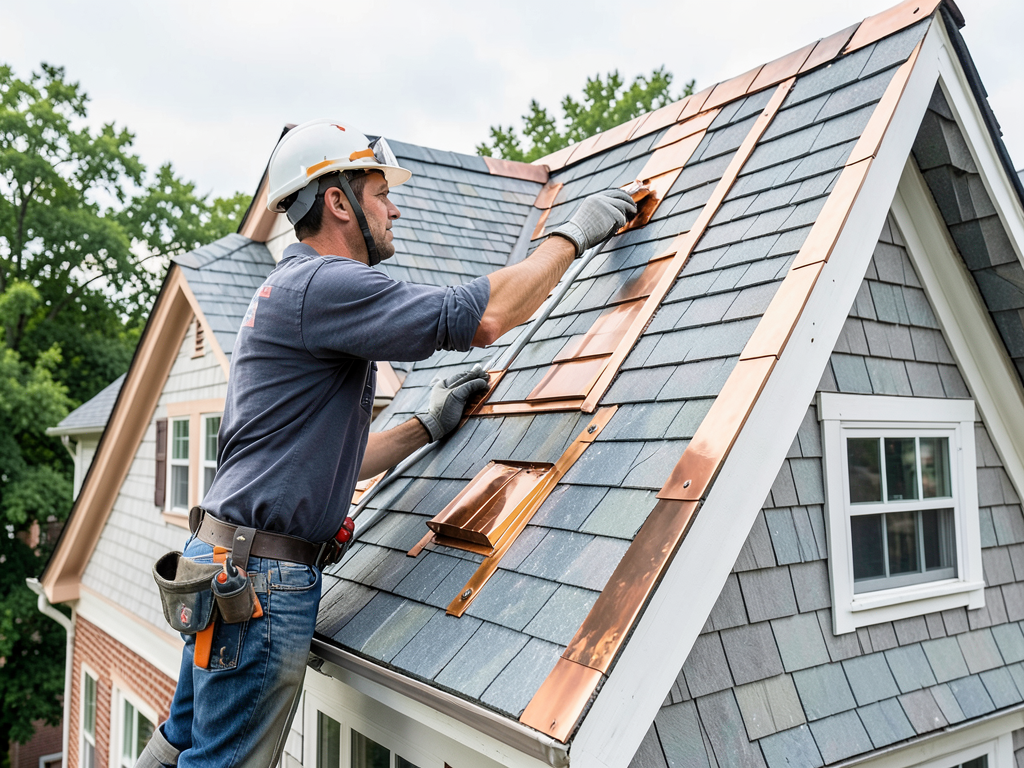
After roof nail backout repair, we reseal every shingle tab with asphalt roofing cement. This creates a waterproof bond and prevents wind uplift. For metal flashing or drip edge with popped fasteners, we use stainless steel screws with neoprene washers. These compress against the metal without overdrive, which prevents new pops.

We also address the cause. If your attic ventilation is inadequate, heat buildup accelerates decking movement. We add ridge vents or soffit vents to balance airflow. If your shingles are past their service life and becoming brittle, we discuss full replacement timelines so you can budget appropriately. Reseating popped roof nails buys you time, but it does not fix an aging roof system.

Every repair includes a photo report showing before, during, and after conditions. You see exactly what we found, what we fixed, and what to monitor.

What Happens During Your Nail Pop Repair Appointment

Nail Pop Repair in Philadelphia – Fast Diagnosis and Permanent Fixes for Popped Roofing Nails
01

Attic and Surface Inspection

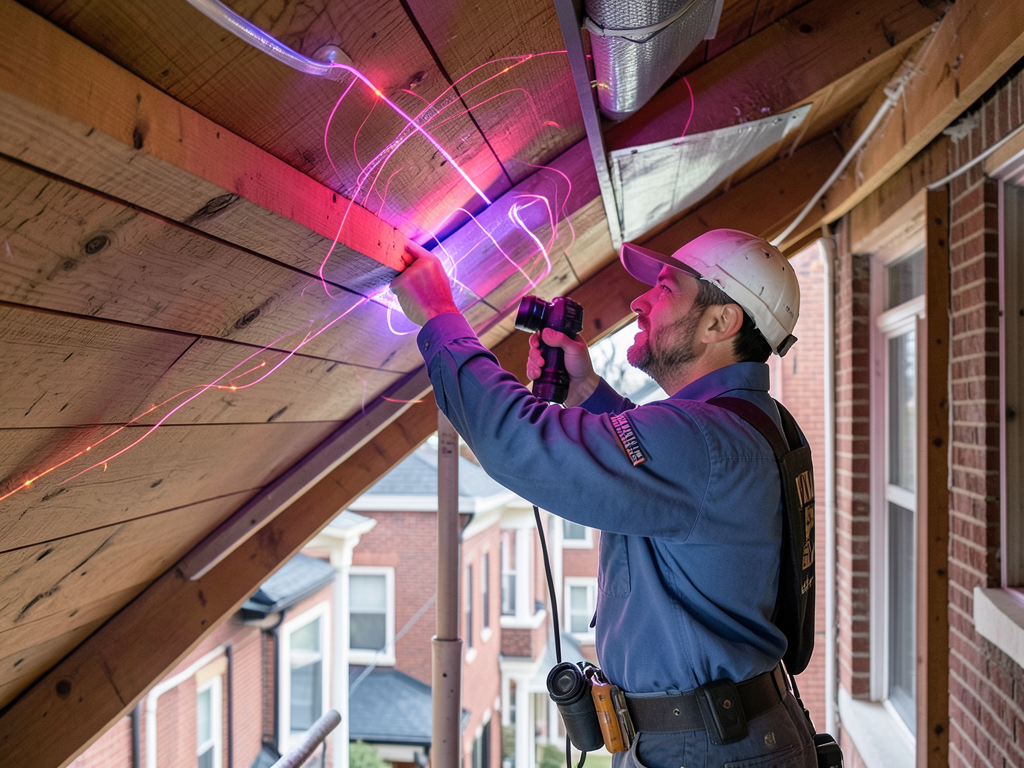
We check your attic for water stains, sagging decking, and ventilation issues before stepping on the roof. This reveals whether nail pops are isolated or part of a larger structural shift. We also note rafter spacing and sheathing type, which determines fastener selection. Surface inspection maps every lifted shingle and checks flashing seams for backout damage.
02

Fastener Removal and Decking Repair

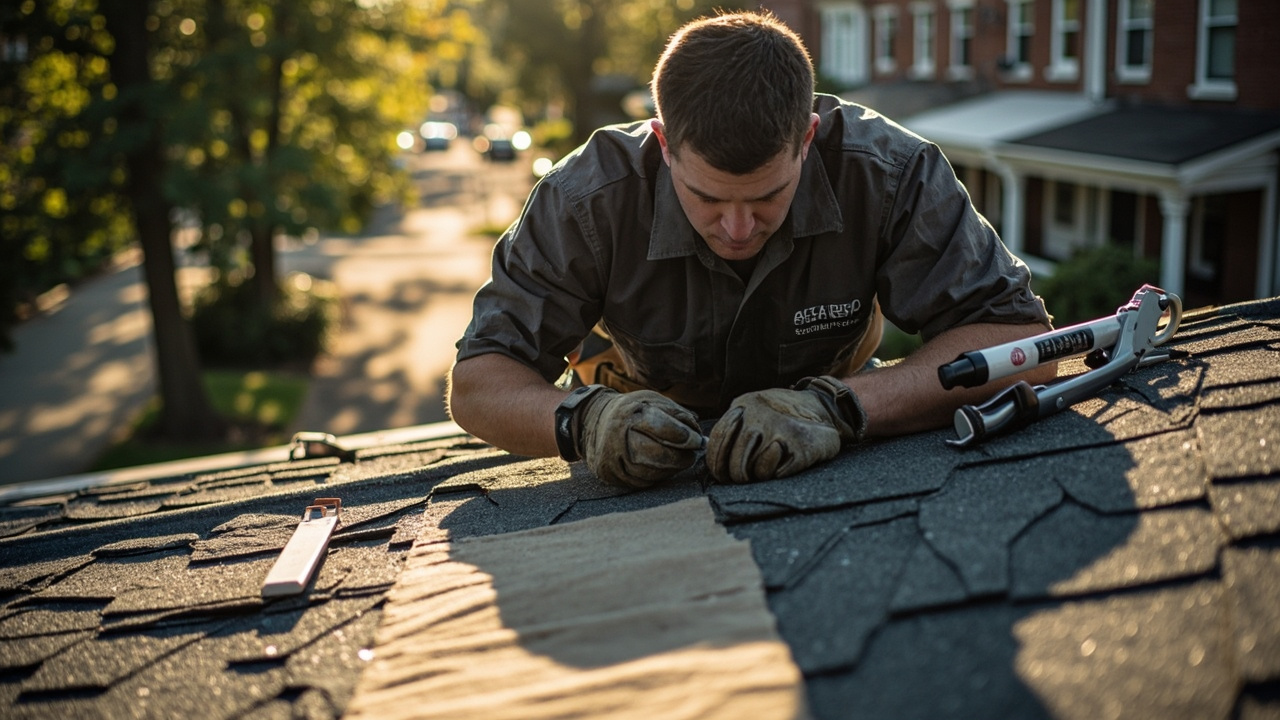
Each popped nail is carefully extracted to avoid tearing the shingle. We inspect the hole for rot or compression damage. If the decking is compromised, we cut out the damaged section and sister new plywood to the rafters. New fasteners go into virgin wood, offset from the old hole, and driven to proper depth without overdrive or underdrive.
03

Shingle Resealing and Quality Check

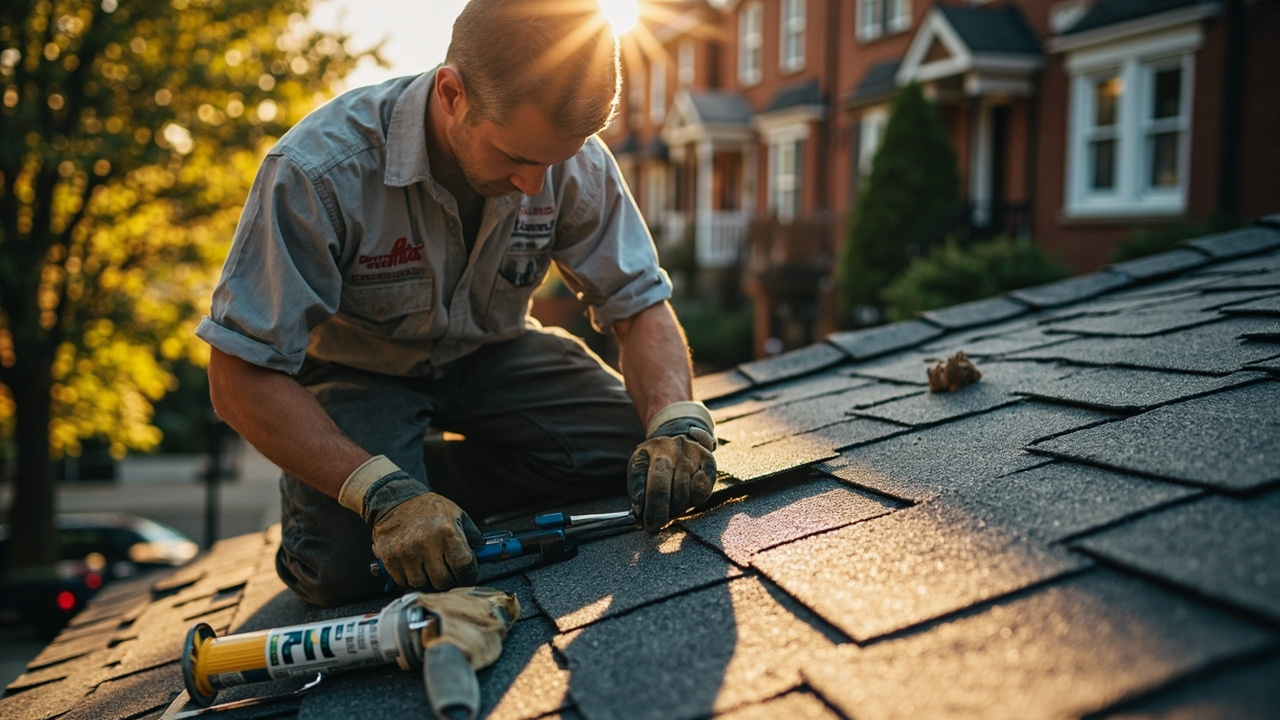
After reinstalling fasteners, we lift each shingle tab and apply roofing cement to restore the seal. This prevents wind from catching the edge during storms. We verify that all tabs lie flat and that no exposed fastener heads remain. A final walkthrough checks adjacent shingles for hairline cracks or brittleness that could cause future problems.

Why Philadelphia Homeowners Trust Atlas Roofing Philadelphia for Nail Pop Repair

Most contractors want to sell you a full roof replacement the moment they see a popped nail. We assess the actual condition of your decking and shingles, then give you honest options. If your roof has ten years of life left, we fix the pops and help you plan for eventual replacement. If the sheathing is compromised in multiple areas, we explain why a reroof makes more financial sense than patching.

Philadelphia's building codes require specific fastener patterns for high-wind zones, especially in neighborhoods near the Delaware River. We follow the International Residential Code and manufacturer specifications, so your repair does not void existing warranties. Many DIY repairs use smooth-shank nails or incorrect placement, which causes the same fasteners to pop again within months.

We also understand the architecture. Mansard roofs on Germantown Victorians require different fastener techniques than the flat-pitch roofs on South Philly row homes. Historic districts demand material matching, so we source shingles that blend with your existing color and texture. You will not see a patchwork of mismatched repairs.

Our crews work year-round, but we schedule nail pop repairs during dry weather to prevent water intrusion while shingles are lifted. If you call during a rainstorm, we tarp the affected area and return for permanent repairs once conditions allow. Emergency tarping is included at no extra charge when you book a repair.

Atlas Roofing Philadelphia has repaired thousands of popped nails across Fishtown, Roxborough, and Chestnut Hill. We know which roof systems are prone to fastener failure and how to reinforce them. You get a written scope of work before we start, so there are no surprises when the invoice arrives.

What to Expect When You Schedule Nail Pop Repair

Response Time and Scheduling

We return calls within two hours and schedule inspections within three business days. Most nail pop repairs take half a day, depending on how many fasteners need replacement and whether decking work is required. If your attic shows active leaks, we prioritize your appointment and tarp the area until we arrive. For non-emergency repairs, we offer flexible scheduling that works around your availability. You do not need to be home during the work, but we walk you through the findings afterward with photos and a written summary.

Inspection and Diagnosis Process

Our technician enters your attic first to check for water damage, ventilation problems, and sheathing integrity. This takes about twenty minutes and gives us a baseline before we touch the roof. On the surface, we photograph every lifted shingle and test the decking for soft spots. You receive a detailed estimate that breaks down fastener replacement, shingle resealing, and any decking repair. We explain why each step is necessary and show you the affected areas on your phone or tablet, so you understand the scope before we start.

Quality of the Final Repair

Every repaired section looks identical to the surrounding roof. We match shingle orientation, sealant application, and fastener depth to manufacturer standards. You will not see raised bumps, exposed nail heads, or misaligned tabs. If we replace decking, we use the same thickness as your existing sheathing and fasten it to rafters at code-compliant intervals. The repair blends seamlessly, and your roof maintains its wind rating and fire classification. We clean up all debris and run a magnet sweep across your yard to collect stray fasteners.

Follow-Up and Maintenance Guidance

We provide a care sheet that explains how to monitor your roof for new pops, especially after heavy snow or windstorms. If additional nails back out within the first year, we return to reseat them at no charge for labor. You pay only for materials if new fasteners are needed. We also offer annual roof inspections that catch small issues before they become leaks. During the inspection, we check flashing, sealant, and ventilation, then send you a condition report with photos and a priority list for any needed work.

Frequently Asked Questions

You Have Questions,
We Have Answers

Can nail pops be fixed? +

Yes, nail pops can be fixed. The repair involves removing the loose nail, securing the drywall with a screw placed above and below the pop, then filling the dimple with joint compound. You sand smooth, prime, and paint to match. Philadelphia homes, especially older row houses with wood framing, experience nail pops due to seasonal humidity swings and settling. The fix is straightforward, but proper technique matters. A sloppy repair shows through paint. If you have multiple pops or cracks, you may need a professional to assess framing issues or moisture problems.

How much does it cost to fix a nail pop? +

Repairing a single nail pop costs between a service call and minor patching fee. Many contractors in Philadelphia bundle nail pop repairs with other drywall work to reduce trip charges. Factors include the number of pops, ceiling height, and whether you need texture matching or full repainting. If you have dozens of pops across multiple rooms, expect higher labor costs. Most pros charge by the hour or per pop. A few isolated pops in a standard room should be inexpensive. Get a written estimate before work begins.

Can you hammer nail pops back in? +

No, you should not hammer nail pops back in. The nail has already loosened, and pounding it back compresses the drywall paper and gypsum, creating a larger dimple. The nail will pop again within weeks. The correct fix is to remove the nail completely, drive a drywall screw one to two inches above and below the original hole to secure the panel, then fill and finish with joint compound. Philadelphia homes with older lath or plaster walls may require a different approach if the substrate is damaged.

How do contractors fix nail pops? +

Contractors remove the loose nail, then drive two drywall screws into the stud, one above and one below the original hole. This anchors the panel firmly. They fill the screw dimples and nail hole with joint compound, feather the edges, and let it dry. A second coat may be needed. After sanding smooth, they prime and paint to match the existing wall. In Philadelphia rowhomes with shared walls and settling, contractors check for framing shifts or moisture issues before finishing. Proper screw depth prevents future pops.

Is it safe to ignore nail pops? +

No, ignoring nail pops is not safe long term. While a single pop is cosmetic, multiple pops signal movement in the framing, settling, or moisture infiltration. Philadelphia row houses built on clay soil often shift as the ground expands and contracts. Unaddressed pops can widen, crack the drywall, and expose the paper to humidity, causing mold or further damage. If you see clusters of pops or cracks radiating from them, inspect the attic, foundation, and roof for structural issues or leaks before patching.

What do nail pops indicate? +

Nail pops indicate movement between the drywall and framing. Common causes include lumber shrinkage as the wood dries, seasonal expansion and contraction from humidity, and structural settling. In Philadelphia, freeze-thaw cycles and high summer humidity accelerate wood movement. A few pops near a window or door are normal. Clusters along walls or ceilings suggest framing shifts, foundation settling, or roof truss uplift. Check for water stains, sagging, or cracks. Persistent popping in the same spot may mean improper framing attachment or missing blocking.

Does insurance cover nail pops? +

Standard homeowners insurance does not cover nail pops. Insurers view them as cosmetic issues caused by normal settling or material shrinkage, not sudden covered perils like wind or water damage. If nail pops result from a covered event, such as a roof leak that soaked the framing or storm damage that shifted the structure, your claim may include repairs. Document the cause with photos. In Philadelphia, older homes with historical designations may have specialized coverage. Review your policy and consult your adjuster if structural damage is involved.

Will nail pops get worse over time? +

Yes, nail pops often get worse over time. Once a nail loosens, the framing continues to move with seasonal humidity and temperature swings. The gap widens, and the drywall paper tears further. Philadelphia homes experience high humidity in summer and dry cold in winter, which cycles the wood. Each cycle worsens the pop. New pops may appear near the original as stress transfers. If you see multiple pops spreading across a wall or ceiling, the framing is shifting. Address the root cause before patching, or you will repeat repairs.

Who to call to fix nail pops? +

Call a licensed drywall contractor or handyman to fix nail pops. For widespread popping or structural concerns, contact a general contractor or structural engineer to assess the framing. In Philadelphia, many rowhomes share load-bearing walls, and settling can affect adjacent units. If you suspect roof or foundation issues, a roofing or foundation specialist should inspect first. For a few isolated pops, a skilled handyman is sufficient. Get references, verify insurance, and confirm they will prime and paint to match. Avoid unlicensed workers for structural repairs.

Will painting over nail pops hide them? +

No, painting over nail pops will not hide them. The raised bump or crater remains visible under paint, and light will cast shadows that highlight the defect. Paint adds thickness and can make the imperfection more noticeable. You must repair the pop first by securing the drywall with screws, filling with joint compound, sanding smooth, priming, and then painting. Philadelphia homes often have textured walls or ceilings. Match the texture before painting, or the repair will stand out. Skipping the fix wastes time and paint.

How Philadelphia's Freeze-Thaw Cycles Accelerate Nail Backout and Shingle Damage

Philadelphia averages 30 freeze-thaw events each winter, and every cycle stresses roof fasteners. Water infiltrates gaps around nails, freezes into ice, and expands the hole. When temperatures rise above 32 degrees, the ice melts and the wood contracts, leaving the nail slightly loose. Over multiple seasons, this movement pushes fasteners up through shingles. Homes near Fairmount Park and along the Schuylkill River see more nail pops because those areas experience sharper temperature swings and higher humidity. The result is lifted shingle tabs, broken sealant bonds, and entry points for wind-driven rain.

Philadelphia's roofing code requires specific fastener patterns in high-wind zones, particularly in neighborhoods exposed to nor'easters. Atlas Roofing Philadelphia follows IRC guidelines and matches fastener type to your sheathing material. We understand that older homes in Manayunk and Queen Village often have non-standard rafter spacing or skip sheathing, which changes how we approach shingle nail pop repair. Choosing a local contractor means you get someone who has seen your roof type hundreds of times and knows how it ages in this climate.
Roofing Services in The Philadelphia Area

Atlas Roofing proudly serves the entire Philadelphia area, including all surrounding counties. We invite you to view our service area on the map to confirm we cover your neighborhood. As your trusted local roofing contractor, we are always ready to deploy our expert teams promptly to your home or business, ensuring you receive the high-quality, professional service you deserve, exactly when you need it.

Address:
Atlas Roofing Philadelphia, 100 N 18th St, Philadelphia, PA, 19103

Additional Services We Offer

Our news updates

Latest Articles & News from The Blogs

The Best Way to Handle Downspout Runoff in Narrow Manayunk Alleyways Water pouring off your roof into the narrow alleyway…

The Best Way to Handle Downspout Runoff in Narrow Manayunk Alleyways

The Best Way to Handle Downspout Runoff in Narrow Manayunk Alleyways Water pouring off your roof into the narrow alleyway…

Finding the Leak in Your Complicated Tudor Roof in West Mt. Airy

Finding the Leak in Your Complicated Tudor Roof in West Mt. Airy Water dripping from your ceiling during a storm…

Why Ridge Vents Alone Might Not Be Enough for Your Hot Attic in Wynnefield

Why Ridge Vents Alone Might Not Be Enough for Your Hot Attic in Wynnefield Your attic feels like an oven…

Contact Us

One popped nail can turn into a major leak. Call Atlas Roofing Philadelphia at (267) 344-1222 for a fast inspection and transparent estimate. We fix the problem right the first time, so you avoid repeat repairs.