




menu

Benefits of Cool Roofs in Philadelphia – Cut Your Summer Cooling Costs by Up to 30%

Discover how reflective roofing systems reduce energy bills, extend roof lifespan, and keep your Philadelphia home or business cooler during humid summers when traditional asphalt shingles absorb excessive heat.

Slider Image 1
Slider Image 2
Slider Image 3
Slider Image 4
Slider Image 5
Slider Image 7
Slider Image 8
Slider Image 9
Slider Image 10
Slider Image 11

Why Philadelphia's Climate Makes Cool Roofing a Smart Investment

Philadelphia summers are brutal. High humidity combines with temperatures that regularly push into the 90s, turning traditional dark asphalt roofs into heat magnets. Your roof absorbs solar radiation, transforms it into thermal energy, and forces your HVAC system to work overtime just to maintain comfortable indoor temperatures.

The urban heat island effect makes this worse in neighborhoods like Center City and South Philadelphia, where dense development and minimal tree cover create temperature spikes 5 to 10 degrees higher than surrounding suburbs. That heat does not just make you uncomfortable. It increases your energy bills, accelerates roof deterioration, and shortens the life of your shingles.

Cool roofing technology changes this equation. Reflective roofing materials bounce solar radiation back into the atmosphere instead of absorbing it. This simple physics principle delivers measurable advantages of cool roofing that impact your wallet immediately. The cool roof pros extend beyond comfort. You reduce strain on your air conditioning equipment, lower peak demand charges during summer months, and decrease the thermal cycling that causes premature shingle failure.

The benefits of reflective roofing are not theoretical. Studies from the Department of Energy show cool roof energy savings between 20% and 40% for buildings in climates similar to Philadelphia. Your attic stays cooler, your living space requires less mechanical cooling, and your roof membrane experiences less thermal stress. The cool roofing system advantages multiply over time as you avoid premature replacement costs and enjoy lower utility bills year after year.

For Philadelphia property owners facing rising electricity rates and aging roof systems, cool roofing represents a practical upgrade that pays for itself through reduced operating costs and extended service life.

Why Philadelphia's Climate Makes Cool Roofing a Smart Investment
How Cool Roofing Systems Actually Work

How Cool Roofing Systems Actually Work

Cool roofing is not a single product. It is a category of materials engineered to maximize solar reflectance and thermal emittance. Solar reflectance measures how much sunlight a surface bounces back. Thermal emittance measures how efficiently a material releases absorbed heat. Together, these properties determine a roof's Solar Reflectance Index, the industry standard for measuring cool roof performance.

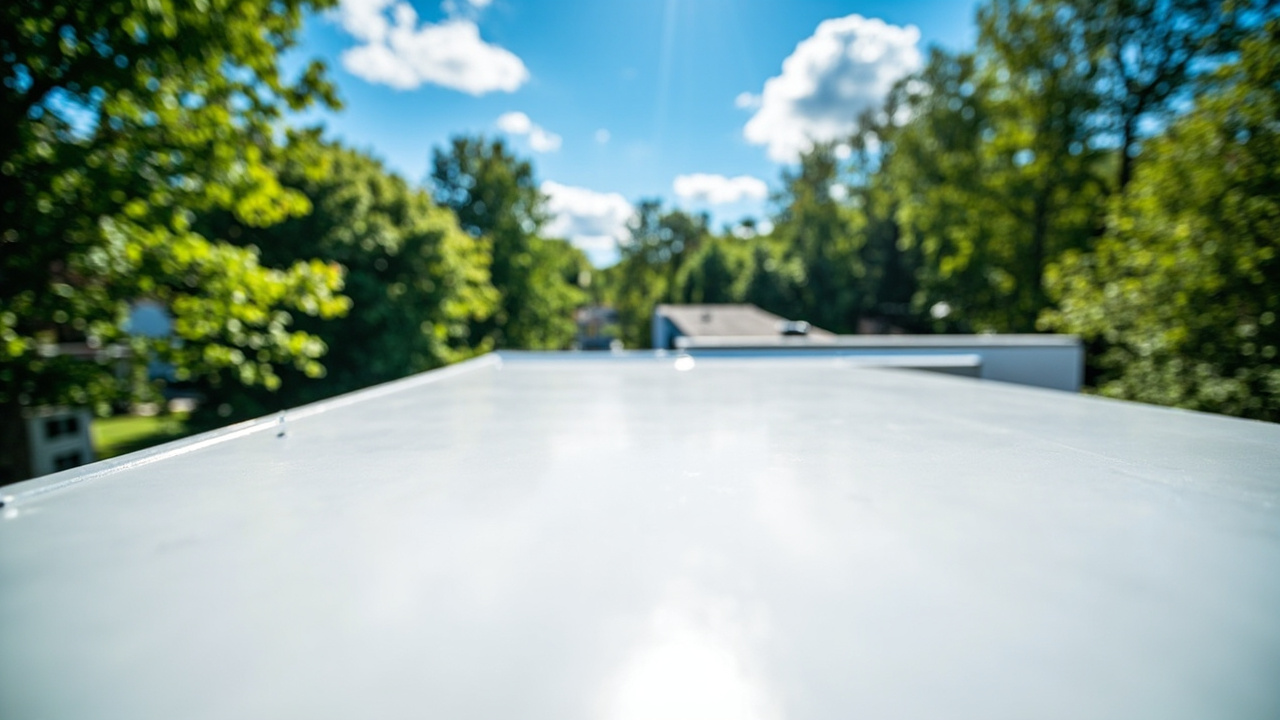
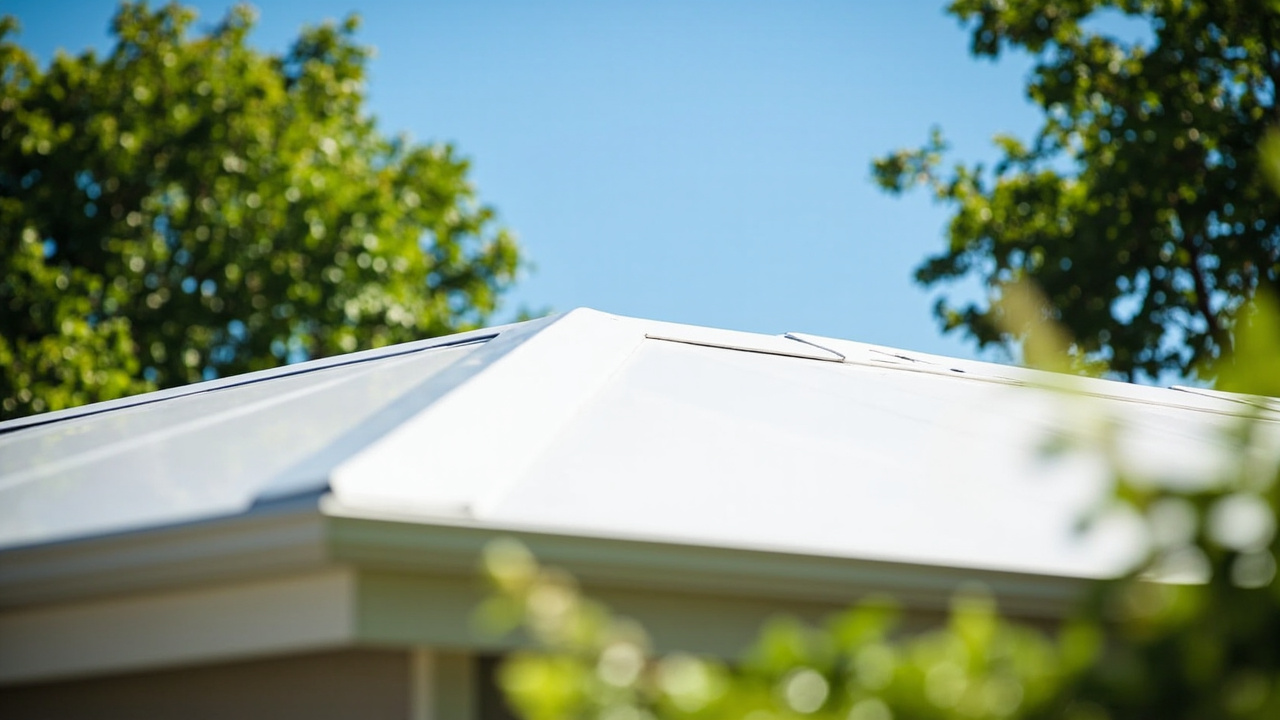
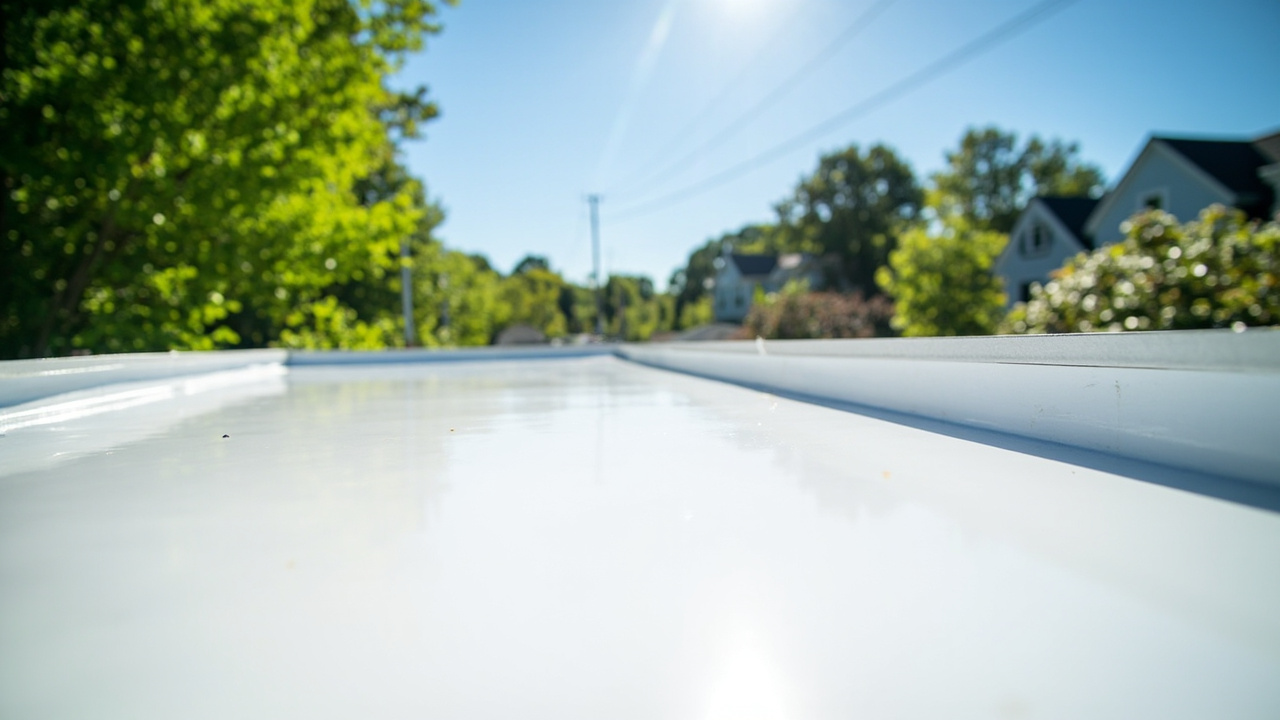
Traditional dark asphalt shingles have an SRI between 5 and 15. They absorb up to 95% of solar radiation. Cool roof materials achieve SRI values between 40 and 110, depending on color and composition. White thermoplastic polyolefin membranes score highest for commercial flat roofs. Light-colored metal roofing and specially formulated cool asphalt shingles offer residential alternatives that maintain aesthetic appeal while delivering significant performance improvements.

The technology works through selective surface properties. Cool roof coatings contain pigments that reflect infrared radiation, the portion of the solar spectrum responsible for heat transfer. You can choose darker colors that would traditionally absorb heat, but engineered pigments reflect the infrared wavelengths while absorbing visible light for color. This means you get architectural flexibility without sacrificing thermal performance.

Installation requirements vary by product type. Metal roofing systems install over existing roof decks with proper underlayment and ventilation. TPO and EPDM membranes require professional installation with heat-welded seams or adhesive application. Cool asphalt shingles install using standard roofing techniques familiar to any experienced contractor.

Atlas Roofing Philadelphia evaluates your existing roof structure, ventilation configuration, and building orientation to recommend the most effective cool roofing solution for your specific situation. We account for Philadelphia's freeze-thaw cycles, wind load requirements for coastal exposure, and local building codes that govern roof replacement projects throughout the city.

What Happens When You Choose Cool Roofing

Benefits of Cool Roofs in Philadelphia – Cut Your Summer Cooling Costs by Up to 30%
01

Building Assessment and Analysis

We inspect your current roof condition, measure attic temperatures, and evaluate insulation levels to establish baseline thermal performance. Our team photographs existing damage, checks flashing integrity around penetrations, and documents ventilation adequacy. We calculate your roof's current SRI value and project potential energy savings based on your building's square footage, orientation, and shading patterns. This data creates your customized cool roofing recommendation.
02

Material Selection and Planning

We present cool roofing options that match your budget, architectural style, and performance goals. You see actual product samples, review manufacturer specifications, and compare SRI ratings across different materials. We explain how color choice impacts reflectance, how different substrates affect installation methods, and what ventilation modifications might enhance overall system performance. Our estimates include detailed scope of work, material specifications, and project timeline so you know exactly what to expect.
03

Professional Installation and Verification

Our crews remove old roofing materials if necessary, repair damaged decking, and install your new cool roof system according to manufacturer specifications and Philadelphia building codes. We verify proper ventilation, seal all penetrations, and conduct final quality inspections. You receive documentation of your roof's SRI rating, care instructions for maintaining reflective properties, and guidance on monitoring your energy savings. We schedule a follow-up inspection after your first summer to verify performance improvements.

Why Philadelphia Property Owners Choose Atlas Roofing Philadelphia

Cool roofing technology only delivers promised benefits when installed correctly. Philadelphia's unique climate demands contractors who understand how coastal humidity, freeze-thaw cycles, and urban heat islands affect roof performance. We have installed cool roofing systems across every neighborhood in Philadelphia, from the historic rowhomes in Old City to the commercial warehouses in Kensington.

Our team knows Philadelphia building codes inside out. We pull permits correctly, schedule inspections efficiently, and ensure your project meets all local requirements for roof replacement and modification. This matters because improper installation voids manufacturer warranties and creates liability issues if problems emerge later. We also understand which cool roofing materials perform best in Philadelphia's specific climate zone, which receives approximately 42 inches of annual precipitation and experiences temperature swings from below zero to above 95 degrees.

Philadelphia's architecture presents unique challenges. Rowhome construction requires careful flashing details where properties adjoin. Historic district regulations limit material choices and color options. Commercial flat roofs need drainage systems that handle heavy rainstorms without ponding water. We have solved these problems hundreds of times.

The advantages of cool roofing multiply when your contractor pays attention to the complete building envelope. We evaluate attic insulation, identify air leakage paths, and recommend complementary improvements that maximize your energy savings. A cool roof works best when paired with adequate ventilation. We check ridge vents, soffit intake, and gable vents to ensure proper airflow that prevents moisture accumulation and extends material life.

Atlas Roofing Philadelphia provides detailed documentation for every project. You receive material specifications, installation photos, warranty information, and maintenance guidelines. If you sell your property, this documentation transfers to the new owner and demonstrates the value of your roofing investment.

What You Can Expect From Your Cool Roof Installation

Project Timeline and Scheduling

Most residential cool roof installations complete in two to five days depending on roof size, complexity, and weather conditions. Commercial projects require additional time for staging, safety equipment, and coordination with building operations. We schedule work during dry weather periods and monitor forecasts to avoid delays. Philadelphia's unpredictable spring weather sometimes forces schedule adjustments, but we communicate proactively about any changes. Our crews arrive on time, work efficiently, and clean up thoroughly at the end of each day. We protect landscaping, move vehicles if necessary, and ensure your property remains secure throughout the installation process.

Initial Evaluation Process

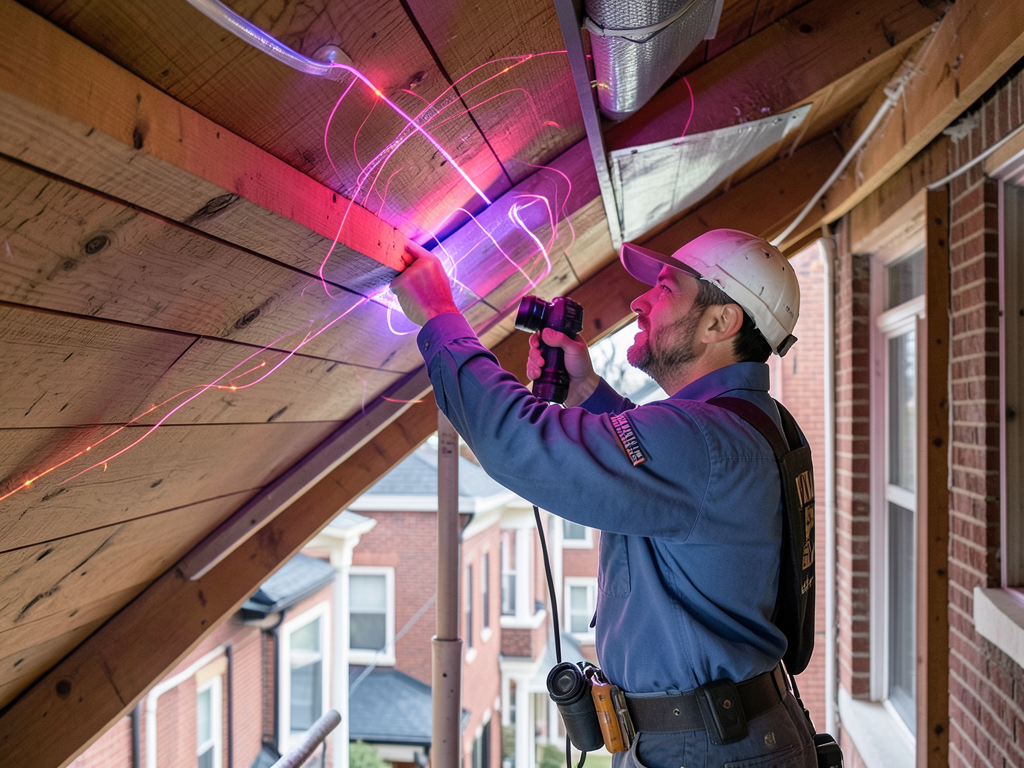
Your project starts with a detailed roof inspection that goes beyond surface-level observation. We access your attic space to check for proper ventilation, inspect insulation depth and condition, and look for signs of previous moisture intrusion. On the exterior, we examine flashing around chimneys, skylights, and vent pipes. We check for lifted shingles, exposed fasteners, and deteriorated sealants. Our thermal imaging camera identifies hot spots that indicate insulation gaps or ventilation problems. This comprehensive assessment creates the foundation for accurate recommendations. We provide a written report with photos, measurements, and honest advice about whether cool roofing makes sense for your specific situation.

Performance and Energy Savings

You will notice temperature differences immediately after installation. Attic temperatures drop by 20 to 40 degrees on sunny days. Your air conditioning runs less frequently during peak afternoon hours. Upper floor rooms stay more comfortable without adjusting thermostat settings. These improvements translate into measurable energy savings that appear on your utility bills within the first cooling season. The exact savings depend on your building's insulation levels, HVAC efficiency, and occupancy patterns, but most Philadelphia property owners see 15% to 30% reductions in summer cooling costs. Cool roofing benefits extend beyond energy savings. Your roof experiences less thermal stress, which reduces expansion and contraction cycles that cause premature failure of traditional roofing materials.

Maintenance and Longevity

Cool roofing materials require minimal maintenance but benefit from periodic cleaning to maintain maximum reflectance. Dirt, pollen, and organic growth gradually reduce solar reflectance over time. We recommend annual inspections to check flashing integrity, clear debris from valleys and gutters, and identify minor issues before they become major problems. Most cool roofing products carry manufacturer warranties ranging from 20 to 50 years depending on material type and quality level. Metal roofing systems last longest, often exceeding 40 years with proper maintenance. TPO membranes typically perform well for 20 to 30 years. Cool asphalt shingles offer 25 to 30 year service life. We provide detailed care instructions specific to your chosen material and remain available for questions or concerns that arise after installation.

Frequently Asked Questions

You Have Questions,
We Have Answers

What are the benefits of a cool roof? +

Cool roofs reflect more sunlight and absorb less heat than standard roofs. This reduces cooling costs during Philadelphia's hot, humid summers. You will see lower energy bills, improved indoor comfort, and less strain on your HVAC system. Cool roofs also extend roof lifespan by reducing thermal expansion and contraction from freeze-thaw cycles common in the Philadelphia area. They lower urban heat island effect, which benefits the entire community. Many commercial buildings in Center City and University City use cool roofs to cut operational costs and meet sustainability goals.

What are the cons of a cool roof? +

Cool roofs can increase heating costs in winter because they reflect sunlight year-round. Philadelphia experiences cold winters, so you may see slightly higher heating bills. Cool roofs can also develop condensation issues if ventilation is poor, leading to moisture problems in attic spaces. Reflective coatings may require reapplication every 5 to 10 years depending on product quality. Installation costs run higher than standard roofing materials. Not all roof types or slopes work well with cool roof technology, so a professional assessment is necessary before committing.

What are the benefits of a cold roof? +

A cold roof uses ventilation to keep the roof deck cool, preventing heat buildup in attic spaces. This reduces cooling loads during summer and protects shingles from thermal damage. In Philadelphia, cold roofs help manage humidity by allowing air circulation, which reduces condensation and mold growth. They extend roof lifespan by minimizing temperature fluctuations that cause material fatigue. Cold roofs work well with traditional asphalt shingles common in Philadelphia neighborhoods. They also prevent ice dams in winter by keeping the roof surface temperature consistent, reducing melting and refreezing cycles.

Are cool roof tiles good or bad? +

Cool roof tiles offer excellent durability and energy savings for Philadelphia homes. Clay and concrete tiles with reflective coatings reduce heat absorption, cutting cooling costs by up to 15 percent. They resist freeze-thaw damage better than standard shingles, which matters during harsh Philadelphia winters. Cool tiles also provide fire resistance and wind uplift protection during storms. The downside is higher upfront cost and weight, which may require structural reinforcement on older rowhomes. They work best on steeper roof pitches found in many Philadelphia neighborhoods.

How to keep a house cool in 100 degree weather? +

Install a cool roof or reflective coating to reduce heat absorption. Seal air leaks around windows, doors, and attic penetrations to prevent hot air infiltration. Use attic fans or whole-house fans to exhaust hot air during evening hours. Close blinds and curtains on south and west-facing windows during peak sun. Run ceiling fans counterclockwise to push cool air down. Upgrade to reflective window film if replacing windows is not feasible. Ensure your HVAC system is serviced and filters are clean. In Philadelphia's dense rowhouse blocks, minimizing heat gain is critical.

What is the 33% rule in solar panels? +

The 33% rule suggests solar panels should not cover more than one-third of your roof surface to maintain adequate ventilation and avoid excessive weight load. This guideline helps prevent moisture buildup and structural stress on older Philadelphia rowhomes with limited roof space. However, modern solar systems and structural assessments can allow for higher coverage if the roof framing supports it. Always consult a licensed structural engineer before installing large solar arrays. Philadelphia building codes may have specific requirements for solar panel installation, particularly in historic districts.

How long do cool roofs last? +

Cool roofs typically last 20 to 30 years depending on material type and climate conditions. Reflective coatings may need reapplication every 5 to 10 years to maintain performance. In Philadelphia, freeze-thaw cycles and humidity can accelerate wear on reflective surfaces. Metal cool roofs last longer than coated asphalt shingles. Regular maintenance, including cleaning debris and inspecting seams, extends lifespan. Commercial flat roofs with TPO or PVC membranes often outlast residential cool shingle systems. Proper installation and ventilation are critical to reaching maximum lifespan.

What are the problems with cold roofs? +

Cold roofs can develop condensation if ventilation is insufficient. Moisture buildup leads to mold, rot, and insulation damage in attic spaces. In Philadelphia's humid summers, poor airflow traps moisture between the roof deck and shingles. Cold roofs also require proper soffit and ridge vents, which older rowhomes may lack. Ice dams can still form if insulation is inadequate or air leaks allow warm interior air into the attic. Installation errors, like blocking vent channels, negate the benefits. Regular inspection ensures ventilation pathways remain clear and functional.

What is the cool roof Rebate Act? +

The Cool Roof Rebate Act is proposed federal legislation offering tax credits or rebates for property owners who install cool roofing systems. The goal is to reduce energy consumption and urban heat island effect in cities like Philadelphia. If passed, residential and commercial property owners could receive financial incentives for reflective roofing materials or coatings. Details on rebate amounts and eligibility are still under discussion. Check with Pennsylvania energy efficiency programs or federal tax credit updates for current availability. Local utility companies may also offer separate rebates for energy-efficient roofing upgrades.

Does a cold roof need venting? +

Yes, cold roofs require proper ventilation to function correctly. Without airflow, moisture accumulates between the roof deck and shingles, causing rot and mold. Philadelphia's humid climate makes ventilation critical for preventing condensation damage. Cold roofs need intake vents at soffits and exhaust vents at the ridge to create continuous airflow. Older rowhomes often lack adequate ventilation, so retrofitting may be necessary. Blocked or insufficient vents eliminate the cold roof's benefits. A professional roofer should assess your attic ventilation before installing or upgrading a cold roof system.

How Philadelphia's Urban Heat Island Effect Amplifies Cool Roof Benefits

Philadelphia's dense urban core creates a heat island that makes summer temperatures significantly higher than surrounding suburbs. Concrete, asphalt, and dark roofing materials absorb solar radiation during the day and release it slowly at night, preventing temperature drops that would normally provide relief. Neighborhoods like Center City, University City, and North Philadelphia experience the most severe effects. Buildings in these areas face higher cooling loads and more thermal stress on roofing materials. Cool roofing directly counters the urban heat island by reflecting solar radiation instead of absorbing it. The cumulative effect of widespread cool roof adoption actually reduces ambient temperatures across entire neighborhoods, creating benefits that extend beyond individual properties.

Philadelphia's commitment to sustainability and energy efficiency makes cool roofing an increasingly common requirement for commercial properties and multifamily developments. The city's energy benchmarking requirements push property owners to improve building performance, and cool roofing represents one of the most cost-effective upgrades available. Atlas Roofing Philadelphia stays current with local green building initiatives, LEED certification requirements, and utility rebate programs that offset cool roofing costs. We help property owners navigate Philadelphia's permit process and coordinate inspections with L and I to ensure smooth project approval. Our familiarity with local contractors, suppliers, and building officials streamlines every installation and eliminates delays that plague out-of-town companies unfamiliar with Philadelphia's specific requirements.
Roofing Services in The Philadelphia Area

Atlas Roofing proudly serves the entire Philadelphia area, including all surrounding counties. We invite you to view our service area on the map to confirm we cover your neighborhood. As your trusted local roofing contractor, we are always ready to deploy our expert teams promptly to your home or business, ensuring you receive the high-quality, professional service you deserve, exactly when you need it.

Address:
Atlas Roofing Philadelphia, 100 N 18th St, Philadelphia, PA, 19103

Additional Services We Offer

Our news updates

Latest Articles & News from The Blogs

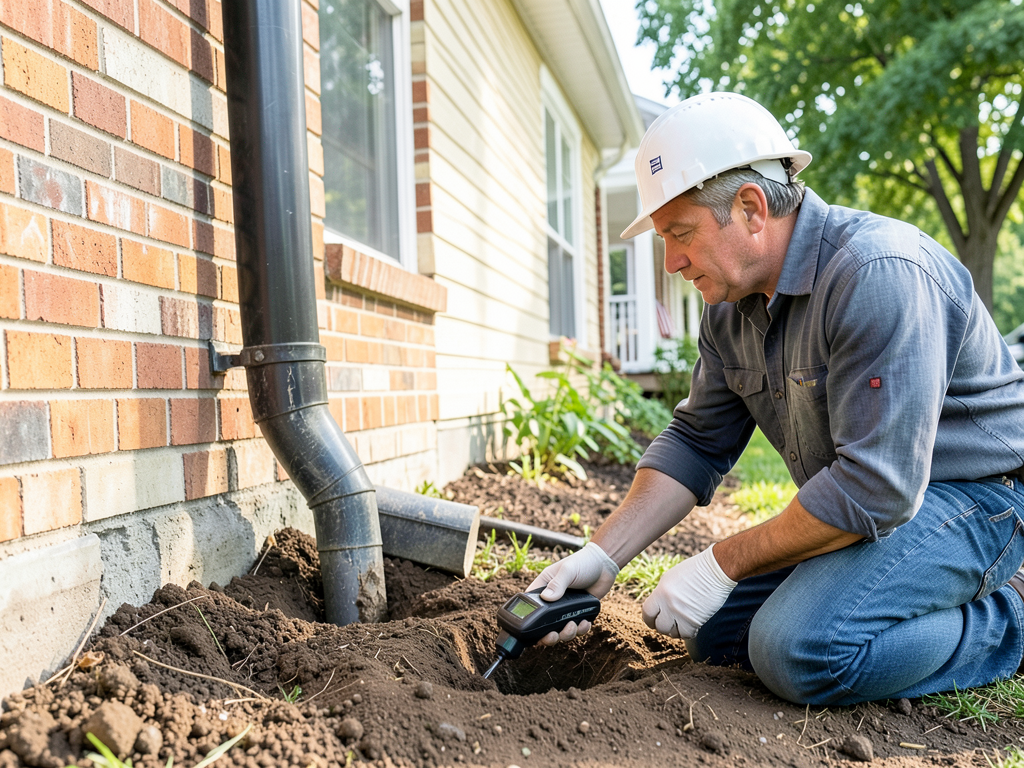
The Best Way to Handle Downspout Runoff in Narrow Manayunk Alleyways Water pouring off your roof into the narrow alleyway…

The Best Way to Handle Downspout Runoff in Narrow Manayunk Alleyways

The Best Way to Handle Downspout Runoff in Narrow Manayunk Alleyways Water pouring off your roof into the narrow alleyway…

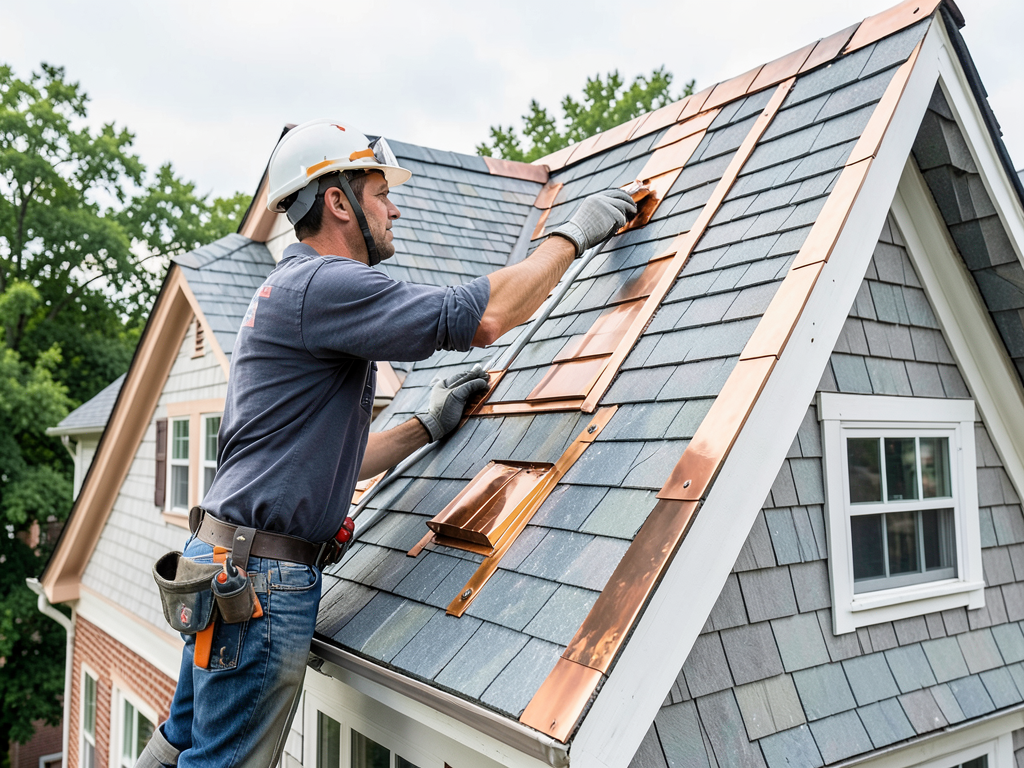
Finding the Leak in Your Complicated Tudor Roof in West Mt. Airy

Finding the Leak in Your Complicated Tudor Roof in West Mt. Airy Water dripping from your ceiling during a storm…

Why Ridge Vents Alone Might Not Be Enough for Your Hot Attic in Wynnefield

Why Ridge Vents Alone Might Not Be Enough for Your Hot Attic in Wynnefield Your attic feels like an oven…

Contact Us

Call Atlas Roofing Philadelphia at (267) 344-1222 to schedule your free cool roofing evaluation. We will assess your current roof, calculate potential energy savings, and provide honest recommendations tailored to your property and budget. Stop overpaying for cooling and start protecting your investment.