




menu

Commercial Gutter Systems in Philadelphia – Industrial-Grade Water Management That Protects Your Property Investment

Atlas Roofing Philadelphia delivers engineered commercial gutter systems built to handle high-volume water flow, prevent structural damage, and comply with Philadelphia's commercial building codes for multi-story and industrial facilities.

Slider Image 1
Slider Image 2
Slider Image 3
Slider Image 4
Slider Image 5
Slider Image 7
Slider Image 8
Slider Image 9
Slider Image 10
Slider Image 11

Why Philadelphia's Weather Patterns Demand Commercial-Grade Guttering

Philadelphia's commercial properties face a unique water management challenge. The city averages 47 inches of annual rainfall, with intense summer thunderstorms that dump 2 to 3 inches in under an hour. Your commercial building gutters are not a cosmetic feature. They are the first line of defense against foundation erosion, basement flooding, and exterior wall deterioration.

The freeze-thaw cycles between November and March create another layer of complexity. Water that pools in undersized industrial rain gutters freezes overnight, expands, and cracks seams or pulls fasteners loose. By morning thaw, you have water infiltrating behind fascia boards and into roof decking. This cycle repeats 30 to 40 times per winter in the Philadelphia metro.

Most commercial buildings in Center City, University City, and the Navy Yard were constructed with minimal roof slope. Water does not shed quickly. It accumulates. Standard residential gutters cannot handle the hydraulic load from 10,000 to 50,000 square feet of flat or low-slope roofing. You need commercial roof gutters engineered for capacity, with box gutters or internal drains that move water fast.

The Delaware and Schuylkill rivers create localized humidity pockets that accelerate corrosion on inferior gutter materials. Galvanized steel rusts through in 8 to 12 years. Aluminum fatigues under thermal expansion. Your industrial guttering must be specified for longevity, not just initial cost.

Philadelphia's L&I inspectors enforce strict stormwater management codes. If your building discharges runoff improperly, you face fines and retrofit mandates. Commercial grade gutters are not optional. They are compliance infrastructure.

Why Philadelphia's Weather Patterns Demand Commercial-Grade Guttering
How We Engineer Commercial Gutter Systems for Load and Longevity

How We Engineer Commercial Gutter Systems for Load and Longevity

We do not install off-the-shelf residential gutters at commercial scale. Atlas Roofing Philadelphia designs each system based on roof area, pitch, scupper placement, and local rainfall intensity data from NOAA's Philadelphia station.

Step one is hydraulic calculation. We measure your roof's square footage and apply the 100-year storm intensity for Philadelphia, which is 7.5 inches per hour. This tells us the gallons-per-minute your gutters must evacuate. We then size the gutter width, downspout diameter, and outlet spacing to prevent overflow during peak flow events.

For flat roofs, we specify internal drains with roof sumps and cast-iron drain lines, not external gutters that freeze and fail. For low-slope roofs, we install box gutters with welded seams and integrated overflow scuppers that prevent water from backing up under the roofing membrane.

Material selection is based on your building's exposure. Coastal properties near the Delaware get heavy-gauge aluminum with kynar finish to resist salt corrosion. Industrial facilities in Kensington or Port Richmond get stainless steel or copper for chemical resistance. We do not use vinyl or thin-gauge steel on commercial buildings. They fail under thermal stress and impact from maintenance traffic.

We integrate your commercial building gutters with the existing drainage infrastructure. If your building has a stormwater detention system or green roof, we coordinate discharge points to meet Philadelphia Water Department regulations. If you discharge to combined sewers, we verify your system does not exceed the allowable flow rate during rain events.

Every seam is mechanically fastened and sealed with polyurethane or butyl sealant rated for commercial roofing applications. We do not rely on snap-together joints or friction fits. Your system is built to last 25 to 40 years, not 10.

How We Deliver Your Commercial Gutter Installation

Commercial Gutter Systems in Philadelphia – Industrial-Grade Water Management That Protects Your Property Investment
01

Site Assessment and Load Analysis

Our team conducts a full roof inspection to map drainage patterns, measure roof area, and identify potential failure points like sagging fascia or compromised roof edges. We photograph existing conditions, test downspout discharge points, and review your building's original construction drawings if available. This data feeds our hydraulic calculations and material specifications. You receive a written assessment within 48 hours.
02

Custom Fabrication and Staging

We fabricate industrial guttering to exact dimensions in our shop, not on-site. Box gutters are welded and tested for leaks before transport. Downspouts are pre-cut with expansion joints for thermal movement. Fasteners are stainless steel or hot-dip galvanized to prevent rust staining on your facade. All materials are staged off-hours to avoid disrupting your business operations. We coordinate with property management to schedule crane access or roof hoist setup.
03

Installation and Flow Testing

Installation happens in phases to maintain partial drainage during construction. We remove old gutters section by section, repair fascia damage, and mount the new system with structural blocking where needed. After installation, we perform a full-flow test using hoses to simulate storm conditions and verify no leaks or overflow points. You receive as-built drawings showing gutter layout, downspout locations, and maintenance access points for your facility records.

Why Philadelphia Property Managers Choose Atlas Roofing Philadelphia

Commercial gutter failure is not a maintenance issue. It is a liability issue. Water damage to tenant spaces, mold growth in wall cavities, and foundation settlement create legal exposure and lost rental income. You need a contractor who understands the business continuity implications, not just the installation mechanics.

Atlas Roofing Philadelphia has installed commercial roof gutters on office buildings in University City, warehouses in the Northeast, and mixed-use developments in Fishtown. We know Philadelphia's building stock. We know which older buildings have hidden fascia rot and which new constructions cut corners on roof edge details. We catch these issues before they become change orders.

We are familiar with Philadelphia's Department of Licenses and Inspections requirements for commercial roof work. We pull permits, coordinate inspections, and ensure your installation meets the International Building Code provisions for drainage. If your building is in a historic district like Old City or Society Hill, we work within the Historical Commission's material and color restrictions.

Our crews are trained on OSHA fall protection and confined space entry. We carry full commercial liability coverage and workers' compensation. You are not exposed to uninsured subcontractors or fly-by-night operators who disappear after deposit.

We also understand the operational constraints of commercial properties. Retail tenants cannot have water pouring over storefronts during business hours. Office buildings cannot have roof access blocking HVAC maintenance. We schedule work in phases, coordinate with your facility manager, and complete installations with minimal disruption. Your tenants will not know we are there until the work is done.

Philadelphia's commercial real estate market is competitive. Buildings with deferred maintenance lose tenants and value. Functional industrial rain gutters are part of your property's marketability and long-term asset preservation.

What to Expect When You Hire Atlas Roofing Philadelphia

Project Timeline and Scheduling

Most commercial gutter installations take 3 to 7 days, depending on building size and complexity. We provide a detailed schedule before work begins, including daily start times, noise windows, and areas where access will be restricted. For occupied buildings, we work nights or weekends to avoid tenant disruption. Emergency gutter repairs for active leaks are prioritized within 24 hours. We coordinate with your property management team to ensure parking, loading docks, and entry points remain accessible throughout the project.

Initial Evaluation and System Design

Your project starts with a roof-level assessment. We inspect existing gutters, fascia boards, roof edges, and drainage infrastructure. We measure roof slope, document scupper locations, and photograph problem areas. This data is used to calculate required gutter capacity and design a system that meets code. You receive a written proposal with material specifications, installation methods, and a breakdown of scope. We explain why certain materials or configurations are recommended for your building's specific conditions.

Quality of Installation and Materials

We install commercial grade gutters using materials rated for commercial applications. Box gutters are fabricated from 24-gauge steel or .032 aluminum with welded or soldered seams. Downspouts are heavy-wall with crimped joints and sealed connections. Fasteners are spaced per manufacturer specs and anchored into structural blocking, not just fascia trim. All penetrations through roofing membranes are sealed with compatible flashing and mastic. You get a system engineered to perform, not a cosmetic fix that fails in two years.

Post-Installation Support and Maintenance

After installation, we provide a maintenance guide specific to your system. This includes recommended cleaning frequency, inspection points, and signs of blockage or damage. We offer annual maintenance contracts that include gutter cleaning, fastener tightening, and sealant inspection. If you have an in-house facilities team, we train them on proper maintenance procedures. Any workmanship issues identified during the first year are corrected at no charge. We also maintain records of your installation for future expansions or repairs.

Frequently Asked Questions

You Have Questions,
We Have Answers

What are the different types of commercial gutters? +

Commercial properties in Philadelphia use four main gutter types. K-style gutters offer decorative appeal and high capacity for office buildings. Box gutters integrate into rooflines and handle heavy water loads common in Center City high-rises. Half-round gutters suit historic commercial structures in Old City and Society Hill. Fascia gutters mount directly to building facades where traditional brackets fail. Your choice depends on roof square footage, building height, and Philadelphia's freeze-thaw cycles. Box gutters require professional installation to meet local code requirements. Each system uses aluminum, copper, or galvanized steel depending on building use and budget constraints.

How much do commercial gutters cost? +

Commercial gutter pricing varies by system complexity and building size. Material selection drives costs. Aluminum offers economy. Copper provides longevity for Philadelphia's corrosive urban environment. Galvanized steel balances durability and budget. Installation complexity increases with building height and roof access limitations. Multi-story properties require equipment rental and safety systems. Code compliance adds engineering costs for commercial projects. Maintenance agreements factor into total ownership costs. Request detailed proposals covering materials, labor, equipment, and warranty coverage. Philadelphia contractors must account for winter installation challenges and permit requirements that affect project timelines and final costs.

What is the new gutter system 2025? +

The 2025 gutter market emphasizes high-capacity systems with integrated overflow protection. Commercial properties now specify seamless aluminum with reinforced hangers rated for Philadelphia's snow loads. Tapered box gutters improve water velocity to prevent ice damming. Smart monitoring systems alert property managers to blockages before overflow damage occurs. Powder-coated finishes extend service life in urban environments with high pollution. Hybrid systems combine traditional drainage with rainwater harvesting for LEED certification. Philadelphia commercial projects increasingly require calculations proving systems handle 100-year storm events per updated building codes. These specifications protect liability exposure and reduce insurance premiums.

How much does 200 ft of gutters cost? +

Linear footage pricing provides incomplete cost analysis for commercial projects. A 200-foot run requires material costs plus installation complexity factors. Single-story warehouse installation differs drastically from multi-level office building work. Material gauge, hanger spacing, and downspout placement affect final numbers. Philadelphia projects require permits and inspections adding administrative costs. Equipment rental for roof access increases expenses. Winter installation commands premium rates. Fascia condition impacts prep work requirements. Request itemized proposals separating materials, labor, equipment, and permits. Commercial projects demand engineered solutions with stamped drawings. Focus on total project cost including code compliance rather than per-foot estimates.

Which gutter system is best? +

Box gutters deliver superior performance for commercial applications in Philadelphia. These built-in systems handle high water volumes from large roof areas common in warehouse and retail properties. They resist freeze-thaw damage better than exposed hanging gutters. Box gutters meet commercial building codes for multi-story structures. They eliminate wind damage risks during storms. Proper installation requires experienced commercial contractors who understand flashing details and waterproofing membrane integration. K-style gutters work for smaller commercial buildings where aesthetic appeal matters. Your best system depends on roof design, water volume calculations, and building code requirements. Engineer specifications based on actual roof square footage.

What is the rule of thumb for gutters? +

Commercial gutter sizing follows engineering calculations, not residential rules of thumb. You need one square inch of gutter cross-section per 100 square feet of roof area. Downspouts require one square inch per 150 square feet. Philadelphia's rainfall intensity factor modifies these baselines. Commercial projects demand stamped engineering drawings proving code compliance. Hanger spacing follows manufacturer specifications, typically 24 to 36 inches for commercial-grade systems. Slope requirements range from one-quarter inch to one-half inch per 10 feet to ensure positive drainage. Valley and parapet conditions require specific detailing. Insurance carriers review gutter capacity calculations during underwriting for commercial properties.

Are there tax credits for new gutters? +

Commercial gutter replacement qualifies as capital improvement for depreciation purposes but lacks direct tax credits. Energy-efficient building improvements under Section 179D may apply if gutters connect to rainwater harvesting systems integrated with HVAC operations. Philadelphia commercial properties pursuing LEED certification gain indirect tax benefits through accelerated depreciation schedules. Stormwater management systems incorporating advanced gutter technology may qualify for local incentives under city sustainability programs. Consult your tax advisor about deducting gutter replacement as repair expense versus capitalizing as improvement. Documentation proving business necessity and code compliance strengthens deduction positions. Green building certifications offer stronger tax advantage paths than standard gutter replacement.

How thick are commercial gutters? +

Commercial gutters use heavier gauge materials than residential systems. Aluminum commercial gutters typically range from .032 to .040 inches thick compared to .027-inch residential stock. Copper commercial applications specify 16-ounce to 20-ounce weight. Galvanized steel uses 26-gauge to 24-gauge material. Box gutters incorporate multiple layers including waterproofing membrane, metal liner, and protective coating. Material thickness correlates directly to expected service life and load capacity. Philadelphia commercial projects require engineering specifications accounting for snow load, ice damming potential, and thermal expansion. Thicker materials cost more upfront but reduce lifecycle replacement costs. Building height and exposure conditions determine appropriate gauge selection.

How much is 100 linear feet of gutters? +

Commercial linear footage costs exceed residential pricing due to material gauge, installation complexity, and code requirements. A 100-foot commercial run includes heavier materials, engineered hanger systems, and professional installation meeting Philadelphia building codes. Multi-story buildings require equipment rental and safety systems. Permit fees and inspection costs add to base pricing. Material selection drives variations. Aluminum offers economy. Copper commands premium pricing. Installation timing affects costs. Winter work costs more. Fascia repairs increase total expenses. Request comprehensive proposals itemizing materials, labor, equipment, permits, and inspections. Commercial projects demand liability insurance and worker's compensation coverage reflected in contractor pricing.

What is the LeafFilter controversy? +

LeafFilter faced consumer complaints regarding high-pressure sales tactics, pricing transparency issues, and installation quality inconsistencies. Commercial property managers question whether gutter guards deliver ROI compared to scheduled maintenance programs. Philadelphia's freeze-thaw cycles can compromise micro-mesh systems, causing ice damming problems guards claim to prevent. Commercial applications require different solutions than residential products. Most commercial properties benefit more from properly sized gutters with regular maintenance contracts than aftermarket guard systems. Focus on engineered gutter capacity, proper slope, and strategic downspout placement. Professional quarterly inspections cost less than premium guard systems while maintaining insurance compliance and preventing liability issues.

How Philadelphia's Urban Density Complicates Commercial Gutter Installation

Philadelphia's commercial districts are tightly packed. Buildings in Center City and Old City share party walls, with zero side clearance and limited roof access. Installing industrial guttering on these structures requires crane lifts from the street, which means traffic control permits and coordinated shutdowns with the Philadelphia Streets Department. Row commercial buildings also have shared drainage infrastructure, where one building's overflow can flood the neighboring property. Your commercial building gutters must be designed to discharge independently, not rely on a shared downspout that creates cross-property liability.

Atlas Roofing Philadelphia operates within the Philadelphia Department of Licenses and Inspections permit framework. We understand the city's stormwater management ordinance, which requires commercial properties to manage the first inch of rainfall on-site. This affects gutter design because discharge cannot simply dump to the street. We integrate your system with rain gardens, detention basins, or underground storage where required. Choosing a contractor familiar with Philadelphia's regulatory environment prevents costly redesigns and failed inspections.
Roofing Services in The Philadelphia Area

Atlas Roofing proudly serves the entire Philadelphia area, including all surrounding counties. We invite you to view our service area on the map to confirm we cover your neighborhood. As your trusted local roofing contractor, we are always ready to deploy our expert teams promptly to your home or business, ensuring you receive the high-quality, professional service you deserve, exactly when you need it.

Address:
Atlas Roofing Philadelphia, 100 N 18th St, Philadelphia, PA, 19103

Additional Services We Offer

Our news updates

Latest Articles & News from The Blogs

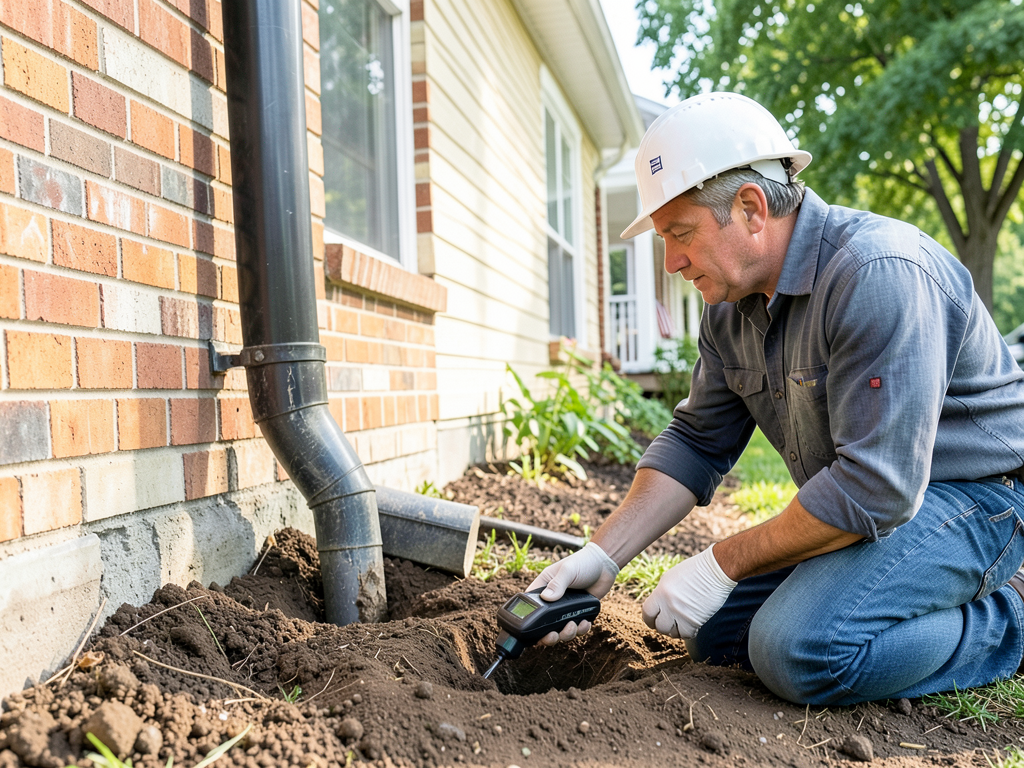
The Best Way to Handle Downspout Runoff in Narrow Manayunk Alleyways Water pouring off your roof into the narrow alleyway…

The Best Way to Handle Downspout Runoff in Narrow Manayunk Alleyways

The Best Way to Handle Downspout Runoff in Narrow Manayunk Alleyways Water pouring off your roof into the narrow alleyway…

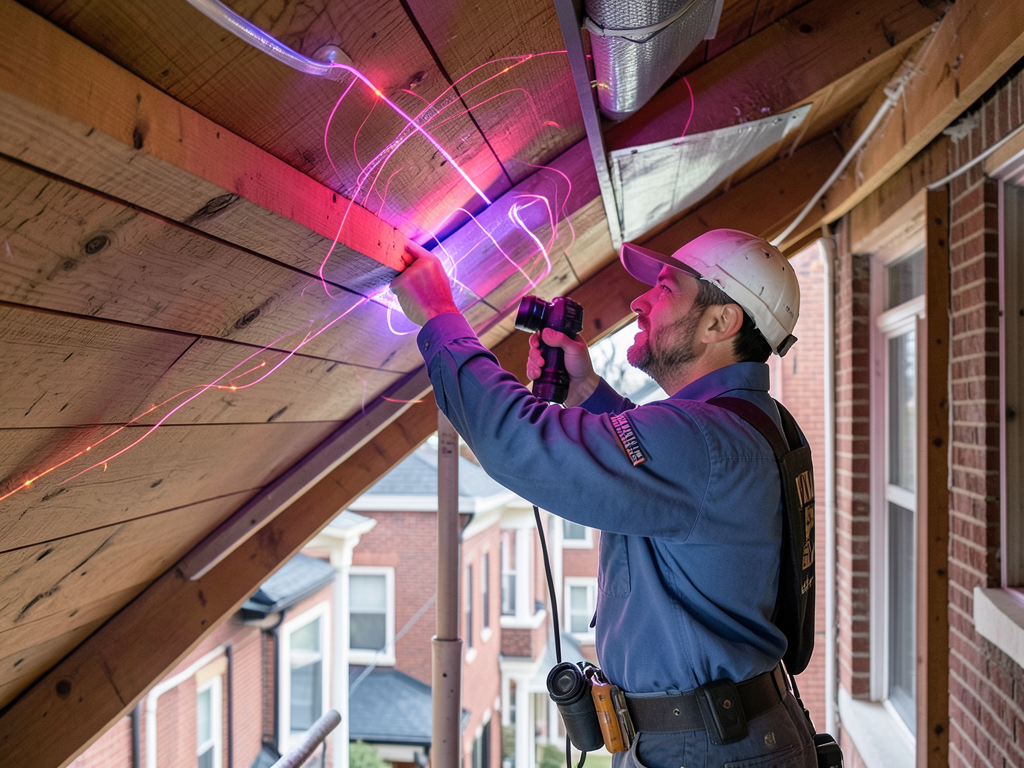
Finding the Leak in Your Complicated Tudor Roof in West Mt. Airy

Finding the Leak in Your Complicated Tudor Roof in West Mt. Airy Water dripping from your ceiling during a storm…

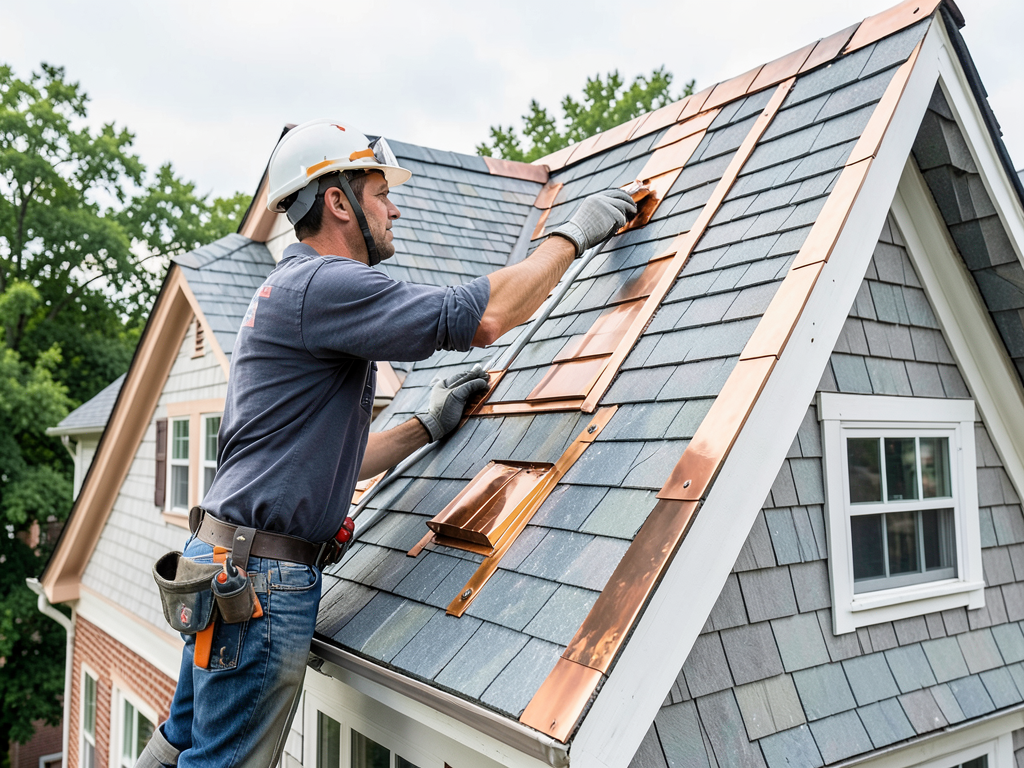
Why Ridge Vents Alone Might Not Be Enough for Your Hot Attic in Wynnefield

Why Ridge Vents Alone Might Not Be Enough for Your Hot Attic in Wynnefield Your attic feels like an oven…

Contact Us

Water damage escalates fast. Contact Atlas Roofing Philadelphia at (267) 344-1222 for a commercial gutter assessment. We deliver systems designed for Philadelphia's climate and built to last decades, not years.