






menu

Does Insurance Cover Roof Leaks in Philadelphia? – Get Clear Answers on Your Coverage Before Filing a Claim

Understanding homeowners insurance roof leak coverage in Philadelphia helps you avoid denied claims and out-of-pocket expenses. We explain what your policy covers, what it excludes, and how to protect your claim.

Slider Image 1
Slider Image 2
Slider Image 3
Slider Image 4
Slider Image 5
Slider Image 7
Slider Image 8
Slider Image 9
Slider Image 10
Slider Image 11

Why Philadelphia Homeowners Struggle With Roof Leak Insurance Claims

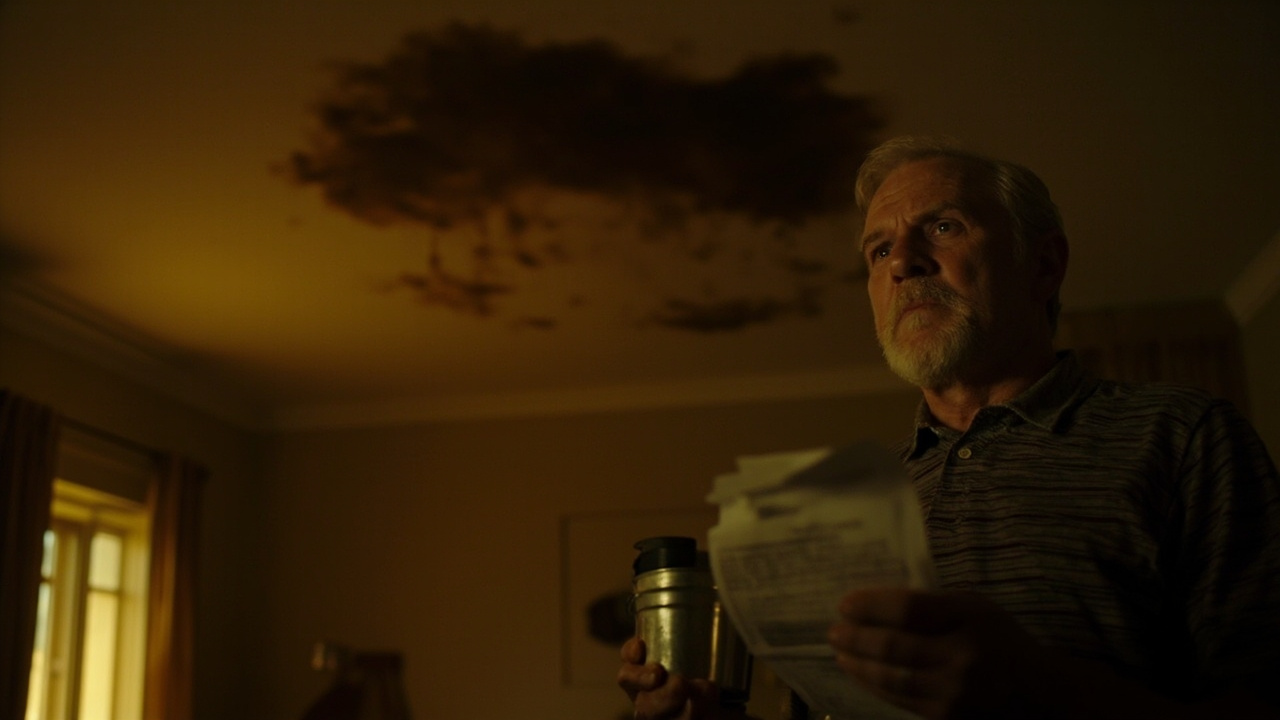
You notice water stains spreading across your ceiling after a storm. Your first question is simple: does home insurance cover leaking roofs?

The answer depends on what caused the damage.

Philadelphia's freeze-thaw cycles put constant stress on roofing materials. When temperatures drop below freezing overnight and climb into the 40s by afternoon, ice dams form along eaves and gutters. Water backs up under shingles and seeps into your attic. This happens repeatedly from December through March across neighborhoods from Fishtown to Mount Airy.

Most insurance policies cover roof leaks caused by sudden, accidental events. A tree branch crashes through your roof during a windstorm. A nor'easter rips off shingles and rain pours into your home. These scenarios typically qualify for homeowners insurance roof leak coverage because the damage happened quickly and without warning.

Insurance companies deny claims when leaks result from gradual deterioration or lack of maintenance. If your 25-year-old roof has been losing granules for years and finally starts leaking, that's considered normal wear and tear. The same applies when missing shingles you ignored for six months finally let water through.

The distinction matters because roof leak water damage insurance only applies when the cause meets your policy's covered perils. Understanding this difference before you file saves you from surprise denials and helps you document damage correctly. Philadelphia's older housing stock, especially rowhomes in South Philly and Germantown, requires extra attention because aging roofs cross the line from insurable damage to excluded maintenance faster than newer construction.

Why Philadelphia Homeowners Struggle With Roof Leak Insurance Claims
What Your Philadelphia Home Insurance Policy Actually Covers

What Your Philadelphia Home Insurance Policy Actually Covers

Is a leaking roof covered by homeowners insurance? Yes, but only under specific conditions written into your policy's covered perils section.

Wind damage qualifies when sustained winds exceed your policy's threshold, typically 50 mph or higher. Philadelphia sees these conditions during severe thunderstorms and coastal systems that push inland. When wind lifts shingles or tears off sections of your roof deck, the resulting water intrusion falls under home insurance coverage for roof leaks.

Hail damage triggers coverage when ice pellets dent or crack shingles. You need documentation showing hail occurred on a specific date, which your adjuster will verify against weather records. The size and density of hailstones determine whether damage qualifies as a covered peril or cosmetic wear.

Fallen objects like tree limbs, debris from nearby construction, or even aircraft parts activate coverage immediately. The key factor is sudden impact rather than gradual pressure from overhanging branches.

Fire and lightning strikes obviously qualify, even when the resulting firefighting efforts cause more water damage than flames.

Your policy excludes several common leak sources. Normal wear includes shingle deterioration from UV exposure, thermal cycling, and age-related brittleness. Maintenance issues like clogged gutters, damaged flashing around chimneys, or improperly sealed roof penetrations fall outside coverage boundaries.

Flood damage from rising water requires separate flood insurance, which matters in Philadelphia neighborhoods near the Schuylkill and Delaware Rivers. Standard policies also exclude damage from ice dams unless you purchased specific endorsements.

The actual cash value versus replacement cost distinction determines your payout. Actual cash value subtracts depreciation based on your roof's age. A 15-year-old roof with a 20-year lifespan only receives 25% of replacement cost. Replacement cost coverage pays for new materials regardless of age, though you typically must complete repairs before receiving full payment.

How to Handle Your Roof Leak Insurance Claim

Does Insurance Cover Roof Leaks in Philadelphia? – Get Clear Answers on Your Coverage Before Filing a Claim
01

Document Everything Immediately

Take photos and videos of interior water damage, exterior roof damage, and the conditions that caused the leak before touching anything. Note the date, time, and weather conditions when you discovered the problem. Save weather reports showing wind speeds, hail reports, or storm warnings from the National Weather Service. This documentation establishes the timeline and cause, which determines whether homeowners insurance roof leak coverage applies to your specific situation.
02

Mitigate Further Damage

Place buckets under active leaks and move furniture away from water. Tarp damaged roof sections if safe to access. Your policy requires you to prevent additional damage after the initial event. Keep receipts for tarps, buckets, and emergency repairs because these costs often qualify for reimbursement. Do not make permanent repairs until an adjuster inspects the damage, or you risk voiding your claim for lack of evidence.
03

File and Follow Through

Contact your insurance company within 24 to 48 hours of discovering the leak. Provide your documentation and follow their claims process exactly. Schedule the adjuster inspection promptly and be present to point out all damage. Get written estimates from licensed roofers before accepting the adjuster's assessment. Many homeowners discover the initial estimate misses hidden damage to decking, underlayment, or structural components that only become visible during tear-off.

Why Philadelphia Homeowners Need Local Roofing Expertise for Insurance Claims

Insurance adjusters work for the insurance company, not for you. Their job involves minimizing claim payouts while staying within policy guidelines. You need someone on your side who understands both roofing systems and insurance language.

Atlas Roofing Philadelphia works directly with homeowners navigating the claims process because we see how adjusters undervalue damage. An adjuster might note "minor shingle damage" while missing compromised underlayment, rotted decking, or failed flashing that will cause future leaks. We document these issues with detailed reports and photos that match insurance requirements.

Philadelphia's building codes require specific installation methods for rowhomes, historic properties, and structures in flood zones. Generic roof estimates from out-of-town contractors miss these requirements, leading to underfunded claims. We quote repairs that meet local code and match your policy's coverage limits.

The city's historic districts add complexity because repairs must maintain architectural character while meeting modern waterproofing standards. Insurance companies sometimes balk at higher costs for historically appropriate materials until you demonstrate code requirements. Our familiarity with L&I procedures and historic commission standards helps justify these expenses to adjusters.

We also understand Philadelphia's specific weather patterns and how they affect damage assessment. An adjuster from the suburbs might not recognize ice dam damage patterns common in Chestnut Hill or wind uplift failure typical of exposed rowhome parapets in Fishtown. This local knowledge translates into complete damage documentation that supports your full claim value.

You need a roofer who will meet the adjuster on-site, point out every deficiency, and push back on lowball estimates. We attend adjuster inspections at no cost because proper documentation at this stage determines whether you receive adequate funds for complete repairs or face thousands in out-of-pocket expenses.

What Happens After You File Your Roof Leak Insurance Claim

Timeline and Response Speed

Insurance companies must acknowledge your claim within 15 days under Pennsylvania law. The adjuster typically schedules an inspection within 7 to 10 days of your initial report, though major storms that affect multiple properties can extend this timeframe. You should receive a coverage determination within 30 days of the inspection. Emergency tarping and water extraction services qualify for immediate reimbursement in many policies, so ask about advancing these costs while the main claim processes. Complete roof replacements usually take 2 to 4 weeks to schedule and complete once your claim is approved and funds are released.

The Inspection and Estimate Process

The adjuster measures your roof, photographs damage, and creates an initial estimate using software like Xactimate. This estimate often covers only visible damage from ground level or limited roof access. Request a copy of this estimate immediately and have a licensed roofer review it before accepting. Many adjusters miss damaged underlayment, compromised decking, or code-required upgrades that only become apparent during tear-off. Get at least two independent estimates from local roofers who will document hidden damage and explain why certain repairs exceed the adjuster's initial assessment. Insurance companies typically negotiate these differences through supplemental claims.

Payment Structure and Completion

Most insurance companies issue two payments for roof claims. The first check covers actual cash value minus your deductible, which you receive shortly after claim approval. The second payment releases recoverable depreciation after you complete repairs and submit final invoices and photos proving the work is done. This structure protects the insurance company from paying for repairs you never complete. Make sure your contractor understands this payment schedule and can work within it. Some roofers require full payment upfront, which creates problems when you are waiting for the depreciation holdback. Work with contractors experienced in insurance claims who accept the initial payment and wait for depreciation recovery.

Your Rights When Claims Are Denied

Pennsylvania law gives you the right to dispute denied claims through your insurance company's internal appeals process. Request a written explanation of why your claim was denied, including specific policy language that excludes your damage. Hire a public adjuster if the denial seems unjustified. These professionals work for you, not the insurance company, and typically charge 10 to 15 percent of the final settlement. They often recover enough additional money to cover their fee and still leave you ahead. You can also file a complaint with the Pennsylvania Insurance Department if you believe the denial violates state regulations or your policy terms.

Frequently Asked Questions

You Have Questions,
We Have Answers

How do I make a successful roof leak insurance claim? +

Document the damage immediately with photos and videos showing water intrusion, ceiling stains, and exterior damage. Contact your insurance company within 24 hours to file a claim. Philadelphia's freeze-thaw cycles and heavy winter storms often cause sudden damage that insurers recognize as covered events. Get a professional roof inspection to identify the source and extent of damage. Provide your adjuster with detailed repair estimates and documentation of emergency repairs you made to prevent further loss. Keep all receipts for temporary fixes like tarping. The faster you act after discovering a leak, the stronger your claim becomes.

Is it worth claiming roof damage on insurance? +

It depends on your deductible and the damage severity. If repair costs exceed your deductible by a significant margin, filing makes sense. Philadelphia homeowners often face steep repair costs due to older housing stock and multi-story rowhomes. Consider that filing multiple claims can raise your premiums or lead to non-renewal. If the leak stems from sudden storm damage or ice damming, your claim will likely succeed. For minor repairs under $1,500, paying out of pocket preserves your claims history. Consult with a local roofing contractor to get an accurate damage assessment before deciding.

What type of roof damage is covered by insurance? +

Most policies cover sudden, accidental damage from wind, hail, falling trees, or fire. Philadelphia's strong nor'easters and occasional severe thunderstorms frequently cause wind-driven rain damage and shingle blow-offs that qualify for coverage. Ice dam damage from our harsh winters typically gets approved. Insurers do not cover wear and tear, neglected maintenance, or aging materials. If your roof fails due to missing shingles you ignored for years, expect denial. Storm-related structural damage, fallen debris impact, and vandalism usually qualify. The key factor is whether the damage was sudden and unforeseeable.

Is a ceiling leak covered by insurance? +

Yes, if the leak results from covered roof damage. Philadelphia rowhouses and older homes often show ceiling damage after roof leaks penetrate multiple layers. Your homeowner's policy typically covers interior damage like stained ceilings, damaged drywall, and ruined insulation if the roof damage itself qualifies for coverage. You must prove the ceiling damage connects directly to a covered peril like storm damage. Document the water path from roof to ceiling. If the leak stems from poor installation or deferred maintenance, insurers will deny the claim. Emergency tarping to prevent further ceiling damage is usually reimbursable.

Will insurance companies pay for a leaking roof? +

Insurance companies pay for leaking roofs only when the leak results from a covered peril. Philadelphia homes damaged by sudden wind events, hail strikes, or fallen tree limbs typically get approved. Your insurer will send an adjuster to verify the damage source. They deny claims for leaks caused by old age, poor maintenance, or improper installation. If your 25-year-old roof fails naturally, you pay out of pocket. Document everything and get a professional assessment before filing. Insurers often try to attribute damage to wear rather than storms, so solid evidence matters.

What not to say to a roof insurance adjuster? +

Never admit fault, speculate about damage causes, or downplay the severity. Do not say the roof was old or poorly maintained. Avoid statements like "it's been leaking for months" or "I knew it needed work." Philadelphia adjusters look for reasons to deny claims based on neglect. Stick to facts about when you discovered the damage and what weather event preceded it. Do not sign anything or accept a settlement without reviewing it carefully. Never agree that previous damage existed. Let documentation and inspection reports speak. Do not provide unnecessary information about your home's maintenance history.

What happens if you don't fix your roof with insurance money? +

You risk policy cancellation, denial of future claims, and structural deterioration. Philadelphia's weather will worsen any unrepaired roof damage quickly. Your insurer may send follow-up inspections to verify repairs. If you pocket the money and leave damage unaddressed, subsequent leaks or collapses will be denied automatically. Some policies require proof of completed repairs. You also face liability issues if your neglected roof damages neighboring rowhouses or injures someone. Unrepaired leaks lead to mold, rot, and compromised structural integrity. Your property value drops. Always use insurance funds for their intended purpose.

Can I claim a water leak on home insurance? +

Yes, but only if the water leak stems from a covered event. Philadelphia homeowners can claim water damage from burst pipes due to freezing, sudden appliance failures, or roof leaks caused by storms. Your policy typically excludes gradual leaks from aging plumbing or chronic roof deterioration. Document the water source and damage extent immediately. Emergency water extraction and drying are usually covered to prevent mold. If the leak results from your failure to maintain pipes or roof systems, expect denial. Sudden and accidental water intrusion qualifies. Slow drips over time do not.

When not to file a homeowners insurance claim? +

Skip filing when repair costs barely exceed your deductible. Avoid claims for minor cosmetic damage or issues you can easily afford to fix. Philadelphia homeowners should not file for routine maintenance problems like a few missing shingles or small leaks from clogged gutters. Each claim raises your rates and stays on your record for years. If the damage results from neglect or normal wear, your claim will be denied anyway and still counted against you. Save claims for significant losses from storms, fire, or catastrophic events. Preserve your claims-free status for situations that truly require insurance intervention.

How often will insurance replace a roof? +

Insurance replaces roofs only when covered damage makes replacement necessary, not on a schedule. Philadelphia policies do not provide automatic roof replacements every 20 or 30 years. If a severe storm destroys your roof beyond repair, insurers pay for replacement minus depreciation based on age. They will not replace a roof simply because it reached its lifespan. Most policies cover actual cash value, which factors in depreciation. If your 15-year-old roof suffers total storm loss, you receive partial value. Replacement cost policies pay more but cost extra. Maintenance and age-related failures remain your responsibility.

How Philadelphia's Aging Housing Stock Affects Roof Leak Insurance Coverage

Philadelphia's median home age exceeds 80 years, with entire neighborhoods of rowhomes and twins built between 1900 and 1950. These older structures use roofing methods and materials that complicate modern insurance claims. Insurance companies scrutinize claims on roofs older than 20 years more carefully because they assume damage results from age rather than covered perils. Many policies now include roof age limitations where coverage drops to actual cash value once your roof exceeds 15 or 20 years, regardless of condition. This matters because replacing a worn-out roof on a Bella Vista rowhome might cost 12,000 dollars, but an actual cash value policy on a 22-year-old roof might only pay 3,000 dollars after depreciation and deductibles.

Working with roofers who understand Philadelphia's housing patterns helps you present claims that acknowledge age while emphasizing sudden damage. We document pre-existing conditions separately from storm damage so adjusters can see exactly what the covered peril caused versus what already existed. This approach works because Pennsylvania insurance regulations require companies to cover new damage even on older roofs, as long as the damage resulted from a covered peril. Our experience with the city's building stock, from Queen Village Federal-style homes to Manayunk's steep-slope Victorians, means we speak the same technical language as adjusters while advocating for your full coverage rights.
Roofing Services in The Philadelphia Area

Atlas Roofing proudly serves the entire Philadelphia area, including all surrounding counties. We invite you to view our service area on the map to confirm we cover your neighborhood. As your trusted local roofing contractor, we are always ready to deploy our expert teams promptly to your home or business, ensuring you receive the high-quality, professional service you deserve, exactly when you need it.

Address:
Atlas Roofing Philadelphia, 100 N 18th St, Philadelphia, PA, 19103

Additional Services We Offer

Our news updates

Latest Articles & News from The Blogs

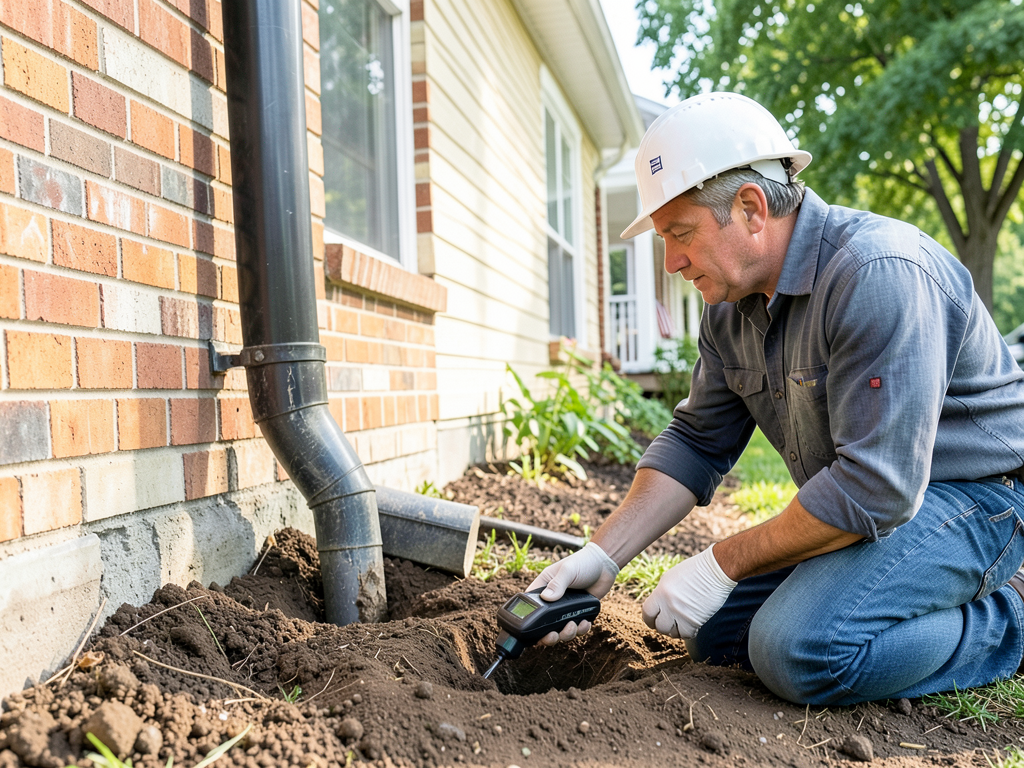
The Best Way to Handle Downspout Runoff in Narrow Manayunk Alleyways Water pouring off your roof into the narrow alleyway…

The Best Way to Handle Downspout Runoff in Narrow Manayunk Alleyways

The Best Way to Handle Downspout Runoff in Narrow Manayunk Alleyways Water pouring off your roof into the narrow alleyway…

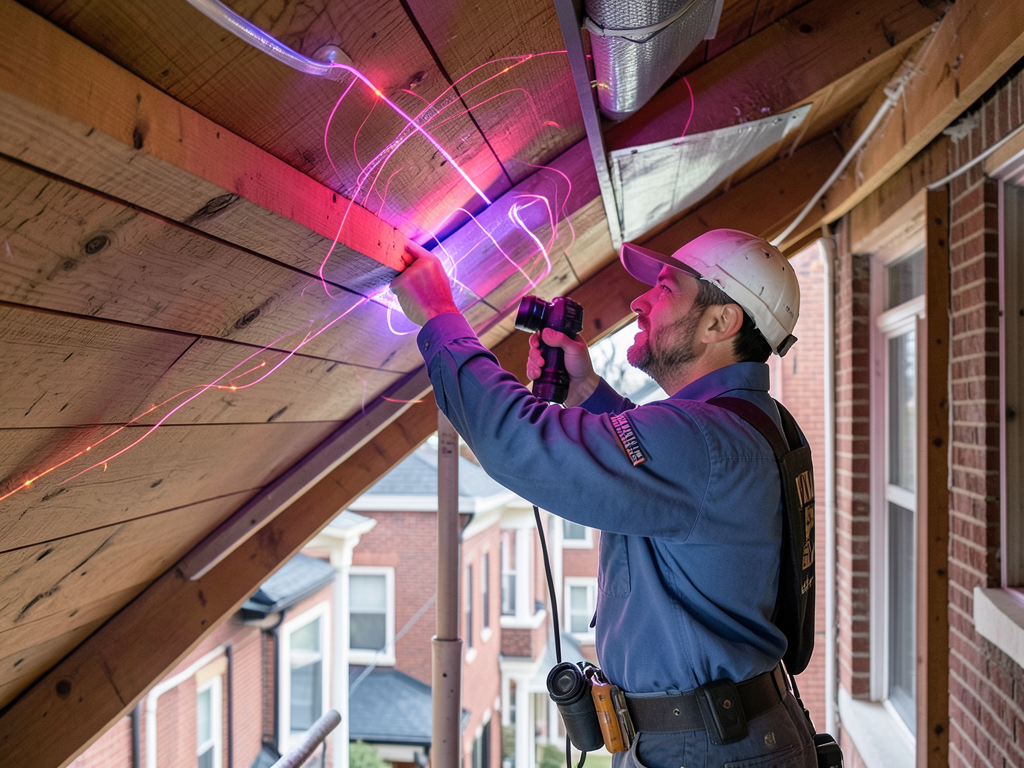
Finding the Leak in Your Complicated Tudor Roof in West Mt. Airy

Finding the Leak in Your Complicated Tudor Roof in West Mt. Airy Water dripping from your ceiling during a storm…

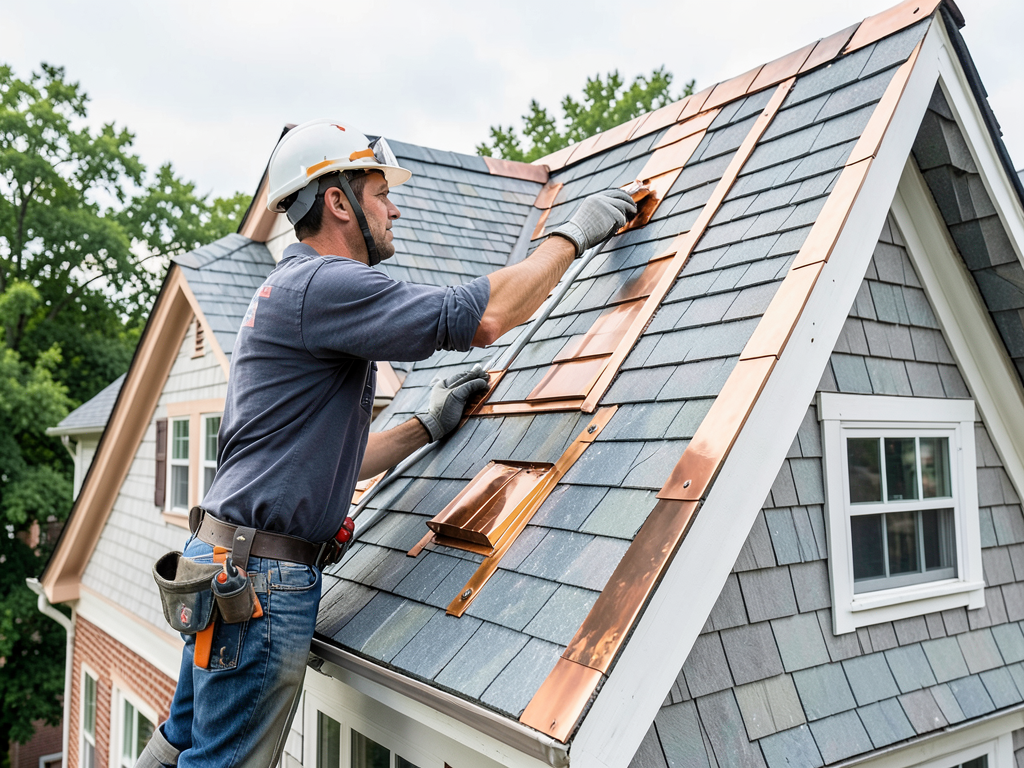
Why Ridge Vents Alone Might Not Be Enough for Your Hot Attic in Wynnefield

Why Ridge Vents Alone Might Not Be Enough for Your Hot Attic in Wynnefield Your attic feels like an oven…

Contact Us

Do not let an adjuster minimize your damage or accept a lowball estimate that leaves you paying thousands out of pocket. Call Atlas Roofing Philadelphia at (267) 344-1222 now for a free damage assessment and insurance claim review. We will inspect your roof, document all damage, and ensure your claim receives the full coverage you deserve.