


menu

Critter & Pest Damage in Philadelphia – Stop Roof Destruction Before Animals Cost You Thousands

Philadelphia's wildlife populations drive rodent roof damage and animal intrusion roofing problems that destroy shingles, compromise structural integrity, and invite water damage into your home.

Slider Image 1
Slider Image 2
Slider Image 3
Slider Image 4
Slider Image 5
Slider Image 7
Slider Image 8
Slider Image 9
Slider Image 10
Slider Image 11

Why Philadelphia Roofs Face Constant Animal Threats

Philadelphia's dense urban environment creates a perfect breeding ground for roof wildlife damage. Raccoons, squirrels, birds, and rats thrive in the city's tight mix of residential neighborhoods, wooded parks, and river corridors along the Schuylkill and Delaware. When temperatures drop in winter, animals seek warmth in your attic. When summer heat peaks, they burrow into soffits and fascia boards looking for shelter.

The city's older housing stock makes the problem worse. Many Philadelphia homes feature wood shake roofs, brick chimneys with deteriorating mortar, and original fascia boards that rodents chew through in hours. Neighborhoods like Germantown, Mount Airy, and Chestnut Hill see constant squirrel activity because mature tree canopies provide direct roof access. Fairmount and Queen Village deal with rat populations that scale downspouts and exploit gaps in flashing.

Animal intrusion roofing damage starts small. A squirrel gnaws a softball-sized hole through a gable vent. A raccoon tears back shingles to access rotted decking. Birds build nests in dryer vents and bathroom exhausts. Each entry point becomes a water infiltration risk. Philadelphia's freeze-thaw cycles expand those gaps. Spring rains pour through openings that were dry in January.

Vermin roof destruction also creates health hazards. Rodent urine soaks insulation. Droppings spread histoplasmosis and hantavirus. Nesting materials block ventilation and increase fire risk if they contact electrical wiring. The longer animals occupy your roof system, the more expensive the fix becomes. What starts as pest damage shingles quickly escalates to decking replacement, insulation removal, and full structural repairs.

You smell it before you see it. Strange scratching sounds at dawn. Dark stains spreading across bedroom ceilings. That's active roof wildlife damage.

Why Philadelphia Roofs Face Constant Animal Threats
How Atlas Roofing Philadelphia Eliminates Animal Damage

How Atlas Roofing Philadelphia Eliminates Animal Damage

Most contractors patch the hole and walk away. That approach fails because you never addressed the entry point that allowed rodent roof damage in the first place. Animals return within weeks. Atlas Roofing Philadelphia uses a three-layer system that stops current infestations and prevents future intrusions.

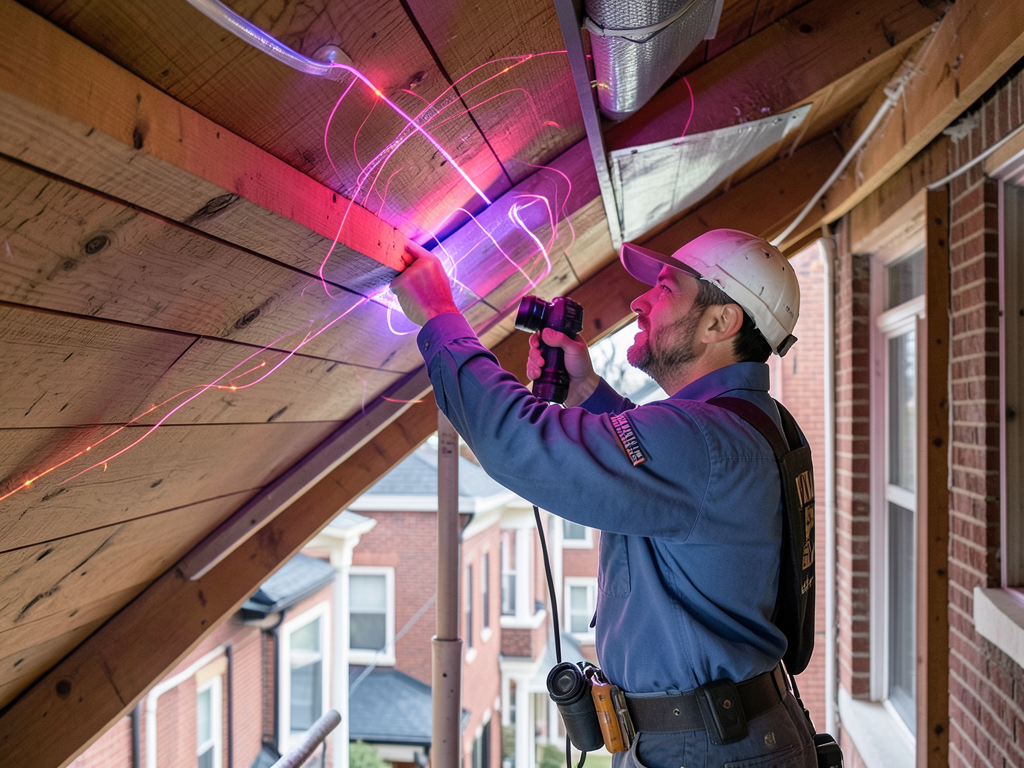
First, we perform a full perimeter inspection from ground to ridge. We check every transition point where different materials meet because those junctions create natural gaps. We examine pipe boots, chimney cricket flashing, ridge vents, and soffit returns. We look for chew marks on fascia boards, claw scratches on shingles, and nesting debris in gutters. We document every vulnerability with photos and measurements.

Second, we remove contaminated materials. Pest damage shingles get stripped down to the decking. If animals urinated on insulation or left droppings in the attic, we bag and remove it following EPA guidelines. We inspect roof decking for structural compromise. Squirrels and raccoons often chew through OSB and plywood to expand their entry holes. Rotted sections get cut out and replaced with properly fastened plywood that meets Philadelphia building code wind uplift requirements.

Third, we seal every identified entry point with materials animals cannot defeat. Standard galvanized steel mesh fails because rodents chew through it. We use 16-gauge stainless steel hardware cloth over gable vents, ridge openings, and soffit gaps. We install custom-fabricated chimney caps with welded seams. We replace damaged pipe boots with rubberized models that flex with temperature changes but resist gnawing. We rebuild fascia boards with PVC trim that eliminates the wood substrate rodents target.

The work includes shingle replacement that matches your existing roof. We do not create patchwork repairs. You get a cohesive repair section that blends with the surrounding roof plane and restores full weather protection.

What Happens During Your Animal Damage Roof Repair

Critter & Pest Damage in Philadelphia – Stop Roof Destruction Before Animals Cost You Thousands
01

Damage Assessment

We inspect your entire roof system to identify every entry point and assess the full scope of vermin roof destruction. This includes attic access to evaluate insulation contamination, structural damage to decking and framing, and documentation of all compromised flashing, vents, and transition points. You receive a detailed report with photos showing exactly what animals damaged and what repairs are necessary.
02

Contamination Removal

We strip damaged roofing materials and remove contaminated insulation following proper safety protocols. All wildlife nesting debris, droppings, and urine-soaked materials get bagged and disposed of according to EPA standards. We replace compromised roof decking and structural framing members. The goal is eliminating health hazards and restoring a clean substrate for proper roof assembly reconstruction.
03

Permanent Sealing

We install animal-proof barriers using stainless steel hardware cloth, welded chimney caps, and reinforced vent covers that rodents cannot chew through. Every gap larger than a quarter inch gets sealed. We rebuild damaged sections with new shingles, flashing, and trim materials. The final result is a roof system that blocks future animal intrusion roofing while restoring full water protection and curb appeal.

Why Philadelphia Homeowners Choose Atlas Roofing for Animal Damage

Philadelphia's building code requires specific attachment methods for roof components based on the city's wind exposure zone. Amateur repairs that ignore these requirements fail inspections and void homeowner insurance claims. Atlas Roofing Philadelphia follows the 2018 International Residential Code as adopted by the city's Department of Licenses and Inspections. We know the fastening schedules, underlayment specifications, and flashing details that pass inspection.

We also understand Philadelphia's unique wildlife patterns. Raccoons in Roxborough behave differently than squirrels in Society Hill. River wards like Bridesburg and Port Richmond see higher rat activity because of proximity to commercial shipping areas. Western neighborhoods near Fairmount Park deal with more squirrel populations due to dense tree coverage. We tailor our sealing approach based on the specific vermin threats in your neighborhood.

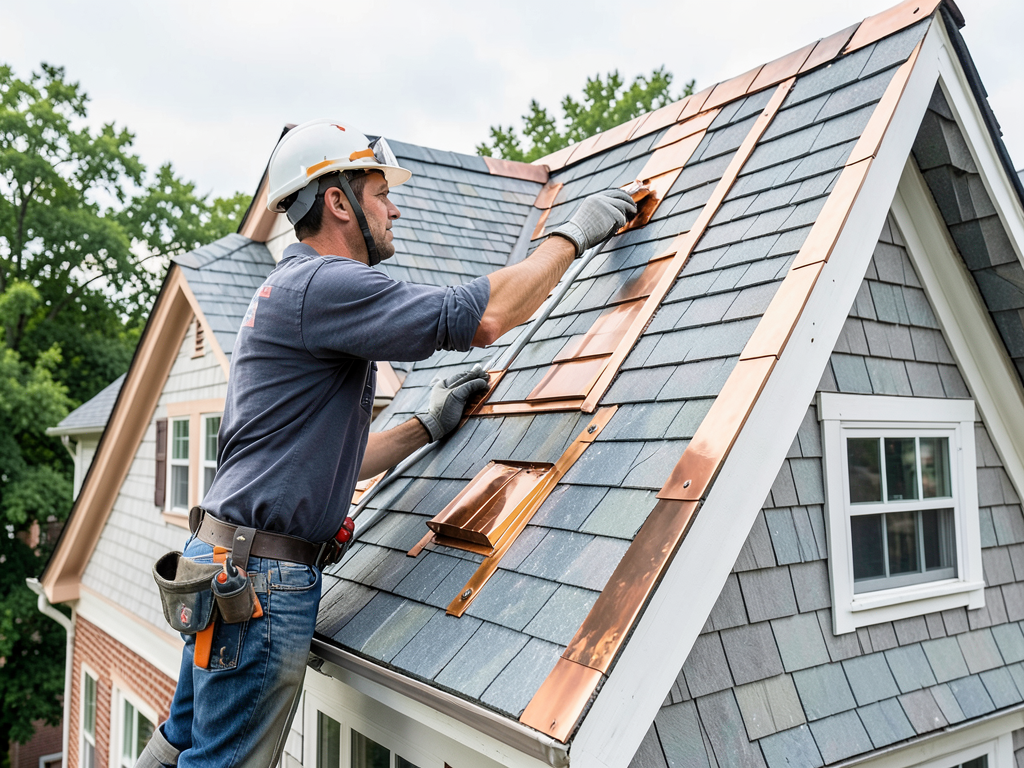
Our team has repaired animal intrusion roofing damage on every housing type in Philadelphia. We have worked on trinity rowhouses in Old City with shared party walls. We have sealed mansard roofs in Manayunk. We have repaired slate roofs on Main Line colonials where squirrels chewed through copper valleys. This experience matters because different roof geometries require different sealing techniques.

You need a contractor who understands that pest damage shingles are just the visible symptom. The real problem is the entry point and the conditions that attracted animals in the first place. Overhanging tree branches provide superhighways to your roof. Deteriorated mortar in chimneys creates easy access. Clogged gutters trap organic debris that smells like food to rodents.

Atlas Roofing Philadelphia fixes the damage and eliminates the conditions that caused it. We do not just patch holes. We perform root-cause analysis and implement solutions that prevent recurrence. That approach costs more upfront but saves you from paying for the same repair every six months.

What to Expect When You Schedule Animal Damage Repair

Response Time

We schedule roof inspections within 48 hours of your call. If animals created active water leaks or structural hazards, we provide emergency tarping to prevent additional damage while you wait for full repairs. Most residential rodent roof damage repairs take two to four days depending on the scope of decking replacement and insulation removal. We communicate daily progress and adjust schedules if we discover additional hidden damage during tearoff. You never get surprised by delays.

Inspection Process

Our inspection includes roof surface evaluation, attic access to assess interior damage, and perimeter examination of all potential entry points. We use thermal imaging to detect moisture intrusion that indicates hidden animal activity. We check fascia boards, soffit panels, gable vents, ridge vents, chimney caps, and all penetration flashing. You receive a written estimate that itemizes materials, labor, and disposal costs. We explain every finding in plain language so you understand what failed and why.

Quality Standards

All shingle repairs match your existing roof color and style. We use manufacturer-approved installation methods that maintain your roof warranty. Decking replacement uses properly rated plywood with H-clips at panel edges. Flashing gets installed with proper lap joints and sealant application. Ventilation ratios meet code requirements for attic airflow. The finished repair looks seamless and performs for decades. We clean up daily and remove all debris when the project completes.

Post-Repair Monitoring

We provide documentation of all installed animal-proof barriers and sealing work. You receive care instructions for maintaining chimney caps, vent covers, and fascia trim. We recommend annual inspections to verify barrier integrity and catch new damage early. While we cannot warranty against future animal attempts, we stand behind our workmanship. If our sealing fails due to improper installation, we return to fix it at no charge.

Frequently Asked Questions

You Have Questions,
We Have Answers

What is the hardest pest to get rid of? +

Bed bugs are the hardest pest to eliminate. They hide in tiny cracks, reproduce quickly, and resist many over-the-counter treatments. In Philadelphia rowhomes and older apartments, these pests spread between units through shared walls and electrical outlets. Termites rank second because they work silently inside your walls and foundation for years before you notice damage. Both require professional treatment. Bed bugs need heat treatments or specialized chemicals applied multiple times. Termites need soil treatments and monitoring stations. Do not waste money on DIY solutions for either pest.

Is critter control still in business? +

Critter Control operates as a franchise network across the United States. Whether a specific location remains open depends on the individual franchise owner. In Philadelphia, several wildlife removal companies serve the metro area, though franchise affiliations change. If you need pest or wildlife help, verify the company is licensed in Pennsylvania and carries liability insurance. Check recent reviews and confirm they service your specific neighborhood. Philadelphia requires permits for certain wildlife removal work, so ask about local compliance before hiring any service.

What are the types of damage by pests? +

Pests cause three main types of damage. Structural damage happens when termites eat floor joists, roof sheathing, and wall studs, or when rodents chew through wiring and insulation. Health damage occurs from droppings, urine, and allergens that trigger asthma or spread disease. Contamination damage affects your food, stored items, and insulation when pests nest and defecate throughout your home. In Philadelphia rowhomes, shared walls let pest damage spread quickly between properties. Rodent chewing on electrical wires creates fire risks. Raccoon waste in attics holds parasites and pathogens.

Is critter control the same as pest control? +

Critter control targets larger animals like raccoons, squirrels, bats, and groundhogs. Pest control handles insects and small rodents like mice, rats, ants, and roaches. The distinction matters for Philadelphia homeowners because different licenses and methods apply. Wildlife removal requires live trapping and exclusion work on your roof, soffits, and foundation. Pest control uses chemical treatments and baiting systems. Some companies handle both services. Others specialize in one category. Check what your specific problem requires before calling. Squirrels chewing roof edges need wildlife expertise, not an exterminator.

What pest is most damaging to a house? +

Termites cause the most expensive house damage in Philadelphia. They eat structural wood silently for years before you see signs. A mature colony can consume one foot of two-by-four lumber in six months. Carpenter ants rank second, hollowing out damp wood in roof decks and window frames. Rodents cause the most dangerous damage by chewing electrical wiring, which creates fire hazards. Philadelphia homes with pier and beam foundations face higher termite risk. Rowhomes with shared walls let termite colonies spread between properties. Annual inspections catch infestations before major structural repairs become necessary.

What is the number one pest problem in America? +

Ants are the number one pest problem nationwide, affecting over 80 percent of households annually. In Philadelphia specifically, you deal with pavement ants in spring and odorous house ants year-round. These pests enter through foundation cracks and gaps around utility penetrations. Rodents rank second nationally but become the primary concern in Philadelphia row neighborhoods during fall when mice seek warm shelter. Cockroaches rank third. The pest you notice most depends on your home's age, condition, and neighborhood. Older Philadelphia properties with settling foundations see more ant activity.

Does Critter Control cost money? +

Yes, professional critter and pest services charge fees based on the problem severity, treatment methods, and follow-up needs. Philadelphia wildlife removal typically costs more than standard pest control because it requires roof work, exclusion repairs, and live trapping over multiple visits. Expect inspection fees plus treatment costs. Emergency wildlife removal during evenings or weekends adds premium charges. One-time treatments cost less than ongoing service contracts. Get written estimates detailing inspection findings, treatment plans, and repair work needed. Ask about warranties on exclusion work. Pennsylvania requires licensed contractors for wildlife damage repairs.

What are the signs of a critter problem? +

Listen for scratching, scurrying, or thumping sounds in walls, attics, or ceilings, especially at dawn and dusk. Look for droppings near food sources, along baseboards, or in storage areas. Check for greasy rub marks where rodents travel repeatedly along walls. Inspect your Philadelphia roofline for chewed soffit panels or displaced roof vents. Smell for musky urine odors in enclosed spaces. Notice unexplained holes in drywall or insulation damage in your attic. Find torn food packaging in pantries. See tracks in dusty areas. Spot nesting material like shredded paper or insulation.

Does Orkin own Critter Control? +

No, Orkin and Critter Control operate as separate companies with different ownership structures. Orkin is owned by Rollins Inc., a publicly traded pest control corporation. Critter Control functions as an independent franchise system focused on wildlife removal. Both companies serve Philadelphia but use different business models and service approaches. This distinction matters when comparing warranties, pricing, and technician training. Check which company holds proper Pennsylvania licenses for your specific problem. Some national brands subcontract local work. Ask if the technician works directly for the company or operates as an independent contractor.

Is pest damage covered by homeowners insurance? +

Standard homeowners insurance rarely covers pest damage because policies exclude maintenance issues and gradual deterioration. Termite damage, rodent chewing, and wildlife destruction fall under preventable problems. Insurance may cover sudden damage from larger animals like bears or deer in rare cases. In Philadelphia, if squirrels chew through your roof and rainwater causes interior damage, insurance might cover the water damage but not the animal entry repairs. Read your policy exclusions carefully. Some insurers offer pest damage riders for additional premiums. Document all damage with photos before repairs begin.

How Philadelphia's Urban Forest Corridor Creates Constant Roof Wildlife Threats

Philadelphia maintains over 15,000 acres of parkland including Fairmount Park, Wissahickon Valley, and Cobbs Creek. These green corridors support thriving populations of squirrels, raccoons, and birds that migrate into residential neighborhoods seeking food and shelter. Properties within half a mile of wooded areas face constant animal intrusion roofing pressure. Mature oak and maple trees common throughout Northwest Philadelphia provide direct roof access. Wildlife uses telephone and electrical lines as travel routes between trees and buildings. The result is persistent rodent roof damage that requires proactive sealing rather than reactive patching.

Philadelphia's Department of Licenses and Inspections requires roof repairs to meet current building code even when fixing animal damage on older homes. That means proper flashing details, adequate ventilation, and correct fastening patterns. Contractors unfamiliar with Philadelphia's inspection process create repairs that fail review and delay your project. Atlas Roofing Philadelphia maintains active relationships with city inspectors and understands the documentation requirements for major repairs. We pull permits when necessary and schedule inspections at the right project milestones. You avoid violations and ensure your repair work protects your property value.
Roofing Services in The Philadelphia Area

Atlas Roofing proudly serves the entire Philadelphia area, including all surrounding counties. We invite you to view our service area on the map to confirm we cover your neighborhood. As your trusted local roofing contractor, we are always ready to deploy our expert teams promptly to your home or business, ensuring you receive the high-quality, professional service you deserve, exactly when you need it.

Address:
Atlas Roofing Philadelphia, 100 N 18th St, Philadelphia, PA, 19103

Additional Services We Offer

Our news updates

Latest Articles & News from The Blogs

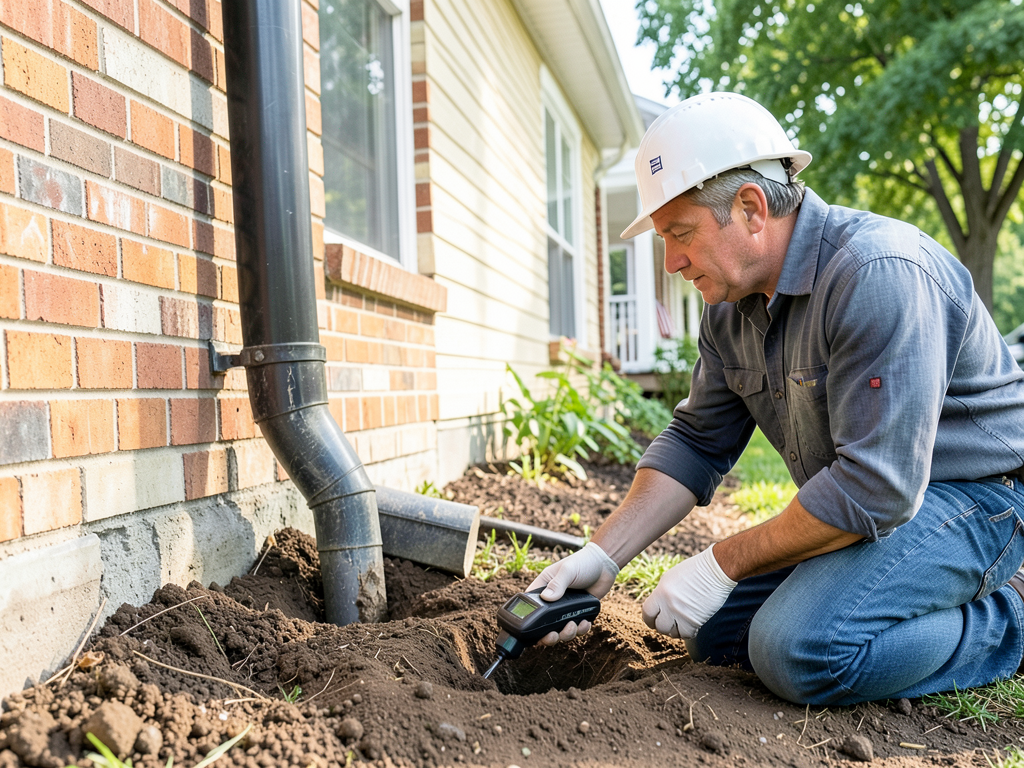
The Best Way to Handle Downspout Runoff in Narrow Manayunk Alleyways Water pouring off your roof into the narrow alleyway…

The Best Way to Handle Downspout Runoff in Narrow Manayunk Alleyways

The Best Way to Handle Downspout Runoff in Narrow Manayunk Alleyways Water pouring off your roof into the narrow alleyway…

Finding the Leak in Your Complicated Tudor Roof in West Mt. Airy

Finding the Leak in Your Complicated Tudor Roof in West Mt. Airy Water dripping from your ceiling during a storm…

Why Ridge Vents Alone Might Not Be Enough for Your Hot Attic in Wynnefield

Why Ridge Vents Alone Might Not Be Enough for Your Hot Attic in Wynnefield Your attic feels like an oven…

Contact Us

Animals destroy more roofing every day they remain inside your structure. Schedule an inspection now by calling (267) 344-1222. Atlas Roofing Philadelphia provides honest assessments and permanent solutions that protect your Philadelphia home from future pest damage.