




menu

Signs You Need a New Roof in Philadelphia – Expert Inspection and Damage Assessment Guide

Atlas Roofing Philadelphia helps you identify critical warning signs of roof failure before costly leaks destroy your property, with expert diagnosis of shingle damage, flashing deterioration, and structural issues.

Slider Image 1
Slider Image 2
Slider Image 3
Slider Image 4
Slider Image 5
Slider Image 7
Slider Image 8
Slider Image 9
Slider Image 10
Slider Image 11

Philadelphia's Climate Creates Unique Roof Damage Patterns

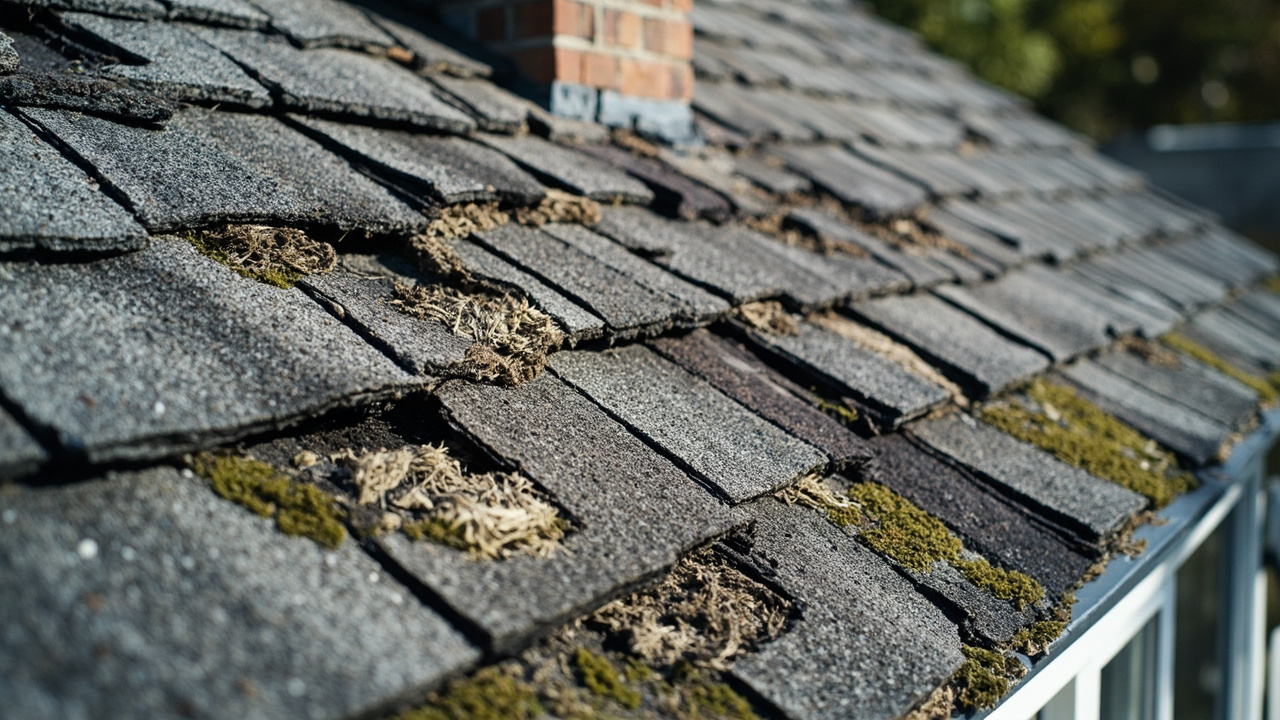
Philadelphia's freeze-thaw cycles punish roofs harder than most homeowners realize. When winter temperatures swing from 20°F at night to 45°F by afternoon, water trapped in your shingles expands and contracts. This breaks down the asphalt binder that holds granules in place. Over time, you lose the protective mineral layer that shields your roof from UV damage.

The indicators for roof replacement in our region start with granule loss. Walk around your house after a rainstorm. Check your downspouts and gutters. If you see black grit that looks like coarse sand, your shingles are deteriorating. This is evidence for roof replacement that demands immediate attention.

Warning signs of roof failure accelerate in Philadelphia's humid summers. Our average July humidity sits around 65%. When combined with afternoon temperatures pushing 90°F, your attic becomes a heat trap. Poor ventilation bakes your roof deck from below while the sun attacks from above. You get premature aging, warped decking, and shingle curling.

Inside your home, look for water stains on ceilings near exterior walls. Check for daylight coming through roof boards in your attic. These are symptoms of a failing roof that signal compromised waterproofing. Dark streaking on your roof surface is not just cosmetic. That black discoloration is algae growth feeding on the limestone filler in your shingles, a clear sign your roof's protective layer is breaking down.

How to tell if you need a new roof comes down to age and visible damage. Most asphalt shingle roofs in Philadelphia last 18 to 22 years. If yours is approaching that range and showing multiple warning signs, replacement is your safest option.

Philadelphia's Climate Creates Unique Roof Damage Patterns
The Professional Roof Assessment Process

The Professional Roof Assessment Process

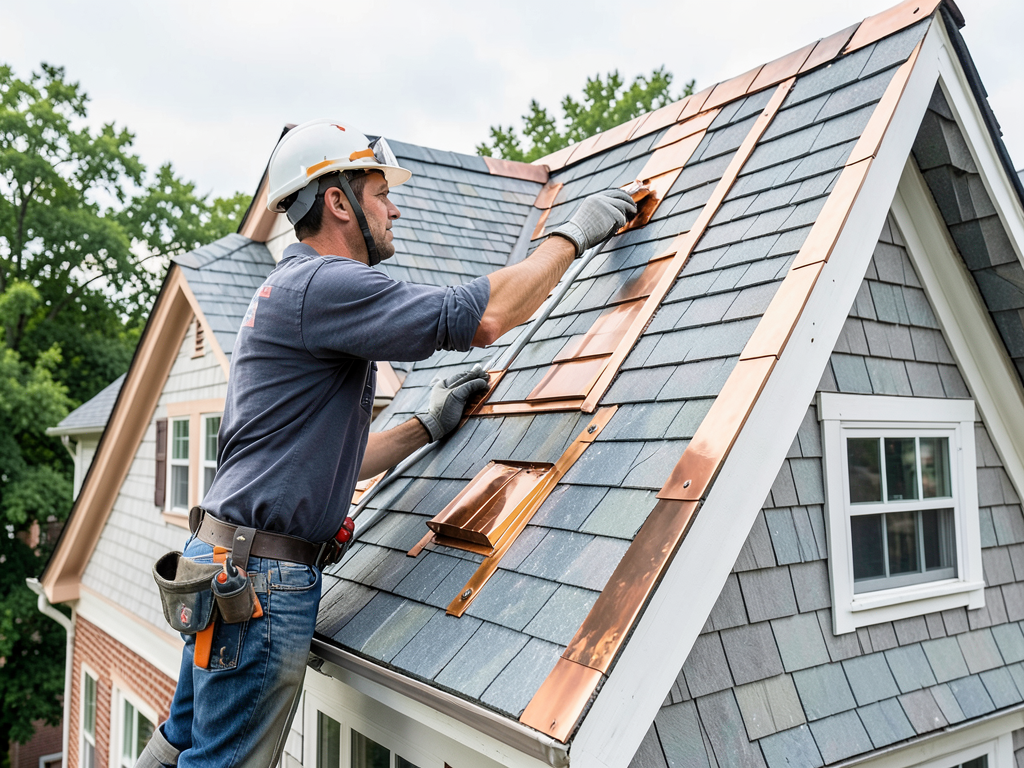
Atlas Roofing Philadelphia uses a systematic inspection protocol that examines seven critical failure points. We start with perimeter flashing at chimneys, skylights, and vent pipes. Flashing seals the gaps where your roof plane meets a vertical surface. When the sealant degrades or metal corrodes, water infiltrates your roof deck. We check for rust perforation, lifted edges, and separated seams.

Next, we examine shingle adhesion. Quality shingles use thermal seal strips that bond each course to the one below. High winds exploit any weakness in this bond. We lift random shingles across your roof to test adhesion strength. If shingles release easily, your entire roof is vulnerable to blow-offs during storms.

Your ridge cap is the most exposed part of your roof. It takes direct wind impact and maximum UV exposure. We inspect for cracking, loss of flexibility, and separation from the ridge board. Ridge cap failure allows water to enter along your roof peak, the worst possible location for leaks.

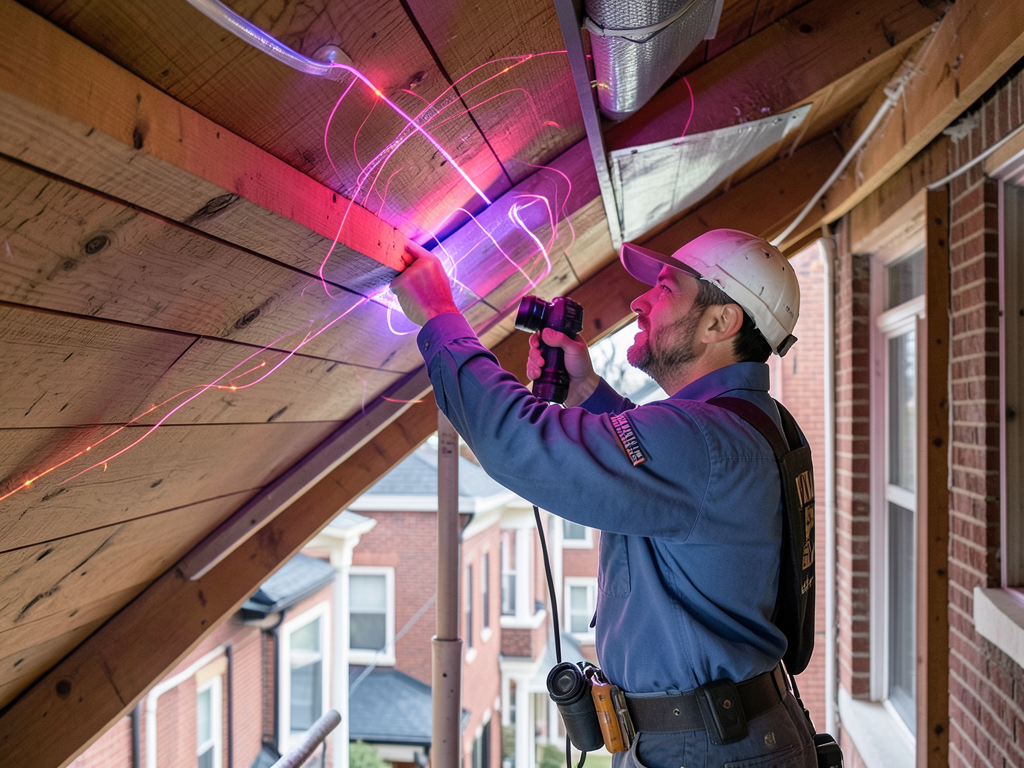
We inspect your roof deck from inside the attic. A flashlight reveals water stains, mold growth, and wood rot. We look for sagging between rafters, which indicates structural damage from prolonged moisture exposure. We check insulation for compression and wet spots.

Ventilation assessment is critical. We calculate your attic's intake and exhaust ventilation ratio. Poor ventilation causes ice dams in winter and heat damage in summer. We measure attic temperature during inspection. If your attic is more than 10°F hotter than outside temperature on a mild day, you have ventilation problems that are destroying your roof from below.

We document everything with photos and measurements. You receive a written report that specifies which components need immediate attention and which you can monitor.

How We Evaluate Your Roof Condition

Signs You Need a New Roof in Philadelphia – Expert Inspection and Damage Assessment Guide
01

Exterior Visual Survey

We walk your property perimeter with binoculars, examining every roof plane from multiple angles. This ground-level survey identifies obvious damage like missing shingles, sagging sections, and debris accumulation in valleys. We photograph problem areas and note their location relative to landmarks. This creates a damage map before we ever climb a ladder, ensuring we inspect every concern once on the roof.
02

Hands-On Roof Inspection

Our technician walks every section of your roof, testing shingle integrity, examining flashing, and checking fastener patterns. We lift shingles to inspect underlayment condition and look for nail pops that create leak points. We examine pipe boots for cracking, check chimney flashing for separation, and inspect valley metal for corrosion. This tactile inspection reveals problems invisible from the ground, like soft spots in decking or hidden water damage.
03

Attic and Interior Analysis

We enter your attic space to examine the roof deck from below, where water damage shows up first. We look for staining patterns that reveal active leaks, check insulation for moisture, and measure ventilation adequacy. We inspect rafters for rot or insect damage. This inside perspective completes the assessment, showing whether surface damage has compromised your roof structure. You receive a detailed report with replacement recommendations and priority rankings.

Why Philadelphia Homeowners Trust Our Roof Evaluations

Atlas Roofing Philadelphia has evaluated thousands of roofs across every neighborhood from Fishtown to Chestnut Hill. We know how Philadelphia's row homes present unique flashing challenges where party walls meet roof lines. We understand that homes in historic districts like Society Hill require careful inspection techniques that preserve architectural details while assessing structural integrity.

Our inspectors recognize the difference between cosmetic wear and structural failure. We do not push replacement when repair is adequate. If your roof has five years of serviceable life remaining, we tell you. We explain which maintenance steps extend that timeline and which warning signs mean time is running out.

We document everything because Philadelphia's building permits require detailed roof condition reports for many neighborhoods. Our inspection reports satisfy L&I requirements and provide the technical specifications contractors need for accurate estimates. You get measurements, material identifications, and failure analysis that eliminates guesswork from the replacement process.

Philadelphia's weather demands roofs built for thermal stress. We evaluate whether your current roof system includes adequate ventilation, proper underlayment, and ice-and-water shield in vulnerable areas. Many older Philadelphia roofs were installed before modern building codes required these protections. Our assessment identifies these gaps.

We inspect from a building science perspective. Your roof is part of a system that includes attic ventilation, insulation, and interior moisture control. When we find premature shingle failure, we investigate whether attic heat or humidity is the root cause. Replacing shingles without fixing ventilation just restarts the damage cycle. We identify the complete solution, not just the visible symptom.

Our team stays current with manufacturer specifications and Philadelphia building codes. We know which products perform best in our climate and which installation methods prevent the failures we see repeatedly.

What Our Roof Inspection Includes

Same-Day Scheduling Available

Most inspection requests get scheduled within 48 hours. Emergency assessments after storm damage can happen same-day if you call before noon. We block time for thorough evaluation, typically 60 to 90 minutes depending on roof size and complexity. You do not need to be home during inspection, but we recommend it so you can ask questions and see problem areas in photos immediately. We send the written report within 24 hours of completing the inspection.

Comprehensive Damage Documentation

Our inspection covers shingles, flashing, ventilation, gutters, and structural components. We photograph every defect with close-up and context shots so you see exactly what we see. The report specifies each problem's location, severity, and urgency. We categorize issues as immediate threats, items needing attention within one year, and long-term monitoring points. You receive digital photos organized by roof section, making it easy to share with insurance adjusters or compare contractor estimates.

Honest Replacement Recommendations

We give you straight answers about whether repair or replacement makes financial sense. If your roof shows isolated damage in one section, we explain repair options and cost implications. If multiple systems are failing and your roof is past its design life, we recommend replacement and explain why. Our reports include expected remaining lifespan estimates based on current condition. You get information you need to plan appropriately, whether that means budgeting for next year or scheduling emergency replacement.

Follow-Up Consultation Included

After you review the inspection report, we schedule a follow-up call to answer questions and discuss next steps. We explain technical terms, help you understand priority rankings, and provide guidance on timing. If you decide to replace your roof, we walk you through material options appropriate for Philadelphia's climate and your home's architecture. We connect you with trusted contractors if you need installation help. The inspection fee applies toward any roof replacement you schedule with Atlas Roofing Philadelphia.

Frequently Asked Questions

You Have Questions,
We Have Answers

How do you know when it's time to replace your roof? +

You need a roof replacement when you spot multiple damaged or missing shingles, visible sagging or dips in the roofline, or granules collecting in your gutters. Philadelphia's freeze-thaw cycles accelerate wear, so check for curling or cracked shingles after winter. Interior signs include water stains on ceilings, daylight through roof boards, or mold growth in your attic. If your roof is over 20 years old and showing these symptoms, replacement prevents costly water damage to your home's structure and interior.

What are the signs of a failing roof? +

A failing roof shows clear warning signs. Look for widespread shingle damage like curling edges, blistering, or bare spots where granules have worn away. Philadelphia homes often experience ice dam damage along eaves. Check for dark streaking indicating algae growth or moss, which traps moisture. Inside, water stains on ceilings or walls signal active leaks. Sagging sections indicate structural compromise from water damage. Increased energy bills may mean poor attic ventilation from compromised decking. These signs demand immediate professional inspection.

What is the average age of a roof before replacement? +

Most asphalt shingle roofs last 20 to 25 years before needing replacement. Philadelphia's weather, with humid summers and freeze-thaw winter cycles, can shorten this timeline. Metal roofs last 40 to 70 years, while slate can exceed 100 years. Your roof's age depends on material quality, installation precision, ventilation, and maintenance. If your roof approaches 20 years and shows wear, schedule an inspection. Older roofs become less reliable and may not meet current building codes for wind resistance or energy efficiency.

What is the average cost of a full roof replacement? +

Roof replacement costs vary widely based on size, material, pitch, and structural repairs needed. In Philadelphia, pricing reflects local labor rates and permit requirements. Asphalt shingle replacements typically cost less than premium materials like metal or slate. Complex architectural features, multiple stories, or required decking repairs increase expenses. Request detailed estimates from licensed contractors that itemize materials, labor, permits, and disposal fees. Focus on value rather than the lowest bid, as quality installation protects your investment for decades.

Is $30,000 too much for a roof? +

Whether $30,000 is reasonable depends on your roof's size, material, and complexity. For a large Philadelphia home requiring premium materials like architectural shingles, metal, or slate, this falls within normal range. Steep pitch, multiple chimneys, dormers, or required structural repairs add cost. Philadelphia's Historic District requirements may mandate specific materials. Get three written estimates to compare. Verify the quote includes permits, disposal, flashing replacement, and warranty coverage. Quality installation matters more than price alone when protecting your home.

How old may a roof be before insurance claims it's too old? +

Most insurance companies in Pennsylvania scrutinize roofs over 15 to 20 years old. Some carriers refuse coverage for roofs older than 20 years or require inspection reports. Policies may cover sudden damage from storms but exclude wear and tear on aging roofs. Philadelphia insurers evaluate material type, maintenance records, and current condition. Before filing claims, understand your policy's roof age limits. Maintaining documentation of repairs and regular inspections helps. Consider replacement before your roof ages out of coverage eligibility.

What is the most expensive part of replacing a roof? +

Labor represents the largest expense in roof replacement, typically 40 to 50 percent of total cost. Skilled installation requires expertise, safety equipment, and liability coverage. Material costs follow, varying dramatically between standard asphalt shingles and premium options. In Philadelphia, disposing of old roofing materials adds significant expense due to local waste regulations. Structural repairs to damaged decking, trusses, or fascia boards increase costs unpredictably. Permit fees and inspection requirements add to the budget. Quality workmanship justifies the investment by ensuring decades of protection.

Does homeowners insurance pay for a leaky roof? +

Homeowners insurance typically covers roof leaks caused by sudden, accidental damage like storm winds, fallen trees, or hail. Philadelphia policies rarely cover leaks from wear, age, or lack of maintenance. Insurance adjusters distinguish between covered perils and homeowner neglect. If a winter storm damages your roof and causes leaks, file immediately. Document damage with photos and prevent further water intrusion. Review your policy's coverage limits and deductibles. Regular maintenance and documentation help claims succeed. Pre-existing damage or gradual deterioration usually falls outside coverage.

What is the average lifespan of a roof? +

Roof lifespan depends on material quality and Philadelphia's climate demands. Asphalt shingles last 20 to 30 years, with architectural grades outlasting basic three-tab. Metal roofing performs 40 to 70 years. Clay or concrete tile reaches 50 years. Slate and copper can exceed 100 years with proper maintenance. Philadelphia's humidity, freeze-thaw cycles, and occasional severe storms affect durability. Proper attic ventilation, quality installation, and regular maintenance extend lifespan. Neglecting minor repairs accelerates deterioration and shortens your roof's functional life significantly.

How much does it cost to change a whole roof? +

Full roof replacement costs depend on square footage, material selection, pitch complexity, and required structural work. Philadelphia homeowners face costs influenced by local labor rates, permit fees, and disposal regulations. Asphalt shingle roofs cost less than metal, tile, or slate installations. Factors like multiple levels, steep pitch, chimneys, or skylights increase labor requirements. Historic District properties may need specific materials. Request itemized estimates comparing material options, warranties, and installation timelines. Investing in quality materials and experienced contractors protects your home and delivers long-term value.

How Philadelphia's Row Home Architecture Complicates Roof Inspections

Philadelphia's distinctive row home construction creates inspection challenges you do not find in suburban neighborhoods. Shared party walls mean your roof connects to your neighbors' roofs at every side edge. Water from a failing roof next door can migrate into your roof deck through shared flashing. We inspect these transition points carefully because they are common leak sources. Many Philadelphia row homes have flat or low-slope sections behind front gables, creating water pooling areas that demand different waterproofing than pitched surfaces. These architectural quirks require inspectors who understand how Philadelphia homes are built.

Philadelphia's active historic preservation districts add another layer to roof assessment. Homes in Old City, Rittenhouse, and Graduate Hospital often fall under historical commission oversight. Roof replacements in these areas may require specific materials, colors, or installation methods that match original construction. Our inspectors understand these requirements and note them in reports so you avoid permit problems later. We have worked with the Philadelphia Historical Commission's guidelines enough to know which materials satisfy preservation standards while providing modern weather protection.
Roofing Services in The Philadelphia Area

Atlas Roofing proudly serves the entire Philadelphia area, including all surrounding counties. We invite you to view our service area on the map to confirm we cover your neighborhood. As your trusted local roofing contractor, we are always ready to deploy our expert teams promptly to your home or business, ensuring you receive the high-quality, professional service you deserve, exactly when you need it.

Address:
Atlas Roofing Philadelphia, 100 N 18th St, Philadelphia, PA, 19103

Additional Services We Offer

Our news updates

Latest Articles & News from The Blogs

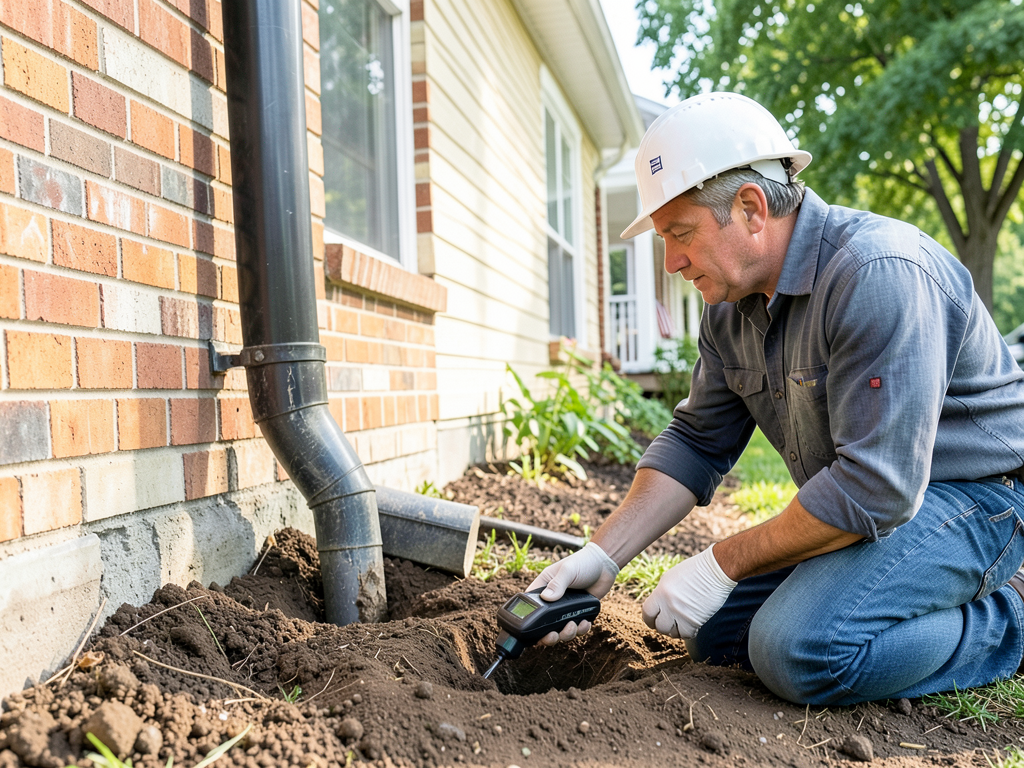
The Best Way to Handle Downspout Runoff in Narrow Manayunk Alleyways Water pouring off your roof into the narrow alleyway…

The Best Way to Handle Downspout Runoff in Narrow Manayunk Alleyways

The Best Way to Handle Downspout Runoff in Narrow Manayunk Alleyways Water pouring off your roof into the narrow alleyway…

Finding the Leak in Your Complicated Tudor Roof in West Mt. Airy

Finding the Leak in Your Complicated Tudor Roof in West Mt. Airy Water dripping from your ceiling during a storm…

Why Ridge Vents Alone Might Not Be Enough for Your Hot Attic in Wynnefield

Why Ridge Vents Alone Might Not Be Enough for Your Hot Attic in Wynnefield Your attic feels like an oven…

Contact Us

Stop wondering about your roof's condition. Get definitive answers from experts who evaluate Philadelphia roofs daily. Call Atlas Roofing Philadelphia at (267) 344-1222 to schedule your comprehensive inspection. We will identify every problem and give you a clear action plan.