





menu

Homeowner's Guide to Roofing in Philadelphia – Master Your Roof's Maintenance, Repairs, and Replacement Decisions

Your complete residential roofing handbook for understanding what Philadelphia's freeze-thaw cycles, summer storms, and historic architecture mean for your roof's lifespan, maintenance needs, and when to repair versus replace.

Slider Image 1
Slider Image 2
Slider Image 3
Slider Image 4
Slider Image 5
Slider Image 7
Slider Image 8
Slider Image 9
Slider Image 10
Slider Image 11

Why Philadelphia Homeowners Need a Different Approach to Roofing

Your roof faces a unique set of challenges in Philadelphia that homeowners in other climates never deal with. The city's four-season weather pattern creates a brutal cycle: winter freeze-thaw expansion damages flashing and shingles, spring storms test your drainage systems, summer heat degrades asphalt composition, and fall debris clogs gutters before the cycle starts again.

Philadelphia's rowhouse architecture adds another layer of complexity. Shared party walls, limited attic access, and varying roof pitches between adjacent properties mean a problem on your neighbor's side can quickly become yours. The city's Historic Districts impose strict material and aesthetic requirements that limit your options. You cannot just pick any shingle color or roofing material when your home sits in Old City or Society Hill.

Most residential roofing guides ignore these regional factors. They give you generic advice that does not account for Philadelphia's clay soil causing foundation shifts that stress roof structures, or how the Schuylkill and Delaware Rivers create humidity pockets that accelerate mold growth in poorly ventilated attics.

This roofing basics for homeowners resource solves that problem. You will learn how to read the warning signs your roof gives you, what questions to ask contractors, how to budget for maintenance versus emergency replacement, and when DIY fixes make sense versus when you need professional intervention. You will understand the difference between a legitimate repair recommendation and an unnecessary upsell. You will know what Philadelphia building codes require and how to avoid the costly mistakes that trap unprepared homeowners.

Why Philadelphia Homeowners Need a Different Approach to Roofing
Understanding Your Roof System and How Each Component Works

Understanding Your Roof System and How Each Component Works

Your roof is not just shingles. It functions as an integrated system where every component depends on the others. The decking provides structural support. The underlayment creates a waterproof barrier. Flashing seals vulnerable transition points around chimneys, vents, and valleys. Shingles form the visible protective layer. Ventilation regulates temperature and moisture. When one element fails, the cascade effect damages everything downstream.

Philadelphia homes typically use asphalt composition shingles because they balance cost, durability, and local code compliance. You will see three-tab shingles on older homes and architectural shingles on newer construction. Three-tab shingles last 15 to 20 years in Philadelphia's climate. Architectural shingles extend that lifespan to 25 to 30 years. The difference comes down to thickness and how the layers bond together.

Flashing deserves more attention than most homeowners give it. This thin metal material, usually aluminum or galvanized steel, directs water away from joints and seams. Poor flashing installation causes more leaks than failed shingles. You want step flashing along wall intersections, counter-flashing around chimneys, and valley flashing where roof planes meet. Each type serves a specific purpose.

Ventilation remains the most misunderstood aspect of residential roofing 101 education. Your attic needs balanced intake (soffit vents) and exhaust (ridge vents or roof-mounted turbines) to prevent heat and moisture buildup. Philadelphia's summer humidity creates condensation in poorly ventilated attics, leading to mold growth, insulation damage, and premature decking rot. Ridge vents provide continuous exhaust along the peak. Soffit vents pull fresh air in from the eaves. The temperature differential creates natural airflow that protects your roof structure from the inside.

How to Evaluate Your Roof's Current Condition

Homeowner's Guide to Roofing in Philadelphia – Master Your Roof's Maintenance, Repairs, and Replacement Decisions
01

Visual Ground Inspection

Start by walking your property perimeter with binoculars. Look for curled shingle edges, missing granules creating bald spots, or damaged flashing around chimneys and vents. Check your gutters for shingle granule accumulation, which signals advanced deterioration. Examine the fascia boards for water staining or rot. Document everything with photos. You want a baseline record of your roof's current state before problems escalate.
02

Interior Attic Assessment

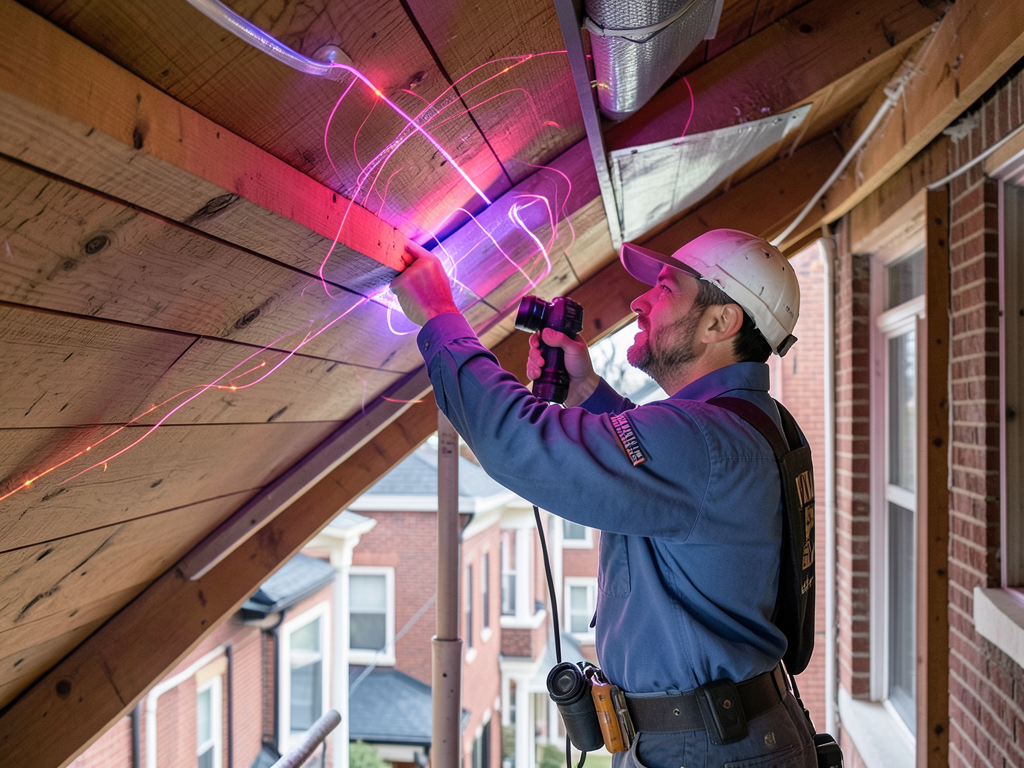
Enter your attic on a bright day and turn off the lights. Look for light penetration through the decking, which indicates holes or gaps. Run your hand along the underside of the roof deck to feel for moisture or soft spots. Check insulation for water staining, mold growth, or compression. Inspect rafters for sagging or cracking. Verify that ventilation baffles maintain clear airflow paths between the soffit vents and ridge vent.
03

Professional Measurement and Diagnosis

Schedule a professional inspection every three to five years, or immediately after severe storms. A qualified roofer will access the roof surface to assess structural integrity, measure remaining shingle lifespan, test flashing seals, and identify hidden damage. They document findings with detailed reports and photos. This professional assessment provides the information you need to plan maintenance budgets and avoid emergency replacements that always cost more than scheduled work.

Why Atlas Roofing Philadelphia Understands Your Home Better Than National Chains

National roofing franchises use one-size-fits-all approaches that ignore Philadelphia's specific challenges. They send crews who have never dealt with rowhouse party wall coordination, Historic District material restrictions, or the unique drainage issues created by our topography. They push the same solutions in Phoenix, Portland, and Philadelphia, even though those climates have nothing in common.

Atlas Roofing Philadelphia built our expertise serving neighborhoods from Fishtown to Chestnut Hill. We know that homes in Manayunk face different water runoff challenges than properties in Rittenhouse Square. We understand which shingle weights withstand the wind loads along the Delaware River waterfront. We maintain relationships with the Philadelphia Department of Licenses and Inspections to streamline permit approvals. We source materials from regional suppliers who stock products suited to our climate, not generic inventory that works everywhere and excels nowhere.

Our crews live in the communities we serve. They recognize the difference between a legitimate repair need and the fear-based sales tactics that plague this industry. They explain problems in plain language instead of using technical jargon to confuse you into unnecessary replacements. They show you the damage, explain what caused it, present your options with honest cost-benefit analysis, and let you make informed decisions.

You need a homeowner roofing manual written for Philadelphia because generic advice fails when weather patterns, building codes, and architectural styles change. You need contractors who have repaired hundreds of roofs in your specific neighborhood, who know which solutions last and which ones fail within five years. Local expertise matters when your largest investment depends on making the right roofing decisions.

What This Roofing Guide Covers and How to Use It

Maintenance Schedule and Prevention

You will learn the seasonal maintenance tasks that extend your roof's lifespan and prevent expensive emergency repairs. Spring inspections focus on winter damage assessment and clearing debris from valleys and gutters. Summer checks verify ventilation performance during peak heat. Fall preparation includes gutter cleaning and securing loose shingles before winter storms. Winter monitoring watches for ice dam formation and excessive snow loads. Following this schedule catches small problems before they escalate into structural damage requiring full replacement. You will understand which tasks you can handle yourself and when to call professionals.

Repair versus Replacement Decision Framework

The guide provides a clear framework for evaluating whether repair makes financial sense or if you are throwing money at a failing system. You will learn how to calculate remaining useful life based on shingle condition, substrate integrity, and previous repair history. The analysis includes cost-per-year calculations that compare repair expenses against replacement investment. You will understand the warning signs that indicate your roof crossed the threshold from repairable to replacement-necessary. This framework prevents the common mistake of spending thousands on repairs only to need full replacement within two years, effectively paying for your roof twice.

Contractor Selection and Quality Control

You will discover the specific questions that separate legitimate professionals from unlicensed operators working out of pickup trucks. The guide explains what comprehensive estimates should include, how to verify contractor credentials with Philadelphia's licensing authorities, and which contract terms protect your interests. You will learn the red flags that signal potential problems: pressure tactics, requests for full payment upfront, reluctance to provide references, or inability to show proof of insurance. The quality control section details the inspection points you should verify during installation to ensure work meets manufacturer specifications and local building codes.

Material Options and Performance Characteristics

This home roofing handbook breaks down the material choices available to Philadelphia homeowners and how each performs in our climate. You will understand the differences between organic and fiberglass-based asphalt shingles, why architectural shingles cost more but last longer, and when specialty materials like synthetic slate or metal roofing make sense. The guide explains how shingle weight affects wind resistance, why color choice impacts cooling costs, and how manufacturer warranties actually work. You will learn which materials Philadelphia's Historic Commissions approve for different districts and how to navigate those restrictions without compromising protection.

Frequently Asked Questions

You Have Questions,
We Have Answers

How Philadelphia's Freeze-Thaw Cycles and Historic Architecture Demand Specialized Roofing Knowledge

Philadelphia experiences an average of 40 freeze-thaw cycles each winter, where daytime temperatures rise above freezing and overnight temperatures drop below 32 degrees. This cycling expands and contracts roofing materials, degrades sealants, and creates gaps where flashing meets substrate. Water penetrates these microscopic gaps, freezes, expands, and widens the openings. This residential roofing guide addresses these cycles because they accelerate deterioration faster than in stable climates. Homes in neighborhoods like Mount Airy or Roxborough, where elevation changes create temperature variations, face even more severe cycling effects. You need maintenance strategies specific to this pattern.

The city's concentration of pre-1950 housing stock, particularly rowhouses with shared walls and limited access, requires specialized expertise that generic roofing basics for homeowners resources cannot provide. Philadelphia's L&I Department enforces strict codes for rowhouse roofing work, requiring coordination with adjacent property owners when work affects shared structures. Historic Districts demand materials and methods that preserve architectural character while meeting modern performance standards. Atlas Roofing Philadelphia maintains relationships with the Philadelphia Historical Commission and understands the approval process for material substitutions in protected neighborhoods. This local knowledge prevents project delays, code violations, and the costly mistakes that occur when contractors unfamiliar with Philadelphia's requirements attempt complex residential projects.
Roofing Services in The Philadelphia Area

Atlas Roofing proudly serves the entire Philadelphia area, including all surrounding counties. We invite you to view our service area on the map to confirm we cover your neighborhood. As your trusted local roofing contractor, we are always ready to deploy our expert teams promptly to your home or business, ensuring you receive the high-quality, professional service you deserve, exactly when you need it.

Address:
Atlas Roofing Philadelphia, 100 N 18th St, Philadelphia, PA, 19103

Additional Services We Offer

Our news updates

Latest Articles & News from The Blogs

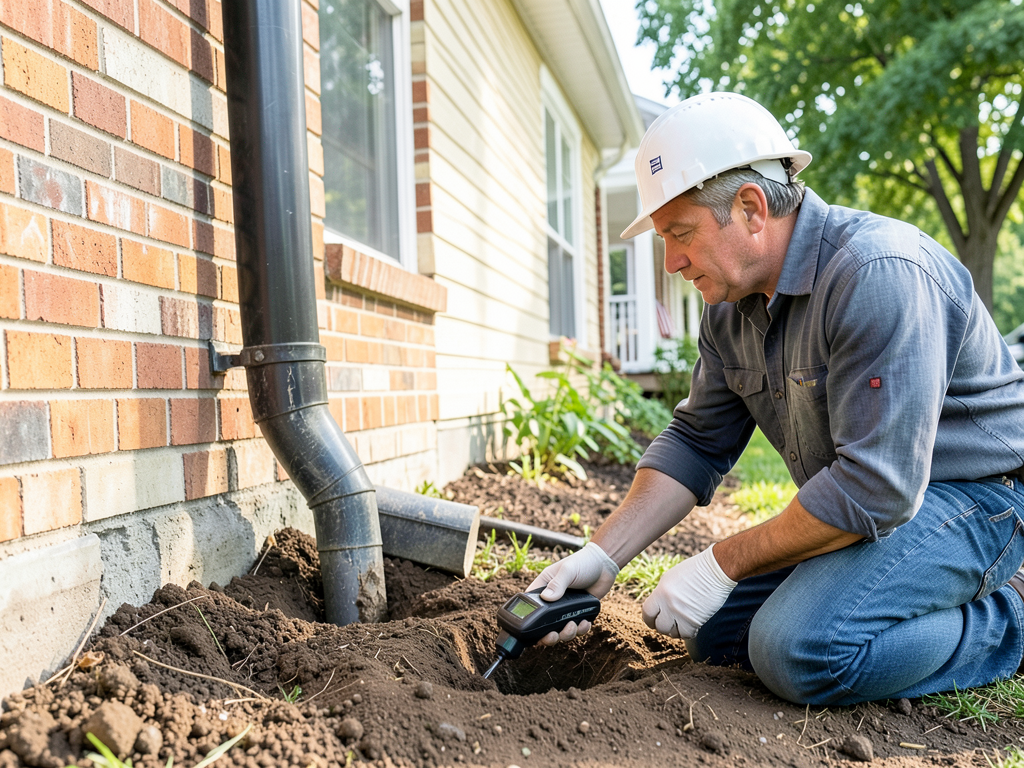
The Best Way to Handle Downspout Runoff in Narrow Manayunk Alleyways Water pouring off your roof into the narrow alleyway…

The Best Way to Handle Downspout Runoff in Narrow Manayunk Alleyways

The Best Way to Handle Downspout Runoff in Narrow Manayunk Alleyways Water pouring off your roof into the narrow alleyway…

Finding the Leak in Your Complicated Tudor Roof in West Mt. Airy

Finding the Leak in Your Complicated Tudor Roof in West Mt. Airy Water dripping from your ceiling during a storm…

Why Ridge Vents Alone Might Not Be Enough for Your Hot Attic in Wynnefield

Why Ridge Vents Alone Might Not Be Enough for Your Hot Attic in Wynnefield Your attic feels like an oven…

Contact Us

Stop guessing about your roof's condition. Call Atlas Roofing Philadelphia at (267) 344-1222 for a comprehensive assessment. We will evaluate your roof system, provide a written condition report, and create a maintenance schedule tailored to your home's age, materials, and neighborhood location. You will understand exactly what your roof needs now and what to plan for in the future.