



menu

Flat Roof Repair & Restoration in Philadelphia | Minimize Downtime with Industrial-Grade Solutions

Atlas Roofing Philadelphia delivers commercial flat roof restoration that keeps your facility operational. We specialize in low slope roof refurbishment and industrial flat roof repair that meets Philadelphia's demanding building codes without disrupting your business.

Slider Image 1
Slider Image 2
Slider Image 3
Slider Image 4
Slider Image 5
Slider Image 7
Slider Image 8
Slider Image 9
Slider Image 10
Slider Image 11

Why Philadelphia's Commercial Flat Roofs Fail Faster

Philadelphia's freeze-thaw cycles create brutal conditions for commercial flat roof systems. Water infiltrates membrane seams during rain, then expands when temperatures drop below 32 degrees. This cycle repeats 30 to 40 times each winter. The result is accelerated membrane fatigue, split seams, and ponding water that leads to structural deck damage.

The city's industrial corridors along the Delaware River experience additional stress from airborne particulates and chemical exposure. These contaminants degrade EPDM and TPO membranes faster than standard weathering. Facilities in Port Richmond and Bridesburg report membrane failures 2 to 3 years earlier than manufacturer specifications predict.

Philadelphia's updated building codes now require higher wind uplift ratings for low slope roof systems. Many older commercial buildings do not meet these standards. This creates liability exposure for property owners and facility managers. Industrial flat roof repair must address both immediate leaks and underlying code compliance gaps.

Commercial roof waterproofing failures also stem from improper drainage design. Philadelphia's older warehouse districts feature buildings with minimal roof slope, sometimes less than 1/4 inch per foot. This creates persistent ponding zones where water sits for 48 hours or longer after rain events. The standing water accelerates UV degradation of the membrane and increases leak probability by 400 percent.

Atlas Roofing Philadelphia addresses these location-specific failure modes through diagnostic assessments that identify root causes, not just symptoms. Commercial flat roof restoration requires understanding how Philadelphia's climate and building stock interact with modern roofing systems.

Why Philadelphia's Commercial Flat Roofs Fail Faster
Our Commercial Roof Assessment Protocol

Our Commercial Roof Assessment Protocol

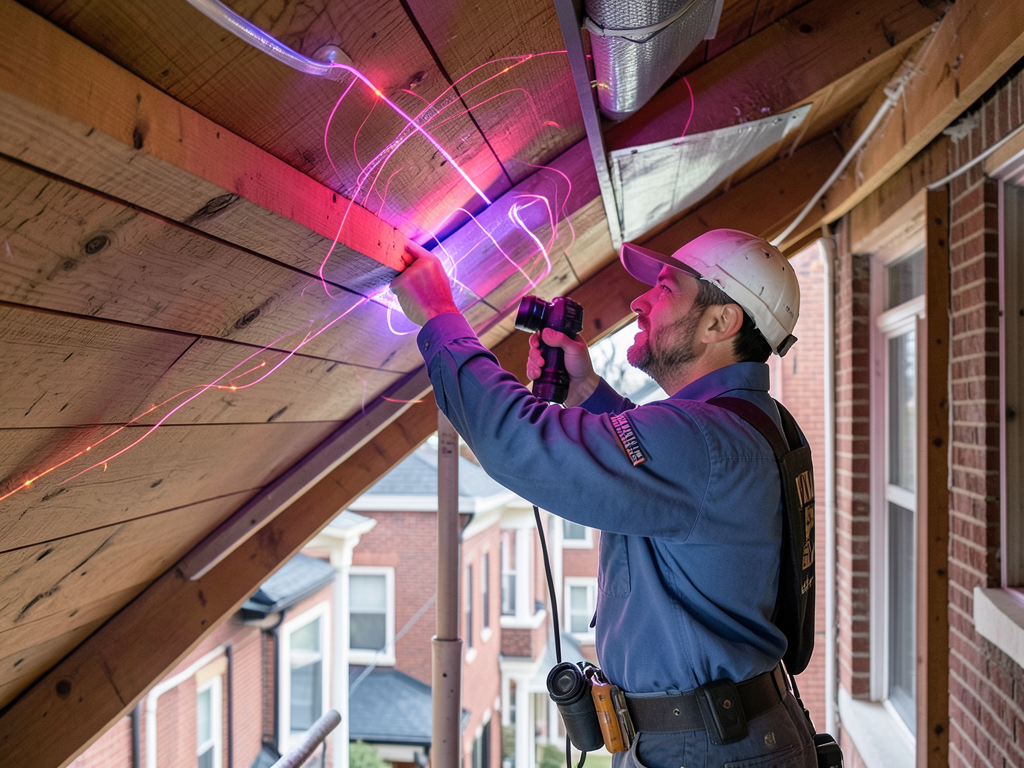
Atlas Roofing Philadelphia uses infrared thermography to map subsurface moisture in commercial roof assemblies. This non-invasive testing identifies wet insulation and deck deterioration before visible interior damage occurs. We scan during evening hours when temperature differentials provide maximum contrast between wet and dry roof sections.

Our commercial roof coating services begin with core sampling to determine existing membrane type, insulation R-value, and deck condition. We extract 4-inch diameter cores at strategic locations across the roof field, parapet walls, and penetration zones. Laboratory analysis of these samples reveals whether the existing assembly can support a restoration system or requires complete tear-off.

For low slope roof refurbishment projects, we perform pull tests on existing membrane attachments. This determines whether the substrate has adequate tensile strength to anchor new fasteners. Many Philadelphia buildings have lightweight insulating concrete decks that have lost structural integrity due to moisture damage. Pull test failures indicate the need for structural deck repair before membrane installation.

We evaluate drainage capacity by measuring roof slope with digital levels and mapping ponding zones with GPS equipment. Philadelphia's industrial buildings often require new tapered insulation systems to eliminate standing water. We calculate required cricket heights and valley slopes to achieve positive drainage to all roof drains and scuppers.

Atlas Roofing Philadelphia coordinates all testing during off-hours to prevent business interruption. We provide facility managers with thermal imaging reports, core sample analysis, and detailed scope documents within 72 hours of assessment completion. This data drives accurate project budgets and prevents change orders during construction.

How We Execute Commercial Flat Roof Restoration

Flat Roof Repair & Restoration in Philadelphia | Minimize Downtime with Industrial-Grade Solutions
01

Pre-Construction Planning

Atlas Roofing Philadelphia meets with facility managers to establish work windows that avoid production schedules, shipping operations, and peak business hours. We develop hot work permits, crane placement plans, and material staging layouts. Our project managers coordinate with Philadelphia L&I to secure required permits before mobilization. We identify HVAC equipment shutdowns and utility interruptions 14 days in advance.
02

Phased Roof Restoration

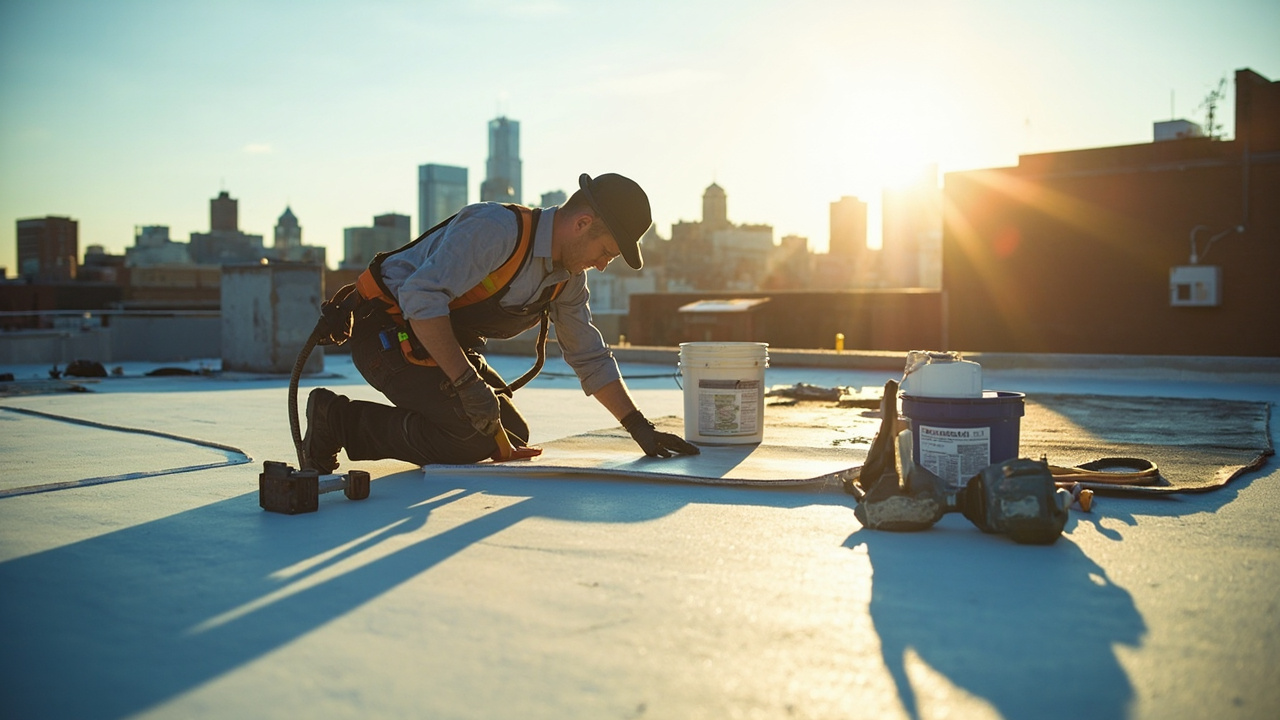
We section large commercial roofs into manageable zones, typically 5,000 to 10,000 square feet. Each zone reaches watertight status before we begin the next section. This prevents weather delays from exposing your entire facility. Our crews install temporary roof protection at section boundaries and maintain emergency leak response capability throughout the project. We use low-odor adhesives and silicone-free sealants to prevent indoor air quality complaints.
03

Final Inspection and Documentation

Atlas Roofing Philadelphia provides facility managers with as-built drawings showing all membrane seams, fastener patterns, and flashing details. We document drain modifications, penetration seals, and structural repairs with digital photographs. Our closeout package includes manufacturer certifications, warranty documentation, and maintenance protocols. We conduct walk-through inspections with your maintenance team to explain proper drainage cleaning procedures and identify early warning signs of membrane stress.

Why Philadelphia Facility Managers Choose Atlas Roofing

Atlas Roofing Philadelphia maintains relationships with all major commercial roofing manufacturers. This gives facility managers access to extended warranties and preferential material pricing. We are factory-certified installers for Firestone, GAF, Johns Manville, and Tremco systems. Our crews complete annual recertification training to maintain these credentials.

Philadelphia's commercial building stock presents unique challenges that out-of-state contractors miss. The city's older industrial buildings often have concealed roof drains that clog with debris from nearby trees and aging infrastructure. We know to inspect and rebuild these drain assemblies rather than simply patching membrane around visible leak points.

Our project managers understand Philadelphia's permitting requirements and expedited review processes. We navigate L&I requirements for structural alterations, hot work permits, and street closure requests. This prevents project delays caused by incomplete permit applications or failed inspections.

Atlas Roofing Philadelphia stocks emergency repair materials at our local facility. When membrane failures occur during nor'easters or summer thunderstorms, we dispatch crews within 2 hours with pre-cut patches, mastic, and temporary sealing equipment. This rapid response prevents water damage to inventory, equipment, and building interiors.

We provide facility managers with roof condition assessments at no cost. These evaluations include remaining service life projections, capital budget planning data, and repair versus replacement analysis. Our goal is to help you make informed decisions about commercial flat roof restoration timing based on actual roof condition, not arbitrary replacement schedules.

Philadelphia facility managers face pressure to minimize capital expenditures while maintaining building performance. Atlas Roofing Philadelphia delivers industrial flat roof repair solutions that extend asset life without requiring complete tear-off and replacement. We maximize your existing roof investment through strategic restoration.

What to Expect from Commercial Roof Restoration

Project Timeline and Scheduling

Commercial flat roof restoration timelines depend on roof size, access constraints, and weather windows. A typical 20,000 square foot single-ply membrane restoration requires 10 to 15 working days. We schedule work during your preferred hours, including nights and weekends if necessary. Atlas Roofing Philadelphia provides 72-hour weather forecasts before each work phase and reschedules proactively to prevent weather-related complications. Our crews arrive on time, maintain clean work areas, and complete daily cleanup before leaving your facility. We understand that your building remains operational during construction and plan accordingly.

Roof Condition Assessment Process

Atlas Roofing Philadelphia conducts comprehensive roof evaluations that include infrared scanning, core sampling, and fastener pull testing. We provide facility managers with detailed reports showing moisture intrusion zones, insulation condition, and structural deck integrity. Our assessments identify whether your roof qualifies for restoration coating systems or requires membrane replacement. We photograph all deficiencies and provide repair cost estimates broken down by urgency level. This data helps you prioritize capital expenditures and plan multi-year maintenance budgets. Assessment reports typically deliver within 5 business days of site inspection completion.

Performance Standards and Quality Control

Commercial roof coating services from Atlas Roofing Philadelphia meet or exceed manufacturer specifications for film thickness, coverage rates, and curing times. We use calibrated mil gauges to verify coating depth and maintain quality control logs throughout application. Our single-ply membrane installations include 100 percent seam probe testing to ensure watertight integrity. We verify proper fastener spacing with pattern verification and document compliance with Philadelphia wind uplift requirements. Final inspections include water testing of all penetrations and termination bars. You receive photo documentation of all quality control checkpoints before project closeout.

Maintenance Plans and Warranty Support

Atlas Roofing Philadelphia offers annual maintenance programs that include bi-annual roof inspections, drain cleaning, and minor seal repairs. These programs protect manufacturer warranties and extend roof service life by addressing small problems before they become major failures. We maintain detailed service records and provide facility managers with condition reports after each inspection. Our maintenance teams identify potential issues like membrane shrinkage, fastener back-out, and flashing deterioration during routine visits. Emergency repair service remains available 24 hours per day for participating maintenance plan customers. We stock common repair materials for your specific roof system to ensure rapid response capability.

Frequently Asked Questions

You Have Questions,
We Have Answers

What is the average cost to repair a flat roof? +

Flat roof repair costs vary based on damage severity, membrane type, and square footage. Minor repairs like patching small punctures or resealing seams typically run less than major membrane replacement. Philadelphia's freeze-thaw cycles accelerate wear, which affects pricing. Commercial properties often face higher costs due to larger roof areas and code compliance requirements. Factors include accessibility, existing substrate condition, and whether you need tear-off or overlay work. Request a detailed scope of work before approving repairs. Budget for preventive maintenance to avoid emergency costs that disrupt business operations.

Is it expensive to repair a flat roof? +

Flat roof repair expense depends on your facility's specific needs and timeline. Emergency repairs cost more than scheduled maintenance. Philadelphia commercial properties face unique challenges from snow load, ponding water, and HVAC equipment penetrations that create leak points. Small repairs addressing isolated damage remain cost-effective. Neglecting minor issues leads to substrate damage, interior water intrusion, and business interruption costs that exceed repair investment. Compare repair costs against replacement to determine ROI. Proactive maintenance programs reduce long-term expenses and extend membrane lifespan.

How often should a flat roof be redone? +

Flat roof replacement frequency depends on membrane type, installation quality, and maintenance. EPDM and TPO membranes last 15 to 25 years with proper care. Modified bitumen systems require 10 to 20 years. Philadelphia's climate stress from temperature swings, UV exposure, and precipitation accelerates degradation. Commercial roofs with heavy foot traffic or equipment loads need earlier replacement. Schedule biannual inspections to track condition. Budget for replacement when repairs exceed 25 percent of new roof costs or when warranty coverage ends.

What is the best way to repair a flat roof? +

The best flat roof repair method depends on membrane type, damage location, and extent. Small punctures require patches bonded with compatible adhesives. Seam failures need heat welding or tape application. Ponding water issues require drainage improvements or tapered insulation. Philadelphia commercial facilities must address flashing failures around HVAC units and parapet walls. Professional assessment identifies root causes, not just symptoms. Temporary patches fail quickly. Use manufacturer-approved materials and techniques to maintain warranty coverage and ensure waterproof integrity that protects your business assets.

What is the lifespan of a flat roof? +

Flat roof lifespan ranges from 10 to 30 years based on material selection and maintenance practices. TPO and PVC membranes reach 20 to 30 years. EPDM rubber lasts 15 to 25 years. Built-up roofing systems average 15 to 20 years. Philadelphia's weather extremes reduce lifespan without preventive care. Commercial roofs exposed to chemicals, grease, or heavy equipment wear faster. Regular inspections, prompt repairs, and debris removal extend service life. Factor replacement cycles into capital planning to avoid emergency situations that disrupt operations.

What time of year is the cheapest to replace a roof? +

Fall and late winter offer better pricing for flat roof replacement due to lower contractor demand. Philadelphia's construction season peaks in spring and summer when weather cooperates. Schedule work during slower periods for potential cost savings and faster turnaround. Commercial facilities must balance pricing against operational needs. Avoid replacing roofs during extreme cold that affects adhesive curing and membrane flexibility. Plan replacements around your business cycle to minimize disruption. Emergency replacements cost more regardless of season. Budget planning allows strategic timing.

What are common flat roof problems? +

Common flat roof problems include ponding water from inadequate drainage, membrane punctures from foot traffic or debris, seam failures from thermal movement, and flashing deterioration around penetrations. Philadelphia's freeze-thaw cycles crack membranes and open seams. Blistering occurs when moisture becomes trapped beneath the membrane. Clogged drains cause water accumulation that accelerates degradation. HVAC equipment vibration loosens fasteners. Thermal shock from temperature swings stresses seams. Regular inspections catch these issues before they compromise your building envelope and cause interior damage.

Does insurance cover flat roof replacement? +

Insurance coverage for flat roof replacement depends on damage cause and policy terms. Wind damage, hail impact, and sudden storm events typically qualify for claims. Gradual deterioration from age or deferred maintenance rarely receives coverage. Philadelphia commercial property policies vary in coverage limits and deductibles. Document damage immediately with photos and professional assessments. Submit claims promptly with detailed repair estimates. Policies may cover partial costs or require depreciation adjustments. Review your coverage annually and maintain inspection records to support claims when covered events occur.

Can you reroof over an existing flat roof? +

Reroofing over existing flat roofs is possible when the substrate remains structurally sound and building codes permit additional load. Philadelphia building officials limit roof layers to prevent excessive weight that compromises structural integrity. This approach reduces labor costs and disposal fees. Trapped moisture between layers causes premature failure. Inspect existing conditions thoroughly before deciding. Commercial facilities must consider warranty implications and long-term performance. Complete tear-off allows substrate inspection and insulation upgrades that improve energy efficiency and extend service life.

Is it better to repair or replace a flat roof? +

Repair versus replacement decisions depend on damage extent, roof age, and cost analysis. Repair when damage affects less than 25 percent of the roof area and the membrane has useful life remaining. Replace when widespread deterioration exists, repair costs approach 30 percent of replacement costs, or the roof exceeds its expected lifespan. Philadelphia commercial properties should consider energy efficiency upgrades during replacement. Multiple repairs signal systemic failure. Evaluate business disruption risks. Replacement provides warranty coverage and eliminates ongoing maintenance headaches that affect operations.

How Philadelphia's Building Codes Impact Commercial Flat Roof Systems

Philadelphia adopted updated wind load requirements in 2019 that increased design pressures for low slope roof systems across the city. Buildings in Center City and waterfront zones now require wind uplift ratings of 90 pounds per square foot or higher. Many commercial facilities built before 2010 do not meet these standards. Industrial flat roof repair projects must address this compliance gap through enhanced fastening patterns or complete membrane replacement with upgraded attachment methods. Atlas Roofing Philadelphia calculates existing roof assembly ratings and designs retrofit solutions that satisfy current code without unnecessary tear-off.

Philadelphia's Department of Licenses and Inspections requires roofing contractors to maintain active City business privilege licenses and commercial general liability coverage. Atlas Roofing Philadelphia holds all required local credentials and carries comprehensive insurance that protects facility owners from contractor-caused damage. We understand Philadelphia's inspection protocols and coordinate required site visits during construction milestones. Our familiarity with local building officials streamlines permit approval and prevents project delays caused by documentation gaps. Facility managers benefit from working with contractors who know Philadelphia's regulatory environment and maintain positive relationships with enforcement agencies.
Roofing Services in The Philadelphia Area

Atlas Roofing proudly serves the entire Philadelphia area, including all surrounding counties. We invite you to view our service area on the map to confirm we cover your neighborhood. As your trusted local roofing contractor, we are always ready to deploy our expert teams promptly to your home or business, ensuring you receive the high-quality, professional service you deserve, exactly when you need it.

Address:
Atlas Roofing Philadelphia, 100 N 18th St, Philadelphia, PA, 19103

Additional Services We Offer

Our news updates

Latest Articles & News from The Blogs

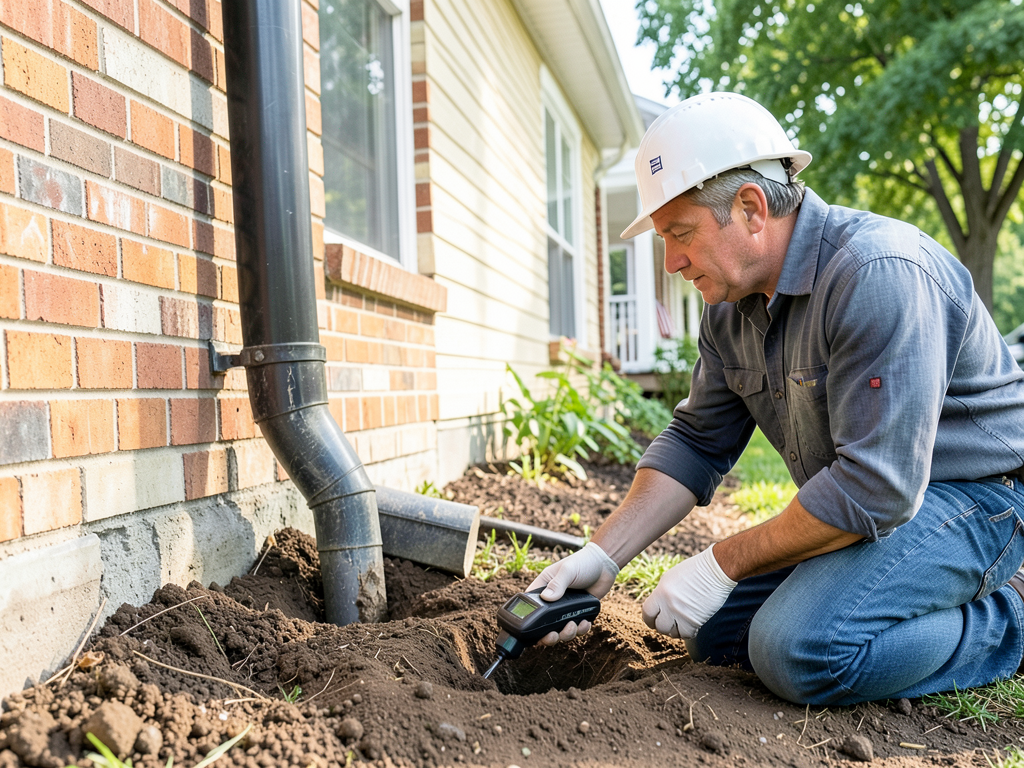
The Best Way to Handle Downspout Runoff in Narrow Manayunk Alleyways Water pouring off your roof into the narrow alleyway…

The Best Way to Handle Downspout Runoff in Narrow Manayunk Alleyways

The Best Way to Handle Downspout Runoff in Narrow Manayunk Alleyways Water pouring off your roof into the narrow alleyway…

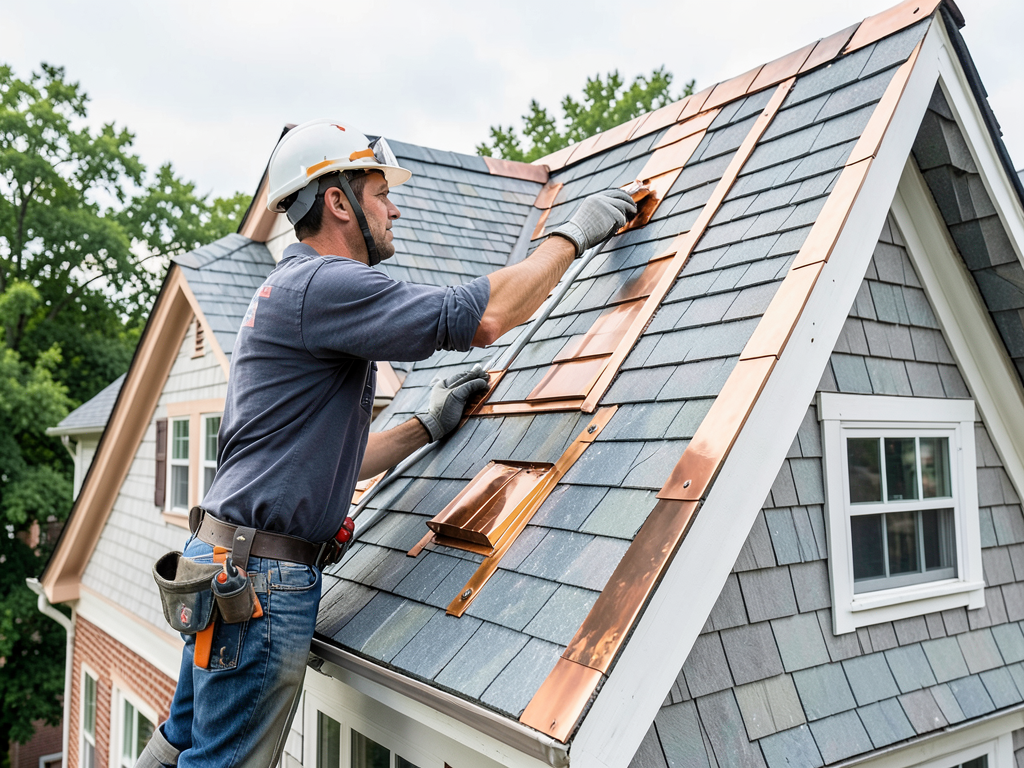
Finding the Leak in Your Complicated Tudor Roof in West Mt. Airy

Finding the Leak in Your Complicated Tudor Roof in West Mt. Airy Water dripping from your ceiling during a storm…

Why Ridge Vents Alone Might Not Be Enough for Your Hot Attic in Wynnefield

Why Ridge Vents Alone Might Not Be Enough for Your Hot Attic in Wynnefield Your attic feels like an oven…

Contact Us

Atlas Roofing Philadelphia provides facility managers with detailed roof condition reports at no cost. Call (267) 344-1222 to schedule your assessment. We evaluate your commercial flat roof system and deliver actionable data within one week.