




menu

Curling & Buckling Shingles in Philadelphia – Expert Diagnosis Stops Leaks Before They Start

Philadelphia homeowners dealing with curling and buckling shingles get pinpoint roof inspections and targeted repairs that address the root cause, not just the visible symptoms.

Slider Image 1
Slider Image 2
Slider Image 3
Slider Image 4
Slider Image 5
Slider Image 7
Slider Image 8
Slider Image 9
Slider Image 10
Slider Image 11

Why Philadelphia Roofs Show Wavy Shingles and Shingle Distortion

You notice the ripples from the curb. Your roof looks wavy, uneven, or like it is peeling away from the deck. This is not cosmetic. Curling and buckling shingles signal a structural problem that lets water into your attic and walls.

Philadelphia's weather accelerates shingle failure. The freeze-thaw cycle breaks down the adhesive bond between shingle layers. Summer heat bakes the asphalt, causing cupping shingles to curl upward at the edges. Winter ice dams trap moisture under the shingles, leading to clawing shingles that lift and twist. High humidity during spring and fall keeps your roof damp, which warps the underlayment and creates buckling.

Poor attic ventilation makes it worse. When hot air gets trapped under your roof deck, it cooks the shingles from below. The asphalt softens, loses its flexibility, and distorts. You see warped asphalt shingles that bow, wave, or cup. This happens in rowhomes across Fishtown, Rittenhouse, and Manayunk where older ventilation systems were not designed for modern shingle systems.

Shingle distortion also comes from improper installation. If the previous contractor did not stagger the seams correctly or used too few nails, the shingles shift and buckle. Water follows the gaps. You get leaks in your bedroom ceiling, mold in your insulation, and rot in your roof deck. Curling shingles are not something you wait on. The problem compounds fast. Every rainstorm pushes more water under the lifted edges. Every wind event tears off more tabs. The longer you wait, the more decking you replace.

Why Philadelphia Roofs Show Wavy Shingles and Shingle Distortion
How Atlas Roofing Philadelphia Fixes Curling and Buckling Shingles

How Atlas Roofing Philadelphia Fixes Curling and Buckling Shingles

We do not guess. We start with a full roof deck inspection to determine if the buckling is surface-level or structural. Our team pulls back sample shingles to check the underlayment, examines the decking for soft spots, and measures attic temperature differentials to confirm ventilation failure.

If the problem is isolated to a few zones, we perform targeted shingle replacement. We remove the warped asphalt shingles, inspect the felt paper or synthetic underlayment, replace any compromised sections, and install new shingles with proper offset and fastener placement. We match your existing shingle line and color to keep the repair invisible from the street.

If the distortion is widespread or the underlayment is compromised, we recommend a full roof replacement. We strip the old shingles down to the deck, replace any rotted plywood, install high-performance synthetic underlayment, add ridge and soffit vents to fix airflow, and install architectural shingles rated for Philadelphia's climate zone. We use six nails per shingle in high-wind areas and hand-seal every ridge cap to prevent blow-offs during nor'easters.

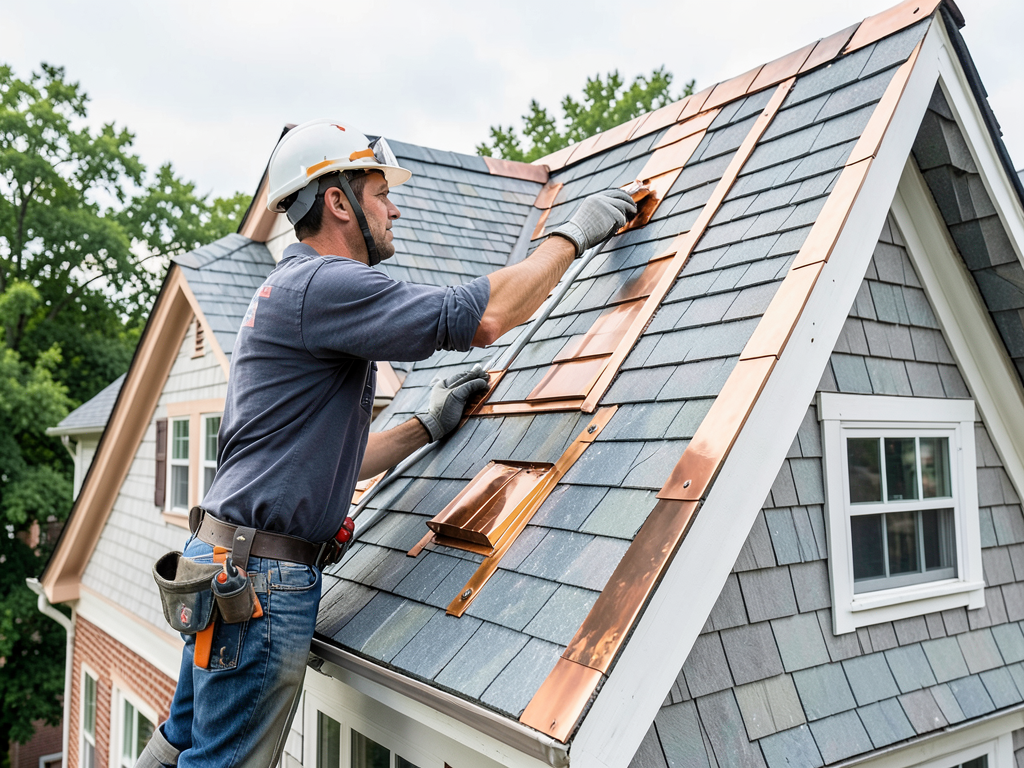
Ventilation correction is part of every job. We calculate your attic's square footage and install the correct ratio of intake and exhaust vents. Balanced airflow keeps your roof deck cool in summer and dry in winter. This stops future cupping shingles and extends the life of your new roof by years. We also check your flashing around chimneys, skylights, and dormers. Curling shingles often hide flashing failures that cause the leaks you see inside. We replace step flashing and counterflashing with corrosion-resistant materials that seal tight against your brick and siding.

What Happens During Your Shingle Repair

Curling & Buckling Shingles in Philadelphia – Expert Diagnosis Stops Leaks Before They Start
01

Roof Deck Assessment

We inspect your roof from the ridge down to the eaves, checking for soft spots in the decking, moisture stains on the underlayment, and gaps in the shingle adhesive. We use a moisture meter to measure water content in the plywood and identify hidden leaks. You get a written diagnosis that explains whether the buckling is caused by ventilation failure, poor installation, or storm damage.
02

Shingle and Underlayment Replacement

We remove the curling shingles and any damaged underlayment, replace compromised roof decking, and install new synthetic underlayment that resists moisture and high temperatures. New shingles are hand-nailed with the correct number of fasteners and offset to prevent future distortion. We seal the edges with roofing adhesive rated for freeze-thaw conditions. Your repair blends with the existing roof and performs better than the original installation.
03

Ventilation and Flashing Check

We verify that your attic ventilation meets code requirements and install additional ridge or soffit vents if needed. We inspect all flashing around chimneys, valleys, and penetrations, replacing any sections that show rust, gaps, or improper sealing. You get a roof system that breathes correctly, sheds water efficiently, and resists the clawing and cupping that brought us out in the first place. Your attic stays dry and your energy bills drop.

Why Philadelphia Homeowners Trust Atlas Roofing Philadelphia for Shingle Repairs

Philadelphia roofs face weather extremes that most roofers do not account for. We understand how winter ice dams form along the eaves of rowhomes in South Philly, how summer heat radiates off flat roofs in West Philadelphia, and how wind funnels through narrow streets in Old City and lifts shingles that were not sealed properly. We have repaired curling shingles on Victorian homes in Chestnut Hill, fixed buckling shingles on mid-century ranches in the Northeast, and replaced entire roof systems on historic properties in Queen Village.

Our team knows the Philadelphia building code requirements for roof ventilation, fire ratings, and wind resistance. We pull permits when required and work with your homeowners insurance to document storm damage for claims. If your shingles curled after a hailstorm or high winds, we photograph the damage, measure the impact points, and provide the documentation your adjuster needs to approve the claim.

We also understand the architecture. Philadelphia homes have steep gables, complex valleys, and brick chimneys that require custom flashing details. We do not use generic solutions. We fabricate step flashing on-site, hand-cut shingles to match existing patterns, and use color-matched caulk and sealants that disappear into your roofline. Your repair looks original because we treat your home like it is our own.

You get transparency from the start. We explain what caused the shingle distortion, show you the damage in the attic or on the decking, and give you options that fit your budget and timeline. We do not upsell full replacements when a repair will last another decade. We do not hide problems to lowball the estimate. You get honest answers and quality work that stops the leaks and protects your home.

What to Expect When You Call Atlas Roofing Philadelphia

Fast Response Time

We schedule roof inspections within 48 hours of your call. If you have an active leak, we can tarp the damaged area same-day to stop water intrusion while we prepare your repair estimate. Most shingle repairs are completed in one to two days depending on the size of the affected area and weather conditions. Full roof replacements take three to five days. We work efficiently without cutting corners, and we clean up completely before we leave. You will not find nails in your driveway or shingle scraps in your garden.

Detailed Roof Inspection

Our inspection covers the entire roof system, not just the visible shingle distortion. We check the decking for rot, measure attic ventilation, examine flashing and valleys, and look for signs of previous amateur repairs that cause recurring problems. You get a written report with photos that shows exactly what is wrong, what needs to be fixed now, and what you can monitor for the future. We explain the difference between cosmetic wear and structural failure so you can make an informed decision. No pressure, no scare tactics.

Quality Materials and Installation

We use architectural shingles rated for high wind and impact resistance, synthetic underlayment that outlasts traditional felt paper, and corrosion-resistant flashing that holds up in Philadelphia's humid climate. Every shingle is nailed according to manufacturer specifications. Every seam is sealed. Every ridge cap is hand-finished. You get a roof that looks sharp from the street and performs flawlessly through storms, heat waves, and freeze-thaw cycles. We do not use budget materials or shortcut installation methods to win bids. You get the same quality whether you are repairing ten shingles or replacing the entire roof.

Ongoing Support and Maintenance

After the repair, we offer annual roof inspections to catch small problems before they become expensive failures. We check for lifted shingles, clogged gutters, and damaged flashing. We clear debris from valleys and reseal any areas that show early wear. Regular maintenance extends the life of your roof and keeps your warranty valid. If you ever have a question about a stain in your attic or a shingle that looks loose, you can call us directly. We stand behind our work and we are here for the long term. You are not just a job number.

Frequently Asked Questions

You Have Questions,
We Have Answers

Is it normal for roof shingles to buckle? +

No. Buckling shingles signal a problem with your roof deck or installation. In Philadelphia, freeze-thaw cycles and high humidity worsen the issue. Common causes include moisture trapped in the deck, poor attic ventilation, or shingles installed over old layers without proper deck prep. You might also see buckling if the deck was not nailed correctly or if the wood expanded due to water intrusion. Left alone, buckled shingles expose your home to leaks and wind damage. Get a professional inspection fast to identify the root cause and prevent structural damage.

How to fix curled up shingles? +

You cannot permanently fix curled shingles with adhesive or weights. The curl indicates the shingle has lost its flexibility due to age, heat exposure, or poor ventilation. In Philadelphia, thermal cycling accelerates this breakdown. Minor curling can be temporarily resealed with roofing cement, but this is a short-term patch. The real fix is replacement. If multiple shingles curl, your roof is likely near the end of its lifespan. A roofer will inspect the underlayment and deck condition before installing new shingles to prevent repeat failure.

How to fix buckling shingles? +

Fixing buckling shingles requires addressing the underlying deck issue, not just the surface. A roofer will remove the buckled shingles and inspect the decking for moisture damage, improper nailing, or gaps. In Philadelphia, trapped moisture from poor attic ventilation is a frequent culprit. The deck may need drying time, repairs, or replacement before new shingles go down. Simply covering buckled areas with new material will fail again. Proper ventilation installation and moisture barrier upgrades often accompany the repair to stop future buckling and extend roof life.

What do buckling shingles look like? +

Buckling shingles create visible waves or humps running vertically up the roof plane. They look like ripples across the surface rather than individual shingle edges lifting. You will see raised sections that do not lie flat against the deck. The pattern is usually uniform, following the deck seams or moisture pockets below. This differs from curling, where shingle edges turn up or down independently. Buckling is easier to spot from the ground or street level because the distortion affects multiple shingles in a line. It signals deck movement or trapped moisture.

How Philadelphia's Freeze-Thaw Cycles Cause Rapid Shingle Failure

Philadelphia experiences an average of 30 freeze-thaw cycles each winter. Water seeps under the edges of curling shingles, freezes overnight, expands, and lifts the shingle further from the deck. When it thaws, the water runs into your attic. This cycle repeats all season, turning minor cupping shingles into major leaks. Older neighborhoods like Bella Vista and Passyunk Square see this damage frequently because the homes have shallow roof pitches and minimal overhang. The ice has nowhere to go except under the shingles. If your roof was installed before 2010, the adhesive strips may have weakened, making clawing shingles worse with every temperature swing.

Atlas Roofing Philadelphia has worked on thousands of roofs across the city. We know which shingle brands hold up in this climate and which ones fail early. We know how to install ice and water shield along the eaves to prevent freeze-thaw damage. We know the difference between a roof that needs spot repairs and one that needs full replacement. Philadelphia homeowners trust us because we show up on time, we explain the problem clearly, and we fix it right the first time. You do not need to call us back next year for the same issue.
Roofing Services in The Philadelphia Area

Atlas Roofing proudly serves the entire Philadelphia area, including all surrounding counties. We invite you to view our service area on the map to confirm we cover your neighborhood. As your trusted local roofing contractor, we are always ready to deploy our expert teams promptly to your home or business, ensuring you receive the high-quality, professional service you deserve, exactly when you need it.

Address:
Atlas Roofing Philadelphia, 100 N 18th St, Philadelphia, PA, 19103

Additional Services We Offer

Our news updates

Latest Articles & News from The Blogs

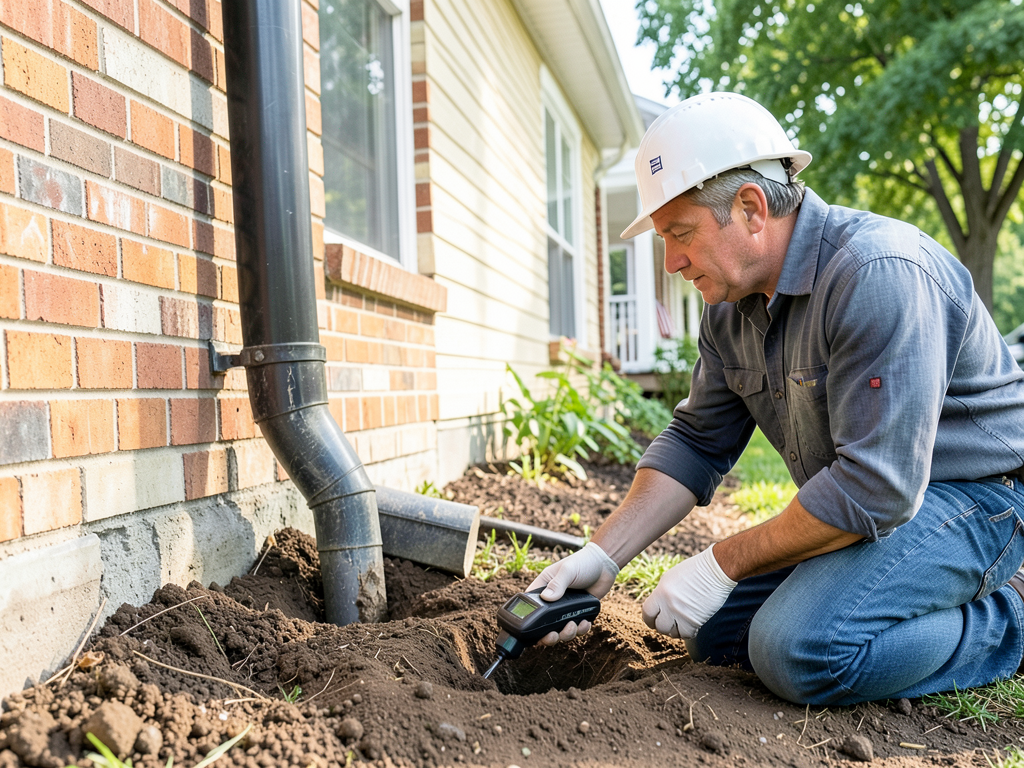
The Best Way to Handle Downspout Runoff in Narrow Manayunk Alleyways Water pouring off your roof into the narrow alleyway…

The Best Way to Handle Downspout Runoff in Narrow Manayunk Alleyways

The Best Way to Handle Downspout Runoff in Narrow Manayunk Alleyways Water pouring off your roof into the narrow alleyway…

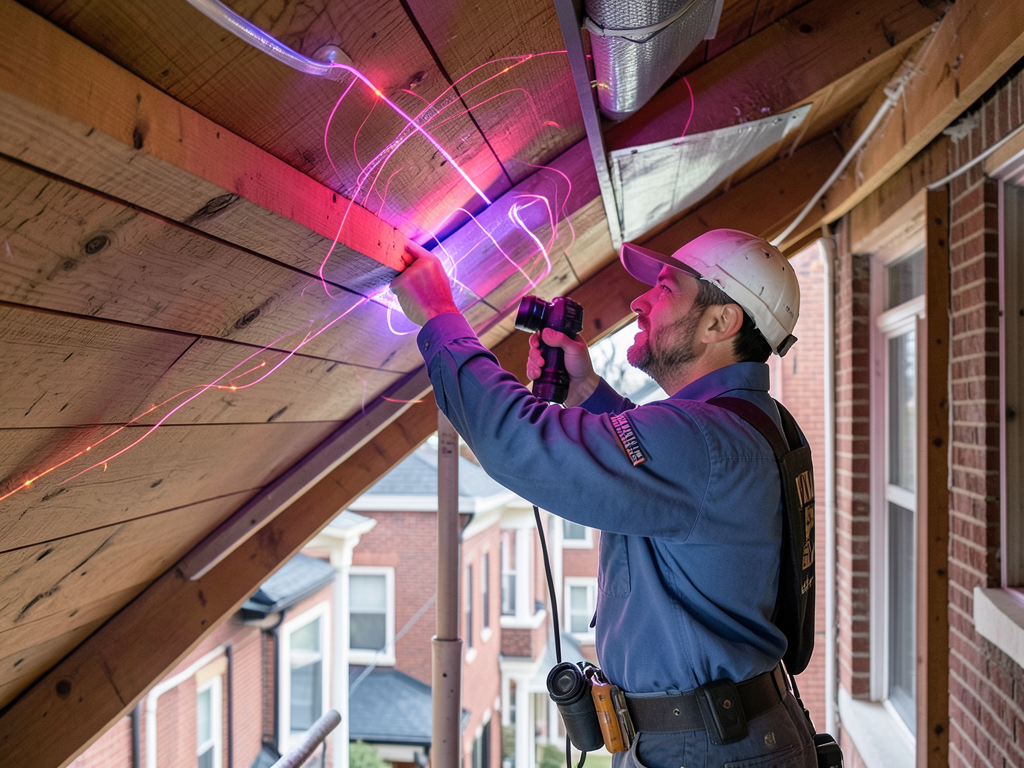
Finding the Leak in Your Complicated Tudor Roof in West Mt. Airy

Finding the Leak in Your Complicated Tudor Roof in West Mt. Airy Water dripping from your ceiling during a storm…

Why Ridge Vents Alone Might Not Be Enough for Your Hot Attic in Wynnefield

Why Ridge Vents Alone Might Not Be Enough for Your Hot Attic in Wynnefield Your attic feels like an oven…

Contact Us

Call Atlas Roofing Philadelphia at (267) 344-1222 for a free roof inspection. We will diagnose the cause of your curling and buckling shingles, show you the damage, and give you a clear repair plan. Do not wait for the next rainstorm.