




menu

Roof Inspection Checklist Philadelphia – Protect Your Home From Freeze-Thaw Damage

Get the same residential roof inspection guide Philadelphia contractors use to assess freeze-thaw damage, identify failing flashing, and catch small problems before they become expensive emergencies.

Slider Image 1
Slider Image 2
Slider Image 3
Slider Image 4
Slider Image 5
Slider Image 7
Slider Image 8
Slider Image 9
Slider Image 10
Slider Image 11

Why Philadelphia Roofs Demand a Specialized Roof Assessment Form

Philadelphia sits in a climate zone that destroys roofs faster than most homeowners realize. Winter freeze-thaw cycles crack shingles, lift flashing, and force water under roofing materials. Spring storms test every weak point the winter created. Summer heat bakes the asphalt and accelerates granule loss. Fall leaves clog valleys and cause moisture buildup.

You cannot rely on a generic roof maintenance checklist. Philadelphia roofs face challenges that differ from homes in warmer or drier climates. Historic districts in Old City and Society Hill have older roof structures with dimensional lumber that shifts and settles. Rowhouses share party walls and drainage issues that single-family homes do not face. The Delaware River Valley brings humidity that creates moss and algae growth on north-facing slopes.

Most homeowners wait until they see a leak before they inspect their roof. That delay costs thousands. Water travels along rafters and trusses before it appears as a ceiling stain. By the time you see discoloration, the damage has spread far beyond the entry point. A systematic roofing inspection template catches these problems early. You need to check specific failure points at specific times of year.

Atlas Roofing Philadelphia built this roof check sheet based on two decades of inspecting homes across the metro. We see the same patterns of failure in Fishtown, Rittenhouse, and Roxborough. The checklist you find below addresses the real-world problems Philadelphia roofs develop, not theoretical issues from a national template.

Why Philadelphia Roofs Demand a Specialized Roof Assessment Form
What a Professional Roof Inspection Checklist Must Include

What a Professional Roof Inspection Checklist Must Include

A useful roof assessment form divides the roof into systems, not just parts. You need to inspect the drainage system separately from the waterproofing system. Each system fails in predictable ways.

Start with the drainage system. Check gutters for proper slope. Water should flow toward downspouts without pooling. Inspect valley flashing for debris accumulation and rust. Look at the downspout discharge points. If water dumps next to the foundation, it will eventually cause basement seepage. Check the soffit vents for blockages. Poor ventilation traps heat in the attic and shortens shingle life by five to ten years.

Move to the waterproofing system. Inspect the field shingles for lifting tabs, missing granules, and curling edges. Check the ridge cap for gaps or displacement. Examine the step flashing along chimneys and sidewalls. Look for caulk or roof cement used as a repair. That signals a temporary fix that will fail again. Inspect pipe boots for cracking rubber or separated seams. Check the drip edge for rust and proper overhang.

Assess the structural system from inside the attic. Look for daylight coming through the roof deck. Check for water stains on the underside of the sheathing. Feel the insulation for dampness. Look at the rafters for sagging or cracks. Measure the ventilation openings and calculate if you have adequate airflow.

A complete residential roof inspection guide includes photos of each problem area with measurements and severity ratings. You need documentation for insurance claims and contractor estimates. Without photos, you rely on memory and verbal descriptions that create confusion.

How to Use This Roof Inspection Checklist

Roof Inspection Checklist Philadelphia – Protect Your Home From Freeze-Thaw Damage
01

Ground Level Assessment

Walk the perimeter of your home with binoculars and inspect every roof plane from the ground. Look for missing or damaged shingles, sagging ridge lines, and debris accumulation in valleys. Check the gutters for separation from the fascia board. Photograph anything that looks damaged or out of place. Mark the locations on a simple sketch of your roof layout so you can reference them later.
02

Attic Interior Inspection

Enter the attic during daylight and turn off all lights. Look for light penetration through the roof deck. Check the underside of the sheathing for dark stains or white frost buildup in winter. Feel the insulation near the eaves for moisture. Inspect the rafters for cracks or deflection. Look at the ridge beam for sagging. Check the soffit vents and ridge vents for blockages that restrict airflow.
03

Documentation and Prioritization

Compile your photos and notes into a single document with dates and locations. Rank each issue by severity using three categories: immediate repair, monitor closely, and routine maintenance. Immediate repairs include active leaks, missing flashing, and exposed roof deck. Items to monitor include minor granule loss and small areas of moss. Routine maintenance covers gutter cleaning and debris removal from valleys.

Why Philadelphia Homeowners Trust Atlas Roofing Philadelphia

Atlas Roofing Philadelphia operates in every neighborhood from Chestnut Hill to South Philadelphia. We inspect roofs on Victorian twins in West Philadelphia, contemporary homes in Manayunk, and colonial revivals in Mount Airy. Each architectural style has different vulnerabilities.

We know Philadelphia building codes and the specific requirements for historic districts. If you live in a protected area, you cannot use certain roofing materials or colors without approval. We guide homeowners through the Architectural Committee process and recommend products that satisfy both code requirements and aesthetic guidelines.

Our inspectors recognize the signs of poor workmanship from fly-by-night contractors who appear after major storms. We see improper nailing patterns, inadequate flashing, and missing underlayment on homes across the metro. These defects do not appear immediately. They cause problems two or three years after installation when the original contractor has disappeared.

We provide detailed inspection reports with annotated photos and repair cost estimates. You receive a prioritized action plan that explains which repairs prevent further damage and which items you can defer. The report includes material specifications and labor hour estimates so you can budget accurately.

Philadelphia has hundreds of roofing contractors. Most focus on replacement sales because that generates the highest revenue per job. Atlas Roofing Philadelphia built our reputation on thorough inspections and honest assessments. We tell you when a repair will solve the problem and when replacement makes financial sense. You will not receive a sales pitch disguised as an inspection.

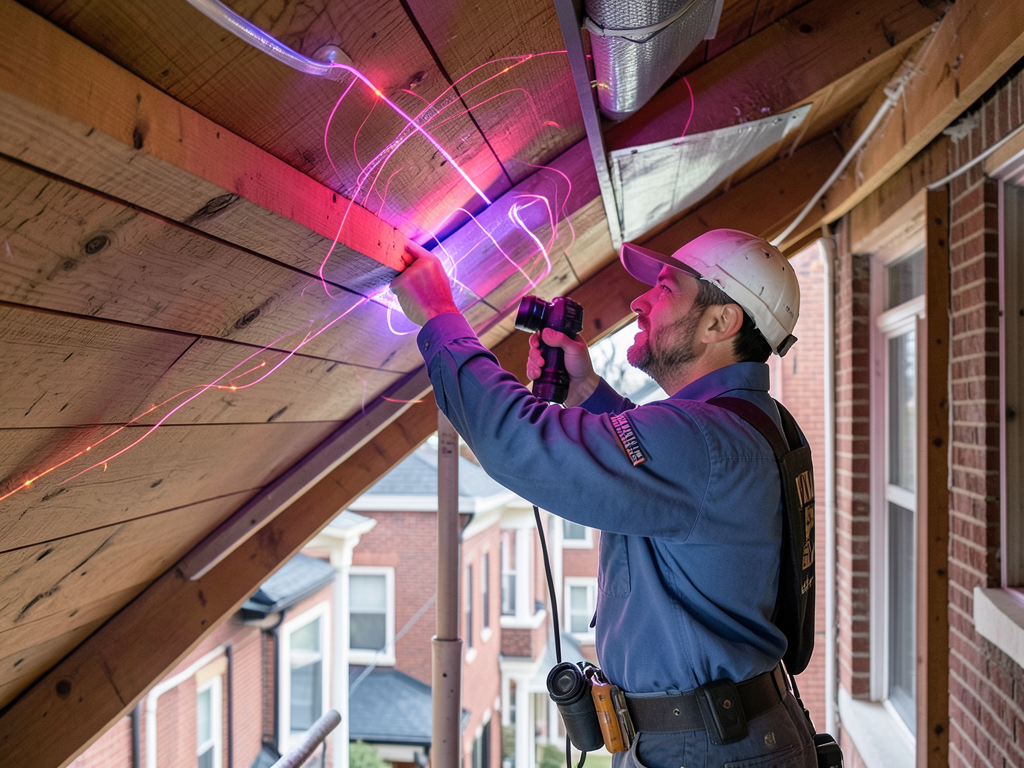
Our inspectors carry thermal imaging cameras that detect moisture trapped in the roof deck. This technology identifies problems that visual inspection misses. You see exactly where water has penetrated and how far the damage extends.

What Happens During a Professional Roof Inspection

Scheduling and Timing

Most roof inspections take two to three hours depending on roof size and complexity. We schedule inspections during dry weather with temperatures above 40 degrees. Cold weather makes shingles brittle and increases the risk of damage during the inspection. We avoid scheduling during high winds that create safety hazards. You do not need to be present during the inspection, but most homeowners prefer to walk through the findings with our inspector immediately after completion. We provide same-week scheduling for most requests and next-day availability for urgent situations involving suspected leaks or storm damage.

The Inspection Process

Our inspector examines every roof plane, penetration, and transition point. We check the attic interior for ventilation problems and moisture damage. We test the soffit vents and ridge vents for adequate airflow. We inspect the gutters and downspouts for proper function and secure attachment. We photograph every defect with a timestamp and GPS location. We use a moisture meter to test suspected problem areas and thermal imaging to detect hidden leaks. We measure the remaining life of your shingles based on granule loss and material condition. You receive a written report within 24 hours.

Report Deliverables

The inspection report includes annotated photos showing each defect with an explanation of the problem and the recommended repair. You receive a prioritized action plan that separates immediate repairs from routine maintenance items. The report includes material specifications and labor hour estimates for each repair. We provide a roof condition score that insurance companies and home buyers understand. If you plan to sell your home, the report serves as disclosure documentation. If you need to file an insurance claim, the report provides the evidence adjusters require. The report remains valid for one year.

Follow-Up and Maintenance

After the inspection, we schedule a consultation to review the findings and answer questions. You decide which repairs to prioritize based on your budget and timeline. We provide repair estimates for each item with no obligation to hire us for the work. If you choose Atlas Roofing Philadelphia for repairs, we guarantee the workmanship and help you file insurance claims if storm damage contributed to the problem. We recommend annual inspections for roofs over 10 years old and biannual inspections for roofs over 15 years old. Regular inspections extend roof life and catch problems before they cause interior damage.

Frequently Asked Questions

You Have Questions,
We Have Answers

What does a roof inspection include? +

A roof inspection includes examining shingles or tiles for cracks, curling, or missing pieces. The inspector checks flashing around chimneys, vents, and skylights for proper sealing. Gutters and downspouts get inspected for clogs or damage. From inside the attic, inspectors look for leaks, water stains, mold, and proper ventilation. Structural elements like rafters and decking get checked for sagging or rot. In Philadelphia, inspectors pay extra attention to ice dam damage from freeze-thaw cycles and wind-driven rain penetration common in Northeast weather patterns. The inspection covers both exterior surfaces and underlying structure.

What to look for on a roof inspection? +

Look for shingle granule loss, which signals aging and reduced protection. Check for lifted, cracked, or missing shingles that expose underlayment. Examine flashing around chimneys and vents for gaps or rust. Inspect valleys where two roof planes meet, as these collect water and debris. Check for moss or algae growth, which traps moisture. Look at soffit and fascia boards for rot or pest damage. In Philadelphia's older neighborhoods, pay attention to sagging rooflines that indicate structural issues. Check gutters for proper drainage and secure attachment. Dark stains on ceilings inside suggest active leaks.

What are the red flags for roofing contractors? +

Beware of contractors who demand full payment upfront or push you to sign immediately. Avoid roofers who go door-to-door after storms offering quick fixes. Red flags include no local address, using out-of-state plates, or lacking proper licensing. Be suspicious of extremely low bids that undercut others by half. Watch for contractors who discourage you from getting multiple estimates. Avoid anyone who offers to waive your insurance deductible, which is insurance fraud. Legitimate Philadelphia roofers provide written estimates, references, and proof of insurance. Trust your gut if pressure tactics or vague answers raise concerns.

What are 5 very important things that are inspected in a home inspection? +

Home inspectors prioritize the roof system because replacement costs run high. They examine the foundation for cracks, settling, or water intrusion that threatens structural integrity. Electrical systems get checked for safety hazards, outdated wiring, or code violations. Plumbing inspections identify leaks, water pressure issues, and drain function. HVAC systems get tested for proper operation and remaining lifespan. In Philadelphia's older housing stock, inspectors often find knob-and-tube wiring, cast iron pipe deterioration, and outdated heating systems. These five areas represent the most expensive repair categories and directly impact home safety and habitability.

How much does an average roof inspection cost? +

Roof inspections in Philadelphia typically cost between two hundred and four hundred dollars for standard residential properties. Larger homes or complex roof designs with multiple levels increase the price. Some roofing companies offer free inspections when considering repair or replacement work. Independent inspectors charge flat fees and provide unbiased assessments without sales pressure. Home inspection companies include roof checks as part of comprehensive pre-purchase inspections. Insurance claim inspections may be covered by your policy. Getting a detailed written report justifies the cost, especially when negotiating home purchases or planning maintenance budgets for older Philadelphia rowhomes.

What is the biggest red flag in a home inspection? +

Water damage ranks as the biggest red flag because it signals ongoing problems that worsen over time. Active leaks, water stains, or mold in attics indicate roof failure or flashing issues. Foundation cracks with moisture intrusion threaten structural stability. These problems require immediate attention and costly repairs. In Philadelphia, water damage often results from ice dams, deteriorated flashing, or clogged gutters during heavy Northeast rainfall. Unlike cosmetic issues, water penetration damages framing, insulation, and electrical systems. It reduces home value and creates health hazards. Address water intrusion immediately before rot spreads or mold develops throughout the structure.

How long does a roof inspection usually take? +

A thorough roof inspection takes one to three hours depending on roof size, pitch, and complexity. Simple ranch homes with easy access take less time than multi-story Victorians with steep pitches. Inspectors spend time examining the exterior, checking attic spaces, and documenting findings with photos. Complex roofs with multiple valleys, skylights, or chimneys require extra attention. In Philadelphia's dense rowhome neighborhoods, shared party walls and tight access add time. Weather conditions affect duration, as wet or icy surfaces delay safe inspection. Expect detailed inspectors to take longer, but thoroughness pays off in catching hidden problems.

What is the first thing an inspector wants to see? +

Inspectors want to see proof of recent maintenance and any documentation of past repairs or replacements. Bring receipts, warranties, or contractor invoices that show roof age and work history. Provide access to attic spaces where interior roof inspection happens. Clear the area around the home so ladders can be positioned safely. Remove items blocking roof access points or attic hatches. In Philadelphia's attached rowhomes, notify neighbors if inspectors need to access shared walls or party roofs. Having this information ready demonstrates responsible homeownership and helps inspectors assess remaining roof lifespan accurately.

Does homeowners insurance cover roof inspections? +

Homeowners insurance does not typically cover routine roof inspections for maintenance purposes. Policies cover inspections related to filed claims for storm damage, fallen trees, or other covered perils. After you report damage, insurers send adjusters to assess the claim. Some policies require periodic inspections for older roofs as a condition of coverage. Philadelphia homeowners should document roof condition with photos annually. If you suspect storm damage, file a claim promptly because delays can void coverage. Regular maintenance inspections are your responsibility, but claim-related inspections get covered when legitimate damage occurs from covered events.

How to tell if a roofer is lying? +

A roofer may be lying if they claim your entire roof needs replacement when only minor repairs are needed. Be wary of vague explanations without showing you specific damage. Dishonest contractors pressure immediate decisions or claim they can start tomorrow despite being busy. They may exaggerate storm damage to inflate insurance claims. Ask them to point out problems and explain why repairs won't work. Get second opinions from independent inspectors. In Philadelphia, legitimate roofers provide detailed written estimates, explain options clearly, and give you time to decide. Trust contractors who educate rather than scare you into unnecessary work.

How Philadelphia Weather Patterns Affect Roof Inspection Timing

Philadelphia receives an average of 42 inches of precipitation per year with freeze-thaw cycles occurring 30 to 40 times each winter. This cycle forces water into small cracks and gaps, then expands when it freezes. The expansion lifts shingles, separates flashing, and opens seams. Spring brings heavy rain that tests every weakness the winter created. You should inspect your roof twice per year in Philadelphia: once in early spring after the last freeze and once in late fall before winter arrives. These timing windows catch damage before it worsens and allow repairs during favorable weather conditions.

Philadelphia building codes require proper attic ventilation and ice dam protection in specific zones. Many older homes in neighborhoods like Germantown and East Falls lack adequate ventilation because they were built before modern codes took effect. Atlas Roofing Philadelphia knows which upgrades satisfy current code requirements without triggering full replacement mandates. We work with the Department of Licenses and Inspections regularly and understand the permit process for roof repairs and replacements. Our familiarity with local inspectors and code officials helps your project move through approvals without delays or surprises.
Roofing Services in The Philadelphia Area

Atlas Roofing proudly serves the entire Philadelphia area, including all surrounding counties. We invite you to view our service area on the map to confirm we cover your neighborhood. As your trusted local roofing contractor, we are always ready to deploy our expert teams promptly to your home or business, ensuring you receive the high-quality, professional service you deserve, exactly when you need it.

Address:
Atlas Roofing Philadelphia, 100 N 18th St, Philadelphia, PA, 19103

Additional Services We Offer

Our news updates

Latest Articles & News from The Blogs

The Best Way to Handle Downspout Runoff in Narrow Manayunk Alleyways Water pouring off your roof into the narrow alleyway…

The Best Way to Handle Downspout Runoff in Narrow Manayunk Alleyways

The Best Way to Handle Downspout Runoff in Narrow Manayunk Alleyways Water pouring off your roof into the narrow alleyway…

Finding the Leak in Your Complicated Tudor Roof in West Mt. Airy

Finding the Leak in Your Complicated Tudor Roof in West Mt. Airy Water dripping from your ceiling during a storm…

Why Ridge Vents Alone Might Not Be Enough for Your Hot Attic in Wynnefield

Why Ridge Vents Alone Might Not Be Enough for Your Hot Attic in Wynnefield Your attic feels like an oven…

Contact Us

Call Atlas Roofing Philadelphia at (267) 344-1222 to schedule your inspection. We provide detailed reports with photos, repair estimates, and priority rankings. You get honest answers about your roof condition and the repairs that matter most.