





Philadelphia sits in a weather battle zone. Winter temperatures drop below freezing for weeks, then spike into the 40s without warning. That freeze-thaw cycle is murder on roofing systems. Water seeps under shingles, freezes and expands, then thaws and seeps deeper. By spring, what started as a small gap becomes a significant leak.
The city's proximity to the Atlantic means coastal storms dump heavy rain and high winds across neighborhoods from Fishtown to Manayunk. Row homes in South Philly and older properties in Germantown face additional challenges with aging roof decks and outdated flashing systems that were never designed for today's weather extremes.
Add the urban heat island effect that bakes asphalt shingles in summer, and you understand why roofs in Philadelphia need more frequent attention than suburban areas 20 miles west. The Schuylkill and Delaware rivers create humidity pockets that accelerate moss growth and shingle deterioration in riverside neighborhoods like East Falls and Port Richmond.
Philadelphia building codes require permits for full replacements but not emergency repairs, which means getting a tarp up during a Saturday night storm happens without red tape. Understanding these local factors means faster response and repairs that account for what your roof faces every season.
Most roofing companies in Philadelphia push for full replacements because that is where the money lives. Atlas Roofing Philadelphia built its reputation on honest assessments. If your leak needs a patch and flashing work, we tell you that. If the roof deck shows rot and the system needs replacement, we show you exactly why and walk you through options that fit your timeline and budget.
We keep trucks stocked and crews ready because roof leaks do not wait for business hours. When a storm rips shingles off your Roxborough home at 9 p.m., we answer the phone and get someone out to tarp and secure the opening. That emergency response stops water damage from spreading into your ceilings and walls, which saves thousands in restoration costs.
Our crews understand Philadelphia construction. Row homes with shared valleys require different approaches than standalone houses in Chestnut Hill. Flat roofs on old factories converted to lofts in Northern Liberties need membrane systems that handle ponding water during heavy rains. We match repair methods to building types instead of using one approach for everything.
Every project includes clear communication. You get photos of damage, explanations of what failed and why, and written estimates that break down materials and labor. No surprise charges. No pressure tactics. No disappearing after the deposit clears. We permit work that requires it, coordinate with insurance adjusters when claims are involved, and clean up completely when the job finishes.
Atlas Roofing Philadelphia operates year-round because roof problems do not take holidays. Winter leak in Queen Village? We handle it. Storm damage in Mt. Airy during summer? We are on it. That consistency means you are never waiting weeks for a callback or fighting to get someone out when damage is active.

Atlas Roofing Philadelphia inspects your roof and tells you what actually needs fixing. If repair work solves the problem, we recommend that. If the system needs replacement, we show you the evidence and explain your options without pressure. You make decisions based on facts, not fear tactics designed to inflate the invoice.

Roof leaks do not wait for Monday morning. Atlas Roofing Philadelphia answers calls around the clock and dispatches crews for emergency tarping and temporary repairs. We stop water intrusion fast, which prevents secondary damage to insulation, drywall, and interior finishes. Fast response saves you money and protects your home from escalating problems.
Philadelphia architecture ranges from historic row homes to modern construction, and each type demands specific roofing approaches. Atlas Roofing Philadelphia trains crews on local building methods, common failure points in older properties, and code requirements for different neighborhoods. That expertise means repairs integrate properly with your existing structure and hold up long-term.
Atlas Roofing Philadelphia serves every neighborhood from Center City to the Northeast, Manayunk to South Philly. We know which areas face the worst storm exposure, where ice damming hits hardest, and how different microclimates affect roof performance. That local knowledge ensures we bring the right materials and approach for your specific location.
Atlas Roofing Philadelphia handles every type of roof work your home needs, from emergency leak repairs to complete system replacements. We work on asphalt shingle roofs common throughout the city, flat membrane systems on row homes and commercial buildings, and specialty applications for historic properties.
Our service approach separates into three categories based on urgency and scope. Emergency repairs address active leaks and storm damage that threaten your home right now. Maintenance and restoration work extends the life of aging systems and fixes problems before they become emergencies. Full replacements install new roofing systems when repair work no longer makes financial sense.
Each service category uses different crews, materials, and timelines. Emergency work prioritizes speed and damage control. Maintenance projects focus on cost-effective solutions that add years to your existing roof. Replacement projects emphasize proper installation techniques that maximize the lifespan of your new system. Understanding which category fits your situation helps set realistic expectations and ensures you get the right solution, not the most expensive one.
Active leaks require immediate attention. Atlas Roofing Philadelphia responds to emergency calls day and night, arriving with tarps, sealants, and temporary patching materials. We locate the source of water intrusion, stop it from spreading, and secure your roof against additional damage. Emergency repairs focus on rapid response and damage mitigation. Once the immediate threat is contained, we provide detailed assessments and permanent repair options. This service protects your home when minutes matter and prevents minor leaks from becoming major restoration projects.
Most Philadelphia roofs fail prematurely because small problems go unaddressed. Atlas Roofing Philadelphia offers maintenance programs that catch issues early. We replace damaged shingles, seal flashing around chimneys and vents, clean gutters and downspouts, and address minor leaks before they compromise roof decks. System restoration includes applying protective coatings to flat roofs, reinforcing vulnerable areas prone to ice damming, and updating inadequate ventilation that accelerates shingle aging. These targeted interventions add years to your roof and cost a fraction of full replacement.
When roof damage extends beyond economical repair, Atlas Roofing Philadelphia installs complete new systems. We strip old materials, inspect and replace damaged decking, install proper underlayment and ice barriers, and apply new shingles or membrane systems rated for Philadelphia weather. Replacement projects include upgraded ventilation, modern flashing techniques, and warranty coverage that protects your investment. We coordinate permits, handle disposal of old materials, and complete installation using manufacturer specifications that ensure maximum system lifespan. This service gives you decades of protection and often qualifies for insurance discounts.
Philadelphia's climate and housing stock create predictable roofing problems. Understanding these issues helps homeowners recognize warning signs before minor problems escalate into expensive disasters. Most damage starts small and grows worse with each weather cycle.
Freeze-thaw damage tops the list. Water trapped under shingles or in flashing gaps freezes during cold snaps, expands and widens the opening, then thaws and penetrates deeper. After several cycles, small gaps become major leaks. Ice damming along roof edges traps melting snow and forces water back under shingles, particularly on homes with inadequate attic insulation.
Wind damage from coastal storms rips off shingles and lifts flashing. Once protective layers are compromised, rain enters directly into roof decks and causes rot. Valley failures between roof planes concentrate water flow and accelerate wear. Older homes with original flashing systems often show rust-through and separation around chimneys and vent pipes. These common problems share one trait, they all get worse with time and cost more to fix the longer you wait.
Heat escaping from poorly insulated attics melts snow on upper roof sections. Meltwater runs down and refreezes along colder roof edges, creating ice dams that trap water and force it back under shingles. This causes ceiling stains, insulation damage, and rotted roof decking. Ice damming is particularly common in older Philadelphia row homes with shared attic spaces and inadequate ventilation.
High winds during summer storms and nor'easters rip shingles loose and expose underlayment. Missing shingles create direct pathways for water to penetrate roof decks. Without immediate repair, exposed areas absorb moisture and begin rotting. Storm damage often goes unnoticed until leaks appear inside the home, by which time water has already compromised structural elements and insulation.
Metal flashing around chimneys, vent pipes, and skylights deteriorates over time. Rust-through, separated joints, and cracked sealant allow water to bypass shingles entirely and enter directly into wall cavities and attic spaces. Flashing failures are responsible for most chronic leaks that persist despite shingle repairs. Philadelphia's temperature extremes accelerate the breakdown of flashing materials and sealants.
Many Philadelphia row homes and converted buildings feature flat or low-slope roofs. Poor drainage creates standing water that accelerates membrane breakdown and seam separation. Ponding water also adds weight that stresses roof structures. UV exposure, temperature cycling, and trapped moisture cause rubber membranes to crack and split. Once flat roof systems fail, water enters buildings through multiple points and causes extensive interior damage.
Atlas Roofing Philadelphia operates on transparency and clear communication. From your first call to project completion, you know what is happening, why it is necessary, and what it costs.
When you contact us about a roof problem, we ask specific questions about what you are seeing, when the issue started, and whether damage is active or intermittent. This helps us dispatch the right crew with appropriate equipment. For emergencies, we provide immediate arrival estimates. For scheduled inspections, we work around your availability.
Our inspection process includes roof surface examination, attic space review when accessible, and photo documentation of all damage. We explain findings in plain language and show you exactly what failed. Estimates break down materials, labor, and timeline. If insurance is involved, we document everything adjusters need and coordinate directly with carriers.
During repairs, we protect your property with tarps and drop cloths, communicate daily about progress, and clean up completely when work finishes. You get written warranties on labor and materials, with clear terms about what is covered and for how long. This structured approach eliminates surprises and ensures you understand every aspect of your roofing project.
Atlas Roofing Philadelphia commits to specific arrival windows and meets them. Emergency calls get same-day response, usually within two to four hours. Scheduled inspections happen within 24 to 48 hours of your call. Once we assess damage, we provide written estimates with start dates and project duration. If weather or material delays affect timelines, we notify you immediately and adjust schedules. You are never left wondering when work will begin or how long it will take.
Every inspection includes photos of damage from multiple angles. We show you cracked shingles, separated flashing, rotted decking, and any other problems we find. Photos go into written reports with explanations of what caused each issue and what is required to fix it properly. This documentation helps you understand the scope of work, supports insurance claims when applicable, and creates a permanent record of your roof's condition before and after repairs.
All work from Atlas Roofing Philadelphia comes with written warranty coverage. Labor warranties typically run one to five years depending on project scope. Material warranties follow manufacturer terms, which we register on your behalf. If problems develop during the warranty period, we return and address them at no charge. We also maintain project records and offer follow-up inspections to catch minor issues before they escalate.
Atlas Roofing Philadelphia follows a three-step process that prioritizes honest assessment, quality work, and complete follow-through. This structure ensures nothing gets missed and you stay informed throughout your project.
We start with comprehensive roof examination from surface to attic. Our crews identify all damage, determine what caused it, and document findings with photos. You receive a detailed explanation of problems and recommended solutions. We provide written estimates that separate emergency repairs from long-term work, helping you prioritize based on urgency and budget. This assessment phase ensures you understand exactly what your roof needs before any work begins.
Once you approve the estimate, we schedule work and order materials. Our crews arrive on time, protect your property with tarps and barriers, and complete repairs using manufacturer specifications. For replacements, we strip old materials, replace damaged decking, install proper underlayment and ice barriers, and apply new roofing systems. Daily cleanup removes debris and keeps your property safe. We communicate progress and address any unexpected findings immediately.
After completion, we walk you through finished work and explain warranty coverage. You receive documentation including material receipts, permit records if applicable, and warranty registration. We remove all equipment and debris, leaving your property cleaner than we found it. Atlas Roofing Philadelphia remains available for questions and provides follow-up support throughout your warranty period. This final phase ensures your complete satisfaction and long-term protection.
Professional roofing work in Philadelphia must account for specific climate factors and building code requirements. The city falls within ICC climate zone 4A, which dictates minimum insulation values and ice barrier requirements. All roofing projects require permits from the Department of Licenses and Inspections when replacing more than 25 percent of total roof area.
Philadelphia code mandates ice and water shield installation along all eaves extending minimum 24 inches past interior wall lines. Properties with roof slopes below 4:12 require additional underlayment protection. Valley areas must include metal flashing or sealed membrane systems capable of handling concentrated water flow during heavy rains.
Wind load calculations factor 110 mph three-second gusts per ASCE 7-16 standards. Shingle installation must meet manufacturer specifications for nail placement and sealing to achieve rated wind resistance. Hip and ridge shingles require specific nailing patterns and sealant application to prevent blow-off during storms. Exposure ratings determine minimum shingle overlap, typically five inches for standard three-tab shingles and variable for architectural products.
Ventilation requirements specify one square foot of net free ventilation area per 150 square feet of attic space when balanced between intake and exhaust. Insufficient ventilation accelerates shingle aging through heat buildup and moisture accumulation. Most Philadelphia roofs use soffit intake vents combined with ridge or gable exhaust systems.
Flat roof systems require minimum R-30 insulation and drainage designed to prevent ponding water. Single-ply membranes like TPO or EPDM must include proper edge termination and penetration sealing. Built-up roofing systems need gravel ballast or reflective coating to protect membranes from UV damage. All flat roof installations require inspection and certification before final approval.
Understanding these technical requirements ensures repairs and replacements meet code and perform reliably through Philadelphia weather extremes. Atlas Roofing Philadelphia trains crews on current standards and maintains updated knowledge of code changes affecting residential and commercial properties throughout the metro area.
Philadelphia sits in climate zone 4A, which requires specific cold-weather protection. Ice and water shield must extend minimum 24 inches past interior wall lines to prevent ice dam damage. Properties with roof slopes under 4:12 need additional underlayment coverage. These barriers create watertight seals that protect against meltwater intrusion during freeze-thaw cycles common to the region.
Roof project costs depend on system type, damage extent, material selection, and property access. Steep roofs require additional safety equipment and labor time. Row homes with shared walls need coordination with adjacent properties. Decking replacement adds significant cost when rot extends beyond surface damage. Material choices range from basic three-tab shingles to architectural products with extended warranties. Insurance coverage offsets costs when storm damage qualifies for claims.
Emergency repairs typically complete within four to eight hours once crews arrive. Partial roof repairs take one to three days depending on damage extent. Complete replacements on average Philadelphia homes require three to five days of active work. Weather delays extend timelines when precipitation or extreme temperatures prevent proper material installation. Winter work proceeds during dry periods above 40 degrees for shingle applications.
Philadelphia requires permits for roof replacements exceeding 25 percent of total area. Emergency repairs under 100 square feet typically proceed without permits. Permit applications go through the Department of Licenses and Inspections and include project plans and contractor licensing verification. Final inspections confirm work meets code before approval. Proper permitting protects homeowners and maintains property value during future sales.
This video explains common roofing problems affecting Philadelphia homes, including freeze-thaw damage, ice dam formation, storm damage, and flashing failures. Atlas Roofing Philadelphia covers why these issues occur in local climate conditions, warning signs homeowners should recognize, and prevention strategies that extend roof lifespan. The video provides practical information about residential roofing systems, repair options, and when replacement becomes necessary for properties throughout the Philadelphia metro area.
Atlas Roofing Philadelphia serves homeowners throughout the metro area, from historic neighborhoods in Center City to suburban communities in the Northeast. Our crews know Philadelphia construction inside and out, which means faster diagnosis and repairs that match your property type.
South Philadelphia row homes present unique challenges with shared valleys and limited roof access. These densely packed properties require careful coordination with neighbors and specialized techniques for flashing installation along party walls. We work regularly in Passyunk Square, Bella Vista, and East Passyunk, where original roofing systems often date back decades and need complete replacement.
Germantown and Mt. Airy feature larger single-family homes with complex roof lines and multiple valleys. These Northwest Philadelphia neighborhoods experience heavy tree coverage that accelerates moss growth and gutter clogging. Storm damage from fallen branches is common, requiring emergency response and structural repairs beyond basic shingle replacement.
The Northeast corridor including Mayfair, Rhawnhurst, and Fox Chase contains mid-century construction with varied roof types. These neighborhoods face wind exposure from coastal storms moving up the Delaware Valley. We handle significant volume of insurance claims in this area following major weather events.
Fishtown, Northern Liberties, and Port Richmond blend historic row homes with modern construction and converted industrial buildings. Flat roofs are common here, requiring membrane systems and drainage solutions that handle Philadelphia's heavy rainfall. Properties near the Delaware River face additional humidity that accelerates deterioration.
Manayunk and Roxborough sit along the Schuylkill River valley with steep terrain and challenging access. Roof pitches here tend to be aggressive, requiring additional safety measures during repairs. These hillside neighborhoods also experience localized wind patterns that create unusual wear patterns on exposed roof sections.
West Philadelphia neighborhoods like University City and Spruce Hill contain diverse property types from Victorian twins to modern apartments. Proximity to Drexel and Penn means rental properties needing quick turnover repairs and landlord-focused service. We work with property management companies and individual owners throughout this area.
Chestnut Hill and East Falls represent some of Philadelphia's most established communities with high-end homes and complex architectural details. Roofing work here often involves historic preservation considerations and premium materials that match original construction aesthetics. Our crews understand the importance of maintaining property values in these neighborhoods.
Atlas Roofing Philadelphia maintains fast response times across the entire metro area. We stage equipment and materials strategically to minimize travel delays and keep arrival windows tight. Whether you are in Center City or the outer suburbs, you get the same quality work and professional service that built our reputation throughout Philadelphia.
Roof replacement costs in Philadelphia typically range from $8,000 to $25,000, depending on size, material, and complexity. Asphalt shingle roofs run cheaper, while metal or slate systems cost more. Philadelphia's freeze-thaw cycles and row home configurations add labor complexity. Steep pitches, multiple chimneys, and flashing details around historic masonry increase costs. Always get three written estimates that break down materials, labor, permits, and disposal fees. Beware lowball bids that skip proper ventilation or ice dam prevention, which are critical for Philadelphia winters.
A 2000 square foot roof in Philadelphia runs $8,000 to $15,000 for asphalt shingles and $15,000 to $30,000 for metal or composite materials. Final costs depend on pitch, layers to remove, chimney count, and access difficulty. Philadelphia row homes often require scaffolding or specialized equipment, adding labor costs. Ventilation upgrades and ice-and-water shield installation for winter protection factor in. The number of penetrations, skylights, and valley complexity matter. Request itemized quotes comparing material warranties, tear-off charges, and disposal fees to compare apples to apples.
Generally, no. The IRS treats roof replacement as a capital improvement, not a deductible repair on your primary residence. You cannot write it off in the tax year you install it. However, the expense increases your home's cost basis, potentially reducing capital gains tax when you sell. Pennsylvania offers no state-level residential roof tax credits. If you install solar panels simultaneously, federal solar tax credits may apply to portions of the roof structure. For rental properties or home offices, different rules apply. Consult a CPA for your specific situation.
Roof replacement costs in Philadelphia typically range from $8,000 to $25,000, depending on size, material, and complexity. Asphalt shingle roofs run cheaper, while metal or slate systems cost more. Philadelphia's freeze-thaw cycles and row home configurations add labor complexity. Steep pitches, multiple chimneys, and flashing details around historic masonry increase costs. Always get three written estimates that break down materials, labor, permits, and disposal fees. Beware lowball bids that skip proper ventilation or ice dam prevention, which are critical for Philadelphia winters.
A 2000 square foot roof in Philadelphia runs $8,000 to $15,000 for asphalt shingles and $15,000 to $30,000 for metal or composite materials. Final costs depend on pitch, layers to remove, chimney count, and access difficulty. Philadelphia row homes often require scaffolding or specialized equipment, adding labor costs. Ventilation upgrades and ice-and-water shield installation for winter protection factor in. The number of penetrations, skylights, and valley complexity matter. Request itemized quotes comparing material warranties, tear-off charges, and disposal fees to compare apples to apples.
Generally, no. The IRS treats roof replacement as a capital improvement, not a deductible repair on your primary residence. You cannot write it off in the tax year you install it. However, the expense increases your home's cost basis, potentially reducing capital gains tax when you sell. Pennsylvania offers no state-level residential roof tax credits. If you install solar panels simultaneously, federal solar tax credits may apply to portions of the roof structure. For rental properties or home offices, different rules apply. Consult a CPA for your specific situation.
Red flags include refusing to provide a written estimate, demanding full payment upfront, or lacking local references in Philadelphia neighborhoods. Dishonest roofers claim you need a full replacement when repairs suffice, or they exaggerate storm damage to inflate insurance claims. Check for a physical business address, not just a PO box. Verify they pull permits, which Philadelphia requires. Ask for proof of liability insurance and workers' comp. If they pressure you to sign the same day or offer suspiciously low bids, walk away. Trust your gut.
Yes. Philadelphia requires a building permit for roof replacement, even if you are re-roofing with the same material. Your contractor must pull the permit through the Department of Licenses and Inspections before starting work. Expect inspections at tear-off and completion stages. Permits ensure code compliance for fire safety, structural load, and proper ventilation. Homeowners can pull their own permits for DIY work, but most hire licensed contractors to handle this. Skipping permits risks fines, failed home inspections during resale, and insurance claim denials after storm damage.
A 20-year-old roof approaching the end of its expected lifespan should be inspected, not automatically replaced. Asphalt shingles rated for 20 to 25 years may still perform well if granule loss is minimal and no leaks exist. Philadelphia's winters accelerate wear from ice damming and freeze-thaw expansion. Check for curling, cracked shingles, exposed fasteners, or attic moisture stains. If repairs exceed 30 percent of replacement cost, replace it. Proactive replacement before failure prevents interior water damage and gives you control over timing and contractor selection.
Late fall and early winter offer the lowest roofing prices in Philadelphia. Demand drops after October, and contractors offer discounts to keep crews working. Avoid summer peak season when prices spike and lead times stretch. Spring sees moderate pricing but unpredictable rain delays. Winter installations are possible during dry spells above 40 degrees, though shingle sealing slows in cold temps. Plan ahead. Book in November for a December install, or schedule for early spring installation during the winter slow season to lock in better rates.
Labor represents the largest expense, often 60 percent of the total bill. Tearing off old layers, disposing of debris, and installing new materials takes skilled crews and time. In Philadelphia, complex flashing around chimneys, dormers, and parapet walls on row homes increases labor hours. Material costs follow, with premium shingles, underlayment, and ice-and-water shield adding up quickly. Structural repairs to decking or trusses discovered during tear-off can surprise homeowners. Permits, dumpster fees, and scaffolding rental round out expenses. Quality installation prevents callbacks and early failures.
Unlikely. Material costs remain elevated due to supply chain constraints and tariffs on imported asphalt and metal products. Labor shortages in the skilled trades keep wages high across Philadelphia. Inflation continues to pressure overhead costs like fuel, insurance, and equipment. While dramatic spikes may stabilize, expecting significant price drops in 2025 is unrealistic. If you need a roof, waiting rarely saves money. Delaying replacement risks leak damage that costs more to repair than proactive replacement. Focus on value and quality over chasing unpredictable future discounts.
Not for your primary home. The IRS classifies roof replacement as a non-deductible capital improvement. You cannot write it off the year you install it, but you can add the cost to your home's tax basis, reducing capital gains when you sell. Pennsylvania offers no roof-specific tax breaks for homeowners. If the roof is part of a solar installation, federal solar credits may cover related structural work. Rental property owners and businesses can depreciate roof costs. Medical necessity installations may qualify in rare cases. Consult a tax professional for guidance.
Red flags include refusing to provide a written estimate, demanding full payment upfront, or lacking local references in Philadelphia neighborhoods. Dishonest roofers claim you need a full replacement when repairs suffice, or they exaggerate storm damage to inflate insurance claims. Check for a physical business address, not just a PO box. Verify they pull permits, which Philadelphia requires. Ask for proof of liability insurance and workers' comp. If they pressure you to sign the same day or offer suspiciously low bids, walk away. Trust your gut.
Yes. Philadelphia requires a building permit for roof replacement, even if you are re-roofing with the same material. Your contractor must pull the permit through the Department of Licenses and Inspections before starting work. Expect inspections at tear-off and completion stages. Permits ensure code compliance for fire safety, structural load, and proper ventilation. Homeowners can pull their own permits for DIY work, but most hire licensed contractors to handle this. Skipping permits risks fines, failed home inspections during resale, and insurance claim denials after storm damage.
A 20-year-old roof approaching the end of its expected lifespan should be inspected, not automatically replaced. Asphalt shingles rated for 20 to 25 years may still perform well if granule loss is minimal and no leaks exist. Philadelphia's winters accelerate wear from ice damming and freeze-thaw expansion. Check for curling, cracked shingles, exposed fasteners, or attic moisture stains. If repairs exceed 30 percent of replacement cost, replace it. Proactive replacement before failure prevents interior water damage and gives you control over timing and contractor selection.
Late fall and early winter offer the lowest roofing prices in Philadelphia. Demand drops after October, and contractors offer discounts to keep crews working. Avoid summer peak season when prices spike and lead times stretch. Spring sees moderate pricing but unpredictable rain delays. Winter installations are possible during dry spells above 40 degrees, though shingle sealing slows in cold temps. Plan ahead. Book in November for a December install, or schedule for early spring installation during the winter slow season to lock in better rates.
Labor represents the largest expense, often 60 percent of the total bill. Tearing off old layers, disposing of debris, and installing new materials takes skilled crews and time. In Philadelphia, complex flashing around chimneys, dormers, and parapet walls on row homes increases labor hours. Material costs follow, with premium shingles, underlayment, and ice-and-water shield adding up quickly. Structural repairs to decking or trusses discovered during tear-off can surprise homeowners. Permits, dumpster fees, and scaffolding rental round out expenses. Quality installation prevents callbacks and early failures.
Unlikely. Material costs remain elevated due to supply chain constraints and tariffs on imported asphalt and metal products. Labor shortages in the skilled trades keep wages high across Philadelphia. Inflation continues to pressure overhead costs like fuel, insurance, and equipment. While dramatic spikes may stabilize, expecting significant price drops in 2025 is unrealistic. If you need a roof, waiting rarely saves money. Delaying replacement risks leak damage that costs more to repair than proactive replacement. Focus on value and quality over chasing unpredictable future discounts.
Not for your primary home. The IRS classifies roof replacement as a non-deductible capital improvement. You cannot write it off the year you install it, but you can add the cost to your home's tax basis, reducing capital gains when you sell. Pennsylvania offers no roof-specific tax breaks for homeowners. If the roof is part of a solar installation, federal solar credits may cover related structural work. Rental property owners and businesses can depreciate roof costs. Medical necessity installations may qualify in rare cases. Consult a tax professional for guidance.
Atlas Roofing proudly serves the entire Philadelphia area, including all surrounding counties. We invite you to view our service area on the map to confirm we cover your neighborhood. As your trusted local roofing contractor, we are always ready to deploy our expert teams promptly to your home or business, ensuring you receive the high-quality, professional service you deserve, exactly when you need it.
Address:
Philadelphia, PA, 19107
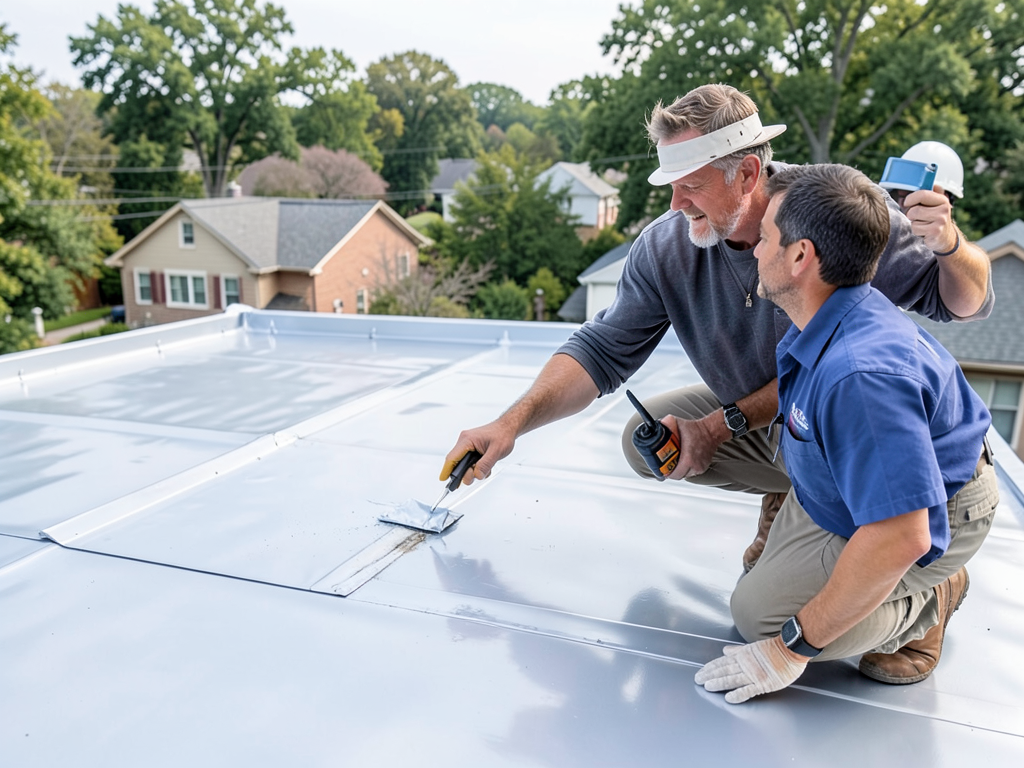
How to Negotiate Roof Repairs After a Home Inspection in Tacony Buying or selling a home in Tacony often hinges on the home inspection report, especially when it comes to the roof. Philadelphia's unique rowhome…
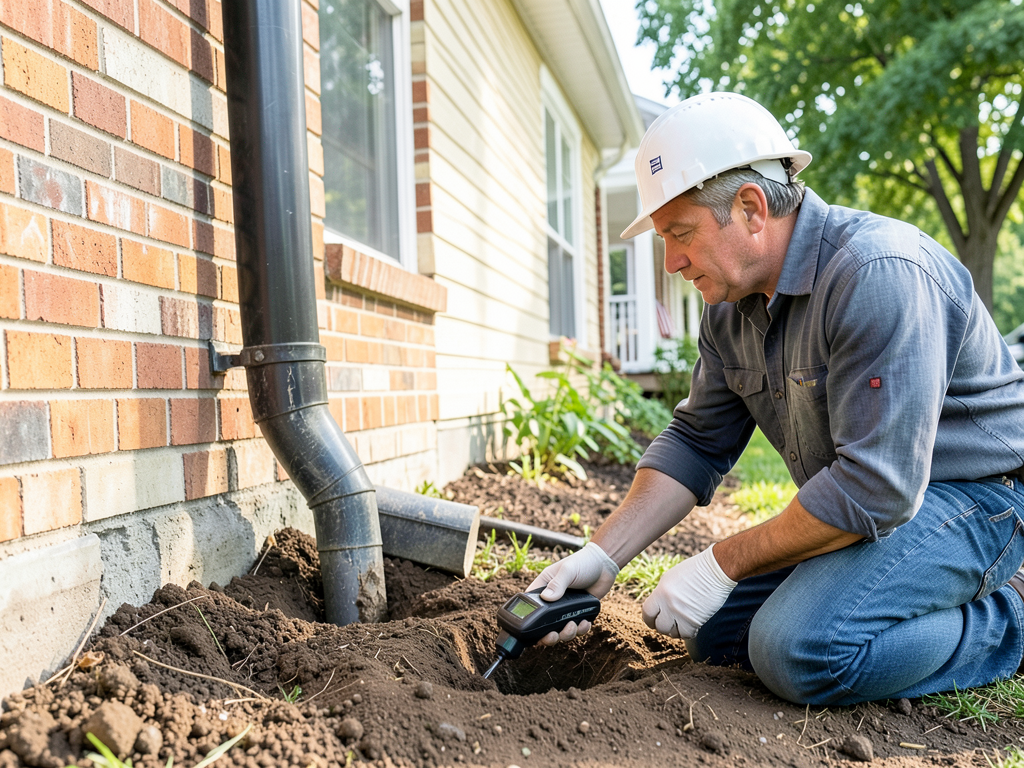
The Best Way to Handle Downspout Runoff in Narrow Manayunk Alleyways Water pouring off your…
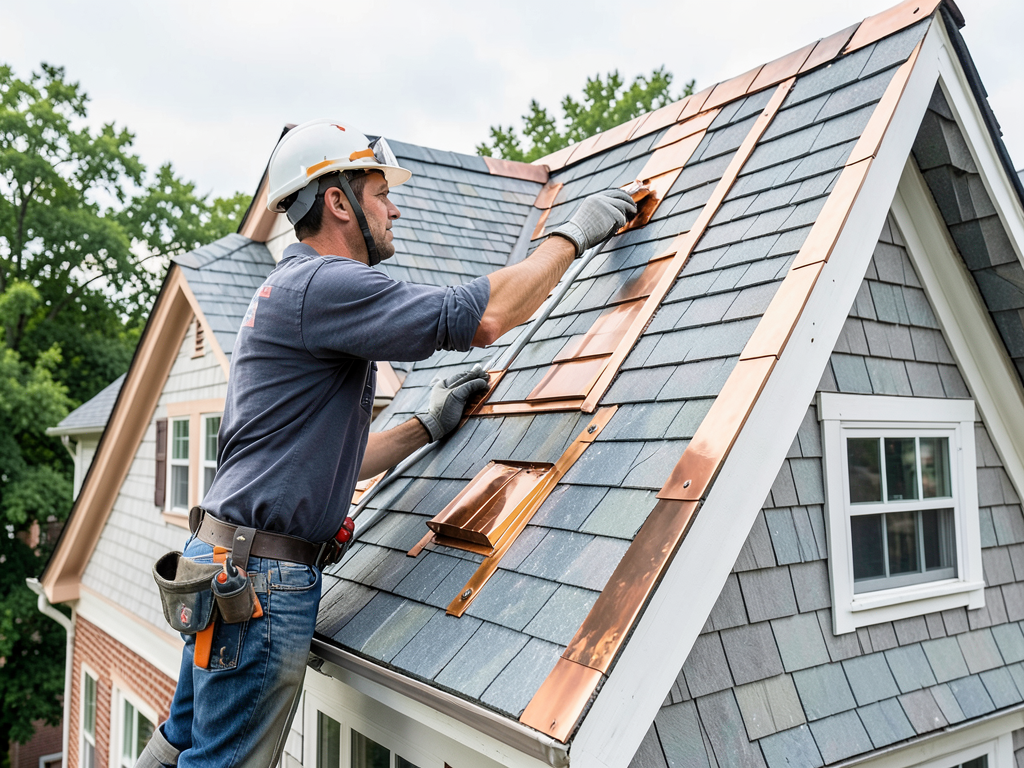
Finding the Leak in Your Complicated Tudor Roof in West Mt. Airy Water dripping from…
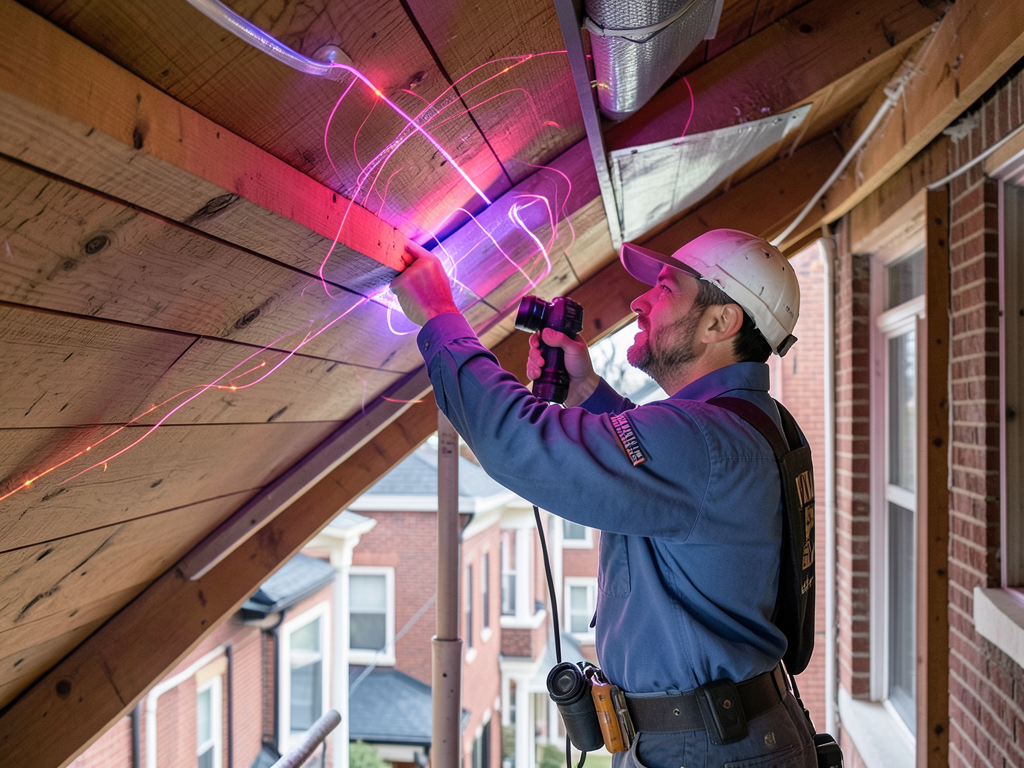
Why Ridge Vents Alone Might Not Be Enough for Your Hot Attic in Wynnefield Your…
Your roof problem gets worse every day you wait. Atlas Roofing Philadelphia responds fast, assesses honestly, and completes repairs that last. Call (267) 344-1222 now for same-day emergency service or to schedule your free inspection.