




menu

Condensation & Moisture Issues in Philadelphia – Expert Diagnosis and Permanent Solutions for Roof Sweating and Attic Dampness

Atlas Roofing Philadelphia specializes in identifying and eliminating condensation and moisture issues that damage your roof structure, compromise insulation, and create mold risks in Philadelphia's humid climate.

Slider Image 1
Slider Image 2
Slider Image 3
Slider Image 4
Slider Image 5
Slider Image 7
Slider Image 8
Slider Image 9
Slider Image 10
Slider Image 11

Why Philadelphia Homes Battle Constant Roof Sweating and Attic Moisture

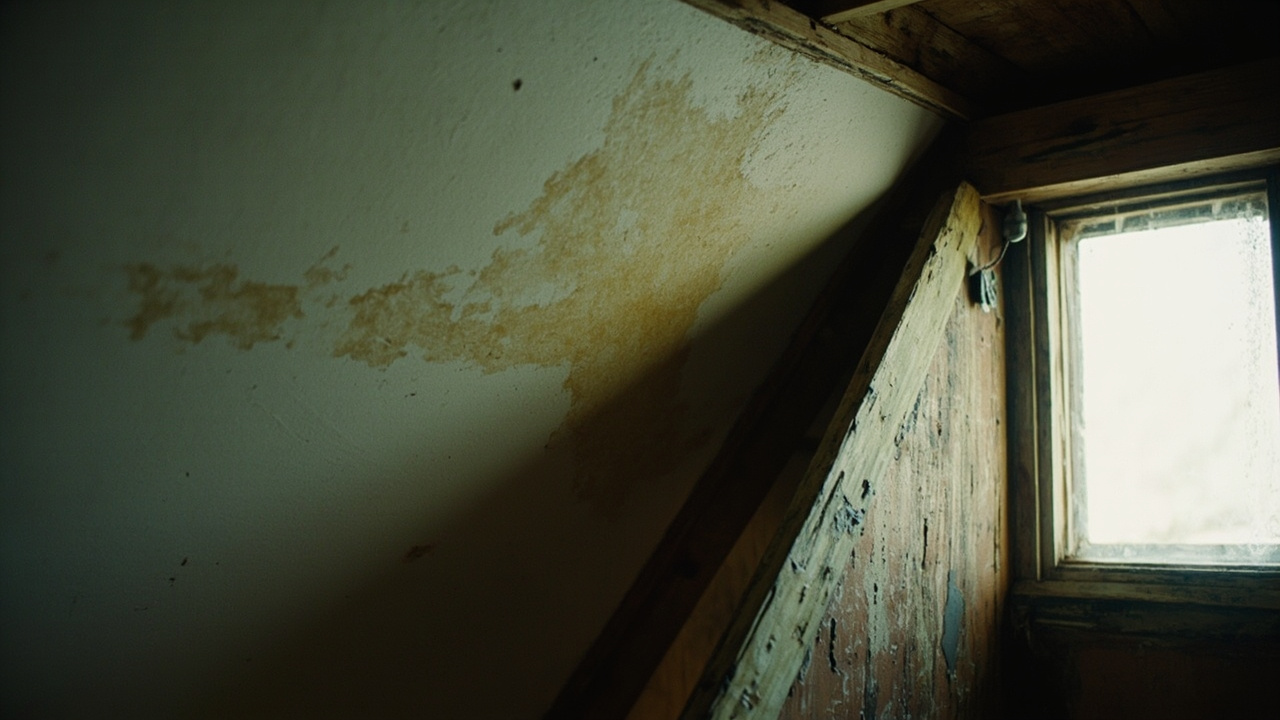
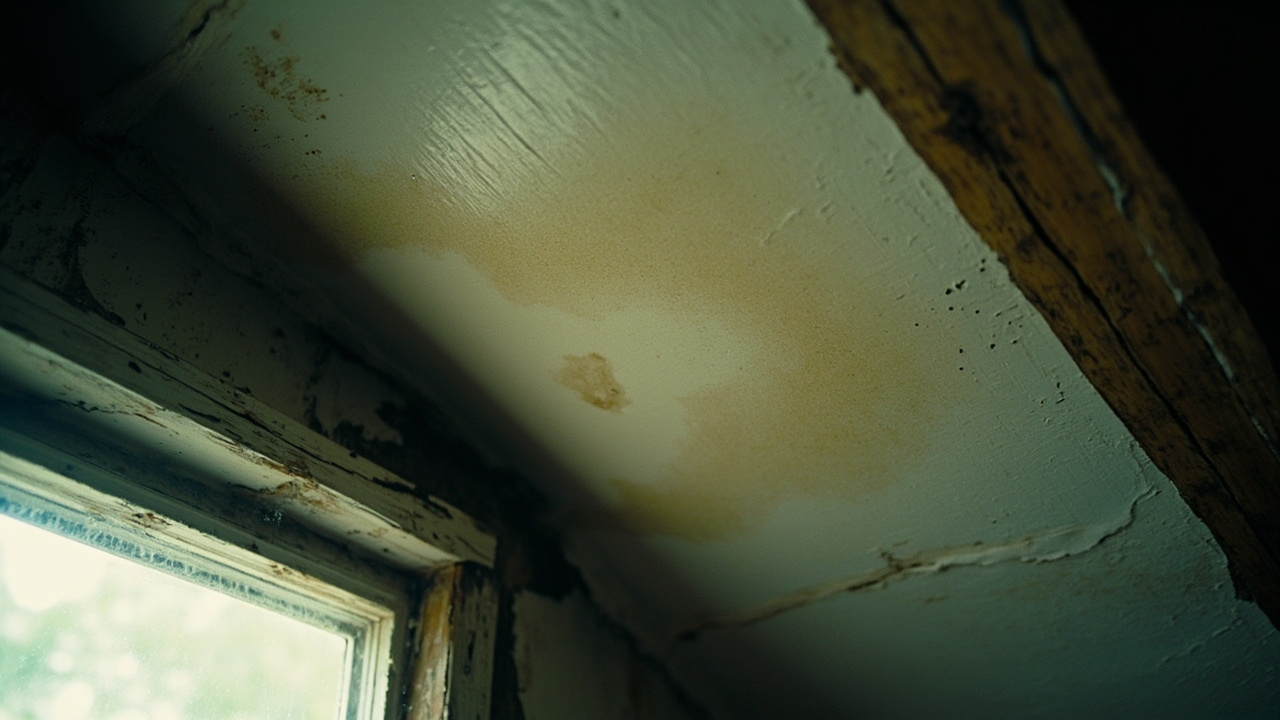
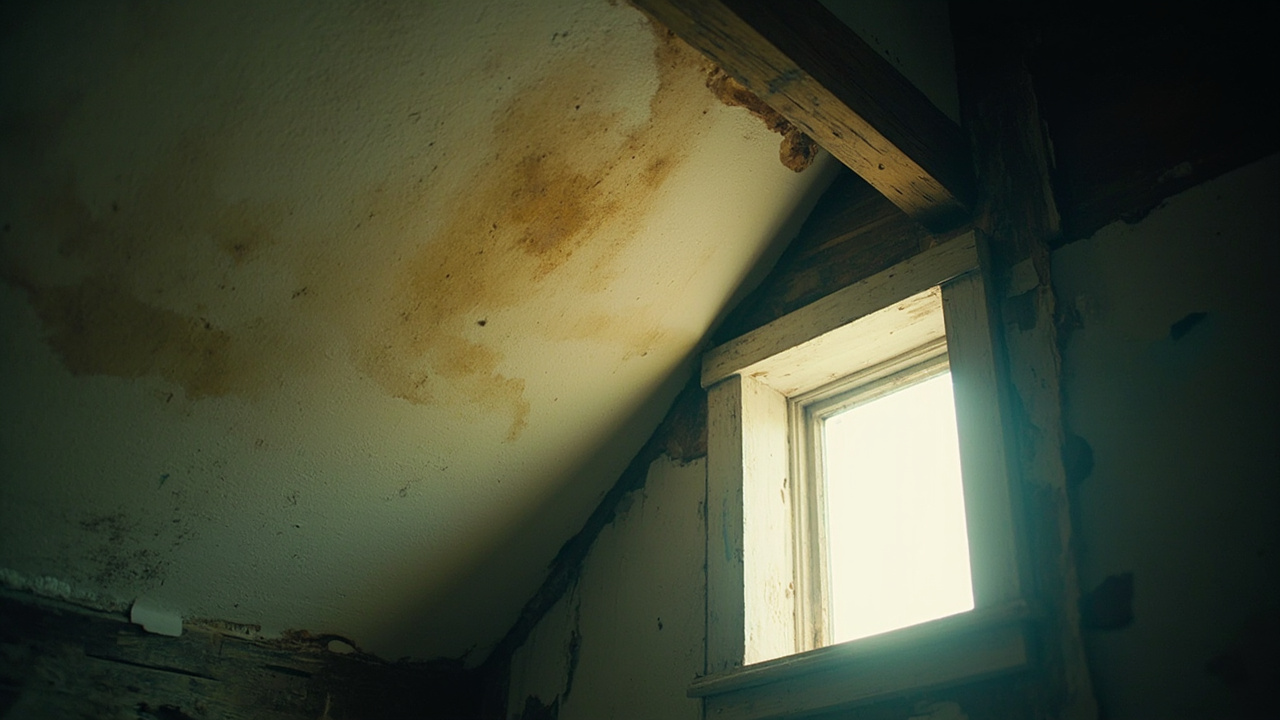
You walk into your attic and feel the dampness. You notice water droplets on the underside of the roof deck. You see dark stains spreading across the plywood. This is not a leak. This is condensation, and it is destroying your roof from the inside out.

Philadelphia's climate creates the perfect conditions for roof space condensation. Our summers bring heavy humidity that saturates the air. Our winters bring freezing temperatures that turn that moisture into frost on your roof sheathing. When spring arrives, that frost melts and drips down onto your insulation. This freeze-thaw cycle repeats hundreds of times each year.

The problem gets worse in older Philadelphia rowhomes and twins where attic ventilation was never a priority. Builders in Fishtown, South Philly, and Manayunk constructed homes with minimal ridge vents and soffit airflow. Your cooking, showering, and heating pushes warm, moist air into the attic. That air hits the cold roof deck and condenses instantly.

Trapped moisture in roof assemblies leads to wood rot, insulation failure, and mold growth. You might see black stains on your ceiling. You might smell mustiness in your bedroom. You might notice your energy bills climbing because wet insulation loses 50% of its R-value.

Roof dampness is not something you can ignore. Every day that moisture sits in your attic, it eats away at the structural integrity of your roof deck. The plywood delaminates. The rafters soften. The nails lose their grip. What started as a condensation problem becomes a $15,000 roof replacement.

Philadelphia homeowners need to understand that attic moisture buildup is a ventilation and insulation problem, not a roofing material problem. You can replace your shingles three times and still have roof sweating if you do not fix the root cause.

Why Philadelphia Homes Battle Constant Roof Sweating and Attic Moisture
How We Eliminate Condensation and Moisture Problems at the Source

How We Eliminate Condensation and Moisture Problems at the Source

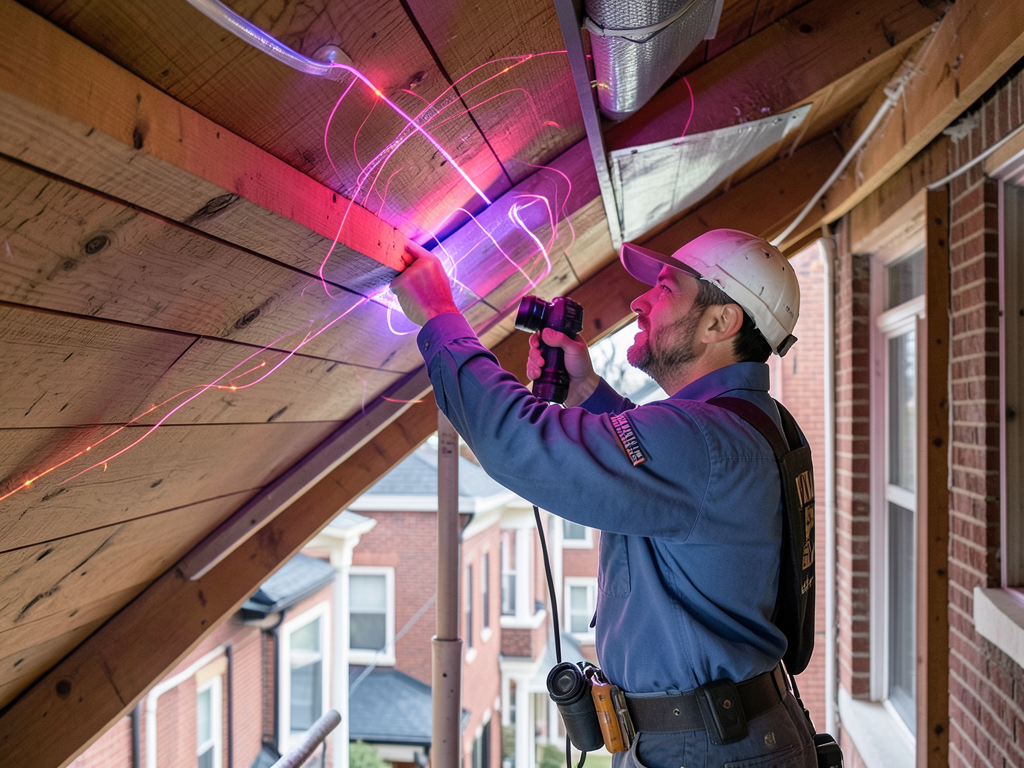
Atlas Roofing Philadelphia does not treat symptoms. We diagnose the vapor drive and airflow failures that cause condensation in the first place. Our process starts with a thermal imaging inspection of your attic space. We measure the temperature differential between your living space and your roof deck. We check the dew point. We calculate the vapor pressure.

We inspect your existing ventilation system. Most Philadelphia homes have inadequate intake ventilation at the soffits and insufficient exhaust ventilation at the ridge. We measure your net free ventilating area and compare it to the International Residential Code requirement of 1 square foot per 150 square feet of attic space. Most homes we inspect are 40% to 60% under-ventilated.

We also examine your insulation and air sealing. Condensation happens when warm, humid air from your living space escapes into the attic through gaps around recessed lights, plumbing penetrations, and attic hatches. We use a blower door test to identify air leakage points. We check for missing or compressed insulation that creates thermal bridging.

Once we understand the moisture source and the airflow pattern, we design a custom solution. This might include installing continuous soffit vents, adding a ridge vent system, or upgrading to a powered attic ventilator. We seal air leaks with fire-rated spray foam. We install baffles to maintain the airflow channel between the insulation and the roof deck.

For severe cases of roof space condensation, we install a vapor barrier on the warm side of the insulation. We replace damaged roof sheathing. We treat mold growth with antimicrobial solutions. We verify our work with follow-up moisture readings to confirm the attic is drying out.

The goal is simple. Create a balanced ventilation system that moves air through the attic, prevents moisture accumulation, and protects your roof structure for decades.

What Happens During Your Moisture Inspection and Remediation

Condensation & Moisture Issues in Philadelphia – Expert Diagnosis and Permanent Solutions for Roof Sweating and Attic Dampness
01

Attic Moisture Assessment

We enter your attic with thermal imaging cameras and moisture meters to map the extent of the dampness. We check the roof deck, rafters, and insulation for visible water damage, mold growth, and wood rot. We measure relative humidity levels and identify whether the moisture is coming from interior air leakage, exterior roof penetrations, or inadequate ventilation. This diagnostic phase tells us exactly what is causing your roof sweating problem.
02

Ventilation and Air Sealing

We install or upgrade your intake and exhaust ventilation to create continuous airflow from soffit to ridge. We seal air leaks around chimneys, vent pipes, electrical boxes, and attic access doors using fire-rated materials. We install baffles between each rafter bay to prevent insulation from blocking the soffit vents. This step stops humid air from entering the attic and allows trapped moisture to escape. Proper air sealing cuts condensation events by 70% or more.
03

Sheathing Repair and Verification

If moisture has damaged the roof deck, we remove and replace the affected plywood or OSB panels. We treat any mold growth and ensure the wood substrate is dry before reinstalling insulation. We return 30 to 60 days after the repair to take follow-up moisture readings and confirm the attic environment has stabilized. You receive a detailed report showing the before and after humidity levels, proving your condensation problem is solved.

Why Philadelphia Homeowners Trust Atlas Roofing for Moisture Problems

Condensation problems require a different skill set than standard roof repairs. You need a contractor who understands building science, not just shingle installation. Atlas Roofing Philadelphia employs roofers who are trained in moisture diagnostics, thermal dynamics, and ventilation design. We do not guess. We measure.

Philadelphia has unique housing stock. Our rowhomes share walls and have limited access to side ventilation. Our twins have complex roof valleys that trap moisture. Our older Victorian homes in Chestnut Hill and Mount Airy have original slate roofs with minimal attic space. We have worked on all of these housing types. We know how to retrofit modern ventilation systems into century-old structures without compromising the architectural integrity.

We also understand Philadelphia's building codes and permitting requirements. Any structural repair to roof sheathing or rafter framing requires a permit from the Department of Licenses and Inspections. We handle the paperwork. We schedule the inspections. We make sure your repair is compliant with the 2018 International Residential Code as adopted by the City of Philadelphia.

You will not get a sales pitch from us. You will get a transparent explanation of what is happening in your attic, why it is happening, and what it will take to fix it. If your problem is a simple ventilation upgrade, we will tell you. If you need a full roof deck replacement, we will show you the evidence.

We also provide documentation for your records. You receive a written report with moisture readings, thermal images, and a detailed scope of work. If you are selling your home and the buyer's inspector flags attic moisture, you have proof that the issue has been professionally addressed. That documentation protects your property value and speeds up the closing process.

Philadelphia has plenty of roofers who can patch a leak. Very few can solve a condensation problem correctly. Atlas Roofing Philadelphia is one of them.

What to Expect When You Call Us About Roof Condensation

Same-Week Inspection Availability

We schedule moisture inspections within three to five business days of your call. Our inspection takes 60 to 90 minutes and includes attic access, thermal imaging, moisture meter readings, and ventilation calculations. We provide a verbal summary on-site and follow up with a written report within 24 hours. If your attic shows active mold growth or severe wood rot, we flag it as a priority and can mobilize a repair crew within the same week. You do not wait weeks for answers when moisture is actively damaging your structure.

Comprehensive Diagnostic Process

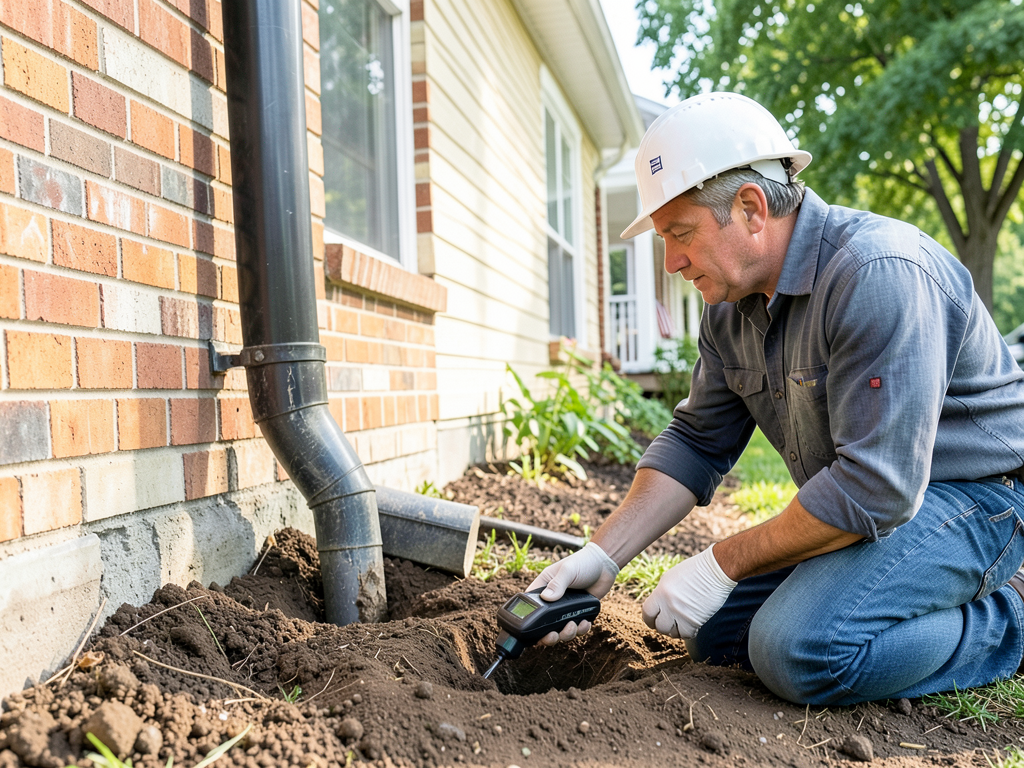
Our inspection is not a visual walkthrough. We use a FLIR thermal camera to detect temperature anomalies that indicate air leakage or missing insulation. We use a pin-type moisture meter to measure the moisture content of your roof deck and rafters. We calculate your current ventilation ratio and compare it to code minimums. We identify every contributing factor, from bathroom exhaust fans venting into the attic to improperly installed vapor barriers. You receive a detailed diagnosis, not a generic quote.

Permanent Structural Solutions

We do not Band-Aid condensation problems. We install continuous ridge vents, not small box vents that create dead air zones. We use baffles in every rafter bay to maintain airflow. We seal air leaks with closed-cell spray foam that stops vapor infiltration permanently. If your roof deck is damaged, we replace the full panel, not just a patch. You get a repair that eliminates the moisture problem for the life of your roof. No callbacks. No recurring dampness.

Post-Repair Moisture Monitoring

Condensation repairs need time to prove themselves. We schedule a follow-up inspection 30 to 60 days after the work is complete. We return to your attic and take new moisture readings to confirm the roof deck is drying out. We verify that the relative humidity has dropped and that no new condensation is forming. You receive a follow-up report documenting the improvement. This verification process gives you confidence that the problem is solved, not just covered up. If moisture levels remain elevated, we investigate further at no additional diagnostic charge.

Frequently Asked Questions

You Have Questions,
We Have Answers

How do you fix excessive condensation? +

Fix excessive condensation by increasing ventilation and controlling indoor humidity. Open windows briefly after cooking or showering to release moisture-laden air. Install exhaust fans in bathrooms and kitchens to push humid air outside. Run a dehumidifier in problem areas to pull moisture from the air. In Philadelphia homes with older single-pane windows, consider upgrading to double-pane units to reduce cold surface temperatures. Check attic insulation and ventilation. Poor attic airflow traps moisture and causes condensation on roof decking. Seal air leaks around windows and doors to prevent warm indoor air from hitting cold surfaces.

What are signs of excessive condensation? +

Water droplets on windows, mirrors, and cold surfaces signal excessive condensation. You may see foggy glass in the morning or pooling water on window sills. Black spots or fuzzy patches on walls indicate mold growth from trapped moisture. Peeling paint or wallpaper shows water damage beneath the surface. Musty odors in closets or basements suggest hidden moisture problems. Philadelphia homes with poor ventilation often show condensation in bathrooms and kitchens first. Check behind furniture against exterior walls. Cold surfaces combined with indoor humidity create perfect conditions for condensation and subsequent mold.

How to solve moisture problems in a house? +

Solve moisture problems by identifying the source first. Check for roof leaks, foundation cracks, or plumbing failures that introduce water. Fix any active leaks immediately. Improve ventilation by running exhaust fans and opening windows when weather permits. Install vapor barriers in crawl spaces to block ground moisture. Philadelphia basements often need dehumidifiers year-round because of humidity from the Delaware River valley. Redirect downspouts away from foundations. Ensure gutters drain properly. Upgrade attic insulation to prevent warm air from condensing on cold surfaces. Address grading issues that slope water toward your foundation.

What causes excessive condensation in a house? +

Excessive condensation happens when warm, moisture-laden indoor air contacts cold surfaces. Cooking, showering, and even breathing release water vapor into your home. Poor ventilation traps this humid air inside. In Philadelphia winters, cold exterior walls and windows create the perfect condensation surface when indoor humidity climbs above 50 percent. Inadequate insulation allows interior wall surfaces to drop below the dew point. Unvented gas appliances add moisture directly to indoor air. Wet basements or crawl spaces push humidity upward through your home. Airtight modern construction without proper ventilation systems worsens the problem.

Does condensation mean my house is too cold? +

Condensation does not always mean your house is too cold. It means cold surfaces exist where warm, humid air can condense. You can have condensation in a 72-degree home if humidity is high and windows are cold. Philadelphia winters create large temperature differences between heated indoor air and frigid glass surfaces. Single-pane windows condensate more than insulated glass because their interior surface temperature drops closer to outdoor temps. The issue is humidity level combined with surface temperature, not just thermostat setting. Homes kept cooler may show less condensation if humidity stays low.

What draws moisture out of your house? +

Ventilation draws moisture out of your house most effectively. Exhaust fans in kitchens and bathrooms expel humid air before it spreads. Opening windows creates cross-ventilation that replaces moist indoor air with drier outdoor air. Whole-house ventilation systems exchange stale air continuously. Dehumidifiers pull moisture directly from the air and drain it away. Philadelphia homes benefit from exhaust-only or balanced ventilation systems paired with dehumidifiers during humid summers. Attic vents and ridge vents remove moisture that migrates upward. Proper crawl space ventilation prevents ground moisture from entering your living space.

Will a dehumidifier get rid of condensation? +

A dehumidifier removes moisture from the air but will not stop condensation if surface temperatures stay below the dew point. It reduces humidity levels, making condensation less likely. Run a dehumidifier in basements, bathrooms, or any room showing persistent condensation. Set it to maintain 40 to 50 percent relative humidity. Philadelphia homes with uninsulated basement walls need dehumidifiers year-round. Empty the reservoir daily or connect a drain hose. A dehumidifier works best when combined with improved ventilation and air circulation. It treats the symptom but does not fix poor insulation or ventilation problems.

How to tell if damp is caused by condensation? +

Condensation damp appears on cold surfaces like windows, walls, and metal frames. It shows up during cold weather and disappears when you improve heating or ventilation. Touch the damp spot. Condensation feels cold and wet on the surface, not deep in the material. Look for patterns. Condensation clusters on north-facing walls or poorly insulated areas. It often appears after activities that generate moisture like cooking or showering. In Philadelphia rowhomes, party walls stay warmer than exterior walls, so condensation forms on outer walls first. Rising damp or leaks penetrate deep into materials and persist regardless of ventilation.

Does putting heating on reduce condensation? +

Heating reduces condensation by raising surface temperatures above the dew point. When windows and walls stay warmer, moisture cannot condense on them. Consistent heating works better than intermittent heating. Philadelphia homes left cold during the day and heated at night create temperature swings that worsen condensation. Keep temperatures steady between 65 and 68 degrees. Heating alone will not solve the problem if humidity remains high. You need balanced heat and ventilation. Avoid drying clothes indoors or using unvented gas heaters, which add moisture faster than heating can compensate.

What absorbs moisture quickly? +

Dehumidifiers absorb moisture most quickly from large spaces. For small areas, silica gel packets or calcium chloride crystals pull moisture from the air. Place open containers of calcium chloride in closets or storage areas. Activated charcoal absorbs moisture and odors. Kitty litter works in a pinch for enclosed spaces. These passive absorbers work slowly compared to mechanical dehumidifiers. Philadelphia basements need active dehumidification because passive methods cannot keep up with ground moisture and summer humidity. Combine quick-acting dehumidifiers with long-term fixes like improved ventilation and vapor barriers for permanent moisture control.

How Philadelphia's Humidity and Row Home Design Create Chronic Attic Condensation

Philadelphia sits in a humid subtropical climate zone with average summer dew points above 65 degrees. That moisture-heavy air infiltrates your attic and condenses on cold surfaces during temperature swings. The problem intensifies in Philadelphia's signature row homes and twins. These homes share walls, which limits cross-ventilation. Many were built before 1950 with minimal soffit overhangs and no ridge vents. The attic becomes a moisture trap. Winter heating pushes humid air upward through ceiling penetrations. That air contacts the cold underside of the roof deck and turns to water. This cycle repeats daily from November through March, saturating the wood and breeding mold.

Atlas Roofing Philadelphia has spent years working in neighborhoods like Fishtown, Queen Village, Graduate Hospital, and Port Richmond where these construction challenges are most common. We understand the limitations of shared-wall construction. We know how to retrofit ventilation systems into tight attic spaces. We work with Philadelphia's Department of Licenses and Inspections regularly and understand the permitting process for structural repairs. Local expertise matters when you are diagnosing moisture problems because every neighborhood has different housing types, different roof pitches, and different ventilation constraints. We have seen it all.
Roofing Services in The Philadelphia Area

Atlas Roofing proudly serves the entire Philadelphia area, including all surrounding counties. We invite you to view our service area on the map to confirm we cover your neighborhood. As your trusted local roofing contractor, we are always ready to deploy our expert teams promptly to your home or business, ensuring you receive the high-quality, professional service you deserve, exactly when you need it.

Address:
Atlas Roofing Philadelphia, 100 N 18th St, Philadelphia, PA, 19103

Additional Services We Offer

Our news updates

Latest Articles & News from The Blogs

Finding the Source of Water Stains on Your Ceiling in Cobbs Creek Water stains on your ceiling create immediate panic.…

Finding the Source of Water Stains on Your Ceiling in Cobbs Creek

Finding the Source of Water Stains on Your Ceiling in Cobbs Creek Water stains on your ceiling create immediate panic.…

Transitioning from Asphalt Shingles to a Standing Seam Metal Roof in Roxborough

Transitioning from Asphalt Shingles to a Standing Seam Metal Roof in Roxborough Roxborough homeowners face unique challenges with their asphalt…

Why Your Attic Insulation Might Be Killing Your New Roof in North Philly

Why Your Attic Insulation Might Be Killing Your New Roof in North Philly Your new roof is sweating from the…

Contact Us

Condensation will not fix itself. Every day you wait, moisture eats deeper into your roof structure. Call Atlas Roofing Philadelphia at (267) 344-1222 to schedule your moisture inspection this week. We will tell you exactly what is wrong and how to fix it permanently.