Why You Should Never Pressure Wash Your Asphalt Shingles in Roxborough
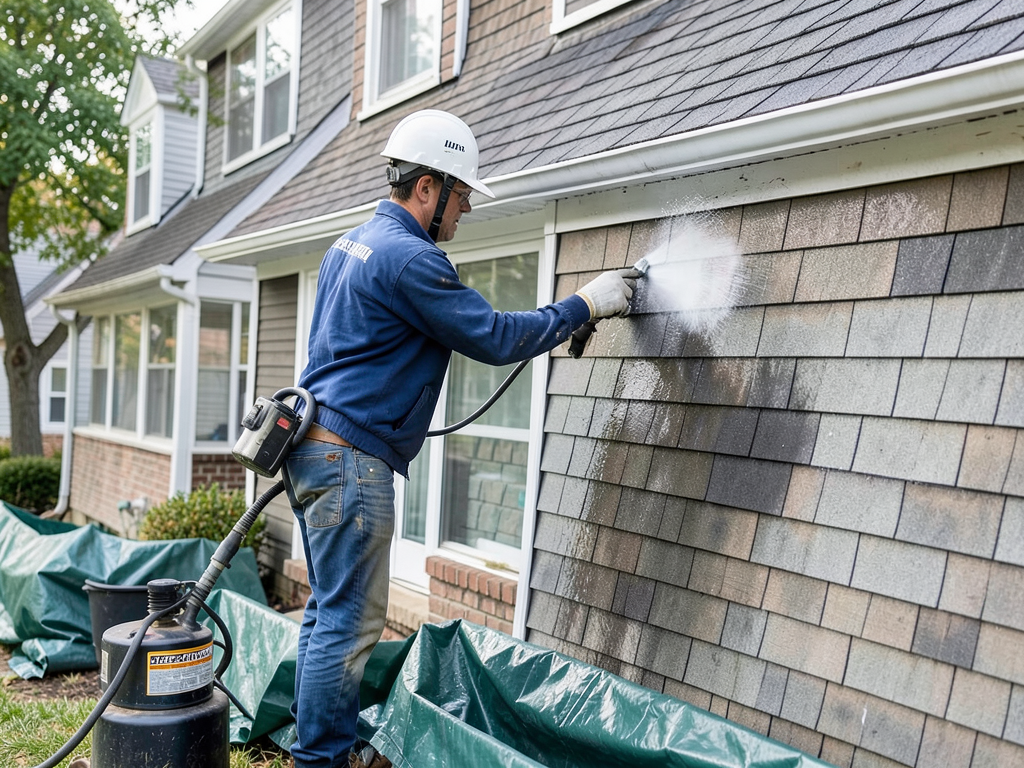
Your Roxborough home deserves better than high-pressure water blasting across its roof. While pressure washing might seem like the fastest way to clean those black streaks on your asphalt shingles, it’s actually one of the worst things you can do to your roof system. The high-velocity water forces its way under shingle tabs, strips away protective granules, and creates pathways for water infiltration that lead to costly leaks and structural damage. Asphalt Roofing Manufacturers Association.
Philadelphia’s humid climate creates perfect conditions for algae growth on roofs, especially in tree-lined neighborhoods like Roxborough where moisture lingers and shade promotes organic buildup. Many homeowners reach for pressure washers as a quick fix, not realizing they’re shortening their roof’s lifespan by years with each blast. The Asphalt Roofing Manufacturers Association (ARMA) explicitly warns against using pressure washers on asphalt shingles because the damage is irreversible and often voids manufacturer warranties. Philadelphia Department of Licenses and Inspections.
Instead of pressure washing, professional soft washing uses specialized cleaning solutions that kill algae and moss at the root while preserving your shingle integrity. This method protects your investment and maintains your roof’s warranty coverage, which is especially important for Philadelphia homes where replacement costs run significantly higher than national averages due to local labor rates and material transportation. How Much Does a Full Roof Replacement Actually Cost in Philadelphia Right Now.
The Science Behind Why Pressure Washing Destroys Asphalt Shingles
Asphalt shingles are engineered with multiple protective layers, each serving a critical function. The ceramic granules on top reflect UV rays and provide fire resistance. Beneath that lies the asphalt coating that waterproofs your roof. When high-pressure water hits these surfaces, several destructive processes begin immediately.
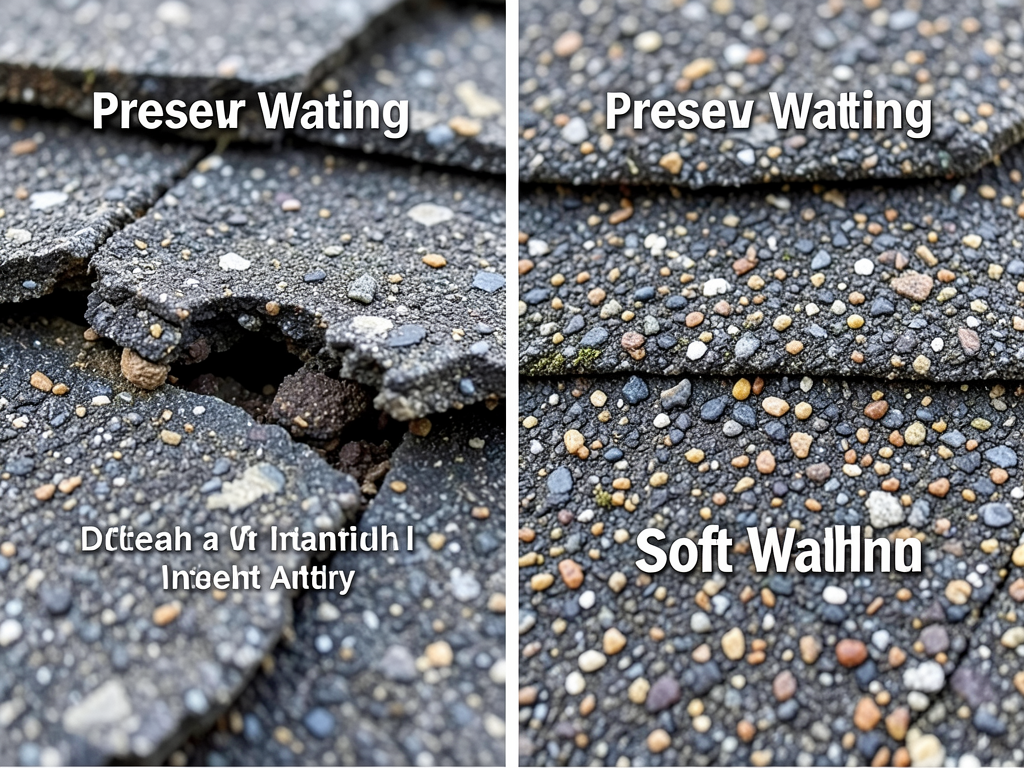
The force of pressure washing literally blasts away the protective granules that give your shingles their color and UV protection. Once these granules are gone, the asphalt underneath becomes vulnerable to sun damage, cracking, and accelerated deterioration. You might notice your roof turning a lighter color after pressure washing—that’s actually the exposed asphalt showing through where granules have been stripped away.
Beyond granule loss, pressure washing forces water underneath shingle tabs where it shouldn’t go. In Philadelphia’s freeze-thaw climate, this trapped moisture expands when frozen, causing shingles to lift, curl, and eventually break. The hydrostatic pressure from a pressure washer can exceed 1,500 PSI, which is more than enough to compromise the adhesive strips that seal each shingle to the next.. Read more about Understanding How Philadelphia Air Quality Affects the Lifespan of Your Shingles.
ARMA’s technical bulletin specifically states that pressure washing voids most asphalt shingle warranties because it constitutes improper maintenance that damages the product. For Philadelphia homeowners, this is particularly concerning since CertainTeed, a major shingle manufacturer with facilities in nearby Malvern, requires proof of proper maintenance for warranty claims. Using a pressure washer on your roof could mean thousands of dollars in out-of-pocket replacement costs if damage occurs. Why More Homeowners in Manayunk Are Switching to Metal Roofing.
Why Roxborough Homes Are Especially Vulnerable to Roof Damage
Roxborough’s unique combination of mature tree canopy, rolling terrain, and proximity to the Schuylkill River creates ideal conditions for roof algae and moss growth. The neighborhood’s elevation changes mean some homes sit in valleys where moisture collects, while others face direct afternoon sun that bakes organic matter onto shingles. This creates a perfect storm for roof deterioration.
The area’s historic architecture, particularly the many 1920s and 1930s bungalows with original or near-original roofing, presents another vulnerability. These older roofs often have thinner asphalt layers than modern shingles, making them even more susceptible to pressure washing damage. The Philadelphia Historical Commission has documented cases where improper roof cleaning has accelerated the deterioration of historic structures in Roxborough. The Best Local Roofing Companies for Luxury Homes on the Main Line.
Local soil conditions also play a role. Roxborough’s Wissahickon Schist bedrock and surrounding clay soils create drainage challenges that keep moisture levels higher than surrounding areas. When this moisture interacts with roof surfaces, especially those shaded by mature oaks and maples common in the neighborhood, algae growth accelerates dramatically.
According to the Philadelphia Water Department’s stormwater management guidelines, neighborhoods like Roxborough with significant tree cover and older infrastructure experience higher rates of roof-related water infiltration issues. The combination of organic debris, moisture retention, and aging roofing materials creates a situation where pressure washing seems tempting but is actually catastrophic for roof longevity. Roofing Pittsburgh.
The Professional Alternative: Soft Washing Explained
Soft washing represents a complete paradigm shift from pressure washing. Instead of relying on force, this method uses specialized cleaning solutions that break down organic growth at the molecular level. The process typically involves applying a mixture of sodium hypochlorite (the active ingredient in pool shock) and professional-grade surfactants at very low pressure—usually under 100 PSI.
The cleaning solution works by penetrating the algae’s cell walls and disrupting its ability to photosynthesize. This kills the organism rather than just blasting it away. The surfactants help the solution cling to vertical surfaces, ensuring complete coverage and allowing the chemicals to work for the necessary dwell time—typically 15 to 20 minutes.
After the solution has killed the algae and moss, a gentle rinse with garden hose pressure removes the dead organic matter. This low-pressure approach preserves shingle integrity while achieving superior cleaning results. The process also treats the roof to prevent regrowth, with most soft-washed roofs staying clean for three to five years compared to just one to two years for pressure-washed surfaces.
Professional soft washing technicians use specialized equipment including chemical proportioners that mix solutions on-site, ensuring the correct concentration for your specific roof conditions. They also employ protective measures for landscaping, as the cleaning solutions, while safe for roofs, can damage certain plants if not properly managed.
Philadelphia Building Code Requirements and Warranty Implications
The Philadelphia Department of Licenses and Inspections (L&I) requires permits for most roofing work, including cleaning methods that could potentially damage structures. While soft washing typically doesn’t require permits, pressure washing could be considered a structural modification if it damages the roof system, potentially violating local building codes. Roofing Allentown.
CertainTeed’s warranty documentation, which is particularly relevant for Philadelphia homeowners given the company’s Pennsylvania presence, explicitly states that pressure washing voids the limited warranty. The warranty requires that roofs be maintained according to ARMA guidelines, which prohibit high-pressure cleaning methods. This isn’t just a suggestion—it’s a contractual requirement that affects your coverage.
The International Building Code, adopted by Philadelphia, requires that roofing materials be installed and maintained according to manufacturer specifications. Using pressure washing on asphalt shingles technically violates these specifications, which could have insurance implications if damage occurs. Some insurance companies have denied claims related to roof leaks that originated from pressure washing damage.
For Roxborough’s many historic and older homes, the Philadelphia Historical Commission guidelines recommend against any cleaning methods that could accelerate material deterioration. The commission has documented cases where pressure washing has damaged not just the roof but also underlying structures, leading to expensive repairs that property owners had to fund themselves.
Cost Comparison: Pressure Washing vs. Soft Washing in Philadelphia
While pressure washing might seem cheaper upfront, the true cost comparison reveals a different story. Pressure washing services in Philadelphia typically charge $0.20 to $0.40 per square foot, while professional soft washing runs $0.30 to $0.50 per square foot. The higher soft washing cost reflects the specialized chemicals, equipment, and expertise required.
However, when you factor in the potential costs of pressure washing damage, soft washing becomes the clear economic winner. Replacing a damaged roof section can cost $1,000 to $3,000, while premature roof replacement due to accelerated deterioration from pressure washing can run $8,000 to $15,000 for an average Philadelphia home.
Consider also the warranty implications. A voided warranty could mean losing $5,000 to $10,000 in coverage for a 30-year shingle installation. When a storm damages pressure-washed shingles, the manufacturer can deny claims based on improper maintenance, leaving homeowners responsible for the full replacement cost.
Soft washing also provides better long-term value through its preventative effects. The anti-microbial treatments used in soft washing inhibit future algae growth, meaning you’ll need professional cleaning less frequently. Most Philadelphia homeowners find they need roof cleaning every five to seven years with soft washing versus every two to three years with pressure washing, which often requires more frequent repairs.
Step-by-Step Professional Roof Cleaning Process
Professional roof cleaning follows a systematic approach that protects your home while delivering superior results. Here’s what to expect when hiring a qualified Philadelphia roofing contractor for soft washing services.
First, technicians conduct a thorough roof inspection to identify problem areas, check for existing damage, and assess the type and extent of organic growth. They look for loose shingles, damaged flashing, and areas where water might be infiltrating. This inspection also helps determine the appropriate cleaning solution concentration.
Next, the work area gets prepared. This includes covering landscaping with protective tarps, sealing vents and openings to prevent solution infiltration, and setting up safety equipment. Professional crews use fall protection systems and establish clear communication protocols, which is especially important for Roxborough’s many homes with steep roof pitches.
The application process begins with mixing the cleaning solution to the manufacturer’s specifications. Technicians apply the solution using low-pressure sprayers, ensuring complete coverage without forcing water under shingles. They pay special attention to valleys, ridges, and areas with heavy organic growth, sometimes applying a second treatment to stubborn spots.
After the dwell time allows the solution to kill algae and moss, a gentle rinse removes the dead organic matter. Technicians inspect the roof again to ensure complete cleaning and check for any areas that might need spot treatment. They also clean gutters and downspouts to prevent debris from causing future clogs.
Finally, the crew performs a complete site cleanup, removes all protective coverings, and conducts a final inspection with the homeowner. Many companies also offer before-and-after documentation, which can be valuable for insurance purposes or if you plan to sell your home.
Frequently Asked Questions
How can I tell if my roof has algae versus just dirt?
Roof algae typically appears as dark streaks or patches, often running vertically down the roof. Unlike dirt, which tends to be more random and patchy, algae grows in consistent patterns following the path of water runoff. In Philadelphia’s climate, Gloeocapsa magma (black algae) is the most common culprit and creates those characteristic dark streaks that many homeowners mistake for dirt or weathering.
Will soft washing damage my plants or landscaping?
Professional soft washing, when done correctly, won’t damage your landscaping. Reputable companies use biodegradable cleaning solutions and take precautions like pre-wetting plants, covering sensitive vegetation, and rinsing thoroughly after cleaning. The sodium hypochlorite solution breaks down quickly when exposed to sunlight and soil. However, if you’re concerned about specific plants, discuss this with your contractor beforehand—they can often use alternative solutions for areas near prized landscaping.
How long does professional roof cleaning take?
Most Philadelphia homes require four to eight hours for complete soft washing. The exact time depends on your roof’s size, pitch, and condition. Steep roofs or those with extensive algae growth may take longer. Weather also affects timing—technicians need dry conditions and temperatures above 50°F for the cleaning solutions to work effectively.
Protect Your Investment: The Smart Choice for Roxborough Homeowners
Your roof represents one of the largest investments in your Philadelphia home. In neighborhoods like Roxborough where property values are rising and historic character matters, protecting that investment through proper maintenance is crucial. Pressure washing might seem like a quick fix, but it’s actually a costly mistake that can lead to premature roof failure and voided warranties.
Professional soft washing offers a proven alternative that cleans effectively while preserving your roof’s integrity. The method kills algae at the source, prevents regrowth, and maintains your warranty coverage—all while protecting the architectural character that makes Roxborough homes special. Given Philadelphia’s climate and the age of many local roofs, soft washing isn’t just the better choice; it’s the only responsible option for maintaining your home’s value and structural integrity.
Don’t wait until algae damage becomes severe or your warranty is voided by improper cleaning. The longer you wait, the more extensive and expensive the remediation becomes. Professional assessment can identify problems early when they’re most easily and affordably addressed.
Call (267) 344-1222 today to schedule your free roof inspection and learn how soft washing can protect your Roxborough home. Our experienced technicians understand Philadelphia’s unique roofing challenges and will recommend the best approach for your specific situation. Pick up the phone and call (267) 344-1222 before the next storm hits—your roof will thank you.
{
“@context”: “https://schema.org”,
“@type”: “BlogPosting”,
“headline”: “Why You Should Never Pressure Wash Your Asphalt Shingles in Roxborough”,
“description”: “Pressure washing destroys asphalt shingles. Learn why soft washing is the only safe method for Roxborough homes and how to protect your roof warranty.”,
“wordCount”: 2102,
“datePublished”: “2026-05-18T13:27:00.000Z”,
“dateModified”: “2026-05-18T13:27:00.000Z”,
“inLanguage”: “en-US”,
“mainEntityOfPage”: {
“@type”: “WebPage”,
“@id”: “https://atlasroofingphiladelphia.com”
},
“publisher”: {
“@type”: “LocalBusiness”,
“name”: “Atlas Roofing Philadelphia”,
“url”: “https://atlasroofingphiladelphia.com”
},
“author”: {
“@type”: “Organization”,
“name”: “Atlas Roofing Philadelphia”,
“url”: “https://atlasroofingphiladelphia.com”
},
“image”: {
“@type”: “ImageObject”,
“url”: “https://atlasroofingphiladelphia.com/wp-content/uploads/2026/03/why-you-should-never-pressure-wash-your-asphalt-sh-1.png”
}
}
{
“@context”: “https://schema.org”,
“@type”: “RoofingContractor”,
“name”: “Atlas Roofing Philadelphia”,
“url”: “https://atlasroofingphiladelphia.com”,
“address”: {
“@type”: “PostalAddress”,
“addressLocality”: “Philadelphia”
},
“areaServed”: {
“@type”: “City”,
“name”: “Philadelphia”
}
}
{
“@context”: “https://schema.org”,
“@type”: “FAQPage”,
“mainEntity”: [
{
“@type”: “Question”,
“name”: “How can I tell if my roof has algae versus just dirt?”,
“acceptedAnswer”: {
“@type”: “Answer”,
“text”: “Roof algae typically appears as dark streaks or patches, often running vertically down the roof. Unlike dirt, which tends to be more random and patchy, algae grows in consistent patterns following the path of water runoff. In Philadelphia’s climate, Gloeocapsa magma (black algae) is the most common culprit and creates those characteristic dark streaks that many homeowners mistake for dirt or weathering.”
}
},
{
“@type”: “Question”,
“name”: “Will soft washing damage my plants or landscaping?”,
“acceptedAnswer”: {
“@type”: “Answer”,
“text”: “Professional soft washing, when done correctly, won’t damage your landscaping. Reputable companies use biodegradable cleaning solutions and take precautions like pre-wetting plants, covering sensitive vegetation, and rinsing thoroughly after cleaning. The sodium hypochlorite solution breaks down quickly when exposed to sunlight and soil. However, if you’re concerned about specific plants, discuss this with your contractor beforehand—they can often use alternative solutions for areas near prized landscaping.”
}
},
{
“@type”: “Question”,
“name”: “How long does professional roof cleaning take?”,
“acceptedAnswer”: {
“@type”: “Answer”,
“text”: “Most Philadelphia homes require four to eight hours for complete soft washing. The exact time depends on your roof’s size, pitch, and condition. Steep roofs or those with extensive algae growth may take longer. Weather also affects timing—technicians need dry conditions and temperatures above 50°F for the cleaning solutions to work effectively.”
}
}
]
}
{
“@context”: “https://schema.org”,
“@type”: “BreadcrumbList”,
“itemListElement”: [
{
“@type”: “ListItem”,
“position”: 1,
“name”: “Home”,
“item”: “https://atlasroofingphiladelphia.com”
},
{
“@type”: “ListItem”,
“position”: 2,
“name”: “Blog”,
“item”: “https://atlasroofingphiladelphia.com/blog”
},
{
“@type”: “ListItem”,
“position”: 3,
“name”: “Why You Should Never Pressure Wash Your Asphalt Shingles in Roxborough”
}
]
}
{
“@context”: “https://schema.org”,
“@type”: “Service”,
“serviceType”: “Roofing”,
“provider”: {
“@type”: “LocalBusiness”,
“name”: “Atlas Roofing Philadelphia”,
“url”: “https://atlasroofingphiladelphia.com”
},
“areaServed”: {
“@type”: “City”,
“name”: “Philadelphia”
},
“description”: “Pressure washing destroys asphalt shingles. Learn why soft washing is the only safe method for Roxborough homes and how to protect your roof warranty.”
}