






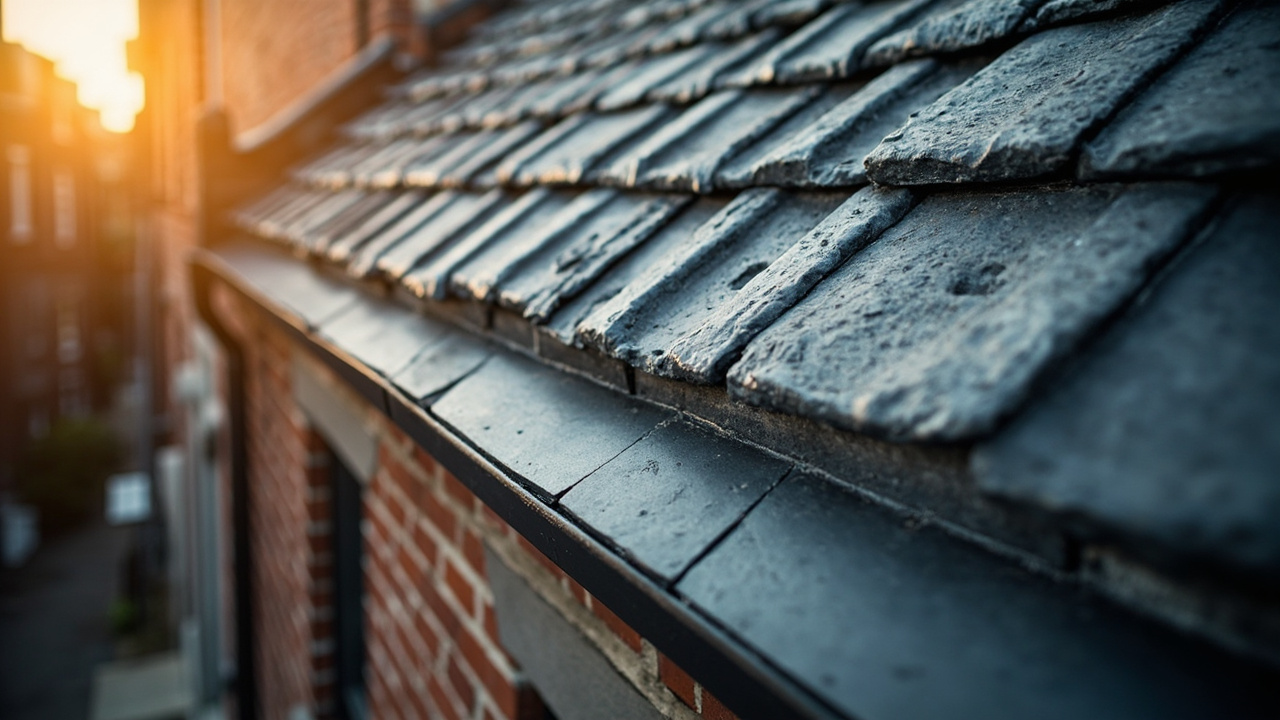
Philadelphia experiences an average of 35 freeze-thaw cycles each winter. This happens when daytime temperatures climb above 32 degrees and nighttime lows drop back below freezing. Water trapped in porous roofing materials expands when it freezes, creating internal stress that cracks brittle substances. Authentic slate roofing from certain quarries is more susceptible to this than others. Vermont slate, common in Philadelphia's older neighborhoods, has a lower absorption rate than some Pennsylvania slate. When you choose composite slate roofing, you eliminate the freeze-thaw vulnerability entirely because synthetic materials are engineered to flex without fracturing. This matters on north-facing roof planes that stay shaded and cold longer, extending the freeze period each day.
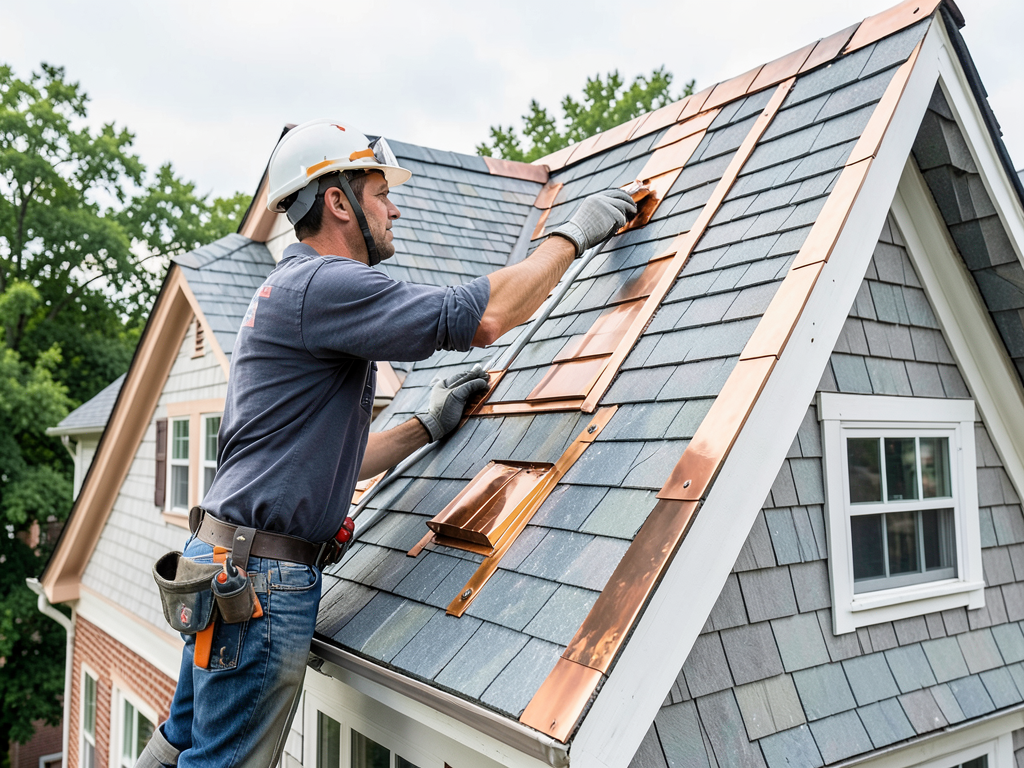
Atlas Roofing Philadelphia works directly with the Philadelphia Historical Commission on projects in locally designated historic districts. We understand the Secretary of the Interior's Standards for Rehabilitation, which govern exterior alterations on contributing properties. This knowledge streamlines your permit approval process and ensures your imitation slate tiles meet the visual standards required for historic preservation. We have successfully completed slate installations in Old City, Society Hill, Rittenhouse Square, and Chestnut Hill under historical review. This experience means we know which composite products pass visual inspection and which get rejected. Choosing a contractor with this local expertise prevents costly material returns and project delays.