How to Negotiate Roof Repairs After a Home Inspection in Tacony
Buying or selling a home in Tacony often hinges on the home inspection report, especially when it comes to the roof. Philadelphia’s unique rowhome architecture, with its flat roofs and aging materials, frequently reveals defects that can derail a real estate deal. Understanding how to read the inspection report, knowing what repairs are required by lenders, and navigating the negotiation process can make the difference between a smooth closing and a deal that falls apart. Philadelphia Department of Licenses and Inspections.
In Tacony, where many homes were built in the early 1900s, flat roofs with silver coating are common. These roofs often show signs of wear like ponding water, flashing failure, or granule loss that inspectors flag immediately. The good news is that most issues can be resolved quickly if you know the right steps to take and have a trusted local roofer ready to respond. The Best Local Roofing Companies for Luxury Homes on the Main Line.
The first 48 hours after receiving an inspection report are critical. Whether you’re a buyer requesting repairs or a seller preparing a counteroffer, timing and documentation matter. Philadelphia’s building codes, lender requirements, and even historic district guidelines can all influence what happens next. This guide walks you through the entire process so you can protect your investment and keep your real estate transaction on track.
Common Roof Defects Found in Philadelphia Home Inspections
Philadelphia home inspectors are trained to spot specific roof issues that are common in the region. In Tacony, flat roofs dominate the landscape, and inspectors frequently find problems like ponding water, deteriorated silver coating, and failing parapet wall flashing. These defects are not just cosmetic—they can lead to leaks, structural damage, and even mold if left unaddressed.
Another common finding is aging EPDM or modified bitumen membranes that have reached the end of their lifespan. Inspectors look for cracks, blisters, and seam separation, especially in roofs over 15 years old. Chimney flashing is another frequent issue, as many Tacony homes have shared or aging masonry that no longer seals properly against the roof.
Inspectors also check for proper drainage and ventilation. In Philadelphia, where heavy rains and snow are common, poor drainage can cause water to pool and accelerate roof deterioration. A roof that fails to meet lender requirements for a certification can stall a sale, so understanding these defects is the first step in negotiation.
Seller vs. Buyer: Who Pays for Roof Repairs?
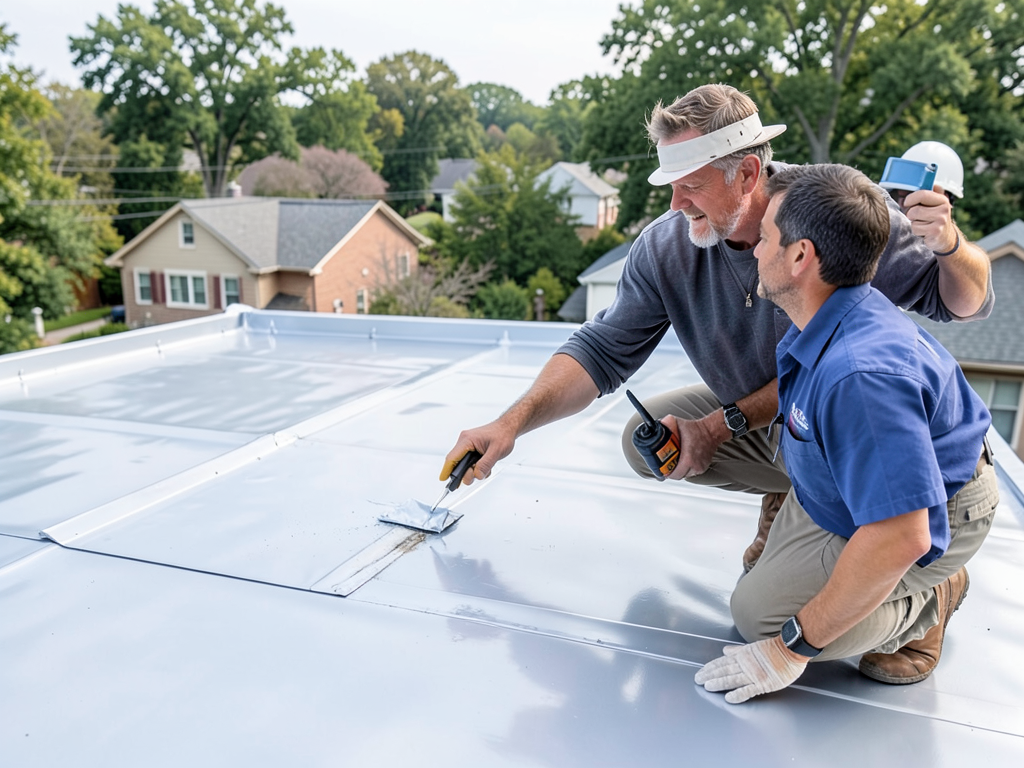
In Pennsylvania, the responsibility for roof repairs often depends on the terms negotiated during the inspection contingency period. The Pennsylvania Standard Agreement for the Sale of Real Estate allows buyers to request repairs, credits, or even a price reduction based on inspection findings. Sellers can accept, reject, or counter these requests, but timing is everything.
Buyers should be strategic about what they ask for. Minor issues like small flashing repairs or patching are usually worth requesting, but major replacements may be better handled through a seller credit so the buyer can choose the contractor. Sellers, on the other hand, may prefer to make quick repairs themselves to avoid reducing the sale price. How Much Does a Full Roof Replacement Actually Cost in Philadelphia Right Now.
In some cases, especially with FHA or VA loans, the lender may require a roof certification before closing. This means the roof must be free of leaks and have at least two years of remaining life. If the roof fails to meet these standards, the seller may be required to make repairs or provide a certification from a licensed roofer. FHA and VA loan requirements.
Understanding these dynamics can help both parties reach a fair agreement. In Tacony, where many homes share party walls and have limited roof access, repairs may require coordination with neighbors—another factor to consider during negotiations.
How to Read Your Inspection Report’s Roofing Section
Home inspection reports can be overwhelming, especially when they use technical jargon. Terms like “granule loss,” “flashing failure,” and “parapet wall deterioration” are common in Philadelphia reports. Knowing what these terms mean can help you decide which repairs are urgent and which are negotiable.
“Granule loss” refers to the wearing away of the protective surface on asphalt shingles or modified bitumen roofs. This exposes the underlying material to UV damage and accelerates aging. “Flashing failure” means the metal or rubber seals around chimneys, vents, or walls are no longer watertight, which can lead to leaks.
“Ponding” is another critical term—it describes water that remains on the roof for more than 48 hours after rain. In Tacony’s flat roofs, ponding is a red flag because it can cause structural damage and void warranties. Inspectors also look for signs of previous repairs, which may indicate ongoing issues.
When reviewing your report, focus on the severity and location of each defect. A small patch near a drain is less concerning than widespread cracking across the roof surface. Use this information to prioritize repairs and build a case for negotiation with the other party.
The Roof Certification vs. Repair Debate
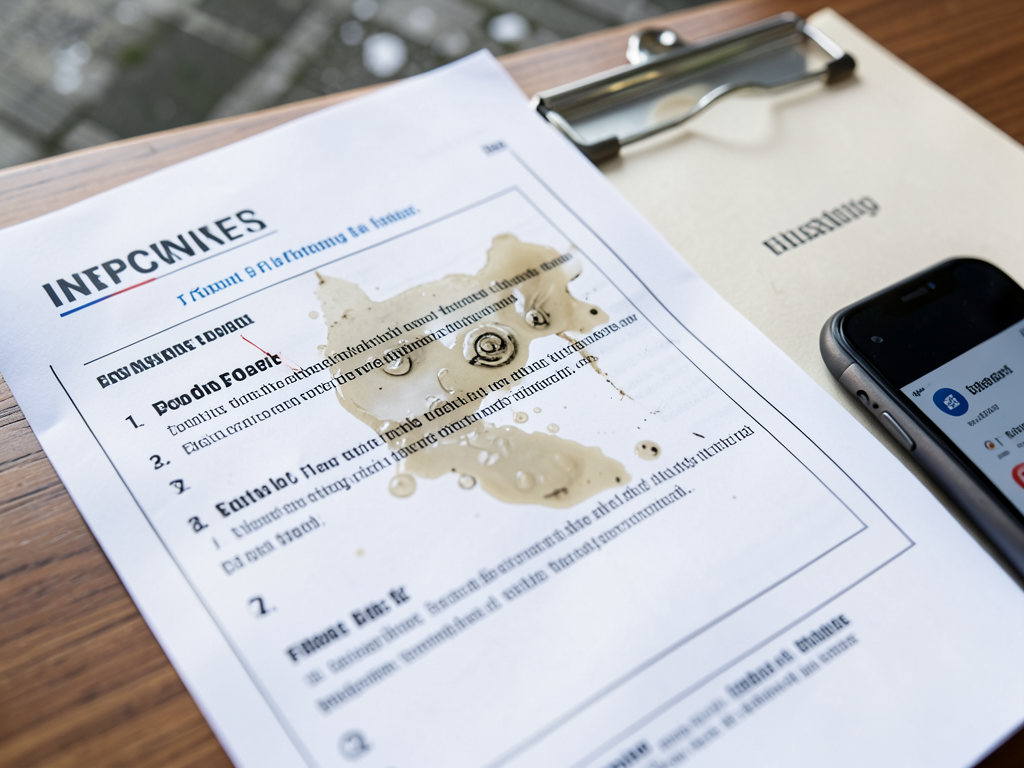
One of the most common questions after a home inspection is whether to repair the roof or obtain a certification. A roof certification is a document from a licensed roofer stating the roof’s condition and expected lifespan. Many lenders, especially for FHA and VA loans, require this certification if the roof is older or shows signs of wear.
In Philadelphia, a typical certification covers two to five years and includes a statement that the roof is free of active leaks and has adequate remaining life. If the roof fails to qualify, the seller may need to make repairs or replace the roof entirely. Certifications are often faster and less expensive than full replacements, making them an attractive option for sellers.
However, certifications are not a substitute for repairs if the roof is actively leaking or structurally compromised. In these cases, a full repair or replacement is necessary to satisfy both the buyer and the lender. The decision often comes down to cost, timeline, and the specific requirements of the buyer’s financing.
In Tacony, where many homes have shared or limited-access roofs, coordinating repairs can be tricky. A local roofer familiar with Philadelphia’s building codes and historic district guidelines can help you choose the best path forward.
Philadelphia Building Codes and Roofing Permits
Any roof repair or replacement in Philadelphia must comply with the city’s building codes and permit requirements. The Department of Licenses and Inspections (L&I) oversees all roofing work, and permits are required for most repairs over a certain size. Failing to pull a permit can result in fines, delays, or even having to tear out and redo the work. Roofing Pittsburgh.
In Tacony, as in other parts of Philadelphia, flat roofs require special attention. The city mandates specific R-value insulation requirements for flat roof replacements to improve energy efficiency and prevent ice damming. Additionally, any work on a roof visible from a public street in a historic district may require approval from the Historical Commission.
Philadelphia’s stormwater management regulations also affect roofing. The Philadelphia Water Department (PWD) requires proper drainage to prevent runoff from overwhelming the city’s combined sewer system. This means that any new roof installation or major repair must include plans for adequate drainage and may require a stormwater plan. Roofing Allentown.
Working with a licensed Philadelphia roofer ensures that all permits are pulled, inspections are scheduled, and the work meets code. This not only protects you legally but also gives buyers and lenders confidence in the quality of the repair.
Steps to Get a Rush Roof Estimate for a Real Estate Deal
When a home inspection reveals roof issues, time is of the essence. Most real estate contracts give buyers 10 to 15 days to complete inspections and request repairs. In a hot market, losing even a few days can mean losing the deal. That’s why having a plan for getting a fast, accurate estimate is critical.
Start by contacting a local roofer who specializes in real estate transactions. Look for companies that advertise “rush estimates” or “24-hour turnaround” for inspection repairs. Provide the roofer with a copy of the inspection report and, if possible, photos of the roof from the ground. This helps them assess the scope of work before visiting the property.
During the site visit, the roofer should inspect the roof in person, take photos, and provide a written estimate. Make sure the estimate includes a description of the work, materials to be used, and a timeline for completion. If the buyer’s lender requires a roof certification, ask if the roofer can provide this as part of the service.
Once you have the estimate, share it with the other party as soon as possible. In Philadelphia’s fast-paced market, being the first to present a clear, professional proposal can give you an edge in negotiations. If repairs are needed, schedule them quickly to avoid delays at closing.
Negotiation Strategies for Roof Repair Credits
Sometimes, the best solution is not to repair the roof at all, but to negotiate a credit at closing. This approach is especially useful when repairs are complex, require permits, or could delay the sale. A credit allows the buyer to handle the work after closing, often at a lower cost or with more control over the contractor.
To determine a fair credit amount, start with the roofer’s estimate and add a buffer for contingencies. In Philadelphia, where labor and material costs can vary, it’s wise to get at least two estimates to ensure you’re not overpaying or underestimating the repair cost. Your real estate agent can help you craft a persuasive argument for the credit based on comparable sales and local market conditions.
Keep in mind that some lenders may have restrictions on repair credits, especially for government-backed loans. FHA and VA loans, for example, may require that repairs be completed before closing rather than providing a credit. Always check with the buyer’s lender before finalizing any agreement.
In Tacony, where many homes are part of tightly packed rowhomes, coordinating access and permits can add time and cost to repairs. A credit may be the most efficient way to resolve issues and keep the deal moving forward.
Final Checklist Before Closing
As you approach closing, make sure all roofing issues are resolved and documented. If repairs were made, obtain copies of the paid invoices, permits, and before-and-after photos. If a certification was provided, keep a copy for your records and share it with the buyer’s lender.
Confirm that any required inspections have been completed and that the roofer has signed off on the work. In Philadelphia, L&I will not issue a final approval until all permits are closed and inspections passed. Delays in this process can push back your closing date, so stay in close contact with your contractor and agent.
If you’re the buyer, verify that the repairs meet your expectations and that any warranties or certifications are transferable. If you’re the seller, keep all documentation in case questions arise after closing. A well-documented repair can prevent disputes and protect both parties.
Finally, if you’re still searching for a reliable roofer, call (267) 344-1222 today to schedule your inspection. With fast estimates and expert knowledge of Philadelphia’s unique roofing challenges, we’ll help you close your deal with confidence.
Frequently Asked Questions
How long does it take to get a roof estimate in Philadelphia?
Most reputable roofers in Philadelphia can provide a rush estimate within 24 to 48 hours, especially for real estate transactions. Be sure to share the inspection report and any photos to speed up the process.
What if the seller refuses to make roof repairs?
If the seller refuses repairs, you can request a credit at closing, renegotiate the price, or, in some cases, walk away from the deal if the inspection contingency allows it. Always consult your agent and lender before making a decision.
Are roof certifications required for all home sales in Philadelphia?
Roof certifications are most often required for FHA and VA loans, or when the roof is older or shows signs of wear. Conventional loans may not require a certification, but many buyers still request one for peace of mind.
Do I need a permit for roof repairs in Tacony?
Yes, most roof repairs in Philadelphia require a permit from the Department of Licenses and Inspections. Your roofer should handle the permitting process as part of the job to ensure compliance with local codes.
Can I negotiate roof repairs after the inspection contingency period?
Once the inspection contingency period ends, you lose the right to request repairs based on the inspection. However, you can still negotiate repairs or credits if both parties agree, though you may have less leverage.
{
“@context”: “https://schema.org”,
“@type”: “BlogPosting”,
“headline”: “How to Negotiate Roof Repairs After a Home Inspection in Tacony”,
“description”: “Learn how to handle roof repair negotiations after a home inspection in Tacony. Get expert tips on inspection reports, repair costs, and closing timelines for Philly rowhomes.”,
“wordCount”: 2128,
“datePublished”: “2026-06-13T07:14:00.000Z”,
“dateModified”: “2026-06-13T07:14:00.000Z”,
“inLanguage”: “en-US”,
“mainEntityOfPage”: {
“@type”: “WebPage”,
“@id”: “https://atlasroofingphiladelphia.com”
},
“publisher”: {
“@type”: “LocalBusiness”,
“name”: “Atlas Roofing Philadelphia”,
“url”: “https://atlasroofingphiladelphia.com”
},
“author”: {
“@type”: “Organization”,
“name”: “Atlas Roofing Philadelphia”,
“url”: “https://atlasroofingphiladelphia.com”
},
“image”: {
“@type”: “ImageObject”,
“url”: “https://atlasroofingphiladelphia.com/wp-content/uploads/2026/03/how-to-negotiate-roof-repairs-after-a-home-inspect-1.png”
}
}
{
“@context”: “https://schema.org”,
“@type”: “RoofingContractor”,
“name”: “Atlas Roofing Philadelphia”,
“url”: “https://atlasroofingphiladelphia.com”,
“address”: {
“@type”: “PostalAddress”,
“addressLocality”: “Philadelphia”
},
“areaServed”: {
“@type”: “City”,
“name”: “Philadelphia”
}
}
{
“@context”: “https://schema.org”,
“@type”: “FAQPage”,
“mainEntity”: [
{
“@type”: “Question”,
“name”: “Seller vs. Buyer: Who Pays for Roof Repairs?”,
“acceptedAnswer”: {
“@type”: “Answer”,
“text”: “In Pennsylvania, the responsibility for roof repairs often depends on the terms negotiated during the inspection contingency period. The Pennsylvania Standard Agreement for the Sale of Real Estate allows buyers to request repairs, credits, or even a price reduction based on inspection findings. Sellers can accept, reject, or counter these requests, but timing is everything.”
}
},
{
“@type”: “Question”,
“name”: “How long does it take to get a roof estimate in Philadelphia?”,
“acceptedAnswer”: {
“@type”: “Answer”,
“text”: “Most reputable roofers in Philadelphia can provide a rush estimate within 24 to 48 hours, especially for real estate transactions. Be sure to share the inspection report and any photos to speed up the process.”
}
},
{
“@type”: “Question”,
“name”: “What if the seller refuses to make roof repairs?”,
“acceptedAnswer”: {
“@type”: “Answer”,
“text”: “If the seller refuses repairs, you can request a credit at closing, renegotiate the price, or, in some cases, walk away from the deal if the inspection contingency allows it. Always consult your agent and lender before making a decision.”
}
},
{
“@type”: “Question”,
“name”: “Are roof certifications required for all home sales in Philadelphia?”,
“acceptedAnswer”: {
“@type”: “Answer”,
“text”: “Roof certifications are most often required for FHA and VA loans, or when the roof is older or shows signs of wear. Conventional loans may not require a certification, but many buyers still request one for peace of mind.”
}
},
{
“@type”: “Question”,
“name”: “Do I need a permit for roof repairs in Tacony?”,
“acceptedAnswer”: {
“@type”: “Answer”,
“text”: “Yes, most roof repairs in Philadelphia require a permit from the Department of Licenses and Inspections. Your roofer should handle the permitting process as part of the job to ensure compliance with local codes.”
}
},
{
“@type”: “Question”,
“name”: “Can I negotiate roof repairs after the inspection contingency period?”,
“acceptedAnswer”: {
“@type”: “Answer”,
“text”: “Once the inspection contingency period ends, you lose the right to request repairs based on the inspection. However, you can still negotiate repairs or credits if both parties agree, though you may have less leverage.”
}
}
]
}
{
“@context”: “https://schema.org”,
“@type”: “BreadcrumbList”,
“itemListElement”: [
{
“@type”: “ListItem”,
“position”: 1,
“name”: “Home”,
“item”: “https://atlasroofingphiladelphia.com”
},
{
“@type”: “ListItem”,
“position”: 2,
“name”: “Blog”,
“item”: “https://atlasroofingphiladelphia.com/blog”
},
{
“@type”: “ListItem”,
“position”: 3,
“name”: “How to Negotiate Roof Repairs After a Home Inspection in Tacony”
}
]
}
{
“@context”: “https://schema.org”,
“@type”: “Service”,
“serviceType”: “Roofing”,
“provider”: {
“@type”: “LocalBusiness”,
“name”: “Atlas Roofing Philadelphia”,
“url”: “https://atlasroofingphiladelphia.com”
},
“areaServed”: {
“@type”: “City”,
“name”: “Philadelphia”
},
“description”: “Learn how to handle roof repair negotiations after a home inspection in Tacony. Get expert tips on inspection reports, repair costs, and closing timelines for Philly rowhomes.”
}