




menu

Industrial Roof Replacement in Philadelphia | Minimize Downtime with Industrial-Grade Solutions

Atlas Roofing Philadelphia delivers factory roof replacement, warehouse roof replacement, and commercial flat roof replacement engineered for business continuity in Philadelphia's demanding industrial corridor.

Slider Image 1
Slider Image 2
Slider Image 3
Slider Image 4
Slider Image 5
Slider Image 7
Slider Image 8
Slider Image 9
Slider Image 10
Slider Image 11

Why Industrial Roofs Fail Faster in Philadelphia's Manufacturing Districts

Philadelphia's industrial facilities face roof degradation at rates 30 to 40 percent faster than similar buildings in drier climates. The city's position between the Delaware and Schuylkill Rivers creates a microclimate of constant humidity exposure. Your warehouse roof absorbs this moisture through membrane seams, leading to concealed rot in the substrate long before surface damage becomes visible.

Freeze-thaw cycling compounds the problem. Philadelphia averages 22 freeze-thaw events per winter. Water trapped in substrate cracks expands when temperatures drop below 32 degrees, then contracts during daytime thaws. This constant movement fractures membrane integrity and destroys insulation R-value.

The city's industrial zones in Holmesburg, Bridesburg, and Port Richmond house facilities built between 1940 and 1980. These structures carry flat or low-slope roofs with original built-up roofing systems that have exceeded service life by two decades. Membrane blistering, ponding water, and compromised flashing around HVAC penetrations create liability risks.

Commercial roof replacement becomes urgent when interior damage starts affecting operations. Water infiltration corrodes electrical systems, destroys inventory, and creates mold liability. Factory roof replacement cannot wait for next quarter when your production line is at risk. Industrial re-roofing protects your capital investment and maintains the operational continuity your business depends on.

Philadelphia's commercial building codes require specific wind uplift ratings and fire classifications for industrial structures. Non-compliant roofing systems create insurance complications and code violations that halt operations during inspections.

Why Industrial Roofs Fail Faster in Philadelphia's Manufacturing Districts
How We Execute Commercial Flat Roof Replacement Without Halting Production

How We Execute Commercial Flat Roof Replacement Without Halting Production

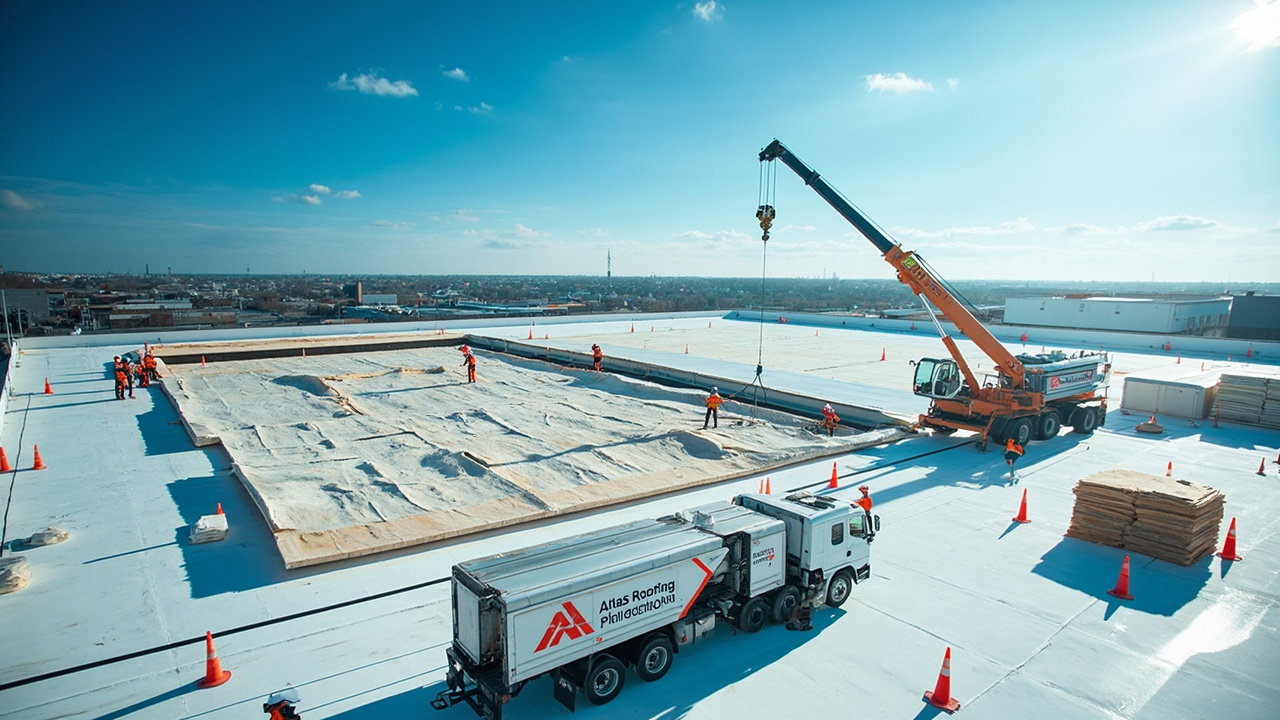
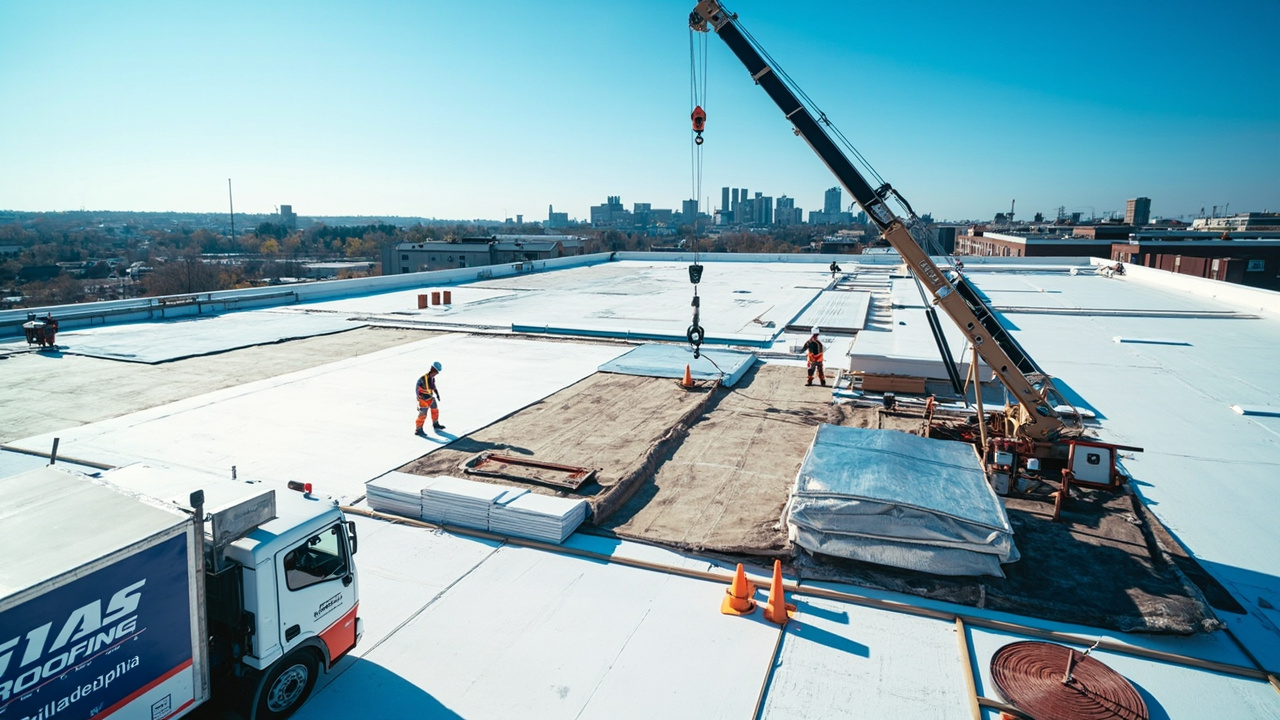
Atlas Roofing Philadelphia approaches warehouse roof replacement as a logistics operation, not a construction project. We phase tear-off and installation to maintain climate control in active production areas. Your facility operates while we work.

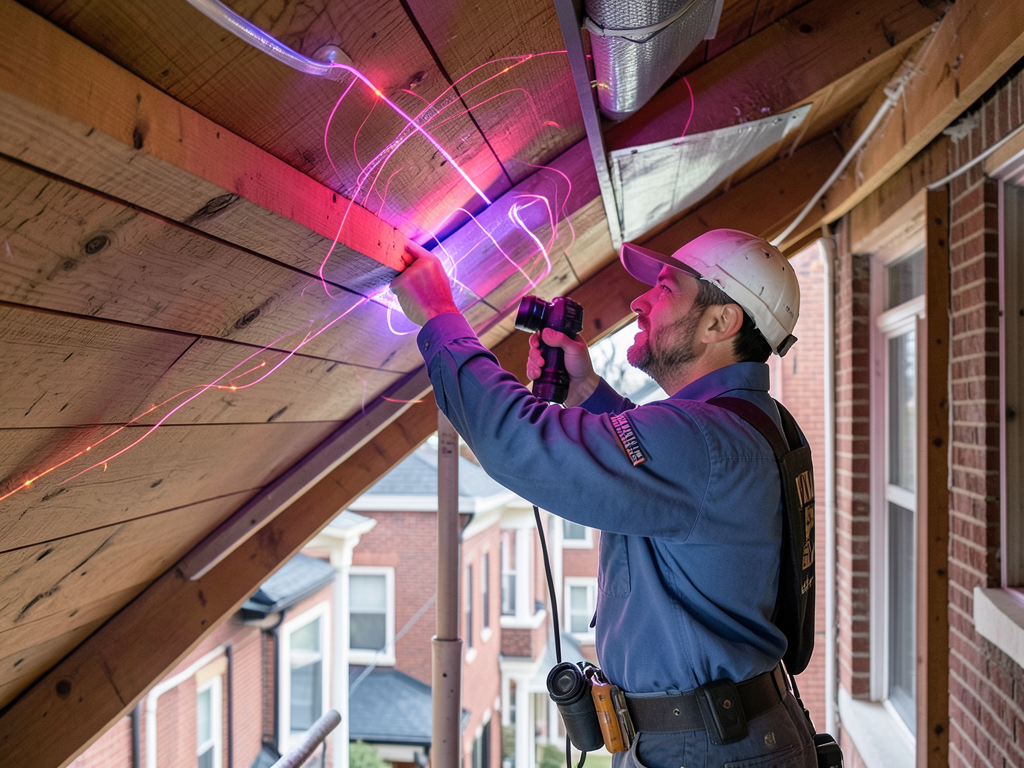
We begin with infrared moisture scanning to map substrate damage invisible to visual inspection. Thermal imaging identifies wet insulation that compromises R-value and adds dead load to your structure. We core sample at identified locations to verify substrate integrity and determine whether a full tear-off or overlay system is appropriate for your building.

Our industrial re-roofing specs account for equipment load paths, crane access points, and chemical exposure specific to your operation. A food processing facility in Northeast Philadelphia requires different membrane chemistry than a metal fabrication plant in Kensington. We match roofing systems to your operational profile.

For multi-building campuses common in Philadelphia's industrial parks, we coordinate phased replacement to protect interconnected facilities. If your warehouse connects to office space or temperature-controlled storage, we maintain envelope integrity across the entire complex during construction.

We work with thermoplastic polyolefin (TPO), polyvinyl chloride (PVC), and modified bitumen systems based on your facility's heat load, chemical exposure, and roof traffic requirements. TPO offers superior reflectivity for reducing cooling loads in warehouses without climate control. PVC resists chemical degradation in facilities handling solvents or petroleum products. Modified bitumen provides puncture resistance for roofs with frequent foot traffic or equipment placement.

Our crews arrive with the equipment necessary to remove and install 5,000 to 15,000 square feet per day, depending on substrate condition and system complexity.

How We Replace Your Industrial Roof

Industrial Roof Replacement in Philadelphia | Minimize Downtime with Industrial-Grade Solutions
01

Facility Assessment and Phasing

We conduct a complete roof inspection using infrared thermography and core sampling to identify substrate damage and insulation saturation. Our team maps your production schedule, utility locations, and access constraints to develop a phased replacement plan that maintains operations. We coordinate with your facility manager to establish work zones that protect active production areas from weather exposure during tear-off.
02

Tear-Off and Substrate Repair

We remove existing membrane and saturated insulation in controlled sections, exposing deck structure for inspection. Damaged metal decking or deteriorated concrete is repaired before we install new insulation layers. We work in weather-dependent sections to minimize exposure time. New polyisocyanurate or expanded polystyrene insulation is mechanically fastened to meet Philadelphia wind uplift requirements for your building height and exposure category.
03

Membrane Installation and QA

We install your new roofing membrane using heat-welded seams or fully adhered methods based on system specification. All penetrations receive custom flashing with termination bars and sealant. We perform pull tests on membrane attachment and use thermal cameras to verify seam integrity. You receive documentation proving your roof meets manufacturer specifications for warranty activation and code compliance for certificate of occupancy renewal.

Why Philadelphia Facilities Choose Atlas Roofing for Commercial Roof Replacement

Atlas Roofing Philadelphia understands the operational reality of industrial facilities in this city. We have replaced roofs on active manufacturing plants in Tacony, distribution centers in Port Richmond, and cold storage facilities in the Navy Yard. We know your building cannot shut down for three weeks while we work.

Our project managers coordinate with Philadelphia L&I to secure permits and schedule inspections that align with your production calendar. We understand the city's commercial building code requirements for fire ratings, wind uplift classifications, and insulation R-values specific to industrial occupancies.

Philadelphia's industrial buildings carry unique structural considerations. Many facilities in the River Wards sit on filled land with settlement issues that create roof slope problems. We design drainage solutions that account for structural movement and prevent ponding water that accelerates membrane failure.

We work directly with your insurance carrier when roof failure causes interior damage. Our documentation includes thermal imaging, moisture meter readings, and core sample analysis that substantiates claims for substrate damage beyond the membrane itself. This evidence prevents claim denials based on deferred maintenance arguments.

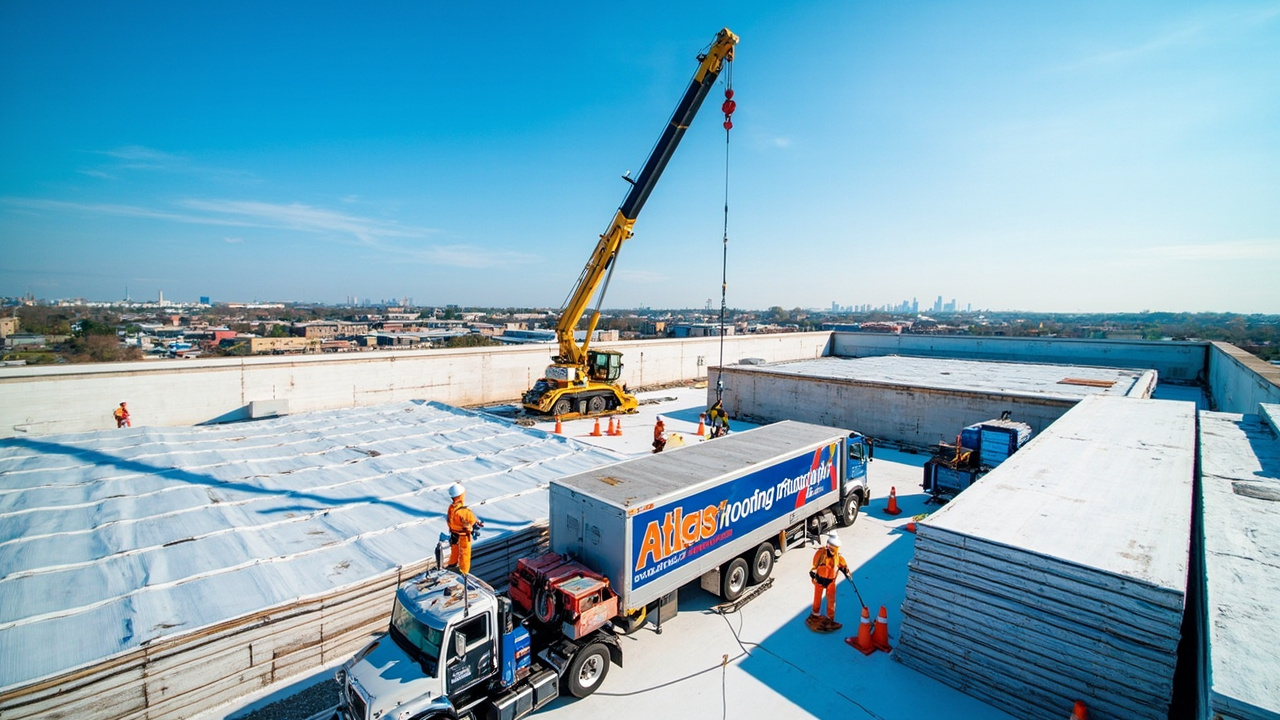
Our crews carry the equipment necessary for industrial-scale projects. We mobilize cranes, material hoists, and debris removal systems that handle 200-ton tear-off volumes without disrupting your loading dock operations or blocking truck access.

Atlas Roofing Philadelphia maintains relationships with membrane manufacturers that allow us to secure material allocations during supply constraints. When a roof failure cannot wait 12 weeks for material delivery, we leverage these relationships to expedite your project. Your business continuity depends on our supply chain management as much as our installation quality.

What Your Industrial Roof Replacement Includes

Project Timeline and Phasing

Industrial roof replacement timelines depend on building size, substrate condition, and weather windows. A 50,000 square foot warehouse typically requires 10 to 15 working days from tear-off to completion. Larger facilities are phased across multiple months to maintain operations. We provide a detailed critical path schedule that identifies weather-dependent activities and coordination points with your facility operations. Our project managers update you daily on progress and any conditions that affect timeline. We work extended hours when necessary to complete weatherproofing before forecast rain events.

Pre-Construction Roof Analysis

We perform infrared moisture scanning across your entire roof to identify substrate saturation invisible to surface inspection. Core samples verify decking condition and insulation type. We map all penetrations, drainage components, and equipment attachments that require custom flashing details. Our structural assessment determines whether your building can support additional insulation layers or requires a complete tear-off to existing deck. You receive a written report documenting all findings with thermal images and core sample photos. This assessment forms the basis for accurate project scope and eliminates change orders caused by concealed conditions.

Roof System Performance

Your new industrial roof delivers measurable performance improvements. Upgraded insulation reduces heating costs by 15 to 25 percent in climate-controlled facilities. Reflective membrane surfaces lower cooling loads in warehouses without climate control. Properly designed drainage eliminates ponding water that reduces membrane service life. All seams are heat-welded or fully adhered to prevent wind uplift and water infiltration. Penetration flashing uses termination bars and sealant that maintain integrity through thermal cycling. Your roof meets Philadelphia wind load requirements and manufacturer specifications for warranty activation.

Post-Installation Documentation and Maintenance

Atlas Roofing Philadelphia provides complete project documentation including thermal scan reports, pull test results, and manufacturer inspection certificates. This documentation is required for warranty activation and proves code compliance for L&I final inspection. We photograph all completed flashing details and provide CAD-marked roof plans showing drainage components and equipment locations. Our maintenance programs include biannual inspections that identify minor issues before they become leak sources. We clear drains, reseal penetrations, and document roof condition to maintain warranty compliance. Regular maintenance extends membrane service life and prevents emergency failures that disrupt operations.

Frequently Asked Questions

You Have Questions,
We Have Answers

How much should a 2000 sq ft roof cost? +

For industrial facilities in Philadelphia, a 2000 sq ft roof replacement ranges widely based on membrane type, substrate condition, and structural requirements. TPO or EPDM single-ply systems cost less than modified bitumen or built-up systems. Add costs for insulation upgrades to meet Pennsylvania energy code, tapered systems for drainage issues common to flat commercial roofs, and equipment penetrations. Philadelphia's freeze-thaw cycles demand robust detailing. Factor in logistics for multi-story buildings in tight urban sites. Request itemized bids from licensed contractors familiar with Philadelphia commercial code. Cost per square foot varies by material and complexity.

Can roofers make 100k a year? +

Commercial roofing professionals in the Philadelphia metro can exceed 100k annually, especially those specializing in industrial or large-scale projects. Experienced foremen, project managers, and certified installers for thermoplastic or modified systems command higher wages. Philadelphia's dense industrial corridor and aging commercial building stock create steady demand. Skilled tradespeople who understand complex waterproofing details, OSHA compliance, and can manage multi-phase projects earn premium rates. Commercial work requires liability insurance knowledge and ability to minimize tenant disruption. Compensation reflects technical skill, risk management, and business continuity responsibilities that industrial clients demand.

Is a commercial roof replacement tax deductible? +

Yes, commercial roof replacements are typically tax deductible for Philadelphia businesses. The IRS allows businesses to deduct repair costs immediately or capitalize and depreciate replacement costs over the roof's useful life, usually 39 years for commercial property. If the replacement qualifies as a repair under IRS guidelines or falls under the de minimis safe harbor, you may expense it in the current year. Energy-efficient systems may qualify for additional Section 179D deductions. Consult your CPA about Philadelphia-specific depreciation strategies and whether your project qualifies as a repair or capital improvement for optimal tax treatment.

How long do industrial roofs last? +

Industrial roofs in Philadelphia last 15 to 40 years depending on membrane type, installation quality, and maintenance. TPO and EPDM single-ply systems typically perform 20 to 30 years. Modified bitumen lasts 15 to 20 years. Built-up roofing can reach 30 years with proper maintenance. Metal roofing systems often exceed 40 years. Philadelphia's temperature swings, UV exposure, and occasional severe weather accelerate wear. Ponding water from inadequate drainage shortens lifespan. Regular inspections, recoating programs, and immediate leak repairs extend service life. Facilities near Philadelphia's industrial zones face additional stress from pollutants. Proper ventilation and insulation reduce thermal cycling damage.

Is $30,000 too much for a roof? +

For residential properties, 30,000 dollars may be appropriate for complex or large roofs. However, this question typically applies to residential work. For industrial facilities in Philadelphia, 30,000 dollars represents a small to mid-sized project. Industrial roof replacement costs scale with square footage, membrane specifications, structural upgrades, and site complexity. A 10,000 sq ft industrial roof with TPO membrane, new insulation, and updated drainage could easily exceed this figure. Philadelphia's union labor rates and urban logistics add costs. Compare multiple bids, verify specifications match, and ensure contractors carry proper commercial liability coverage before evaluating price reasonableness.

What time of year is the cheapest to replace a roof? +

Late fall and winter offer better pricing for industrial roof replacements in Philadelphia, though weather limits installation windows. Commercial projects often run year-round due to business needs. Scheduling during your facility's slow season minimizes operational disruption. Spring and early summer bring peak demand and higher labor costs. Philadelphia contractors balance workload across seasons. For industrial facilities, avoiding extreme cold improves adhesive performance and membrane flexibility. However, business continuity often dictates timing over cost savings. Negotiate rates during slower periods but prioritize minimal downtime. Planning six months ahead allows better contractor availability and competitive bidding regardless of season.

What is the 10/50/50 rule? +

The roofing industry does not have a standardized 10/50/50 rule. You may be referencing warranty structures or financial rules from other industries. In commercial roofing, warranty terms vary by manufacturer and installer. Some programs offer 10-year workmanship coverage with extended material warranties. Others refer to capital planning rules where facilities allocate funds based on remaining useful life percentages. For Philadelphia industrial properties, focus on warranty transferability, maintenance requirements, and exclusions for ponding water or structural movement. Clarify what coverage applies to your specific membrane system and whether the contractor maintains proper licensing to honor long-term commitments.

Why do roofers get paid so much? +

Commercial roofers command high wages because the work demands specialized skills, significant liability, and physical risk. Industrial projects require knowledge of complex waterproofing systems, OSHA safety protocols, and coordination with facility operations. Installers work in extreme temperatures, at height, with hazardous materials. Philadelphia's urban industrial sites add logistical complexity. A single installation error can cause hundreds of thousands in damage or business interruption. Licensed commercial contractors carry expensive insurance. Skilled tradespeople understand substrate preparation, proper membrane adhesion, and code compliance. The compensation reflects technical expertise, safety training, and accountability for protecting valuable assets and business continuity.

What's the easiest job to make 100K a year? +

This question falls outside industrial roofing expertise. However, skilled trades including commercial roofing project management offer clear paths to six-figure income in Philadelphia. Industrial facility managers, construction superintendents, and specialized trades foremen reach this threshold through experience and certifications. Commercial roofing estimators and project managers with technical knowledge and business development skills exceed 100k in the Philadelphia metro. Focus areas include energy audits, building envelope consulting, and warranty administration. Technical expertise combined with business acumen creates opportunities. Certifications from NRCA or manufacturer training programs strengthen earning potential in Philadelphia's commercial construction sector.

Is there a tax credit for a new roof in 2025? +

Federal tax credits for commercial roof replacements in 2025 focus on energy efficiency improvements. The Section 179D deduction allows up to 5 dollars per square foot for energy-efficient commercial building improvements, including roofs meeting specific performance criteria. The Inflation Reduction Act extended and expanded these provisions. Cool roofing systems with high solar reflectance may qualify. Pennsylvania may offer additional state incentives for energy upgrades. Consult your tax advisor about combining 179D deductions with bonus depreciation or standard depreciation schedules. Credits require third-party energy modeling and certification. Not all industrial roof replacements qualify without meeting strict energy performance thresholds.

How Philadelphia's Industrial Corridor Climate Accelerates Roof Deterioration

Philadelphia's location between two major rivers creates persistent humidity exposure that saturates roofing substrates faster than in inland cities. Industrial facilities in Port Richmond, Bridesburg, and the Navy Yard face constant moisture vapor drive through membrane seams. This humidity condenses in insulation layers during winter months when interior heat meets cold roof surfaces. The resulting moisture accumulation destroys insulation R-value and creates concealed rot in wood substrates or corrosion in metal decking. Freeze-thaw cycling then fractures already weakened materials, creating leak points that appear suddenly but result from years of progressive damage.

Atlas Roofing Philadelphia understands the specific performance requirements for industrial roofs in this climate zone. We have worked with facility managers across Philadelphia's manufacturing districts to replace failed roofing systems on active production buildings. Our familiarity with Philadelphia's commercial building codes, L&I permit procedures, and local supply chains allows us to execute projects faster than regional contractors unfamiliar with city requirements. We maintain relationships with local material suppliers that provide fast-track delivery when roof failure cannot wait for standard lead times. Your facility needs a roofing contractor who understands both the technical requirements and the operational reality of industrial roof replacement in Philadelphia.
Roofing Services in The Philadelphia Area

Atlas Roofing proudly serves the entire Philadelphia area, including all surrounding counties. We invite you to view our service area on the map to confirm we cover your neighborhood. As your trusted local roofing contractor, we are always ready to deploy our expert teams promptly to your home or business, ensuring you receive the high-quality, professional service you deserve, exactly when you need it.

Address:
Atlas Roofing Philadelphia, 100 N 18th St, Philadelphia, PA, 19103

Additional Services We Offer

Our news updates

Latest Articles & News from The Blogs

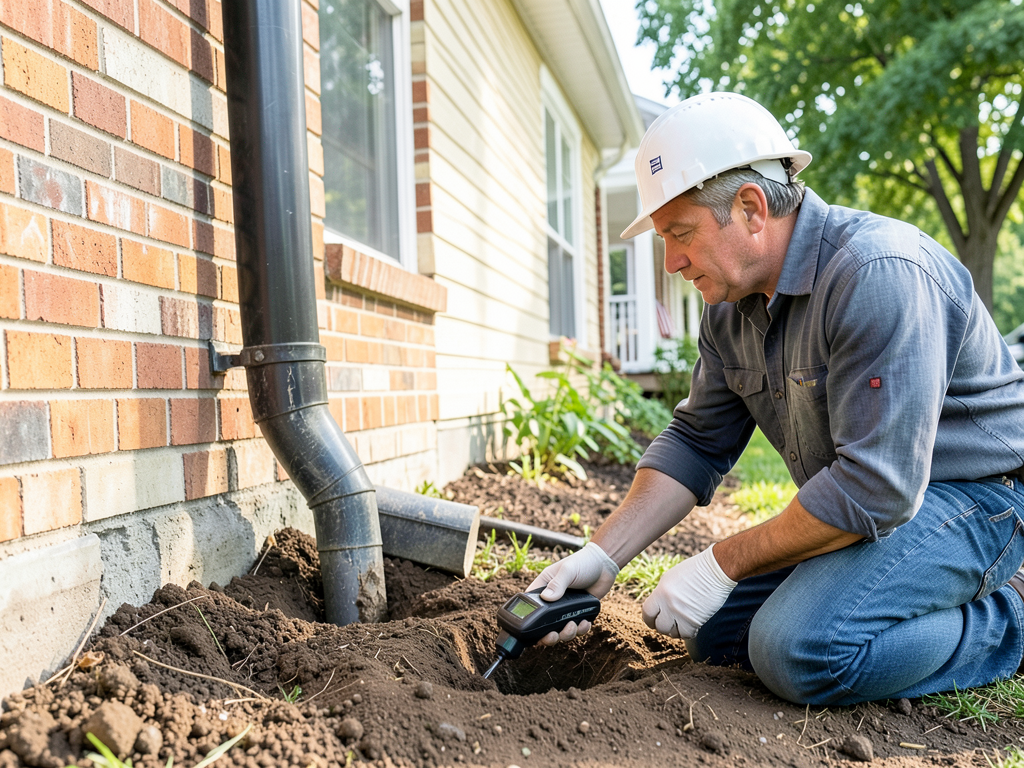
The Best Way to Handle Downspout Runoff in Narrow Manayunk Alleyways Water pouring off your roof into the narrow alleyway…

The Best Way to Handle Downspout Runoff in Narrow Manayunk Alleyways

The Best Way to Handle Downspout Runoff in Narrow Manayunk Alleyways Water pouring off your roof into the narrow alleyway…

Finding the Leak in Your Complicated Tudor Roof in West Mt. Airy

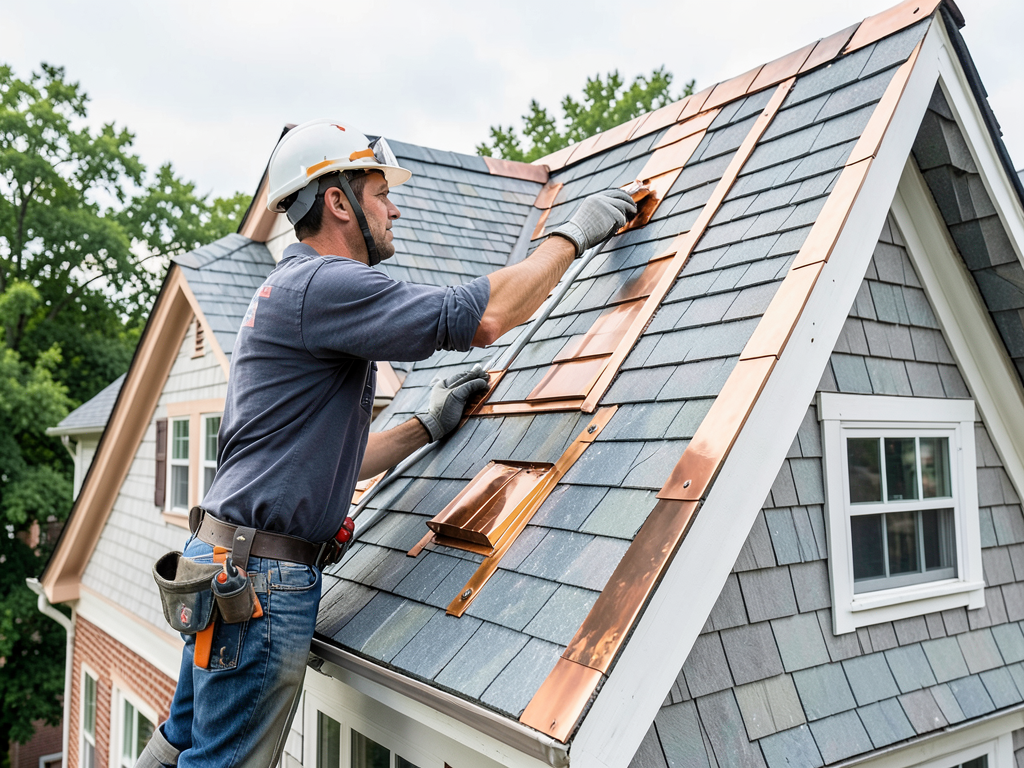
Finding the Leak in Your Complicated Tudor Roof in West Mt. Airy Water dripping from your ceiling during a storm…

Why Ridge Vents Alone Might Not Be Enough for Your Hot Attic in Wynnefield

Why Ridge Vents Alone Might Not Be Enough for Your Hot Attic in Wynnefield Your attic feels like an oven…

Contact Us

Your facility cannot afford unexpected roof failure. Call Atlas Roofing Philadelphia at (267) 344-1222 for a comprehensive roof assessment with infrared scanning and substrate analysis. We provide detailed reports and project proposals that allow you to plan replacement before emergency failure disrupts operations.