






menu

Roof Leaking in Heavy Rain in Philadelphia – Emergency Response Teams Dispatched in Under 60 Minutes

When your roof is leaking during a downpour, you need more than a callback tomorrow. Atlas Roofing Philadelphia deploys licensed crews immediately to stop water intrusion, protect your interior, and prevent structural damage before it spreads.

Slider Image 1
Slider Image 2
Slider Image 3
Slider Image 4
Slider Image 5
Slider Image 7
Slider Image 8
Slider Image 9
Slider Image 10
Slider Image 11

Why Philadelphia Roofs Fail During Heavy Rain

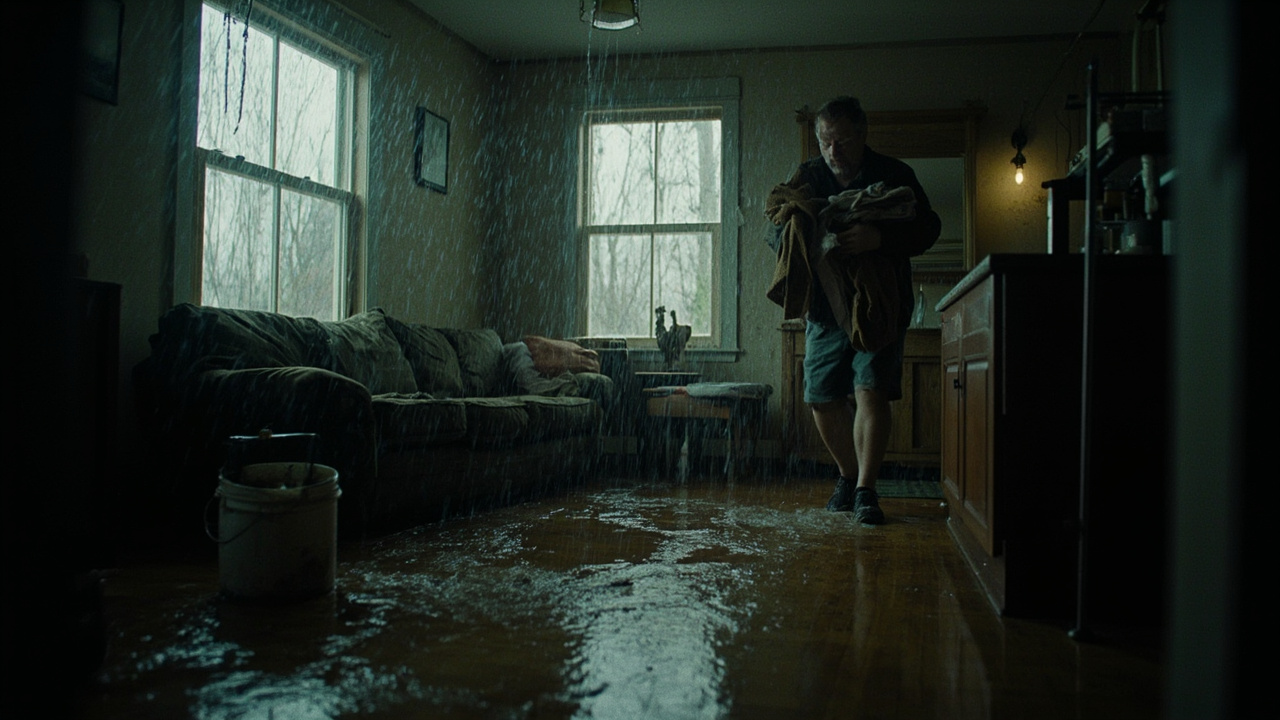
Your ceiling is dripping. Water is pooling on your hardwood floor. You can hear it trickling inside the walls. This is not a drill.

Philadelphia's freeze-thaw cycles crack flashing and compromise roof membranes all winter long. When spring storms roll through with heavy rain, those hidden weak points turn into active leaks. Row homes in neighborhoods like Fishtown and South Philly face compounding risk because shared parapet walls funnel water into compromised joints. If one side fails, both properties flood.

Emergency roof leak repair is not about scheduling convenience. When your roof is leaking in a downpour, every minute counts. Water spreads laterally through insulation and drywall. It saturates ceiling joists. It feeds mold colonies that bloom within 48 hours. The longer you wait, the more expensive the restoration becomes.

A ceiling leaking during heavy rain means the drainage system has already failed. Gutters clogged with Philadelphia's dense tree canopy debris cause water to back up under shingles. Improperly sealed valley flashing allows runoff to seep into attic spaces. On flat roofs common in commercial districts like Old City, ponding water finds every blister and seam separation.

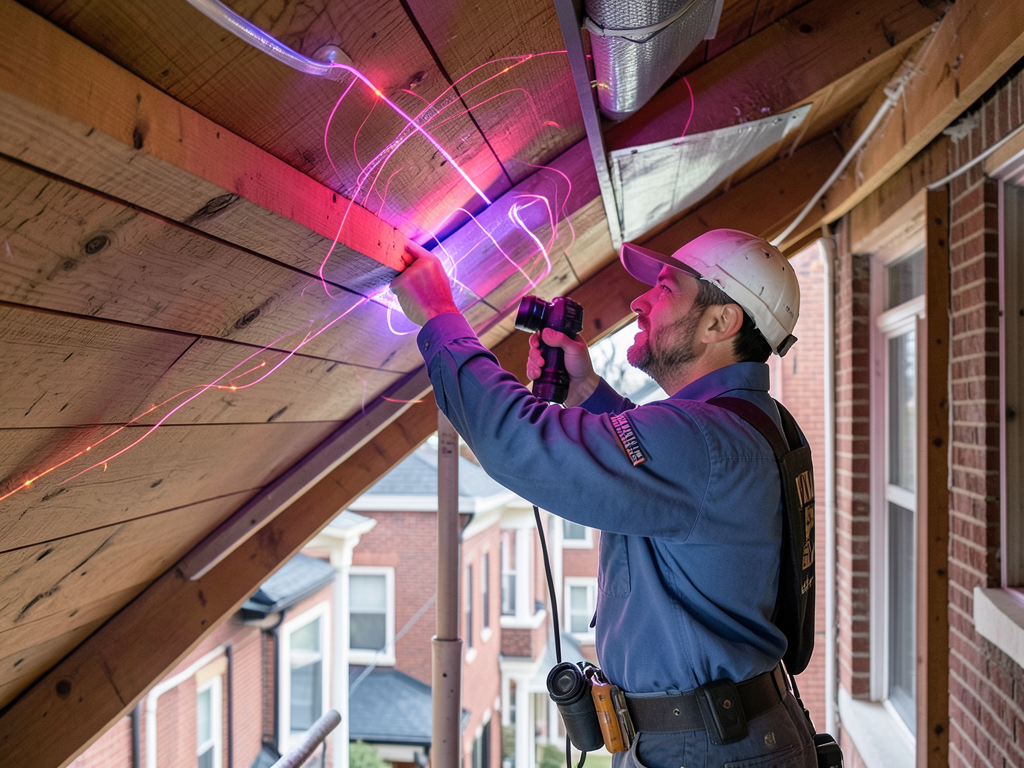
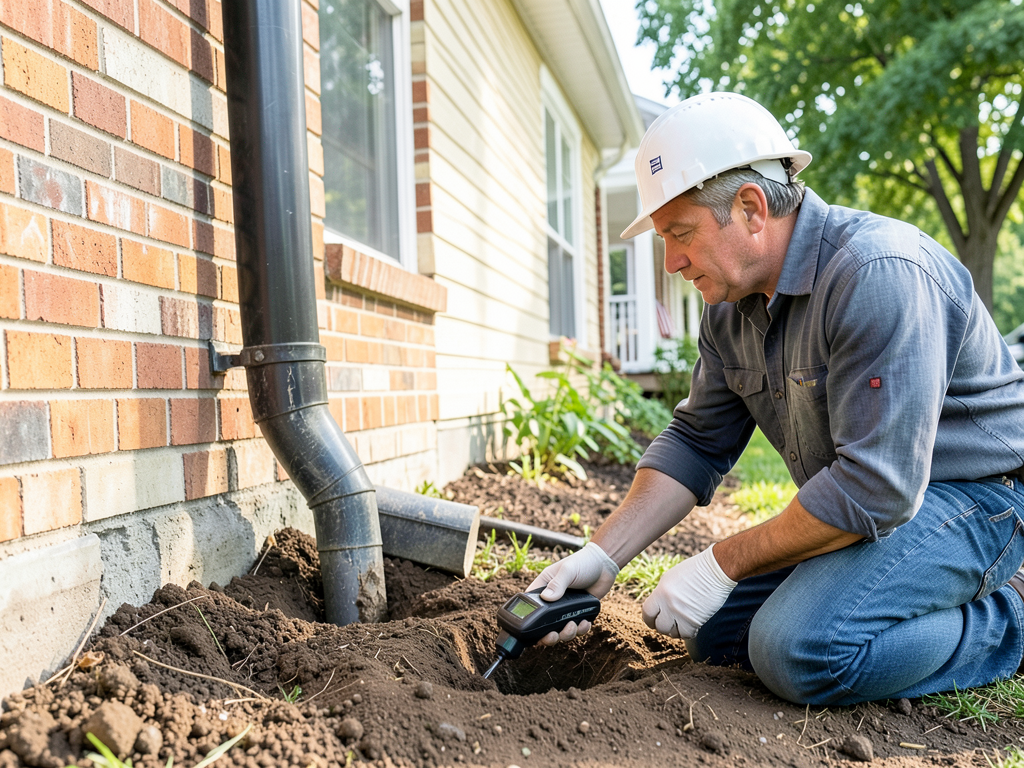
You need a team that understands how to fix a roof leak while raining, not a voicemail promising a callback Monday morning. Atlas Roofing Philadelphia dispatches crews with tarping equipment, moisture meters, and thermal imaging cameras to locate the breach and stop the damage immediately. We serve the greater Philadelphia metro, including Delaware and Montgomery counties, because leaking roofs during storms do not wait for business hours.

Why Philadelphia Roofs Fail During Heavy Rain
How We Stop Active Roof Leaks in Heavy Rain

How We Stop Active Roof Leaks in Heavy Rain

You cannot repair shingles or install permanent flashing during a downpour. What you can do is stop the water intrusion and stabilize the structure until conditions allow for proper repair.

Our emergency roof leak repair protocol starts with source isolation. We use thermal imaging to trace temperature differentials where water is entering the building envelope. This is faster and more accurate than visual inspection alone, especially when the breach is hidden under layers of roofing material or insulation.

Once we locate the entry point, we deploy commercial-grade tarping systems with reinforced grommets and weighted anchors. These are not hardware store tarps that blow off in 20 mph winds. We use heat-welded polyethylene sheeting rated for multi-week exposure, secured with counter-battens and fastened above the leak zone to divert water flow.

Inside, we contain the damage. We move furniture, extract standing water with truck-mounted vacuums, and set up dehumidifiers to pull moisture from drywall and framing before microbial growth starts. If the ceiling is sagging from absorbed water, we punch relief holes to drain trapped moisture and prevent collapse.

For flat roofs leaking during a storm, we apply temporary roof coatings or pressure-sensitive membranes that bond even in wet conditions. These create a waterproof seal over blisters, seam failures, and punctures until we can execute a permanent repair with torch-down modified bitumen or TPO welding.

We document everything with photos and moisture readings. This creates a paper trail for insurance claims and gives you a clear scope of what the permanent fix will require. You get a written assessment before we leave, not a vague estimate three days later.

What Happens When You Call for Emergency Roof Leak Repair

Roof Leaking in Heavy Rain in Philadelphia – Emergency Response Teams Dispatched in Under 60 Minutes
01

Immediate Dispatch and Triage

You call our emergency line at (267) 344-1222. We ask three questions: Is water actively coming in? Where is the leak? Is anyone in danger? Within 15 minutes, you have a dispatch confirmation with an estimated arrival time. Our crews carry tarping kits, moisture meters, and ladders on every truck. We do not need to go back to the shop for equipment.
02

On-Site Water Diversion

The crew arrives and immediately addresses the active leak. We tarp the exterior breach, set up containment barriers inside, and extract standing water from floors and carpets. If the attic is flooded, we ventilate and assess insulation saturation. You get real-time updates as we work. The goal is containment first, diagnosis second. We stop the bleeding before we explain the wound.
03

Damage Assessment and Repair Plan

Once the leak is controlled, we map the extent of water intrusion and identify the root cause. You receive a written report with photos, moisture readings, and a repair scope. We coordinate with your insurance adjuster if needed and schedule permanent repairs. The tarp stays in place until we complete the work. You are not left guessing what happens next.

Why Philadelphia Property Owners Choose Atlas Roofing for Emergency Leaks

When your roof is leaking in a downpour, you need a company that answers the phone and shows up fast. Atlas Roofing Philadelphia runs 24-hour emergency dispatch because roof leaks do not happen during business hours. We have crews on call every night and weekend, ready to deploy with the equipment needed to stop water intrusion immediately.

We know Philadelphia roofing. That means understanding how freeze-thaw cycles damage slate roofs in Chestnut Hill, how row home parapet walls fail in West Philly, and how flat roofs in Port Richmond develop blisters from summer heat. We have repaired leaks in every neighborhood from Manayunk to Pennsport, and we understand the building stock in this city.

Philadelphia enforces strict building codes, and emergency repairs still need to comply. We pull permits when required, even for tarping jobs that involve structural penetration. Our crews carry liability coverage that meets commercial property requirements, which matters if you are a landlord or business owner dealing with tenant displacement or lost revenue.

We also understand the insurance process. We document everything with timestamped photos and moisture maps that adjusters expect. You get a detailed loss report that supports your claim, not a handwritten invoice with vague line items. We work directly with carriers like State Farm, Allstate, and USAA to streamline approvals and get you back to normal faster.

Choosing a local company means accountability. We are not a national franchise that subcontracts to the lowest bidder. Every technician on your property is a direct employee, background-checked and trained in emergency water mitigation. You get the same team for the temporary fix and the permanent repair, so nothing gets lost in translation.

What You Can Expect From Our Emergency Roof Leak Service

Response Time and Availability

We dispatch crews within 60 minutes of your call, including nights, weekends, and holidays. Philadelphia storms do not wait for Monday morning, and neither do we. Our trucks are staged across the metro area to minimize travel time. You get an ETA when you call, and we text you when the crew is 10 minutes out. If weather conditions make it unsafe to work on the roof, we focus on interior containment first and return as soon as conditions improve.

Initial Assessment and Triage

The first priority is stopping active water intrusion. We locate the breach using thermal imaging and visual inspection, then deploy tarping or temporary sealants to divert water away from the compromised area. Inside, we assess saturation levels in ceilings, walls, and insulation. You receive a verbal briefing on-site explaining what failed, why it failed, and what the next steps are. We take photos and moisture readings to document the damage for your records and insurance claim.

Quality of Temporary and Permanent Repairs

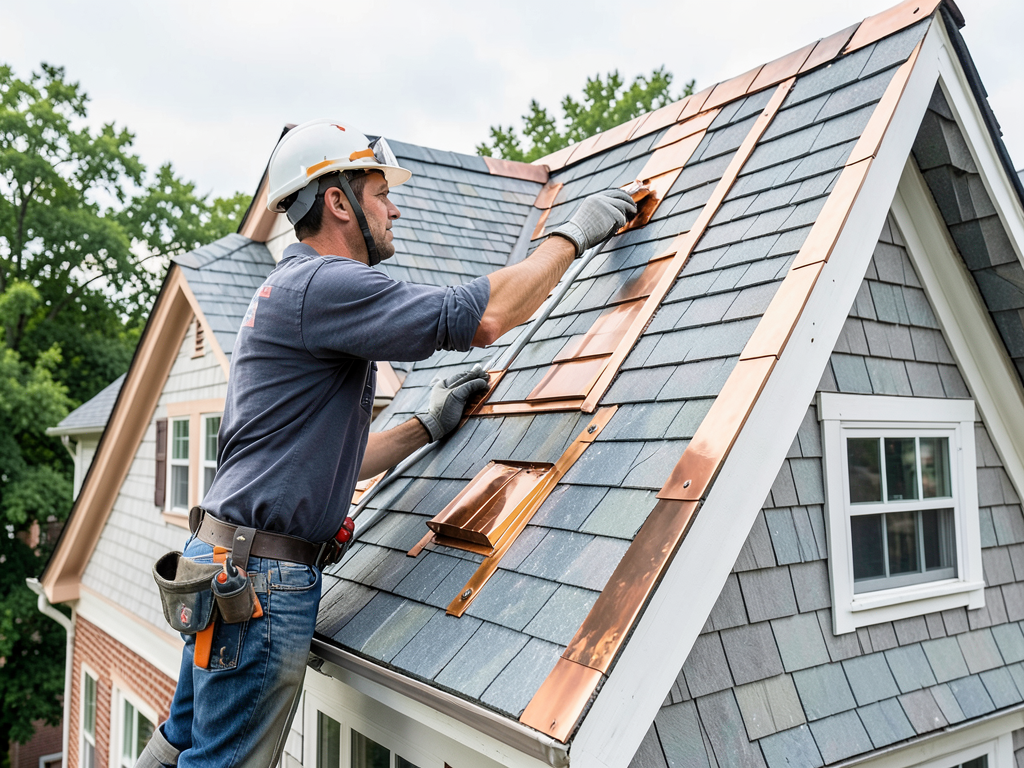
Emergency tarps are rated for weeks of exposure, not days. We use reinforced polyethylene with counter-battens and mechanical fasteners that withstand high winds. Temporary sealants bond in wet conditions and provide waterproof protection until permanent repairs can be executed. When we return for the permanent fix, we replace damaged shingles, re-flash valleys and penetrations, and address underlying deck damage. You get the same level of craftsmanship whether it is a tarp or a full roof replacement.

Follow-Up and Moisture Monitoring

Water damage does not end when the leak stops. We schedule follow-up moisture readings 48 to 72 hours after the initial response to confirm that affected materials are drying properly. If readings remain elevated, we bring in additional dehumidification equipment or recommend drywall removal to prevent mold growth. You receive a written summary of all findings and recommendations. Once permanent repairs are complete, we walk you through maintenance steps to reduce the risk of future leaks.

Frequently Asked Questions

You Have Questions,
We Have Answers

How do I stop my roof leaking in heavy rain? +

Stop the water at the source if you can access it safely. Place a bucket under the drip inside to contain water. Use a tarp weighted down over the roof area if weather allows. Move furniture and valuables away from the leak. Call a roofing contractor immediately. Philadelphia's freeze-thaw cycles and heavy summer storms make temporary patches risky. A professional can assess if water penetrated through damaged flashing, missing shingles, or compromised underlayment. Do not climb on a wet roof. Document everything with photos for your insurance claim. Speed matters. Water spreads fast through attic insulation and drywall.

How long can a roof leak before damage? +

Damage starts within hours. Water soaks insulation, drywall, and wood framing quickly. In Philadelphia's humid climate, you have 24 to 48 hours before mold spores begin colonizing wet materials. Structural timber can start rotting within days if saturation continues. Attic joists and roof decking are especially vulnerable. Ceiling stains appear fast, but hidden damage inside walls progresses faster. Electrical wiring exposed to moisture creates fire hazards. The longer you wait, the more expensive repairs become. A small leak left unaddressed can compromise roof decking, requiring full section replacement instead of a simple shingle patch.

Does homeowners insurance cover roof leaks from storms? +

Most policies cover sudden storm damage like wind-driven rain through missing shingles or hail impact. Philadelphia's nor'easters and summer thunderstorms often qualify. However, insurers deny claims for neglect or wear-and-tear leaks. If your roof was already aging or you skipped maintenance, expect denial. Wind damage requires proof the storm caused the breach. Insurers send adjusters to inspect. Document everything immediately with photos and timestamps. File claims fast. Some policies have strict reporting windows. Review your policy's wind and hail deductibles. Damage from ice dams may have separate coverage limits in Pennsylvania.

What is the average cost to repair a roof leak? +

Repair costs vary widely based on damage extent and access difficulty. Minor fixes like replacing a few shingles or resealing flashing run lower. Extensive water damage requiring deck replacement, rafter repairs, or multiple penetration points costs significantly more. Philadelphia rowhomes and older properties often have hidden complications like multiple roof layers or deteriorated wood. Steep pitches and three-story homes increase labor costs. Emergency tarping and interior water damage restoration add expenses. Never pay for repairs before getting a detailed written estimate. Beware of storm chasers who canvass neighborhoods after heavy rain. Get multiple quotes from local contractors.

How urgent is a leaking roof? +

Extremely urgent. Every minute water enters, damage multiplies. Leaks compromise structural integrity, spawn mold, ruin insulation, and destroy belongings. In Philadelphia's older housing stock, water can travel along joists and studs, damaging areas far from the visible drip. Electrical systems exposed to moisture risk shorts and fires. Winter leaks freeze inside walls, expanding cracks. Summer humidity accelerates mold growth in 24 hours. Call a roofer immediately, even at night. Reputable contractors offer emergency response for active leaks. Do not wait until morning. Contain water with buckets, move valuables, and document everything for insurance.

How to fix a leak while it's raining? +

From inside, place buckets under drips and punch a small hole in bulging ceiling drywall to drain pooled water. Do not go on the roof during active rain. It is dangerous and ineffective. If you must act, apply roofing cement to visible cracks from inside the attic if accessible. Use a tarp from the ground side if you can throw it over the ridge without climbing. Wait for the rain to stop, then call a professional. Philadelphia storms often include lightning and high winds. Temporary fixes made during rain rarely hold. Focus on damage control inside until a contractor can safely assess the roof.

Does insurance cover damage from a leaky roof? +

Coverage depends on the cause. Sudden storm damage, fallen tree limbs, or wind-driven rain through new breaches typically qualify. Gradual leaks from deferred maintenance do not. Insurers investigate timelines closely. If adjusters find pre-existing wear, they deny claims. In Philadelphia, insurers examine roof age and maintenance records. Damage to belongings, drywall, and flooring may be covered under dwelling or contents policies, but check your specific limits. Water damage restoration, mold remediation, and temporary housing sometimes qualify. File quickly and document everything. Delays raise red flags. Work with your contractor to provide detailed damage assessments for the adjuster.

How much will it cost to fix a roof leak? +

Costs depend on leak source and extent. Simple flashing repairs or shingle replacement cost less. Major leaks requiring decking replacement, multiple penetration repairs, or structural work cost significantly more. Philadelphia's historic rowhomes and steep-pitched roofs add labor complexity. Three-story properties or limited roof access increase pricing. Emergency repairs and after-hours service carry premiums. Interior damage like drywall, insulation, and mold remediation add separate expenses. Always get written estimates from multiple licensed contractors. Avoid paying upfront. Reputable roofers work with insurance adjusters to document claims. Never trust door-to-door contractors offering suspiciously low bids after storms.

How long does it take for mold to grow after a roof leak? +

Mold spores germinate within 24 to 48 hours in Philadelphia's humidity. Visible colonies appear within 72 hours on wet drywall, insulation, and wood. Attics and wall cavities stay damp longer, accelerating growth. Black mold and other toxic varieties thrive in dark, moist environments. Once established, mold spreads quickly through HVAC systems and porous materials. Health risks include respiratory problems and allergic reactions. Fast water extraction and drying prevent colonization. Professionals use moisture meters and dehumidifiers to ensure complete drying. Do not ignore musty odors. Hidden mold inside walls requires invasive remediation, dramatically increasing costs.

Is it worth claiming roof damage on insurance? +

Yes, if damage is significant and storm-related. Philadelphia's severe weather often justifies claims. Calculate your deductible versus repair costs first. Small repairs below your deductible are not worth filing. Large claims involving structural damage, interior destruction, or full roof replacement justify the process. Filing does not automatically raise premiums if storm damage is documented. However, multiple claims within short periods can affect renewability. Document everything with photos, timestamps, and contractor estimates. Work with your roofer to provide detailed assessments for adjusters. Denied claims can be appealed with additional evidence. Do not delay repairs waiting for approval.

How Philadelphia's Rainfall Patterns and Aging Housing Stock Create Roof Leak Emergencies

Philadelphia averages 47 inches of rain per year, with intense spring storms that dump two to three inches in a single event. The city's housing stock skews old. Thousands of row homes and brownstones were built before 1950, many with original slate roofs, clay tile, or built-up tar systems that are decades past their design life. When a downpour hits, compromised flashing and deteriorated underlayment allow water to penetrate quickly. Flat roofs on commercial buildings in Center City and University City are especially vulnerable to ponding water that finds every blister and seam separation. Emergency roof leak repair in Philadelphia is not about preventing leaks. It is about responding fast when aging infrastructure fails during heavy rain.

Philadelphia enforces the 2018 International Building Code with local amendments that govern emergency roof repairs, including permitting requirements for structural tarping and temporary weather protection. Choosing a local roofing contractor who understands these regulations ensures compliance and protects you from liability. Atlas Roofing Philadelphia works directly with the Department of Licenses and Inspections when emergency repairs require permits, and we coordinate with insurance adjusters familiar with Philadelphia's unique housing challenges. Local expertise means faster approvals, accurate damage assessments, and repairs that meet city code without delays or callbacks.
Roofing Services in The Philadelphia Area

Atlas Roofing proudly serves the entire Philadelphia area, including all surrounding counties. We invite you to view our service area on the map to confirm we cover your neighborhood. As your trusted local roofing contractor, we are always ready to deploy our expert teams promptly to your home or business, ensuring you receive the high-quality, professional service you deserve, exactly when you need it.

Address:
Atlas Roofing Philadelphia, 100 N 18th St, Philadelphia, PA, 19103

Additional Services We Offer

Our news updates

Latest Articles & News from The Blogs

The Best Way to Handle Downspout Runoff in Narrow Manayunk Alleyways Water pouring off your roof into the narrow alleyway…

The Best Way to Handle Downspout Runoff in Narrow Manayunk Alleyways

The Best Way to Handle Downspout Runoff in Narrow Manayunk Alleyways Water pouring off your roof into the narrow alleyway…

Finding the Leak in Your Complicated Tudor Roof in West Mt. Airy

Finding the Leak in Your Complicated Tudor Roof in West Mt. Airy Water dripping from your ceiling during a storm…

Why Ridge Vents Alone Might Not Be Enough for Your Hot Attic in Wynnefield

Why Ridge Vents Alone Might Not Be Enough for Your Hot Attic in Wynnefield Your attic feels like an oven…

Contact Us

Do not wait for the damage to spread. Call Atlas Roofing Philadelphia at (267) 344-1222 right now. Our emergency dispatch line is staffed around the clock, and we deploy crews immediately to stop water intrusion and protect your property.