




menu

Commercial Roof Replacement in Philadelphia | Minimize Downtime and Protect Your Business Assets

Atlas Roofing Philadelphia delivers industrial-grade commercial roof replacement engineered for the Mid-Atlantic climate, with project schedules designed to keep your operations running while we rebuild the critical barrier protecting your inventory, equipment, and workforce.

Slider Image 1
Slider Image 2
Slider Image 3
Slider Image 4
Slider Image 5
Slider Image 7
Slider Image 8
Slider Image 9
Slider Image 10
Slider Image 11

Why Philadelphia's Climate Demands Strategic Commercial Roof Replacement

Philadelphia's freeze-thaw cycles destroy commercial roofing systems faster than most building owners anticipate. Water infiltrates membrane seams during fall rains, freezes in January cold snaps, expands, and fractures the substrate. By March, what started as minor ponding becomes structural compromise.

Your flat or low-slope commercial roof faces constant assault from temperature swings that can exceed 80 degrees between winter lows and summer highs. The expansion and contraction cracks EPDM, TPO, and modified bitumen membranes at penetration points and parapet walls. Add Philadelphia's urban heat island effect in neighborhoods like Center City and University City, and you accelerate UV degradation of protective coatings by 30 to 40 percent compared to suburban installations.

Commercial building roof replacement is not discretionary when leaks threaten your operations. A compromised roof membrane allows moisture into insulation layers, reducing R-value and spiking HVAC costs. Worse, water infiltration leads to mold growth that triggers health complaints and potential liability.

Industrial roof replacement requires coordination with your business cycle. Atlas Roofing Philadelphia phases commercial reroofing projects to protect occupied zones while we work. We understand you cannot shut down for three weeks. Our project managers sequence tear-off and installation to maintain weathertight protection over active warehouse space, manufacturing floors, and retail areas.

Commercial roof installation in Philadelphia requires knowledge of local code requirements for wind uplift ratings and drainage specifications. The Philadelphia Department of Licenses and Inspections mandates specific standards for commercial structures, and non-compliant work creates legal exposure during property transfers or insurance claims.

Why Philadelphia's Climate Demands Strategic Commercial Roof Replacement
How Atlas Roofing Philadelphia Executes Commercial Roof Replacement Without Business Interruption

How Atlas Roofing Philadelphia Executes Commercial Roof Replacement Without Business Interruption

Our commercial flat roof replacement methodology starts with structural load analysis. Before we specify materials, we verify your existing deck can support the new system. Many Philadelphia commercial buildings constructed between 1960 and 1990 have corrugated steel decks that require reinforcement before we install modern multi-ply systems.

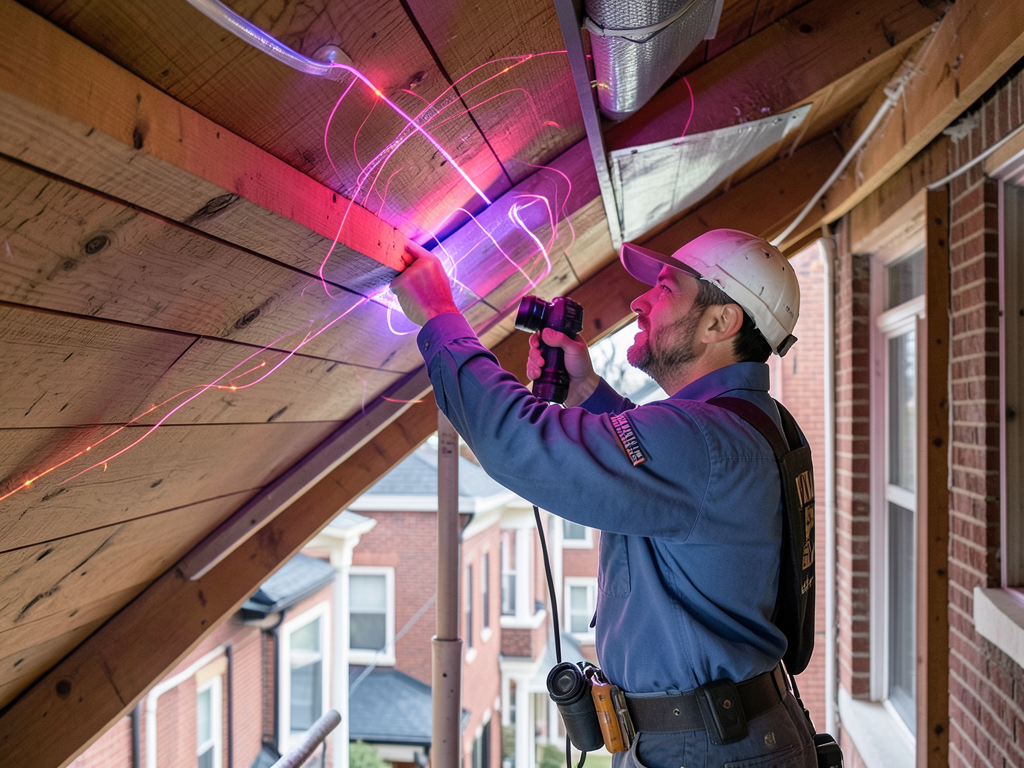
We conduct infrared thermography to map trapped moisture in existing insulation. This prevents the expensive mistake of installing a new membrane over saturated substrate. Wet insulation must be removed and replaced, or you will experience premature system failure regardless of membrane quality.

Atlas Roofing Philadelphia does not use generic specifications. We engineer each commercial reroofing project for your specific exposure. A three-story office building in Manayunk faces different wind loads than a single-story distribution center in Northeast Philadelphia near the Delaware River. We calculate uplift forces and specify attachment density accordingly.

Our installation crews section the roof into zones. We maintain temporary weather protection over areas not actively under construction. This approach prevents weather delays from exposing your interior spaces. When we commit to a completion date, we build in contingency for Philadelphia's unpredictable spring and fall weather patterns.

We install tapered insulation systems to eliminate ponding water, which is the leading cause of premature commercial roof failure. Flat is a myth in roofing. Every surface needs positive drainage to edge scuppers or internal drains. We create 1/4 inch per foot slopes using polyisocyanurate insulation boards, then install your membrane system over a properly pitched substrate.

For industrial roof replacement, we coordinate with your facility managers to schedule noisy work during off-shifts and protect HVAC equipment, skylights, and rooftop utilities throughout the project. Our job is to solve your roofing problem without creating operational problems.

What Happens During Your Commercial Roof Replacement Project

Commercial Roof Replacement in Philadelphia | Minimize Downtime and Protect Your Business Assets
01

Structural Assessment and Engineering

Our team conducts a comprehensive roof inspection including core samples to evaluate deck integrity, insulation condition, and existing membrane attachment. We map all penetrations, measure drainage slopes, and photograph existing conditions. You receive a detailed report with thermal imaging data showing moisture intrusion zones. This assessment determines whether you need a full tear-off or can utilize a recover system, which affects project cost and duration substantially.
02

Phased Installation and Protection

We divide your roof into workable sections and establish a sequence that maintains weather protection throughout construction. Tear-off occurs in controlled areas, immediately followed by deck repair, insulation installation, and membrane application. We do not leave large sections exposed overnight. Our crews install temporary roof protection if weather threatens, and we coordinate material deliveries to avoid disrupting your parking areas or loading docks. You maintain full building access during construction.
03

Final Inspection and Documentation

After membrane installation, we conduct flood testing on all drains and complete a punch list inspection of every penetration, termination, and seam. You receive as-built drawings showing insulation R-values, membrane thickness, and attachment specifications required for insurance and building sale documentation. We walk the roof with your maintenance team and explain inspection protocols to maximize system lifespan. Your project file includes manufacturer certifications and city inspection approvals necessary for occupancy permits.

Why Atlas Roofing Philadelphia Is the Strategic Choice for Commercial Roof Replacement

Commercial building roof replacement requires a contractor who understands building codes, liability implications, and project management. Atlas Roofing Philadelphia works within the regulatory framework established by the Philadelphia Department of Licenses and Inspections. We pull permits, coordinate inspections, and ensure your roof system meets wind uplift requirements for your building height and exposure category.

Philadelphia's commercial districts contain diverse building types, from converted industrial lofts in Fishtown to modern office towers in University City. Each structure requires different roofing approaches. We have installed TPO membranes on big-box retail in Northeast Philadelphia, modified bitumen systems on row commercial buildings in South Philadelphia, and standing seam metal roofs on institutional buildings throughout the city.

Our estimators provide line-item pricing that separates tear-off costs, disposal fees, deck repairs, insulation upgrades, and membrane installation. You receive transparent cost breakdowns that allow you to make informed decisions about system specifications. We do not bundle pricing in ways that hide potential change orders.

We maintain relationships with commercial insurance adjusters throughout the Delaware Valley. When storm damage affects your roof, we document losses using industry-standard Xactimate software and provide the technical support you need to file accurate claims. Many commercial property owners discover their roof damage only after interior leaks appear. We help you determine whether damage qualifies for insurance coverage or represents deferred maintenance.

Atlas Roofing Philadelphia schedules projects to minimize tenant disruption. If you manage a multi-tenant commercial property, we coordinate access with occupants and schedule noisy work during hours that protect their operations. We understand that your reputation depends on minimizing complaints, and our project managers communicate proactively with all stakeholders throughout the installation process.

What to Expect From Your Commercial Roof Replacement Project

Project Timeline and Scheduling

Commercial roof replacement timelines depend on building size, system complexity, and weather windows. A 20,000 square foot single-story warehouse typically requires two to three weeks from mobilization to final inspection. Larger facilities or complex projects with multiple roof levels extend to four to six weeks. We provide a detailed schedule during the proposal phase and update you weekly as work progresses. Philadelphia weather patterns make spring and fall ideal for commercial reroofing, though we work year-round using cold-weather installation protocols when necessary. We coordinate deliveries and equipment staging to avoid disrupting your operations.

Pre-Construction Assessment Process

Your project begins with a comprehensive roof evaluation conducted by our estimating team. We access all roof areas, document existing conditions with photographs, and take core samples to evaluate substrate and insulation. Infrared scanning identifies moisture trapped in insulation layers that compromise new system performance. We measure roof slopes, evaluate drainage adequacy, and inspect all penetrations including HVAC curbs, plumbing vents, and electrical conduits. You receive a written assessment identifying necessary repairs before membrane installation. This diagnostic phase prevents change orders caused by hidden conditions discovered during tear-off.

Quality Standards and System Performance

Atlas Roofing Philadelphia installs commercial roofing systems that meet or exceed manufacturer specifications required for warranty coverage. Our crews follow NRCA installation guidelines for membrane attachment, seam overlap, and termination details. We use factory-trained technicians for heat-welded TPO and PVC seams, ensuring watertight bonds at all connections. Your new roof system includes properly installed base flashing, counterflashing at parapets, and sealed penetrations at all roof-mounted equipment. We conduct quality control inspections at each phase, and you receive documentation proving code compliance. The result is a roof system engineered for 20-plus years of performance in Philadelphia's climate.

Maintenance and Long-Term Protection

Your commercial roof investment requires ongoing maintenance to achieve full service life. We provide maintenance plans that include twice-yearly inspections, drain cleaning, and minor repairs before small issues become major problems. Our maintenance program identifies developing problems like loose membrane seams, damaged flashing, or clogged drains that cause ponding water. We maintain detailed service records documenting all inspections and repairs, which protect warranty coverage and provide documentation for property transactions. Many commercial property owners overlook roof maintenance until leaks appear. Our proactive approach prevents emergency repairs and extends system lifespan substantially compared to neglected roofs.

Frequently Asked Questions

You Have Questions,
We Have Answers

How much should a 2000 sq ft roof cost? +

A 2000 sq ft commercial roof in Philadelphia typically ranges from $8,000 to $30,000, depending on the membrane type, substrate condition, and drainage requirements. TPO and EPDM systems run lower per square foot, while modified bitumen or built-up roofing costs more due to labor intensity. Expect higher costs if your building requires tear-off, insulation upgrades to meet Pennsylvania energy codes, or structural repairs. Flat roofs common in Philadelphia's commercial districts often need enhanced drainage solutions due to freeze-thaw cycles. Request itemized bids that separate materials, labor, and disposal to compare accurately.

What is the 25% rule in roofing? +

The 25% rule states that if more than 25% of your commercial roof needs repair within a 12-month period, Philadelphia building codes may require full replacement instead of patchwork. This regulation prevents property owners from deferring major capital expenditures while structural integrity declines. The city enforces this during permit reviews to ensure commercial buildings meet minimum safety standards. For older flat roofs in Philadelphia's industrial zones, recurring leak repairs often trigger this threshold. Plan capital reserves accordingly. The rule protects your business from escalating water damage and liability exposure when a roof system reaches end of life.

Does commercial insurance cover roof replacement? +

Commercial property insurance typically covers roof replacement only when damage results from covered perils like wind, hail, fire, or vandalism. Normal wear, poor maintenance, and gradual deterioration are excluded. In Philadelphia, policies often require documentation of regular inspections and preventive maintenance to honor claims. Insurers scrutinize flat roof systems common here for ponding water or deferred upkeep before approving payouts. Review your policy's actual cash value versus replacement cost provisions. If your roof exceeds 15 years, expect depreciation deductions. Keep detailed maintenance records and photos to strengthen claims after storm events.

Can roofers make 100k a year? +

This question targets residential roofers, not commercial roof replacement decision-makers. For commercial properties in Philadelphia, focus on contractor qualifications that impact your project outcome. Verify the roofing company holds valid Pennsylvania commercial contractor licenses, carries adequate general liability and workers compensation coverage, and maintains manufacturer certifications for specified membrane systems. Request references from similar commercial projects in the Philadelphia metro. Experienced crews minimize business disruption and complete work within tight timelines. Compensation structures for individual roofers do not affect your project quality or cost.

Is $30,000 too much for a roof? +

For a commercial property in Philadelphia, $30,000 represents a mid-range investment for roof replacement, depending on square footage and system complexity. This budget suits smaller commercial buildings (3,000 to 5,000 sq ft) with single-ply membranes or larger structures requiring basic tear-off and re-roof. Costs escalate with substrate repairs, multiple penetrations, or compliance upgrades mandated by Philadelphia's commercial building codes. Evaluate bids against scope, not just price. Cheap installations fail prematurely in Philadelphia's humid summers and harsh winters. Balance upfront cost against lifecycle value, energy savings, and reduced maintenance expenses over 20-plus years.

What is the most expensive part of replacing a roof? +

For commercial properties in Philadelphia, tear-off and disposal account for 30% to 40% of replacement costs. Labor dominates expenses due to the difficulty of removing multiple roof layers, especially on older buildings in historic districts where regulations require careful material handling. Substrate repairs follow as the second cost driver when decking shows rot or structural damage from chronic leaks. Insulation upgrades to meet current energy codes add expense but deliver ROI through reduced HVAC costs. Material costs for membranes remain relatively stable. Control expenses by addressing small issues before they require expensive substrate reconstruction.

How to tell if a roofer is lying? +

Verify claims with documentation. A dishonest contractor avoids written proposals, pressures immediate decisions, or quotes far below competitors without explanation. In Philadelphia, confirm the roofer holds active Pennsylvania commercial licenses and insurance certificates directly from carriers, not photocopies. Request references from similar commercial projects and call them. Inspect previous work in person when possible. Watch for vague damage descriptions or scare tactics about code violations without specific citations. Legitimate contractors provide detailed scope breakdowns, manufacturer specifications, and timeline commitments in writing. Trust your instincts if answers seem evasive or inconsistent.

How old may a roof be before insurance claims it's too old? +

Most commercial property insurers in Philadelphia reduce coverage or deny claims for roofs older than 15 to 20 years, depending on the policy and membrane type. Single-ply systems like TPO and EPDM face scrutiny after 15 years, while modified bitumen or built-up roofs may extend to 20 years. Insurers often require inspection reports for roofs over 10 years during policy renewal. Some carriers switch from replacement cost to actual cash value coverage as roofs age, significantly reducing claim payouts. Proactive replacement before the age threshold preserves full coverage and protects your asset value.

How do I bid a roof? +

Calculate material quantities by measuring roof area in squares (100 sq ft each), then add 10% for waste and cutting. For Philadelphia commercial properties, account for membrane type, insulation R-value required by code, flashing details, and penetration complexity. Include tear-off and disposal costs, substrate repairs based on visual inspection, and labor rates for your crew size. Factor in equipment rental, permits from Philadelphia's Department of Licenses and Inspections, and insurance requirements. Add contingency (15% to 20%) for unforeseen substrate damage. Submit itemized bids separating materials, labor, and overhead to demonstrate transparency and professionalism.

Are commercial roof repairs tax deductible? +

The IRS allows commercial property owners to deduct roof repairs as ordinary business expenses in the year incurred. Full roof replacement must be capitalized and depreciated over 39 years for commercial buildings under MACRS guidelines. However, if replacement occurs during a larger renovation that qualifies as a restoration, you may expense portions under repair regulations. In Philadelphia, consult a CPA familiar with commercial real estate to maximize deductions. Document all work thoroughly. Energy-efficient roofing systems may qualify for Section 179D deductions or accelerated depreciation. Strategic timing of roof projects can optimize tax benefits and cash flow.

How Philadelphia's Freeze-Thaw Cycles and Urban Heat Island Effect Accelerate Commercial Roof Deterioration

Philadelphia experiences an average of 40 freeze-thaw cycles per winter, a climate pattern that destroys commercial roofing membranes through repetitive expansion and contraction. Water infiltrates membrane seams and flashing details during fall rains, freezes when temperatures drop below 32 degrees, and expands with enough force to crack substrate and separate membrane layers. This cycle repeats throughout winter, progressively weakening roof systems. Center City's urban heat island effect amplifies summer damage, with roof surface temperatures exceeding 170 degrees on dark membranes. This temperature extreme degrades membrane plasticizers and accelerates UV breakdown of protective coatings. Commercial building owners in Philadelphia face accelerated roof aging compared to moderate climates, making proactive commercial roof installation and replacement critical for asset protection.

Philadelphia's Department of Licenses and Inspections requires commercial roofing contractors to meet specific wind uplift and fire rating standards based on building height and occupancy type. Atlas Roofing Philadelphia maintains current knowledge of local code requirements and coordinates all permit applications and inspections required for legal compliance. We work throughout Philadelphia's diverse commercial districts, from the converted industrial buildings in Port Richmond to modern office construction in University City. Our familiarity with local building stock means we anticipate structural challenges common to specific eras of construction and specify industrial roof replacement systems appropriate for each building type. This local expertise prevents costly specification errors and ensures your project meets both performance requirements and regulatory standards.
Roofing Services in The Philadelphia Area

Atlas Roofing proudly serves the entire Philadelphia area, including all surrounding counties. We invite you to view our service area on the map to confirm we cover your neighborhood. As your trusted local roofing contractor, we are always ready to deploy our expert teams promptly to your home or business, ensuring you receive the high-quality, professional service you deserve, exactly when you need it.

Address:
Atlas Roofing Philadelphia, 100 N 18th St, Philadelphia, PA, 19103

Additional Services We Offer

Our news updates

Latest Articles & News from The Blogs

The Best Way to Handle Downspout Runoff in Narrow Manayunk Alleyways Water pouring off your roof into the narrow alleyway…

The Best Way to Handle Downspout Runoff in Narrow Manayunk Alleyways

The Best Way to Handle Downspout Runoff in Narrow Manayunk Alleyways Water pouring off your roof into the narrow alleyway…

Finding the Leak in Your Complicated Tudor Roof in West Mt. Airy

Finding the Leak in Your Complicated Tudor Roof in West Mt. Airy Water dripping from your ceiling during a storm…

Why Ridge Vents Alone Might Not Be Enough for Your Hot Attic in Wynnefield

Why Ridge Vents Alone Might Not Be Enough for Your Hot Attic in Wynnefield Your attic feels like an oven…

Contact Us

Protect your business assets with a comprehensive roof evaluation. Call Atlas Roofing Philadelphia at (267) 344-1222 to schedule an inspection. Our commercial roofing specialists will assess your roof condition, provide transparent pricing, and develop a replacement plan that minimizes operational disruption while delivering long-term performance.