





Scranton sits in a challenging climate zone where roofs take punishment year-round. Winter freeze-thaw cycles create ice dams that force water under shingles, causing leaks that damage attics and living spaces. Heavy snow loads stress roof structures, especially on older homes in Green Ridge and North Scranton where original framing may not meet current standards.
Spring brings intense rainstorms that test flashing around chimneys and valleys. Summer heat bakes asphalt shingles, accelerating aging and causing granule loss that shortens roof life. Fall winds tear off damaged shingles and deposit leaves that trap moisture.
The Pocono Mountain weather patterns that sweep through Lackawanna County create microclimates where some neighborhoods experience worse conditions than others. Homes near Nay Aug Park face different challenges than properties in South Side or Minooka. Local building codes require specific materials and installation methods to handle regional weather, but not all contractors follow these requirements. Poor workmanship during initial installation creates vulnerabilities that worsen over time, leading to emergency repairs that could have been prevented with proper attention to Scranton conditions.
Atlas Roofing Philadelphia built its reputation responding to emergencies across Lackawanna County when other contractors were booked weeks out or unwilling to handle urgent repairs. We maintain crews ready to dispatch because we understand that roof damage does not wait for convenient scheduling. When water pours through your ceiling at midnight, you need someone who answers the phone and arrives with proper equipment.
Our estimators inspect roofs thoroughly, identifying all damage rather than patching visible problems while ignoring underlying issues. We document everything for insurance claims, providing detailed reports and photos that adjusters need to approve full repairs. Many Scranton homeowners have watched other contractors miss critical damage during quick inspections, leading to denied claims and out-of-pocket expenses.
We source materials specifically rated for Northeast Pennsylvania conditions. The shingles and underlayment we install withstand temperature swings and ice buildup better than standard products. Our installation crews follow manufacturer specifications exactly, ensuring warranties remain valid and repairs last decades rather than years.
Atlas Roofing Philadelphia maintains relationships with local building inspectors and stays current on code changes. We pull permits when required and schedule inspections properly, protecting you from compliance issues that surface during home sales. Our commitment to Scranton extends beyond individual jobs. We want neighbors recommending us because we protected their homes correctly the first time.

We dispatch crews across Scranton within hours of your call, not days. Our trucks carry tarps, sealants, and temporary patching materials to stop active leaks immediately while we schedule permanent repairs. Weekend and evening emergencies receive the same fast response as weekday calls.

We document damage thoroughly with detailed reports and photos that insurance adjusters require for claim approval. Our estimators meet adjusters on-site to ensure nothing gets missed. We handle the paperwork and follow up until your claim is approved, removing the burden from you during stressful situations.
Every repair meets current Lackawanna County building codes and manufacturer specifications. We pull required permits and schedule inspections properly. Our installations pass inspection the first time because we follow requirements exactly, protecting your investment and avoiding complications during home sales.
Years working across Northeast Pennsylvania taught us how Scranton weather damages roofs differently than other regions. We install materials rated for freeze-thaw cycles and ice dams. Our flashing techniques prevent the specific leak patterns common in Lackawanna County homes, ensuring repairs withstand local conditions.
Atlas Roofing Philadelphia handles every roof repair situation Scranton homeowners face, from emergency leak patching to complete structural rehabilitation. Our service categories address specific damage patterns and urgency levels, ensuring you get the right response for your situation.
Emergency roof leak repair stops active water intrusion before it destroys interiors. Storm damage restoration rebuilds roofs after wind, hail, or snow events compromise structural integrity. Preventive repair services fix minor issues before they escalate into expensive emergencies.
We work on all roof types common to Scranton homes, including asphalt shingle, metal, slate, and flat membrane systems. Each material requires different repair techniques and specialized knowledge. Our crews train specifically on the roof types prevalent in Lackawanna County neighborhoods, from historic slate roofs in Hill Section to modern architectural shingles in Minooka.
Roofing repair specialists on our team diagnose problems accurately, determining whether roof patching services will suffice or whether larger interventions are necessary. We never upsell unnecessary work, but we also never minimize damage that threatens your home. Our roof damage repair recommendations focus on protecting your property long-term, not maximizing short-term revenue.
When water pours through your ceiling or you spot missing shingles after storms, Atlas Roofing Philadelphia responds immediately. We dispatch crews with tarps and temporary patching materials to stop active leaks within hours. Our emergency roof leak repair service protects your home until permanent repairs can be scheduled. We work nights and weekends because roof damage does not respect business hours. After securing your property, we provide detailed damage assessments and repair estimates for insurance claims.
Scranton storms tear shingles, dent metal, crack slate, and damage flashing systems. Our roof damage repair specialists assess all impacts, including hidden damage to underlayment and decking. We document everything for insurance with detailed photos and reports. Storm restoration includes replacing damaged sections, upgrading vulnerable areas to prevent future issues, and ensuring repairs match existing materials. We coordinate with adjusters throughout the process, ensuring claims cover all necessary work.
Small problems become expensive emergencies when ignored. Our roof patching services address minor damage before it spreads. We replace cracked shingles, reseal flashing, repair small leaks, and fix ventilation issues. Regular maintenance extends roof life significantly, especially on older Scranton homes where original installations are reaching end of life. Roofing repair contractors on our team identify vulnerabilities during inspections, providing prioritized repair recommendations that protect your investment without unnecessary expense.
Lackawanna County weather creates specific roof damage patterns that homeowners recognize only after problems become serious. Understanding these issues helps you spot trouble early, before minor damage becomes structural failure.
Ice dams form when heat escapes through poorly insulated attics, melting snow that refreezes at roof edges. The ice forces water under shingles, causing leaks that damage insulation, ceilings, and walls. Green Ridge and North Scranton homes with older insulation suffer ice dam damage frequently.
Wind damage occurs during storms that sweep through the valley, tearing off shingles and exposing underlayment. Homes on hillsides and elevated areas face stronger winds than properties in protected locations. Missing shingles allow water penetration that rots decking.
Flashing failures around chimneys, skylights, and valleys cause persistent leaks that homeowners struggle to locate. Poor initial installation or aging sealants allow water to bypass shingles and enter attics. These leaks worsen slowly until ceiling stains appear.
Ventilation problems trap heat and moisture in attics, causing shingles to age prematurely and decking to rot. Many older Scranton homes lack adequate attic ventilation, creating conditions that shorten roof life significantly.
Ice buildup at roof edges forces water under shingles during freeze-thaw cycles. This water damages insulation, ceilings, and walls before homeowners notice problems. We repair ice dam damage and address the insulation and ventilation issues that cause dams to form, preventing future winter leaks.
High winds tear off damaged or improperly installed shingles, exposing underlayment to weather. Missing shingles allow water penetration that rots decking and damages interiors. We replace missing sections and secure vulnerable areas to withstand future storms common to Lackawanna County.
Failed flashing around chimneys, skylights, and valleys causes leaks that are difficult to locate. Water bypasses shingles and enters attics, causing damage far from the actual failure point. We identify flashing problems accurately and install new flashing that seals properly against Scranton weather conditions.
Inadequate attic ventilation traps heat and moisture, causing shingles to deteriorate faster and decking to rot. Many older homes lack proper ventilation systems. We assess ventilation during repairs and recommend improvements that extend roof life and reduce energy costs by preventing heat buildup.
We built our service approach around what homeowners need during roof emergencies and planned repairs. You will talk to experienced people who understand your concerns, not answering services or automated systems. Our estimators arrive when promised and spend time inspecting thoroughly rather than rushing through appointments.
Communication happens consistently throughout your project. We explain what we find, why repairs are necessary, and what options you have. Our estimates detail all work with clear pricing, so you understand exactly what you are paying for. If insurance is involved, we handle claim documentation and work with adjusters to ensure approval.
During repairs, crews arrive on schedule and work efficiently. We protect landscaping and clean up thoroughly each day. Your property manager or crew leader stays accessible to answer questions as work progresses. We complete projects within the timeframes we commit to, barring weather delays beyond our control.
After repairs finish, we walk you through completed work, explaining what was done and what to watch for going forward. You receive documentation including warranties, permits, and inspection certificates. We follow up to ensure you are satisfied and address any concerns immediately.
You reach a real person when you call, not an answering service. Emergency calls get immediate attention with crews dispatched within hours. Non-emergency appointments are scheduled promptly at times that work for you. Our estimators arrive when promised and inspect roofs thoroughly, taking time to identify all damage. We explain findings clearly, answer questions, and provide detailed written estimates that break down all work and costs.
Crews arrive on schedule with proper equipment and materials. We protect landscaping, driveways, and property during work. Daily cleanup removes debris and hazards. Your crew leader stays accessible throughout the project to address questions or concerns. We complete work within committed timeframes and handle any weather delays professionally with clear communication about revised schedules.
After repairs, you receive all documentation including warranties, permits, and inspection certificates. We walk you through completed work and explain maintenance recommendations. Follow-up calls ensure you are satisfied. If any issues arise, we respond immediately to address them. Our warranty covers workmanship, and we honor it without argument if problems occur.
We structured our process to eliminate confusion and delays that frustrate homeowners. Each step has a clear purpose, and we keep you informed throughout.
Your project starts with a thorough roof inspection. Our estimator examines all components, identifies damage, and determines causes. We take detailed photos and notes. For insurance claims, we document everything adjusters need. You receive a written estimate explaining all necessary work, materials, and costs. We answer questions and discuss options before you commit to anything.
Once you approve the estimate, we schedule work promptly. Crews arrive with proper materials and equipment. We protect your property, complete repairs according to manufacturer specifications and building codes, and clean up thoroughly each day. Your crew leader stays accessible to address questions or concerns. We handle permit and inspection scheduling if required.
After completing repairs, we conduct a final inspection with you. We explain all work performed and provide maintenance recommendations. You receive documentation including warranties, permits, and inspection certificates. We follow up to ensure satisfaction. If any issues arise, we return immediately to address them under our workmanship warranty.
Quality roof repairs require understanding how roofing systems function as integrated assemblies, not just replacing visible damaged components. Atlas Roofing Philadelphia approaches every project with technical knowledge that ensures repairs last decades rather than years.
Pennsylvania building codes specify minimum standards for roof installations, including underlayment requirements, fastener schedules, flashing details, and ventilation ratios. These codes exist because improper installation causes premature failure. We follow International Residential Code provisions adopted by Lackawanna County, ensuring all work meets or exceeds minimums.
Shingle manufacturers provide detailed installation instructions that must be followed exactly to maintain warranty coverage. Fastener placement, overlap specifications, starter course requirements, and valley treatments vary by product. Deviating from these instructions voids warranties and creates vulnerabilities. Our crews train on products we install, following specifications precisely.
Ventilation calculations determine proper attic airflow to prevent moisture accumulation and heat buildup. The balance between intake vents at soffits and exhaust vents at ridges or gables affects roof longevity significantly. Many older Scranton homes lack adequate ventilation, causing shingles to deteriorate faster. We assess ventilation during repairs and recommend improvements when deficiencies exist.
Flashing systems around chimneys, skylights, dormers, and valleys require specific techniques to seal against water penetration. Step flashing, counter flashing, and valley treatments must integrate properly with surrounding shingles. Poor flashing installation causes most persistent leak problems. We use techniques that withstand Scranton weather conditions, including ice dam pressures and wind-driven rain.
Material selection matters in Northeast Pennsylvania climate. Not all shingles perform equally in freeze-thaw cycles. Underlayment products vary in their ability to seal around fastener penetrations and resist ice dam water intrusion. We source materials specifically rated for our region, ensuring repairs withstand local conditions.
Lackawanna County adopts International Residential Code standards for roof installations. These codes specify underlayment types, fastener schedules, flashing requirements, and ventilation minimums. We follow all code provisions exactly, pulling permits when required and scheduling inspections properly. Code compliance protects your investment and prevents complications during home sales.
Repair costs depend on damage extent, materials required, roof accessibility, and structural issues discovered during work. Emergency repairs cost more than scheduled maintenance because of immediate response requirements. Insurance often covers storm damage after deductibles. We provide detailed estimates explaining all costs before starting work, ensuring you understand your investment.
Most roof repairs complete within one to three days depending on damage extent and weather. Emergency patching happens same-day or next-day. Larger restoration projects may take a week. We provide realistic timelines during estimates and communicate promptly about any delays. Weather affects roofing work significantly, especially during Scranton winters when ice prevents proper installation.
Our workmanship warranty covers installation quality for years after completion. Material warranties come from manufacturers and vary by product. We install according to manufacturer specifications exactly, ensuring warranty coverage remains valid. If any problems arise with our work, we return to fix them immediately without argument or additional charges.
This video explains common roof problems affecting Scranton homes including ice dam damage, storm impacts, flashing failures, and ventilation deficiencies. Atlas Roofing Philadelphia covers emergency repair procedures, insurance claim documentation, material selection for Northeast Pennsylvania climate, and when to choose roof patching versus complete restoration. Viewers learn how Lackawanna County weather damages roofs differently across neighborhoods and what repair approaches withstand local conditions.
Atlas Roofing Philadelphia serves the entire Scranton metro area and surrounding Lackawanna County communities. Our crews respond quickly across all neighborhoods because we understand that roof emergencies do not respect geographic boundaries.
We work extensively in Green Ridge, where historic homes with mature trees face storm damage and ice dam issues. The neighborhood's older housing stock often has ventilation deficiencies and original roofing that has reached end of life. Hill Section properties include many slate roofs requiring specialized repair expertise. We handle slate repairs that other contractors avoid because of the skill required.
North Scranton homes face exposure to winds coming across the valley, creating damage patterns we see repeatedly after storms. South Side and Minooka properties include newer construction alongside older homes, creating a mix of repair needs from modern architectural shingles to older three-tab systems. We work on both.
West Side neighborhoods near Keyser Valley include properties at various elevations, creating different weather exposure levels. Homes on hillsides face stronger winds than properties in protected areas. We account for these exposure differences when recommending repair approaches and materials.
Our service extends throughout Lackawanna County including Dunmore, where proximity to Scranton creates similar weather challenges. We respond to Clarks Summit, Dalton, and other communities surrounding the city. Our dispatch system routes the closest available crew regardless of which Scranton neighborhood you call from.
We maintain relationships with building inspectors across Lackawanna County and stay current on any permit or code variations between municipalities. Whether your home sits near Nay Aug Park, along the Lackawanna River corridor, or in outlying communities, we handle your repairs with the same attention and expertise. Geographic location within our service area does not affect response quality or speed.
Scranton's climate demands durable roofing materials. You'll face heavy snow loads, ice damming, and temperature swings throughout the year. Asphalt shingles remain the most popular choice due to affordability and reliable performance. Metal roofing works well for snow shedding and longevity. Expect your roof to last 15-25 years with asphalt shingles, 40-70 years with metal. Annual inspections help catch small problems before they become major repairs. Focus on proper attic ventilation and insulation to prevent ice dams during winter months. Local contractors understand regional weather patterns and building codes specific to Lackawanna County.
Schedule roof inspections twice yearly, ideally in spring and fall. Look for missing or damaged shingles, cracked flashing, and clogged gutters. Check your attic for water stains, mold, or light coming through the roof deck. After severe storms, inspect for wind damage or debris impact. Professional inspections cost less than emergency repairs. Contractors examine structural integrity, ventilation systems, and potential leak points. Document all maintenance with photos and receipts. Address small issues immediately to avoid water damage to your home's interior. Most roofing problems start small and worsen over time without intervention.
Roof replacement in Scranton takes 1-3 days for average-sized homes. Weather conditions affect timing significantly. Contractors avoid working during rain, high winds, or extreme cold. Spring and fall offer the best installation windows. Summer works well but high demand means longer wait times. Winter installations happen but require special materials and techniques. Your contractor will provide a detailed timeline before starting work. Complex roofs with multiple angles or layers take longer. Prepare for noise and vibration during tear-off and installation. Most companies complete cleanup the same day as installation finishes.
Scranton's climate demands durable roofing materials. You'll face heavy snow loads, ice damming, and temperature swings throughout the year. Asphalt shingles remain the most popular choice due to affordability and reliable performance. Metal roofing works well for snow shedding and longevity. Expect your roof to last 15-25 years with asphalt shingles, 40-70 years with metal. Annual inspections help catch small problems before they become major repairs. Focus on proper attic ventilation and insulation to prevent ice dams during winter months. Local contractors understand regional weather patterns and building codes specific to Lackawanna County.
Schedule roof inspections twice yearly, ideally in spring and fall. Look for missing or damaged shingles, cracked flashing, and clogged gutters. Check your attic for water stains, mold, or light coming through the roof deck. After severe storms, inspect for wind damage or debris impact. Professional inspections cost less than emergency repairs. Contractors examine structural integrity, ventilation systems, and potential leak points. Document all maintenance with photos and receipts. Address small issues immediately to avoid water damage to your home's interior. Most roofing problems start small and worsen over time without intervention.
Roof replacement in Scranton takes 1-3 days for average-sized homes. Weather conditions affect timing significantly. Contractors avoid working during rain, high winds, or extreme cold. Spring and fall offer the best installation windows. Summer works well but high demand means longer wait times. Winter installations happen but require special materials and techniques. Your contractor will provide a detailed timeline before starting work. Complex roofs with multiple angles or layers take longer. Prepare for noise and vibration during tear-off and installation. Most companies complete cleanup the same day as installation finishes.
Asphalt shingles dominate Scranton roofing markets due to performance in varied weather. Three-tab shingles offer basic protection at lower upfront investment. Architectural shingles provide better wind resistance and longer lifespans. Metal roofing excels at shedding snow and resisting ice damage. Slate roofs last 75-100 years but require specialized installation and structural support. Rubber and TPO membranes work well for flat or low-slope roofs. Your choice depends on your budget, home structure, and aesthetic preferences. Local building codes influence material selection. Discuss options with experienced contractors familiar with regional requirements.
Watch for curling or missing shingles, granule loss in gutters, and sagging roof sections. Interior signs include water stains on ceilings, peeling paint, and visible light in your attic. Check for damaged or missing flashing around chimneys and vents. If your roof exceeds 20 years old, replacement becomes more urgent. High energy bills sometimes indicate poor roof insulation or ventilation. Moss or algae growth suggests moisture retention problems. Multiple leaks signal widespread deterioration. Get professional assessments when you notice these warning signs. Delaying replacement leads to interior damage and higher overall expenses.
Ice dams form when warm attic air melts snow on your roof. Water runs down and refreezes at the eaves, creating ice barriers. This forces water under shingles and into your home. Prevent ice dams with proper attic insulation and ventilation. Seal air leaks between living spaces and your attic. Install adequate soffit and ridge vents for air circulation. Keep gutters clean to allow proper drainage. Remove snow from roof edges after heavy storms. Add heat cables to problem areas if needed. Proper prevention saves you from expensive water damage repairs and protects your roof's lifespan.
Valid contractor credentials include proper business registration and references from recent projects. Ask for proof of workers' compensation coverage. Check online reviews across multiple platforms. Request detailed written estimates from at least three contractors. Verify they have experience with Scranton's specific weather challenges. Look for established local businesses with physical addresses. Ask about their material suppliers and preferred products. Quality contractors explain their process clearly and answer your questions directly. Avoid contractors who pressure you for immediate decisions or request large upfront payments. Trust your instincts when something feels wrong.
Your homeowners insurance typically covers sudden damage from storms, fallen trees, or fire. Normal wear and tear falls outside coverage. Document all damage with photos immediately after storms. File claims promptly to avoid processing delays. Insurance adjusters will inspect your roof to determine coverage. Keep records of all maintenance and repairs. Some policies require regular inspections to maintain coverage. Understand your deductible and coverage limits before filing claims. Work with contractors experienced in insurance claims processes. Never let contractors offer to waive your deductible, as this violates insurance agreements.
Proper ventilation extends roof lifespan and reduces energy expenses. Balanced airflow prevents moisture buildup and temperature extremes in your attic. Install soffit vents at eaves and ridge vents at the peak. Maintain a ratio of 1 square foot of ventilation per 150 square feet of attic space. Blocked vents from insulation or debris reduce effectiveness. Good ventilation prevents ice dams in winter and excessive heat in summer. Check vents seasonally for obstructions. Ridge vents blend with your roofline better than box vents. Professional installation ensures proper placement and function.
Remove nearby tree branches to prevent damage and debris accumulation. Clean gutters twice yearly to ensure proper water drainage. Trim back vegetation touching your roof surface. Install zinc or copper strips to prevent moss and algae growth. Replace damaged shingles immediately to prevent water infiltration. Inspect and maintain flashing around penetrations. Avoid pressure washing, which damages shingles. Schedule professional inspections after major storms. Keep attic ventilation clear and functional. Address small repairs quickly before they expand. Proper maintenance adds years to your roof's service life and protects your home investment.
Asphalt shingles dominate Scranton roofing markets due to performance in varied weather. Three-tab shingles offer basic protection at lower upfront investment. Architectural shingles provide better wind resistance and longer lifespans. Metal roofing excels at shedding snow and resisting ice damage. Slate roofs last 75-100 years but require specialized installation and structural support. Rubber and TPO membranes work well for flat or low-slope roofs. Your choice depends on your budget, home structure, and aesthetic preferences. Local building codes influence material selection. Discuss options with experienced contractors familiar with regional requirements.
Watch for curling or missing shingles, granule loss in gutters, and sagging roof sections. Interior signs include water stains on ceilings, peeling paint, and visible light in your attic. Check for damaged or missing flashing around chimneys and vents. If your roof exceeds 20 years old, replacement becomes more urgent. High energy bills sometimes indicate poor roof insulation or ventilation. Moss or algae growth suggests moisture retention problems. Multiple leaks signal widespread deterioration. Get professional assessments when you notice these warning signs. Delaying replacement leads to interior damage and higher overall expenses.
Ice dams form when warm attic air melts snow on your roof. Water runs down and refreezes at the eaves, creating ice barriers. This forces water under shingles and into your home. Prevent ice dams with proper attic insulation and ventilation. Seal air leaks between living spaces and your attic. Install adequate soffit and ridge vents for air circulation. Keep gutters clean to allow proper drainage. Remove snow from roof edges after heavy storms. Add heat cables to problem areas if needed. Proper prevention saves you from expensive water damage repairs and protects your roof's lifespan.
Valid contractor credentials include proper business registration and references from recent projects. Ask for proof of workers' compensation coverage. Check online reviews across multiple platforms. Request detailed written estimates from at least three contractors. Verify they have experience with Scranton's specific weather challenges. Look for established local businesses with physical addresses. Ask about their material suppliers and preferred products. Quality contractors explain their process clearly and answer your questions directly. Avoid contractors who pressure you for immediate decisions or request large upfront payments. Trust your instincts when something feels wrong.
Your homeowners insurance typically covers sudden damage from storms, fallen trees, or fire. Normal wear and tear falls outside coverage. Document all damage with photos immediately after storms. File claims promptly to avoid processing delays. Insurance adjusters will inspect your roof to determine coverage. Keep records of all maintenance and repairs. Some policies require regular inspections to maintain coverage. Understand your deductible and coverage limits before filing claims. Work with contractors experienced in insurance claims processes. Never let contractors offer to waive your deductible, as this violates insurance agreements.
Proper ventilation extends roof lifespan and reduces energy expenses. Balanced airflow prevents moisture buildup and temperature extremes in your attic. Install soffit vents at eaves and ridge vents at the peak. Maintain a ratio of 1 square foot of ventilation per 150 square feet of attic space. Blocked vents from insulation or debris reduce effectiveness. Good ventilation prevents ice dams in winter and excessive heat in summer. Check vents seasonally for obstructions. Ridge vents blend with your roofline better than box vents. Professional installation ensures proper placement and function.
Remove nearby tree branches to prevent damage and debris accumulation. Clean gutters twice yearly to ensure proper water drainage. Trim back vegetation touching your roof surface. Install zinc or copper strips to prevent moss and algae growth. Replace damaged shingles immediately to prevent water infiltration. Inspect and maintain flashing around penetrations. Avoid pressure washing, which damages shingles. Schedule professional inspections after major storms. Keep attic ventilation clear and functional. Address small repairs quickly before they expand. Proper maintenance adds years to your roof's service life and protects your home investment.
Atlas Roofing proudly serves the entire Philadelphia area, including all surrounding counties. We invite you to view our service area on the map to confirm we cover your neighborhood. As your trusted local roofing contractor, we are always ready to deploy our expert teams promptly to your home or business, ensuring you receive the high-quality, professional service you deserve, exactly when you need it.
Address:
Scranton, PA, 18505
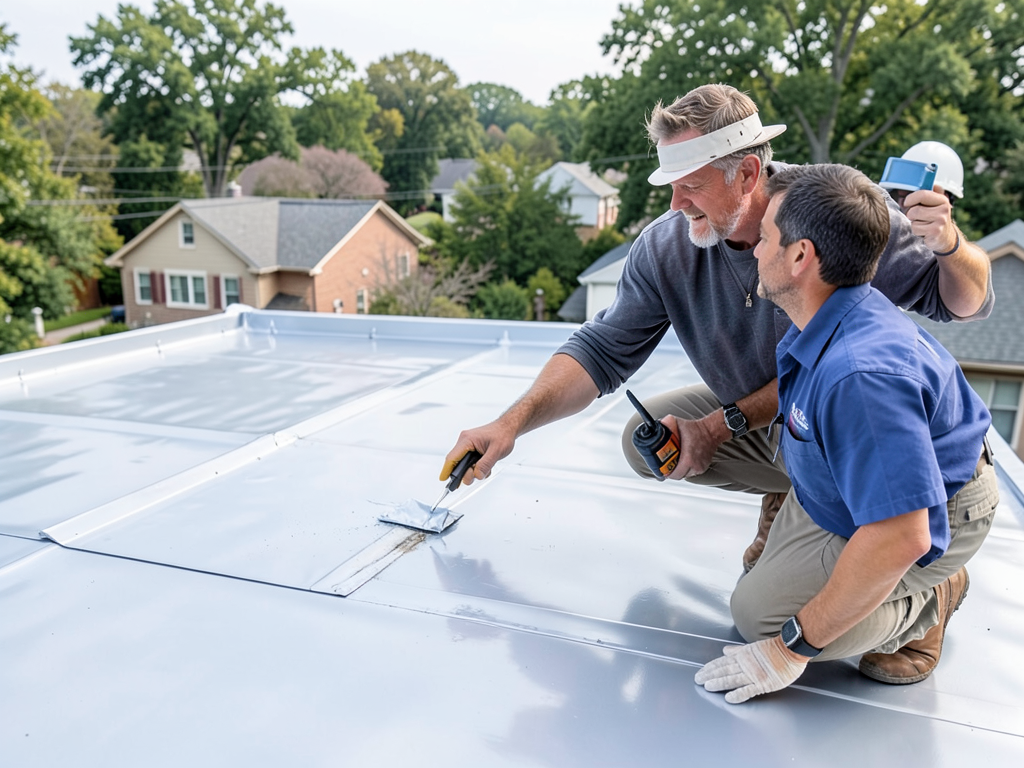
How to Negotiate Roof Repairs After a Home Inspection in Tacony Buying or selling a home in Tacony often hinges on the home inspection report, especially when it comes to the roof. Philadelphia's unique rowhome…
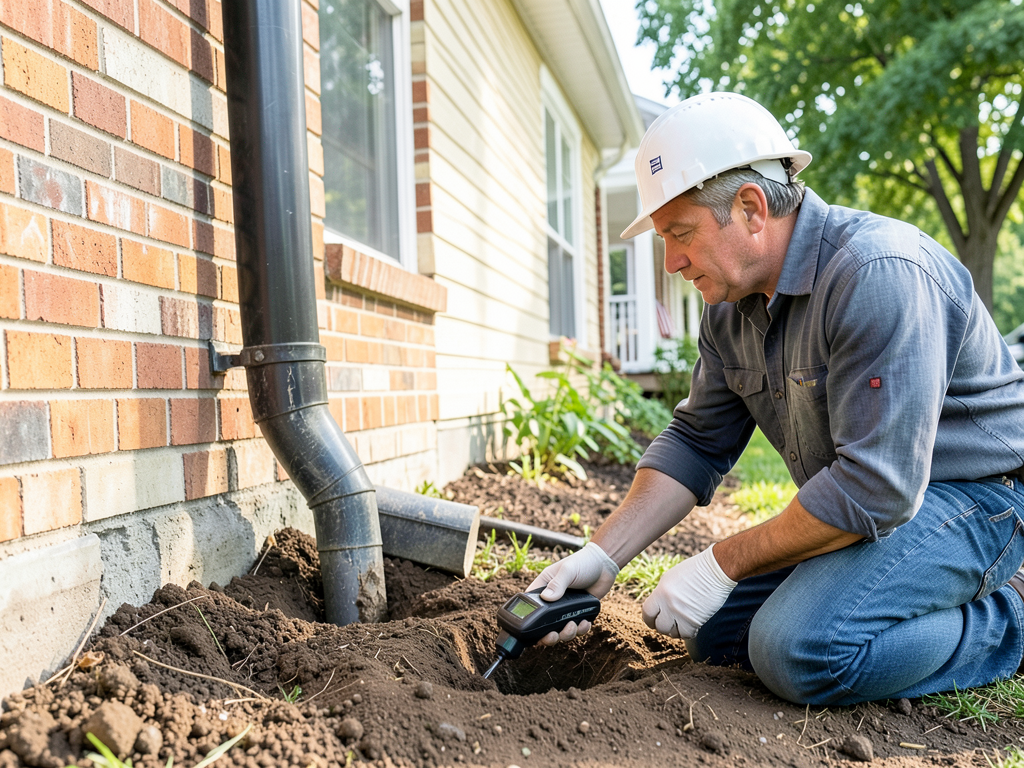
The Best Way to Handle Downspout Runoff in Narrow Manayunk Alleyways Water pouring off your…
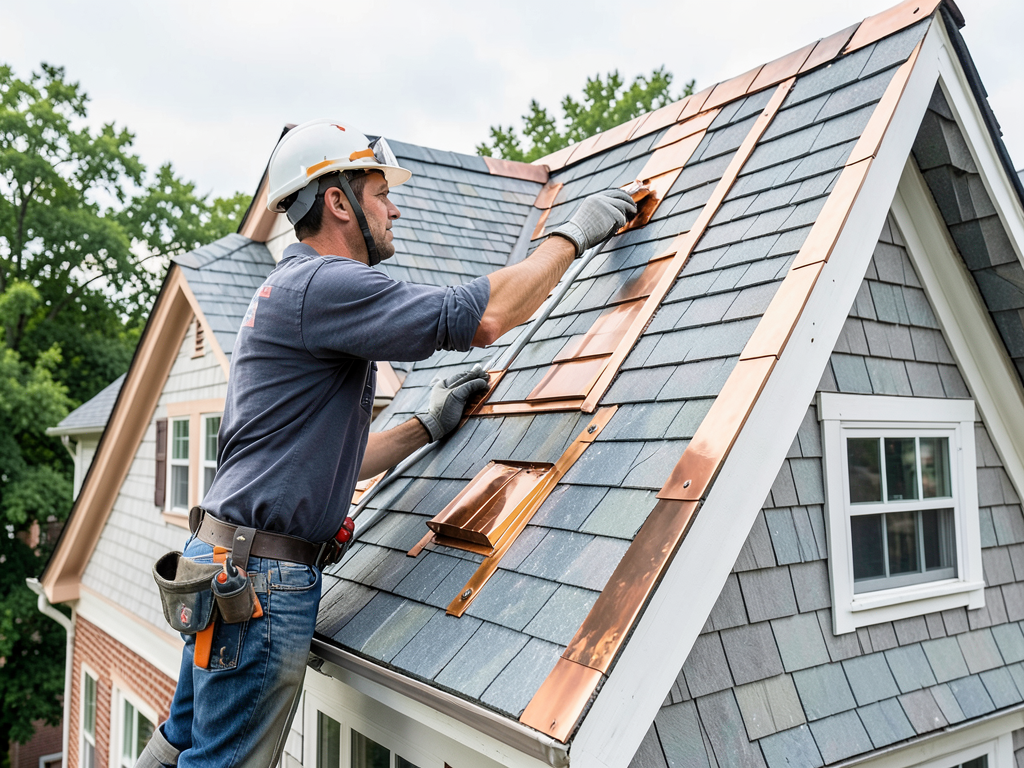
Finding the Leak in Your Complicated Tudor Roof in West Mt. Airy Water dripping from…
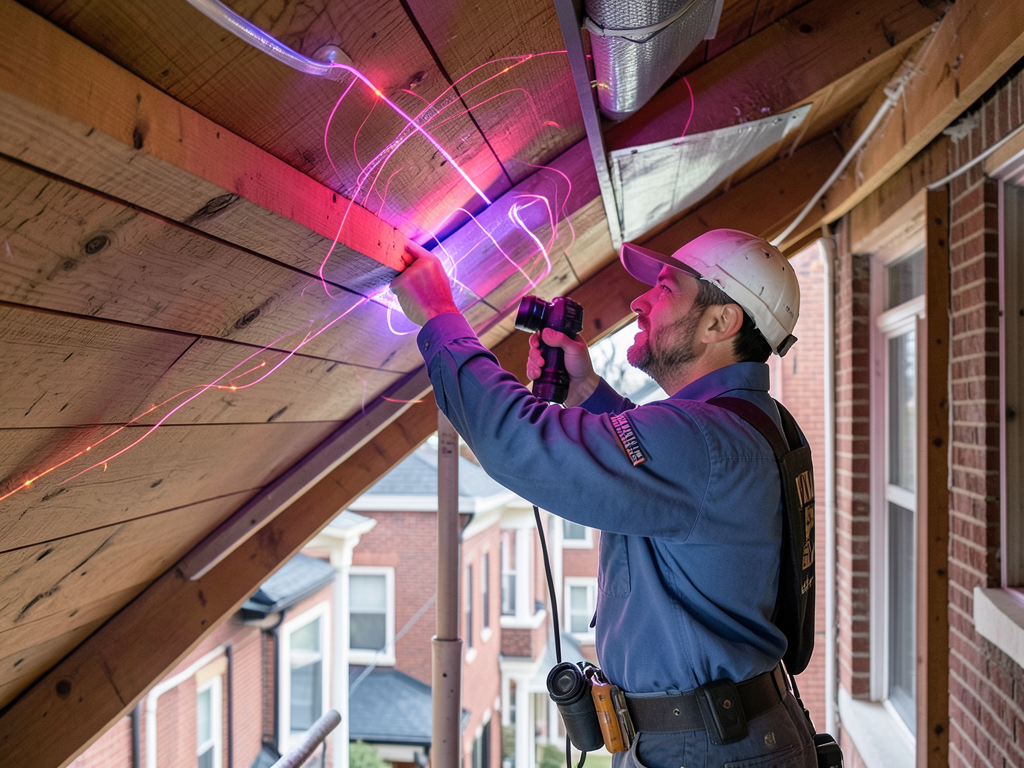
Why Ridge Vents Alone Might Not Be Enough for Your Hot Attic in Wynnefield Your…
Your roof protects everything you own. When damage strikes, every hour matters. Atlas Roofing Philadelphia responds fast across Scranton and Lackawanna County. Call (267) 344-1222 now for emergency repairs or schedule an inspection to address problems before they escalate.