




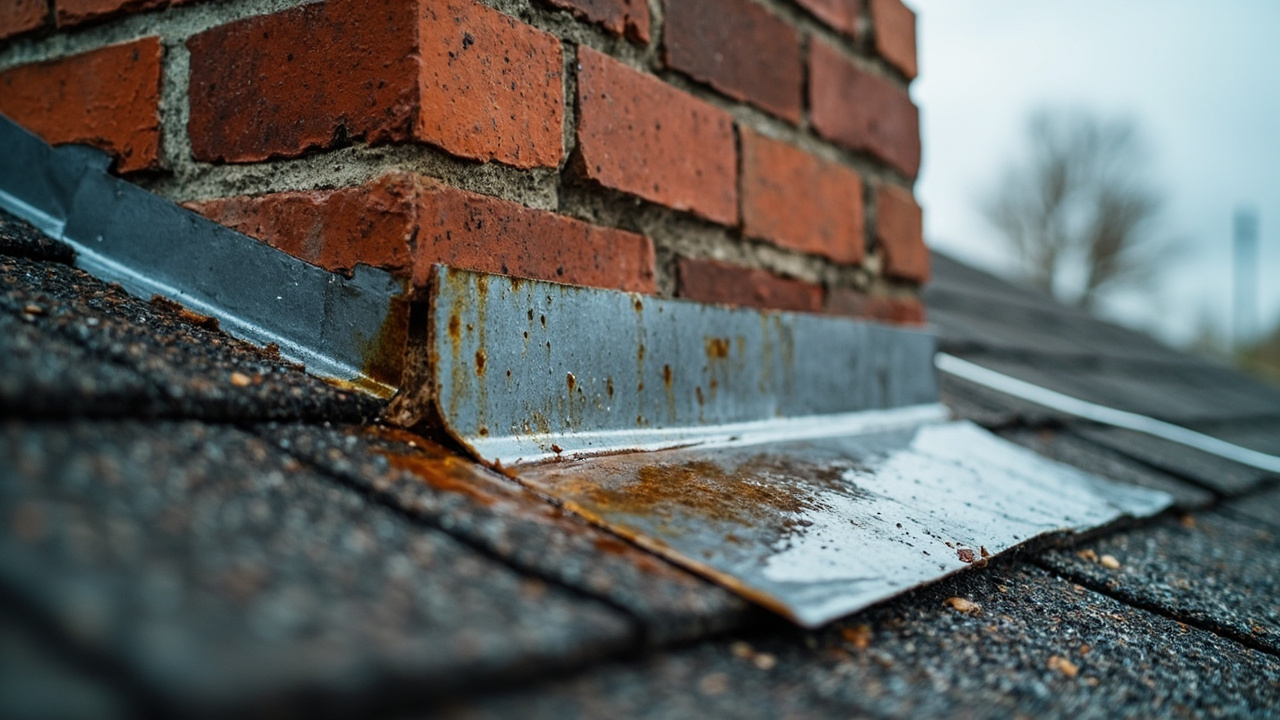


Philadelphia experiences four distinct seasons that create continuous stress on roof flashing. Winter temperatures drop below freezing an average of 70 days per year. Water trapped in flashing joints expands when frozen, opening gaps in sealed connections. Spring brings heavy rain that exploits those gaps. Summer heat expands metal flashing and degrades sealant compounds. Fall moisture combines with temperature swings to accelerate rust formation on steel flashing components. This cycle repeats annually, compounding damage on homes throughout Manayunk, University City, and Roxborough. Older neighborhoods with original flashing installations face the highest failure rates.
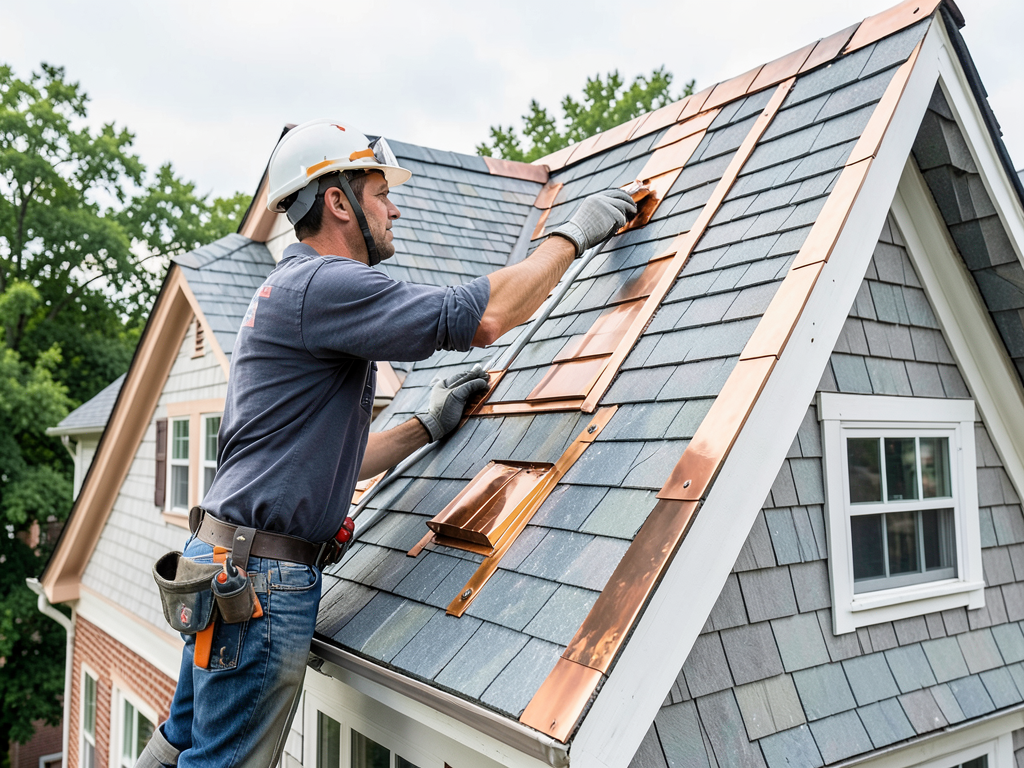
Philadelphia building codes require specific flashing details for new construction and major renovations. The city enforces strict water management standards because of our dense housing stock and historic preservation requirements. Atlas Roofing Philadelphia maintains current knowledge of these local regulations and inspection protocols. We install flashing that passes city inspection and performs long-term. Our familiarity with Philadelphia roofing challenges means we anticipate problems before they develop. We know which flashing configurations work in this climate and which materials last in these conditions.