


menu

Mold & Algae Stain Removal in Philadelphia – Stop Roof Damage Before It Spreads

Professional roof fungus cleaning and shingle algae treatment for Philadelphia homes. We remove black streaks, organic stains, and roof mildew that threaten your shingles and property value.

Slider Image 1
Slider Image 2
Slider Image 3
Slider Image 4
Slider Image 5
Slider Image 7
Slider Image 8
Slider Image 9
Slider Image 10
Slider Image 11

Why Philadelphia Roofs Turn Black and Green

You walk outside and notice dark streaks running down your roof. Maybe there are patches of green or black creeping across the shingles. This is not dirt. This is a living organism eating your roof.

Philadelphia's humid summers and moderate rainfall create perfect conditions for Gloeocapsa magma, the algae responsible for those black streaks on your roof. The Delaware River Valley's moisture combined with our tree-lined neighborhoods means your shingles stay damp longer than they should. That moisture feeds algae, mold, and fungus colonies that embed themselves into the limestone filler in asphalt shingles.

These organic roof stains are not cosmetic. The algae break down the protective granules on your shingles. They hold moisture against the surface, accelerating decay. In Philadelphia's freeze-thaw cycles, that trapped moisture expands and contracts, causing the shingles to crack and curl prematurely. What should be a 20-year roof fails in 12.

The problem spreads fast. Algae spores travel on wind and wildlife. If your neighbor has black streaks, you will too. Neighborhoods in Chestnut Hill, Mount Airy, and Manayunk see this constantly because of the tree canopy and humidity. The organic growth traps heat, raising your cooling costs in summer. It makes your home look abandoned, dropping curb appeal and resale value.

Roof mildew removal and shingle algae treatment are not optional maintenance. They are damage control. The longer you wait, the more the organisms eat into the shingle structure. Eventually, you are looking at premature replacement instead of a simple cleaning.

Why Philadelphia Roofs Turn Black and Green
How Professional Roof Fungus Cleaning Works

How Professional Roof Fungus Cleaning Works

Removing black streaks on your roof is not about pressure washing. High-pressure water lifts granules, damages flashing, and forces water under shingles. You end up with a clean roof that leaks. The correct method is soft wash treatment, a low-pressure chemical application that kills the organisms without harming the roof structure.

We use a sodium hypochlorite solution diluted to the correct ratio for algae and mold. This is not household bleach. It is a professional-grade biocide formulated to penetrate the algae colonies, kill the roots, and prevent regrowth. We apply it at low pressure, under 100 PSI, which is less force than a garden hose. The solution sits on the surface for 15 to 20 minutes, breaking down the cell walls of the algae and fungus.

The key is coverage and dwell time. We saturate the affected areas, ensuring the solution reaches every streak and stain. As the biocide works, the black streaks begin to lighten. Some stains wash away immediately. Others fade over the next few weeks as rain rinses away the dead organic matter.

We pre-wet your landscaping and gutters, then rinse everything thoroughly after treatment. The diluted runoff is safe for plants when managed correctly, but we take precautions. We also treat the roof valleys, ridges, and north-facing slopes where algae thrive in shade and moisture.

This is not a quick scrub job. Roof fungus cleaning requires understanding the organism, the shingle composition, and the environmental factors at play. Atlas Roofing Philadelphia uses the correct chemicals, the correct pressure, and the correct application method to remove organic roof stains without shortening the life of your roof. We treat the problem at the source, killing the algae and mold so they do not return next season.

What Happens During Your Roof Cleaning Service

Mold & Algae Stain Removal in Philadelphia – Stop Roof Damage Before It Spreads
01

Roof Inspection and Testing

We start by inspecting the roof surface to identify the type and extent of organic growth. Different organisms require different treatment concentrations. We check for algae, moss, lichen, and mold. We also look for shingle damage, lifted edges, or compromised flashing that could allow water intrusion during treatment. This step ensures we know what we are dealing with before we apply any solution to your roof.
02

Soft Wash Application

We apply the biocide solution using low-pressure equipment. The chemical is sprayed evenly across all affected areas, with extra attention to valleys, eaves, and north-facing sections where growth is heaviest. We control the application rate to ensure the solution penetrates the algae without running off too quickly. The treatment sits on the surface for the correct dwell time, killing the organisms at the root level without damaging the shingle granules.
03

Rinse and Prevention Guidance

After the treatment dwell time, we rinse the roof and surrounding areas with fresh water. We clear gutters of any dead organic matter and check for proper drainage. You receive guidance on maintaining a clean roof, including trimming overhanging branches, installing zinc or copper strips, and scheduling periodic treatments if your property is in a high-humidity area. The goal is a clean roof today and fewer problems tomorrow.

Why Philadelphia Homeowners Choose Atlas Roofing Philadelphia

Philadelphia has specific roofing challenges. Our row homes, historic districts, and tree-lined streets create microclimates where algae and mold thrive. A company that does not understand these conditions will damage your roof or fail to solve the problem.

Atlas Roofing Philadelphia knows the difference between Gloeocapsa magma and moss. We know that the algae in Fairmount are not the same as the lichen colonies in Roxborough. We adjust our treatment concentrations based on the organism, the shingle type, and the environmental conditions around your home. This is not a one-size-fits-all spray job.

We also understand Philadelphia building codes and the restrictions on chemical runoff in neighborhoods near the Schuylkill and Delaware watersheds. We manage drainage, protect landscaping, and ensure compliance with local environmental regulations. You do not have to worry about stormwater violations or dead plants after we leave.

Our team uses equipment designed for residential roofing, not industrial pressure washers. We do not blast your shingles with 3,000 PSI and hope for the best. We apply controlled, low-pressure treatments that kill the organisms without lifting granules or forcing water under the flashing. This method extends the life of your roof instead of shortening it.

We also know the architectural styles common to Philadelphia. If you have a historic home in Society Hill or Old City, we adjust our approach to protect the original materials. If you have a newer development in Northeast Philadelphia, we treat for the algae strains common to that area. Local expertise matters when you are dealing with living organisms that adapt to their environment.

You get clear communication, accurate timelines, and a roof that looks clean without hidden damage. We do not upsell you on unnecessary services. If your roof needs treatment, we tell you. If it needs replacement, we tell you that too. Honest assessment is part of the service.

What to Expect from Roof Mold and Algae Treatment

Service Timeline and Scheduling

Most residential roof cleanings take three to five hours, depending on roof size and the severity of algae growth. We schedule services during dry weather to ensure the treatment adheres properly and does not wash away before it works. You can expect same-week or next-week availability during most of the year. We avoid extreme heat or freezing conditions, which affect chemical performance. You do not need to be home during the service, but we ask that you secure pets and move vehicles away from the driveway to avoid overspray.

Initial Assessment and Roof Condition Report

Before we start, we assess the roof condition and photograph the affected areas. We identify the type of growth, check for underlying damage, and confirm that your shingles are in good enough condition to withstand treatment. If we find broken shingles, lifted flashing, or other structural issues, we document them and discuss your options. Some roofs are too far gone for cleaning and need replacement instead. We give you the truth upfront so you can make an informed decision about how to proceed.

The Final Result and Appearance

You will see immediate improvement on the day of service. Black streaks lighten significantly within hours. Some stains continue to fade over the next two to four weeks as rain rinses away the dead algae. Your roof will not look brand new if the shingles are aged or weathered, but the organic stains will be gone. The granules remain intact, the surface is clean, and the organisms are dead. The result is a roof that looks maintained, not neglected, and shingles that last longer because they are no longer being eaten by algae.

Prevention and Maintenance Plans

Algae will return if conditions remain favorable. To prevent regrowth, we recommend installing zinc or copper strips along the roof ridge. These metals release ions when it rains, creating an environment where algae cannot grow. We also suggest trimming tree branches that shade the roof and cleaning gutters regularly to prevent moisture buildup. If your home is in a high-humidity area or surrounded by mature trees, periodic treatments every two to three years keep the roof clean and extend shingle life. We offer maintenance plans for properties that need ongoing care.

Frequently Asked Questions

You Have Questions,
We Have Answers

Can algae stains be removed? +

Yes, algae stains can be removed from roofs, siding, and exterior surfaces. The dark streaks you see on asphalt shingles are typically Gloeocapsa magma, a blue-green algae that thrives in Philadelphia's humid summers. Professional removal uses low-pressure soft washing with specialized biocides that kill algae at the root without damaging shingles. DIY bleach solutions may lighten stains temporarily, but they often return within months because the spores remain alive. Professional treatment kills the organism and includes preventative measures to delay regrowth. The high moisture from Philadelphia's proximity to the Delaware and Schuylkill rivers accelerates algae growth, making proper removal critical.

Can active mold stains be removed? +

Active mold stains can be removed, but removal requires killing the mold first. Surface cleaning alone spreads spores and worsens contamination. Active mold indicates an ongoing moisture problem, which must be fixed before staining is addressed. In Philadelphia row homes and older construction, poor attic ventilation and roof leaks often drive mold growth. Professional mold remediation involves containment, HEPA filtration, antimicrobial treatment, and source correction. Once the mold is dead and the moisture source is eliminated, stains on porous surfaces like wood may require sanding or encapsulation. On non-porous surfaces like metal flashing, stains wipe away after treatment. Address the cause first.

What is the best algae mold remover? +

The best algae and mold remover for roofs is a professional-grade sodium hypochlorite solution applied through soft washing. This method uses low pressure and surfactants to penetrate shingle granules and kill algae like Gloeocapsa magma without stripping protective coatings. Retail products often lack adequate concentration or proper surfactants to reach embedded spores. Zinc or copper strips installed at the ridge line provide long-term suppression by releasing metal ions during rain. Philadelphia's humidity and tree cover in neighborhoods like Chestnut Hill accelerate algae colonization, so professional treatment with preventative strategies works best. Avoid high-pressure washing, which damages shingles and voids warranties.

What's the best mold and mildew stain remover? +

The best mold and mildew stain remover depends on the surface. For roofs and siding, professional soft washing with sodium hypochlorite and surfactants kills organisms and lifts stains without damage. For interior surfaces like drywall or grout, hydrogen peroxide or specialized enzymatic cleaners work well on non-porous areas. Philadelphia homes, especially in humid basements common to Fishtown and South Philly row homes, battle persistent mildew. Bleach kills surface mold but does not penetrate porous materials like wood or drywall. Borax-based solutions work for fabrics. Always fix the moisture source first. Stain removal without addressing humidity or leaks guarantees recurrence within weeks.

Does white vinegar remove algae stains? +

White vinegar can lighten algae stains on some surfaces but does not fully remove them from roofing materials. Vinegar's acidity kills surface algae but lacks the penetrating power to reach spores embedded in asphalt shingle granules. On siding or concrete, vinegar may work for light staining, but results are inconsistent. Philadelphia's wet climate and frequent summer storms mean algae regrows quickly without proper biocidal treatment. Vinegar also requires repeated applications and scrubbing, which can damage shingles. For exterior algae on roofs, professional sodium hypochlorite soft washing is more effective and longer-lasting. Vinegar works better for small patio or deck stains than full roof treatment.

What is the hardest stain to remove from clothes? +

The hardest stain to remove from clothes is typically rust, followed by red wine, blood, and ink. Rust stains bond chemically with fabric fibers and require acid-based treatments like oxalic acid or specialized rust removers. Blood sets permanently if exposed to heat before treatment. Mold and mildew stains on fabric are also difficult because spores penetrate fibers and create discoloration that resists standard detergents. This question relates to mold stain removal when discussing fabrics stored in damp Philadelphia basements, common in older homes. For mold on clothing, oxygen-based cleaners like sodium percarbonate work better than chlorine bleach, which weakens fabric and may not fully remove organic staining.

Will magic eraser remove mold stains? +

Magic Eraser can remove surface mold stains from non-porous materials like tile, glass, or painted walls, but it does not kill mold. The melamine foam works as a micro-abrasive, scrubbing away visible discoloration without chemicals. However, scrubbing spreads mold spores and does not address the root problem. Philadelphia homes with poor ventilation in bathrooms or basements need mold killed first with antimicrobial cleaners before stain removal. Magic Eraser is ineffective on porous surfaces like drywall or grout, where mold penetrates deep. It also wears down quickly on textured surfaces. Use it only after mold is dead and as a finishing step on hard surfaces.

Will OxiClean remove mold stains? +

OxiClean can remove mold stains from fabrics and some hard surfaces because it contains sodium percarbonate, an oxygen-based bleach that breaks down organic staining. It works well on washable items like curtains, towels, or clothing exposed to mold in damp Philadelphia basements. However, OxiClean does not kill mold, it only lightens stains. You must treat active mold with antimicrobial solutions first. On porous building materials like drywall or wood, OxiClean has limited effectiveness because staining penetrates too deep. For exterior roof or siding mold stains, professional biocidal treatments are necessary. OxiClean is a laundry aid, not a structural mold remediation tool.

Can white vinegar remove mold stains? +

White vinegar can lighten mold stains on non-porous surfaces like tile or glass but rarely removes them completely. Vinegar's acidity kills surface mold but does not penetrate porous materials like drywall, grout, or wood where staining runs deep. Philadelphia's older homes, especially in neighborhoods like Manayunk and Queen Village, often have persistent mold in basements due to high groundwater and poor drainage. Vinegar also lacks residual protection, so mold returns quickly if moisture remains. For cosmetic surface staining on hard materials, vinegar may help, but professional antimicrobial treatment and moisture control are required for lasting mold and stain removal on building materials.

Which kills mold better, bleach or vinegar? +

Bleach kills mold faster on non-porous surfaces, but vinegar penetrates porous materials better. Bleach (sodium hypochlorite) is highly effective at killing surface mold on tile, metal, or glass within minutes. However, it does not penetrate wood or drywall, leaving roots alive to regrow. Vinegar's acidity soaks into porous surfaces and kills deeper mold, but it works slower. In Philadelphia homes with mold on basement drywall or wood framing, vinegar may be safer and more thorough. Bleach also releases harsh fumes in enclosed spaces. For exterior roof mold, professional sodium hypochlorite soft washing is ideal. For interior porous materials, vinegar or specialized fungicides work better.

How Philadelphia's Humidity and Tree Canopy Accelerate Roof Algae Growth

Philadelphia sits in a humid subtropical climate with an average summer humidity above 70 percent. The Delaware and Schuylkill rivers add moisture to the air, and our mature tree canopy keeps roofs shaded and damp. This combination creates ideal conditions for Gloeocapsa magma, the algae that causes black streaks. Neighborhoods with heavy tree cover, like Chestnut Hill, Mount Airy, and Roxborough, see faster algae growth because the shade prevents roofs from drying out between rainstorms. The organisms spread from roof to roof on wind and animals, making algae a neighborhood problem, not just a single-home issue.

Philadelphia building codes and environmental regulations require careful management of chemical runoff, especially near watersheds. Atlas Roofing Philadelphia understands these local requirements and uses treatment methods that comply with city and state guidelines. We pre-treat landscaping, control runoff, and use dilution rates that are effective against algae but safe for the surrounding environment. Our team knows the difference between a historic home in Old City and a new build in Northeast Philadelphia, and we adjust our approach based on the architecture, shingle type, and environmental conditions specific to your neighborhood.
Roofing Services in The Philadelphia Area

Atlas Roofing proudly serves the entire Philadelphia area, including all surrounding counties. We invite you to view our service area on the map to confirm we cover your neighborhood. As your trusted local roofing contractor, we are always ready to deploy our expert teams promptly to your home or business, ensuring you receive the high-quality, professional service you deserve, exactly when you need it.

Address:
Atlas Roofing Philadelphia, 100 N 18th St, Philadelphia, PA, 19103

Additional Services We Offer

Our news updates

Latest Articles & News from The Blogs

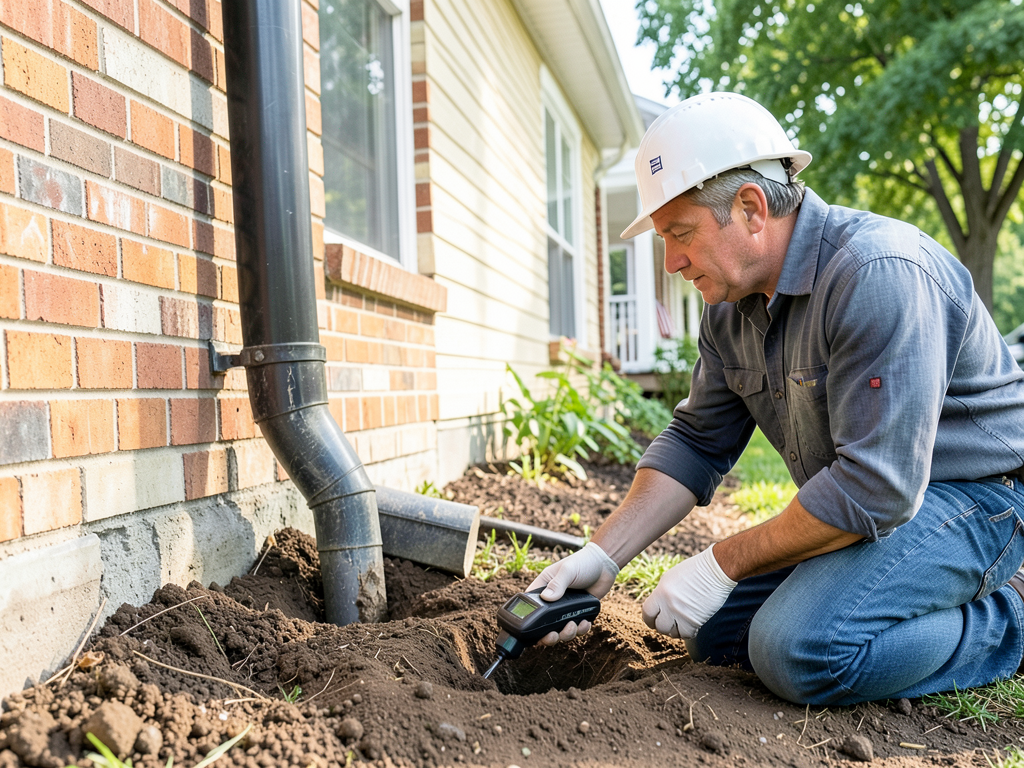
The Best Way to Handle Downspout Runoff in Narrow Manayunk Alleyways Water pouring off your roof into the narrow alleyway…

The Best Way to Handle Downspout Runoff in Narrow Manayunk Alleyways

The Best Way to Handle Downspout Runoff in Narrow Manayunk Alleyways Water pouring off your roof into the narrow alleyway…

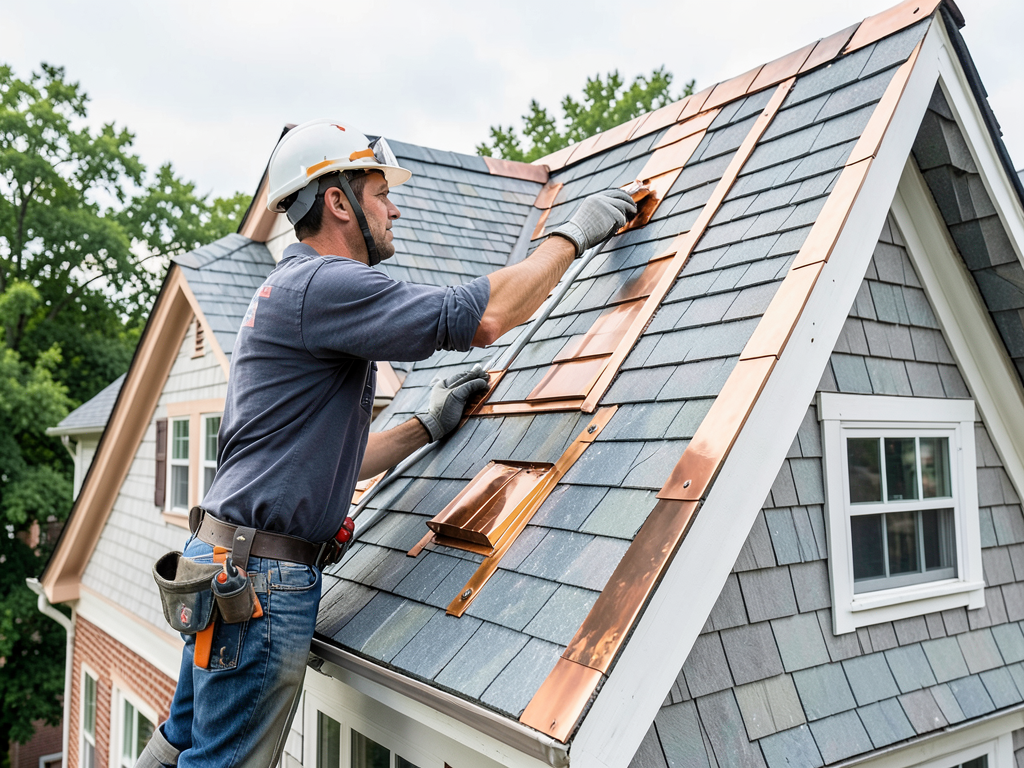
Finding the Leak in Your Complicated Tudor Roof in West Mt. Airy

Finding the Leak in Your Complicated Tudor Roof in West Mt. Airy Water dripping from your ceiling during a storm…

Why Ridge Vents Alone Might Not Be Enough for Your Hot Attic in Wynnefield

Why Ridge Vents Alone Might Not Be Enough for Your Hot Attic in Wynnefield Your attic feels like an oven…

Contact Us

Algae and mold are eating your shingles right now. The longer you wait, the more damage they cause. Call Atlas Roofing Philadelphia at (267) 344-1222 for professional roof fungus cleaning. We remove the stains and stop the decay.