




menu

Can You Roof Over Existing Shingles in Philadelphia? | Know the Code Before You Commit

Philadelphia's strict building codes and freeze-thaw climate make the decision to install new shingles over old ones more complex than most homeowners realize. We break down when a roof layover is legal, when it fails, and what your roof actually needs.

Slider Image 1
Slider Image 2
Slider Image 3
Slider Image 4
Slider Image 5
Slider Image 7
Slider Image 8
Slider Image 9
Slider Image 10
Slider Image 11

Why Philadelphia Homeowners Ask About Reroofing Over Existing Shingles

You see the wear. The curling edges, the granule loss in the gutters, maybe a leak in the attic after the last nor'easter. Then someone tells you that you can just layer new shingles over the old ones and save thousands. It sounds perfect.

But in Philadelphia, a shingle overlay is not always legal, rarely advisable, and often a short-term fix that creates long-term problems.

The city sits in a freeze-thaw zone. Water seeps under damaged shingles, freezes, expands, and lifts the decking. When you install a second layer of shingles over compromised material, you are sealing in moisture and hiding structural rot. You cannot inspect the decking. You cannot replace damaged plywood. You are building on a failing foundation.

Philadelphia's building code follows the International Residential Code, which limits residential roofs to two layers of asphalt shingles. If your home already has two layers, a roof layover is illegal. If you have one layer, the decision depends on the condition of the decking, the pitch of the roof, and whether the existing shingles are flat enough to provide a stable base.

Most roofers will tell you what you want to hear. We tell you what your roof needs. A shingle overlay might save you money today, but it often costs you more in five years when the decking fails and you have to tear off two layers instead of one. Philadelphia's humidity, ice dams, and aging housing stock demand transparency, not shortcuts.

Why Philadelphia Homeowners Ask About Reroofing Over Existing Shingles
When Installing New Shingles Over Old Ones Actually Works

When Installing New Shingles Over Old Ones Actually Works

A roof layover is not automatically wrong. It works under specific conditions, and those conditions are rare in Philadelphia's older neighborhoods.

The existing shingles must be flat. If they are curling, cupping, or buckled, the new layer will follow the same contour. You will see every imperfection telegraphing through the surface within months. The aesthetic is bad, but the ventilation problems are worse. Uneven shingles create air gaps that trap heat and moisture, accelerating shingle degradation.

The roof deck must be sound. You cannot verify this without pulling up the old shingles. If the plywood is spongy, water-stained, or sagging between rafters, adding weight on top compounds the problem. Philadelphia rowhomes and older twins often have original decking from the 1920s and 1930s. That wood has been wet, dried, frozen, and thawed for a century. You need to see it before you cover it.

The pitch must be steep enough to shed water quickly. Low-slope roofs under 4:12 pitch hold water longer, especially in valleys and around penetrations. Adding a second layer increases the risk of pooling and ice dam formation during Philadelphia's winter freeze-thaw cycles.

If your roof passes all three tests, and you only have one existing layer, a shingle overlay can extend the life of the roof by 10 to 15 years. But most homes in Fishtown, South Philly, and the Northeast fail at least one of these criteria. That is why Atlas Roofing Philadelphia performs a full deck inspection before we recommend a layover. We do not guess. We climb into the attic, check for stains, probe the decking, and measure moisture content.

How We Determine If Your Roof Qualifies for a Layover

Can You Roof Over Existing Shingles in Philadelphia? | Know the Code Before You Commit
01

Attic and Deck Inspection

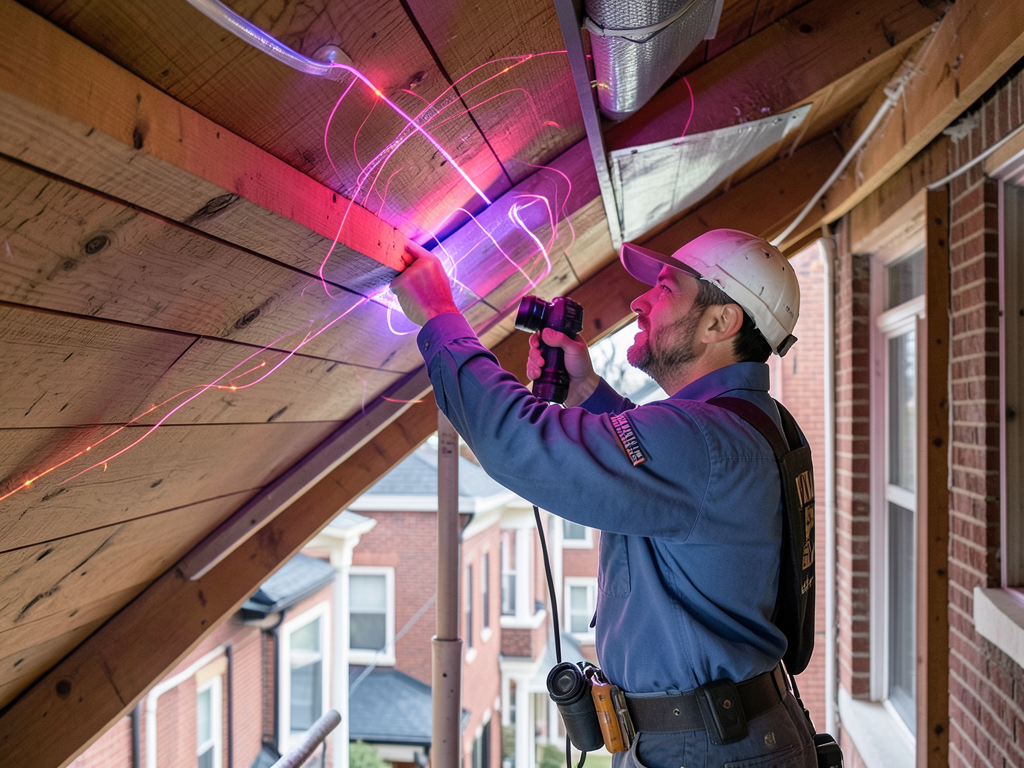
We start inside your home, in the attic. We look for water stains on the underside of the decking, check insulation for moisture, and use a probe to test for soft spots in the plywood. Philadelphia homes often have hidden rot around chimneys and valleys where ice dams form. We also verify ventilation pathways to ensure a second shingle layer will not block soffit intake or ridge exhaust, which would trap heat and void manufacturer warranties.
02

Surface and Code Assessment

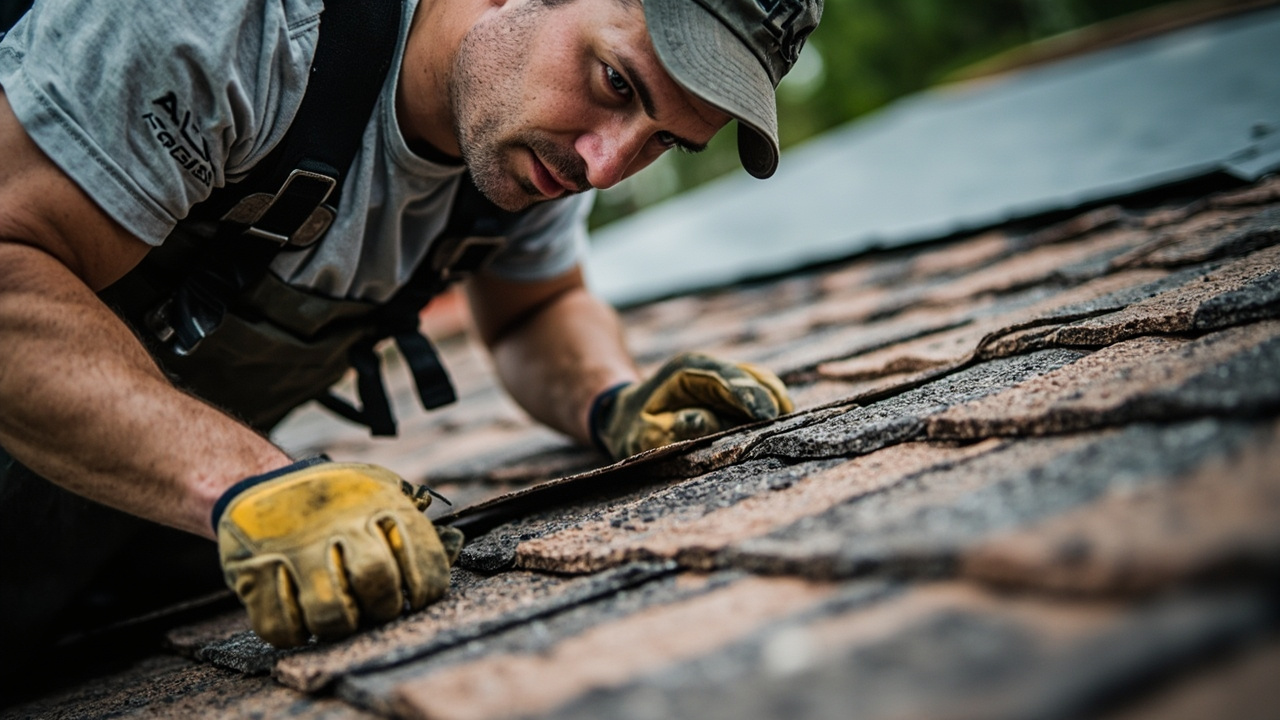
We measure the roof pitch, count the existing shingle layers, and document curling or buckling. If the existing shingles are severely worn, we explain why a tear-off is the only compliant option. We also review local permit requirements, because some Philadelphia neighborhoods with historic overlays have additional restrictions. This is not a sales pitch. We show you photos of the problem areas and walk you through the code language so you understand the risk.
03

Written Recommendation and Options

You receive a written report with photos, measurements, and our recommendation. If a roof layover is viable, we outline the expected lifespan, warranty limitations, and future tear-off costs. If a full replacement is necessary, we break down the cost difference and explain why the investment protects your home value. You get transparency, not pressure. Philadelphia homeowners deserve to know what they are buying, and we make sure you do.

Why Atlas Roofing Philadelphia Does Not Push Layovers

Most roofing companies in Philadelphia will sell you a shingle overlay because it is faster and cheaper. Tear-off requires dumpsters, labor, and disposal fees. A layover skips all of that. The profit margin is better, and the homeowner is happy until the roof fails early.

We do not operate that way.

Atlas Roofing Philadelphia has been working on roofs in this city long enough to see what happens when you hide problems under new shingles. We have torn off layovers on Manayunk rowhouses where the decking was black with mold. We have replaced sagging rafters in Northeast Philadelphia because two layers of shingles added too much weight to a structure that was never designed for it. We have dealt with insurance claims where the carrier denied coverage because the layover violated code.

We know the housing stock in this city. We know that most homes in Kensington, Port Richmond, and Tacony have original framing. We know that Philadelphia's building inspectors are cracking down on unpermitted roof work. We know that a cheap fix today becomes an expensive lawsuit tomorrow.

When we inspect your roof, we are looking at it the way an insurance adjuster or a home inspector will look at it in five years. If the bones are bad, we tell you. If a layover will work, we explain the limitations. If you need a full replacement, we show you why.

Philadelphia homeowners trust us because we do not sell them what is easy. We sell them what works. That means fewer callbacks, fewer warranty disputes, and roofs that last through the next decade of freeze-thaw cycles. You pay for honesty, and you get a roof that protects your investment.

What You Need to Know Before You Decide

Inspection Timeline and Availability

We schedule roof inspections within 48 hours of your call. The inspection takes 45 minutes to an hour, depending on attic access and roof size. We photograph the decking, measure moisture levels, and document the condition of the existing shingles. You receive a written report within 24 hours, with photos, code references, and a cost breakdown for both a layover and a full replacement. We do not pressure you to decide on the spot. You get the information, and you make the call.

How We Assess Deck Integrity

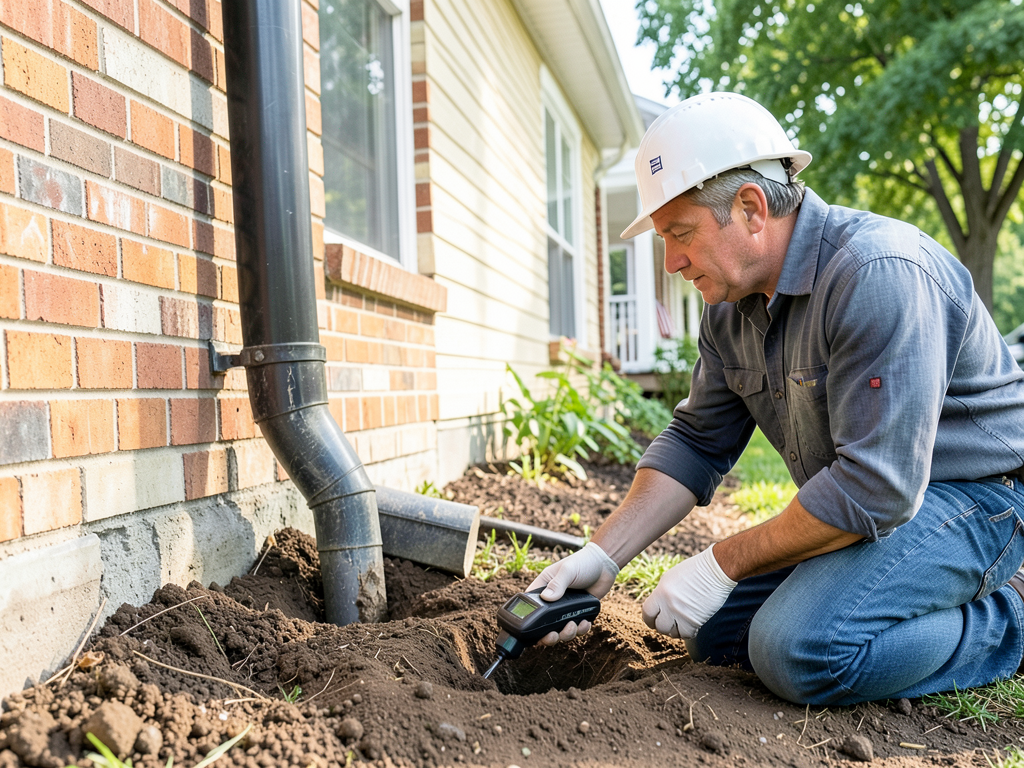
Deck integrity is the deciding factor. We use a moisture meter to test plywood water content, probe the surface for soft spots, and inspect the underside from the attic for stains or sagging. Philadelphia's older homes often have skip sheathing or spaced boards instead of solid plywood, which automatically disqualifies them for a layover. We also check fastener pull-through, which happens when old nails lose grip in deteriorated wood. If we find any of these issues, we recommend a tear-off. You cannot overlay a failing structure.

Final Roof Quality and Longevity

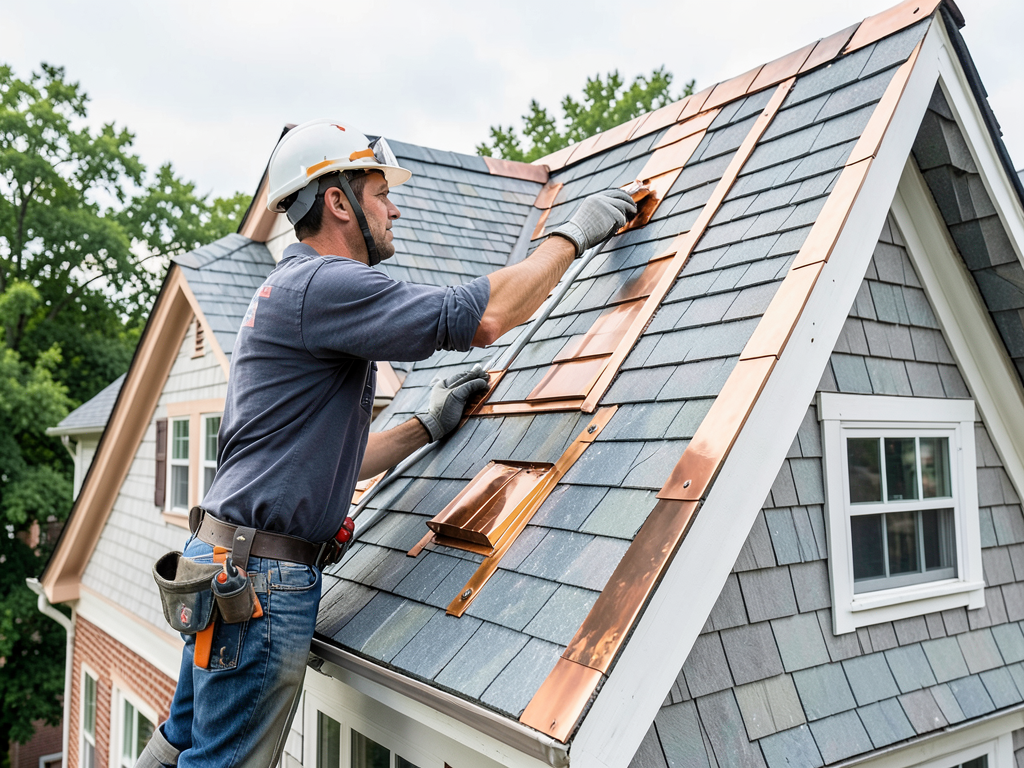
If you choose a shingle overlay, you get a roof that should last 12 to 15 years, assuming the decking remains stable. But you lose the ability to inspect or repair the decking without a full tear-off later. If you choose a full replacement, you get a roof built on verified, solid decking with proper ventilation, ice and water shield in valleys, and drip edge that meets current code. The replacement costs more upfront, but it protects your home value and avoids the risk of premature failure.

Warranty and Future Maintenance

Manufacturer warranties on shingle overlays are often shorter and exclude coverage for issues related to the underlying layer. If the old shingles fail, the new ones fail with them, and the warranty will not cover it. A full replacement gives you access to extended manufacturer warranties and our workmanship guarantee. We also provide maintenance plans that include annual inspections, gutter cleaning, and flashing checks. Philadelphia's weather is hard on roofs. Regular maintenance extends the life of any installation, whether it is a layover or a full replacement.

Frequently Asked Questions

You Have Questions,
We Have Answers

Should you roof over existing shingles? +

Roofing over existing shingles is sometimes allowed in Philadelphia, but it is rarely the best choice. You can save on labor and disposal costs, but you hide potential deck damage from freeze-thaw cycles and moisture infiltration common in this region. Philadelphia building codes typically allow one layer of overlay, but inspectors may reject permits if the existing roof shows sag or rot. You also add weight to your roof structure, which can stress older row homes. A tear-off lets you inspect the deck, replace damaged flashing, and ensure proper ventilation. Skip the shortcut if you want a roof that lasts.

How to reroof a roof without removing old shingles? +

To reroof without removing old shingles, start with a thorough inspection to confirm the deck is sound and the existing layer is flat. Install a starter strip along the eaves, then lay new shingles directly over the old ones, offsetting the seams to avoid alignment issues. You must adjust flashing around chimneys, vents, and valleys to accommodate the extra thickness. In Philadelphia, you need a permit for this work, and inspectors will check for compliance with weight limits. This method works only if you have one existing layer and no visible damage. Otherwise, a full tear-off is required.

Do roofers always remove old shingles? +

No, roofers do not always remove old shingles. Some homeowners choose an overlay to cut costs and speed up the project. However, most professional roofers in Philadelphia recommend a full tear-off because it exposes the deck for inspection and repair. Philadelphia's humid summers and freeze-thaw winters cause hidden damage that an overlay conceals. Quality contractors strip the old roof to install proper underlayment, check for rot, and ensure the new roof bonds correctly. If you have two layers already, Philadelphia code requires complete removal before any new installation. A tear-off adds upfront cost but extends roof life significantly.

How long will a roof overlay last? +

A roof overlay typically lasts 15 to 20 years, shorter than a full tear-off and replacement. The reduced lifespan comes from trapped moisture between layers, which accelerates shingle deterioration and deck rot. Philadelphia's climate, with heavy snow, ice dams, and summer humidity, compounds these issues. You also void or shorten manufacturer warranties on the new shingles because they are not installed on a clean substrate. If your existing roof is near the end of its life, the overlay inherits those weaknesses. A proper tear-off and replacement often lasts 25 to 30 years, making it the smarter long-term investment for Philadelphia homes.

Are roof overs a good idea? +

Roof overs are rarely a good idea for Philadelphia homes. You save money upfront, but you sacrifice long-term durability and hide structural problems. Philadelphia's freeze-thaw cycles, ice dams, and summer storms demand a roof system that breathes and drains properly. An overlay traps moisture, accelerates rot, and adds weight to older structures, especially historic row homes. You also lose the chance to upgrade ventilation or install ice and water shield in critical areas. Most reputable roofers discourage overlays unless the existing roof is near-perfect and you plan to sell soon. For a roof that protects your investment, tear-off and replace.

Can you match 20 year old shingles? +

Matching 20 year old shingles is difficult and often impossible. Manufacturers discontinue colors and product lines, and UV exposure fades older shingles unevenly across your roof. Even if you find the same model, new shingles will look brighter and stand out. Philadelphia's sun, pollution, and algae growth accelerate color shifts, making blending even harder. If you need to replace a section due to storm damage, roofers may suggest replacing the entire visible plane for a uniform appearance. For small repairs, you can use similar tones, but expect visible differences. Full replacement is the only way to guarantee a consistent look.

Is a roof overlay worth it? +

A roof overlay is rarely worth it in Philadelphia. You save 20 to 30 percent on labor and disposal, but you inherit hidden risks. Philadelphia's weather, including heavy snow and ice dams, demands a roof system that starts with a solid deck and proper underlayment. An overlay conceals rot, skips ventilation upgrades, and shortens shingle lifespan. You also face higher costs down the road when you eventually tear off two layers instead of one. If your goal is quick resale, an overlay might pencil out. For long-term value and protection, invest in a complete tear-off and replacement from the start.

How old may a roof be before insurance claims it's too old? +

Most insurance carriers in Pennsylvania consider a roof too old for full replacement coverage after 15 to 20 years, depending on the policy and shingle type. Once your roof crosses that threshold, insurers may only offer actual cash value instead of replacement cost, leaving you to cover depreciation. Some carriers require roof inspections before renewing policies on homes with roofs older than 12 years. Philadelphia's harsh winters and summer storms accelerate wear, so insurers tighten eligibility sooner here than in milder climates. If your roof is nearing 15 years, get it inspected and consider replacement before coverage limits kick in.

What is the most expensive part of replacing a roof? +

The most expensive part of replacing a roof is labor, particularly for tear-off and disposal. Removing old shingles, hauling debris, and prepping the deck account for 40 to 60 percent of total project costs. In Philadelphia, disposal fees and permit costs add to this expense. Material costs for shingles, underlayment, and flashing come next, especially if you upgrade to architectural shingles or impact-resistant products. Structural repairs to the deck or replacing rotted wood can spike costs unexpectedly. Steep pitches, multiple chimneys, and historic row home access challenges also drive labor hours higher. Budget for tear-off when planning your roof replacement.

How much does it cost to replace 1000 sq ft of roof? +

Replacing 1000 square feet of roof in Philadelphia varies widely based on material, pitch, and access. Costs depend on whether you choose basic three-tab shingles or upgraded architectural styles, and whether you need a full tear-off or simple overlay. Steep pitches, multiple valleys, and historic district requirements increase labor hours. Deck repairs, flashing replacement, and permit fees also affect the total. For an accurate estimate, get a detailed inspection from a local roofer who understands Philadelphia building codes and weather demands. Avoid generic online calculators. They miss the nuances that affect real-world pricing in this region.

How Philadelphia's Freeze-Thaw Cycles Make Shingle Overlays Risky

Philadelphia sits in a climate zone where winter temperatures swing above and below freezing multiple times per season. Snow melts during the day, runs under damaged shingles, and refreezes at night. This freeze-thaw cycle lifts shingles, cracks sealant, and causes fastener pop. When you install new shingles over old ones, you trap that moisture between the layers. The new shingles seal the surface, but the old layer stays wet. The decking rots from the inside out, and you will not know until you see a ceiling stain or feel a spongy spot underfoot.

Philadelphia also enforces the International Residential Code, which limits roofs to two layers. Inspectors are checking compliance during home sales, and buyers are walking away from properties with illegal layovers. If you sell your home in five years and the inspector flags a non-compliant roof, you will pay for a full tear-off to close the deal. Atlas Roofing Philadelphia pulls permits, follows code, and documents every step of the process so your roof passes inspection and protects your resale value. We have worked in every neighborhood in this city, and we know what the inspectors look for.
Roofing Services in The Philadelphia Area

Atlas Roofing proudly serves the entire Philadelphia area, including all surrounding counties. We invite you to view our service area on the map to confirm we cover your neighborhood. As your trusted local roofing contractor, we are always ready to deploy our expert teams promptly to your home or business, ensuring you receive the high-quality, professional service you deserve, exactly when you need it.

Address:
Atlas Roofing Philadelphia, 100 N 18th St, Philadelphia, PA, 19103

Additional Services We Offer

Our news updates

Latest Articles & News from The Blogs

Low Maintenance Roofing Tips for Busy Landlords Near Temple University Managing rental properties near Temple University means dealing with high…

Low Maintenance Roofing Tips for Busy Landlords Near Temple University

Low Maintenance Roofing Tips for Busy Landlords Near Temple University Managing rental properties near Temple University means dealing with high…

A First-Time Homeowner Guide to Checking Your Roof After Buying in Fishtown

A First-Time Homeowner Guide to Checking Your Roof After Buying in Fishtown \n\n Buying your first home in Fishtown is…

Dealing with Steep Slope Roofing Challenges on the Hills of East Falls

Dealing with Steep Slope Roofing Challenges on the Hills of East Falls East Falls’ steep hills and historic homes demand…

Contact Us

Stop guessing about your roof. Call Atlas Roofing Philadelphia at (267) 344-1222 for a no-pressure inspection. We will tell you if a shingle overlay will work or if you need a full replacement. You get photos, code references, and a written estimate within 24 hours. No sales pitch. Just the truth about your roof.