
Why Your Attic Insulation Might Be Killing Your New Roof in North Philly
Your new roof is sweating from the inside out. During Philadelphia’s cold winters, warm air from your heated living space rises through your ceiling and hits the cold underside of your roof deck. This creates condensation that rots wood, grows mold, and destroys your expensive new shingles before they ever see a drop of rain. Winter Roof Maintenance Tips.
North Philly rowhomes face a unique problem. Our 100-year-old brick buildings were built before modern insulation standards existed. Many homeowners add insulation to save on heating bills but trap moisture in their attics. The result is a silent killer that makes your roof deck feel like a cold soda can on a humid day. How to Stop Your South Philly Rowhome Roof from Leaking Every Time it Rains.
How Philadelphia’s Climate Creates the Perfect Storm for Roof Damage
Philadelphia sits in USDA Zone 6, where winter temperatures regularly drop below freezing. Our humid summers and cold winters create extreme temperature swings that stress building materials. When warm indoor air meets cold roof decks, water vapor condenses into liquid water just like morning dew on grass.. Read more about Understanding How Philadelphia Air Quality Affects the Lifespan of Your Shingles.
North Philly’s rowhome architecture makes this worse. Shared walls mean less natural ventilation. Many homes have flat or low-slope roofs that trap moisture. Historic buildings often lack proper vapor barriers installed during original construction.
The Science Behind Roof Deck Condensation
Warm air holds more moisture than cold air. When that warm air contacts a cold surface below the dew point temperature, water vapor turns to liquid. Your roof deck becomes that cold surface during winter months.
Relative humidity plays a key role. Philadelphia’s average winter humidity stays around 65-70%. At these levels, a 70°F attic will create condensation on any surface below 60°F. Most roof decks in January sit at 30-40°F.. Read more about The Best Way to Ventilate a Finished Attic in a Manayunk Victorian.
The EPA recommends maintaining indoor humidity below 60% and providing proper ventilation to prevent moisture buildup. Many North Philly homes violate both principles.
Philadelphia Building Code Requirements for Attic Ventilation
Philadelphia L&I code requires 1 square foot of ventilation for every 150 square feet of attic space. This must be split evenly between intake and exhaust vents.
For homes with insulation, baffles must maintain a 1-inch air gap between insulation and roof sheathing. This prevents insulation from blocking soffit vents. Many North Philly contractors skip this step to save time and money.
Common Insulation Mistakes That Destroy Roofs
Adding insulation without addressing ventilation creates a moisture trap. Homeowners often stuff insulation into every available space, blocking soffit vents that were designed to let air flow through the attic. Why More Homeowners in Manayunk Are Switching to Metal Roofing.
Fiberglass batt insulation is particularly problematic. It absorbs moisture like a sponge. Once wet, it loses up to 40% of its insulating value and becomes a breeding ground for mold.
Open-cell spray foam applied directly to roof decks is another common mistake. While it creates an air seal, it also eliminates the temperature buffer zone that prevents condensation on the deck surface.
Warning Signs Your Roof Deck Is Rotting From Inside
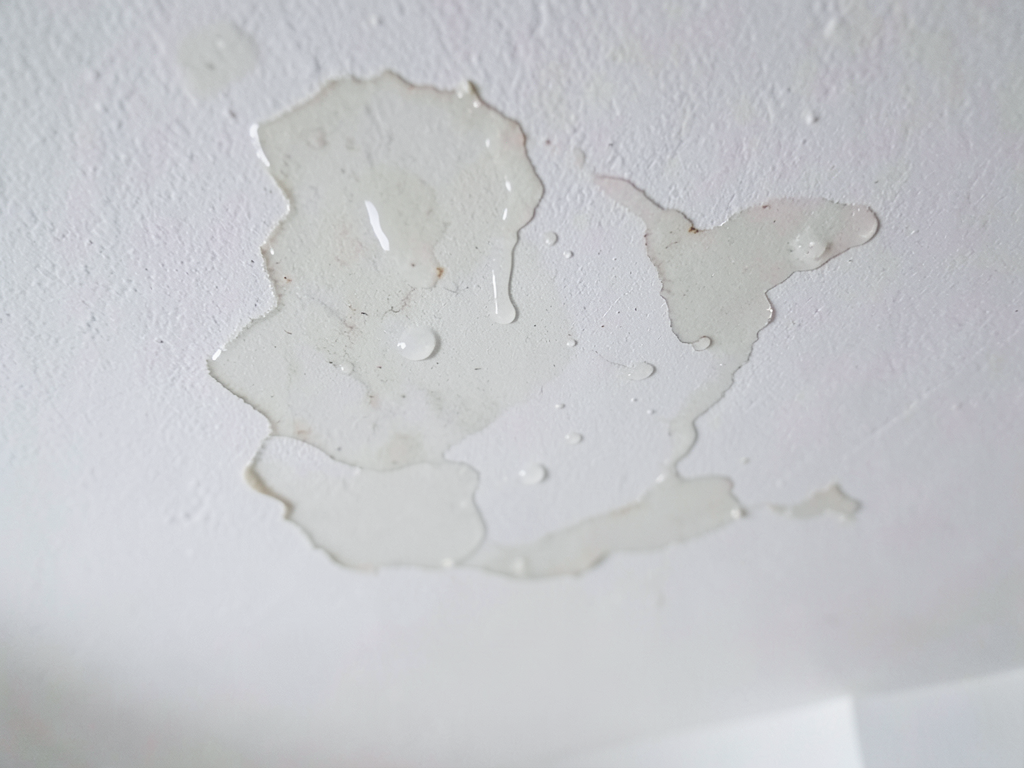
Dark spots on your ceiling during cold weather indicate condensation, not roof leaks. These stains appear when attic moisture condenses on cold surfaces and drips onto your ceiling below.
Musty odors in your attic signal mold growth. The smell intensifies during humid summer months when mold releases spores.
Soft spots when walking on your roof indicate wood rot. Press gently with your foot in several areas. If any section feels spongy, the wood has lost structural integrity.
Ice dams forming along your roof edges suggest poor attic ventilation. When warm air melts snow from below, water runs to the cold eaves and refreezes, creating damaging ice dams.
Philadelphia’s Most Vulnerable Neighborhoods for This Problem
North Philly rowhomes in zip codes 19121, 19122, and 19132 face the highest risk. These areas contain the oldest housing stock with minimal original ventilation systems.
The Allegheny West and Strawberry Mansion neighborhoods have particularly problematic housing. Many homes were built before 1920 with balloon framing that allows warm air to rise directly into attic spaces.
Near Temple University, student-occupied homes often have blocked vents from improperly installed storage platforms. The pressure to maximize rental space leads to ventilation compromises.
Professional Diagnostic Tests We Perform
We use infrared cameras to detect temperature differences that reveal moisture patterns. Cold spots on your roof deck indicate where condensation is occurring. These thermal images show exactly where moisture is collecting.
Moisture meters measure wood moisture content. Healthy roof deck wood should read below 15%. Readings above 20% indicate active moisture problems requiring immediate attention.
Blower door tests quantify air leakage from your living space into the attic. We depressurize your home and measure how much air escapes through ceiling penetrations, recessed lights, and other bypasses.
Proven Solutions for Philadelphia Homes
Proper ventilation starts with unblocked soffit vents. We install plastic or foam baffles that maintain the critical air gap between insulation and roof sheathing. This allows cold air to flow continuously from eaves to ridge.
Exhaust ventilation through ridge vents or powered attic fans removes moist air before it can condense. The goal is complete air exchange every 3-4 minutes during winter months.
Closed-cell spray foam applied to the underside of roof decks creates a thermal break. This keeps the deck surface above the dew point temperature, preventing condensation entirely.. Read more about Preventing Pests from Nesting Under Your Eaves in East Oak Lane.
Vapor barriers on the warm side of insulation stop moisture migration. We install 6-mil polyethylene sheets over attic floors before adding new insulation layers.
Material Comparison for Philadelphia’s Climate
| Material Type | Moisture Resistance | Cost per Sq Ft | Best Use Case |
|---|---|---|---|
| Open-cell spray foam | Low | $1.50-2.50 | Walls only |
| Closed-cell spray foam | High | $2.50-4.00 | Roof decks, basements |
| Fiberglass batt | Very Low | $0.50-1.00 | Attic floors only |
| Rock wool | Medium | $1.00-1.50 | Attic floors, walls |
Step-by-Step Attic Assessment Process
- Visual Inspection
Check for water stains, mold growth, and insulation condition. Look for blocked soffit vents and proper baffle installation.
- Moisture Testing
Use a moisture meter on roof deck wood and insulation. Document readings in multiple locations throughout the attic.
- Ventilation Evaluation
Measure net free vent area and compare to code requirements. Check for proper intake-exhaust balance.
- Air Leakage Assessment
Identify ceiling penetrations, recessed lights, and plumbing vents that allow warm air into the attic space.
Cost Factors for Fixing Ventilation Issues
Simple baffle installation and vent cleaning costs $500-1,500 for average rowhomes. This addresses most moisture problems without major reconstruction.
Adding powered attic fans runs $1,200-2,500 installed. These provide active ventilation for homes with severe moisture issues or limited natural airflow.
Complete roof deck insulation with closed-cell foam costs $3,000-6,000. This eliminates condensation but requires removing existing roofing materials. The Best Local Roofing Companies for Luxury Homes on the Main Line.
Structural repairs for rotted roof decks range from $2,000-10,000 depending on damage extent. Early detection prevents these costly repairs.
Frequently Asked Questions
Can I just add more insulation to solve my moisture problems?
No. Adding insulation without addressing ventilation traps more moisture and makes condensation worse. You need proper air sealing and ventilation first.
How do I know if my attic has enough ventilation?
Check that soffit vents are not blocked by insulation. You should feel air moving through the attic when it’s windy outside. Visible mold or water stains indicate inadequate ventilation.
Should I remove old insulation if it’s wet?
Yes. Wet insulation loses effectiveness and promotes mold growth. Remove it, fix the moisture source, then install new insulation with proper vapor barriers.
How long does it take for roof deck rot to develop?
Wood rot can begin within 48-72 hours of constant moisture exposure. Once started, rot spreads rapidly through roof decking, potentially requiring complete replacement within 1-2 years. How Much Does a Full Roof Replacement Actually Cost in Philadelphia Right Now.
Can I fix this myself or do I need a professional?
Simple vent cleaning and baffle installation are DIY-friendly. However, moisture testing, air sealing, and structural repairs require professional equipment and expertise to prevent further damage.
Preventing Future Problems
Schedule annual attic inspections before winter. Check ventilation systems, look for new moisture signs, and ensure insulation remains properly positioned.
Install humidity monitors in your attic. Levels above 60% indicate ventilation problems requiring attention. Many smart home systems can alert you to dangerous humidity levels.
Seal ceiling penetrations during any renovation work. Recessed lights, plumbing vents, and electrical boxes are major air leakage points that warm moist air into your attic.
Consider whole-house ventilation systems if your home is tightly sealed. Energy recovery ventilators exchange indoor and outdoor air while recovering heat energy, maintaining healthy indoor air quality.
When to Call a Professional Immediately
Call us today at (267) 344-1222 if you notice any of these urgent signs: water actively dripping from your ceiling, visible mold covering more than 10 square feet, soft or spongy roof deck areas, or persistent musty odors that worsen over time.
Don’t wait for spring to address winter moisture problems. The damage accelerates with each freeze-thaw cycle. Early intervention prevents thousands in structural repairs and protects your home’s value.
Our team serves all of Philadelphia including North Philly, South Philly, Manayunk, and the Main Line. We understand the unique challenges of our local architecture and climate. We’ll provide a complete assessment and recommend solutions that actually solve your moisture problems, not just treat symptoms.
Pick up the phone and call (267) 344-1222 before the next cold snap hits. Your roof’s health depends on proper moisture management, and we have the local expertise to get it right the first time.
You may also find this helpful. Choosing a Roof Color That Lowers Your Energy Bill in North Philadelphia.
{
“@context”: “https://schema.org”,
“@type”: “BlogPosting”,
“headline”: “Why Your Attic Insulation Might Be Killing Your New Roof in North Philly”,
“description”: “Is your new roof failing from the inside? Learn how attic insulation, moisture, and Philadelphia’s freeze-thaw cycles create hidden roof deck damage in North Philly homes.”,
“wordCount”: 1596,
“datePublished”: “2026-05-15T07:03:00.000Z”,
“dateModified”: “2026-05-15T07:03:00.000Z”,
“inLanguage”: “en-US”,
“mainEntityOfPage”: {
“@type”: “WebPage”,
“@id”: “https://atlasroofingphiladelphia.com”
},
“publisher”: {
“@type”: “LocalBusiness”,
“name”: “Atlas Roofing Philadelphia”,
“url”: “https://atlasroofingphiladelphia.com”
},
“author”: {
“@type”: “Organization”,
“name”: “Atlas Roofing Philadelphia”,
“url”: “https://atlasroofingphiladelphia.com”
},
“image”: {
“@type”: “ImageObject”,
“url”: “https://atlasroofingphiladelphia.com/wp-content/uploads/2026/03/why-your-attic-insulation-might-be-killing-your-ne-1.png”
}
}
{
“@context”: “https://schema.org”,
“@type”: “RoofingContractor”,
“name”: “Atlas Roofing Philadelphia”,
“url”: “https://atlasroofingphiladelphia.com”,
“address”: {
“@type”: “PostalAddress”,
“addressLocality”: “Philadelphia”
},
“areaServed”: {
“@type”: “City”,
“name”: “Philadelphia”
}
}
{
“@context”: “https://schema.org”,
“@type”: “FAQPage”,
“mainEntity”: [
{
“@type”: “Question”,
“name”: “Can I just add more insulation to solve my moisture problems?”,
“acceptedAnswer”: {
“@type”: “Answer”,
“text”: “No. Adding insulation without addressing ventilation traps more moisture and makes condensation worse. You need proper air sealing and ventilation first.”
}
},
{
“@type”: “Question”,
“name”: “How do I know if my attic has enough ventilation?”,
“acceptedAnswer”: {
“@type”: “Answer”,
“text”: “Check that soffit vents are not blocked by insulation. You should feel air moving through the attic when it’s windy outside. Visible mold or water stains indicate inadequate ventilation.”
}
},
{
“@type”: “Question”,
“name”: “Should I remove old insulation if it’s wet?”,
“acceptedAnswer”: {
“@type”: “Answer”,
“text”: “Yes. Wet insulation loses effectiveness and promotes mold growth. Remove it, fix the moisture source, then install new insulation with proper vapor barriers.”
}
},
{
“@type”: “Question”,
“name”: “How long does it take for roof deck rot to develop?”,
“acceptedAnswer”: {
“@type”: “Answer”,
“text”: “Wood rot can begin within 48-72 hours of constant moisture exposure. Once started, rot spreads rapidly through roof decking, potentially requiring complete replacement within 1-2 years. How Much Does a Full Roof Replacement Actually Cost in Philadelphia Right Now.”
}
},
{
“@type”: “Question”,
“name”: “Can I fix this myself or do I need a professional?”,
“acceptedAnswer”: {
“@type”: “Answer”,
“text”: “Simple vent cleaning and baffle installation are DIY-friendly. However, moisture testing, air sealing, and structural repairs require professional equipment and expertise to prevent further damage.”
}
}
]
}
{
“@context”: “https://schema.org”,
“@type”: “HowTo”,
“name”: “How to Assess Attic Moisture Problems”,
“step”: [
{
“@type”: “HowToStep”,
“position”: 1,
“name”: “Visual Inspection”,
“text”: “Check for water stains, mold growth, and insulation condition. Look for blocked soffit vents and proper baffle installation.”
},
{
“@type”: “HowToStep”,
“position”: 2,
“name”: “Moisture Testing”,
“text”: “Use a moisture meter on roof deck wood and insulation. Document readings in multiple locations throughout the attic.”
},
{
“@type”: “HowToStep”,
“position”: 3,
“name”: “Ventilation Evaluation”,
“text”: “Measure net free vent area and compare to code requirements. Check for proper intake-exhaust balance.”
},
{
“@type”: “HowToStep”,
“position”: 4,
“name”: “Air Leakage Assessment”,
“text”: “Identify ceiling penetrations, recessed lights, and plumbing vents that allow warm air into the attic space.”
}
],
“image”: “https://atlasroofingphiladelphia.com/wp-content/uploads/2026/03/why-your-attic-insulation-might-be-killing-your-ne-1.png”
}
{
“@context”: “https://schema.org”,
“@type”: “BreadcrumbList”,
“itemListElement”: [
{
“@type”: “ListItem”,
“position”: 1,
“name”: “Home”,
“item”: “https://atlasroofingphiladelphia.com”
},
{
“@type”: “ListItem”,
“position”: 2,
“name”: “Blog”,
“item”: “https://atlasroofingphiladelphia.com/blog”
},
{
“@type”: “ListItem”,
“position”: 3,
“name”: “Why Your Attic Insulation Might Be Killing Your New Roof in North Philly”
}
]
}
{
“@context”: “https://schema.org”,
“@type”: “Service”,
“serviceType”: “Roofing”,
“provider”: {
“@type”: “LocalBusiness”,
“name”: “Atlas Roofing Philadelphia”,
“url”: “https://atlasroofingphiladelphia.com”
},
“areaServed”: {
“@type”: “City”,
“name”: “Philadelphia”
},
“description”: “Is your new roof failing from the inside? Learn how attic insulation, moisture, and Philadelphia’s freeze-thaw cycles create hidden roof deck damage in North Philly homes.”
}