




menu

Emergency Flat Roof Patching in Philadelphia – 24/7 Response Teams Dispatched in Under 90 Minutes

When water is pouring through your ceiling, you need emergency flat roof patching now. Atlas Roofing Philadelphia deploys certified crews around the clock to stop leaks, prevent structural damage, and protect your property before the problem spreads.

Slider Image 1
Slider Image 2
Slider Image 3
Slider Image 4
Slider Image 5
Slider Image 7
Slider Image 8
Slider Image 9
Slider Image 10
Slider Image 11

Philadelphia's Weather Extremes Make Flat Roofs Vulnerable to Sudden Failure

Your flat roof is leaking and you are watching water pool on your floor. This is not a drill. Philadelphia's freeze-thaw cycles wreak havoc on flat roofing membranes. When temperatures swing from 15°F in January to 90°F in July, your TPO or EPDM membrane expands and contracts. Over time, seams separate. Flashing pulls away from parapet walls. Ponding water from Philadelphia's average 42 inches of annual rainfall finds every weak point.

You need urgent flat roof leak repair because every minute counts. Water does not just stain your ceiling. It saturates insulation, rots roof decking, and breeds mold in your walls. In commercial buildings across Center City and Northeast Philadelphia, a single leak can shut down operations and trigger insurance nightmares.

Philadelphia's older building stock compounds the problem. Many row homes and industrial buildings in Kensington and Fishtown have flat roofs that were never designed for modern waterproofing standards. When a seam fails or a drain clogs, you need immediate flat roof leak fix before the damage cascades into your electrical systems or inventory.

Atlas Roofing Philadelphia operates 24/7 flat roof patching service because flat roof emergencies do not wait for business hours. We understand that when you call at 2 a.m. because water is dripping onto your production line, you need a crew on-site fast. Our emergency response teams carry the tools, materials, and expertise to stop the leak and stabilize your roof until permanent repairs can be completed. Same day flat roof repair is not a luxury in Philadelphia. It is a necessity.

Philadelphia's Weather Extremes Make Flat Roofs Vulnerable to Sudden Failure
How We Stop Flat Roof Leaks Fast Without Shortcuts

How We Stop Flat Roof Leaks Fast Without Shortcuts

Emergency flat roof repair requires speed and precision. Our teams do not just slap tar on the problem and leave. We perform targeted diagnostics even under time pressure.

First, we identify the exact breach point. Water travels laterally under flat roof membranes, so the leak inside your building is often 10 to 20 feet away from the actual roof failure. We trace the water path using moisture meters and infrared thermography when conditions allow. This prevents guessing and ensures we address the real problem.

Next, we prepare the substrate. You cannot patch over wet or contaminated surfaces. We remove standing water, cut away damaged membrane sections, and dry the area with propane torches or heat guns. If the insulation layer beneath the membrane is saturated, we remove and replace that section. Patching over wet insulation guarantees the leak will return.

Then we apply the appropriate patch material. For TPO roofs, we use heat-welded TPO patches that bond at the molecular level. For EPDM, we apply solvent-based adhesives and pressure-sensitive patches. For modified bitumen, we torch down cap sheets. We do not mix incompatible materials because that creates future failure points.

Finally, we test the repair. We flood the patched area with water and verify zero leakage before we leave. If your flat roof has multiple weak points, we prioritize stopping the active leak first, then provide a written assessment of other vulnerable areas that need attention.

Our emergency crews carry enough material to patch up to 200 square feet on the first visit. We stock TPO, EPDM, modified bitumen, and rubber cement in our trucks because we do not know what roof system we will encounter until we arrive.

What Happens When You Call for Emergency Flat Roof Patching

Emergency Flat Roof Patching in Philadelphia – 24/7 Response Teams Dispatched in Under 90 Minutes
01

Immediate Dispatch and Triage

When you call our emergency line, you speak directly with a roofing professional, not an answering service. We assess the severity, ask targeted questions about water volume and location, and dispatch the nearest crew. You receive an estimated arrival time within five minutes of your call. Our GPS-tracked trucks allow us to route the closest team, whether you are in Manayunk, South Philadelphia, or the Northeast.
02

On-Site Leak Containment

Our team arrives with ladders, safety equipment, and emergency patching materials. We establish safe roof access, locate the breach point, and apply temporary containment if weather conditions prevent immediate permanent repair. We place tarps, install temporary flashing, and redirect water away from critical building areas. You get a verbal assessment of what we found and what we recommend next. We take photos for your insurance claim.
03

Permanent Patch Installation

Once we stabilize the immediate threat, we install the permanent patch using material-specific techniques. We extend patches a minimum of six inches beyond the damaged area to ensure proper bonding. We seal all seams, apply lap sealant, and verify waterproofing integrity. You receive documentation of the work performed, photos of the repair, and recommendations for follow-up inspections. If additional repairs are needed, we schedule those separately.

Why Philadelphia Property Owners Choose Atlas Roofing for Urgent Flat Roof Repairs

You need someone who understands Philadelphia's building codes and roof challenges. Atlas Roofing Philadelphia has spent years working on flat roofs across every neighborhood in this city. We know that flat roofs in Queen Village face different drainage issues than those in Roxborough. We understand that Philadelphia's Department of Licenses and Inspections requires specific flashing details on parapet walls, and we build every repair to meet those standards.

Our familiarity with local architecture matters. Many flat roofs in Philadelphia sit on century-old buildings with brick parapet walls and clay tile underbellies. When we perform emergency flat roof patching on a historic property in Society Hill, we know how to work around architectural constraints without compromising structural integrity. We understand that a row home in Fishtown shares a party wall, and a roof leak can affect your neighbor's property too.

We also know Philadelphia's weather patterns. We have patched roofs during Nor'easters, July thunderstorms, and January ice events. We understand that wind-driven rain often infiltrates through compromised edge flashing along Market Street high-rises. We know that ice dams form on flat roofs in Mount Airy when snow melts and refreezes at roof drains.

Our trucks are stocked for Philadelphia's diverse flat roof types. We carry materials for coal tar pitch roofs still common in older industrial buildings, modern PVC systems on new construction, and everything in between. When you call us, we do not need to order materials or make a second trip. We arrive ready to solve your problem.

We also work directly with your insurance company. Philadelphia property owners face enough stress during a roofing emergency. We document everything, provide detailed estimates, and communicate with adjusters so you can focus on protecting your belongings and getting back to normal.

What You Can Expect from Our Emergency Flat Roof Patching Service

Rapid Response Time

We dispatch crews within 90 minutes of your call, regardless of the time or day. Our response time matters because every hour of active leaking multiplies your damage cost. We operate emergency teams 24 hours a day, seven days a week, including holidays. When you call at midnight because water is flooding your office, we answer and we respond. Our average arrival time for Center City and surrounding neighborhoods is under 75 minutes. For outer areas of Philadelphia, we typically arrive within two hours. We prioritize life-safety situations and commercial properties where leaks threaten business operations or expensive equipment.

Thorough Damage Assessment

Our technicians inspect beyond the obvious leak. We check surrounding membrane areas for blistering, examine seams for separation, and assess flashing conditions around rooftop HVAC units and vent pipes. We probe the roof deck for soft spots that indicate water-damaged plywood or structural concerns. We photograph everything and provide a written summary of what we found. If your leak exposed larger problems like failed insulation or compromised decking, we explain what needs repair and what can wait. You receive transparent information to make informed decisions about next steps.

Quality Emergency Repairs

Our emergency patches are built to last until you schedule comprehensive roof rehabilitation. We use contractor-grade materials, not hardware store supplies. Every patch receives proper surface preparation, correct adhesive application, and mechanical fastening when required. We do not use duct tape or inferior sealants that fail in Philadelphia's temperature swings. Our TPO welds achieve factory-seam strength. Our EPDM patches bond permanently to the existing membrane. Our modified bitumen torch work creates watertight seals that withstand freeze-thaw cycles. You get professional-grade work even in an emergency situation. These repairs often last years, though we recommend full roof restoration for long-term protection.

Follow-Up Inspection Options

After we stop your leak, we offer scheduled follow-up inspections to monitor patch performance and assess your overall roof condition. Philadelphia's weather is unpredictable, and we want to verify that our emergency repair continues to protect your property through multiple rain events. We provide maintenance plans that include semi-annual inspections, drain cleaning, and preventive sealing of vulnerable areas. These plans catch small problems before they become emergency leaks. We also offer roof asset management services for commercial property owners with multiple buildings. Our goal is to prevent your next emergency call through proactive maintenance.

Frequently Asked Questions

You Have Questions,
We Have Answers

How to temporarily patch a flat roof? +

Clean the damaged area thoroughly and remove any standing water or debris. Apply roofing cement around the leak using a putty knife. Cut a piece of roofing membrane or patch material slightly larger than the damaged area. Press it firmly into the wet cement and smooth out air bubbles. Apply another layer of roofing cement over the patch, extending two inches past the edges. This stops active leaks immediately. Philadelphia's freeze-thaw cycles can expand small cracks quickly, so patch fast. This is a temporary fix. Call a professional within 24 hours to assess structural damage and prevent mold growth.

How to temporarily cover a flat roof? +

Use a heavy-duty tarp at least six millimeters thick. Sweep off debris and water from the damaged section. Lay the tarp flat, covering the leak with at least four feet of overlap on all sides. Secure edges with 2x4 boards and sandbags, never nails or screws that puncture the membrane. In Philadelphia, high winds from nor'easters can rip loose tarps, so weight them heavily. Tape down flapping edges with duct tape. This protects your interior from rain until professional repairs happen. Tarps are not permanent solutions. They degrade under UV exposure within weeks.

How to repair a flat roof without replacing it? +

Many flat roofs can be restored without full replacement using coating systems or localized patching. Inspect the roof for isolated damage versus systemic failure. Small punctures, seam separations, or localized ponding areas can be repaired with membrane patches, roofing cement, or elastomeric coatings. If the substrate and insulation remain dry and intact, a professional can apply a liquid-applied membrane or modified bitumen over the existing surface. Philadelphia's older rowhouses often have repairable flat roofs. However, if more than 30 percent shows damage or the decking is rotted, replacement becomes necessary. Get a professional assessment fast.

What is the best way to repair a leaking flat roof? +

Locate the exact leak source by checking for water stains inside and tracing upward. Clear debris and dry the area completely. Apply a high-quality roofing cement or elastomeric sealant directly to the crack or seam. For larger leaks, use a reinforced membrane patch embedded in roofing cement. Extend the patch at least six inches beyond the damage. Smooth it flat to prevent water pooling. Philadelphia's heavy summer rains and winter ice make quick action critical. This stops immediate water intrusion. Schedule a professional inspection within 48 hours to check for hidden moisture damage or structural issues underneath.

Can you use flex seal to fix a roof leak? +

Flex Seal can provide a quick, temporary stopgap for minor roof leaks, but it is not a professional-grade solution. It works on small cracks or pinholes in dry conditions. The surface must be completely clean and dry before application, which is difficult during active leaks. Flex Seal degrades under constant UV exposure and Philadelphia's harsh freeze-thaw cycles. It can peel or crack within months. Use it only as an emergency measure until a roofing professional arrives. For flat roofs with membrane systems, improper sealants can void warranties or cause bigger problems. Get a real repair done fast.

How can I temporarily cover a hole in my roof? +

Cover the hole immediately with a piece of plywood or rigid foam board from the interior if safe to access. From the exterior, place a tarp over the damaged area and secure it with heavy objects like sandbags or concrete blocks. Do not nail through the roof. You can also cut a piece of sheet metal or rigid membrane material and apply roofing cement around the hole, pressing the patch firmly into place. Philadelphia's unpredictable weather means you need coverage now. This stops rain and debris from entering. Call a professional roofer within hours to assess structural damage and prevent interior water damage or mold.

Is rubber or felt better for a flat roof? +

Rubber (EPDM or TPO) outperforms felt for flat roofs in durability, weather resistance, and lifespan. Rubber membranes are seamless or heat-welded, preventing water infiltration. They resist Philadelphia's freeze-thaw cycles, UV exposure, and ponding water better than felt. Rubber lasts 20 to 30 years with minimal maintenance. Felt (built-up roofing) is cheaper upfront but requires more frequent repairs and has a shorter lifespan of 10 to 15 years. It is prone to cracking and blistering. For emergency patching, rubber patches bond better and seal faster. If you are replacing or repairing, rubber is the smarter long-term investment.

How much does insurance pay to tarp a roof? +

Insurance does not directly pay a fixed amount to tarp a roof. Tarping is considered emergency mitigation to prevent further damage, and most homeowner policies cover reasonable costs under the dwelling coverage or additional living expenses. You pay upfront and submit receipts for reimbursement. Tarping typically costs between $200 and $1,000 depending on roof size and damage extent. Philadelphia insurers expect you to mitigate damage immediately. Document everything with photos and keep all receipts. Call your adjuster within 24 hours of the damage. Failure to tarp quickly can result in denied claims for subsequent water damage.

How to tarp a leaking flat roof? +

Clear standing water and debris from the roof surface. Lay a heavy-duty tarp over the leak, extending at least four feet beyond the damaged area on all sides. Secure the tarp using sandbags, concrete blocks, or weighted 2x4 boards. Never nail or screw into the roof membrane. Tape down loose edges to prevent wind lift. Philadelphia's strong winds and sudden storms make proper anchoring critical. Check the tarp daily for shifting or tearing. This is a temporary fix only. Contact a roofing professional immediately to inspect for structural damage, hidden leaks, or insulation saturation that tarps cannot address.

How to quickly patch a roof? +

Quickly clean and dry the damaged area. Apply roofing cement generously around the leak. Cut a patch from roofing membrane or sheet metal larger than the hole. Press it firmly into the wet cement, smoothing out bubbles. Apply another layer of cement over the top, sealing all edges. Work fast but thoroughly. Philadelphia's weather can turn in minutes, so speed matters. This stops active water intrusion immediately. Use a putty knife to smooth the patch flat and prevent ponding. This is an emergency stopgap only. Call a professional roofer within 24 hours to assess hidden damage and ensure a permanent repair.

Why Philadelphia's Flat Roofs Fail Faster Than Sloped Roofs

Philadelphia's climate creates the perfect conditions for flat roof failure. Our winters bring freeze-thaw cycles that crack and separate roofing membranes, while our humid summers accelerate UV degradation. The city's aging infrastructure means many flat roofs in neighborhoods like Point Breeze and Grays Ferry are past their design life. When you combine Philadelphia's 120 freeze-thaw cycles per year with improper drainage and deferred maintenance, flat roof leaks become inevitable. The problem intensifies in row home construction where shared walls create complex water management challenges.

Atlas Roofing Philadelphia understands the specific building codes and architectural nuances that define roofing work in this city. We work within Philadelphia's permit requirements and inspection protocols. Our crews know that emergency repairs on commercial buildings in Old City must respect historical preservation guidelines while still solving immediate water intrusion problems. We have relationships with local building inspectors and understand what documentation your property needs if the emergency repair reveals code violations or structural concerns. Local expertise matters when water is actively damaging your property.
Roofing Services in The Philadelphia Area

Atlas Roofing proudly serves the entire Philadelphia area, including all surrounding counties. We invite you to view our service area on the map to confirm we cover your neighborhood. As your trusted local roofing contractor, we are always ready to deploy our expert teams promptly to your home or business, ensuring you receive the high-quality, professional service you deserve, exactly when you need it.

Address:
Atlas Roofing Philadelphia, 100 N 18th St, Philadelphia, PA, 19103

Additional Services We Offer

Our news updates

Latest Articles & News from The Blogs

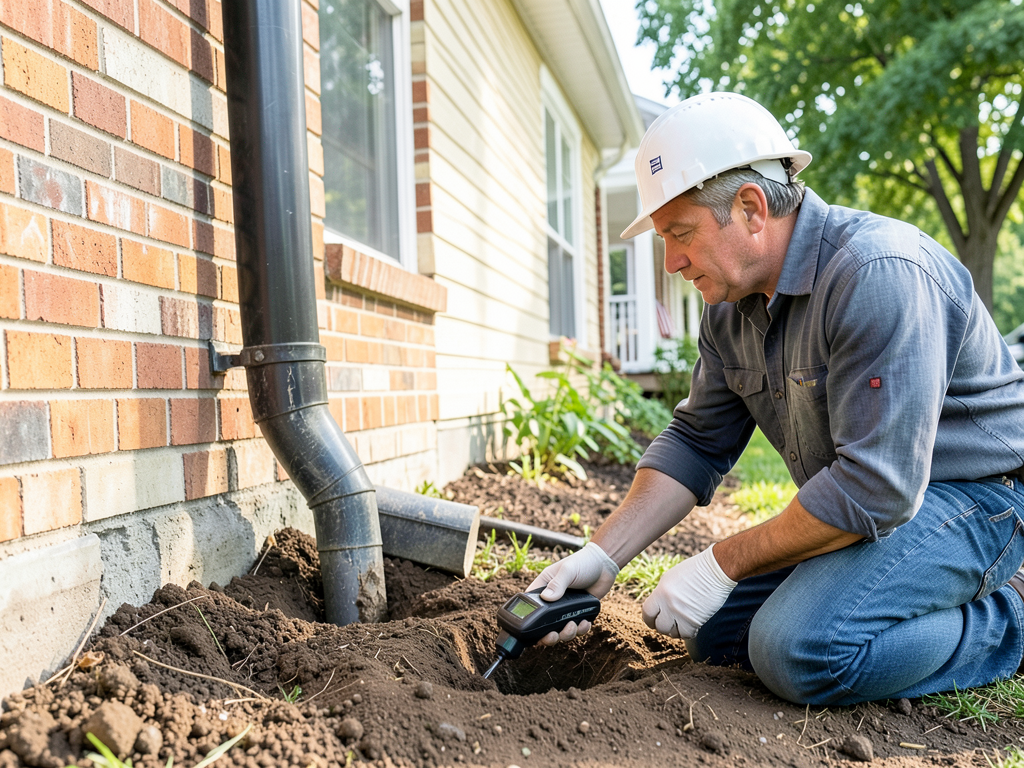
The Best Way to Handle Downspout Runoff in Narrow Manayunk Alleyways Water pouring off your roof into the narrow alleyway…

The Best Way to Handle Downspout Runoff in Narrow Manayunk Alleyways

The Best Way to Handle Downspout Runoff in Narrow Manayunk Alleyways Water pouring off your roof into the narrow alleyway…

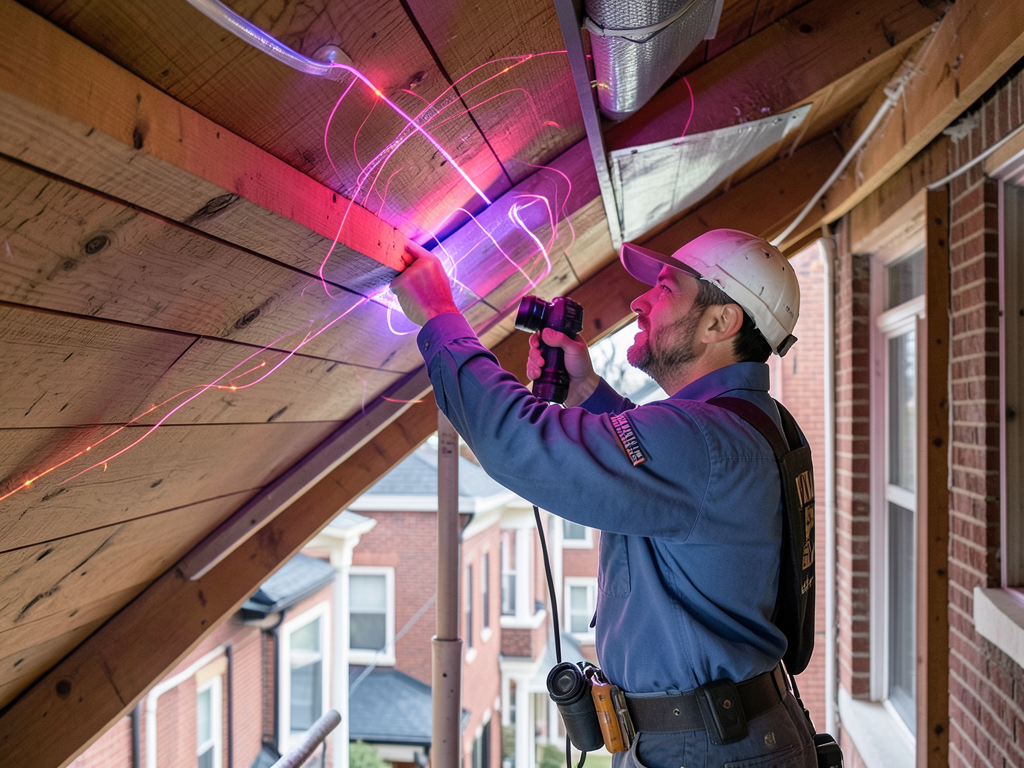
Finding the Leak in Your Complicated Tudor Roof in West Mt. Airy

Finding the Leak in Your Complicated Tudor Roof in West Mt. Airy Water dripping from your ceiling during a storm…

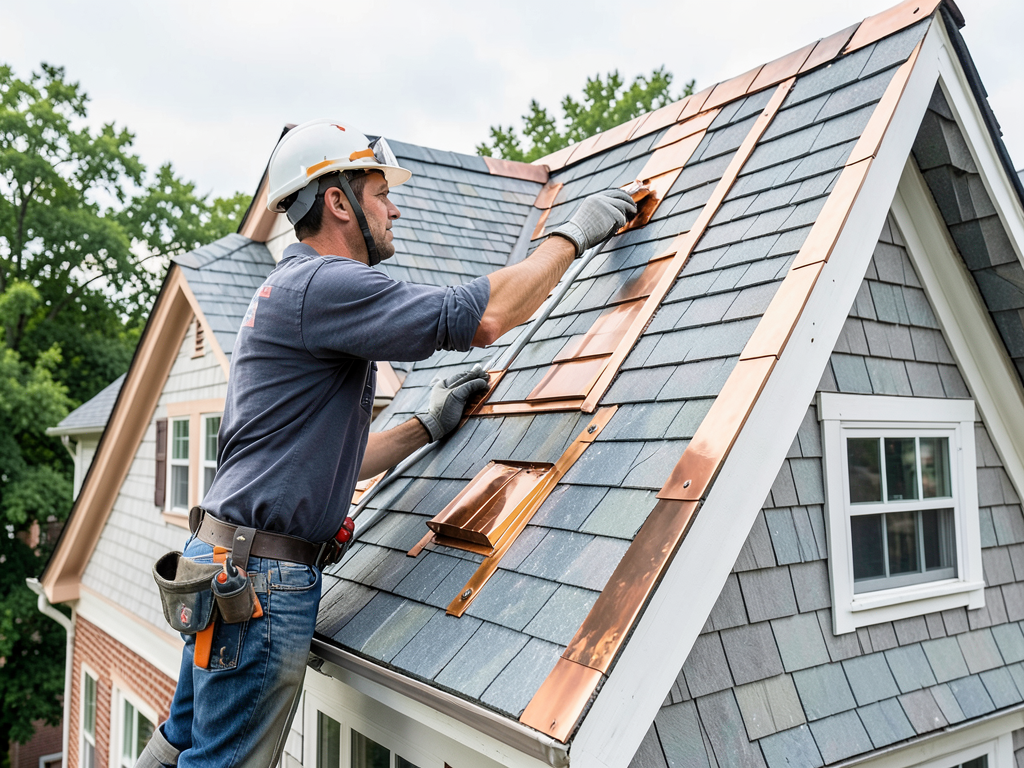
Why Ridge Vents Alone Might Not Be Enough for Your Hot Attic in Wynnefield

Why Ridge Vents Alone Might Not Be Enough for Your Hot Attic in Wynnefield Your attic feels like an oven…

Contact Us

Water damage gets worse every minute. Call Atlas Roofing Philadelphia at (267) 344-1222 for immediate emergency flat roof patching. Our crews are standing by 24/7 with the materials and expertise to stop your leak fast. Do not wait until morning. Call now.