
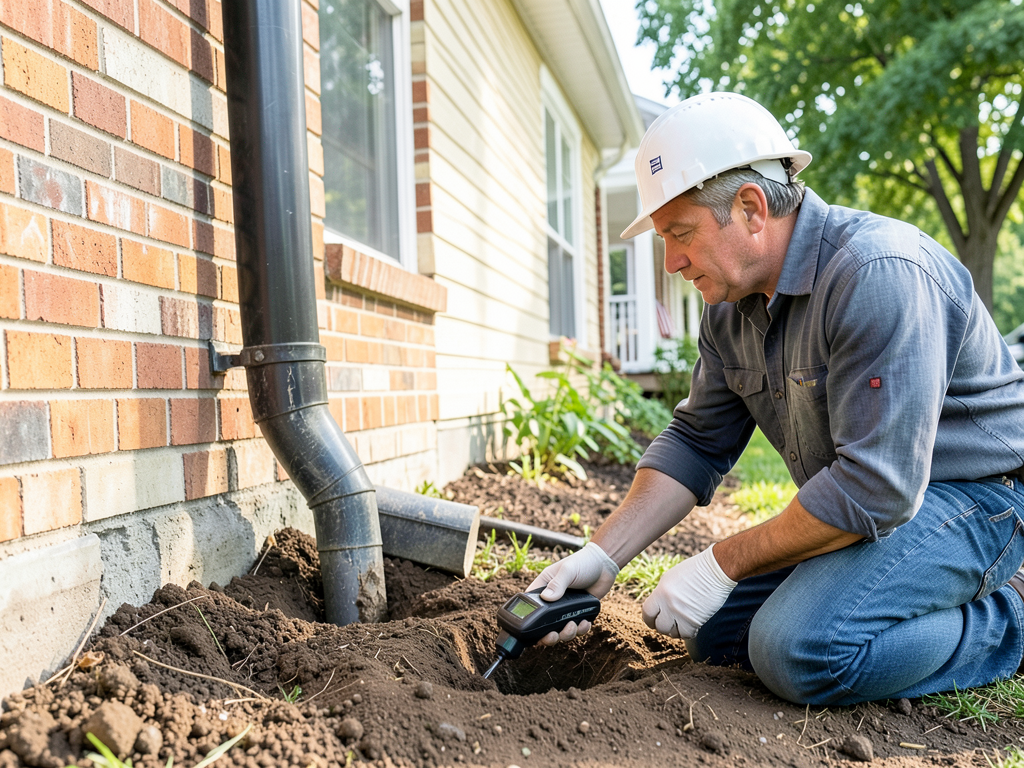
The Best Way to Handle Downspout Runoff in Narrow Manayunk Alleyways
Water pouring off your roof into the narrow alleyway behind your Manayunk rowhome isn’t just an inconvenience—it’s a structural threat that can lead to basement flooding, foundation damage, and even Philadelphia Water Department violations. In this comprehensive guide, we’ll show you exactly how to manage downspout runoff in Manayunk’s unique urban environment, from simple DIY fixes to professional solutions that comply with local codes. EPA Green Infrastructure.
Why Manayunk’s Alleyways Create Unique Drainage Challenges
Manayunk’s historic rowhomes sit on lots that average just 15-18 feet wide, with alleyways often measuring only 6-8 feet between buildings. This tight spacing means roof runoff has nowhere to go but straight down into confined spaces where water accumulates rapidly. The Philadelphia Water Department reports that combined sewer overflow events increase by 40% in neighborhoods with dense rowhome construction during heavy rainfall. Why More Homeowners in Manayunk Are Switching to Metal Roofing.
The problem compounds with Manayunk’s hilly terrain. Water gains velocity as it travels downhill through alleyways, creating erosion channels that can undermine foundations within just a few storm seasons. Local soil composition—primarily clay-heavy Wissahickon schist—doesn’t absorb water quickly, forcing runoff to travel horizontally until it finds an exit point. The Best Local Roofing Companies for Luxury Homes on the Main Line.
Philadelphia building codes require that downspouts direct water at least 5 feet away from foundation walls, but in Manayunk’s narrow lots, achieving this distance often means routing water into public right-of-ways or neighboring properties—both of which can trigger violations.
Common Downspout Problems in Manayunk Rowhomes
Before implementing solutions, you need to understand what’s causing your runoff issues. Here are the most frequent problems we see in Manayunk:
- Clogged gutters from tree debris – Manayunk’s mature street trees drop leaves and twigs that accumulate in gutter systems, causing overflow directly at foundation level
- Improper downspout sizing – Many older rowhomes have undersized downspouts that cannot handle modern roof areas and rainfall volumes
- Cracked or separated downspout joints – Freeze-thaw cycles common in Philadelphia cause metal and plastic joints to separate, creating leaks at connection points
- Missing splash blocks – The small concrete pads that should direct water away from downspout exits are often deteriorated or absent in older properties
- Underground pipe failures – Clay or Orangeburg pipes installed before 1980 often collapse, causing backups that force water to exit at foundation level
The diagnostic test we use on every Manayunk property involves running water through the entire gutter system while observing flow patterns. We look for water escaping at joints, pooling around foundation walls, and backing up into gutter channels—all signs of system failure that require immediate attention.. Read more about How to Manage Shared Gutter Issues with Your Neighbor in Overbrook Park.
Philadelphia Water Department Regulations You Must Know
The Philadelphia Water Department’s Green City, Clean Waters initiative directly impacts how you handle downspout runoff. Under current regulations, property owners must ensure that roof runoff doesn’t contribute to combined sewer overflows that pollute the Schuylkill and Delaware rivers.
Key regulations include:
- Section 14-704(4) of the Philadelphia Code prohibits direct connection of downspouts to the combined sewer system without proper permits
- The Rain Check program offers rebates up to $2,000 for installing rain barrels, disconnecting downspouts, and creating rain gardens
- Right-of-way discharge rules require that any water directed onto public property must flow along approved paths and not create ice hazards in winter
Violations can result in fines starting at $300 and mandatory corrective work orders. The Water Department conducts random inspections in high-priority areas like Manayunk, particularly after heavy rainfall events.
Professional Solutions for Manayunk Downspout Runoff
When DIY fixes aren’t enough, these professional solutions address Manayunk’s specific challenges:
Underground Drainage Systems
We install solid PVC piping systems that carry water from downspouts to the street or approved discharge points. These systems include cleanout access points for maintenance and are designed to handle Philadelphia’s freeze-thaw cycles without cracking. Winter Roof Maintenance Tips.
The installation process involves trenching 12-18 inches deep, laying perforated or solid pipe depending on soil conditions, and connecting to either the combined sewer system (with proper permits) or to a pop-up emitter that releases water at surface level during dry weather.
Rain Barrel Integration
Rain barrels capture the first 50-80 gallons of runoff from each downspout, reducing the volume that needs to be managed through drainage systems. The Philadelphia Water Department’s Rain Check program provides technical assistance and rebates for installation.
Key considerations for Manayunk properties include ensuring barrels have overflow connections to prevent backup during heavy storms and positioning them where they won’t create tripping hazards in narrow alleyways.
French Drain Systems
French drains collect subsurface water and channel it away from problem areas. In Manayunk’s clay soils, we install deeper drains (18-24 inches) with larger aggregate to improve water movement. The drain pipe includes perforations covered with filter fabric to prevent soil infiltration.
These systems work particularly well along foundation walls where hydrostatic pressure builds up during heavy rainfall. The collected water can be directed to a dry well, storm drain, or pop-up emitter.
Permeable Surface Solutions
For properties with yard space, permeable pavers allow water to infiltrate while maintaining usable surface area. These systems include a gravel base layer that stores water until it can percolate into the soil, reducing runoff volume by up to 90%.
In Manayunk’s historic district, permeable solutions must be approved by the Philadelphia Historical Commission to ensure they don’t alter the neighborhood’s character.
DIY Solutions for Immediate Relief
While professional installation provides the most reliable results, several DIY approaches can help manage runoff while you plan larger projects:
Extend Downspouts Properly
Add downspout extensions that carry water at least 5-6 feet from your foundation. Use flexible accordion-style extensions for easy installation, but ensure they’re sloped correctly to prevent water pooling.
The critical measurement is ensuring the extension doesn’t create a new problem by directing water toward a neighbor’s foundation or into a public walkway where it can freeze in winter.
Install Splash Blocks Correctly
Concrete or plastic splash blocks should be positioned under downspout exits with the sloped surface facing away from your foundation. The block should extend at least 24 inches from the downspout exit point.
Check splash blocks after heavy storms—they often shift position and need realignment to maintain proper drainage direction.
Clean Gutters Seasonally
Gutter cleaning prevents overflow that can saturate foundation soil. In Manayunk, we recommend cleaning gutters in late fall after leaves drop and again in early spring to remove winter debris.
Pay special attention to downspout screens—these small filters prevent large debris from entering the system but need regular cleaning themselves.
Cost Comparison of Downspout Solutions
| Solution Type | Average Cost (Philadelphia) | Installation Time | Lifespan |
|---|---|---|---|
| Downspout Extensions | $50-$150 per downspout | 1-2 hours | 5-10 years |
| Rain Barrels | $80-$200 (plus rebates) | 2-4 hours | 10-15 years |
| Underground Drainage | $1,500-$4,000 per system | 1-2 days | 20-30 years |
| French Drains | $2,000-$5,000 per installation | 2-3 days | 25-40 years |
| Permeable Pavers | $8-$15 per square foot | 3-5 days | 20-25 years |
Step-by-Step Downspout Assessment Process
- Visual Inspection
Examine all gutters and downspouts for visible damage, clogs, or separation at joints. Look for water stains on foundation walls indicating overflow points.
- Flow Test
Run water through the system using a garden hose. Observe where water exits and whether it flows freely through underground pipes.
- Foundation Check
Inspect the area around your foundation for signs of erosion, pooling water, or moisture damage to siding materials.
- Underground Survey
Check for depressions in soil or lawn that might indicate collapsed drainage pipes beneath the surface.
- Compliance Review
Verify that your current system meets Philadelphia’s 5-foot discharge requirement and doesn’t create hazards on public property.
Seasonal Maintenance Schedule for Manayunk Properties
Philadelphia’s climate creates different challenges throughout the year. Here’s a maintenance schedule that prevents seasonal problems:
- Early Spring – Clear winter debris, check for ice damage, test system flow
- Late Spring – Clean gutters thoroughly, inspect for spring storm damage
- Early Summer – Check for plant growth in gutters, verify all connections
- Late Summer – Prepare for fall leaf drop, install gutter guards if needed
- Early Fall – Final cleaning before winter, check downspout extensions
- Late Fall – Remove all leaves, ensure system is ready for winter freezes
Common Mistakes to Avoid
Even well-intentioned homeowners make these errors when addressing downspout runoff:
- Directing water to neighboring properties – This creates liability issues and neighbor disputes
- Installing improper pipe sizes – Using pipes too small for your roof area causes backups
- Ignoring freeze protection – Pipes must be buried below frost line or include insulation in Philadelphia
- Creating ice hazards – Water discharge onto walkways must include freeze protection measures
- DIY without permits – Major drainage modifications often require Philadelphia L&I permits
Emergency Response for Severe Runoff Problems
When heavy rainfall causes immediate flooding, take these emergency steps:
- Divert water immediately – Use temporary barriers like sandbags or plastic sheeting to redirect flowing water away from your foundation
- Clear blockages – Remove debris from gutters and downspouts to restore flow capacity
- Protect interior spaces – Move valuables from basement areas and use wet vacs to remove standing water
- Document damage – Take photos for insurance purposes before making permanent repairs
- Contact professionals – Call (267) 344-1222 for emergency drainage assessment and permanent solutions
Frequently Asked Questions
How much does professional downspout drainage cost in Manayunk?
Professional drainage installation in Manayunk typically ranges from $1,500 to $4,000 depending on the complexity of your property and the solution required. Factors affecting cost include underground pipe length, connection requirements, and whether you need historical district approvals.
Can I legally connect my downspout to the city sewer system?
Direct connection to the combined sewer system requires permits from the Philadelphia Water Department and may not be allowed in all areas. Most properties must use approved discharge methods like pop-up emitters or rain gardens. Check with PWD before making any underground connections.
How long does it take to install a complete drainage system?
Most residential drainage installations in Manayunk take 1-3 days depending on weather conditions and the complexity of your property. Underground work may require additional time for permits and inspections. We provide detailed timelines before starting any project.
Will improving my drainage affect my neighbors?
Properly designed drainage systems should not negatively impact neighboring properties. In fact, many Manayunk drainage problems are interconnected, with water from one property affecting multiple neighbors. Our solutions focus on community-wide drainage improvement while maintaining individual property rights.
What permits do I need for drainage work in Philadelphia?
Most drainage modifications require permits from the Philadelphia Department of Licenses and Inspections. Work affecting public right-of-way or historical properties may need additional approvals. We handle all permitting requirements as part of our professional installation services.
Why Choose Atlas Roofing Philadelphia for Your Drainage Needs
Atlas Roofing Philadelphia brings 15+ years of local experience to every drainage project. We understand Manayunk’s unique challenges because we’ve solved them for hundreds of your neighbors. Our team includes certified drainage specialists who know Philadelphia building codes inside and out. Roofing Pittsburgh.
We don’t just install pipes—we diagnose the root cause of your runoff problems and design comprehensive solutions that protect your foundation for decades. Our work comes with warranties, and we handle all permitting and inspections to ensure your system meets every Philadelphia requirement.
Ready to solve your downspout runoff problems? Call (267) 344-1222 today to schedule your free assessment. Don’t wait for the next heavy storm to discover your drainage system isn’t working—let our Manayunk drainage experts protect your home now.
For more information about our complete roofing and exterior services, visit our website or check out our guide on preventing roof leaks in Philadelphia rowhomes.
Water damage doesn’t wait, and neither should you. Pick up the phone and call (267) 344-1222 before the next storm hits. Your foundation—and your peace of mind—are worth protecting.
{
“@context”: “https://schema.org”,
“@type”: “BlogPosting”,
“headline”: “The Best Way to Handle Downspout Runoff in Narrow Manayunk Alleyways”,
“description”: “Expert downspout runoff solutions for Manayunk rowhomes. Learn how to prevent basement flooding and comply with Philadelphia Water Department regulations.”,
“wordCount”: 1964,
“datePublished”: “2026-06-12T08:09:00.000Z”,
“dateModified”: “2026-06-12T08:09:00.000Z”,
“inLanguage”: “en-US”,
“mainEntityOfPage”: {
“@type”: “WebPage”,
“@id”: “https://atlasroofingphiladelphia.com”
},
“publisher”: {
“@type”: “LocalBusiness”,
“name”: “Atlas Roofing Philadelphia”,
“url”: “https://atlasroofingphiladelphia.com”
},
“author”: {
“@type”: “Organization”,
“name”: “Atlas Roofing Philadelphia”,
“url”: “https://atlasroofingphiladelphia.com”
},
“image”: {
“@type”: “ImageObject”,
“url”: “https://atlasroofingphiladelphia.com/wp-content/uploads/2026/03/the-best-way-to-handle-downspout-runoff-in-narrow-1.png”
}
}
{
“@context”: “https://schema.org”,
“@type”: “RoofingContractor”,
“name”: “Atlas Roofing Philadelphia”,
“url”: “https://atlasroofingphiladelphia.com”,
“address”: {
“@type”: “PostalAddress”,
“addressLocality”: “Philadelphia”
},
“areaServed”: {
“@type”: “City”,
“name”: “Philadelphia”
}
}
{
“@context”: “https://schema.org”,
“@type”: “FAQPage”,
“mainEntity”: [
{
“@type”: “Question”,
“name”: “How much does professional downspout drainage cost in Manayunk?”,
“acceptedAnswer”: {
“@type”: “Answer”,
“text”: “Professional drainage installation in Manayunk typically ranges from $1,500 to $4,000 depending on the complexity of your property and the solution required. Factors affecting cost include underground pipe length, connection requirements, and whether you need historical district approvals.”
}
},
{
“@type”: “Question”,
“name”: “Can I legally connect my downspout to the city sewer system?”,
“acceptedAnswer”: {
“@type”: “Answer”,
“text”: “Direct connection to the combined sewer system requires permits from the Philadelphia Water Department and may not be allowed in all areas. Most properties must use approved discharge methods like pop-up emitters or rain gardens. Check with PWD before making any underground connections.”
}
},
{
“@type”: “Question”,
“name”: “How long does it take to install a complete drainage system?”,
“acceptedAnswer”: {
“@type”: “Answer”,
“text”: “Most residential drainage installations in Manayunk take 1-3 days depending on weather conditions and the complexity of your property. Underground work may require additional time for permits and inspections. We provide detailed timelines before starting any project.”
}
},
{
“@type”: “Question”,
“name”: “Will improving my drainage affect my neighbors?”,
“acceptedAnswer”: {
“@type”: “Answer”,
“text”: “Properly designed drainage systems should not negatively impact neighboring properties. In fact, many Manayunk drainage problems are interconnected, with water from one property affecting multiple neighbors. Our solutions focus on community-wide drainage improvement while maintaining individual property rights.”
}
},
{
“@type”: “Question”,
“name”: “What permits do I need for drainage work in Philadelphia?”,
“acceptedAnswer”: {
“@type”: “Answer”,
“text”: “Most drainage modifications require permits from the Philadelphia Department of Licenses and Inspections. Work affecting public right-of-way or historical properties may need additional approvals. We handle all permitting requirements as part of our professional installation services.”
}
}
]
}
{
“@context”: “https://schema.org”,
“@type”: “HowTo”,
“name”: “How to Assess Your Downspout System”,
“step”: [
{
“@type”: “HowToStep”,
“position”: 1,
“name”: “Visual Inspection”,
“text”: “Examine all gutters and downspouts for visible damage, clogs, or separation at joints. Look for water stains on foundation walls indicating overflow points.”
},
{
“@type”: “HowToStep”,
“position”: 2,
“name”: “Flow Test”,
“text”: “Run water through the system using a garden hose. Observe where water exits and whether it flows freely through underground pipes.”
},
{
“@type”: “HowToStep”,
“position”: 3,
“name”: “Foundation Check”,
“text”: “Inspect the area around your foundation for signs of erosion, pooling water, or moisture damage to siding materials.”
},
{
“@type”: “HowToStep”,
“position”: 4,
“name”: “Underground Survey”,
“text”: “Check for depressions in soil or lawn that might indicate collapsed drainage pipes beneath the surface.”
},
{
“@type”: “HowToStep”,
“position”: 5,
“name”: “Compliance Review”,
“text”: “Verify that your current system meets Philadelphia’s 5-foot discharge requirement and doesn’t create hazards on public property.”
}
],
“image”: “https://atlasroofingphiladelphia.com/wp-content/uploads/2026/03/the-best-way-to-handle-downspout-runoff-in-narrow-1.png”
}
{
“@context”: “https://schema.org”,
“@type”: “BreadcrumbList”,
“itemListElement”: [
{
“@type”: “ListItem”,
“position”: 1,
“name”: “Home”,
“item”: “https://atlasroofingphiladelphia.com”
},
{
“@type”: “ListItem”,
“position”: 2,
“name”: “Blog”,
“item”: “https://atlasroofingphiladelphia.com/blog”
},
{
“@type”: “ListItem”,
“position”: 3,
“name”: “The Best Way to Handle Downspout Runoff in Narrow Manayunk Alleyways”
}
]
}
{
“@context”: “https://schema.org”,
“@type”: “Service”,
“serviceType”: “Roofing”,
“provider”: {
“@type”: “LocalBusiness”,
“name”: “Atlas Roofing Philadelphia”,
“url”: “https://atlasroofingphiladelphia.com”
},
“areaServed”: {
“@type”: “City”,
“name”: “Philadelphia”
},
“description”: “Expert downspout runoff solutions for Manayunk rowhomes. Learn how to prevent basement flooding and comply with Philadelphia Water Department regulations.”
}