




menu

24/7 Emergency Roof Repair in Philadelphia | Crews Dispatched in Under 60 Minutes

When your roof fails at 2 AM or during a storm, you need immediate help. Our emergency response teams are on standby around the clock with fully stocked trucks, ready to stop leaks, secure tarps, and prevent further damage to your Philadelphia home or business.

Slider Image 1
Slider Image 2
Slider Image 3
Slider Image 4
Slider Image 5
Slider Image 7
Slider Image 8
Slider Image 9
Slider Image 10
Slider Image 11

Why Philadelphia Roofs Fail Without Warning

Philadelphia's four-season climate punishes roofs in ways most homeowners never see coming. The freeze-thaw cycle from December through March expands and contracts roofing materials dozens of times each winter. Water seeps into tiny cracks during a 40-degree afternoon, then freezes at night when temperatures drop to 20. That ice expands with tremendous force, widening gaps in flashing, lifting shingles, and cracking sealant around vents and chimneys.

Summer humidity compounds the problem. Philadelphia averages 65% relative humidity during July and August. That moisture works its way under compromised shingles, rotting roof decking from the inside out. You won't see it until water drips through your ceiling during a thunderstorm.

The rowhouse architecture common in neighborhoods like Fishtown, South Philly, and West Philadelphia creates additional vulnerabilities. Shared party walls and interconnected rooflines mean a leak on your side can migrate into your neighbor's property within hours. Emergency roof leak repair becomes urgent when water spreads across multiple units.

Wind-driven rain from nor'easters hits Philadelphia with shocking force. These storms push water sideways under shingles that would otherwise shed vertical rainfall. Your roof might have survived 20 years of normal weather, then fail catastrophically during a single March storm with sustained 40 mph winds.

When disaster strikes at 11 PM on a Saturday, you need after hours roofing contractors who understand these specific challenges. Generic 24 hour roof repair services won't know to check the cricket behind your chimney or inspect the step flashing where your roof meets brick walls. Philadelphia roofs require Philadelphia expertise, delivered fast.

Why Philadelphia Roofs Fail Without Warning
How Atlas Roofing Philadelphia Stops the Damage Now

How Atlas Roofing Philadelphia Stops the Damage Now

Our emergency roofing services start the moment you call. No answering service, no callbacks. A live dispatcher answers, collects details about your situation, and immediately radios the nearest available crew. Our trucks carry industrial tarps, roofing cement, replacement flashing, plywood sheathing, and battery-powered tools. We arrive ready to work, not just assess.

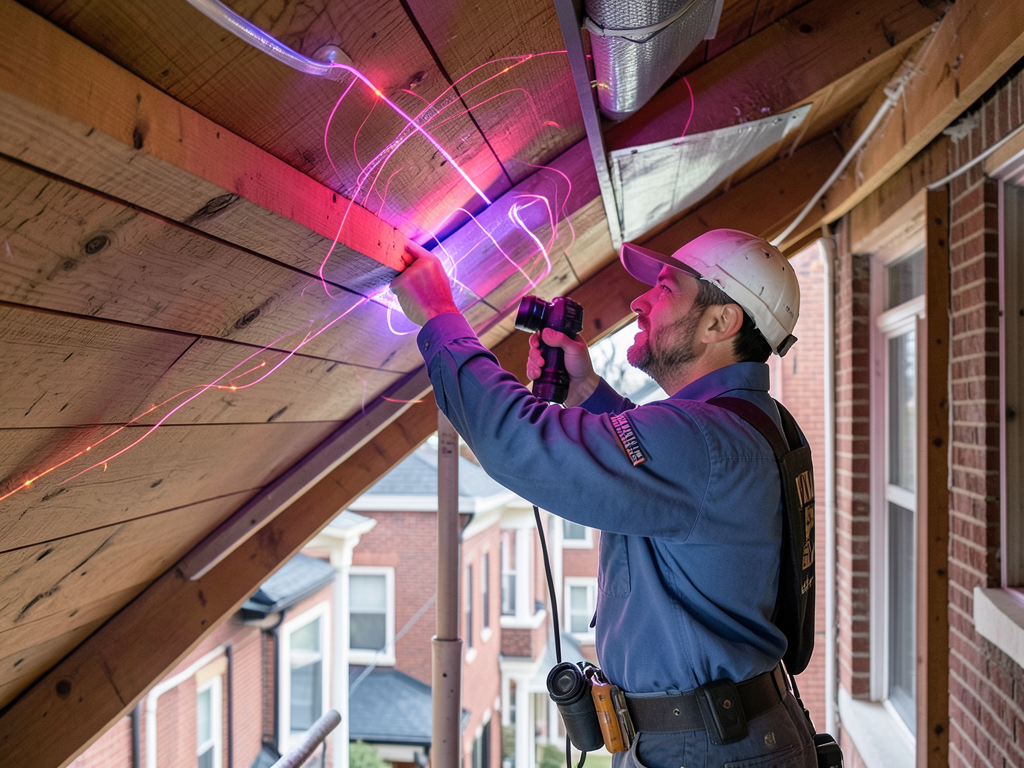
The first priority is always water control. We locate the entry point, not just the interior drip. Water travels along rafters and decking before it drops through your ceiling. The wet spot in your bedroom might be 15 feet from the actual roof penetration. Our technicians trace the water path using moisture meters and thermal imaging, then stop it at the source.

Temporary weatherproofing follows immediately. We secure commercial-grade tarps using screwed battens, not just sandbags that blow away in the next storm. If flashing has separated from a chimney or skylight, we apply emergency sealant rated for below-freezing temperatures. If wind has lifted shingles, we nail them flat and seal the edges. The goal is complete weather protection until permanent repairs can happen in daylight.

For severe damage like missing sections of decking or compromised structural members, we install emergency sheathing. This isn't cosmetic. We're preventing rain from saturating your insulation, joists, and drywall. Every hour of exposure multiplies the restoration cost.

We document everything with photos and detailed notes for your insurance claim. Most policies cover emergency mitigation measures, including our urgent roof repair services. We itemize materials used, hours worked, and damage observed. You get a written report before we leave, giving you exactly what your adjuster needs to process the claim quickly.

What Happens When You Call for Emergency Help

24/7 Emergency Roof Repair in Philadelphia | Crews Dispatched in Under 60 Minutes
01

Immediate Dispatch

You reach a live person, not a voicemail, every time you call. Our dispatcher asks targeted questions to determine severity and equipment needs. Within five minutes, a crew receives the work order with your address, contact number, and problem description. They call you directly from the truck to confirm access details and estimated arrival time. No waiting until morning, no callback lists.
02

On-Site Assessment and Containment

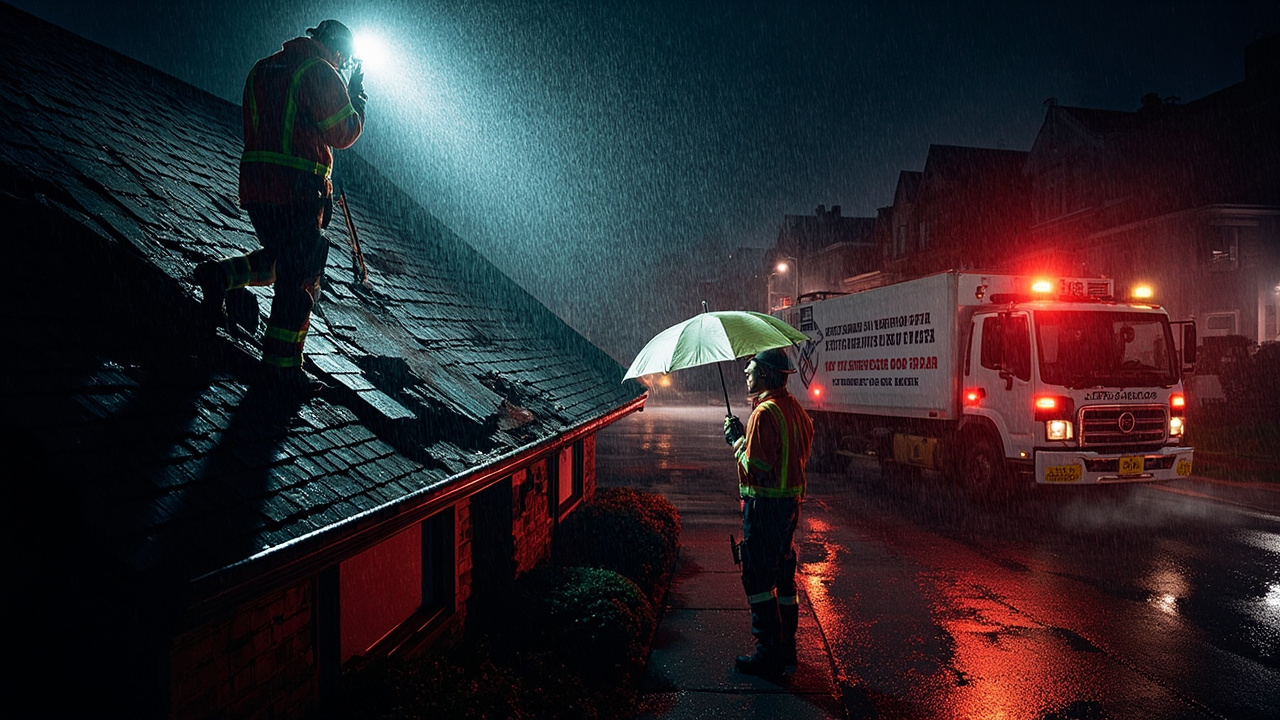
The crew arrives with ladder racks, safety equipment, and repair materials. They inspect the damage from both interior and exterior vantage points, using headlamps and work lights for night visibility. You get a frank assessment of what's happening, why it happened, and what needs to happen right now versus what can wait. They explain the temporary fix before starting work, so you understand exactly what you're getting.
03

Secured and Documented

Before leaving, the lead technician walks you through the completed emergency repairs. You see where tarps are secured, what areas are sealed, and what still needs attention during follow-up work. They provide a written report with photos, material lists, and next-step recommendations. You receive a follow-up call within 24 hours to schedule permanent repairs and answer insurance questions. Your property is secure, and you have a clear path forward.

Why Philadelphia Trusts Atlas Roofing for Middle-of-the-Night Emergencies

Emergency roof repair in a city of 1.5 million rowhouses, twins, and detached homes requires local knowledge you can't learn from a training manual. Our crews know the difference between a 1920s slate roof in Chestnut Hill and a 1980s architectural shingle roof in Northeast Philly. They understand how party wall flashing fails on Old City rowhomes and why flat roofs in Port Richmond develop ponding problems.

We're familiar with Philadelphia's building codes and permit requirements. If emergency repairs require structural work, we know when to file for expedited permits and when emergency provisions apply. We've worked with every major insurance carrier that operates in the Philadelphia metro area. We know what documentation they require and how to communicate damage in terms adjusters understand.

Our trucks stage throughout the metro area, not in a single central location. That geographical distribution cuts response times. A crew based near your neighborhood reaches you faster than a company dispatching everyone from a shop in the suburbs. Speed matters when water is actively entering your building.

You're trusting us with your home or business during a crisis. That responsibility shapes everything we do. Our technicians arrive in marked vehicles with company uniforms and photo IDs. They treat your property with care, using drop cloths and cleaning up debris. They communicate clearly about what's happening and what comes next.

We're not a franchise or a referral service that farms out calls to random contractors. Atlas Roofing Philadelphia directly employs every technician who responds to your call. We control quality, training, and accountability. When you call us back with questions or concerns, you're speaking to the same company that did the work.

What to Expect During an Emergency Roof Repair Call

Response Time and Availability

We answer phones 24 hours a day, 365 days a year. That includes Thanksgiving, Christmas Eve, and New Year's Day. Our goal is boots on your roof within 60 minutes for active leaks in the city and within 90 minutes for surrounding areas. Severe weather events that generate multiple simultaneous calls may extend response times, but you'll receive realistic arrival estimates based on current crew locations. We don't make promises we can't keep. If we're swamped, we tell you honestly and help you decide if you need to call a second company.

The Emergency Assessment Process

The crew inspects visible damage first, then investigates underlying causes. They check attic spaces for water intrusion patterns, examine roof decking for soft spots, and inspect flashing at all critical junctions. They use moisture meters to map wet areas you can't see. You get clear explanations in plain language about what failed, why it failed, and what's required to fix it properly. The assessment includes photo documentation from multiple angles, creating a visual record for insurance purposes and for planning permanent repairs.

Immediate Weatherproofing Results

When the crew leaves, your property is protected from further weather damage. Tarps are secured with screwed battens and sealed edges. Emergency flashing repairs use professional-grade materials, not hardware store quick fixes. Exposed roof decking gets covered with sheathing, not just plastic. You can sleep knowing the next rainstorm won't cause additional damage. The temporary repairs hold up for weeks or even months if needed, giving you time to plan permanent work, deal with insurance, and schedule repairs during better weather.

Follow-Up and Permanent Repair Planning

Emergency repairs are temporary by nature. Within 24 hours of the initial call, we contact you to discuss permanent solutions. We provide detailed estimates for complete repairs, explaining what needs replacement versus what can be salvaged. If you're filing an insurance claim, we work directly with adjusters, providing documentation and answering technical questions. We schedule permanent repairs at your convenience, coordinating with your insurance timeline. The same company that responded to your emergency handles the final work, ensuring continuity and accountability from crisis to completion.

Frequently Asked Questions

You Have Questions,
We Have Answers

Can a roof be replaced in one day? +

Yes, many roof replacements finish in one day, especially on smaller homes with straightforward layouts. Your crew size, roof size, and complexity determine the timeline. Philadelphia rowhomes with flat roofs often wrap up faster than multi-level Chestnut Hill Colonials. Weather delays are common. Fall freeze-thaw cycles and sudden storms can pause work. Tear-off, decking inspection, underlayment, and shingle installation happen fast with an experienced crew. If you have severe storm damage and need immediate protection, tarping takes hours, not days. Full replacement scheduling depends on material availability and permit requirements.

What constitutes a roofing emergency? +

A roofing emergency means active water intrusion or structural danger. Missing shingles after a nor'easter, punctures from fallen branches, or compromised flashing around chimneys qualify. You need immediate action when water stains appear on ceilings, attic insulation gets soaked, or you see daylight through the decking. Philadelphia's freeze-thaw cycles worsen small leaks fast. Wind-driven rain from coastal storms pushes water under damaged shingles. Sagging sections signal decking failure. Do not wait. Call 24/7 emergency services to prevent mold growth, electrical hazards, and interior damage. Tarping buys time until permanent repairs happen.

How to pay for a roof when you can't afford it? +

When you cannot afford a roof replacement upfront, explore financing options fast. Many contractors offer payment plans with approved credit. Home equity loans or lines of credit use your property value. Government programs like FHA Title 1 loans cover repairs without refinancing. Some Philadelphia homeowners qualify for weatherization assistance through local nonprofits. Credit cards with 0% introductory APR periods work for smaller emergency repairs. Insurance claims often cover storm damage minus your deductible. Document everything with photos. Do not delay emergency tarping because of cost. Temporary protection prevents worse damage and higher bills.

How much does it cost to emergency tarp a roof? +

Emergency roof tarping typically costs $300 to $1,500 depending on damage size and roof accessibility. A small puncture on a single-story rowhome costs less than tarping multiple sections on a steep-pitch Victorian. Philadelphia contractors charge more during peak storm seasons when demand spikes. Tarping materials include heavy-duty poly sheeting, lumber for battens, and fasteners. Expect higher rates for after-hours or weekend calls. Most reputable contractors deduct tarping costs from your final repair bill if you hire them for permanent work. Get tarping done immediately. Every hour of exposure increases interior water damage and repair costs.

How old may a roof be before insurance claims it's too old? +

Most insurance carriers consider roofs over 20 years old high-risk and may limit coverage to actual cash value instead of replacement cost. Policies vary. Three-tab asphalt shingles last 15 to 20 years in Philadelphia's climate. Architectural shingles stretch to 25 years. Insurers inspect roofs during underwriting. If your roof shows wear, they may exclude wind and hail damage or drop coverage entirely. Document regular maintenance with receipts and photos. After major storms, file claims fast. Age alone does not disqualify you, but pre-existing wear reduces payouts. Review your policy annually.

What is the most expensive part of replacing a roof? +

Labor represents the biggest expense in roof replacement, often 40% to 50% of total costs. Skilled crews handle tear-off, disposal, decking repairs, and installation. Philadelphia's multi-story rowhomes and steep Victorian pitches require more labor hours and safety equipment. Decking replacement adds cost if water damage rotted plywood sheathing. Premium materials like synthetic underlayment or architectural shingles increase material costs but save money long-term. Flashing, valleys, and chimney work demand detail. Disposal fees for old shingles vary by weight. Labor quality determines longevity. Cheap bids often mean rushed work or unlicensed crews.

Will insurance pay for a new roof if it's leaking? +

Insurance covers new roofs if leaks result from covered perils like wind, hail, or falling objects. Storm damage qualifies. Gradual wear from age or poor maintenance does not. Philadelphia homeowners must prove the leak came from a sudden event, not years of neglect. Adjusters inspect attic spaces, check decking, and review maintenance records. Document storm dates with photos and weather reports. File claims within your policy's timeframe. Replacement cost policies pay for new materials minus your deductible. Actual cash value policies deduct depreciation. Act fast after storms to strengthen your claim.

Can you repair just a section of a roof? +

Yes, you can repair isolated roof sections if damage stays localized. A few missing shingles after a windstorm or a small puncture from a tree limb do not require full replacement. Matching existing shingles becomes harder as roofs age and products change. Philadelphia freeze-thaw cycles make partial repairs tricky. New shingles on old roofs sometimes fail to seal properly. Reputable contractors inspect surrounding areas for hidden damage before recommending spot repairs. If your roof exceeds 15 years or multiple sections show wear, full replacement prevents repeat callbacks. Sectional repairs work best on newer roofs with isolated damage.

What not to say to a roof insurance adjuster? +

Never admit fault, exaggerate damage, or speculate about causes when talking to adjusters. Stick to facts. Do not say your roof was old or poorly maintained. Avoid phrases like "it has leaked for years" or "I ignored the problem." Adjusters use your words to deny claims. Do not agree to low settlement offers on the spot. Philadelphia homeowners should document everything with photos and timestamps before repairs start. Do not let adjusters pressure you into cheap fixes. Get independent estimates. Never sign release forms without reading them. Your goal is fair compensation, not friendship.

How to replace a roof with no money? +

Replacing a roof with no money requires creativity and persistence. Apply for emergency home repair grants through Philadelphia housing agencies. Some nonprofits assist low-income homeowners with critical repairs. Negotiate payment plans with contractors. Many offer financing through third-party lenders. Explore FHA Title 1 loans for home improvements without refinancing. Crowdfunding platforms help in desperate situations. If storm damage occurred, file an insurance claim even with high deductibles. Some contractors waive deductibles illegally. Avoid that. Prioritize emergency tarping to stop damage while you secure funding. Delaying worsens costs and creates safety hazards.

How Philadelphia's Rowhouse Architecture Affects Emergency Roof Repair

Philadelphia's distinctive rowhouse construction creates emergency challenges you won't find in suburban detached homes. Shared party walls mean roof damage rarely stays isolated. A leak on your side can travel horizontally across the dividing wall into your neighbor's attic within hours. The interconnected nature of these structures demands immediate response because water doesn't respect property lines. Our crews understand these shared-structure dynamics and check adjacent areas for collateral damage you might not discover until days later when your neighbor notices wet ceilings.

Working on Philadelphia roofs at night requires specialized local knowledge. Many Center City and surrounding neighborhood streets lack alley access, forcing crews to position ladders on sidewalks and coordinate with parking enforcement. Historic district properties in areas like Society Hill or Queen Village may have architectural restrictions that affect even emergency repairs. Our teams know these neighborhoods intimately and bring equipment sized for narrow streets and tight working conditions. We've secured emergency permits from the Philadelphia Department of Licenses and Inspections hundreds of times and understand expedited approval processes when structural damage requires immediate intervention.
Roofing Services in The Philadelphia Area

Atlas Roofing proudly serves the entire Philadelphia area, including all surrounding counties. We invite you to view our service area on the map to confirm we cover your neighborhood. As your trusted local roofing contractor, we are always ready to deploy our expert teams promptly to your home or business, ensuring you receive the high-quality, professional service you deserve, exactly when you need it.

Address:
Atlas Roofing Philadelphia, 100 N 18th St, Philadelphia, PA, 19103

Additional Services We Offer

Our news updates

Latest Articles & News from The Blogs

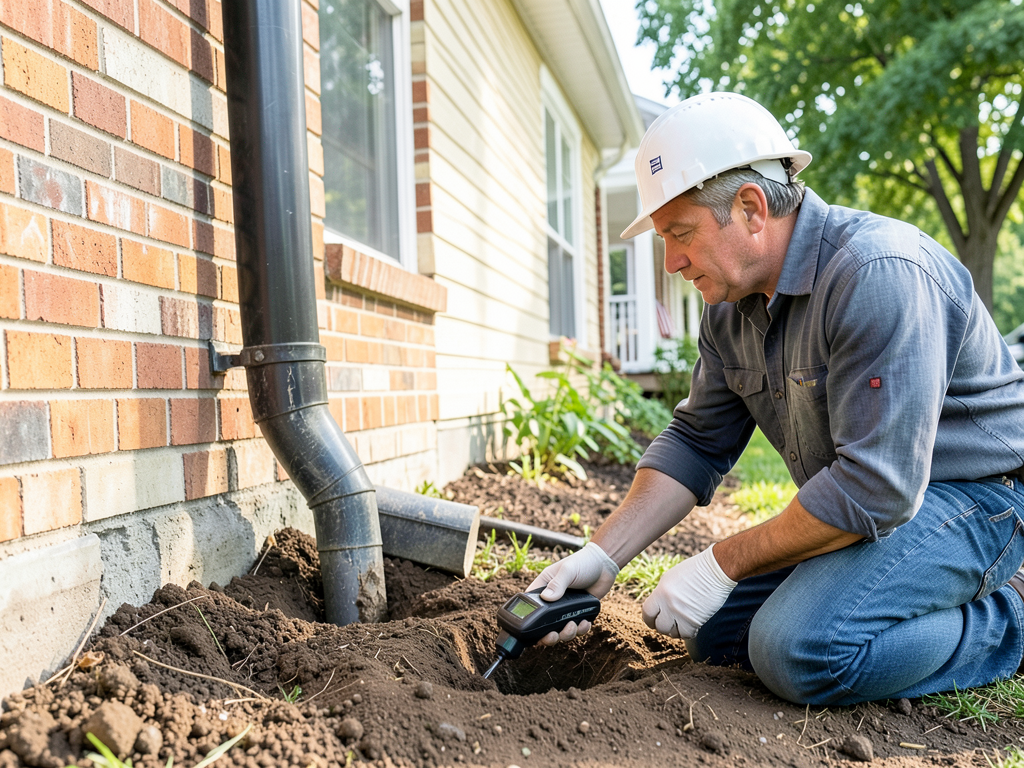
The Best Way to Handle Downspout Runoff in Narrow Manayunk Alleyways Water pouring off your roof into the narrow alleyway…

The Best Way to Handle Downspout Runoff in Narrow Manayunk Alleyways

The Best Way to Handle Downspout Runoff in Narrow Manayunk Alleyways Water pouring off your roof into the narrow alleyway…

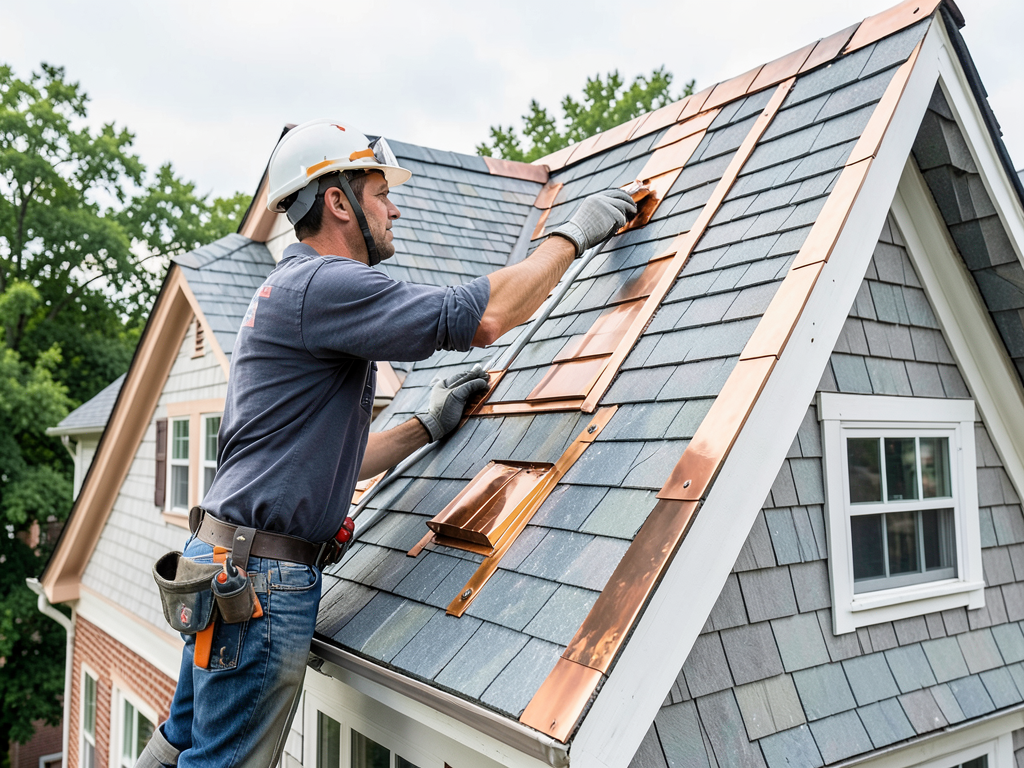
Finding the Leak in Your Complicated Tudor Roof in West Mt. Airy

Finding the Leak in Your Complicated Tudor Roof in West Mt. Airy Water dripping from your ceiling during a storm…

Why Ridge Vents Alone Might Not Be Enough for Your Hot Attic in Wynnefield

Why Ridge Vents Alone Might Not Be Enough for Your Hot Attic in Wynnefield Your attic feels like an oven…

Contact Us

Every minute counts when water is entering your building. Call Atlas Roofing Philadelphia at (267) 344-1222 right now. Our dispatch team answers immediately, and a crew heads your way within minutes. We're ready to stop the leak and secure your property tonight.