




menu

TPO vs EPDM Roofing Guide for Philadelphia – Make the Right Choice for Your Flat Roof

Compare thermoplastic polyolefin and rubber roofing materials with data-driven insights on performance, installation requirements, and long-term value specific to Philadelphia's climate and building types.

Slider Image 1
Slider Image 2
Slider Image 3
Slider Image 4
Slider Image 5
Slider Image 7
Slider Image 8
Slider Image 9
Slider Image 10
Slider Image 11

Why Philadelphia Building Owners Struggle with Flat Roofing Decisions

Philadelphia's freeze-thaw cycles create unique challenges for flat roofing systems. When temperatures swing from 15°F in January to 95°F in July, your roofing membrane contracts and expands repeatedly. This stress accelerates wear on single-ply systems if you choose the wrong material.

The difference between TPO and EPDM becomes critical when you factor in Philadelphia's rowhome architecture and commercial warehouse districts. Many property owners in Kensington, Fishtown, and Center City manage older buildings with limited roof access. Your material choice affects not just performance but installation complexity and future maintenance access.

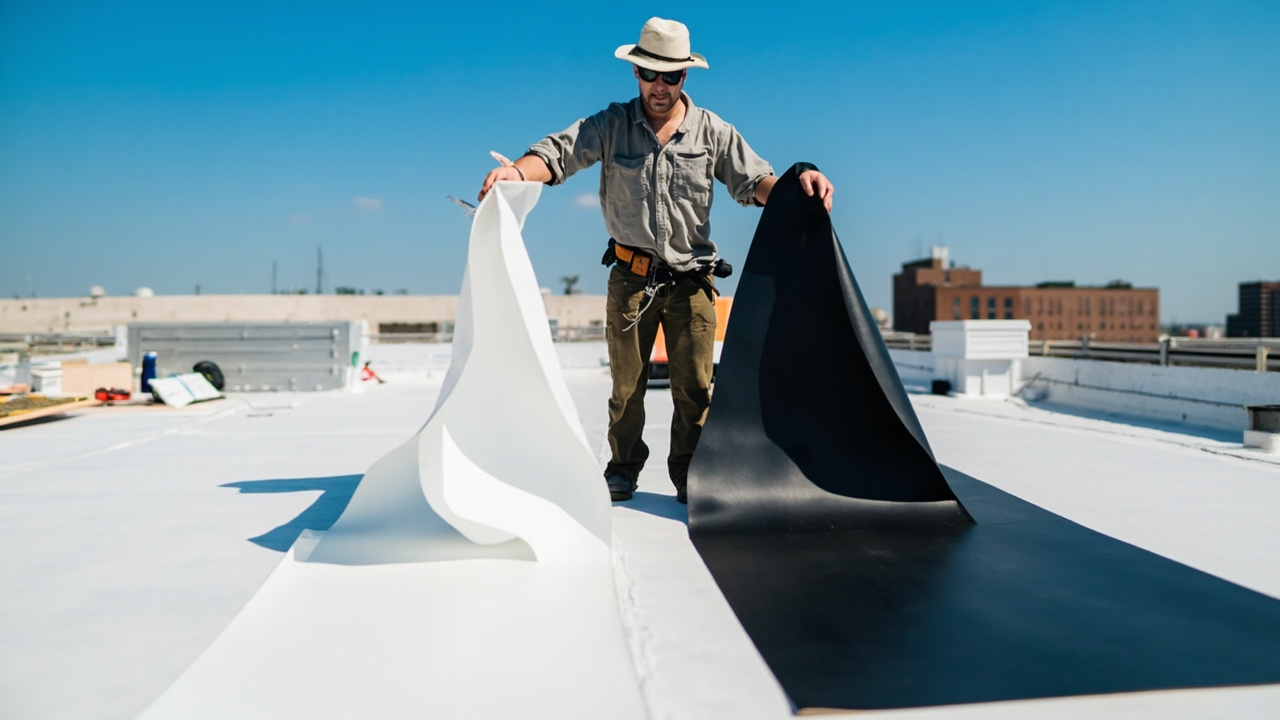
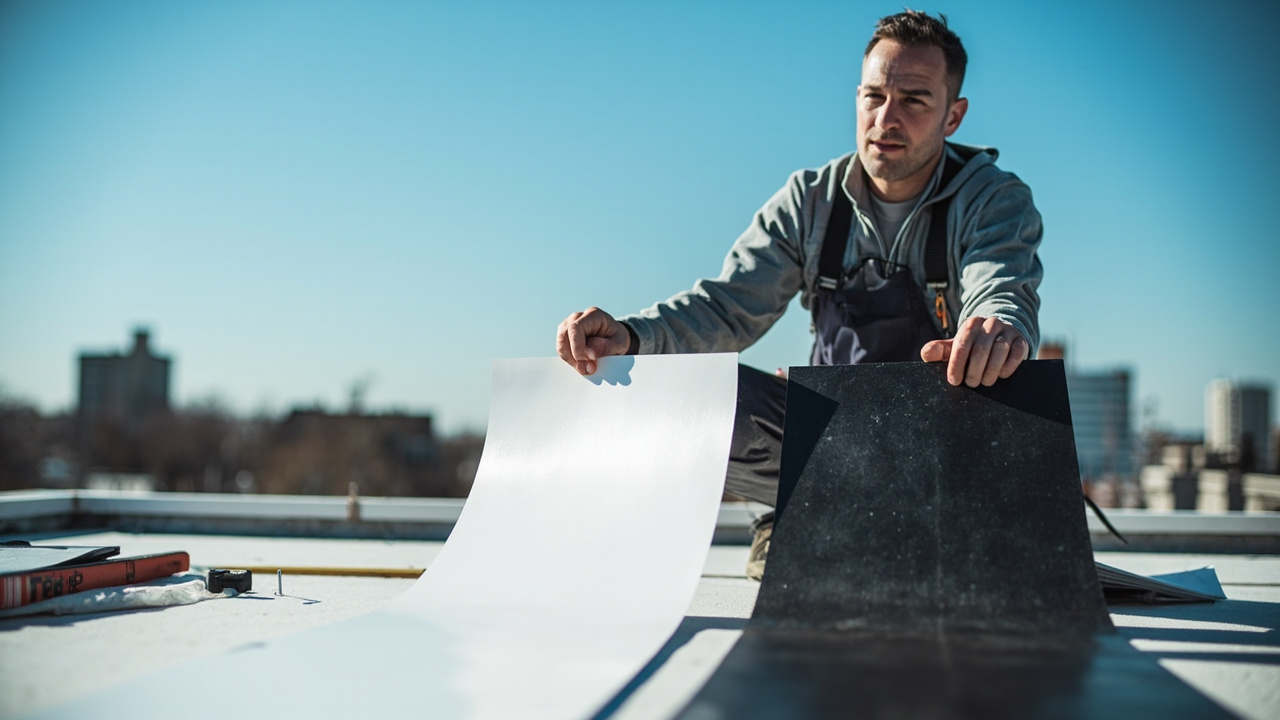
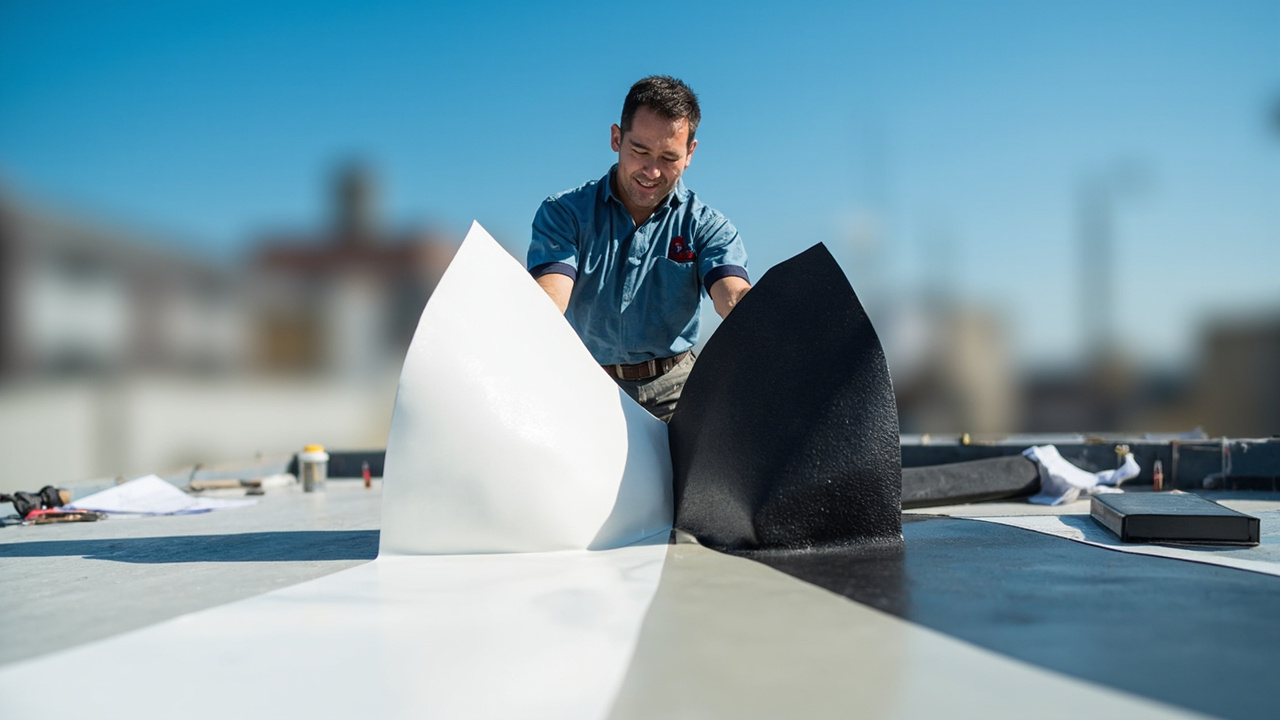
TPO or EPDM for flat roof applications depends on your specific building profile. TPO (thermoplastic polyolefin) offers heat-welded seams and reflective properties that reduce cooling loads during Philadelphia's humid summers. EPDM (ethylene propylene diene monomer) provides proven durability through temperature extremes and comes at a lower initial material cost.

The EPDM vs TPO cost comparison extends beyond material prices. Installation labor differs significantly because TPO requires specialized welding equipment while EPDM uses adhesive or mechanical fastening. Your building's exposure to UV radiation, roof traffic patterns, and existing drainage infrastructure all influence which membrane performs better long-term.

Philadelphia's Building Code requires specific R-values for roof insulation, and your membrane choice affects how you achieve compliance. TPO's reflective white surface can contribute to energy efficiency calculations, while EPDM's black surface absorbs more heat but may benefit buildings with heating-dominated energy profiles.

Understanding TPO vs EPDM pros and cons requires looking beyond marketing claims to actual performance data in Mid-Atlantic climate conditions.

Why Philadelphia Building Owners Struggle with Flat Roofing Decisions
How Material Science Drives Flat Roof Performance

How Material Science Drives Flat Roof Performance

TPO membranes use a thermoplastic polyolefin compound that allows seams to be heat-welded into a monolithic barrier. When an installer applies hot air at 900-1100°F, the membrane layers melt together and create a bond stronger than the membrane itself. This eliminates the weakest point in traditional rubber roofing systems where seams separate under stress.

EPDM relies on a synthetic rubber compound (ethylene propylene diene monomer) that remains flexible across temperature ranges from -40°F to 300°F. The material's molecular structure allows it to expand and contract without cracking. Philadelphia's temperature swings test this flexibility every season.

The thermoplastic polyolefin vs rubber roofing debate centers on longevity versus immediate cost. TPO installations require certified welding technicians and specialized equipment, which increases labor hours. A 10,000 square foot warehouse roof in Port Richmond might take 4-5 days for TPO installation versus 3-4 days for EPDM.

Atlas Roofing Philadelphia conducts peel tests on every TPO seam during installation. We apply 8-10 pounds of force to verify that seams will withstand wind uplift and thermal stress. EPDM installations require different quality control because seams use lap sealant or tape rather than welding.

Membrane thickness matters more than most property owners realize. TPO comes in 45-mil, 60-mil, and 80-mil thicknesses. EPDM typically arrives in 45-mil or 60-mil options. Philadelphia's commercial districts benefit from thicker membranes where foot traffic for HVAC maintenance creates wear points.

Your substrate preparation affects both systems differently. TPO performs best over rigid insulation boards, while EPDM can conform to slightly irregular substrates. This flexibility matters when you're reroofing an older Philadelphia industrial building.

How We Help You Choose Between TPO and EPDM

TPO vs EPDM Roofing Guide for Philadelphia – Make the Right Choice for Your Flat Roof
01

Roof Assessment Analysis

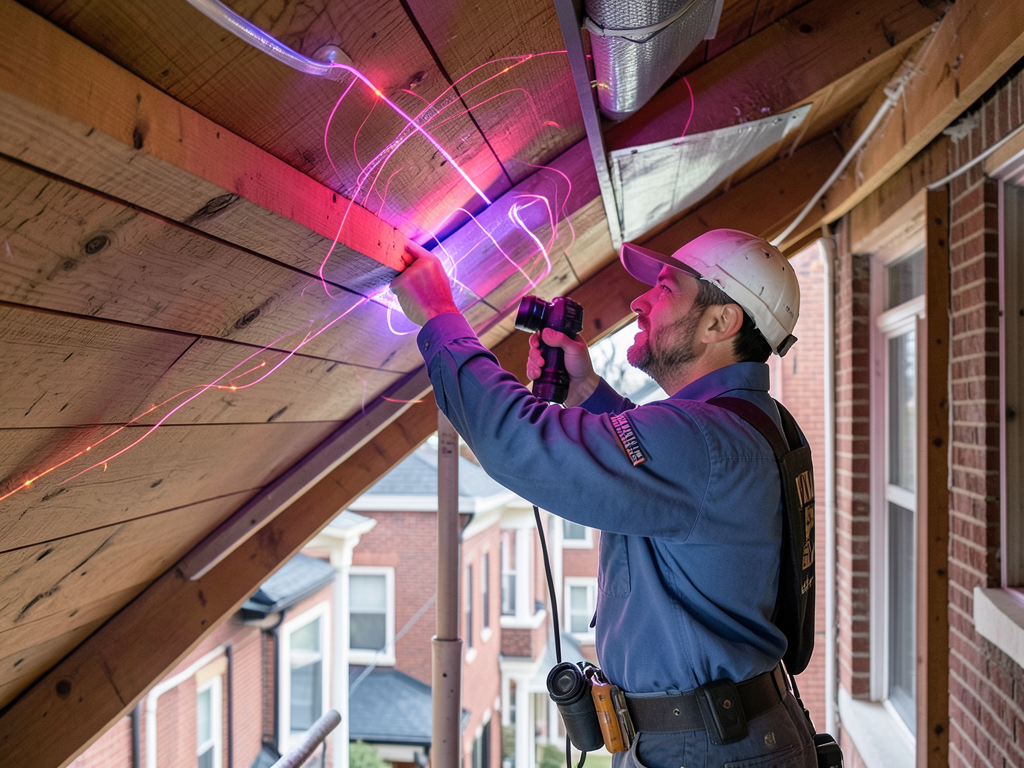
We measure your roof's square footage, slope, drainage patterns, and penetrations. Our technicians photograph existing conditions and identify substrate issues that affect material selection. You receive a detailed assessment that documents your building's specific requirements. We test for moisture in existing insulation layers using infrared scanning to prevent installing new membrane over trapped water.
02

Performance Modeling

We calculate expected energy performance for both TPO and EPDM based on your building's use profile. Our analysis includes thermal resistance values, reflectivity ratings, and projected cooling load differences. You see actual data on how each membrane type affects your operating costs. We factor in Philadelphia's solar exposure patterns and seasonal temperature ranges to provide accurate projections.
03

Material Specification

You receive a written specification that details membrane type, thickness, attachment method, and warranty coverage. We explain the installation timeline and identify any building-specific challenges before work begins. Our specification includes seam detail drawings and flashing plans customized to your roof's configuration. This documentation becomes your reference for future maintenance decisions and insurance requirements.

Why Philadelphia Property Owners Trust Local Roofing Expertise

Philadelphia's building stock ranges from 1890s industrial warehouses in Manayunk to modern mixed-use developments along the Delaware waterfront. Each building type presents different roofing challenges that generic advice cannot address.

Atlas Roofing Philadelphia understands how Philadelphia's 47 inches of annual rainfall affects flat roof drainage. We design scupper locations and tapered insulation systems that prevent ponding water, which degrades both TPO and EPDM over time. Your roof needs a minimum 1/4 inch per foot slope to shed water effectively.

We work within Philadelphia's Historic District requirements when your building falls under preservation guidelines. Some projects require specific color choices or installation methods that maintain architectural integrity. Our team navigates these restrictions while delivering modern waterproofing performance.

Local building inspectors know our work. When you need a roofing permit for a tear-off and replacement, our familiarity with L&I procedures speeds approvals. We submit complete documentation that addresses code requirements for insulation R-values, fire ratings, and wind uplift resistance.

Philadelphia's union labor market affects project costs and timelines. We maintain relationships with Local 30 roofers who bring certified installation expertise to every project. This matters because improper TPO welding or EPDM seaming creates warranty issues that surface years later.

Your building's proximity to Philadelphia International Airport or Navy Yard facilities may require specific wind load calculations. We reference ASCE 7 wind maps and apply the correct safety factors for your location. A warehouse in South Philadelphia faces different design loads than a rowhome in Fishtown.

Material suppliers in the Philadelphia region stock both TPO and EPDM in multiple thicknesses. We leverage these relationships to source materials quickly and manage your project timeline effectively.

What Your Flat Roof Installation Process Includes

Project Timeline and Scheduling

Most flat roof replacements take 3-7 days depending on roof size and complexity. We schedule work during dry weather windows and monitor Philadelphia's forecast daily. Your project includes daily cleanup and temporary waterproofing if we cannot complete sections before rain. TPO installations require dry conditions for welding, while EPDM can sometimes proceed in light moisture. We coordinate material deliveries to avoid storage issues and provide 48-hour notice before crew arrival.

Pre-Installation Inspection

Our foreman walks your roof before tear-off begins. We identify structural concerns, verify insulation conditions, and confirm that your substrate can support the new system. You receive documentation of any discovered issues with repair recommendations. We test for asbestos in buildings constructed before 1980 because some older felts contain regulated materials. Core samples reveal your existing roof assembly layers and help us plan disposal logistics. This inspection prevents mid-project surprises that delay completion.

Installation Quality Standards

Every TPO seam receives destructive testing at project start to verify proper weld settings. We maintain digital logs of weather conditions during installation because temperature affects adhesive curing and membrane flexibility. Your EPDM installation includes lap sealant application with specific mil thickness requirements. All penetration flashings receive termination bars and sealant according to manufacturer specifications. We photograph completed work at each phase for your maintenance records. The final inspection includes a water test on critical drainage areas.

Warranty Coverage and Maintenance

Manufacturer warranties vary by membrane type and installation method. TPO systems typically offer 15-20 year material warranties when installed by certified contractors. EPDM warranties often extend 20-25 years due to the material's proven track record. Your warranty documentation specifies coverage for seam failure, membrane degradation, and material defects. We provide a maintenance guide that outlines inspection intervals and identifies issues that void coverage. Annual inspections catch minor problems before they become warranty claims. Proper maintenance extends your roof's service life beyond warranty periods.

Frequently Asked Questions

You Have Questions,
We Have Answers

Why choose TPO over EPDM? +

TPO reflects heat better than EPDM, which cuts cooling costs during Philadelphia's humid summers. TPO membranes are heat-welded at the seams, creating watertight bonds that hold up against our freeze-thaw cycles. EPDM relies on adhesive or tape seams that can fail over time. TPO resists punctures better, important for rooftop HVAC equipment common on commercial buildings in Philadelphia. TPO also handles ponding water better than EPDM, a real concern on flat roofs in our heavy rain climate. If energy efficiency and long-term seam integrity matter, TPO is the better choice.

Which lasts longer, a TPO or EPDM roof? +

Both TPO and EPDM last 20 to 30 years with proper maintenance. EPDM has been around longer and has a proven track record across Philadelphia. TPO technology has improved significantly over the past decade, and modern formulations now match EPDM's longevity. Your roof's lifespan depends more on installation quality and maintenance than material choice alone. Philadelphia's temperature swings and heavy snow loads stress both membranes. Regular inspections and prompt repairs extend either system's life. Neither material has a clear advantage in durability when installed correctly.

What are the disadvantages of TPO roofing? +

Early TPO formulations had failures with seam splitting and accelerated aging, which damaged the material's reputation. Some lower-quality TPO membranes still struggle with UV degradation in direct sunlight. TPO requires skilled installers who know proper heat-welding techniques. Poor seam welds fail quickly under stress from wind uplift or thermal expansion. TPO also costs more upfront than EPDM in Philadelphia. The white surface shows dirt and algae staining faster than black EPDM, requiring more frequent cleaning on commercial buildings. Quality varies widely between manufacturers, so material selection matters.

Which is cheaper, EPDM or TPO? +

EPDM typically costs 15 to 25 percent less than TPO for materials and installation in Philadelphia. EPDM installation is simpler and faster, which reduces labor costs. TPO requires specialized heat-welding equipment and trained installers, driving up installation expenses. However, TPO's energy savings from reflective properties can offset the higher upfront cost over time. Philadelphia building owners see lower cooling bills with TPO during summer months. EPDM remains the budget choice for warehouse and industrial applications where energy efficiency is less critical. Factor in long-term operating costs, not just installation price.

Can TPO and EPDM be used together? +

Mixing TPO and EPDM on the same roof is technically possible but rarely recommended. The materials have different expansion rates and chemical properties that complicate proper attachment. Transition areas between the two membranes create potential leak points that are hard to seal permanently. Philadelphia's temperature swings make these transitions even more vulnerable. If you are adding to an existing roof, matching the original material is smarter. Hybrid systems require specialized flashing and termination details that most installers in Philadelphia avoid. Stick with one membrane type for the entire roof system.

How many years does a TPO roof last? +

Quality TPO roofs last 20 to 30 years in Philadelphia when properly installed and maintained. Modern TPO formulations perform better than early versions from the 1990s. Lifespan depends on membrane thickness, with 60-mil systems outlasting 45-mil versions. Regular maintenance extends TPO life significantly. Philadelphia's freeze-thaw cycles and UV exposure accelerate wear, so annual inspections catch problems early. Ponding water reduces lifespan, so proper drainage is critical. Heat-welded seams hold up better than EPDM tape seams over time. Expect to replace TPO around year 25 on most commercial buildings.

What are the disadvantages of EPDM roofing? +

EPDM absorbs heat, which increases cooling costs during Philadelphia summers. The black surface reaches higher temperatures than reflective TPO, stressing the membrane. EPDM seams use adhesive or tape, which can fail as the material ages and contracts. Puncture resistance is lower than TPO, making EPDM vulnerable to damage from foot traffic or falling debris. EPDM also attracts algae and moss growth in Philadelphia's humid climate, which can shorten lifespan. The material becomes brittle over time, especially around penetrations and flashing. EPDM requires more frequent seam maintenance than heat-welded TPO systems.

What roof has the shortest lifespan? +

Built-up roofing (BUR) systems typically have the shortest lifespan, lasting 12 to 20 years in Philadelphia. Three-tab asphalt shingles on residential properties last 15 to 20 years before requiring replacement. Modified bitumen roofs fall in the 10 to 15 year range when poorly maintained. Roll roofing, sometimes used on sheds or temporary structures, degrades in just 5 to 10 years. Philadelphia's harsh winters and summer heat accelerate wear on all roofing materials. Single-ply membranes like TPO and EPDM outlast most traditional systems. Proper installation and maintenance matter more than material choice alone.

What is better than TPO roofing? +

PVC roofing outperforms TPO in chemical resistance and weldability, making it ideal for restaurant or industrial buildings in Philadelphia. PVC costs more but lasts longer in harsh environments. Modified bitumen with a reflective cap sheet offers similar energy benefits to TPO at lower cost. Metal roofing systems outlast single-ply membranes by decades but require higher upfront investment. For most commercial applications in Philadelphia, TPO provides the best balance of cost, performance, and energy efficiency. PVC makes sense only when chemical exposure or fire resistance requirements justify the premium. Material choice depends on your building use and budget.

Why do insurance companies not like flat roofs? +

Insurance companies worry about flat roofs because ponding water increases leak risk and structural damage. Flat roofs require more frequent maintenance than pitched systems, which raises claim frequency. Philadelphia's heavy snow loads stress flat roof structures, creating collapse concerns. Poor drainage leads to ice dams and membrane failures during freeze-thaw cycles. Insurance carriers see higher claim rates on flat roofs across all building types. Some insurers charge premium surcharges or require shorter inspection intervals for flat roof properties. Proper installation, drainage design, and regular maintenance reduce insurance concerns and keep premiums reasonable.

How Philadelphia's Freeze-Thaw Cycles Affect TPO and EPDM Performance

Philadelphia experiences 15-25 freeze-thaw cycles each winter when daytime temperatures climb above 32°F and nights drop below freezing. This cycling stresses roofing membranes through repeated expansion and contraction. EPDM's rubber composition maintains flexibility during these transitions, while TPO's thermoplastic structure becomes slightly less pliable in extreme cold. Your roof's orientation affects performance because south-facing sections experience more dramatic temperature swings. Buildings near the Schuylkill River face additional moisture exposure that accelerates wear on improperly installed seams. The difference between TPO and EPDM becomes measurable in Philadelphia's climate after 7-10 years of service.

Philadelphia's roofing contractors must understand local building codes and L&I permit requirements for commercial re-roofing projects. Atlas Roofing Philadelphia maintains current knowledge of city regulations that affect material selection and installation methods. We work with property owners in University City, Northern Liberties, and the Navy Yard to ensure projects meet both performance standards and compliance requirements. Local expertise matters because Philadelphia's mixed building stock requires different approaches than newer suburban construction. Your flat roof investment deserves contractors who understand regional weather patterns and building characteristics specific to the Delaware Valley.
Roofing Services in The Philadelphia Area

Atlas Roofing proudly serves the entire Philadelphia area, including all surrounding counties. We invite you to view our service area on the map to confirm we cover your neighborhood. As your trusted local roofing contractor, we are always ready to deploy our expert teams promptly to your home or business, ensuring you receive the high-quality, professional service you deserve, exactly when you need it.

Address:
Atlas Roofing Philadelphia, 100 N 18th St, Philadelphia, PA, 19103

Additional Services We Offer

Our news updates

Latest Articles & News from The Blogs

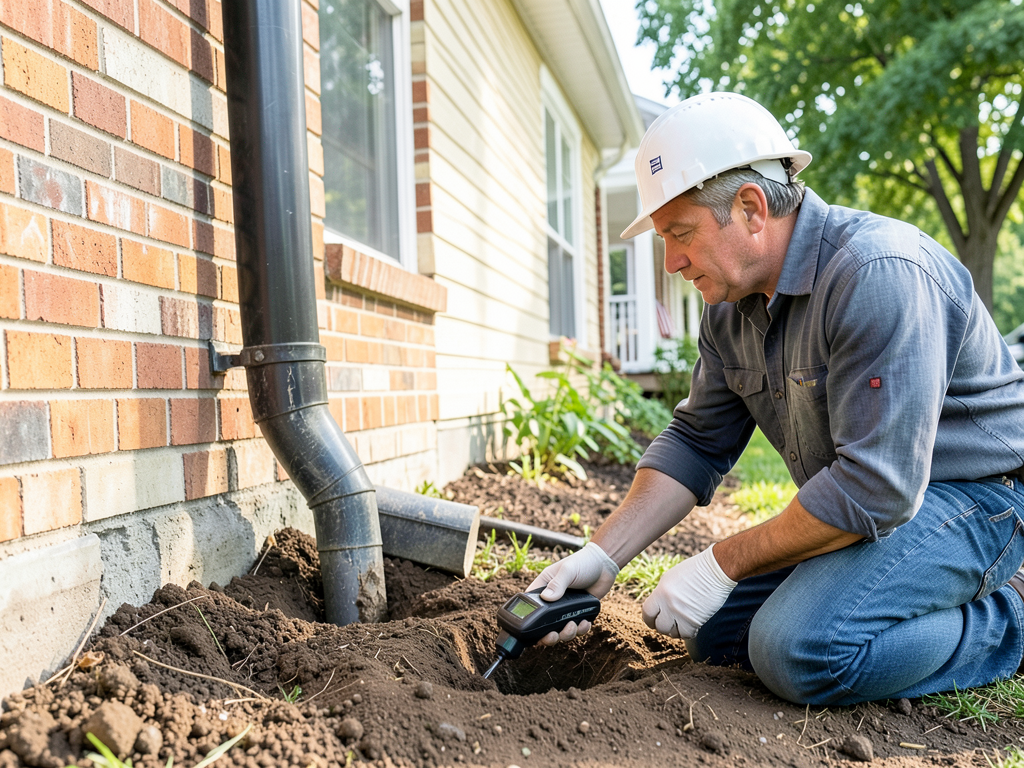
The Best Way to Handle Downspout Runoff in Narrow Manayunk Alleyways Water pouring off your roof into the narrow alleyway…

The Best Way to Handle Downspout Runoff in Narrow Manayunk Alleyways

The Best Way to Handle Downspout Runoff in Narrow Manayunk Alleyways Water pouring off your roof into the narrow alleyway…

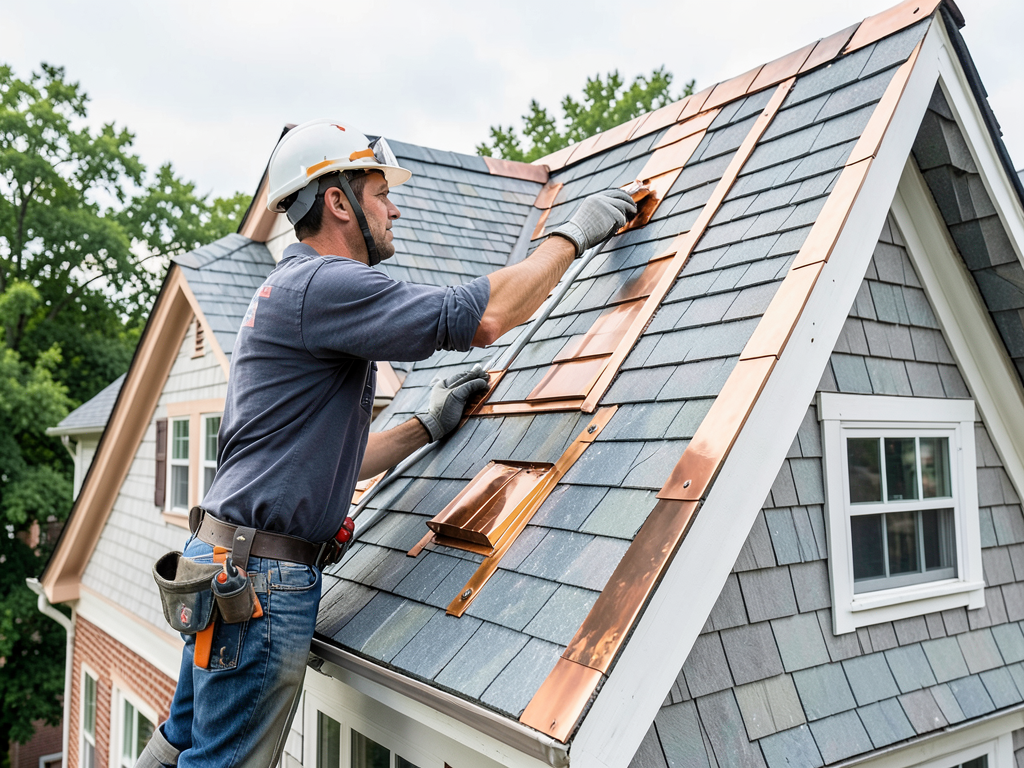
Finding the Leak in Your Complicated Tudor Roof in West Mt. Airy

Finding the Leak in Your Complicated Tudor Roof in West Mt. Airy Water dripping from your ceiling during a storm…

Why Ridge Vents Alone Might Not Be Enough for Your Hot Attic in Wynnefield

Why Ridge Vents Alone Might Not Be Enough for Your Hot Attic in Wynnefield Your attic feels like an oven…

Contact Us

Stop guessing about roofing materials. Call Atlas Roofing Philadelphia at (267) 344-1222 for a detailed analysis of your building's specific needs. We provide written comparisons that show actual cost differences and performance projections for your property.