





Pittsburgh sits where three rivers meet, creating a weather pattern that beats the hell out of roofs. Temperature swings from 20 degrees in January to 85 in July cause constant expansion and contraction. Water freezes in small cracks, expands, and splits shingles apart. By spring, those cracks become leaks dripping into your attic.
The area gets 42 inches of precipitation yearly, with snow piling up on North Side and Mount Washington homes through March. Ice dams form when heat escapes through poor attic insulation, melting snow that refreezes at the eaves. Water backs up under shingles and drips into walls. Shadyside and Squirrel Hill homes with mature tree cover face constant moss growth that holds moisture against shingles and accelerates rot.
Wind coming up the river valleys can hit 50 mph during storms, lifting shingle edges and tearing off loose sections. Oakland's older homes and Highland Park's historic districts often have original roofing systems past their 20-year lifespan, making them vulnerable to every storm. Add in Pittsburgh's clay soil that shifts foundations and you get stress cracks in flashing around chimneys and valleys where water sneaks through.
We started serving Pittsburgh because we watched too many homeowners get sold roof replacements they didn't need or patched with materials that fail in six months. Most national chains send crews who have never dealt with ice dam damage or know which underlayment survives freeze-thaw cycles. They use the same approach in Pittsburgh that they use in Phoenix, and it doesn't work.
Atlas Roofing Philadelphia trains every crew on western Pennsylvania climate challenges. We know which shingles hold up to temperature swings. We install ice and water shield two rows deep in valleys because we've seen what happens when you skip that step. We check attic ventilation on every job because proper airflow prevents 90% of ice dam problems. When we patch a leak, we find the source instead of slapping tar over the wet spot and calling it fixed.
Our project managers inspect every roof before quoting. We walk the surface, check flashing, look at ventilation, and measure the slope. You get a diagnosis of what's wrong and what will fail next, not a sales pitch. If your roof has five years left, we tell you to wait. If it needs replacement now, we explain exactly why and show you the damage.
We stock materials for emergency repairs year-round. When a storm rips off shingles at 9 PM on a Sunday, we tarp your roof that night and start permanent repairs the next morning. Insurance companies know our estimates are accurate because we document everything with photos and match their preferred pricing. Claims move faster when the paperwork is right the first time.

We install roofing systems engineered for Pittsburgh's freeze-thaw cycles and heavy precipitation. Ice and water shield in critical zones, proper ventilation to prevent ice dams, and materials rated for temperature extremes keep your roof intact through every season. Generic installation methods fail here. Our crews use techniques proven in western Pennsylvania weather.

Storm damage doesn't wait for business hours. We dispatch crews for emergency tarping and temporary repairs within hours of your call. Materials stay stocked for common Pittsburgh roof emergencies like torn shingles, damaged flashing, and ice dam leaks. Fast response stops water damage before it reaches your ceilings and belongings.
Every project starts with a thorough roof inspection. We climb up, walk the surface, and document actual damage with photos. You get a clear explanation of what needs repair now, what can wait, and how long your current system will last. No pressure tactics or unnecessary replacement recommendations. Just facts about your roof's condition.
We document storm damage the way insurance adjusters need to see it. Detailed photos, measurements, and material specifications make claims move faster. Our estimates match industry standards, reducing back-and-forth negotiations. We've worked with every major carrier covering Pittsburgh homes and know how to get legitimate damage approved.
Pittsburgh roofs need different approaches depending on the damage type and building age. A leak in a 100-year-old Lawrenceville row house requires different methods than replacing wind-damaged shingles on a 10-year-old South Hills colonial. Atlas Roofing Philadelphia provides roof leak repair for active water intrusion, complete roof damage repair after storms, and specialized roofing repair services for everything between.
Our crews handle asphalt shingle systems, metal roofing, flat rubber membranes on garages, and the slate roofs common in older Pittsburgh neighborhoods. Roof patching services stop minor damage from becoming major problems. We replace sections destroyed by falling branches, repair flashing around chimneys and skylights, and fix valley leaks that appear after heavy rain.
Every service includes inspection of surrounding areas. Fixing visible damage without checking what else is failing just means you call us back in six months. We look at the whole system, explain what we find, and prioritize repairs based on urgency. Some issues need immediate attention. Others can wait until you're ready for a full replacement.
When water is coming through your ceiling right now, you need a crew dispatched immediately. We provide emergency tarping to stop active leaks, temporary repairs to secure damaged areas, and permanent fixes scheduled as fast as weather allows. Storm damage from high winds, falling trees, and ice dams gets priority response. Our roofing repair specialists arrive with materials to stop water intrusion and prevent further damage to your home's interior.
Roofs past their lifespan need full replacement before leaks start. We remove old shingles down to the decking, replace damaged plywood, install proper underlayment and ice shield, then apply new shingles rated for Pittsburgh weather. Ventilation gets upgraded to prevent ice dams. Flashing around chimneys, skylights, and valleys gets replaced with sealed systems that won't leak. The result is a roof engineered to handle freeze-thaw cycles and heavy precipitation for the next 20 years.
Most roof failures start small. Lifted shingles let water underneath. Cracked flashing allows moisture into walls. Clogged gutters overflow and rot fascia boards. Our roof patching services address minor damage before it spreads. We replace individual shingles, reseal flashing, clear debris from valleys, and fix ventilation issues. Regular maintenance extends your roof's lifespan and prevents emergency situations. If we spot problems developing, we document them so you can plan repairs on your schedule.
Pittsburgh's climate creates specific roof failures that repeat across the region. Ice dams plague North Side and Mount Washington homes every winter. Moss and algae growth covers shaded roofs in Shadyside and Squirrel Hill. Wind damage from storms sweeping up the river valleys tears off shingles in exposed areas. Understanding these patterns helps homeowners spot problems early.
Most leaks appear in predictable locations. Valleys where two roof planes meet concentrate water flow and fail first. Flashing around chimneys and skylights cracks from freeze-thaw cycles. Shingles on south-facing slopes age faster from UV exposure and temperature extremes. Older homes in Lawrenceville, Polish Hill, and Highland Park often have multiple layers of shingles that trap moisture and accelerate rot. Each problem has a specific fix, but only if you catch it before water damages ceilings and walls.
Heat escaping through your attic melts snow on the roof. Water runs down and refreezes at the cold eaves, creating an ice dam. More melt water backs up behind the dam, gets under shingles, and drips into your walls. Proper attic insulation and ventilation prevent the problem. Existing ice dams require careful removal to avoid damaging shingles.
Pittsburgh storms bring wind gusts over 50 mph that lift shingle edges and tear off entire sections. Older shingles with degraded adhesive strips fail first. Missing shingles expose underlayment to rain and UV, causing rapid deterioration. Wind damage needs immediate repair because exposed areas leak during the next storm and allow water into the roof deck.
Shaded roofs under mature trees stay damp and grow moss that holds moisture against shingles. The constant wetness breaks down asphalt and causes premature aging. Black algae stains look bad but cause less damage. Green moss needs removal before it lifts shingle edges and creates leak points. Prevention involves zinc strips and keeping branches trimmed back.
Metal flashing seals the gap between your chimney and roof. Freeze-thaw cycles crack the sealant and bend the metal, creating leak paths. Water runs down inside walls, causing stains and rot you can't see until the damage is severe. Flashing replacement involves removing shingles around the chimney, installing new metal, and sealing it properly to handle temperature changes.
Roofing projects create disruption. Crews on your house, materials in your driveway, noise during work hours. We minimize the chaos by communicating clearly about timelines, protecting your property during work, and cleaning up completely when we finish. You know when crews arrive, how long each phase takes, and what to expect at every step.
Emergency repairs move faster with less formal process. We get a tarp on your roof to stop active leaks, then schedule permanent repairs as soon as weather allows. Planned replacements involve detailed inspection, material selection, scheduling around weather, and systematic installation that typically takes two to four days for average Pittsburgh homes.
Every project includes photo documentation of damage before work starts, progress updates during installation, and final inspection photos showing completed repairs. Insurance claims require this documentation. Even if you're paying out of pocket, you get a visual record of what we found and how we fixed it. Transparency builds trust and proves work quality.
You reach a person who can answer questions and schedule inspections, not a call center reading scripts. Our project managers explain damage in plain language, not roofing jargon designed to confuse you. Quotes include itemized costs for materials and labor so you understand exactly what you're paying for. During work, we update you on progress and any unexpected issues we find. Questions get answered the same day, not three days later.
Roofing creates debris. Torn-off shingles, old nails, packaging from new materials. We tarp gardens and shrubs near the house, use magnetic sweepers to collect nails from your driveway and lawn, and haul away all debris the same day we finish. Your property looks clean when we leave, not like a construction zone. Tarps protect against damage from dropped materials. Dumpsters stay in designated areas that won't block your driveway or damage your lawn.
Our installations come with workmanship warranties covering labor and installation for years after completion. Manufacturer warranties on materials protect against shingle defects. If something fails because we installed it wrong, we fix it at no charge. The guarantee only works if we're still in business and reachable, which is why we maintain a local presence instead of operating as a fly-by-night contractor chasing storm damage across states.
Every job follows the same systematic approach. Inspect the damage, explain what needs repair, schedule the work, complete installation right, and verify everything works as promised. No shortcuts, no surprises.
We climb on your roof with a camera and safety equipment. Every damaged area gets photographed. Flashing gets checked around chimneys and skylights. Ventilation gets assessed. Shingle condition gets documented across the entire surface. You receive a written assessment explaining what's damaged, what will fail soon, and what can wait. The quote itemizes materials and labor for each repair. Emergency leaks get temporary protection the same day we inspect.
Once you approve the quote, we schedule work based on weather and material availability. Crews arrive when promised with all necessary materials. Tear-off happens first, exposing the roof deck so we can replace damaged plywood. New underlayment and ice shield go down before shingles. Installation follows manufacturer specifications for Pittsburgh climate. Flashing gets sealed properly. Ventilation gets upgraded if needed. Most residential roofs finish in two to four days unless we find unexpected deck damage.
Our project manager walks the completed roof checking installation quality. Shingles should lie flat with proper overlap. Flashing should seal tight with no gaps. Valleys should channel water correctly. We photograph the finished work for your records and insurance documentation. Magnetic sweepers collect nails from your property. All debris gets hauled away. You get warranty paperwork and care instructions for maintaining your new roof through Pittsburgh winters.
Pennsylvania building codes require specific installation methods based on roof slope, wind exposure, and snow load. Pittsburgh falls in a moderate snow load zone requiring reinforced attachment in high-wind areas. Ice and water shield must extend 24 inches inside the exterior wall line to prevent ice dam damage. These aren't suggestions. They're code requirements that inspectors verify.
Shingle manufacturers publish installation specifications that void warranties if ignored. Proper nailing depth, pattern, and placement matter. Using four nails per shingle instead of six in high-wind zones causes premature failure. Installing shingles when temperatures drop below 40 degrees prevents proper adhesive bonding. Mixing shingle types or using mismatched materials creates leak points where different expansion rates pull seams apart.
Ventilation calculations follow the 1:150 rule requiring one square foot of ventilation for every 150 square feet of attic space. Insufficient airflow causes heat buildup in summer and moisture accumulation in winter. Both problems shorten shingle life and create ice dams. Ridge vents combined with soffit vents create proper airflow when sized correctly for the attic volume.
Atlas Roofing Philadelphia crews train on current code requirements and manufacturer specifications. We don't cut corners that void warranties or fail inspections. Proper installation costs the same in labor as sloppy work. The difference shows up five years later when your roof still sheds water properly while your neighbor's bargain installation leaks at every flashing joint.
Pennsylvania code mandates waterproof underlayment extending from the roof edge to 24 inches inside the exterior wall. Pittsburgh's freeze-thaw cycles make two rows of ice and water shield in valleys essential for preventing leaks. This self-sealing membrane stops water that backs up behind ice dams or gets under lifted shingles. Skipping this step to save money guarantees leaks during the first hard winter.
Roof size, slope, and complexity determine labor hours. Steeper roofs require more safety equipment and move slower. Multiple valleys, dormers, and skylights add flashing work. Material choice affects cost significantly. Architectural shingles cost more than three-tab but last longer and look better. Damaged decking adds plywood replacement charges. Prices vary based on what we find when old shingles come off, not just the square footage visible from the street.
Average Pittsburgh homes take two to four days for complete replacement depending on size and complexity. Weather delays are common since we can't install shingles in rain or high wind. Emergency repairs happen faster but depend on accessing materials quickly. Spring and fall are busy seasons with longer scheduling waits. Winter work moves slower but costs don't increase. Summer provides the fastest scheduling and ideal installation conditions.
Pennsylvania requires home improvement contractor registration and general liability insurance. Workers compensation coverage protects you if someone gets hurt on your property. Manufacturer certifications prove training on proper installation methods. These credentials matter when problems appear years later. Unlicensed contractors disappear. Properly registered companies with insurance stay accountable and fix warranty issues because they have assets to protect and reputations to maintain.
This video explains how Pittsburgh's climate damages roofs and what homeowners should know about repairs and replacement. Atlas Roofing Philadelphia covers ice dam prevention, storm damage response, proper ventilation requirements, and when to choose repair versus replacement. Topics include freeze-thaw cycle damage, wind resistance requirements, flashing failure patterns, and Pennsylvania building code standards for roof installations in the Pittsburgh area.
Atlas Roofing Philadelphia serves the entire Pittsburgh metro area from North Side row houses to South Hills suburban developments. Each neighborhood presents different roofing challenges based on building age, tree coverage, and exposure to weather patterns coming off the rivers.
Lawrenceville and Polish Hill feature older homes with original slate roofs or multiple shingle layers that trap moisture. These historic properties need careful assessment before repair since underlying deck damage often hides under attractive surface shingles. Shadyside and Squirrel Hill homes sit under mature tree canopies that keep roofs damp and promote moss growth. Regular maintenance prevents minor issues from becoming major leak problems.
Mount Washington's hillside location exposes homes to higher wind speeds and creates perfect conditions for ice dams when warm interior air meets cold eaves. Oakland's mix of older Victorians and newer construction means repair approaches vary dramatically from house to house on the same block. Highland Park properties often feature complex roof lines with multiple valleys and dormers that concentrate water flow and fail before simpler designs.
South Hills communities like Bethel Park and Upper St. Clair have newer construction with modern materials, but poor initial installation still causes failures. We serve Monroeville and the eastern suburbs where exposure to weather patterns differs from properties protected by downtown buildings. North Side and Millvale homes face unique challenges from river valley wind patterns that accelerate shingle deterioration.
Our crews know these neighborhoods and understand how location affects roof performance. A repair method that works in sheltered Shadyside might fail on an exposed Mount Washington hillside. Material selection changes based on tree coverage and sun exposure. We adjust our approach based on where you live, not just what your roof looks like from the street.
Roof replacement costs in Pittsburgh typically range from $8,000 to $25,000, depending on size, material, and complexity. Asphalt shingle roofs are the most common and affordable option. Metal roofing costs more upfront but lasts longer in Pittsburgh's freeze-thaw cycles. Factors include pitch, number of layers to remove, chimney flashing, and ventilation upgrades. Pittsburgh's harsh winters and heavy snow loads require quality underlayment and ice dam protection, which affect pricing. Always get multiple written estimates that include material specifications, labor, permits, and disposal. Avoid the lowest bid without verifying contractor credentials and references.
A 2,000 square foot roof in Pittsburgh generally costs $8,000 to $16,000 for standard asphalt shingles. This assumes straightforward access, moderate pitch, and one layer removal. Complex roof designs with multiple valleys, dormers, or steep slopes increase labor costs significantly. Material choice drives price variation. Architectural shingles add durability against Pittsburgh's weather extremes. Metal roofing runs higher but handles snow loads better. The estimate should include tear-off, disposal, new underlayment, flashing replacement, ridge vents, and cleanup. Request itemized bids to compare apples to apples. Prices fluctuate based on material availability and contractor demand.
You cannot deduct a new roof on your federal taxes unless it qualifies as a home office expense or rental property improvement. Pennsylvania does not offer state tax deductions for residential roof replacement. However, energy-efficient roofing materials like metal or cool roof coatings may qualify for federal energy tax credits. These credits have specific requirements and change yearly, so verify current IRS guidelines. If your roof replacement includes solar panel installation, you may qualify for the federal solar tax credit. Keep all receipts and manufacturer certifications. Consult a tax professional familiar with Pennsylvania homeowner deductions before filing.
Roof replacement costs in Pittsburgh typically range from $8,000 to $25,000, depending on size, material, and complexity. Asphalt shingle roofs are the most common and affordable option. Metal roofing costs more upfront but lasts longer in Pittsburgh's freeze-thaw cycles. Factors include pitch, number of layers to remove, chimney flashing, and ventilation upgrades. Pittsburgh's harsh winters and heavy snow loads require quality underlayment and ice dam protection, which affect pricing. Always get multiple written estimates that include material specifications, labor, permits, and disposal. Avoid the lowest bid without verifying contractor credentials and references.
A 2,000 square foot roof in Pittsburgh generally costs $8,000 to $16,000 for standard asphalt shingles. This assumes straightforward access, moderate pitch, and one layer removal. Complex roof designs with multiple valleys, dormers, or steep slopes increase labor costs significantly. Material choice drives price variation. Architectural shingles add durability against Pittsburgh's weather extremes. Metal roofing runs higher but handles snow loads better. The estimate should include tear-off, disposal, new underlayment, flashing replacement, ridge vents, and cleanup. Request itemized bids to compare apples to apples. Prices fluctuate based on material availability and contractor demand.
You cannot deduct a new roof on your federal taxes unless it qualifies as a home office expense or rental property improvement. Pennsylvania does not offer state tax deductions for residential roof replacement. However, energy-efficient roofing materials like metal or cool roof coatings may qualify for federal energy tax credits. These credits have specific requirements and change yearly, so verify current IRS guidelines. If your roof replacement includes solar panel installation, you may qualify for the federal solar tax credit. Keep all receipts and manufacturer certifications. Consult a tax professional familiar with Pennsylvania homeowner deductions before filing.
Most Pittsburgh roofers do not charge hourly rates. They provide fixed project bids based on square footage, material, and labor complexity. If emergency repairs require hourly billing, expect $75 to $150 per hour depending on the contractor and urgency. Emergency tarping or leak repairs after storms may cost more due to immediate response needs. Skilled roofers account for material costs, insurance, disposal fees, and overhead in their estimates. Hourly rates do not reflect the true cost of quality roofing work. Always request a detailed written estimate before any work begins to avoid surprises.
A 20-year-old roof in Pittsburgh likely needs replacement, especially if you see curling shingles, granule loss, or frequent leaks. Asphalt shingles typically last 20 to 25 years, but Pittsburgh's freeze-thaw cycles and heavy snow accelerate wear. Inspect attic spaces for water stains, check flashing around chimneys and vents, and look for sagging areas. Missing shingles or exposed underlayment require immediate attention. Delaying replacement risks interior damage, mold growth, and higher repair costs. A professional inspection identifies hidden issues like rotted decking or inadequate ventilation. If your roof is original and two decades old, budget for replacement soon.
Labor represents the most expensive part of roof replacement, often 60% of the total cost. Tear-off, disposal, and installation require skilled crews and safety equipment. Structural repairs to rotted decking or trusses add significant expense and are common in older Pittsburgh homes. Flashing replacement around chimneys, skylights, and valleys requires precision work. Material costs fluctuate, but labor rates remain steady. Complex roof designs with steep pitches or multiple levels increase labor hours dramatically. Proper ventilation systems and ice dam prevention add cost but prevent future damage. Cutting corners on labor leads to premature failure and costly callbacks.
Late summer and early fall offer the best pricing for roof replacement in Pittsburgh. Contractors have lighter schedules after the spring storm rush but before winter weather halts work. October and November can bring discounts as crews finish projects before snow. Avoid scheduling during peak spring and summer months when demand spikes after winter damage. Winter work is possible during mild stretches but costs more due to weather delays and material handling challenges. Plan ahead and book during slower periods to negotiate better rates. Quality contractors stay busy year-round, so scheduling flexibility helps you secure competitive pricing.
Roofing prices will likely remain stable or increase slightly in 2025. Material costs depend on petroleum prices, manufacturing capacity, and supply chain factors beyond local control. Labor shortages in skilled trades continue to push costs upward across Pittsburgh. Tariffs on imported materials and inflation affect pricing. While dramatic spikes are unlikely, do not expect significant price drops. Insurance claims from severe weather events create demand surges that affect availability. If you need a roof replacement, waiting rarely saves money. Delaying necessary work risks interior damage that costs more than the roof itself. Get estimates now to budget accurately.
Save money by comparing multiple written estimates from licensed Pittsburgh contractors. Choose mid-grade asphalt shingles instead of premium options without sacrificing quality. Schedule work during off-peak seasons when contractors offer better rates. Handle small preparatory tasks like moving outdoor furniture or clearing the driveway. Ask about material overstock or discontinued colors that perform identically at lower cost. Verify your homeowner's insurance covers storm damage before paying out of pocket. Avoid the cheapest bid, which often signals poor workmanship or hidden costs. Financing options spread costs over time without delaying necessary protection for your home.
Yes, you need a building permit to replace a roof in Pittsburgh and most Pennsylvania municipalities. Permits ensure work meets local building codes and safety standards. Your contractor typically pulls permits as part of their service. Permit costs vary by jurisdiction but generally run $100 to $300. Inspections verify proper installation, ventilation, and structural integrity. Skipping permits risks fines, complications during home sales, and insurance claim denials. Some townships require additional permits for structural repairs or truss modifications. Always confirm your contractor is licensed and insured to pull permits in your area. Legitimate contractors include permit costs in their estimates.
Most Pittsburgh roofers do not charge hourly rates. They provide fixed project bids based on square footage, material, and labor complexity. If emergency repairs require hourly billing, expect $75 to $150 per hour depending on the contractor and urgency. Emergency tarping or leak repairs after storms may cost more due to immediate response needs. Skilled roofers account for material costs, insurance, disposal fees, and overhead in their estimates. Hourly rates do not reflect the true cost of quality roofing work. Always request a detailed written estimate before any work begins to avoid surprises.
A 20-year-old roof in Pittsburgh likely needs replacement, especially if you see curling shingles, granule loss, or frequent leaks. Asphalt shingles typically last 20 to 25 years, but Pittsburgh's freeze-thaw cycles and heavy snow accelerate wear. Inspect attic spaces for water stains, check flashing around chimneys and vents, and look for sagging areas. Missing shingles or exposed underlayment require immediate attention. Delaying replacement risks interior damage, mold growth, and higher repair costs. A professional inspection identifies hidden issues like rotted decking or inadequate ventilation. If your roof is original and two decades old, budget for replacement soon.
Labor represents the most expensive part of roof replacement, often 60% of the total cost. Tear-off, disposal, and installation require skilled crews and safety equipment. Structural repairs to rotted decking or trusses add significant expense and are common in older Pittsburgh homes. Flashing replacement around chimneys, skylights, and valleys requires precision work. Material costs fluctuate, but labor rates remain steady. Complex roof designs with steep pitches or multiple levels increase labor hours dramatically. Proper ventilation systems and ice dam prevention add cost but prevent future damage. Cutting corners on labor leads to premature failure and costly callbacks.
Late summer and early fall offer the best pricing for roof replacement in Pittsburgh. Contractors have lighter schedules after the spring storm rush but before winter weather halts work. October and November can bring discounts as crews finish projects before snow. Avoid scheduling during peak spring and summer months when demand spikes after winter damage. Winter work is possible during mild stretches but costs more due to weather delays and material handling challenges. Plan ahead and book during slower periods to negotiate better rates. Quality contractors stay busy year-round, so scheduling flexibility helps you secure competitive pricing.
Roofing prices will likely remain stable or increase slightly in 2025. Material costs depend on petroleum prices, manufacturing capacity, and supply chain factors beyond local control. Labor shortages in skilled trades continue to push costs upward across Pittsburgh. Tariffs on imported materials and inflation affect pricing. While dramatic spikes are unlikely, do not expect significant price drops. Insurance claims from severe weather events create demand surges that affect availability. If you need a roof replacement, waiting rarely saves money. Delaying necessary work risks interior damage that costs more than the roof itself. Get estimates now to budget accurately.
Save money by comparing multiple written estimates from licensed Pittsburgh contractors. Choose mid-grade asphalt shingles instead of premium options without sacrificing quality. Schedule work during off-peak seasons when contractors offer better rates. Handle small preparatory tasks like moving outdoor furniture or clearing the driveway. Ask about material overstock or discontinued colors that perform identically at lower cost. Verify your homeowner's insurance covers storm damage before paying out of pocket. Avoid the cheapest bid, which often signals poor workmanship or hidden costs. Financing options spread costs over time without delaying necessary protection for your home.
Yes, you need a building permit to replace a roof in Pittsburgh and most Pennsylvania municipalities. Permits ensure work meets local building codes and safety standards. Your contractor typically pulls permits as part of their service. Permit costs vary by jurisdiction but generally run $100 to $300. Inspections verify proper installation, ventilation, and structural integrity. Skipping permits risks fines, complications during home sales, and insurance claim denials. Some townships require additional permits for structural repairs or truss modifications. Always confirm your contractor is licensed and insured to pull permits in your area. Legitimate contractors include permit costs in their estimates.
Atlas Roofing proudly serves the entire Philadelphia area, including all surrounding counties. We invite you to view our service area on the map to confirm we cover your neighborhood. As your trusted local roofing contractor, we are always ready to deploy our expert teams promptly to your home or business, ensuring you receive the high-quality, professional service you deserve, exactly when you need it.
Address:
Pittsburgh, PA, 15212
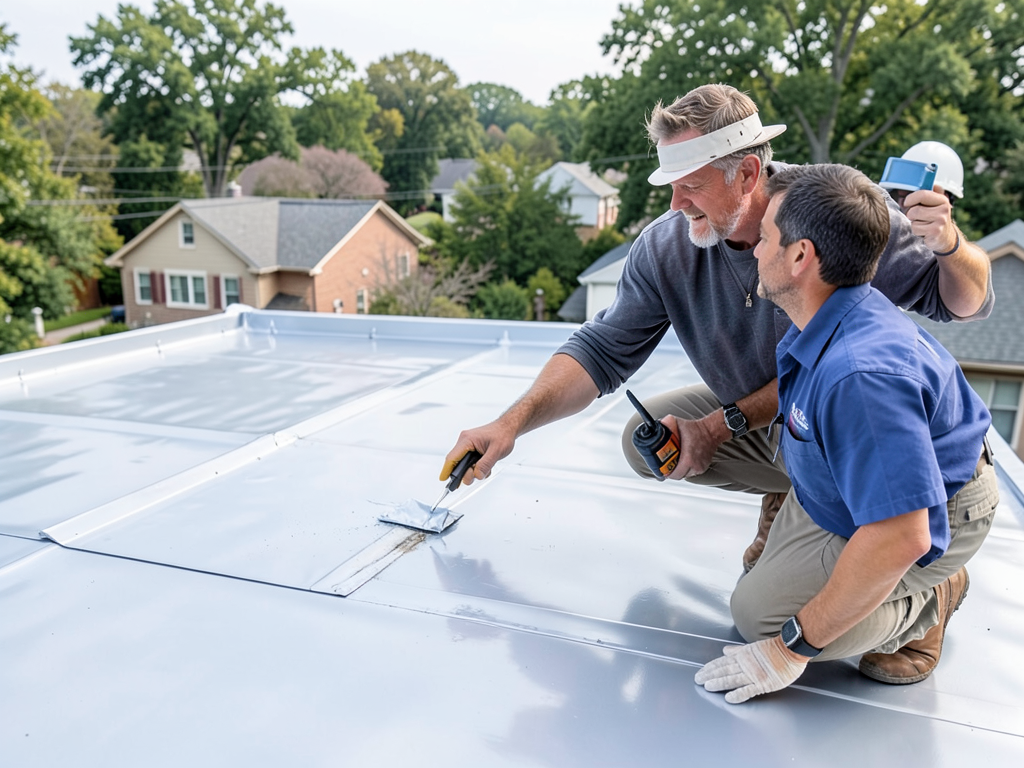
How to Negotiate Roof Repairs After a Home Inspection in Tacony Buying or selling a home in Tacony often hinges on the home inspection report, especially when it comes to the roof. Philadelphia's unique rowhome…
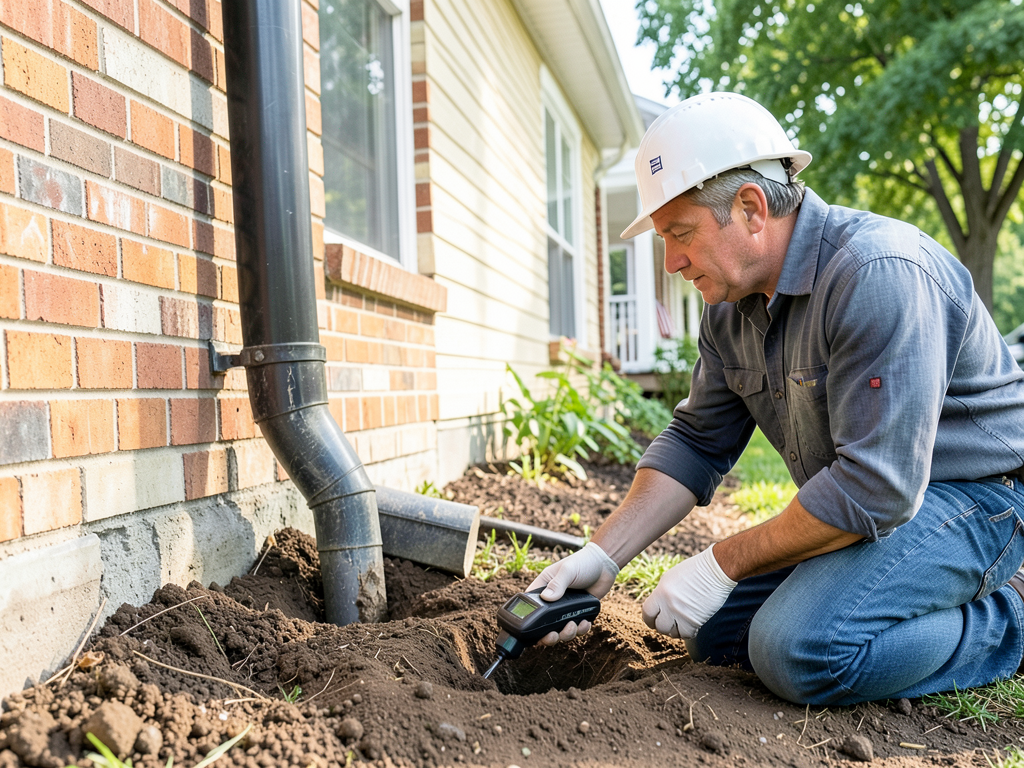
The Best Way to Handle Downspout Runoff in Narrow Manayunk Alleyways Water pouring off your…
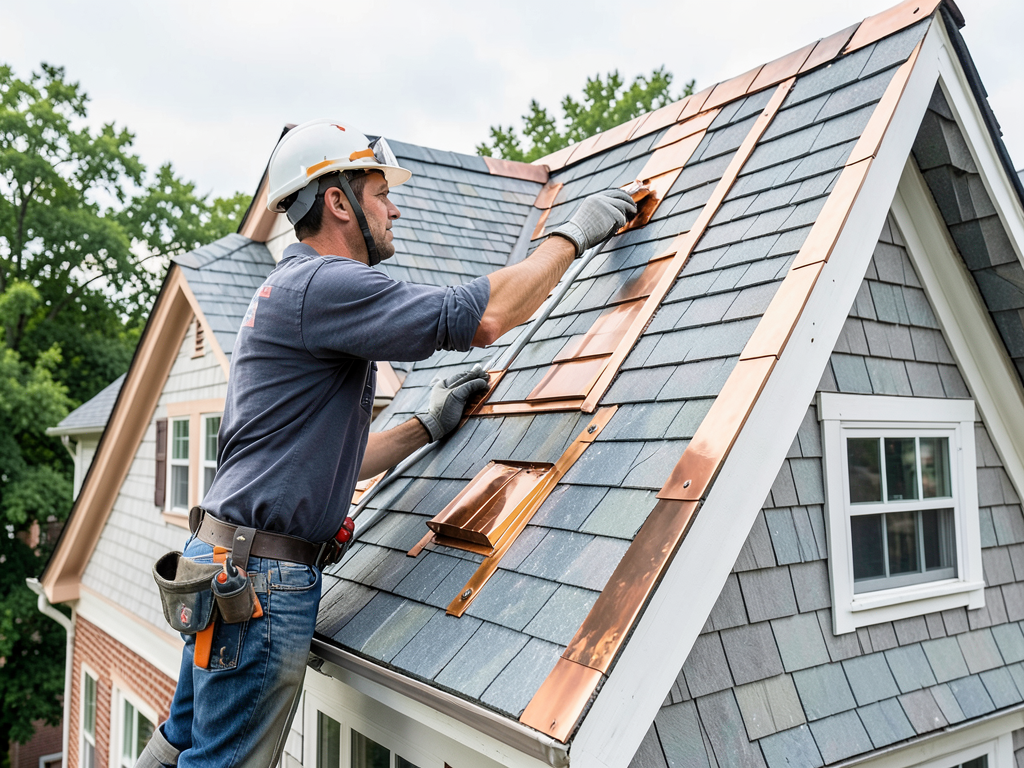
Finding the Leak in Your Complicated Tudor Roof in West Mt. Airy Water dripping from…
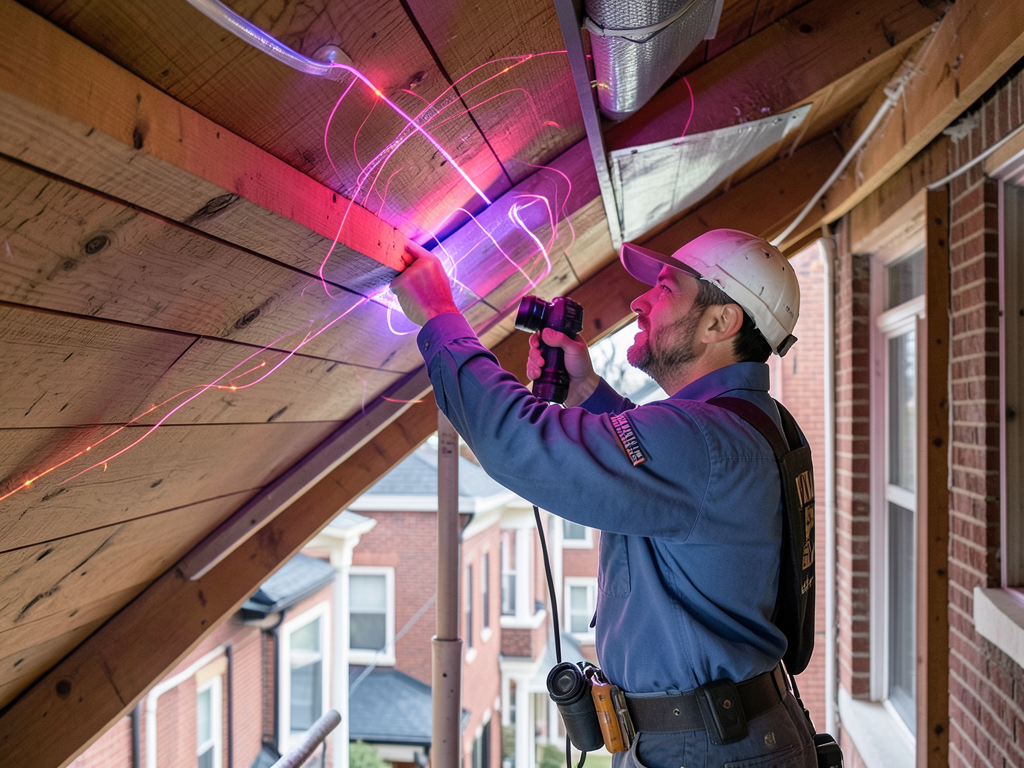
Why Ridge Vents Alone Might Not Be Enough for Your Hot Attic in Wynnefield Your…
Small roof problems become expensive emergencies when ignored. Atlas Roofing Philadelphia provides free inspections to assess damage and explain your options. Call (267) 344-1222 now to schedule your inspection. We'll show you exactly what's wrong and what it takes to fix it right.