




menu

Leaking Pipe Boot & Vents in Philadelphia – Expert Diagnosis and Permanent Waterproof Repairs

Atlas Roofing Philadelphia identifies cracked plumbing vent boots, deteriorated rubber roof collars, and damaged pipe flashing seals before they destroy your ceilings and insulation.

Slider Image 1
Slider Image 2
Slider Image 3
Slider Image 4
Slider Image 5
Slider Image 7
Slider Image 8
Slider Image 9
Slider Image 10
Slider Image 11

Why Pipe Boots Fail Faster in Philadelphia Homes

You see water stains spreading across your ceiling around the bathroom vent pipe. The leak appears after every rainstorm, and the drywall is starting to sag. This is not a small problem.

Philadelphia's freeze-thaw cycle destroys pipe boots faster than most homeowners realize. When temperatures swing from 15 degrees in January to 85 degrees in July, the rubber collars around your plumbing vents expand and contract hundreds of times each year. This constant movement creates hairline cracks in the neoprene gasket that seals the pipe to your roof deck.

The deteriorated rubber roof collar becomes brittle after five to seven years of UV exposure on Philadelphia roofs. Once the seal breaks, water tracks down the exterior of the pipe during rainstorms, pools on your attic insulation, and eventually soaks through to your ceiling. The damage spreads quickly because the water follows the pipe path directly into your living space.

A cracked plumbing vent boot often goes unnoticed until you see ceiling damage. By that point, the insulation has been wet for weeks or months. The damaged pipe flashing seal allows water infiltration every time it rains, creating mold growth conditions in your attic cavity.

Row homes in Center City and Fishtown face additional risk because shared walls prevent airflow that would otherwise dry out minor moisture intrusion. The broken roof stack flashing becomes a constant water entry point, and the damage accelerates. Most Philadelphia homes have three to six plumbing vent penetrations, and each one represents a potential failure point. When one boot fails, the others are likely compromised too.

Why Pipe Boots Fail Faster in Philadelphia Homes
How We Stop the Leak and Prevent Future Failures

How We Stop the Leak and Prevent Future Failures

Atlas Roofing Philadelphia does not slap caulk on a cracked boot and call it fixed. We remove the damaged component, inspect the roof deck for hidden water damage, and install a properly sized replacement that matches your pipe diameter and roof pitch.

We start by lifting the surrounding shingles without breaking the seal on adjacent courses. This exposes the entire flashing assembly so we can assess whether the deck sheathing has softened from prolonged water exposure. If the plywood shows delamination or soft spots, we cut out the damaged section and sister in new deck material before installing the new boot.

The replacement boot must match your specific pipe configuration. A two-inch PVC drain vent requires different flashing geometry than a three-inch cast iron stack. We measure the pipe diameter, note the roof pitch, and select a boot with a neoprene gasket designed for your exact application. Generic hardware store boots fail quickly because they use undersized gaskets that cannot maintain compression around the pipe.

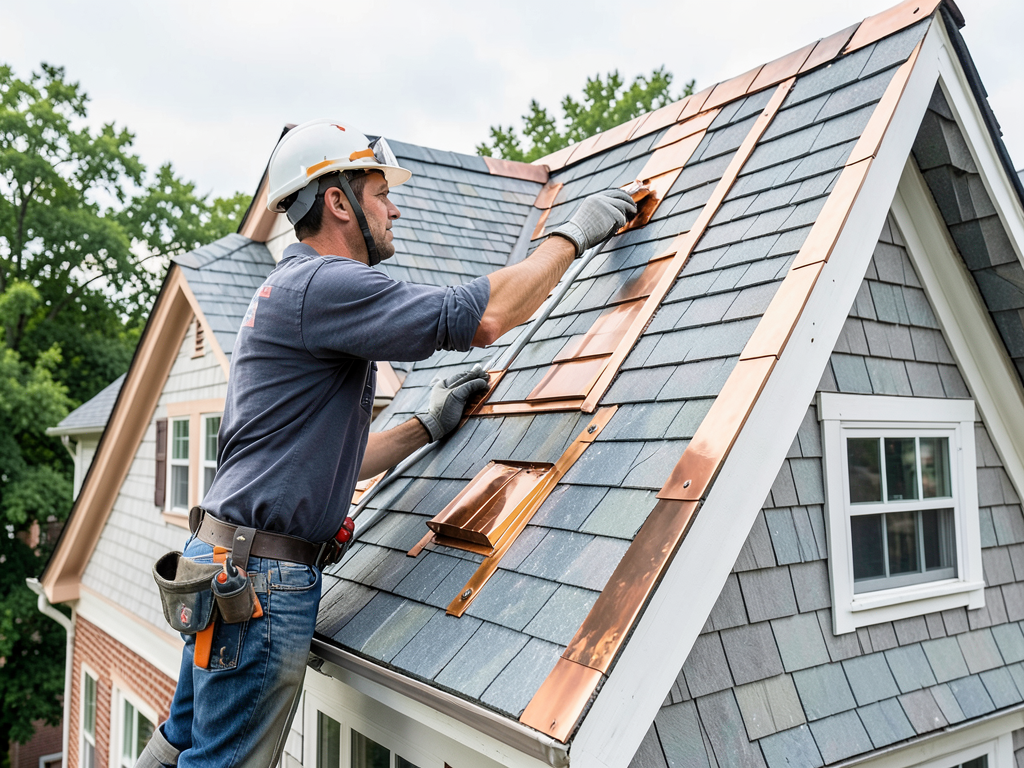
We integrate the new flashing into your shingle courses using the step-flashing method. The base flange slides under the upslope shingles, and we lap the downslope shingles over the top edge. This creates a water-shedding overlap that directs moisture away from the penetration. We do not rely on sealant as the primary waterproofing layer. Sealant is a secondary defense that fills minor gaps, but the mechanical overlap does the real work.

For metal pipe penetrations on commercial flat roofs, we use lead or copper collar flashings that compress around the pipe and integrate with the EPDM or TPO membrane. The collar allows pipe movement from thermal expansion without breaking the seal.

What Happens During Your Pipe Boot Repair

Leaking Pipe Boot & Vents in Philadelphia – Expert Diagnosis and Permanent Waterproof Repairs
01

Attic and Roof Inspection

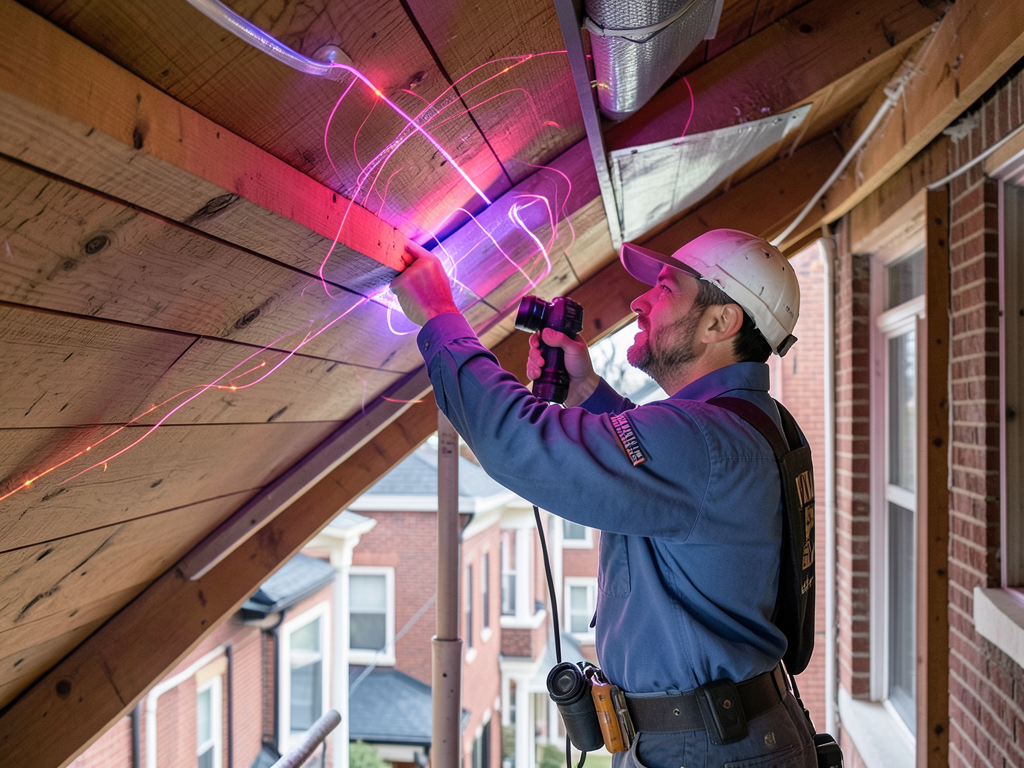
We inspect your attic space first to trace the water path and identify all affected penetrations. This reveals hidden damage to insulation, framing, and electrical systems. We photograph the water stains and measure moisture content in the wood decking using a pin-type moisture meter. This data tells us whether we need deck replacement or if the structure is still sound. We then access the roof to examine every plumbing vent boot for cracks, separation, and gasket deterioration.
02

Flashing Removal and Replacement

We carefully remove the damaged boot assembly and cut out any compromised decking. New plywood sheathing gets fastened to the rafters if needed. We install the correctly sized replacement boot, ensuring the base flange integrates properly with your shingle courses. The neoprene gasket gets positioned to create maximum compression around the pipe circumference. We test the seal by running water down the pipe exterior while observing from the attic to confirm zero water intrusion before we leave.
03

Waterproofing and Final Seal

After the mechanical installation is complete, we apply a thin bead of polyurethane sealant around the gasket-to-pipe interface as a secondary barrier. We re-seal the shingle tabs we lifted during installation and verify that no nail holes were created outside the sealed areas. You receive documentation of the work completed, including photos of the old boot condition and the new installation. We provide maintenance guidance on how often to inspect your boots and what warning signs indicate future problems.

Why Philadelphia Homeowners Choose Atlas Roofing for Pipe Boot Repairs

Most roofers treat a leaking pipe boot as a quick patch job. They smear tar around the base, tighten the gasket clamp, and collect the service fee. Six months later, you are calling again because the leak returned.

Atlas Roofing Philadelphia approaches flashing repairs as precision waterproofing work, not fast fixes. We carry twelve different boot configurations on our trucks because Philadelphia homes built between 1920 and 2024 use different pipe materials, diameters, and roof penetration methods. A Manayunk twin from 1948 has different flashing needs than a new construction home in East Passyunk.

We understand Philadelphia's residential building patterns. The row homes in South Philadelphia often have shared roof valleys and limited attic access, which requires specialized repair techniques. The single-family detached homes in Roxborough and Chestnut Hill have steeper roof pitches that demand different flashing integration methods. We adjust our approach based on your specific building type and age.

Our crews know the difference between a dry-rotted neoprene gasket that needs full replacement and a loose clamp that just needs adjustment. We do not upsell unnecessary work, but we also do not ignore underlying problems that will cause callbacks. If your boot is leaking, we tell you whether the issue is the gasket, the base flashing, the pipe itself, or water coming from a different source entirely.

We also recognize that pipe boot failure often indicates broader roof aging. If your boots are failing, your shingles are likely at the end of their service life too. We provide honest assessments about whether spot repairs make sense or if you are better off planning for a full roof replacement in the next two years. This transparency builds trust and helps you make informed decisions about your property.

What You Can Expect When We Repair Your Leaking Pipe Boot

Fast Response and Scheduling

We schedule pipe boot repairs within three to five business days of your call. If you have active ceiling damage with water dripping into living spaces, we can often arrive within 24 hours to tarp the area and prevent further interior damage. The actual repair takes two to four hours depending on attic access and deck condition. We work efficiently because we have the correct tools and materials staged before arrival. You do not wait days for special-order parts. We stock the most common boot sizes and can source unusual configurations from local suppliers within one day if needed.

Thorough Damage Assessment

Before we touch your roof, we inspect the attic to document all water damage and trace the leak source. We use thermal imaging cameras on complicated cases to identify hidden moisture in wall cavities and insulation layers. This diagnostic phase prevents misdiagnosis. Many homeowners assume the pipe boot is leaking when the real problem is ice damming at the eave edge or a failing roof valley 10 feet away. We identify the true source, explain what we found, and provide a fixed-price repair quote before starting work. You know exactly what you are paying for and why the work is necessary.

Permanent Waterproof Installation

The new pipe boot integrates mechanically with your roof system using proper overlap and flashing geometry. We do not depend on caulk or tar as the primary seal. The neoprene gasket compresses evenly around your pipe diameter, creating a flexible seal that accommodates thermal movement without cracking. The base flange tucks under upslope shingles and overlaps downslope shingles, directing water away from the penetration. This installation method has been proven over decades and will outlast adhesive-based repairs by years. You get a watertight penetration that stops leaks immediately and remains sealed through Philadelphia's temperature swings and storm cycles.

Post-Repair Verification and Guidance

We test every repair before we leave by simulating rain conditions on the roof surface while observing from your attic. This water test confirms zero leakage through the new boot assembly. You receive photos of the completed work and a written summary of what we replaced. We also provide maintenance recommendations, including how often to inspect your pipe boots and what signs indicate gasket wear. If you have multiple boots on your roof, we note their age and condition so you can plan for future replacements before they fail. This proactive guidance prevents emergency repair calls and helps you budget for roof maintenance over time.

Frequently Asked Questions

You Have Questions,
We Have Answers

How much does it cost to replace a vent pipe boot? +

Replacing a vent pipe boot in Philadelphia depends on roof accessibility, the number of boots needing replacement, and material choice. Basic rubber boots are more affordable than lead or EPDM upgrades. Steep pitches common in Manayunk or Chestnut Hill row homes increase labor time. Most replacements include removing old caulk, installing the new boot, and sealing around the base with roofing cement. The process takes 30 to 90 minutes per boot. Costs vary based on whether you need emergency service, weekend work, or if additional flashing damage exists underneath. Get a detailed estimate before work begins.

How to seal a vent boot? +

To seal a vent boot properly, first clean all old caulk and debris from around the pipe and flashing. Check the rubber gasket for cracks. If the boot itself is intact, apply a high-quality roofing sealant around the base where the boot meets the shingles. Run a bead around the pipe where it enters the rubber collar. In Philadelphia, freeze-thaw cycles break down cheap caulk fast, so use a product rated for temperature extremes. Press the sealant firmly into gaps. This is a temporary fix. If the rubber is brittle or cracked, replacement is the only real solution.

How to fix a leaking vent pipe? +

Fixing a leaking vent pipe starts with identifying the failure point. Most leaks happen where the rubber boot cracks or separates from the pipe. Climb up safely and inspect the boot for splits, gaps, or deterioration. If minor, clean the area and apply roofing cement around the base and pipe entry. For severe damage, remove the old boot, lift surrounding shingles, slide in a new boot, and reseal everything. Philadelphia homes built before 1980 often have original boots that are long overdue for replacement. If water stains appear on your ceiling near a bathroom, the vent boot is the likely culprit.

How long does a vent pipe boot last? +

A vent pipe boot lasts 10 to 20 years depending on material and weather exposure. Rubber boots degrade faster in Philadelphia due to UV exposure, summer heat, and winter freeze-thaw cycles. Lead boots last longer but cost more upfront. EPDM rubber offers better durability than standard neoprene. South-facing roofs see more sun damage, shortening boot life. If your roof is over 15 years old and you have never replaced the boots, inspect them closely. Cracking, hardening, or visible gaps mean replacement is overdue. Boots often fail before the shingles around them do.

Will homeowners insurance cover a leaky roof? +

Homeowners insurance may cover a leaky roof if the damage results from a covered peril like wind, hail, or falling tree limbs. Most policies exclude damage from lack of maintenance or gradual wear. A failed vent boot from age or neglect usually is not covered. However, if a storm tears off shingles and exposes the boot, causing sudden water intrusion, you may have a claim. Document everything with photos and get a professional inspection report. In Philadelphia, insurers often push back on older homes with deferred maintenance. Read your policy exclusions carefully before filing.

What are signs of a bad roof boot? +

Signs of a bad roof boot include visible cracks in the rubber, gaps between the boot and pipe, or missing sections of the gasket. Inside, you may see water stains on the ceiling near bathrooms or kitchen vents. Peeling paint, bubbling drywall, or a musty smell in the attic signals ongoing moisture intrusion. During heavy rain, you might hear dripping inside walls. In Philadelphia row homes, attic access is tight, making early detection harder. Check boots from the roof twice a year. Look for brittle rubber that crumbles when touched or shiny spots where UV exposure has cooked the material.

How to fix a leaking boot? +

Fixing a leaking boot requires removing the damaged component and installing a new one. Lift the shingles around the boot base carefully to avoid tearing them. Pull out old nails and slide the failed boot off the vent pipe. Clean any old sealant from the pipe and surrounding area. Slide the new boot down over the pipe, position it flat against the roof deck, and nail the flange under the upper shingles. Apply roofing cement around the base and pipe entry. In Philadelphia, work on dry days above 50 degrees so sealants cure properly. Rushed repairs in cold weather fail quickly.

Does rain water get into a vent pipe? +

Rain should not get into a vent pipe if the boot and flashing are intact. Vent pipes are open at the top to allow sewer gases to escape and equalize pressure in your drain system. A small amount of water entering the pipe drains harmlessly into your waste lines. However, a failed boot lets water run down the outside of the pipe, into your attic, and through ceilings. This is the actual problem. In Philadelphia, heavy storms and wind-driven rain expose weak boots fast. If you see water stains near vent locations after rain, the boot seal has failed, not the pipe itself.

What is a plumbing vent boot? +

A plumbing vent boot is a waterproof collar that seals the gap where a vent pipe penetrates your roof. It combines a metal or plastic flange that sits under shingles with a flexible rubber gasket that wraps tightly around the pipe. The boot prevents water from leaking into your attic along the pipe exterior. Vent pipes carry sewer gases out of your home and keep drain traps functioning correctly. Without a functioning boot, every rainstorm sends water into your ceiling. Philadelphia roofs often have multiple vent pipes, each needing its own boot to maintain a watertight seal.

How much do plumbers charge to fix a leaky pipe? +

Plumbers in Philadelphia charge between hourly and flat-rate pricing for leak repairs depending on the location and severity. A simple supply line fix under a sink costs less than repairing a slab leak or corroded drain stack. Emergency calls at night or weekends carry premium rates. Most plumbers diagnose the issue first, then quote the repair. Vent boot leaks are often handled by roofers, not plumbers, since the issue is exterior flashing failure, not the pipe itself. If water leaks inside your home near a vent, call a roofer first to inspect the boot before paying for plumbing diagnostics.

How Philadelphia's Temperature Swings Destroy Pipe Boot Gaskets

Philadelphia experiences over 90 freeze-thaw cycles each winter, and this temperature volatility is the primary cause of premature gasket failure. When daytime temperatures rise to 45 degrees and drop to 20 degrees overnight, the neoprene gasket around your plumbing vent expands and contracts repeatedly. This cyclical stress creates microfractures in the rubber compound. After five years of this punishment, the gasket loses its elasticity and can no longer maintain a compression seal around the pipe. Summer heat accelerates the degradation. When your black shingle roof reaches 160 degrees in July, the gasket becomes brittle and develops visible cracks. This combination of freeze-thaw stress and UV exposure means pipe boots fail faster in Philadelphia than in more temperate climates.

Atlas Roofing Philadelphia has repaired pipe boots on thousands of homes across Center City, Northeast Philadelphia, and the surrounding suburbs. We understand the specific flashing challenges presented by Philadelphia's mix of row homes, twins, and detached single-family construction. The residential building codes in Philadelphia require proper flashing integration at all roof penetrations, and our installations meet these standards. Local building inspectors recognize quality flashing work, and our methods pass inspection on new construction and major renovation projects. When you hire a roofing contractor who knows Philadelphia's building patterns and climate challenges, you get repairs that last instead of temporary patches that fail after the next freeze.
Roofing Services in The Philadelphia Area

Atlas Roofing proudly serves the entire Philadelphia area, including all surrounding counties. We invite you to view our service area on the map to confirm we cover your neighborhood. As your trusted local roofing contractor, we are always ready to deploy our expert teams promptly to your home or business, ensuring you receive the high-quality, professional service you deserve, exactly when you need it.

Address:
Atlas Roofing Philadelphia, 100 N 18th St, Philadelphia, PA, 19103

Additional Services We Offer

Our news updates

Latest Articles & News from The Blogs

The Best Way to Handle Downspout Runoff in Narrow Manayunk Alleyways Water pouring off your roof into the narrow alleyway…

The Best Way to Handle Downspout Runoff in Narrow Manayunk Alleyways

The Best Way to Handle Downspout Runoff in Narrow Manayunk Alleyways Water pouring off your roof into the narrow alleyway…

Finding the Leak in Your Complicated Tudor Roof in West Mt. Airy

Finding the Leak in Your Complicated Tudor Roof in West Mt. Airy Water dripping from your ceiling during a storm…

Why Ridge Vents Alone Might Not Be Enough for Your Hot Attic in Wynnefield

Why Ridge Vents Alone Might Not Be Enough for Your Hot Attic in Wynnefield Your attic feels like an oven…

Contact Us

Stop the water damage before it destroys your ceilings and insulation. Call Atlas Roofing Philadelphia at (267) 344-1222 to schedule a comprehensive roof penetration inspection. We will identify all failing boots and provide a clear repair plan.