




menu

Roof Replacement & Installation in Philadelphia – Protecting Homes From Freeze-Thaw Damage and Northeast Weather Extremes

Atlas Roofing Philadelphia delivers full roof replacement and new roof installation designed to withstand the freeze-thaw cycles, ice damming, and severe wind loads that threaten Philadelphia roofs year after year.

Slider Image 1
Slider Image 2
Slider Image 3
Slider Image 4
Slider Image 5
Slider Image 7
Slider Image 8
Slider Image 9
Slider Image 10
Slider Image 11

Why Philadelphia Roofs Fail Faster Than You Think

Philadelphia sits in a climate transition zone where winter freeze-thaw cycles wreak havoc on roofing materials. Water seeps into micro-cracks during the day, freezes at night, and expands with enough force to split shingles, lift flashing, and destroy underlayment. This happens dozens of times each winter. Add in the humidity from the Delaware and Schuylkill Rivers, and you create the perfect environment for accelerated roof decay.

The city's Historic Districts present another layer of complexity. Rowhomes in Fishtown, Queen Village, and Bella Vista share common walls and parapets, which means water intrusion on one roof can migrate laterally and damage multiple units. Ice damming along gutterlines is particularly destructive on these older structures because the original roof pitch was often too shallow for modern ice shields.

You might see curling shingles, granule loss in your downspouts, or dark streaks running down your fascia. These are not cosmetic issues. They signal that your roof deck is absorbing moisture, your attic ventilation has failed, or your flashing has separated from the chimney or dormer sidewalls. Philadelphia's weather does not pause to let you delay a new roof installation. If you see the warning signs, a full roof replacement is the only permanent fix. Reroofing services that simply overlay new shingles on top of damaged decking will fail within three years because the underlying rot continues to spread. Installing a new roof means addressing the structural damage, not covering it up.

Why Philadelphia Roofs Fail Faster Than You Think
How Atlas Roofing Philadelphia Executes a Tear Off Roof Replacement

How Atlas Roofing Philadelphia Executes a Tear Off Roof Replacement

We do not overlay. Every roof replacement starts with a complete tear off down to the decking. This allows us to inspect the plywood or OSB sheathing for soft spots, delamination, or rot caused by years of unnoticed leaks. Any compromised decking gets replaced before we install a single shingle. This step is non-negotiable in Philadelphia, where moisture intrusion is chronic.

Next, we install ice and water shield along all eaves, valleys, and penetrations. Philadelphia building code requires ice shield coverage at least 24 inches inside the exterior wall line, but we extend it 36 inches on low-slope roofs or homes with a history of ice damming. We use synthetic underlayment across the entire roof deck because it will not wrinkle, tear, or degrade if exposed to UV during installation delays.

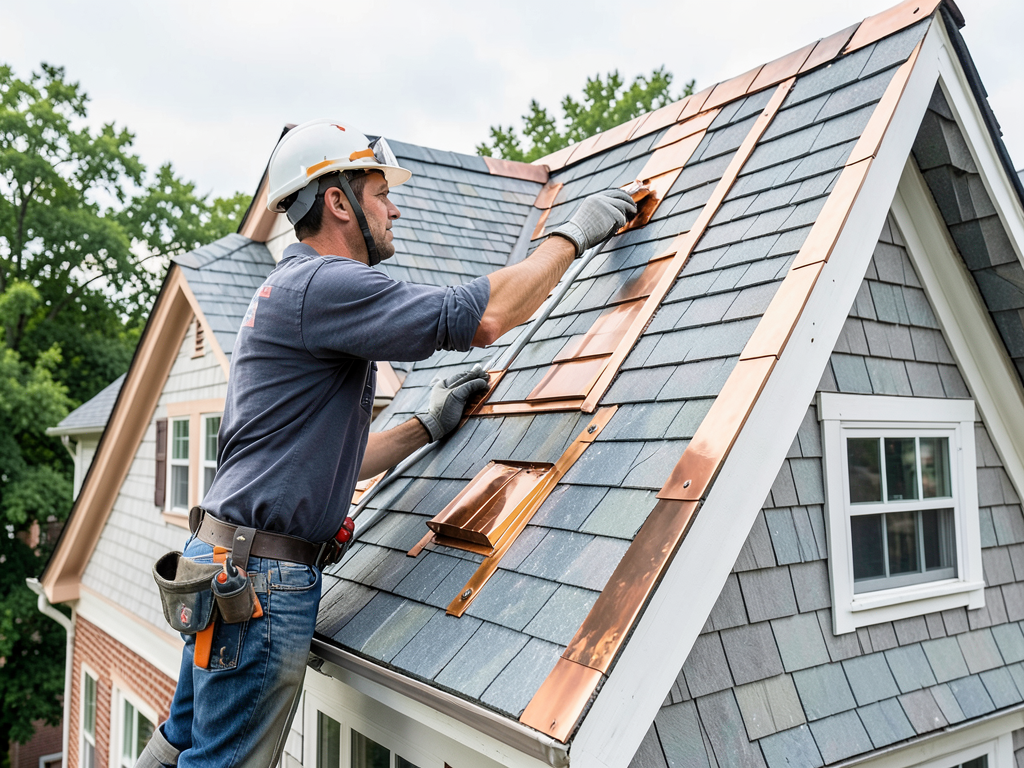
Flashing is where most roofers cut corners. We fabricate custom step flashing at every sidewall, chimney, and dormer intersection. Pre-bent universal flashing does not conform to the irregular masonry common in Philadelphia rowhomes. We also install drip edge along every rake and eave to direct water away from the fascia and prevent wind-driven rain from backtracking under the shingles. Valley flashing gets a closed-cut installation with underlayment weave to prevent blowouts during heavy storms.

Ventilation is the final piece. Philadelphia attics trap heat and humidity, which shortens shingle lifespan and promotes mold growth. We balance intake vents at the soffit with exhaust vents at the ridge to create continuous airflow. If your attic lacks proper ventilation, you will need a new roof installation again in ten years regardless of shingle quality.

What Happens During Your Roof Replacement

Roof Replacement & Installation in Philadelphia – Protecting Homes From Freeze-Thaw Damage and Northeast Weather Extremes
01

Initial Roof Inspection

We climb onto your roof and document every damaged area with photos and measurements. You get a written report detailing shingle condition, flashing failures, decking damage, and ventilation deficiencies. We check your attic from the interior to identify hidden leaks, insulation problems, and structural issues. This inspection determines whether you need spot repairs or a full roof replacement. We also pull your permit history to verify previous work was done to code.
02

Tear Off and Rebuild

Our crew removes all existing shingles, underlayment, and flashing down to bare decking. We inspect every sheet of plywood for soft spots and replace damaged sections. Then we install ice shield, synthetic underlayment, and new flashing before laying the first shingle. We stage materials on tarps to protect your landscaping and use magnetic rollers to collect nails. The tear off and rebuild typically takes two to three days for an average rowhome, longer if we encounter extensive decking rot or need to coordinate with adjoining properties.
03

Final Inspection and Cleanup

After the last shingle is nailed, we inspect every flashing joint, valley seam, and ridge cap for proper installation. We walk your property with a magnetic roller to remove stray nails and metal debris. You receive copies of all permits, material invoices, and manufacturer documentation. Philadelphia requires a final inspection by L and I for most reroofing services. We schedule that inspection and make any required corrections. Your roof is not finished until the city signs off and you have a Certificate of Completion in hand.

Why Philadelphia Homeowners Trust Atlas Roofing Philadelphia for New Roof Installation

Philadelphia roofing is not a one-size-fits-all business. The Victorian twins in Manayunk have different roof pitches and flashing details than the brick colonials in the Northeast. The flat-seam metal roofs in Chestnut Hill require soldering skills that most asphalt crews do not possess. We have installed roofs in every neighborhood in this city, and we understand the nuances of each housing type.

We also navigate the Philadelphia Department of Licenses and Inspections better than most contractors. Roofing permits in historic overlay districts require Architectural Committee approval, which adds weeks to the timeline if you do not know the process. We handle the paperwork, attend the hearings, and ensure your roof replacement meets both city code and historical preservation standards. If you live in a rowhome, we coordinate with your neighbors to protect shared parapets and manage stormwater runoff across adjoining properties.

Material selection matters in this climate. We do not install organic shingles in Philadelphia because they absorb moisture and fail prematurely. We use fiberglass-backed architectural shingles rated for high wind zones and impact resistance. For flat or low-slope sections, we install modified bitumen or EPDM rubber with fully adhered seams, not mechanical fasteners that create leak points. If you need a tear off roof replacement on a standing seam metal roof, we bring in certified metal fabricators, not generalists who will butcher the panels.

You also get transparency. We provide itemized estimates that break out material costs, labor, permits, and disposal fees. No lump-sum quotes that hide profit padding. If we find additional decking damage during tear off, we document it with photos and get your approval before proceeding. You will never receive a surprise invoice at the end of the job.

What You Can Expect From Your Roof Replacement Project

Project Timeline and Scheduling

Most residential roof replacements in Philadelphia take three to five days from tear off to final cleanup. Weather delays are common, especially during winter months when ice and snow make roofing unsafe. We do not rush installations to meet artificial deadlines. If conditions are unsafe, we reschedule. You receive a detailed project schedule before we start, including permit timelines, material delivery dates, and inspection windows. We also notify your neighbors in advance if we need to access shared parapets or stage equipment in common areas. For commercial projects or multi-family buildings, timelines extend based on square footage and logistical complexity.

Pre-Installation Assessment Process

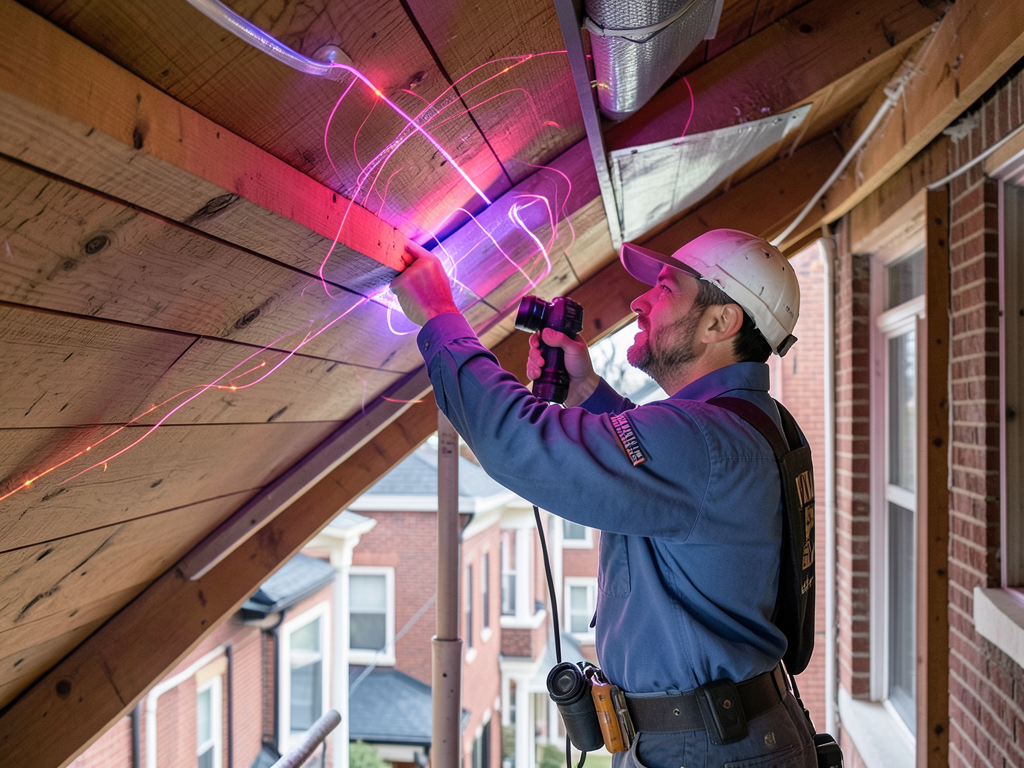
Your roof assessment includes a complete exterior inspection, attic inspection, and moisture evaluation. We use thermal imaging cameras to detect hidden leaks and insulation gaps. You receive a written report with photos, measurements, and recommended solutions. We also review your homeowner's insurance policy to identify coverage for storm damage or sudden failures. If you file a claim, we provide documentation to support your case. The assessment takes about 90 minutes and you get the written report within 24 hours. We do not charge for assessments if you proceed with the roof replacement.

Quality of Materials and Workmanship

We install architectural shingles rated for 130 mph wind resistance and Class 4 impact ratings. All underlayment is synthetic, not felt paper. Flashing is custom-fabricated from copper or galvanized steel, not pre-bent universal panels. We hand-nail every shingle because pneumatic nailers overdrive fasteners and create leak points on high-density shingles. Ridge vents are baffled to prevent wind-driven rain infiltration, and all penetrations get storm collar seals. You receive copies of all material invoices and manufacturer spec sheets. Your roof will pass city inspection on the first attempt because we build to code, not to minimum standards.

Post-Installation Support and Maintenance

After your roof installation is complete, we provide a maintenance checklist and schedule a six-month follow-up inspection. This inspection is included and allows us to verify that all flashing seals remain intact and no fasteners have backed out. We also clear your gutters and check for any shingle blow-offs or granule loss. If you experience a leak within the first year, we return immediately to diagnose and repair the issue at no charge. You also get access to our maintenance program, which includes annual inspections, gutter cleaning, and minor repairs. Keeping your roof maintained extends its lifespan and preserves manufacturer coverage.

Frequently Asked Questions

You Have Questions,
We Have Answers

How Philadelphia's Freeze-Thaw Cycles and Historic Housing Stock Demand Specialized Roof Replacement Techniques

Philadelphia experiences an average of 40 freeze-thaw cycles per winter, which is more than any other major city on the East Coast. Water trapped in shingle tabs freezes overnight and expands, creating fractures that allow more water infiltration the next day. This cycle repeats until the shingle granules detach and the asphalt backing deteriorates. Rowhomes in neighborhoods like South Philadelphia and Port Richmond share parapets and valley gutters, which concentrate runoff and accelerate ice damming. A proper tear off roof replacement in these structures requires rebuilding the parapet cap flashing and installing secondary water barriers that extend at least 36 inches beyond the exterior wall line. Generic reroofing services that ignore these structural realities fail within five years.

Philadelphia building codes have evolved significantly since the 1980s, but many contractors still use outdated installation methods. The city now requires ice and water shield coverage on all eaves, valleys, and roof-to-wall intersections, yet we routinely see new roof installations that skip this step to save time. Atlas Roofing Philadelphia has worked with the Department of Licenses and Inspections for years, and we know exactly what inspectors look for during final walkthroughs. We also maintain relationships with historical architects who approve work in overlay districts. If you live in a protected zone, you cannot simply install any shingle color or material. We guide you through the approval process and ensure your full roof replacement meets both structural and aesthetic requirements.
Roofing Services in The Philadelphia Area

Atlas Roofing proudly serves the entire Philadelphia area, including all surrounding counties. We invite you to view our service area on the map to confirm we cover your neighborhood. As your trusted local roofing contractor, we are always ready to deploy our expert teams promptly to your home or business, ensuring you receive the high-quality, professional service you deserve, exactly when you need it.

Address:
Atlas Roofing Philadelphia, 100 N 18th St, Philadelphia, PA, 19103

Additional Services We Offer

Our news updates

Latest Articles & News from The Blogs

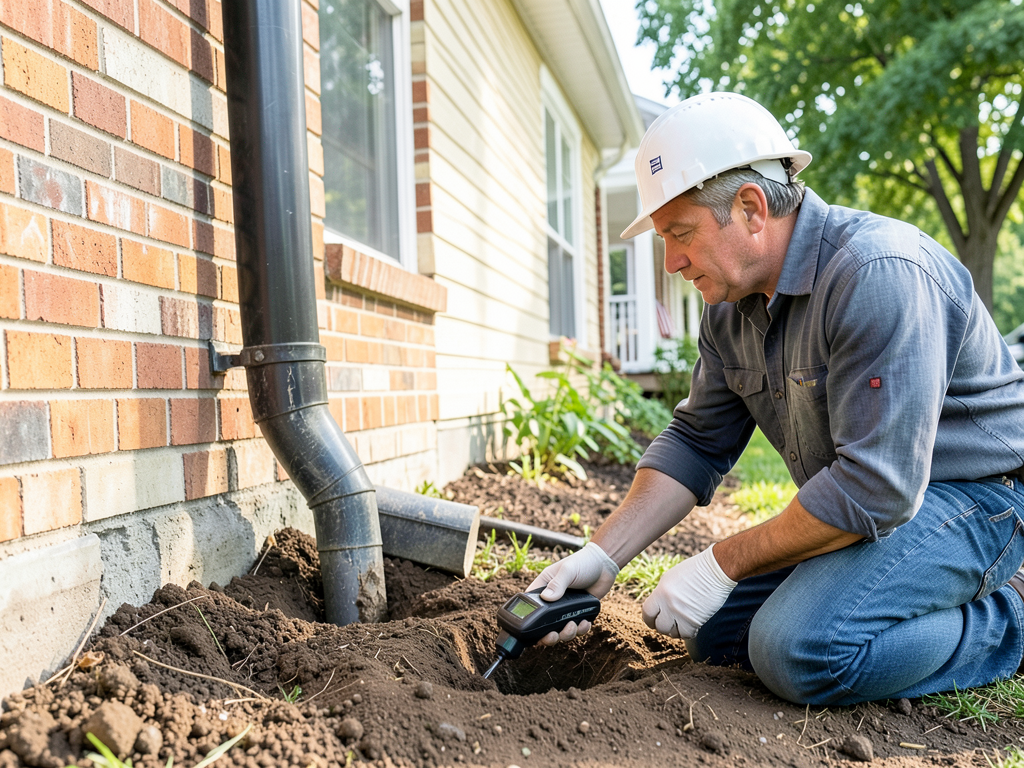
The Best Way to Handle Downspout Runoff in Narrow Manayunk Alleyways Water pouring off your roof into the narrow alleyway…

The Best Way to Handle Downspout Runoff in Narrow Manayunk Alleyways

The Best Way to Handle Downspout Runoff in Narrow Manayunk Alleyways Water pouring off your roof into the narrow alleyway…

Finding the Leak in Your Complicated Tudor Roof in West Mt. Airy

Finding the Leak in Your Complicated Tudor Roof in West Mt. Airy Water dripping from your ceiling during a storm…

Why Ridge Vents Alone Might Not Be Enough for Your Hot Attic in Wynnefield

Why Ridge Vents Alone Might Not Be Enough for Your Hot Attic in Wynnefield Your attic feels like an oven…

Contact Us

Do not wait for the next storm to expose your roof's weak points. Call Atlas Roofing Philadelphia at (267) 344-1222 to schedule a free inspection. We will assess your roof, provide a detailed written estimate, and answer every question you have about the replacement process.