






Philadelphia experiences an average of 20 to 30 freeze-thaw cycles each winter. Water infiltrates small cracks in shingle surfaces, freezes overnight, and expands. This expansion fractures the asphalt binder that holds granules in place. When temperatures rise during the day, meltwater washes the loosened shingle sediment into gutters. Roofs with southern exposure suffer more because daytime heating accelerates the freeze-thaw cycle. North-facing slopes in neighborhoods like Manayunk and East Falls stay frozen longer, which delays but does not prevent the damage.
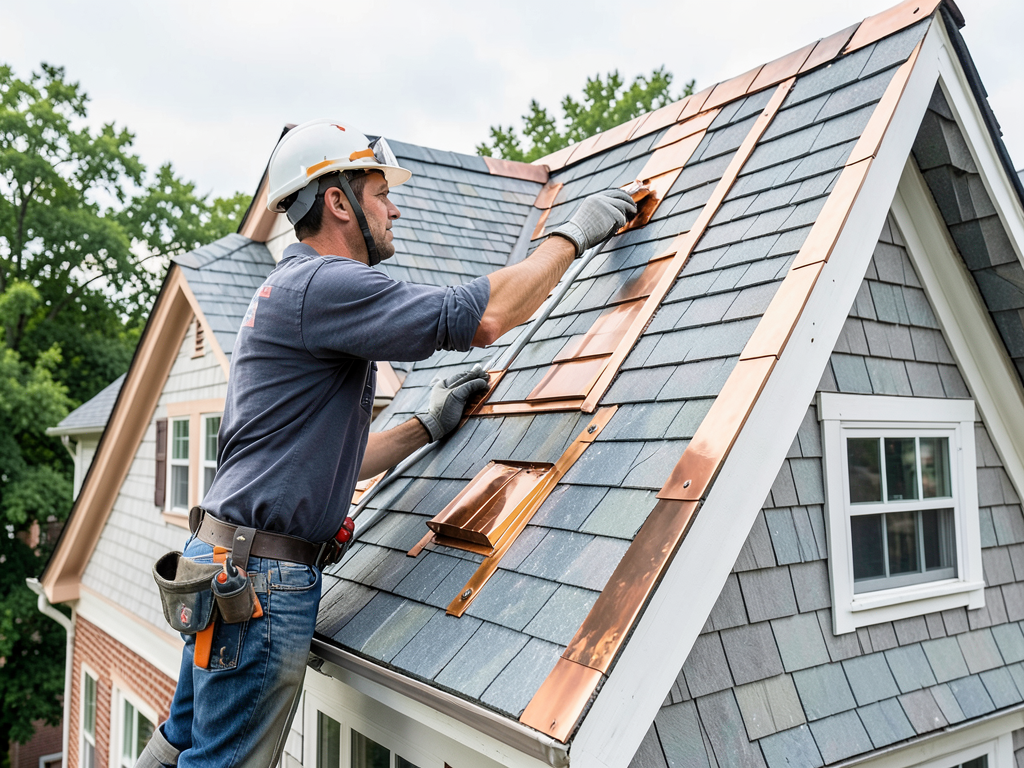
Philadelphia building codes require ice and water shield underlayment along eaves and valleys. Many older homes were not built to this standard. When we inspect roofs installed before 2010, we often find missing or degraded underlayment that allows water penetration once granules are lost. Local contractors who understand these code updates can identify non-compliant installations and recommend targeted upgrades that prevent leaks without requiring a full roof replacement. That local knowledge saves you money and extends roof life.