


menu

Shopping Center Roof Repair in Philadelphia – Minimize Downtime and Protect Your Tenants

Atlas Roofing Philadelphia delivers commercial retail roof repair that keeps your strip mall, shopping complex, or retail center operational while we work, ensuring tenant satisfaction and revenue continuity.

Slider Image 1
Slider Image 2
Slider Image 3
Slider Image 4
Slider Image 5
Slider Image 7
Slider Image 8
Slider Image 9
Slider Image 10
Slider Image 11

Why Philadelphia Shopping Centers Face Unique Roofing Vulnerabilities

Philadelphia's freeze-thaw cycles create significant problems for commercial retail roofing systems. When temperatures fluctuate between 20°F and 50°F throughout winter, trapped moisture expands in membrane seams and flashing details. This cycle repeats dozens of times each season, accelerating material fatigue in strip mall roof structures.

The city's building stock compounds the issue. Many shopping complexes in Northeast Philadelphia and along Roosevelt Boulevard were constructed between 1960 and 1985 with built-up roofing systems that have exceeded their 20-year design life. These aging commercial retail roofs now support HVAC equipment loads they were never engineered to carry, creating stress points where leaks develop.

Philadelphia's urban heat island effect also degrades roofing materials faster than manufacturers predict. Asphalt parking lots surrounding retail centers reflect additional UV radiation onto roof membranes, causing premature brittleness. When a shopping mall roof leak occurs, it rarely affects just one tenant space. Water follows structural decking seams and can migrate 30 feet from the actual penetration point before appearing as a ceiling stain.

Property managers face pressure from multiple directions. Tenants demand immediate leak repairs to protect inventory. Landlords need cost-effective solutions that extend roof life without triggering full replacement capital expenditures. Local code officials require proper permitting for anything beyond minor patching work.

The window for addressing retail center roof repair closes quickly once symptoms appear. A small membrane blister in March becomes a tenant disruption by June when summer thunderstorms arrive.

Why Philadelphia Shopping Centers Face Unique Roofing Vulnerabilities
How We Execute Shopping Complex Roof Repairs Without Disrupting Business Operations

How We Execute Shopping Complex Roof Repairs Without Disrupting Business Operations

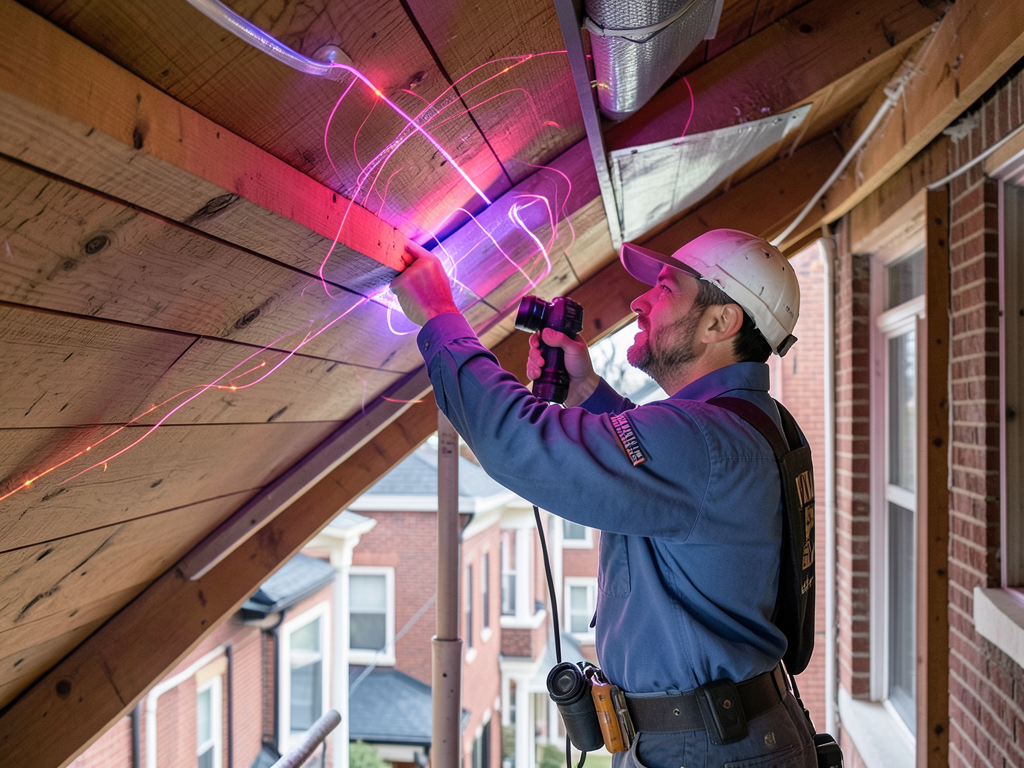
Our approach to shopping center roof repair starts with infrared moisture scanning to map the full extent of water intrusion beneath the membrane surface. This non-invasive diagnostic method identifies saturated insulation areas that visual inspection misses. We scan after sunset when temperature differentials make wet insulation clearly visible in thermal imaging. This precision eliminates unnecessary tear-off work and reduces project costs.

We coordinate all roof work around your tenant operating hours. Most strip mall roof repair occurs between 7 AM and 3 PM to avoid evening retail traffic. For restaurants or businesses with morning rushes, we adjust our schedule accordingly. Our crew staging areas are positioned in low-traffic zones of your parking lot, and we maintain clear pedestrian pathways to all storefronts throughout the project.

Material selection depends on your existing roof assembly and remaining service life goals. For shopping complexes with 10 to 15 years of useful life remaining, we use compatible modified bitumen or single-ply patches that thermally weld to existing membranes. When the substrate shows widespread deterioration, we recommend tapered insulation retrofit systems that improve drainage and add R-value while addressing leak points.

Atlas Roofing Philadelphia coordinates directly with your property management software to document all work with geotagged photos and moisture meter readings. You receive a digital report showing before and after conditions for each repair zone. This documentation proves valuable for tenant communications and future roof reserve studies.

We handle all permit applications with the Philadelphia Department of Licenses and Inspections. Our L&I relationships expedite approval timelines, and we schedule inspections to align with project milestones rather than causing delays.

What Happens During Your Commercial Roof Repair Project

Shopping Center Roof Repair in Philadelphia – Minimize Downtime and Protect Your Tenants
01

Site Assessment and Staging

We conduct a complete roof survey using moisture meters and core samples to verify decking conditions beneath suspect areas. Our team photographs all existing conditions and maps drain locations, penetrations, and access points. We establish material staging zones that keep your parking lot functional and coordinate delivery schedules to minimize truck traffic during peak shopping hours. You receive a detailed work plan showing daily activities and affected roof sections.
02

Controlled Tear-Off and Substrate Repair

We remove only the damaged membrane and wet insulation sections identified during assessment, leaving sound roof areas intact. Our crews install temporary weatherproofing over open sections each afternoon before leaving the site. We replace saturated insulation with code-compliant polyisocyanurate boards and verify decking integrity before installing new underlayment. All debris goes into designated dumpsters positioned for efficient removal without blocking tenant access or sightlines from the street.
03

Membrane Installation and Warranty Documentation

We install new roofing membrane using heat-welded seams that exceed manufacturer specifications for wind uplift resistance. All flashing details around HVAC curbs, parapet walls, and drains receive reinforced treatment to prevent future leak points. Our final inspection includes water testing of repaired areas and documentation photography for your records. You receive material warranty information and a maintenance schedule showing recommended inspection intervals to protect your investment and maintain coverage.

Why Philadelphia Property Managers Choose Atlas Roofing for Retail Center Projects

We understand the financial structure of retail property ownership in Philadelphia. Most shopping centers operate on net lease agreements where roof repairs fall to the landlord, but tenant disruptions affect lease renewal decisions. Our project management approach balances your obligation to maintain weathertight premises against the operational reality that tenant businesses cannot shut down for roof work.

Atlas Roofing Philadelphia maintains relationships with commercial property insurance adjusters throughout the region. When storm damage affects your shopping complex, we provide documentation formatted to match insurance company requirements. Our estimates separate emergency temporary repairs from permanent restoration work, giving you control over how you allocate claim proceeds versus capital reserves.

We know Philadelphia's commercial building code requirements for roof replacements versus repairs. Section R907 of the International Building Code, as adopted by Philadelphia, requires full tear-off when you replace more than 25 percent of roof area within a 12-month period. Our repair designs stay within this threshold when possible, saving you significant permit fees and engineering review costs. When full replacement becomes necessary, we handle the building permit application and required structural analysis.

Our familiarity with Philadelphia's commercial districts matters for project execution. We know which neighborhoods require street parking permits for our material trucks, which shopping centers have restricted access hours, and how to coordinate with adjacent property owners when staging equipment. These logistical details prevent project delays that cost you money.

We provide references from shopping center owners in Northeast Philadelphia, along Roosevelt Boulevard, and in suburban Montgomery County. You can verify our performance record on projects similar to yours in scope and tenant mix.

What Your Shopping Center Roof Repair Project Includes

Rapid Response and Project Timeline

We provide preliminary assessments within 24 hours of your call for active leaks affecting tenant spaces. Emergency temporary repairs happen the same day when weather permits, protecting your tenants while we develop a permanent repair plan. Most strip mall roof repairs complete within three to seven business days depending on affected square footage and substrate conditions. Larger shopping complex projects receive phased schedules that address the most critical leak areas first, then proceed to preventive repairs during optimal weather windows. You receive weekly progress updates when projects extend beyond five days.

Thorough Diagnostic Process

Our initial roof inspection includes infrared thermography to locate moisture trapped in insulation layers beneath the membrane surface. We take core samples at suspected problem areas to verify decking conditions and insulation R-value. You receive a written report with thermal images, core sample photos, and our findings about remaining roof service life. This diagnostic approach prevents unnecessary roof replacement recommendations when targeted repairs will solve the problem. We identify the root cause of leaks rather than just treating visible symptoms, which saves you money on repeat service calls.

Quality Materials and Installation Standards

We install commercial-grade roofing materials designed for the specific load and exposure conditions of retail center applications. Modified bitumen membranes receive hot-mopped or torch-applied installation that creates waterproof seams stronger than the base material. Single-ply membrane systems use heat-welded seams tested to 400 pounds per linear foot of peel strength. All flashing details around penetrations and roof edges follow manufacturer specifications required to maintain material warranties. We verify proper fastener spacing and wind uplift ratings for your building location using Philadelphia's 90 mph design wind speed requirements.

Post-Repair Documentation and Maintenance Planning

You receive complete project documentation including material warranty certificates, installation photos showing substrate conditions and repair details, and moisture meter readings proving dry conditions after work completion. We provide a recommended maintenance schedule showing optimal times for drain cleaning, membrane inspections, and sealant renewal at flashing locations. Our maintenance plans help you budget for roof care expenses and extend the service life of your commercial retail roof system. We offer annual inspection agreements that catch small problems before they become tenant disruptions or emergency repair situations.

Frequently Asked Questions

You Have Questions,
We Have Answers

What's the average cost to patch a roof? +

Commercial roof patching costs vary by size, material type, and access difficulty. Small membrane patches on a shopping center roof typically range from a few hundred to several thousand dollars depending on the damage extent. Philadelphia's freeze-thaw cycles can worsen minor issues quickly, making early intervention critical. Modified bitumen, TPO, and EPDM require different repair methods, each with distinct labor and material costs. Access equipment for multi-level shopping centers adds expense. Get a professional assessment to understand the true scope before budgeting, as water intrusion often extends beyond visible damage.

How much should it cost to fix a roof? +

Shopping center roof repairs depend on system type, damage extent, and structural complications. Minor flashing repairs may cost less, while section replacements involving insulation, decking, and membrane run significantly higher. Philadelphia's commercial building codes require specific materials and installation methods that affect pricing. Factor in business interruption costs when planning repairs. Leaks in retail spaces create liability exposure and tenant complaints. Request detailed scope-of-work proposals from licensed contractors familiar with commercial systems. Deferred maintenance always costs more than proactive repairs. Budget for infrared scanning or core samples to identify hidden moisture damage before finalizing repair plans.

How to get a roof replaced for free? +

Free roof replacement does not exist for commercial properties. Shopping centers are business assets with different rules than residential properties. Some manufacturers offer rebates for full system upgrades, reducing net costs. Energy efficiency programs occasionally provide incentives for cool roof installations or insulation improvements. Document all storm damage immediately and file insurance claims properly. Philadelphia's commercial property insurance policies vary widely in coverage. Avoid contractors promising free roofs through insurance manipulation, as this creates legal liability. Consider financing options, depreciation schedules, or phased replacement strategies to manage capital expenditures while maintaining tenant spaces and business operations.

Does commercial insurance cover roof replacement? +

Commercial property insurance coverage depends on your policy terms, damage cause, and maintenance documentation. Sudden storm damage typically qualifies for coverage, while gradual deterioration from deferred maintenance does not. Philadelphia shopping centers face wind-driven rain, snow loads, and ice dam risks that policies may address differently. Review your declarations page for actual cash value versus replacement cost coverage. Insurers require proof of regular maintenance and inspection records. Document all damage with photos and professional assessments immediately after incidents. Understand your deductible structure and business interruption provisions. Work with adjusters who understand commercial roofing systems to ensure accurate damage assessment.

What is the cheapest way to repair a roof? +

The cheapest repair approach depends on your timeline and risk tolerance. Temporary patches delay costs but risk tenant disruption and liability claims. Addressing only visible symptoms while ignoring underlying moisture damage leads to structural failures. For Philadelphia shopping centers, strategic section replacement often costs less long-term than repeated emergency patches. Preventive maintenance programs identify issues early when fixes cost less. Evaluate lifecycle costs, not just immediate expenses. Poor repairs void warranties and create bigger problems during Philadelphia's harsh winters. Consider material longevity and energy performance. Low initial cost repairs often generate the highest total ownership costs through repeated failures and tenant complaints.

Is it better to patch a roof or replace it? +

This decision requires analyzing remaining service life, damage extent, and business impact. Patches work for isolated damage on roofs with 10 plus years of useful life remaining. Replacement makes sense when patches exceed 30 percent of roof area or when the system nears end of life. Philadelphia's weather accelerates deterioration on compromised roofs. Consider tenant lease terms and capital budget cycles. Multiple patches create a patchwork that complicates future maintenance. Evaluate energy efficiency gains from modern systems against patch costs. Document conditions with infrared scans to identify moisture saturation. Poor patch decisions lead to emergency replacements at premium costs during business disruptions.

What time of year is the cheapest to replace a roof? +

Late summer and fall offer the best value for Philadelphia shopping center roof work. Contractors have more availability after peak residential season, creating negotiating leverage. Moderate temperatures allow proper material installation without weather delays. Avoid winter work when cold affects adhesives and sealants. Spring storms create backlogs and premium pricing. Plan around tenant peak seasons to minimize business disruption. Schedule major work during low retail traffic periods if possible. However, do not delay necessary repairs to chase seasonal pricing. A small leak in November becomes a major failure by February. Philadelphia's freeze-thaw cycles punish deferred maintenance regardless of seasonal cost savings.

Does homeowners insurance cover roof repair? +

Homeowners insurance does not apply to commercial shopping centers. Commercial property insurance policies govern retail and mixed-use buildings. Coverage depends on damage cause, policy type, and maintenance history. Review your commercial policy's specific exclusions and requirements. Philadelphia shopping center owners need different coverage than residential property owners. Understand the distinction between named peril and all-risk policies. Document regular maintenance and inspections to support claims. Work with brokers experienced in commercial real estate. Tenant improvement agreements may shift some repair responsibilities. Consult your insurance advisor and legal counsel before assuming coverage applies to any specific damage scenario.

What is the most expensive part of replacing a roof? +

Material costs represent the largest single expense for shopping center roof replacement. Commercial-grade membranes, insulation, and substrate materials exceed residential costs significantly. Labor and specialized equipment follow closely, especially for occupied buildings requiring protection protocols. Philadelphia's building code compliance adds engineering and permit costs. Structural repairs from water damage or outdated decking escalate projects dramatically. Asbestos abatement in older shopping centers creates substantial additional expense. Access equipment for large footprints increases costs. Do not overlook business continuity measures, temporary weather protection, and phased installation premiums. Hidden moisture damage discovered during tear-off often becomes the most expensive surprise in commercial projects.

How do I get a new roof if I can't afford it? +

Shopping center owners have financing options unavailable to residential properties. Commercial property loans, equipment financing, or capital improvement lines of credit spread costs over time. Negotiate tenant pass-throughs for common area maintenance if lease terms allow. Consider sale-leaseback arrangements or refinancing options. Energy efficiency financing programs sometimes cover roof improvements that reduce operating costs. Evaluate phased replacement strategies to match cash flow. Philadelphia commercial lenders understand real estate cycles and tenant income streams. Avoid deferring critical repairs, as structural damage and liability exposure cost more than financing charges. Consult commercial real estate advisors and tax professionals about depreciation strategies and capital expenditure planning.

How Philadelphia Weather Patterns Accelerate Shopping Center Roof Deterioration

Philadelphia receives 42 inches of precipitation annually, with freeze-thaw cycles occurring an average of 40 times each winter. This combination proves particularly damaging to commercial retail roofing systems. Water penetrates small membrane defects during rain events, then freezes when temperatures drop overnight. The expansion forces open seams and cracks, creating larger entry points for the next storm. Shopping mall roof leak problems that start as minor issues in October become major tenant disruptions by February. The city's proximity to the Delaware River also creates high humidity conditions that prevent trapped moisture from drying out between weather events, leading to accelerated decking deterioration.

Atlas Roofing Philadelphia works exclusively in the greater Philadelphia metro area, which means we understand local building department expectations and inspection procedures. Philadelphia requires commercial roof work permits for repairs exceeding 100 square feet, and our team maintains current L&I contractor registrations to pull permits without delays. We know which neighborhoods require additional historical commission approvals for visible roofing changes and how to navigate those requirements. Our local focus means we respond faster than regional companies that dispatch crews from distant locations, and we stand behind our work because our reputation depends on satisfied commercial property owners throughout the city.
Roofing Services in The Philadelphia Area

Atlas Roofing proudly serves the entire Philadelphia area, including all surrounding counties. We invite you to view our service area on the map to confirm we cover your neighborhood. As your trusted local roofing contractor, we are always ready to deploy our expert teams promptly to your home or business, ensuring you receive the high-quality, professional service you deserve, exactly when you need it.

Address:
Atlas Roofing Philadelphia, 100 N 18th St, Philadelphia, PA, 19103

Additional Services We Offer

Our news updates

Latest Articles & News from The Blogs

The Best Way to Handle Downspout Runoff in Narrow Manayunk Alleyways Water pouring off your roof into the narrow alleyway…

The Best Way to Handle Downspout Runoff in Narrow Manayunk Alleyways

The Best Way to Handle Downspout Runoff in Narrow Manayunk Alleyways Water pouring off your roof into the narrow alleyway…

Finding the Leak in Your Complicated Tudor Roof in West Mt. Airy

Finding the Leak in Your Complicated Tudor Roof in West Mt. Airy Water dripping from your ceiling during a storm…

Why Ridge Vents Alone Might Not Be Enough for Your Hot Attic in Wynnefield

Why Ridge Vents Alone Might Not Be Enough for Your Hot Attic in Wynnefield Your attic feels like an oven…

Contact Us

Protect your tenants and your investment with professional commercial roof repair. Call Atlas Roofing Philadelphia at (267) 344-1222 for a detailed assessment. We provide written diagnostic reports and repair proposals within 48 hours of your initial call.