




menu

Metal Roofing Systems in Philadelphia – Built to Handle Our Freeze-Thaw Cycles and Historic Architecture

Atlas Roofing Philadelphia installs and repairs metal roofing systems engineered for the city's extreme temperature swings, ice damming risks, and the unique demands of rowhomes and historic district properties across Philadelphia neighborhoods.

Slider Image 1
Slider Image 2
Slider Image 3
Slider Image 4
Slider Image 5
Slider Image 7
Slider Image 8
Slider Image 9
Slider Image 10
Slider Image 11

Why Philadelphia Buildings Need Metal Roofing Systems That Can Handle Real Weather

Philadelphia's climate punishes roofs. You get freeze-thaw cycles that split seams, ice dams that back up under shingles, and summer heat that bakes asphalt into brittleness. Traditional roofing materials fail faster here than in milder climates. Metal roofing systems solve these problems because they expand and contract without cracking, shed snow and ice before dams form, and reflect summer heat instead of absorbing it.

The city's housing stock adds another layer of complexity. Rowhomes in South Philadelphia, Queen Village, and Fishtown share party walls and narrow roof access. Historic districts like Society Hill and Old City require approval from the Philadelphia Historical Commission before you can change roofing materials. You need metal roofing panels that match period aesthetics while meeting modern energy codes.

Many Philadelphia properties were built before updated building codes addressed thermal bridging and ventilation. Metal roof sheets installed without proper underlayment or ventilation channels create condensation problems that rot decking from the inside. You see this in older Manayunk homes where metal roofing products were retrofitted over existing asphalt without addressing the vapor barrier.

The Schuylkill and Delaware rivers create humidity pockets that accelerate corrosion on cheap metal roofing materials. Galvanized steel rusts through in five years near the waterfront. You need metal roofs with proper coatings and fastener systems designed for high-moisture environments. Atlas Roofing Philadelphia selects metal roofing systems based on your specific microclimate and building type, not what happens to be on sale.

Why Philadelphia Buildings Need Metal Roofing Systems That Can Handle Real Weather
How We Install Metal Roofing Systems for Maximum Lifespan in Philadelphia

How We Install Metal Roofing Systems for Maximum Lifespan in Philadelphia

We start with structural assessment because metal roofing systems weigh differently than asphalt. Standing seam metal roofs are lighter and reduce load on older joists. Corrugated metal roofing panels are heavier but handle foot traffic better on flat rowhome sections where HVAC units sit. We calculate load factors before we order materials.

Ventilation design separates amateur work from professional installations. Metal roof sheets conduct heat and cold directly to the decking. Without an air gap and proper soffit-to-ridge ventilation, you get condensation that soaks insulation and rots rafters. We install battens or use raised-seam profiles that create natural ventilation channels. On rowhomes without ridge vents, we design cross-ventilation systems using gable vents and perforated soffits.

Flashing details matter more with metal roofing materials than with any other system. We fabricate custom step flashing for chimneys, skylight curbs, and the party wall caps common in Philadelphia rowhomes. Penetrations get sealed with butyl tape and mechanical fasteners, not just caulk. Eave flashing extends past the drip edge to prevent ice dam backup. Valley flashing uses concealed fasteners to avoid leak points.

Fastener selection determines whether your metal roofing products last 50 years or fail in 10. We use stainless steel fasteners with EPDM washers on every panel. Exposed fastener systems get checked for proper compression, loose enough to allow thermal movement but tight enough to seal. Concealed fastener systems use clips rated for Philadelphia's wind zones. We never mix metal types because galvanic corrosion will eat through dissimilar metals within five years.

What Happens During Your Metal Roof Installation

Metal Roofing Systems in Philadelphia – Built to Handle Our Freeze-Thaw Cycles and Historic Architecture
01

Structural and Code Review

We assess your roof decking, measure slopes, and verify whether your property requires Philadelphia Historical Commission approval. For historic districts, we present material samples and profiles that match original roofing styles while meeting current energy codes. We check permit requirements and calculate whether your existing structure needs reinforcement before we install metal roofing panels.
02

Custom Fabrication and Installation

We fabricate metal roof sheets to your exact measurements to minimize seams and leak points. Underlayment goes down first, then we install battens or clips depending on your system type. Each metal roofing panel gets fastened according to manufacturer specs and Philadelphia wind load requirements. We hand-form all flashing and trim pieces on site for exact fit, especially critical on rowhomes where party walls and shared gutters require custom transitions.
03

Sealing and Final Inspection

We test every seam and penetration with water before we leave. Fasteners get torque-checked for proper compression. We verify that thermal expansion gaps are correct and that ventilation channels are unobstructed. You get documentation of all materials used, including metal roofing material specifications, coating types, and fastener grades. We coordinate final city inspection if your project required permits, which most metal roofing systems do in Philadelphia.

Why Philadelphia Properties Trust Atlas Roofing Philadelphia for Metal Roofing Systems

We know the Philadelphia roofing landscape because we work in it every day. We understand which metal roofing materials hold up in Kensington's industrial air quality versus what works in Chestnut Hill's tree-canopied streets. We know that East Passyunk rowhomes need ice belt reinforcement and that Roxborough properties on steep grades require additional clip spacing.

Philadelphia has specific code requirements for metal roofs that most contractors ignore until the inspection fails. The city requires ice and water shield extending 24 inches past the interior wall line in climate zone 5A. Metal roofing panels must be rated for 110 mph wind speeds in most neighborhoods. Historic properties need Architectural Review Board approval before you can switch from slate or tile to metal. We handle all documentation and approvals before we start work.

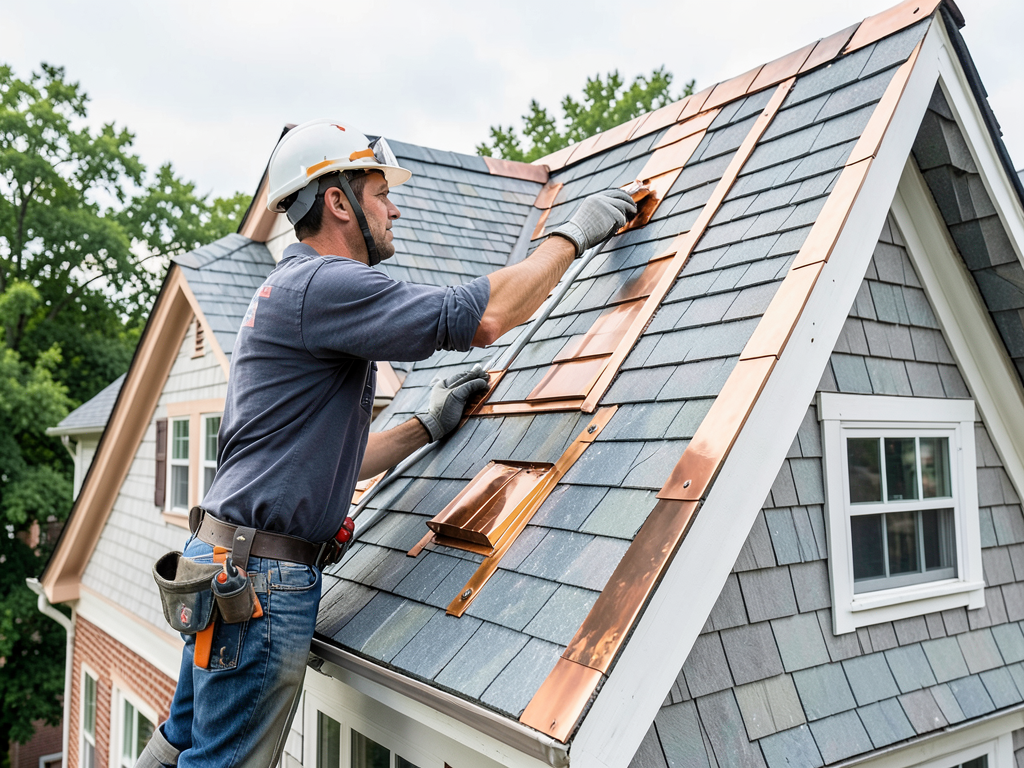
Our material selection comes from working with Philadelphia's weather patterns. We avoid bare galvanized steel because the humidity near the rivers causes surface rust within two years. We specify Galvalume or aluminum for waterfront properties. For historic districts, we source metal roofing products that replicate standing seam copper or painted tin profiles. We match the original fastener patterns so the Historical Commission approves the application.

We fabricate custom solutions for problems other contractors walk away from. Shared party walls between rowhomes need cricket flashing that channels water away from both properties. Narrow streets in Old City and Society Hill limit crane access, so we hand-carry metal roof sheets up through interior stairwells when necessary. We coordinate with neighbors when work affects shared structures, which matters in a city where most residential properties touch on at least one side.

What to Expect When You Choose Metal Roofing Systems

Installation Timeline and Access

Most Philadelphia metal roofing systems take three to seven days depending on square footage and complexity. Rowhomes take longer because of limited access and shared wall details. Historic properties add two to four weeks for approvals before we start physical work. We schedule around weather because metal roofing panels cannot be installed in rain or high wind. You need clear access to your property for material delivery, and in dense neighborhoods like Bella Vista or Northern Liberties, we arrange street parking permits for staging. We protect your landscaping and coordinate with neighbors when work affects shared spaces.

Initial Assessment and Material Selection

We inspect your existing roof structure, measure pitch and square footage, and check for code compliance issues. You get a written assessment that explains whether your decking needs replacement, if additional ventilation is required, and which metal roofing materials suit your building type and neighborhood. We show you samples of different metal roof sheet profiles, explain coating options, and discuss color choices that meet any historic district requirements. For commercial properties, we provide thermal performance data and projected energy savings. The assessment includes a detailed scope of work so you know exactly what gets done.

Quality and Performance Standards

Your metal roofing system gets installed to manufacturer specifications and Philadelphia building codes. Every penetration is sealed and flashed properly. Fasteners are torqued to exact compression standards to prevent leaks while allowing thermal movement. We use compatible metals throughout to prevent galvanic corrosion. Your roof will shed snow and ice without forming dams, reflect summer heat to reduce cooling costs, and resist the freeze-thaw cycles that destroy asphalt shingles. Properly installed metal roofs last 40 to 60 years in Philadelphia's climate when maintained correctly.

Maintenance and Longevity

Metal roofing systems require minimal maintenance compared to other materials. You should inspect fasteners and sealants every three years and check flashing after major storms. We provide a maintenance checklist specific to your metal roofing materials and coating type. Painted finishes may need touch-ups in high-traffic areas after 15 to 20 years. We offer maintenance contracts that include annual inspections, fastener checks, and gutter cleaning. Most issues we find during maintenance are minor and can be fixed during the same visit, which prevents small problems from becoming expensive repairs.

Frequently Asked Questions

You Have Questions,
We Have Answers

What is the biggest problem with metal roofs? +

The biggest problem with metal roofs is improper installation, which causes leaks at fasteners, seams, and flashing transitions. In Philadelphia, freeze-thaw cycles and heavy snow loads amplify installation errors. Expansion and contraction from temperature swings can loosen screws if installers skip thermal break considerations. Noise during rain is another complaint, but proper underlayment solves this. Denting from hail or falling branches affects softer metals like aluminum. Choose experienced installers who understand local building codes and climate-specific detailing. Poor workmanship voids warranties and leads to premature failure, making installer expertise the single most important factor.

What is the best type of metal roofing? +

Standing seam metal roofing is the best type for durability, weather resistance, and longevity. The concealed fasteners prevent leaks and handle Philadelphia's freeze-thaw cycles without compromising the panels. Steel and aluminum are top material choices. Steel offers superior strength and hail resistance, while aluminum resists corrosion in coastal humidity. Stone-coated steel blends metal durability with traditional aesthetics, ideal for Philadelphia's historic neighborhoods. Your choice depends on budget, architectural style, and local weather exposure. Standing seam outperforms exposed fastener systems in wind uplift ratings and lifespan, making it the preferred option for residential and commercial applications.

Is it cheaper to put a metal roof or shingles? +

Metal roofs cost more upfront but deliver long-term savings. Asphalt shingles run $4 to $7 per square foot installed, while metal ranges $8 to $14. In Philadelphia, metal roofs last 40 to 70 years compared to shingles at 15 to 25 years. You avoid multiple re-roofs over a building's lifetime. Metal sheds snow faster, reducing ice dam risks common in Philadelphia winters. Energy savings from reflective coatings lower cooling costs. Insurance discounts for wind and fire resistance offset initial investment. Factor in lifecycle cost, not just installation price, to see metal's true value.

How much would it cost to put a metal roof on a 1000 square foot house? +

A metal roof on a 1,000 square foot home costs between $8,000 and $14,000 installed in Philadelphia. Price varies by metal type, gauge thickness, panel profile, and roof complexity. Standing seam costs more than exposed fastener systems. Steep pitches, multiple valleys, and chimneys increase labor hours. Removal of old roofing adds disposal fees. Philadelphia rowhomes with shared walls require careful flashing details that add complexity. Higher-end finishes like copper or zinc raise costs significantly. Get multiple quotes from licensed contractors familiar with local building codes. Avoid the lowest bid, as installation quality directly impacts performance and longevity.

What do insurance companies say about metal roofs? +

Insurance companies favor metal roofs for wind, fire, and hail resistance. Many insurers offer premium discounts of 5 to 15 percent for Class A fire-rated metal and impact-resistant ratings. In Philadelphia, wind uplift ratings matter for storm coverage. Metal roofs meet or exceed most insurance requirements for coastal wind zones. Steel performs better than aluminum in hail-prone areas. Some policies require UL 2218 Class 4 impact ratings for full discounts. Contact your insurer before installation to confirm eligibility. Proper installation and documentation are required for claims. Metal roofs reduce risk, which translates to lower premiums over time.

When should you not use a metal roof? +

Avoid metal roofs on structures with frequent foot traffic or low slope applications below 3:12 pitch without specialized underlayment. Philadelphia rowhomes with flat sections need modified installation techniques. Do not install metal over heavily rotted decking without full replacement, as metal telegraphs structural issues. Skip metal if your budget cannot support proper installation. Cheap DIY attempts fail in Philadelphia's weather. Historic districts may restrict metal due to aesthetic guidelines, so verify local ordinances. Avoid metal if noise sensitivity is extreme and you refuse underlayment upgrades. In these cases, architectural shingles or slate are better choices.

What is the least expensive type of metal roof? +

Corrugated steel panels with exposed fasteners are the least expensive metal roofing option, running $4 to $7 per square foot installed. These agricultural-style panels work for sheds, garages, and budget-conscious projects. Galvanized or Galvalume coatings provide basic rust protection. In Philadelphia, exposed fasteners require maintenance as rubber washers degrade from freeze-thaw cycles. Fastener holes create potential leak points over time. R-panel and PBR panel profiles offer slightly better aesthetics at similar pricing. While affordable upfront, expect a shorter lifespan than standing seam systems. Reserve this option for non-critical structures or temporary buildings.

What is better, a 24 or 26 gauge metal roof? +

26-gauge metal roofing is better for residential applications in Philadelphia. The thicker metal resists denting from hail, falling branches, and foot traffic better than 24-gauge. 26-gauge handles wind uplift and snow loads common in the region without oil-canning or panel distortion. The weight difference is negligible for structural loading. 24-gauge costs slightly less but offers marginal benefits for homes. Commercial buildings with larger panel spans may require 24-gauge for structural performance. For standing seam residential roofs, 26-gauge balances durability, cost, and performance. Thicker does not always mean better if installation quality is poor.

Which is better, corrugated or rib type? +

Standing seam rib-type panels outperform corrugated for residential roofs in Philadelphia. Ribs provide superior strength, better water shedding, and concealed fasteners that prevent leaks. Corrugated panels work for agricultural or low-budget projects but lack the wind resistance needed for Philadelphia storms. Ribs handle snow load better and resist oil-canning. Corrugated aesthetics suit barns, not homes. Rib profiles offer cleaner lines for residential architecture. Exposed fasteners on corrugated panels degrade faster in freeze-thaw cycles. For longevity and weather performance, rib-type standing seam is the clear winner. Corrugated should be limited to non-critical structures.

Are there tax credits for metal roofs? +

Yes, metal roofs may qualify for federal energy efficiency tax credits if they meet Energy Star reflective coating standards. The Residential Clean Energy Credit covers solar-integrated metal roofs. Standard metal roofs qualify under energy efficiency improvements if they reduce cooling costs by 25 percent or more. Check IRS guidelines annually, as credits expire and renew. Pennsylvania offers no state-level metal roof tax credits, but Philadelphia residents benefit from federal programs. Reflective coatings lower urban heat island effects and energy consumption. Consult a tax professional to confirm eligibility and documentation requirements. Credits offset initial installation costs and improve return on investment.

How Philadelphia's Freeze-Thaw Cycles and Historic Districts Shape Metal Roofing Choices

Philadelphia sits in a climate zone where winter temperatures cross the freezing point multiple times per week. This constant expansion and contraction splits rigid roofing materials and opens seams. Metal roofing systems handle this movement without damage because the panels float on clips or fasteners that allow thermal expansion. Ice dams form when heat escaping through your roof melts snow, which then refreezes at the eaves. Metal roof sheets shed snow before it accumulates enough to melt and refreeze. The city's rowhouse architecture creates additional challenges because shared walls trap heat differently than detached homes, creating uneven snow melt patterns that require strategic flashing and ventilation design.

Philadelphia has 14 local historic districts plus individual landmark properties that require approval before you modify exterior features. The Philadelphia Historical Commission reviews roofing material changes to ensure they match the original character of the building. Atlas Roofing Philadelphia maintains relationships with the Historical Commission and understands which metal roofing products get approved for different architectural styles. We source standing seam profiles that replicate 19th-century tin roofs and corrugated patterns that match industrial-era factory buildings. Our familiarity with local approval processes means your project moves forward without delays or rejections that cost time and money.
Roofing Services in The Philadelphia Area

Atlas Roofing proudly serves the entire Philadelphia area, including all surrounding counties. We invite you to view our service area on the map to confirm we cover your neighborhood. As your trusted local roofing contractor, we are always ready to deploy our expert teams promptly to your home or business, ensuring you receive the high-quality, professional service you deserve, exactly when you need it.

Address:
Atlas Roofing Philadelphia, 100 N 18th St, Philadelphia, PA, 19103

Additional Services We Offer

Our news updates

Latest Articles & News from The Blogs

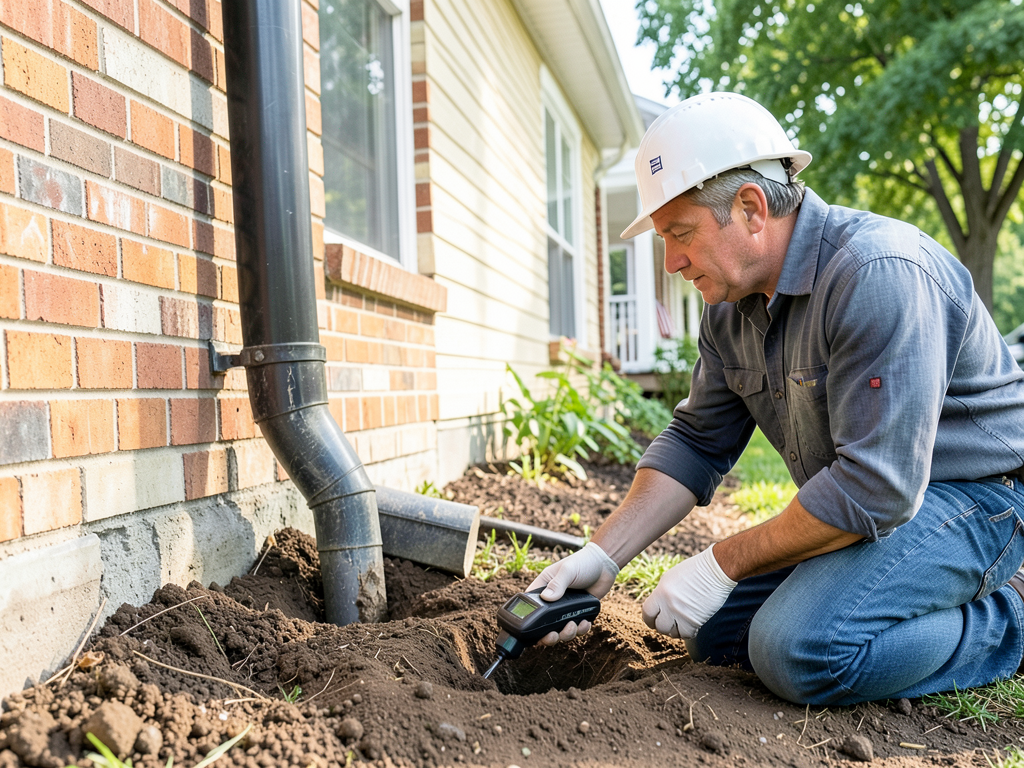
The Best Way to Handle Downspout Runoff in Narrow Manayunk Alleyways Water pouring off your roof into the narrow alleyway…

The Best Way to Handle Downspout Runoff in Narrow Manayunk Alleyways

The Best Way to Handle Downspout Runoff in Narrow Manayunk Alleyways Water pouring off your roof into the narrow alleyway…

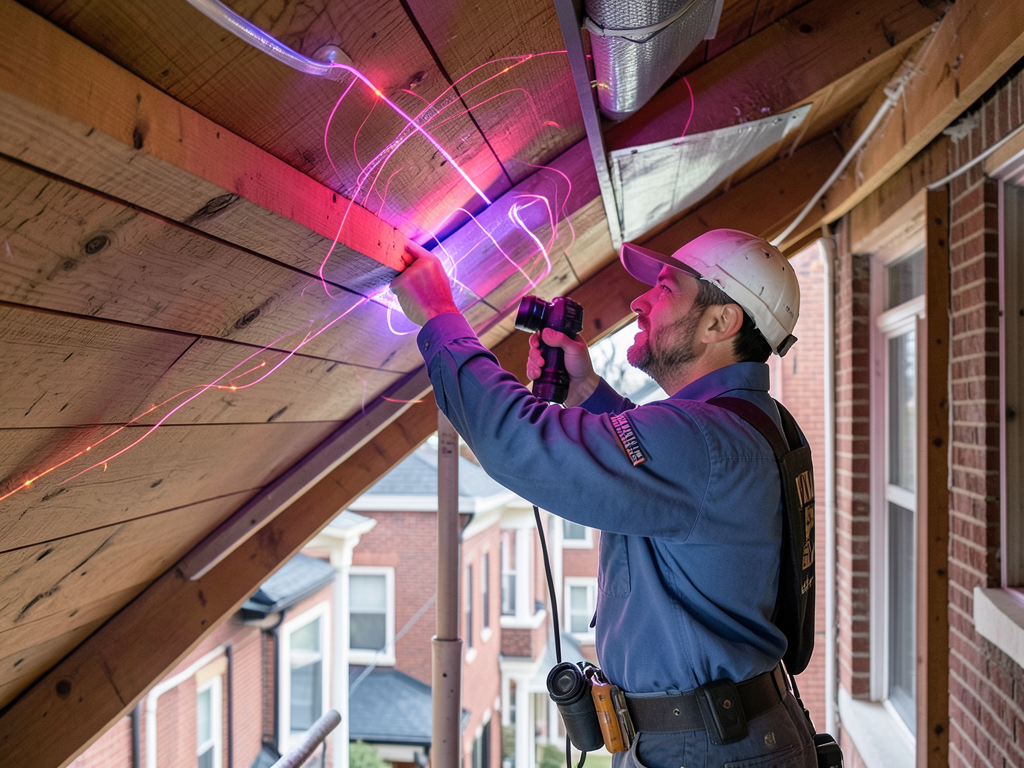
Finding the Leak in Your Complicated Tudor Roof in West Mt. Airy

Finding the Leak in Your Complicated Tudor Roof in West Mt. Airy Water dripping from your ceiling during a storm…

Why Ridge Vents Alone Might Not Be Enough for Your Hot Attic in Wynnefield

Why Ridge Vents Alone Might Not Be Enough for Your Hot Attic in Wynnefield Your attic feels like an oven…

Contact Us

Call Atlas Roofing Philadelphia at (267) 344-1222 for a detailed assessment of your property. We will explain which metal roofing materials suit your building type, handle permit requirements, and install a system that protects your investment for decades.