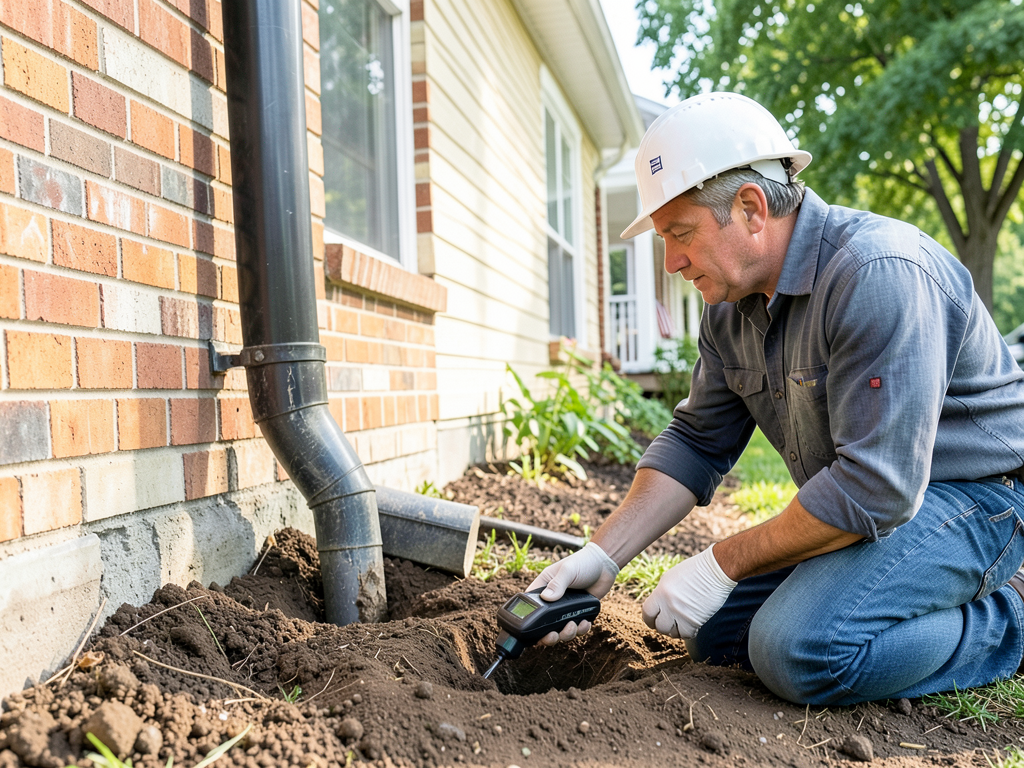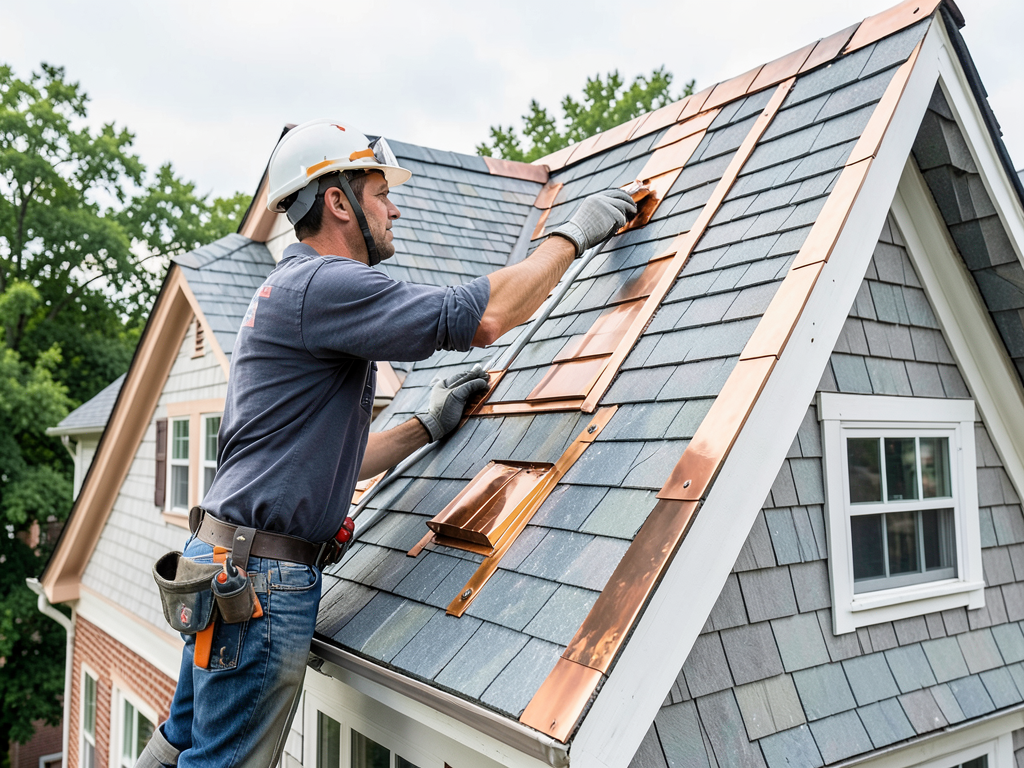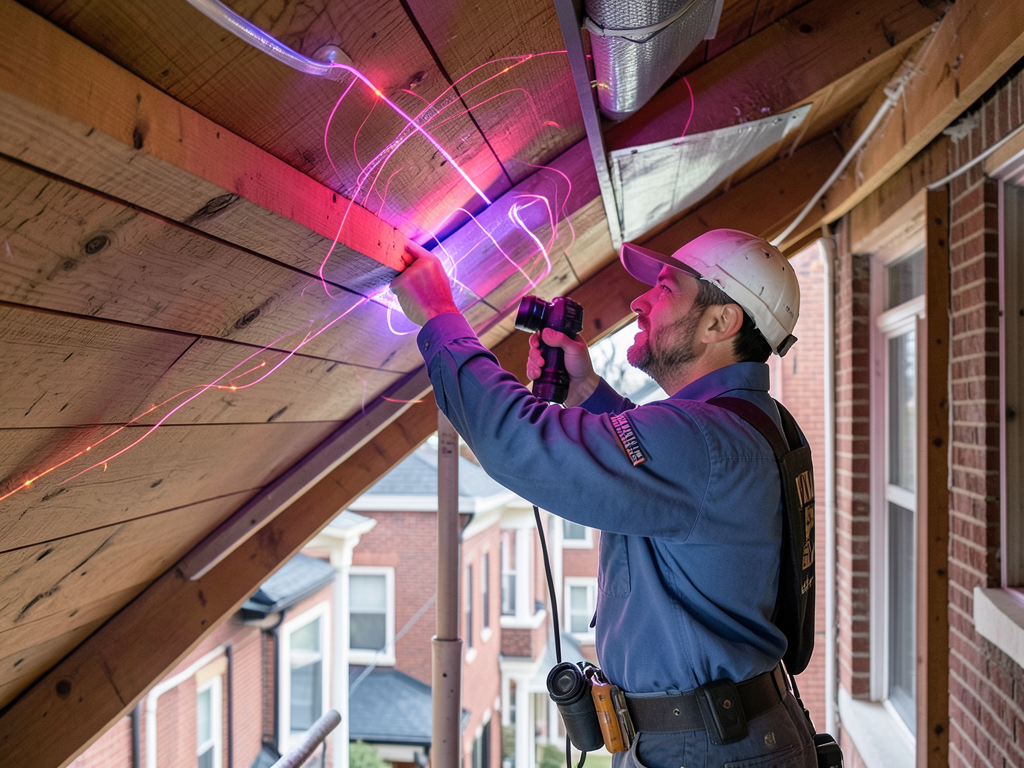






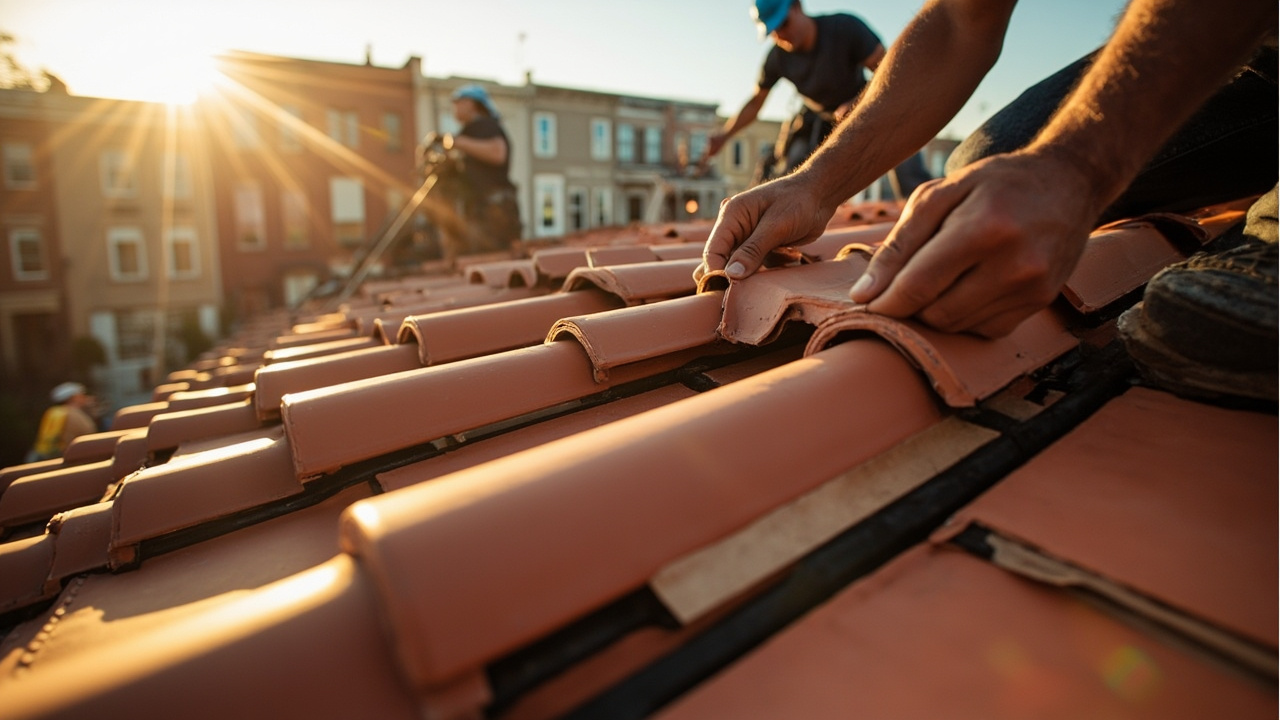
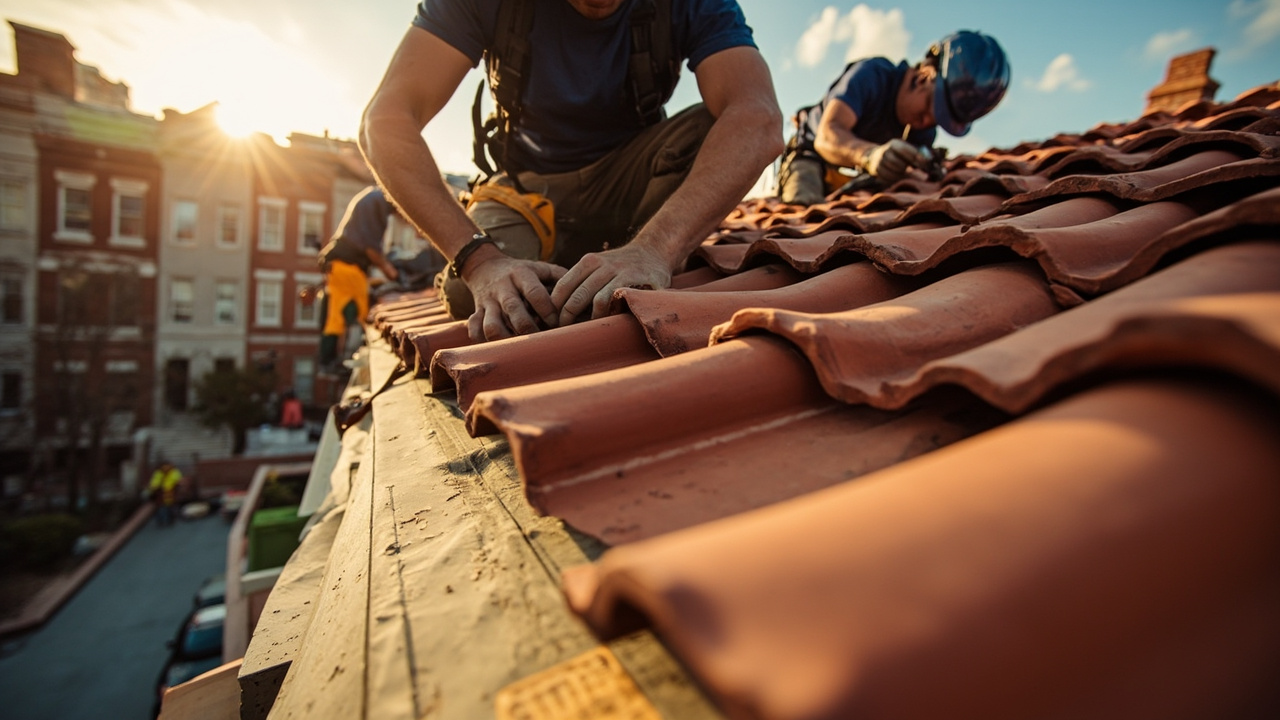
Philadelphia's concentration of 18th and 19th-century row homes creates unique tile roofing challenges. These properties often feature shared party walls, complex valley systems between adjacent units, and original roof structures not engineered for heavy tile loads. When you replace a slate or wood shingle roof with tile on a historic property, structural reinforcement may be required. The city's Historical Commission requires documentation showing load calculations and proof that new roofing matches original materials in appearance. Concrete tile manufacturers now produce profiles that replicate historic clay patterns, but installation must follow traditional methods including mortar-set ridge caps and copper flashing at critical junctions. Properties in Center City, Old City, and Graduate Hospital neighborhoods face the strictest review.
Choosing tile roofing companies familiar with Philadelphia's specific requirements prevents project delays and failed inspections. Local tile roofing contractors understand that the Philadelphia Department of Licenses and Inspections requires permits for roof replacement on structures over three stories or in historic zones. We know which tile profiles satisfy preservation requirements and which suppliers stock materials quickly. Our relationships with city inspectors and our track record of code-compliant work mean your project moves forward without complications. When you hire contractors unfamiliar with local regulations, you risk stop-work orders, fines, and expensive rework to meet standards we build into every project from the start.