




Wilkes-Barre sits in the Wyoming Valley where the Susquehanna River creates unique weather patterns that accelerate roof degradation. Winter temperatures swing from hard freezes to thaw cycles that force water under shingles, creating ice dams along eaves and valleys. Spring brings heavy rainfall that tests flashing around chimneys and dormers common in the older homes throughout neighborhoods like South Wilkes-Barre and Parsons.
The valley's humidity causes moss and algae growth on north-facing slopes, while wind channeling through the river corridor lifts shingles and tears away aging materials. Many properties in Heights and surrounding areas feature steeply pitched roofs on colonial and Victorian structures where original flashing systems no longer meet current building codes. Coal region settlement patterns left Wilkes-Barre with dense housing stocks where one failing roof threatens adjacent properties through water migration and ice buildup. Local contractors must understand how Pennsylvania's residential building codes address valley areas prone to heavy snow accumulation and rapid temperature shifts that create constant expansion and contraction stress on roofing materials.
Atlas Roofing Philadelphia operates in Pennsylvania's most challenging climate zones where standard roofing approaches fail within years instead of decades. Our crews train specifically on ice dam prevention, proper ventilation for humid valley conditions, and flashing techniques that withstand the freeze-thaw punishment common to the Wyoming Valley region.
We source materials rated for northeastern Pennsylvania's wind zones and snow load requirements, not generic products designed for moderate climates. Every roof system we install or repair accounts for the specific pitch angles, valley configurations, and drainage patterns that determine whether a Wilkes-Barre home stays dry through March ice storms and April deluges. Our estimators inspect attic ventilation, insulation interfaces, and structural decking because surface repairs fail without addressing the building science underneath.
Most local companies patch visible damage and move on. We document moisture intrusion patterns, test for hidden rot in roof decking and rafters, and provide detailed reports that insurance adjusters and property managers trust. When we commit to a timeline, our crews arrive as scheduled because we staff for Pennsylvania weather delays instead of hoping for clear skies. Property owners throughout Kingston, Edwardsville, and Plymouth trust us to diagnose problems other contractors miss and engineer solutions that survive valley weather patterns year after year. Our warranty terms reflect confidence in our methods, not legal protection against poor workmanship.

We design every repair and replacement for Wyoming Valley freeze-thaw cycles, ice dam formation, and wind exposure specific to your property's orientation and elevation. Our material selections and installation methods account for the valley's unique microclimate patterns that cause standard approaches to fail prematurely in Wilkes-Barre homes.

Storm damage requires immediate containment before water destroys ceilings, insulation, and structural framing. Our dispatch system activates within hours to tarp compromised areas, document damage for insurance claims, and prevent secondary losses while permanent repairs are scheduled. We maintain inventory and crew availability for rapid deployment across Luzerne County.
We provide detailed photo documentation, moisture mapping, and damage assessment reports that insurance adjusters require for proper claim processing. Our estimates separate covered storm damage from maintenance issues, preventing claim denials while ensuring you receive appropriate compensation for legitimate losses under your homeowner's policy terms.
Pennsylvania's building codes mandate specific underlayment, flashing, and ice barrier applications for our snow load zone. We pull proper permits, schedule required inspections, and document compliance so your repairs meet legal requirements and maintain your home's insurability. Most patch contractors skip permitting, leaving you liable for code violations.
Atlas Roofing Philadelphia handles everything from emergency leak repair to complete tear-off replacements on Wilkes-Barre's diverse housing stock. Our service range covers urgent damage containment when storms rip away shingles or ice dams force water through your ceiling, scheduled maintenance that extends roof life, and full system replacements engineered for decades of protection.
We work on the compact rooflines common in South Wilkes-Barre rowhouses, complex multi-valley configurations on Heights area colonials, and low-slope systems covering commercial properties along Wilkes-Barre Boulevard. Each project category requires different materials, techniques, and scheduling approaches. Emergency repairs prioritize rapid water containment and temporary protection. Preventive maintenance focuses on extending the service life of sound roofing systems through targeted repairs and upgrades. Complete replacements involve engineering new systems that outperform what they replace while meeting current code requirements for insulation, ventilation, and ice protection. Our estimators assess which approach makes financial sense for your specific situation rather than pushing unnecessary replacements or inadequate patch jobs.
When wind tears away shingles or ice dams force water into your home, immediate containment prevents thousands in secondary damage. Our emergency crews tarp exposed areas, document damage for insurance purposes, and stop water intrusion within hours of your call. We assess structural integrity, identify compromised decking, and provide detailed repair plans while protecting your property from further loss. Storm response includes temporary weatherproofing that holds through additional weather events until permanent repairs can be scheduled and completed properly.
Full replacements involve removing old materials down to roof decking, repairing structural damage, and installing new systems engineered for Wyoming Valley weather patterns. We upgrade ventilation, install proper ice barriers, and use materials rated for Pennsylvania's wind and snow loads. Every replacement includes flashing upgrades at chimneys, valleys, and penetrations where most leaks originate. Our installations meet current building codes for insulation values and fire ratings, improving energy efficiency while providing superior weather protection compared to the system we remove.
Roofs with years of service life remaining often need targeted repairs to prevent small issues from becoming major failures. We replace damaged shingles, reseal flashing, clear debris from valleys, and address ventilation problems that cause premature aging. Maintenance services include gutter cleaning, moss treatment, and minor repairs that stop leaks before they damage interior finishes. Regular inspection and maintenance extends roof life by addressing problems while they remain inexpensive to fix, protecting your investment without premature replacement costs.
Wyoming Valley's climate creates specific failure patterns that appear repeatedly across Wilkes-Barre properties. Ice damming along eaves results from inadequate attic insulation and ventilation, allowing heat loss that melts snow on upper roof sections while eaves remain frozen. Water backs up under shingles and pours into walls and ceilings. Wind exposure from storms tracking up the Susquehanna corridor lifts shingles and tears away valley flashing on homes throughout Kingston and Forty Fort.
Aging homes in established neighborhoods feature original flashing around chimneys and dormers that no longer seals properly after decades of expansion and contraction. Moss and algae growth on north-facing slopes holds moisture against shingles, accelerating granule loss and reducing material life. Many properties show multiple repair layers installed over decades without addressing underlying ventilation and structural problems, creating failure patterns that repeat with each patch attempt. Understanding these regional patterns allows proper diagnosis instead of superficial repairs that fail within months.
Heat escaping through poorly insulated attics melts snow that refreezes at cold eaves, creating ice dams that force water under shingles and into walls. This damages ceilings, insulation, and framing while creating conditions for mold growth. Proper repair requires fixing attic insulation and ventilation, not just patching visible ceiling stains.
Roof valleys concentrate water flow and endure maximum stress from ice and debris. Metal flashing around chimneys, dormers, and walls develops gaps as sealants age and metal corrodes. Most leaks originate at these interfaces where two surfaces meet. Valley repairs require proper metal installation and integration with surrounding shingles, not caulk applications that fail immediately.
Wyoming Valley wind patterns create uplift forces that tear away aging shingles, especially on south and west exposures. Once sealant strips fail, individual shingles lift during storms and expose underlayment to direct weather. Missing shingles allow water penetration and accelerate damage to surrounding areas. Proper repairs match existing materials and restore wind resistance across the entire affected zone.
Valley humidity promotes moss and algae growth on shaded roof sections, particularly north-facing slopes with tree coverage. Moss holds moisture against shingles, accelerating granule loss and reducing material life. Root structures work under shingle edges, lifting them and allowing water intrusion. Treatment requires careful cleaning and preventive strips that inhibit regrowth without damaging surrounding shingles.
From your first call through project completion, Atlas Roofing Philadelphia provides clear communication about what happens next, realistic timelines, and honest assessments about what your roof needs. Our process begins with rapid response for emergencies or scheduled inspection for planned projects. Every property receives thorough evaluation including attic inspection, moisture assessment, and documentation of current conditions.
We provide detailed written estimates that separate immediate needs from future considerations, allowing you to make informed decisions about repair versus replacement. Our project managers maintain contact throughout work progression, explaining each phase and addressing concerns as they arise. We schedule around Pennsylvania weather patterns and communicate proactively about any delays beyond our control. Quality control inspections occur at multiple phases, and we walk you through completed work to ensure you understand what we did and why. This transparency builds trust and ensures you receive exactly what you pay for.
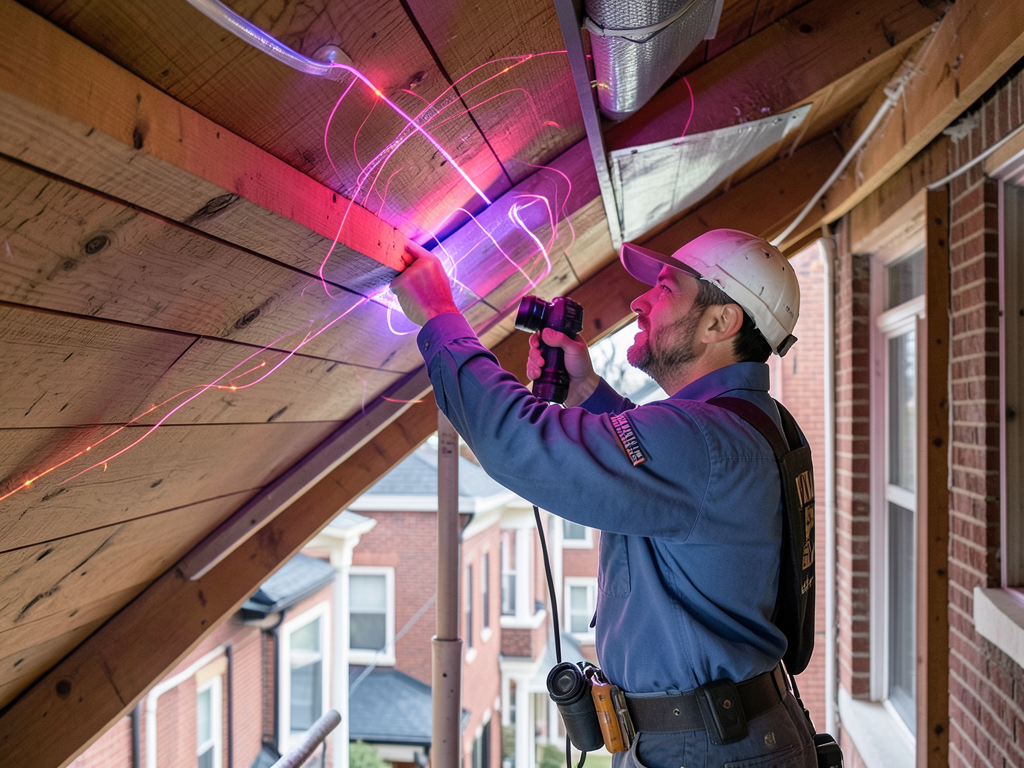
Our estimators respond quickly to schedule inspection at your convenience. We examine your entire roofing system including attic spaces, ventilation, insulation interfaces, and potential moisture damage. You receive detailed photo documentation and written assessment explaining current conditions, immediate concerns, and recommended solutions. We identify what needs immediate attention versus what can wait, allowing you to prioritize spending based on actual risk rather than sales pressure.
Written estimates detail exactly what we will do, what materials we will use, and what results you should expect. We explain warranty coverage, permit requirements, and timeline expectations before work begins. Our pricing reflects quality materials and proper installation methods, not shortcuts that create future problems. You receive itemized breakdowns that show where your money goes, and we answer questions until you understand exactly what you are purchasing.
Our crews arrive as scheduled, protect your property during work, and maintain clean job sites throughout the project. We conduct internal quality inspections at multiple phases and walk you through completed work to verify satisfaction before final payment. You receive documentation of materials used, warranty information, and maintenance recommendations that extend your new roof's service life. Required inspections are scheduled and passed before we consider the project complete.
Atlas Roofing Philadelphia follows a proven three-phase approach that delivers consistent results. This structure ensures nothing gets overlooked and you understand what happens at each stage.
We examine your entire roofing system from attic to exterior surfaces, documenting current conditions with photos and measurements. Our assessment identifies leak sources, structural concerns, ventilation problems, and material condition. You receive a written report explaining what we found and recommended solutions with accurate pricing. For insurance claims, we provide documentation adjusters need for proper claim evaluation. This phase typically completes within 48 hours of your initial call.
Once you approve our proposal, we order materials and schedule installation based on weather forecasts and permit approval. Our crews protect landscaping and property, remove old materials if necessary, repair damaged decking, and install new roofing systems according to manufacturer specifications and Pennsylvania building codes. We maintain clean work sites and address concerns immediately. Project managers inspect work at critical phases to verify quality before moving forward. Most residential projects complete within two to five days depending on size and complexity.
After installation, we conduct thorough cleanup and final inspection of all work performed. You walk through the completed project with our team to verify satisfaction and understand warranty coverage. We provide documentation of materials used, care instructions, and maintenance recommendations. Required municipal inspections are scheduled and passed before we request final payment. You receive written warranty information and contact details for any future concerns. Our work is complete only when you are satisfied with the results.
Pennsylvania's Uniform Construction Code establishes minimum standards for roofing installation, but Wyoming Valley conditions often require approaches that exceed code minimums. The state mandates ice barrier installation along eaves in our climate zone, typically extending 36 inches inside the exterior wall line. Many Wilkes-Barre homes require extended coverage due to low roof pitch or history of ice dam problems. Proper ice barrier application creates watertight seals around penetrations and overlaps correctly at seams.
Underlayment requirements vary by roof pitch and material type. Slopes below 4 in 12 need additional protection compared to steeper roofs. Pennsylvania code requires minimum 30-pound felt or synthetic equivalent, but best practices for our region often call for upgraded synthetic underlayment that better resists tear-through and provides superior temporary weather protection during installation. Ventilation calculations follow specific formulas based on attic square footage, with balanced intake and exhaust critical for preventing moisture accumulation and ice dam formation.
Flashing installation follows detailed protocols specified in the International Residential Code as adopted by Pennsylvania. Step flashing at wall intersections must integrate with water-resistive barriers and overlap shingles correctly to direct water away from vulnerable joints. Valley flashing requires proper width based on roof pitch and water volume calculations. Chimney cricket installation is mandatory for chimneys wider than 30 inches to prevent ice and debris accumulation on the upslope side. Most leak failures trace to improper flashing details rather than shingle problems.
Material selection impacts long-term performance significantly. Asphalt shingle ratings indicate wind resistance and expected service life under standardized conditions. Wyoming Valley weather accelerates degradation compared to moderate climates, so choosing higher-grade materials provides better value despite increased initial cost. Impact-resistant shingles reduce hail damage and may qualify for insurance discounts. Proper nail placement and quantity follow manufacturer specifications, with deviations voiding warranty coverage.
Pennsylvania code mandates ice barrier along eaves and in valleys for our snow load zone. Atlas Roofing Philadelphia extends coverage beyond minimums based on your roof pitch, overhang depth, and history of ice problems. Proper installation creates watertight protection that prevents damage when ice dams form. We use high-temperature materials that seal around nail penetrations and resist blow-off during installation.
Shingle quality ranges from basic three-tab products lasting 15 years to architectural grades providing 30-plus years of service. Wyoming Valley conditions reduce these estimates compared to moderate climates. Investment in higher-grade materials provides better wind resistance, improved granule adhesion, and superior algae resistance. We help you balance upfront cost against expected service life based on your home's exposure and your ownership timeline.
Adequate attic ventilation prevents moisture accumulation, reduces cooling costs, and eliminates conditions that cause ice dams. Pennsylvania code requires minimum net free ventilation area calculated from attic square footage. Many Wilkes-Barre homes have inadequate ventilation due to insulation blocking soffit vents or insufficient exhaust capacity. We evaluate your entire ventilation system and recommend upgrades that prevent moisture damage and extend roof life significantly.
Wilkes-Barre requires permits for roof replacements and structural repairs. Permitted work receives inspection to verify code compliance, protecting you from future liability and maintaining home insurability. We handle permit applications, schedule required inspections, and ensure all work meets Pennsylvania construction standards. Operating without permits creates legal and insurance complications that far exceed permit costs.
Atlas Roofing Philadelphia explains common roofing problems affecting Wilkes-Barre homes in Pennsylvania's Wyoming Valley. This video covers ice dam formation, wind damage patterns, valley flashing failures, and material degradation specific to northeastern Pennsylvania's climate. Learn warning signs of roof damage, when repair is adequate versus replacement necessity, and proper installation techniques for freeze-thaw conditions. Information about emergency leak repair, storm damage response, complete roof replacement, and preventive maintenance for residential and commercial properties throughout Luzerne County.
Atlas Roofing Philadelphia maintains full service coverage throughout Wilkes-Barre and surrounding Luzerne County communities where Wyoming Valley weather creates consistent roofing challenges. Our crews regularly work in South Wilkes-Barre neighborhoods where dense rowhouse construction requires careful material handling and protection of adjacent properties during tear-off and installation. The Heights area features larger colonial and Victorian homes with complex roof lines, multiple valleys, and steep pitches that demand experienced installation crews comfortable working on challenging configurations.
East End properties often include mid-century construction with different ventilation approaches and material types requiring specific repair techniques. Parsons and surrounding areas contain housing stock spanning multiple construction eras, each with unique flashing details and structural considerations. We serve properties throughout Kingston, Forty Fort, and Plymouth where proximity to the Susquehanna River increases humidity and affects material selection for long-term performance. Edwardsville and Larksville homes face similar weather patterns with varying exposures based on elevation and orientation relative to prevailing wind patterns moving through the valley.
Our service range extends to Bear Creek, Hanover Township, and Plains communities where suburban development patterns include both newer construction and established neighborhoods requiring different approaches to roof replacement and repair. We work regularly in Wyoming and West Wyoming where compact lot sizes require precise material staging and efficient work practices to minimize disruption to neighbors. Ashley and Sugar Notch properties receive the same thorough assessment and quality installation regardless of project size or home value.
Commercial properties along Wilkes-Barre Boulevard, Kidder Street, and throughout the downtown corridor receive specialized attention for low-slope roofing systems, TPO and EPDM installations, and emergency leak response that minimizes business interruption. We understand how building height, roof access, and occupancy requirements affect project planning and scheduling for commercial clients throughout the Wyoming Valley business district.
Roofing a 20x20 garage in Wilkes-Barre typically costs between $2,500 and $5,000, depending on material choice and roof pitch. Asphalt shingles are the most budget-friendly option, while metal roofing costs more upfront but lasts longer in our freeze-thaw climate. The price includes tear-off, disposal, underlayment, and installation. Factors like structural repairs, ice and water shield requirements, and permits add to the total. Local contractors familiar with Pennsylvania building codes ensure proper ventilation and flashing, which protects against the moisture damage common in our humid summers and snowy winters.
Replacing the roof on a 2,000-square-foot house in Wilkes-Barre generally ranges from $8,000 to $15,000 for asphalt shingles. This accounts for material quality, roof complexity, and the number of layers being removed. Our area's weather patterns demand quality underlayment and proper attic ventilation to prevent ice dams in winter. Metal roofing runs higher at $14,000 to $25,000 but handles snow loads better. Steep pitches, multiple chimneys, or older homes in historic neighborhoods may increase labor costs. Always get multiple local quotes and verify the contractor understands Pennsylvania-specific code requirements.
The average roof replacement cost in Pennsylvania runs between $5,500 and $12,000 for a typical single-family home, depending on size and material. Wilkes-Barre homeowners face similar pricing, with asphalt shingles being the standard choice. Our region's harsh winters and humid summers require quality materials that resist ice damming and moisture penetration. Costs include tear-off, disposal fees, new underlayment, drip edge, and flashing. Homes built before 1980 may need additional decking repairs. Metal and architectural shingles cost more but offer better durability against the freeze-thaw cycles common to northeastern Pennsylvania.
Roofing a 20x20 garage in Wilkes-Barre typically costs between $2,500 and $5,000, depending on material choice and roof pitch. Asphalt shingles are the most budget-friendly option, while metal roofing costs more upfront but lasts longer in our freeze-thaw climate. The price includes tear-off, disposal, underlayment, and installation. Factors like structural repairs, ice and water shield requirements, and permits add to the total. Local contractors familiar with Pennsylvania building codes ensure proper ventilation and flashing, which protects against the moisture damage common in our humid summers and snowy winters.
Replacing the roof on a 2,000-square-foot house in Wilkes-Barre generally ranges from $8,000 to $15,000 for asphalt shingles. This accounts for material quality, roof complexity, and the number of layers being removed. Our area's weather patterns demand quality underlayment and proper attic ventilation to prevent ice dams in winter. Metal roofing runs higher at $14,000 to $25,000 but handles snow loads better. Steep pitches, multiple chimneys, or older homes in historic neighborhoods may increase labor costs. Always get multiple local quotes and verify the contractor understands Pennsylvania-specific code requirements.
The average roof replacement cost in Pennsylvania runs between $5,500 and $12,000 for a typical single-family home, depending on size and material. Wilkes-Barre homeowners face similar pricing, with asphalt shingles being the standard choice. Our region's harsh winters and humid summers require quality materials that resist ice damming and moisture penetration. Costs include tear-off, disposal fees, new underlayment, drip edge, and flashing. Homes built before 1980 may need additional decking repairs. Metal and architectural shingles cost more but offer better durability against the freeze-thaw cycles common to northeastern Pennsylvania.
Most roofers in Wilkes-Barre do not charge hourly. They bid jobs by the square (100 square feet) or provide flat project rates. If hourly rates apply for small repairs, expect $50 to $100 per hour depending on the complexity and experience level. Emergency repairs after storm damage may carry premium rates. For residential replacements, per-square pricing is standard and includes labor, materials, disposal, and cleanup. Always request a detailed written estimate that breaks down labor and material costs separately. This transparency helps you compare bids and understand what you are paying for in your roofing project.
This question falls outside roofing services, but pouring a 20x20 concrete slab in Wilkes-Barre typically costs $2,400 to $4,000, including site prep, gravel base, rebar, and finishing. Costs vary with thickness requirements and local soil conditions. Our clay-heavy soils may need extra excavation and compaction to prevent settling. If you need a concrete pad for a shed or garage and plan to roof it, coordinate with your roofer early to ensure proper drainage slopes. Local contractors understand frost line depths and can prevent cracking from our winter freeze-thaw cycles.
The most expensive part of replacing a roof is labor, which accounts for 40 to 60 percent of the total cost. In Wilkes-Barre, skilled crews must safely remove old materials, inspect and repair decking, install underlayment, and properly seal penetrations against our wet climate. Steep pitches and multi-story homes increase labor time and safety equipment needs. Material costs for quality architectural shingles or metal roofing follow closely. Waste disposal fees add up, especially if multiple shingle layers need removal. Structural repairs to rot-damaged decking from ice dam leaks can also spike costs unexpectedly on older homes.
Late fall and early winter, from October through early December, offer the cheapest roof replacement rates in Wilkes-Barre. Demand drops after summer storm season, and contractors offer discounts to keep crews working before heavy snow arrives. Spring and summer see peak pricing due to high demand following winter damage. Avoid scheduling during January and February when freezing temperatures prevent proper shingle sealing. Late fall weather remains mild enough for quality installation, and manufacturers' warranties still apply. Book early to secure these off-season rates, as contractors fill schedules quickly once word spreads about available discounts.
This question concerns North Carolina, not Wilkes-Barre. However, North Carolina roof replacement averages $6,500 to $11,000 for a standard home. Their climate differs significantly from northeastern Pennsylvania. Wilkes-Barre homeowners face harsher freeze-thaw cycles, heavier snow loads, and different building code requirements than coastal or piedmont North Carolina. Our region demands ice and water shield protection, proper attic ventilation for moisture control, and materials rated for higher wind and snow loads. Always work with local Wilkes-Barre contractors who understand Pennsylvania-specific weather challenges and code compliance rather than applying out-of-state pricing or methods.
Roofing material prices may stabilize in 2025, but significant decreases are unlikely in Wilkes-Barre. Asphalt costs remain tied to petroleum prices, which fluctuate unpredictably. Labor costs continue rising as experienced roofers become scarcer and insurance requirements increase. Supply chain improvements may moderate price spikes seen in recent years, but expect costs to hold steady or increase modestly. Local demand stays high due to aging housing stock and storm damage from severe weather. The best financial strategy is to replace your roof when needed rather than waiting for price drops that may never materialize while damage worsens.
Generally, you cannot deduct a new roof as a personal expense on your Pennsylvania taxes. The IRS considers roof replacement a capital improvement that adds to your home's cost basis, reducing capital gains tax when you sell. However, if you install solar panels or energy-efficient roofing materials, you may qualify for federal tax credits. Home office users can deduct a proportional amount. Medical necessity provisions apply in rare cases. If the roof replacement repairs storm damage, insurance reimbursements are not taxable. Consult a Pennsylvania tax professional for your specific situation, as rules change and individual circumstances vary significantly.
Most roofers in Wilkes-Barre do not charge hourly. They bid jobs by the square (100 square feet) or provide flat project rates. If hourly rates apply for small repairs, expect $50 to $100 per hour depending on the complexity and experience level. Emergency repairs after storm damage may carry premium rates. For residential replacements, per-square pricing is standard and includes labor, materials, disposal, and cleanup. Always request a detailed written estimate that breaks down labor and material costs separately. This transparency helps you compare bids and understand what you are paying for in your roofing project.
This question falls outside roofing services, but pouring a 20x20 concrete slab in Wilkes-Barre typically costs $2,400 to $4,000, including site prep, gravel base, rebar, and finishing. Costs vary with thickness requirements and local soil conditions. Our clay-heavy soils may need extra excavation and compaction to prevent settling. If you need a concrete pad for a shed or garage and plan to roof it, coordinate with your roofer early to ensure proper drainage slopes. Local contractors understand frost line depths and can prevent cracking from our winter freeze-thaw cycles.
The most expensive part of replacing a roof is labor, which accounts for 40 to 60 percent of the total cost. In Wilkes-Barre, skilled crews must safely remove old materials, inspect and repair decking, install underlayment, and properly seal penetrations against our wet climate. Steep pitches and multi-story homes increase labor time and safety equipment needs. Material costs for quality architectural shingles or metal roofing follow closely. Waste disposal fees add up, especially if multiple shingle layers need removal. Structural repairs to rot-damaged decking from ice dam leaks can also spike costs unexpectedly on older homes.
Late fall and early winter, from October through early December, offer the cheapest roof replacement rates in Wilkes-Barre. Demand drops after summer storm season, and contractors offer discounts to keep crews working before heavy snow arrives. Spring and summer see peak pricing due to high demand following winter damage. Avoid scheduling during January and February when freezing temperatures prevent proper shingle sealing. Late fall weather remains mild enough for quality installation, and manufacturers' warranties still apply. Book early to secure these off-season rates, as contractors fill schedules quickly once word spreads about available discounts.
This question concerns North Carolina, not Wilkes-Barre. However, North Carolina roof replacement averages $6,500 to $11,000 for a standard home. Their climate differs significantly from northeastern Pennsylvania. Wilkes-Barre homeowners face harsher freeze-thaw cycles, heavier snow loads, and different building code requirements than coastal or piedmont North Carolina. Our region demands ice and water shield protection, proper attic ventilation for moisture control, and materials rated for higher wind and snow loads. Always work with local Wilkes-Barre contractors who understand Pennsylvania-specific weather challenges and code compliance rather than applying out-of-state pricing or methods.
Roofing material prices may stabilize in 2025, but significant decreases are unlikely in Wilkes-Barre. Asphalt costs remain tied to petroleum prices, which fluctuate unpredictably. Labor costs continue rising as experienced roofers become scarcer and insurance requirements increase. Supply chain improvements may moderate price spikes seen in recent years, but expect costs to hold steady or increase modestly. Local demand stays high due to aging housing stock and storm damage from severe weather. The best financial strategy is to replace your roof when needed rather than waiting for price drops that may never materialize while damage worsens.
Generally, you cannot deduct a new roof as a personal expense on your Pennsylvania taxes. The IRS considers roof replacement a capital improvement that adds to your home's cost basis, reducing capital gains tax when you sell. However, if you install solar panels or energy-efficient roofing materials, you may qualify for federal tax credits. Home office users can deduct a proportional amount. Medical necessity provisions apply in rare cases. If the roof replacement repairs storm damage, insurance reimbursements are not taxable. Consult a Pennsylvania tax professional for your specific situation, as rules change and individual circumstances vary significantly.
Atlas Roofing proudly serves the entire Philadelphia area, including all surrounding counties. We invite you to view our service area on the map to confirm we cover your neighborhood. As your trusted local roofing contractor, we are always ready to deploy our expert teams promptly to your home or business, ensuring you receive the high-quality, professional service you deserve, exactly when you need it.
Address:
Wilkes-Barre, PA, 18702
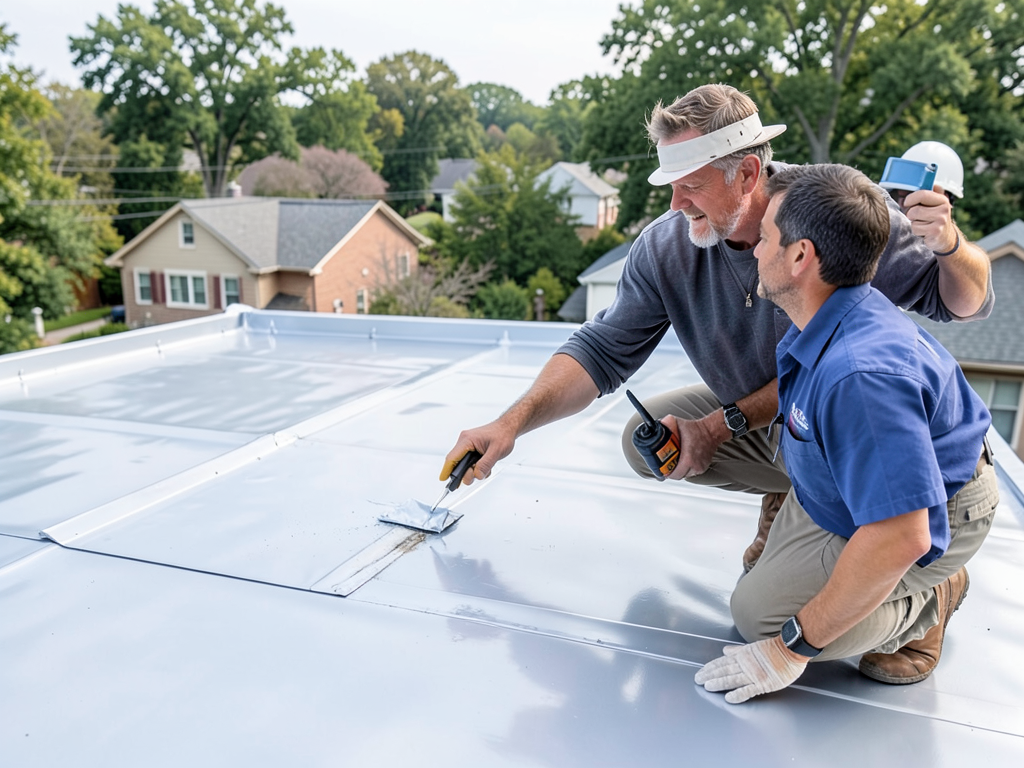
How to Negotiate Roof Repairs After a Home Inspection in Tacony Buying or selling a home in Tacony often hinges on the home inspection report, especially when it comes to the roof. Philadelphia's unique rowhome…
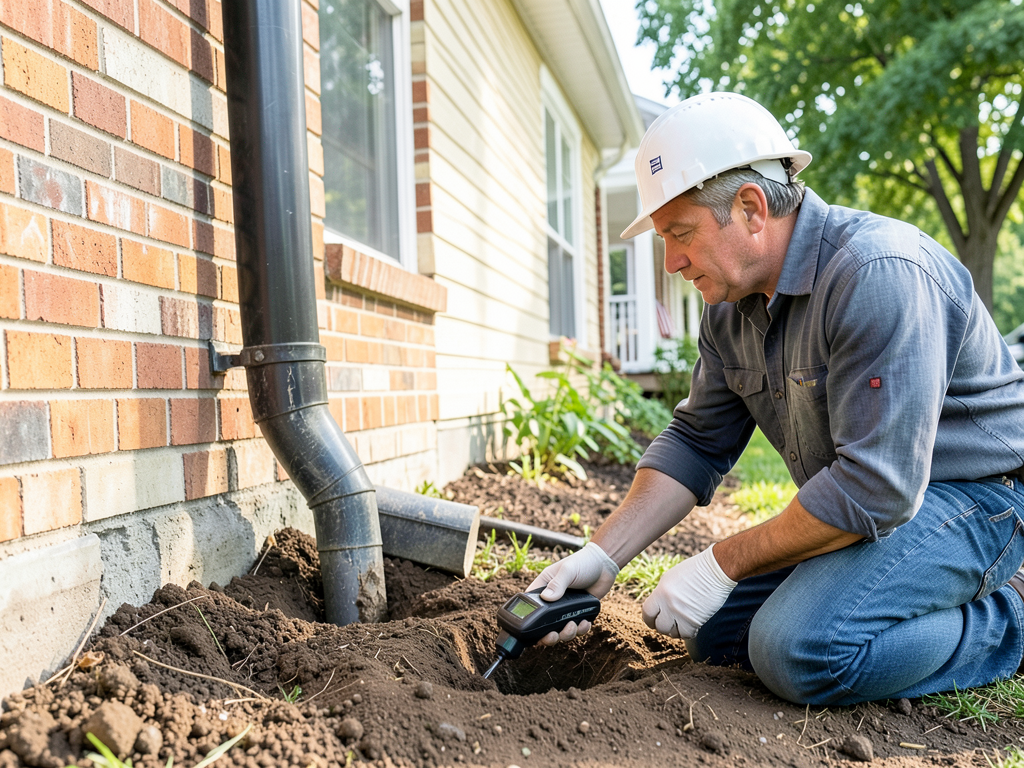
The Best Way to Handle Downspout Runoff in Narrow Manayunk Alleyways Water pouring off your…
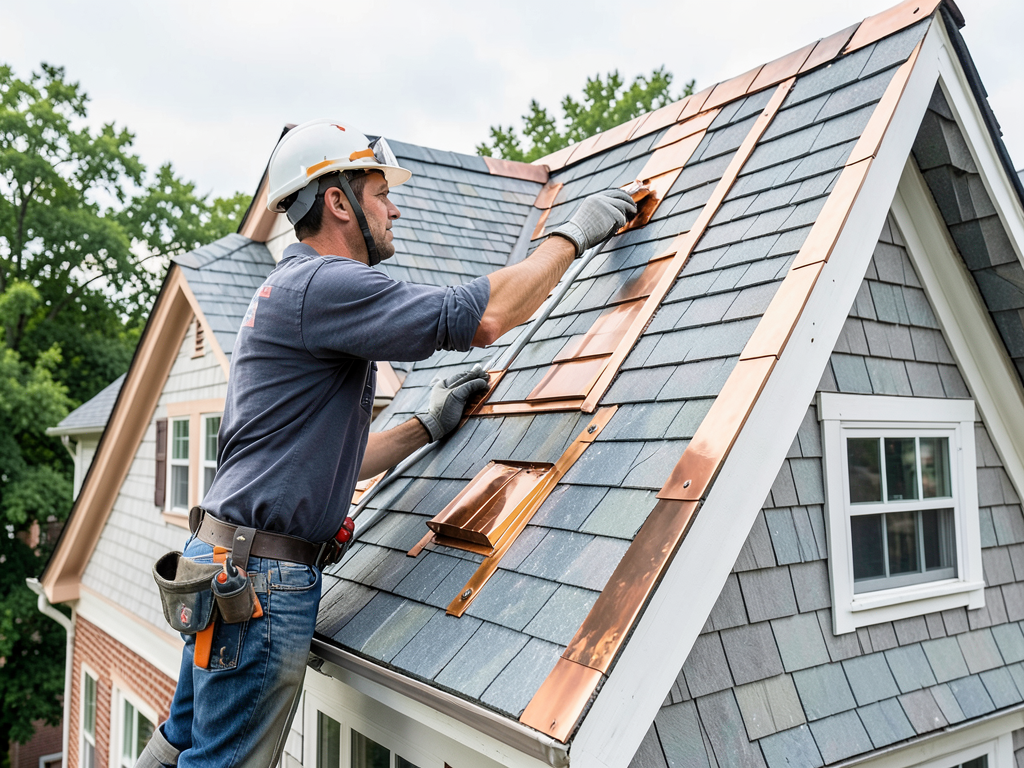
Finding the Leak in Your Complicated Tudor Roof in West Mt. Airy Water dripping from…
Why Ridge Vents Alone Might Not Be Enough for Your Hot Attic in Wynnefield Your…
Wyoming Valley weather tests every roof system repeatedly throughout the year. Call Atlas Roofing Philadelphia at (267) 344-1222 for honest assessment of your roof's condition and clear recommendations about what it needs now versus what can wait. We respond quickly and provide written estimates with no pressure.