





Allentown sits in a climate zone that punishes roofing systems year-round. Winter brings repeated freeze-thaw cycles that crack shingles and create ice dams along gutters. Spring storms dump heavy rain that finds every weak point in flashing and valley seams. Summer heat bakes asphalt shingles until they curl and crack. Fall winds from the northwest tear loose anything not properly fastened.
The Lehigh Valley receives an average of 45 inches of snow annually, with nor'easters dumping wet, heavy loads that strain roof structures. Ice dams form when attic heat melts snow that refreezes at roof edges, forcing water under shingles and into homes. This cycle repeats throughout winter, causing ceiling stains, insulation damage, and mold growth.
Pennsylvania building codes require specific wind ratings and snow load calculations for roofing materials. Homes near South Mountain or in the West End face higher wind exposure. Properties in Center City Allentown and the East Side contend with older roof framing that needs careful evaluation before replacement. Every neighborhood presents distinct challenges that demand local expertise and proper material selection.
We built our reputation on emergency response when Allentown families need help most. When your ceiling drips at 2 AM or wind rips shingles off during a storm, we answer the phone and dispatch crews fast. We know every minute counts when water enters your home, so we prioritize damage mitigation before writing estimates.
Our approach combines speed with thoroughness. We tarp and seal leaks immediately to stop ongoing damage, then provide detailed assessments with photo documentation for insurance claims. We work directly with adjusters to ensure you receive fair coverage, and we stand behind our repairs with written warranties that protect your investment.
Atlas Roofing Philadelphia employs crews who understand Pennsylvania construction methods. Many Allentown homes feature steep roof pitches, multiple valleys, and complex flashing details around chimneys and dormers. We match original construction techniques while upgrading vulnerable areas with modern waterproofing materials. Our installers know the difference between a quick patch and a permanent repair.
We stock materials rated for Lehigh Valley weather conditions. Our shingle inventory includes impact-resistant options for hail protection and architectural grades designed for high wind zones. We source underlayment, ice and water shield, and ventilation components that meet or exceed Pennsylvania code requirements. When we complete a roof replacement, it's engineered to outlast the next 20 years of Allentown weather extremes.

Storm damage and roof leaks don't wait for business hours. We maintain emergency crews ready to respond day or night, weekends and holidays. When you call with an urgent leak, we dispatch within hours to tarp, seal, and stop water intrusion. Fast response prevents minor leaks from becoming major restoration projects.

We document every detail adjusters need to approve your claim. Our estimates include material specifications, labor breakdowns, and photo evidence of storm damage. We attend adjuster meetings, explain repair scope, and advocate for complete coverage. You get the roof replacement your policy covers without fighting the insurance company alone.
Pennsylvania building codes mandate specific standards for roof ventilation, ice dam protection, and wind resistance. We pull permits, schedule inspections, and guarantee every installation meets current requirements. Our work passes inspection the first time because we follow code protocols exactly as written by Lehigh County building departments.
We've repaired roofs across every Allentown neighborhood from the Old Fairgrounds to Cedar Crest Boulevard. We know which local suppliers stock quality materials and which shortcuts cause callbacks. Our crews navigate Allentown streets efficiently, arrive on schedule, and complete projects without disrupting your daily routine.
Atlas Roofing Philadelphia handles every type of roof repair, replacement, and maintenance project across Allentown's residential and commercial properties. We work on asphalt shingle roofs, flat membrane systems, slate repairs, and metal roofing installations. Our service range covers emergency leak repairs that stop immediate damage, planned replacements that upgrade aging roof systems, and preventive maintenance that extends roof life.
Homeowners call us for storm damage repairs after hail, wind, and fallen tree limbs compromise roof integrity. Property managers rely on us for scheduled inspections and maintenance on multi-unit buildings. Commercial clients trust our crew capacity to complete large-scale replacements without disrupting business operations.
We categorize our services based on urgency and project scope. Emergency repairs address active leaks and storm damage requiring immediate response. Restoration projects replace deteriorated roof systems before failure occurs. Specialized services handle unique challenges like ice dam prevention, ventilation upgrades, and historic property roof restoration. Each category demands distinct expertise, materials, and project management approaches tailored to client needs and building requirements.
When storms strike Allentown, we mobilize crews to address roof damage immediately. We repair wind-torn shingles, patch punctures from fallen branches, and seal leaks before water destroys ceilings and insulation. Our emergency service includes temporary tarping, structural assessment, and permanent repairs completed within days. We document all damage with photos and measurements for insurance claims, ensuring you receive coverage for storm-related repairs without delays.
Aging roofs reach a point where repairs no longer make financial sense. We remove old shingles, inspect decking for rot or damage, and install new roofing systems engineered for decades of performance. Replacements include upgraded underlayment, proper ventilation, ice and water shield in vulnerable areas, and architectural shingles with enhanced wind and impact ratings. We coordinate dumpster delivery, material staging, and completion timelines that minimize disruption to your home.
Regular inspections catch minor problems before they become expensive emergencies. We offer scheduled roof inspections that check flashing integrity, identify damaged shingles, clear debris from valleys, and verify proper drainage. Maintenance services include gutter cleaning, minor sealing work, and ventilation checks that prevent ice dams and extend roof life. Property managers and homeowners use our maintenance programs to protect roofing investments and avoid surprise failures.
Lehigh Valley's climate creates specific roofing challenges that appear across Allentown neighborhoods year after year. Freeze-thaw cycles crack shingles and open seams. Ice dams force water under roof edges into attic spaces. Wind storms lift poorly fastened materials. Algae growth stains north-facing roof slopes. These problems intensify in older homes with outdated roofing materials or inadequate ventilation systems.
We see patterns based on home age and location. Properties built before 1990 often lack proper ice and water shield protection. Homes near tree cover suffer repeated damage from falling branches and accumulated debris. Flat-roof additions on older homes develop pooling water and membrane failures. Understanding these common issues helps homeowners recognize warning signs before minor problems escalate into emergency situations requiring extensive repairs.
Ice dams form when heat escapes through poorly insulated attics, melting snow that refreezes at roof edges. Ice builds up behind gutters, forcing water under shingles and into walls. We prevent ice dams with proper attic insulation, ventilation improvements, and ice and water shield installation along eaves and valleys where backup occurs.
Northwest winds gust across Allentown during spring and fall storms, testing every shingle seal. Older roofs with brittle adhesive strips lose shingles easily, exposing underlayment to rain penetration. We replace wind-damaged sections with high-wind rated shingles properly fastened to meet Pennsylvania code requirements for wind resistance and uplift protection.
Flashing seals the junction between roofing materials and vertical surfaces like chimneys, walls, and dormers. Caulk deteriorates, metal corrodes, and seams separate over time. Water enters these gaps and travels along rafters before appearing as ceiling stains far from the actual leak source. Proper flashing repair requires removing shingles, installing new metal, and sealing with quality materials.
Inadequate attic ventilation traps heat and moisture, cooking shingles from below and rotting roof decking. Shingles curl, granules wash away prematurely, and warranties become void. We assess ventilation using ridge vents, soffit intake, and gable vents to create proper airflow that regulates attic temperature and extends shingle life by years.
We run roofing projects with clear communication and realistic timelines. From your first call to final cleanup, you'll know what happens next and when crews arrive. We answer questions directly, explain repair options in plain language, and provide written estimates that detail every material and labor cost.
Our project managers coordinate scheduling, material delivery, and crew deployment to complete work efficiently without sacrificing quality. You receive progress updates throughout the project, and we address concerns immediately rather than letting problems linger. When we finish, your property looks cleaner than when we arrived, with all debris removed and landscaping protected from damage.
The roofing experience should reduce stress, not create it. We handle permit applications, inspection scheduling, and insurance documentation so you can focus on daily life. Our goal is a smooth process that delivers a superior roof system built to protect your home for decades.
You receive a dedicated project manager who answers calls and texts during business hours. We send appointment confirmations the day before crew arrival and provide 30-minute arrival windows. Written estimates break down material specs, labor costs, and payment schedules with no hidden fees. Change orders get documented and approved before work proceeds. You always know project status, timeline updates, and exactly what you're paying for.
Our installers have completed hundreds of Allentown roof projects. They arrive with proper safety equipment, park considerately, and protect your property with tarps and magnetic sweepers that collect loose nails. Crews work efficiently, following manufacturer specifications for every component from underlayment to ridge caps. We don't cut corners to save hours. Quality installation takes time, and we schedule projects realistically to deliver work that passes inspection.
When we finish, your property gets thoroughly cleaned. Magnetic rollers collect nails and metal debris. Tarps protect landscaping during tear-off. We haul away all old materials the same day work completes. Final inspection confirms every detail meets our standards before we request payment. You receive written warranties covering workmanship and materials, with clear terms explaining what's covered and how to request service if issues arise.
We keep the roofing process simple and predictable. Three clear phases take you from initial assessment to completed roof without confusion or surprises.
Contact us by phone or web form to schedule a roof inspection. We arrive on time, examine your entire roof system, and identify all damage or deterioration. You receive a detailed written estimate within 24 hours that specifies materials, labor, timeline, and total cost. For insurance claims, we provide documentation with photos and measurements adjusters require. No pressure, no sales tactics, just professional assessment and fair pricing.
Once you approve the estimate, we schedule your project based on weather and material availability. Crews arrive on the confirmed date, complete all preparation work, and execute the roof replacement or repair according to manufacturer specifications. Your project manager stays accessible throughout installation to address questions. We work efficiently to minimize disruption while maintaining quality standards that ensure long-term performance.
After installation completes, we conduct a thorough quality check of all work. Cleanup crews remove debris, sweep magnetic rollers across your property, and verify nothing gets left behind. You receive all warranty documentation, care instructions, and manufacturer registrations. We schedule any required building inspections and don't consider the job complete until you're satisfied with every aspect of the finished roof.
Pennsylvania adopts the International Residential Code with specific amendments that affect every roofing project in Allentown. These regulations govern everything from minimum slope requirements to fastener patterns and underlayment specifications. Lehigh County building departments enforce these standards through permit review and on-site inspections that verify compliance before approving completed work.
Current code mandates ice and water shield installation along all eaves extending 24 inches inside exterior wall lines in climate zones where average January temperatures fall below 30 degrees. Allentown qualifies, making this protection non-optional. Valley applications require ice and water shield extending at least 18 inches on both sides of the centerline. These requirements prevent the ice dam damage common throughout the Lehigh Valley.
Wind resistance standards specify shingle ratings based on local wind speed maps. Allentown falls in a 90 mph basic wind speed zone, requiring Class D or better wind resistance for asphalt shingles. Proper fastening patterns using six nails per shingle in high-wind areas ensure shingles remain attached during storms. We follow manufacturer installation instructions exactly because deviating voids warranties and creates liability issues.
Ventilation codes require balanced intake and exhaust airflow calculated as one square foot of net free area per 150 square feet of attic space. Proper ventilation prevents moisture accumulation, reduces cooling costs, and extends shingle life. We install ridge vents, soffit vents, or power ventilators sized appropriately for each roof's square footage and configuration.
Permit requirements apply to most roof replacements and significant repairs in Allentown. Building departments review plans for code compliance before issuing permits. Inspections verify proper installation of underlayment, flashing, and final roofing materials. Working without permits risks fines and creates problems when selling properties or filing insurance claims. We handle all permit applications and coordinate inspections as standard practice on every qualifying project.
Pennsylvania code requires self-adhering ice and water barrier along eaves, valleys, and other vulnerable areas where ice dams form. This rubberized membrane seals around nail penetrations and prevents water backup from entering roof decking. Proper installation extends protection 24 inches inside heated wall lines and covers all valley areas completely.
Replacement costs vary based on roof pitch, complexity, material selection, and current decking condition. Steep pitches require additional safety equipment and labor time. Multiple valleys, dormers, and chimneys increase installation complexity. Upgraded shingles with extended warranties cost more but deliver better longevity. Rotten decking requires replacement before new roofing installation begins.
Most residential roof replacements in Allentown complete in one to three days depending on size and weather conditions. Emergency repairs happen within 24 hours of initial contact. Permit processing adds three to five business days before work begins. Winter projects take longer due to shorter daylight hours and temperature limitations on shingle sealing.
Shingle manufacturers offer warranties ranging from 25 years to lifetime coverage on materials. These warranties require proper installation following exact specifications to remain valid. We register all warranties on your behalf and provide documentation proving code-compliant installation. Workmanship warranties from Atlas Roofing Philadelphia cover installation quality separately from material coverage.
This video explains how Allentown's climate damages residential roofing systems and demonstrates proper repair techniques used by Atlas Roofing Philadelphia. Viewers learn to identify ice dam damage, wind-torn shingles, flashing failures, and ventilation problems common throughout the Lehigh Valley. The presentation covers Pennsylvania building code requirements, material selection for freeze-thaw resistance, and installation methods that prevent recurring leaks. Atlas Roofing Philadelphia demonstrates emergency repair procedures and complete replacement processes specific to Allentown properties.
Atlas Roofing Philadelphia maintains active service across all Allentown neighborhoods from the West End near Cedar Crest Boulevard to Center City's historic downtown district. We complete projects in the Old Fairgrounds area where tree-lined streets shelter older homes with complex roof lines requiring careful restoration work. Our crews navigate the East Side's narrow streets efficiently, respecting parking limitations while delivering materials and equipment to job sites.
The South Side presents unique challenges with its mix of residential and commercial properties near the Lehigh Parkway. We've replaced roofs on multi-unit buildings and single-family homes throughout this area, adapting our approach to each property's specific requirements. North of downtown, properties near Muhlenberg College often feature steeper pitches and architectural details that demand precision installation and matching materials.
Suburban developments west toward Emmaus and Macungie call regularly for our services. These neighborhoods built in the 1980s and 1990s now face widespread roof replacements as original shingles reach the end of their service life. We schedule multiple projects in the same area to maximize efficiency while maintaining quality standards across every installation.
East toward Bethlehem, we serve properties along Union Boulevard and the neighborhoods surrounding Lehigh Valley Hospital. Medical professionals, families, and retirees trust us for responsive service and quality workmanship that protects their homes without disrupting busy schedules. We coordinate closely with homeowners' associations when working in planned communities, following architectural guidelines and completing projects within approved timelines.
Lehigh County's freeze-thaw cycles affect every area equally, but wind exposure varies significantly. Properties on higher elevations near South Mountain face stronger wind loads requiring enhanced fastening techniques. Homes in valleys accumulate more snow and face greater ice dam risk. We adjust material selection and installation methods based on these localized factors, ensuring every roof performs reliably regardless of microclimate conditions. Our familiarity with Allentown's geography and construction patterns helps us diagnose problems quickly and recommend solutions that address root causes rather than symptoms.
Allentown roofing requires understanding the local climate challenges. The area experiences hot summers, cold winters, heavy snow, and frequent rain. Your roof must withstand temperature swings and moisture exposure. Most homes use asphalt shingles, metal roofing, or slate. Asphalt shingles last 15-25 years and offer good value. Metal roofs last 40-70 years and handle snow well. Slate roofs last over 100 years but need strong structural support. Local building codes require proper ventilation and ice dam prevention. Regular inspections twice yearly help catch problems early. Address missing shingles, leaks, and damaged flashing promptly to avoid bigger issues.
Choosing a roofing contractor in Allentown requires research and verification. Check online reviews on multiple platforms. Ask for references from recent projects in your neighborhood. Verify the company has proper credentials and verify their standing with local business bureaus. Get at least three written estimates detailing materials, labor, timeline, and cleanup. Ask about experience with your specific roof type. Confirm they pull necessary permits and follow local codes. Review the contract carefully before signing. A trustworthy contractor communicates clearly, answers questions patiently, and provides detailed documentation. Avoid anyone who pressures you to sign immediately or asks for full payment upfront.
Roof replacement timing depends on age, condition, and damage severity. Asphalt shingles need replacement after 20-25 years. Look for curling, cracking, or missing shingles. Check for granule loss in gutters, which signals deterioration. Inspect your attic for water stains, mold, or daylight coming through. Multiple leaks indicate systemic failure. Sagging areas suggest structural damage requiring immediate attention. Storm damage from hail or fallen branches often necessitates replacement. Spring and fall offer ideal weather conditions for roof work in Allentown. Summer heat makes shingles more pliable but working conditions harder. Winter installations are possible but less ideal due to cold temperatures affecting materials.
Allentown roofing requires understanding the local climate challenges. The area experiences hot summers, cold winters, heavy snow, and frequent rain. Your roof must withstand temperature swings and moisture exposure. Most homes use asphalt shingles, metal roofing, or slate. Asphalt shingles last 15-25 years and offer good value. Metal roofs last 40-70 years and handle snow well. Slate roofs last over 100 years but need strong structural support. Local building codes require proper ventilation and ice dam prevention. Regular inspections twice yearly help catch problems early. Address missing shingles, leaks, and damaged flashing promptly to avoid bigger issues.
Choosing a roofing contractor in Allentown requires research and verification. Check online reviews on multiple platforms. Ask for references from recent projects in your neighborhood. Verify the company has proper credentials and verify their standing with local business bureaus. Get at least three written estimates detailing materials, labor, timeline, and cleanup. Ask about experience with your specific roof type. Confirm they pull necessary permits and follow local codes. Review the contract carefully before signing. A trustworthy contractor communicates clearly, answers questions patiently, and provides detailed documentation. Avoid anyone who pressures you to sign immediately or asks for full payment upfront.
Roof replacement timing depends on age, condition, and damage severity. Asphalt shingles need replacement after 20-25 years. Look for curling, cracking, or missing shingles. Check for granule loss in gutters, which signals deterioration. Inspect your attic for water stains, mold, or daylight coming through. Multiple leaks indicate systemic failure. Sagging areas suggest structural damage requiring immediate attention. Storm damage from hail or fallen branches often necessitates replacement. Spring and fall offer ideal weather conditions for roof work in Allentown. Summer heat makes shingles more pliable but working conditions harder. Winter installations are possible but less ideal due to cold temperatures affecting materials.
Roof inspection in Allentown should happen twice yearly, in spring and fall. Inspect after major storms for visible damage. Check shingles for cracks, curls, or missing pieces. Examine flashing around chimneys, vents, and skylights for gaps or rust. Clean gutters and downspouts to prevent water backup. Look for moss or algae growth, which holds moisture. Check attic spaces for leaks, water stains, or inadequate ventilation. Inspect from ground level with binoculars if climbing is unsafe. Professional inspections provide detailed assessments and catch problems you might miss. Document findings with photos for insurance claims if needed.
Common roofing problems in Allentown include ice dams, wind damage, and moisture issues. Ice dams form when heat escapes through the roof, melting snow that refreezes at eaves. This creates water backup under shingles. Proper attic insulation and ventilation prevent ice dams. Wind lifts or tears shingles, especially on older roofs. Heavy rain exposes poor flashing and worn sealants. Moss and algae grow in shaded, damp areas. Improperly installed or aging shingles crack and curl. Clogged gutters cause water to back up under roof edges. Tree branches scraping roofs damage shingles and create entry points for water.
Roofing materials for Allentown homes must handle diverse weather. Asphalt shingles are popular due to affordability and ease of installation. Three-tab shingles are basic and economical. Architectural shingles are thicker and last longer. Metal roofing excels in snow shedding and longevity. Standing seam metal requires minimal maintenance. Slate offers unmatched durability but costs more and needs structural reinforcement. Synthetic slate mimics appearance at lower weight. Tile roofs are less common but work well. Each material has different lifespans, maintenance needs, and appearance. Consider your budget, home style, and long-term plans when choosing. Local suppliers offer materials suited to regional conditions.
Roof maintenance extends lifespan and prevents expensive repairs. Clean gutters quarterly to ensure proper drainage. Trim overhanging branches to prevent damage and reduce debris. Remove leaves and debris from roof valleys where water collects. Check and replace damaged or missing shingles promptly. Inspect flashing and sealants around penetrations yearly. Apply moss treatment in shaded areas where growth occurs. Ensure attic ventilation works properly to prevent moisture buildup and ice dams. Schedule professional inspections every few years for thorough assessment. Address small problems immediately before they become major issues. Keep records of maintenance and repairs for future reference and home value.
Roof ventilation in Allentown homes prevents moisture problems and extends roof life. Proper airflow regulates attic temperature and humidity. Ridge vents at the peak allow hot air to escape. Soffit vents at eaves let cool air enter. This creates natural circulation. Inadequate ventilation causes ice dams in winter when warm attic air melts snow. Moisture buildup leads to mold, rot, and insulation damage. Summer heat without ventilation shortens shingle life and increases cooling bills. Most homes need one square foot of ventilation per 150 square feet of attic space. Balanced intake and exhaust ventilation works best. Professional assessment ensures your system meets requirements.
Storm damage assessment requires prompt action for insurance purposes. After severe weather, inspect from the ground for obvious damage. Look for missing, lifted, or torn shingles. Check for dents in metal components. Examine gutters for damage or detachment. Document everything with dated photos and videos. Contact your insurance company to report potential damage. Schedule professional inspection before making repairs beyond emergency tarping. Roofers experienced with insurance claims help document damage properly. Save all documentation, estimates, and correspondence. Some damage appears minor but affects roof integrity. Hail creates bruising invisible from ground level. Address storm damage promptly to prevent secondary water damage and maintain coverage eligibility.
Roof warranties include manufacturer and workmanship coverage. Material warranties cover defects in shingles or components. These range from 20 years to lifetime depending on product quality. Workmanship warranties cover installation errors and typically last 1-10 years. Read warranty terms carefully. Many require regular maintenance and proper ventilation. Some become void if another contractor makes repairs. Transferability affects home resale value. Registration within specific timeframes is often required. Keep all warranty documents, receipts, and maintenance records. Understand what is and is not included. Prorated warranties reduce coverage over time. Professional installation is usually required to validate manufacturer warranties.
Roof inspection in Allentown should happen twice yearly, in spring and fall. Inspect after major storms for visible damage. Check shingles for cracks, curls, or missing pieces. Examine flashing around chimneys, vents, and skylights for gaps or rust. Clean gutters and downspouts to prevent water backup. Look for moss or algae growth, which holds moisture. Check attic spaces for leaks, water stains, or inadequate ventilation. Inspect from ground level with binoculars if climbing is unsafe. Professional inspections provide detailed assessments and catch problems you might miss. Document findings with photos for insurance claims if needed.
Common roofing problems in Allentown include ice dams, wind damage, and moisture issues. Ice dams form when heat escapes through the roof, melting snow that refreezes at eaves. This creates water backup under shingles. Proper attic insulation and ventilation prevent ice dams. Wind lifts or tears shingles, especially on older roofs. Heavy rain exposes poor flashing and worn sealants. Moss and algae grow in shaded, damp areas. Improperly installed or aging shingles crack and curl. Clogged gutters cause water to back up under roof edges. Tree branches scraping roofs damage shingles and create entry points for water.
Roofing materials for Allentown homes must handle diverse weather. Asphalt shingles are popular due to affordability and ease of installation. Three-tab shingles are basic and economical. Architectural shingles are thicker and last longer. Metal roofing excels in snow shedding and longevity. Standing seam metal requires minimal maintenance. Slate offers unmatched durability but costs more and needs structural reinforcement. Synthetic slate mimics appearance at lower weight. Tile roofs are less common but work well. Each material has different lifespans, maintenance needs, and appearance. Consider your budget, home style, and long-term plans when choosing. Local suppliers offer materials suited to regional conditions.
Roof maintenance extends lifespan and prevents expensive repairs. Clean gutters quarterly to ensure proper drainage. Trim overhanging branches to prevent damage and reduce debris. Remove leaves and debris from roof valleys where water collects. Check and replace damaged or missing shingles promptly. Inspect flashing and sealants around penetrations yearly. Apply moss treatment in shaded areas where growth occurs. Ensure attic ventilation works properly to prevent moisture buildup and ice dams. Schedule professional inspections every few years for thorough assessment. Address small problems immediately before they become major issues. Keep records of maintenance and repairs for future reference and home value.
Roof ventilation in Allentown homes prevents moisture problems and extends roof life. Proper airflow regulates attic temperature and humidity. Ridge vents at the peak allow hot air to escape. Soffit vents at eaves let cool air enter. This creates natural circulation. Inadequate ventilation causes ice dams in winter when warm attic air melts snow. Moisture buildup leads to mold, rot, and insulation damage. Summer heat without ventilation shortens shingle life and increases cooling bills. Most homes need one square foot of ventilation per 150 square feet of attic space. Balanced intake and exhaust ventilation works best. Professional assessment ensures your system meets requirements.
Storm damage assessment requires prompt action for insurance purposes. After severe weather, inspect from the ground for obvious damage. Look for missing, lifted, or torn shingles. Check for dents in metal components. Examine gutters for damage or detachment. Document everything with dated photos and videos. Contact your insurance company to report potential damage. Schedule professional inspection before making repairs beyond emergency tarping. Roofers experienced with insurance claims help document damage properly. Save all documentation, estimates, and correspondence. Some damage appears minor but affects roof integrity. Hail creates bruising invisible from ground level. Address storm damage promptly to prevent secondary water damage and maintain coverage eligibility.
Roof warranties include manufacturer and workmanship coverage. Material warranties cover defects in shingles or components. These range from 20 years to lifetime depending on product quality. Workmanship warranties cover installation errors and typically last 1-10 years. Read warranty terms carefully. Many require regular maintenance and proper ventilation. Some become void if another contractor makes repairs. Transferability affects home resale value. Registration within specific timeframes is often required. Keep all warranty documents, receipts, and maintenance records. Understand what is and is not included. Prorated warranties reduce coverage over time. Professional installation is usually required to validate manufacturer warranties.
Atlas Roofing proudly serves the entire Philadelphia area, including all surrounding counties. We invite you to view our service area on the map to confirm we cover your neighborhood. As your trusted local roofing contractor, we are always ready to deploy our expert teams promptly to your home or business, ensuring you receive the high-quality, professional service you deserve, exactly when you need it.
Address:
Allentown, PA, 18102
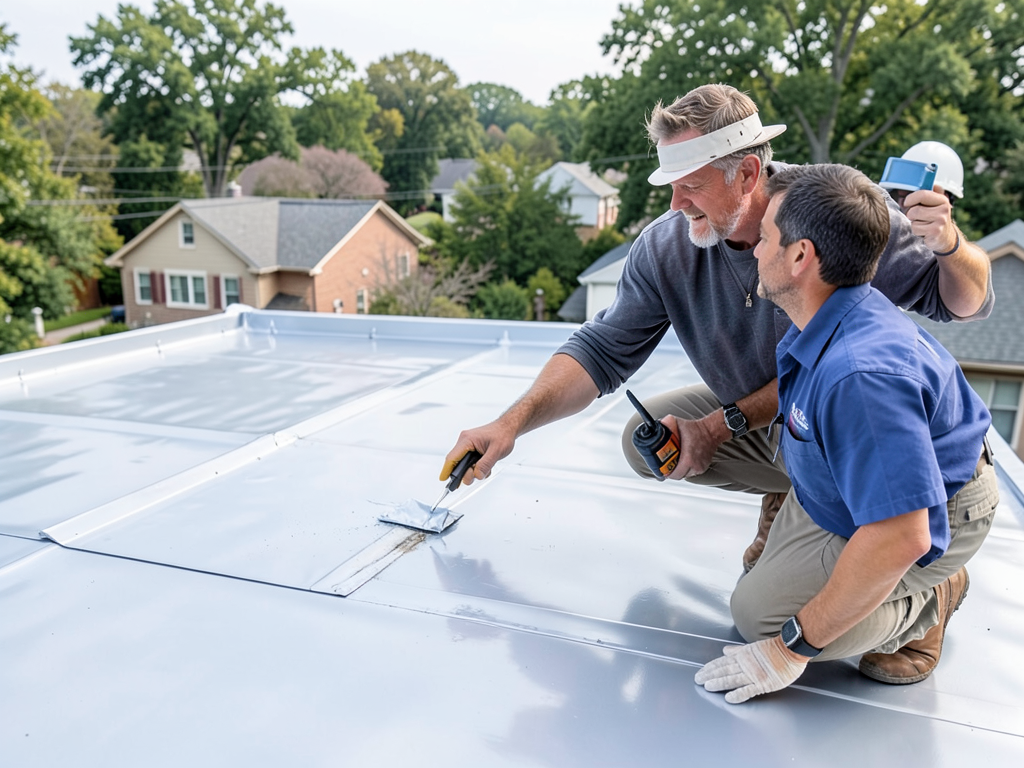
How to Negotiate Roof Repairs After a Home Inspection in Tacony Buying or selling a home in Tacony often hinges on the home inspection report, especially when it comes to the roof. Philadelphia's unique rowhome…
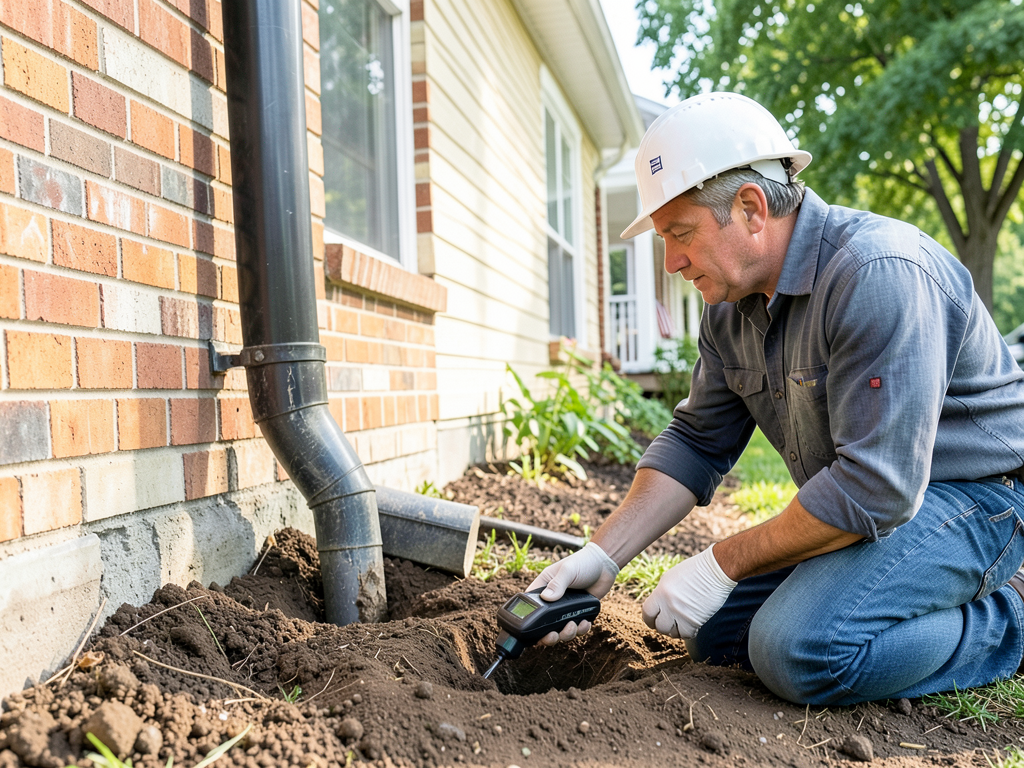
The Best Way to Handle Downspout Runoff in Narrow Manayunk Alleyways Water pouring off your…
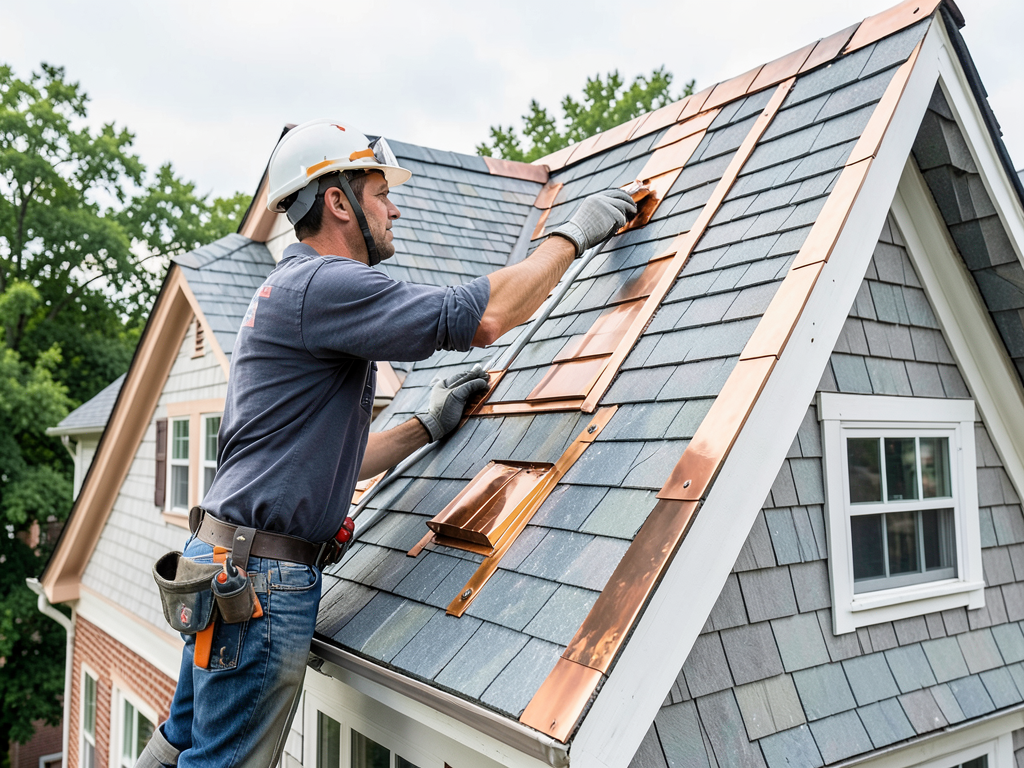
Finding the Leak in Your Complicated Tudor Roof in West Mt. Airy Water dripping from…
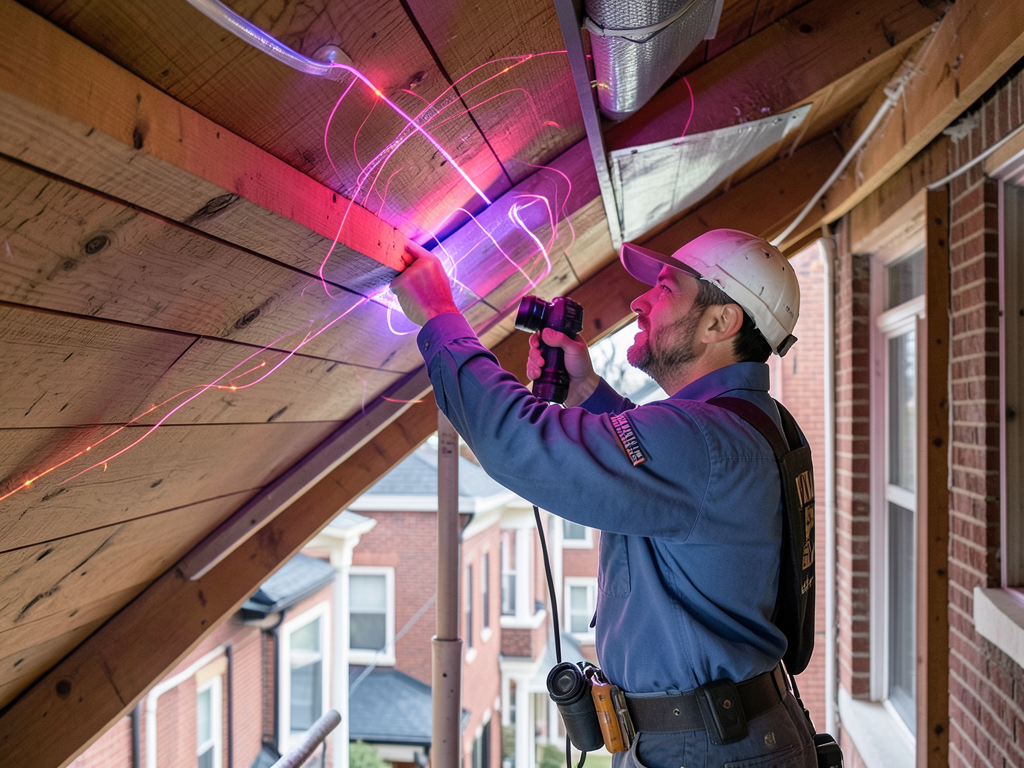
Why Ridge Vents Alone Might Not Be Enough for Your Hot Attic in Wynnefield Your…
Don't let roof damage get worse. Call Atlas Roofing Philadelphia now at (267) 344-1222 for emergency repairs or free replacement estimates. We answer calls 24/7 and dispatch crews fast to protect your home from further damage.