




menu

TPO Roofing Installation in Philadelphia – Minimize Downtime with Industrial-Grade Single-Ply Systems

Atlas Roofing Philadelphia delivers commercial TPO membrane roofing designed for Philadelphia's freeze-thaw cycles and flat roof demands, keeping your facility operational while we work.

Slider Image 1
Slider Image 2
Slider Image 3
Slider Image 4
Slider Image 5
Slider Image 7
Slider Image 8
Slider Image 9
Slider Image 10
Slider Image 11

Why Philadelphia Commercial Buildings Need TPO Membrane Roofing

Philadelphia's climate puts commercial flat roofs through constant stress. Winter freeze-thaw cycles crack brittle roofing materials. Summer heat bakes asphalt until it becomes soft and vulnerable. Spring storms dump water faster than poorly designed drainage systems can handle. Your building does not stop operating because the weather changed. Your roof cannot fail when inventory, equipment, and employees depend on shelter.

Most commercial buildings in Center City, University City, and the Navy Yard feature flat or low-slope roofs. These structures trap water. They hold snow. They absorb thermal stress differently than residential pitched roofs. A single leak can shut down server rooms, damage stored goods, or force you to relocate operations while repairs drag on for weeks.

Thermoplastic Polyolefin installation solves these problems. TPO membrane roofing creates a seamless, heat-welded barrier across your entire roof deck. The white reflective surface deflects solar radiation instead of absorbing it. This reduces cooling costs during Philadelphia's humid summers when your HVAC system already works overtime. The material flexes during temperature swings instead of cracking. It resists ponding water better than modified bitumen or built-up roofing.

Commercial TPO roof systems are not decorative. They are liability shields. A failed roof means business interruption, damaged inventory, potential mold litigation, and emergency repair bills that destroy your quarterly budget. Single-ply TPO roofing delivers a 20-year performance window when installed correctly. That means predictable capital planning instead of crisis management.

Philadelphia's commercial real estate market demands buildings that perform. TPO flat roof installation keeps your facility compliant with commercial building codes, protects your investment, and keeps your operations running without weather-related disruptions.

Why Philadelphia Commercial Buildings Need TPO Membrane Roofing
How Atlas Roofing Philadelphia Installs Commercial TPO Systems

How Atlas Roofing Philadelphia Installs Commercial TPO Systems

We do not install TPO membrane roofing the same way residential roofers patch shingles. Commercial roofing requires engineered solutions, not guesswork. Our process starts with a structural load analysis. Your roof deck must support the combined weight of insulation layers, the TPO membrane, and water during heavy rain events. We calculate dead loads and live loads before we touch your existing roof.

Next, we assess your current roof assembly. Many Philadelphia commercial buildings still have original built-up tar roofs from the 1970s. We determine whether a tear-off is required or if we can install TPO over the existing substrate. This decision affects your project timeline and budget. A poorly planned tear-off shuts down your building. A badly executed overlay traps moisture and voids your new roof before you finish paying for it.

We use fully adhered or mechanically fastened TPO systems depending on your building's wind exposure. Buildings near the Delaware River face higher wind loads than structures in Fairmount or Germantown. The fastening method matters. We heat-weld every seam using hot-air welding equipment calibrated to the membrane manufacturer's specifications. A properly welded seam is stronger than the TPO sheet itself. A poorly welded seam leaks within two years.

Flashing details separate functional roofs from failures. We custom-fabricate flashing for HVAC curbs, skylights, parapet walls, and penetrations. We do not use mastic or caulk as primary waterproofing. We use mechanically fastened or heat-welded termination bars. Caulk degrades. Mechanical fasteners and welded seams do not.

Atlas Roofing Philadelphia coordinates installation around your business operations. We section the roof into phases so your facility remains occupied. We do not force you to shut down for three weeks while we work. We schedule deliveries during off-hours. We protect interior spaces from dust and debris. We treat your building like the revenue-generating asset it is.

What Happens During Your TPO Roof Installation

TPO Roofing Installation in Philadelphia – Minimize Downtime with Industrial-Grade Single-Ply Systems
01

Pre-Construction Roof Assessment

We perform a complete roof inspection including core samples to evaluate your existing deck condition, insulation R-value, and moisture infiltration. We use infrared thermography to map wet insulation that cannot be detected visually. You receive a written report documenting structural findings, code compliance gaps, and recommended roof assembly specifications. This assessment determines whether you need a tear-off or can proceed with a recovery installation, directly impacting your project cost and timeline.
02

Phased Membrane Installation

We divide your roof into work zones to keep your building operational. Each zone is stripped (if required), insulated with polyisocyanurate boards, and covered with TPO membrane before we move to the next section. We heat-weld all seams using dual-track welding equipment and probe every seam with a rounded tool to verify bond integrity. All penetrations receive custom-fabricated flashing. We do not leave sections exposed overnight. Every work zone is fully weathertight before our crew leaves your property each day.
03

Final Inspection and Documentation

After installation, we perform a complete roof walkthrough with you. We document all flashing details, seam welds, and drainage components with photographs. You receive as-built drawings showing membrane layout, fastening patterns, and insulation specifications. We provide manufacturer certification for material warranties and our own workmanship documentation. This package is critical for future building sales, refinancing, or insurance claims. Your roof is now a documented asset, not a liability waiting to fail during the next storm.

Why Philadelphia Building Owners Choose Atlas Roofing Philadelphia for TPO Systems

Philadelphia's commercial building stock includes everything from 19th-century warehouses converted to office space to modern distribution centers in the Navy Yard. Each structure presents different challenges. Historic buildings in Old City have masonry parapet walls that require specialized flashing. Industrial buildings near I-95 face higher wind loads. We understand these variables because we work in this market every day.

We are familiar with Philadelphia's Department of Licenses and Inspections requirements for commercial roofing permits. We know which projects require structural engineer stamps. We understand how to coordinate with historic preservation boards when your building sits in a designated district. These details slow down out-of-town contractors who do not understand local code enforcement.

Our crews are trained on commercial fall protection systems required by OSHA for flat roof work. We carry the liability coverage required for commercial contracts. We provide certificates of insurance that satisfy your property manager or corporate risk management department. We do not show up with residential roofing equipment and expect to install a commercial TPO system. We use commercial-grade hot-air welders, large-format membranes, and insulation fastening equipment designed for buildings with roof areas measured in thousands of square feet, not hundreds.

We also understand business continuity. Your building generates revenue. Your tenants pay rent based on the assumption that the roof does not leak. Your inventory has value. We schedule work to minimize disruption. We communicate with your facility manager daily. We do not disappear for a week and then show up unannounced. We treat your project like the capital investment it is.

Atlas Roofing Philadelphia has installed TPO membrane roofing on warehouses, office buildings, retail centers, and industrial facilities throughout Philadelphia and the surrounding counties. We understand the difference between a roof that passes inspection and a roof that performs for 20 years without callbacks.

What to Expect from Your Commercial TPO Roofing Project

Project Timeline and Scheduling

Most commercial TPO installations take two to six weeks depending on roof size and complexity. Weather delays are possible, but we schedule around forecast windows and work in phases to prevent exposure. We provide a detailed project schedule before work begins. You know when deliveries arrive, when crews are on-site, and when inspections occur. We coordinate with your building operations team to avoid conflicts with tenant move-ins, loading dock schedules, or special events. If your business requires night or weekend work, we adjust our schedule accordingly. You receive weekly progress updates so you can communicate with stakeholders.

Initial Roof Evaluation Process

Your project starts with a comprehensive roof assessment. We inspect your existing roof membrane, flashing, drainage system, and penetrations. We take core samples to evaluate insulation condition and deck integrity. If your building has a suspected leak, we use infrared scanning to locate moisture without invasive testing. You receive a written report with photographs documenting current conditions and recommended solutions. This report includes multiple options: tear-off versus overlay, insulation upgrades, and drainage improvements. We provide transparent cost breakdowns so you can make informed decisions based on your capital budget and long-term facility plans.

Finished Roof Performance

When we finish your TPO roof installation, you receive a fully welded, seamless membrane designed to last decades. The white reflective surface reduces cooling costs by rejecting solar heat instead of absorbing it. All seams are heat-welded and tested for bond integrity. All penetrations are flashed with mechanically fastened termination bars and welded TPO collars. Your drainage system is clear and functional. We remove all debris and leave your roof clean. You receive documentation including as-built drawings, material certifications, and warranty paperwork. Your roof is now a documented asset that adds value during property sales or refinancing.

Ongoing Maintenance and Support

TPO roofing requires minimal maintenance, but regular inspections extend roof life and preserve warranty coverage. We offer annual roof inspection programs that identify small issues before they become expensive leaks. We check flashing, clean drains, and inspect seams for damage from foot traffic or equipment installations. If repairs are needed, we handle them quickly using proper heat-welding techniques and manufacturer-approved materials. Many of our commercial clients schedule inspections twice per year, in spring and fall, to catch storm damage or debris accumulation. These inspections cost less than a single emergency leak repair and keep your roof performing as designed.

Frequently Asked Questions

You Have Questions,
We Have Answers

What are the disadvantages of TPO roofing? +

TPO roofing can face premature membrane failure if seams are improperly welded, a critical concern in Philadelphia's freeze-thaw cycles. The material is vulnerable to punctures during installation or from foot traffic, which matters for buildings requiring frequent roof access. TPO's reflective white surface can also degrade under prolonged UV exposure and thermal cycling, reducing energy performance over time. The material shrinks as it ages, stressing seams and fasteners. Quality varies significantly between manufacturers, so sourcing becomes crucial. For commercial properties in Philadelphia, these risks demand experienced installation teams who understand proper welding techniques and substrate preparation to ensure long-term membrane integrity and minimize costly callbacks.

What goes under a TPO roof? +

A commercial TPO roof system in Philadelphia requires specific layers beneath the membrane. Start with a structural deck, typically steel or concrete on commercial buildings. Next comes rigid insulation boards, often polyisocyanurate or expanded polystyrene, which provide R-value and create a thermal barrier. A cover board, such as DensDeck or gypsum, protects the insulation from membrane stress and foot traffic. Some systems include a vapor retarder between the deck and insulation to prevent condensation issues common in Philadelphia's humid summers. This layered approach ensures proper drainage, thermal performance, and structural integrity while meeting Philadelphia building codes for commercial roofing applications.

Can you put TPO directly over plywood? +

No. Installing TPO directly over plywood creates serious performance and code compliance issues for commercial buildings in Philadelphia. Plywood lacks the dimensional stability required for single-ply membranes. It expands and contracts with moisture changes, stressing seams and fasteners. Commercial applications require rigid insulation boards over the substrate to meet energy codes and provide a stable base for membrane attachment. Without proper insulation layers, you sacrifice R-value and risk condensation problems. Philadelphia's temperature swings and humidity make this layering essential. Direct plywood application also voids most manufacturer warranties. Proper substrate preparation with insulation and cover board is non-negotiable for commercial TPO installations that meet building codes.

Should TPO roofing be glued down? +

Glued-down TPO systems offer specific advantages for Philadelphia commercial buildings. Fully adhered installations provide superior wind uplift resistance, critical for the region's storm exposure. This method eliminates mechanical fastener penetrations, reducing potential leak points. Adhesive application creates a continuous bond between membrane and substrate, improving system performance during Philadelphia's freeze-thaw cycles. However, glued installations cost more than mechanically attached systems and require precise surface preparation. The choice depends on building height, wind zone requirements, roof access needs, and budget constraints. Many Philadelphia commercial properties benefit from fully adhered systems on perimeter zones with mechanical attachment in field areas, balancing performance and cost effectively.

How many years does a TPO roof last? +

A properly installed TPO roof lasts 15 to 25 years on Philadelphia commercial buildings. Service life depends on membrane thickness, installation quality, and maintenance practices. Philadelphia's climate stresses roofing systems with freeze-thaw cycles, UV exposure, and temperature extremes that accelerate material aging. Thicker membranes (60 to 80 mil) outlast standard 45-mil products. Regular inspections to address ponding water, clean drains, and repair punctures extend system life significantly. Seam integrity is critical. Poorly welded seams fail prematurely, while quality installation and proactive maintenance push systems toward the upper end of the lifespan range. Factor replacement costs into your facility's capital planning around the 20-year mark.

Why do insurance companies not like flat roofs? +

Insurance companies view flat roofs as higher liability because they retain water, increasing leak risk and structural load concerns. Philadelphia's heavy rainfall and snow accumulation compound these issues. Flat roof drainage relies entirely on internal drains and scuppers, which clog and create ponding water that accelerates membrane degradation. This increases claim frequency compared to sloped roofs with gravity drainage. Flat roofs also experience more foot traffic for HVAC maintenance, creating puncture risks. Insurers respond with higher premiums or coverage restrictions. Commercial property owners in Philadelphia offset these concerns by documenting regular maintenance, professional inspections, and prompt repairs, which demonstrate reduced risk to underwriters.

How Philadelphia's Freeze-Thaw Cycles Make TPO Roofing Essential for Commercial Buildings

Philadelphia experiences an average of 25 freeze-thaw cycles each winter. Water infiltrates small cracks in traditional roofing materials during the day, then freezes overnight when temperatures drop below 32 degrees. Ice expands with tremendous force, widening cracks into leaks. This cycle repeats throughout winter, progressively damaging roofs until spring storms expose the damage through interior leaks. TPO membrane roofing eliminates this vulnerability. The flexible thermoplastic material expands and contracts without cracking. Heat-welded seams remain bonded through temperature swings that would separate adhered or mechanically fastened seams in older roofing systems. Commercial buildings in Philadelphia cannot afford roof failures during winter when interior damage multiplies repair costs and disrupts operations.

Philadelphia's commercial building code requires specific R-values for roof insulation and mandates proper drainage design to prevent ponding water. Atlas Roofing Philadelphia designs every TPO roof system to meet or exceed these requirements. We work directly with the Department of Licenses and Inspections to ensure permit compliance and inspection approval. We understand local inspector expectations for flashing details, fastening patterns, and membrane attachment methods. Out-of-town contractors often face permit delays or failed inspections because they do not understand Philadelphia's specific code interpretations. Our local expertise means your project moves forward without costly delays or rework. Your investment is protected by proper installation that meets all regulatory requirements.
Roofing Services in The Philadelphia Area

Atlas Roofing proudly serves the entire Philadelphia area, including all surrounding counties. We invite you to view our service area on the map to confirm we cover your neighborhood. As your trusted local roofing contractor, we are always ready to deploy our expert teams promptly to your home or business, ensuring you receive the high-quality, professional service you deserve, exactly when you need it.

Address:
Atlas Roofing Philadelphia, 100 N 18th St, Philadelphia, PA, 19103

Additional Services We Offer

Our news updates

Latest Articles & News from The Blogs

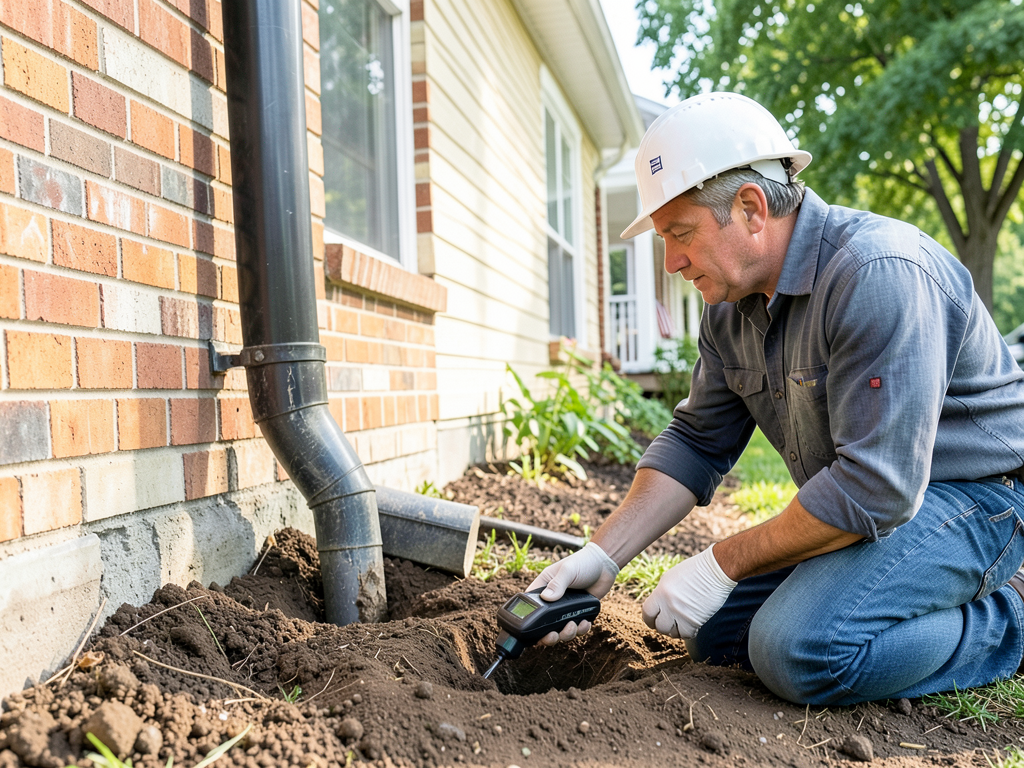
The Best Way to Handle Downspout Runoff in Narrow Manayunk Alleyways Water pouring off your roof into the narrow alleyway…

The Best Way to Handle Downspout Runoff in Narrow Manayunk Alleyways

The Best Way to Handle Downspout Runoff in Narrow Manayunk Alleyways Water pouring off your roof into the narrow alleyway…

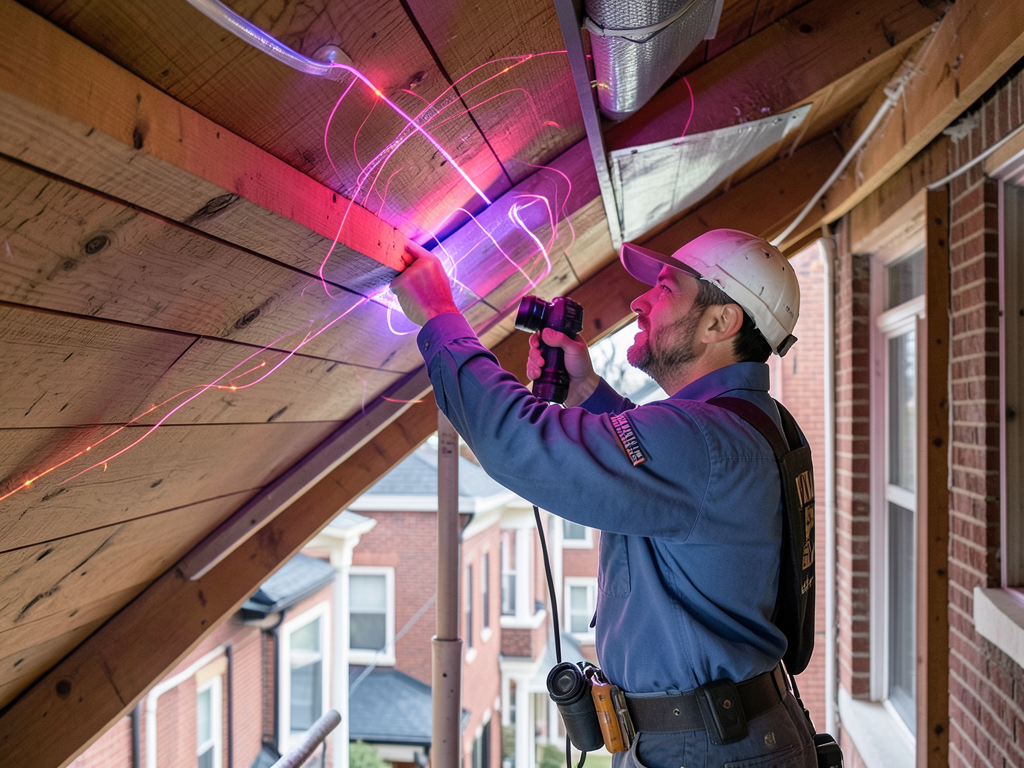
Finding the Leak in Your Complicated Tudor Roof in West Mt. Airy

Finding the Leak in Your Complicated Tudor Roof in West Mt. Airy Water dripping from your ceiling during a storm…

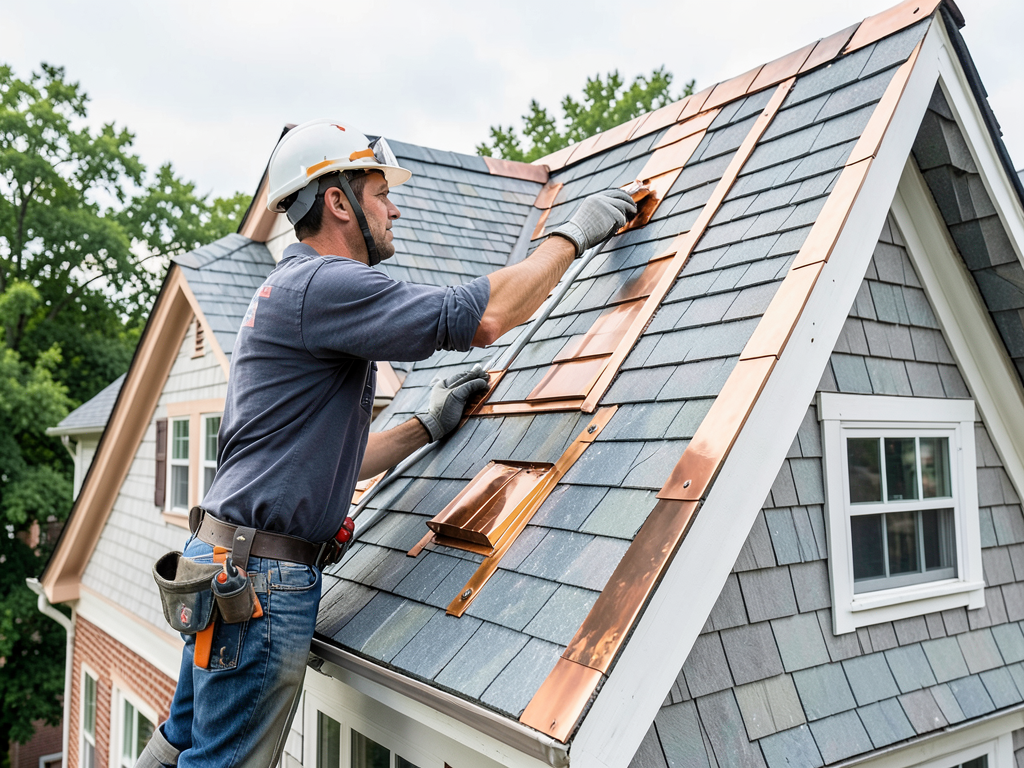
Why Ridge Vents Alone Might Not Be Enough for Your Hot Attic in Wynnefield

Why Ridge Vents Alone Might Not Be Enough for Your Hot Attic in Wynnefield Your attic feels like an oven…

Contact Us

Your building deserves a roof system engineered for Philadelphia's climate and your business operations. Call Atlas Roofing Philadelphia at (267) 344-1222 for a comprehensive roof assessment. We provide transparent pricing, detailed project timelines, and installations that keep your facility operational.