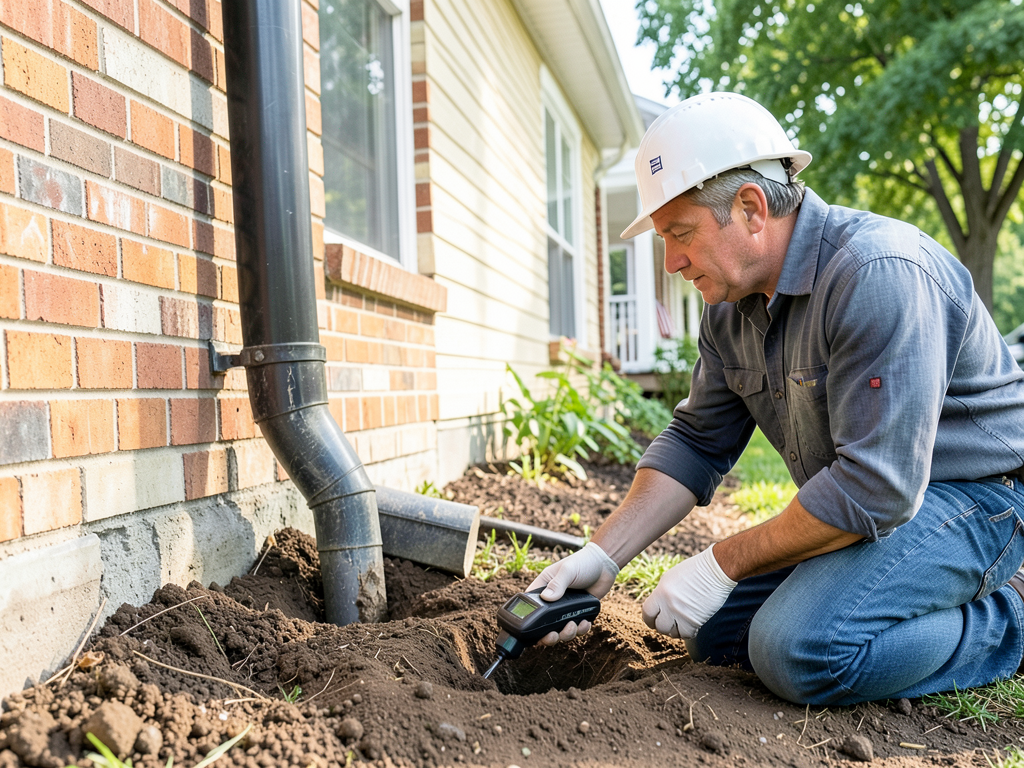







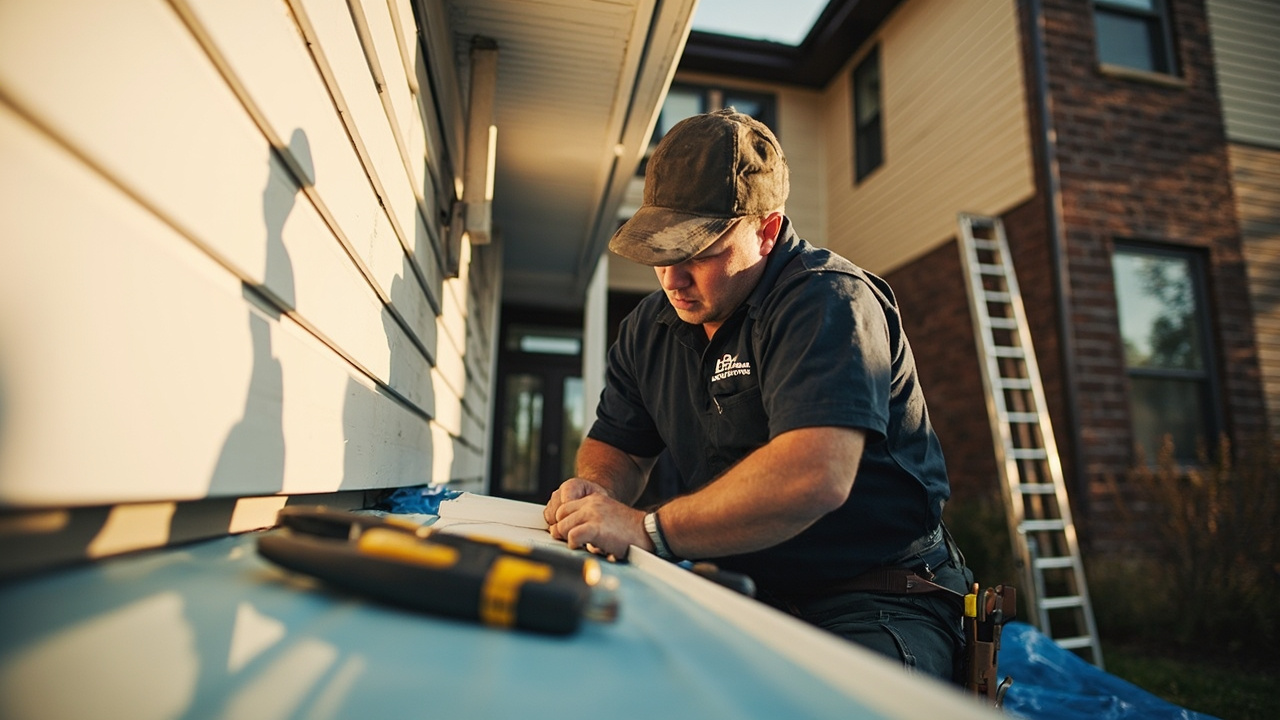
Philadelphia averages 20 to 30 freeze-thaw cycles each winter, creating expansion and contraction that splits paint and opens fascia joints. When snow melts during the day and refreezes at night, ice forms inside cracks and pries boards apart. This cycle repeats throughout January and February, causing damage that becomes visible by spring. Neighborhoods near the Schuylkill River and Delaware River experience higher humidity levels that keep wood damp longer, accelerating rot. Proper soffit and fascia installation with adequate ventilation and moisture barriers is not optional in this climate. It is the only way to prevent premature failure and protect your roof structure from water infiltration.
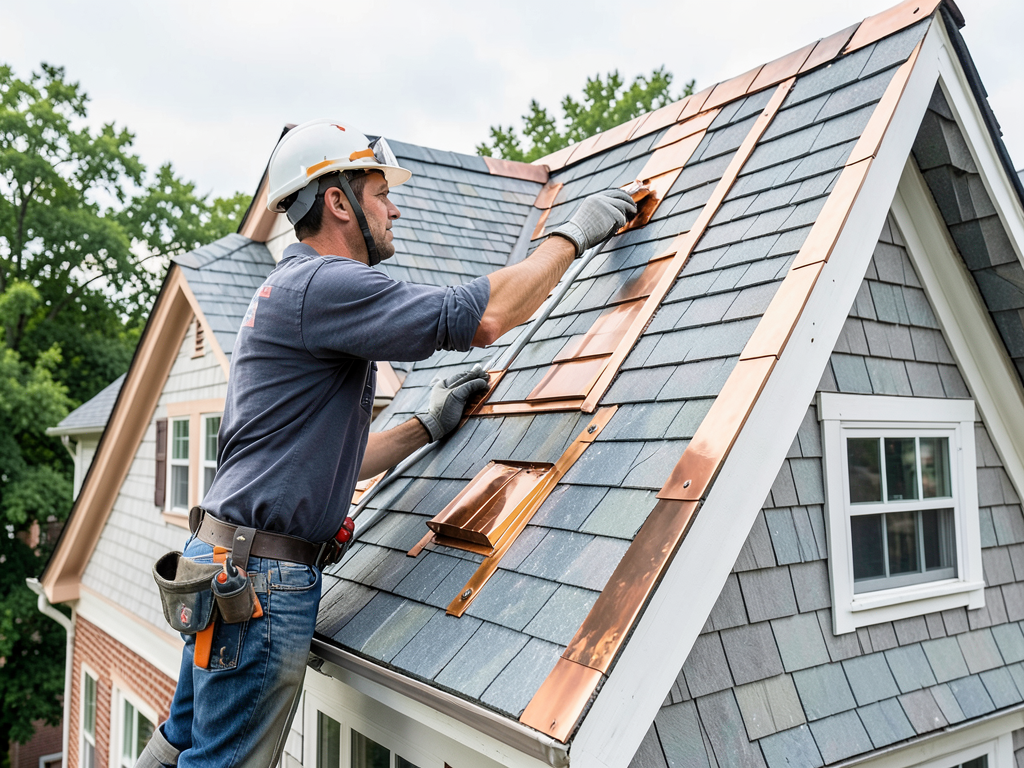
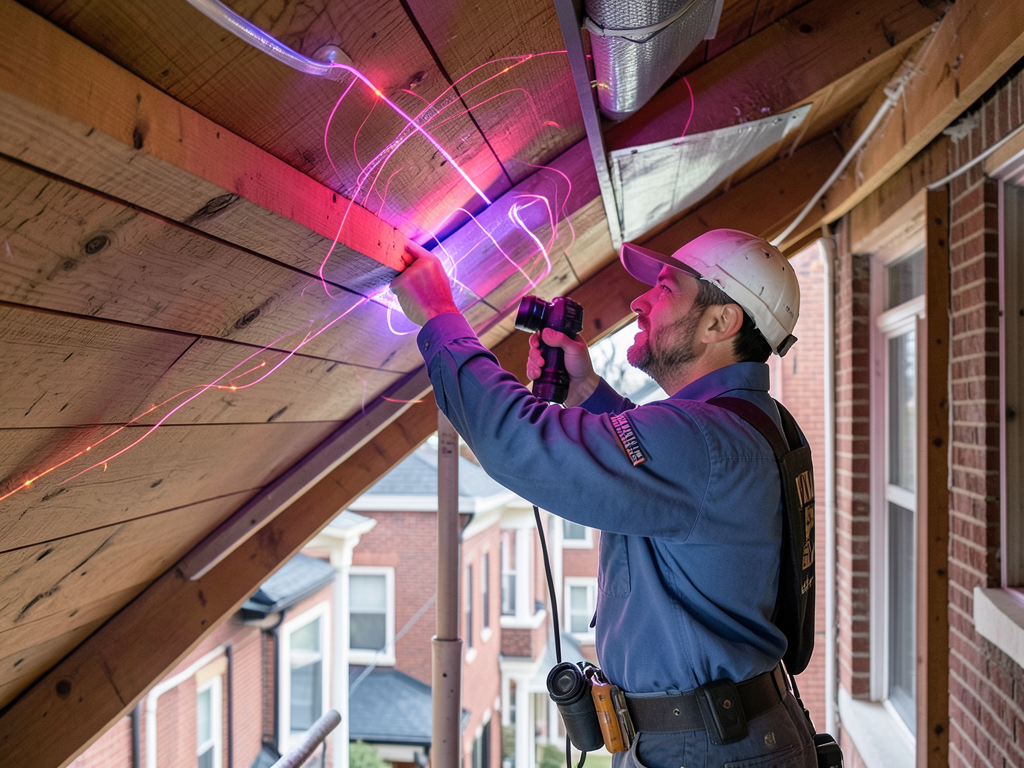
Philadelphia's building codes require adequate attic ventilation, and inspectors pay close attention to soffit vent coverage during resale inspections. Working with soffit and fascia contractors who understand local code requirements prevents delays during property transfers and ensures your home meets current standards. Atlas Roofing Philadelphia maintains relationships with local inspectors and stays current on code updates that affect roofline work. We also understand the unique challenges of working on historic properties in designated districts, where materials and methods must balance preservation standards with functional performance. Choosing a local contractor means you get someone who knows how to navigate these requirements efficiently.