





menu

Emergency Roof Leak Detection in Philadelphia – 24/7 Response Teams Arrive Within 90 Minutes

Atlas Roofing Philadelphia dispatches emergency roof leak detection crews around the clock to stop water damage before it spreads through your ceilings, insulation, and structural framing.

Slider Image 1
Slider Image 2
Slider Image 3
Slider Image 4
Slider Image 5
Slider Image 7
Slider Image 8
Slider Image 9
Slider Image 10
Slider Image 11

Why Philadelphia Roof Leaks Escalate Fast

Philadelphia's freeze-thaw cycles wreak havoc on roofing systems. Water seeps into small cracks during warmer days, then expands when temperatures drop overnight. This constant expansion and contraction tears apart flashing, shingles, and underlayment faster than in climates with stable temperatures.

Row homes in neighborhoods like Fishtown and South Philadelphia share party walls and connected roofing planes. A leak in one section can migrate laterally through multiple units before you even notice the first ceiling stain. The urgency multiplies when you share structural components with neighbors.

Heavy spring rains and nor'easters dump water faster than compromised drainage systems can handle. Clogged scuppers and deteriorated membrane seams turn flat roofs into shallow pools. That standing water finds every vulnerable penetration point, from HVAC curbs to old skylight installations.

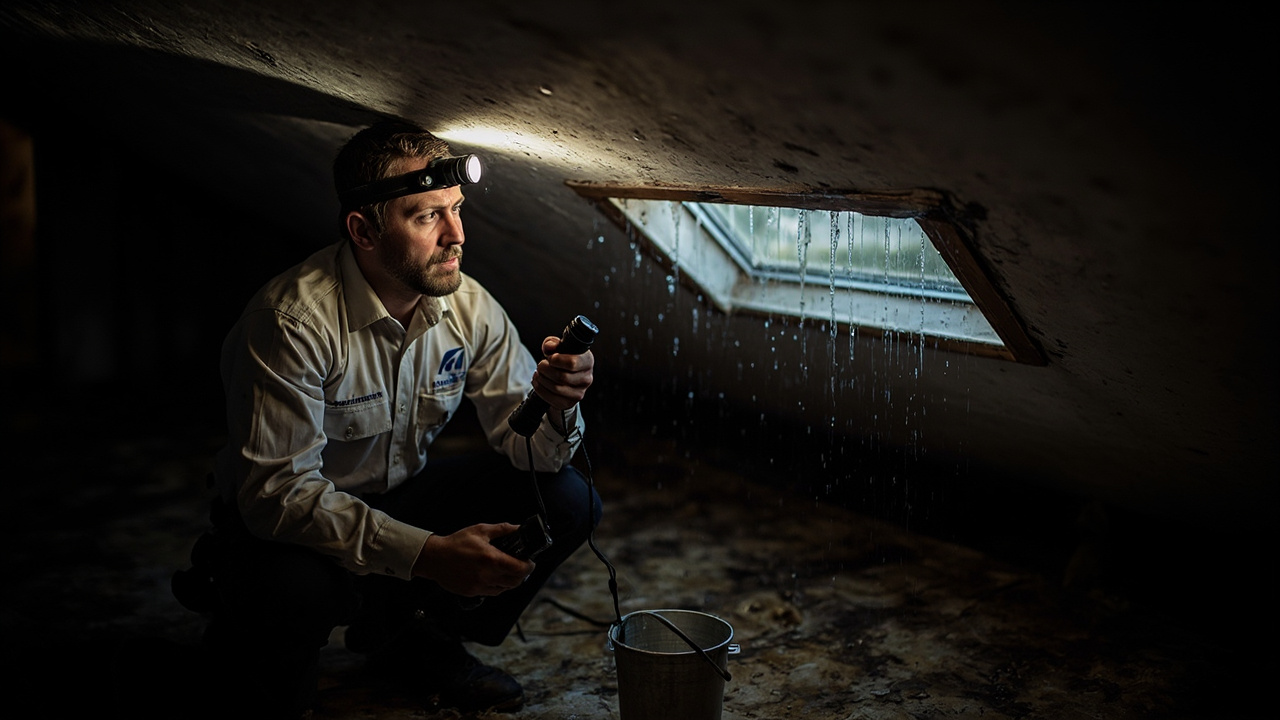
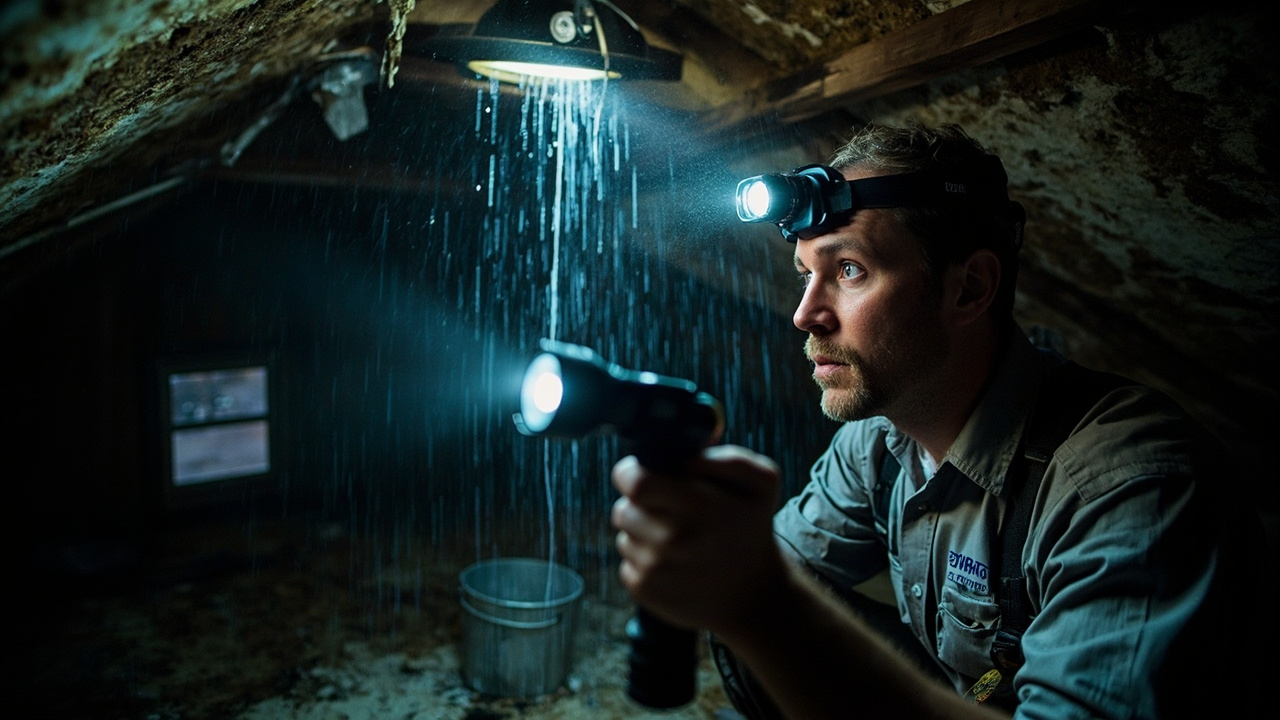
When you spot water dripping from a light fixture or spreading across your ceiling, you need urgent roof leak inspection immediately. Every hour of delay allows water to saturate drywall, compromise electrical systems, and promote mold growth in wall cavities. Same day roof leak detection stops the damage before it becomes a total ceiling replacement project.

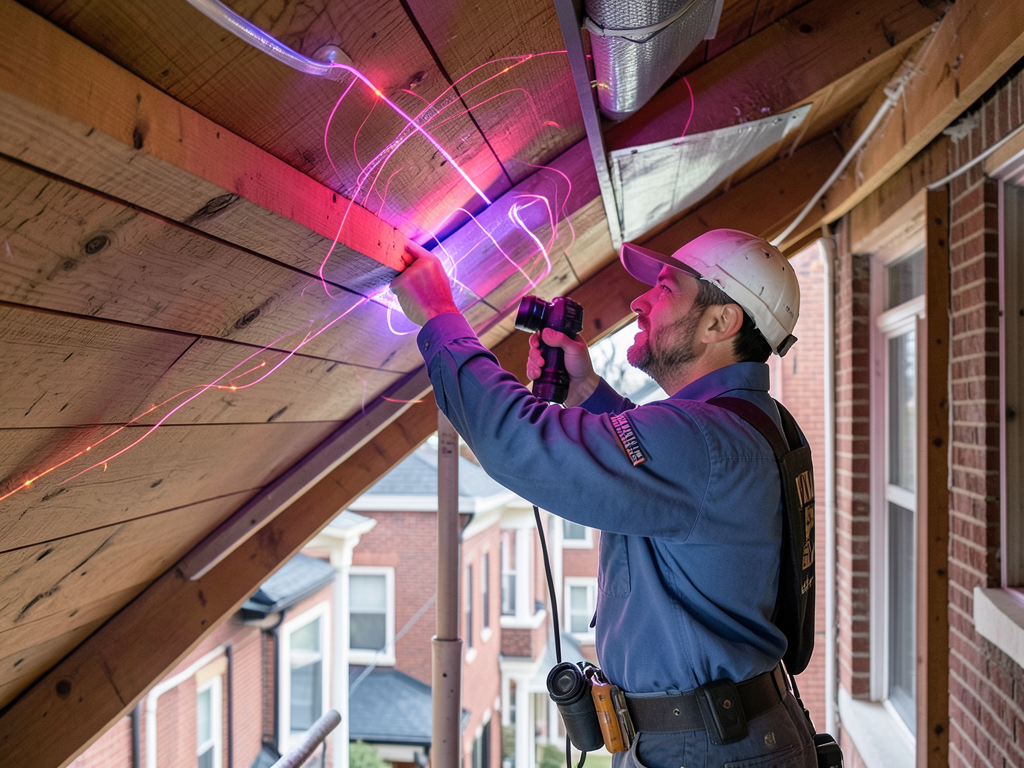
Atlas Roofing Philadelphia understands that emergency roof leak tracing requires more than tarps and buckets. Our 24/7 roof leak diagnosis teams use thermal imaging cameras and moisture meters to pinpoint the exact entry point, even when the visible damage appears nowhere near the actual roof breach.

Why Philadelphia Roof Leaks Escalate Fast
How We Locate Hidden Roof Leaks in Crisis Situations

How We Locate Hidden Roof Leaks in Crisis Situations

Most emergency roof leak detection fails because technicians treat the symptom instead of finding the source. Water travels along rafters, through insulation channels, and across ceiling joists before it finally drips into your living space. The stain on your ceiling might be fifteen feet away from the actual roof penetration.

Our immediate roof leak locator process starts with water trace mapping. We examine the exterior roof surface above the interior damage, then work backward along the slope line to identify every potential entry point. On flat roofs, we check membrane seams, pipe boot collars, and parapet wall intersections where different materials meet and separate over time.

Thermal imaging reveals temperature differentials where water has saturated insulation or pooled behind facade elements. Wet building materials appear cooler than dry sections, creating a heat signature map that guides us to the breach point. This technology eliminates guesswork during storms when visual inspection becomes nearly impossible.

We perform dye testing on suspected areas by applying colored tracer liquid upstream of the leak location. When that dye appears at the interior drip point, we have confirmed the exact pathway. This method works for complex leak patterns that involve multiple roof planes or where water enters through one penetration but travels through valleys before entering the building envelope.

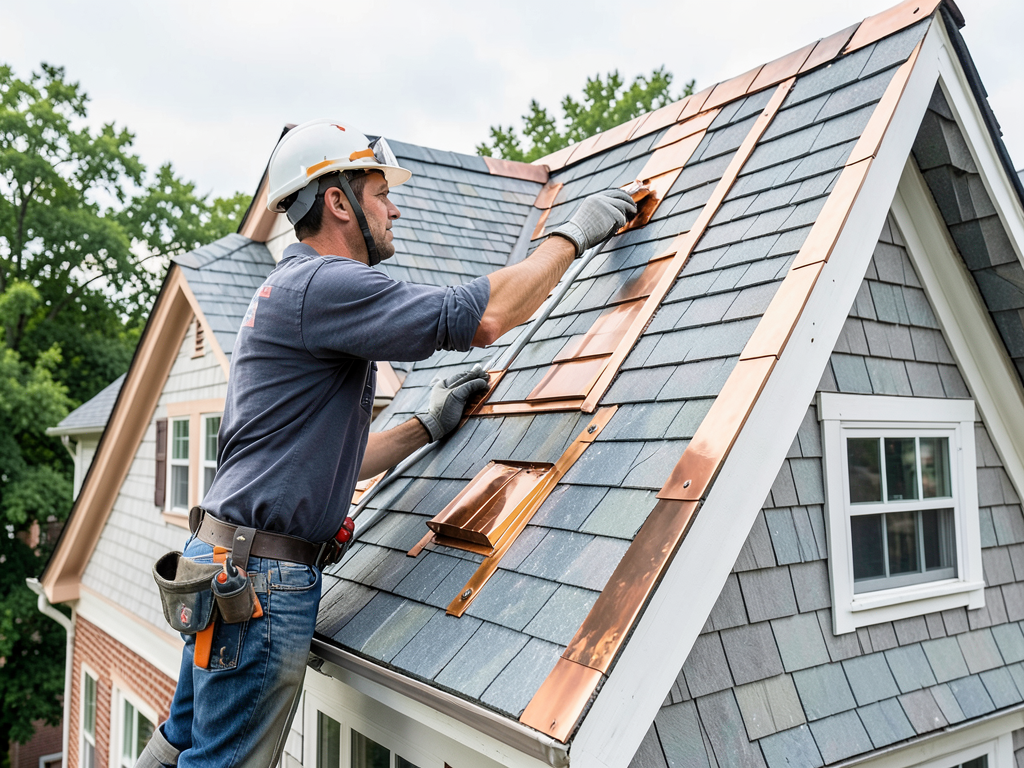
Philadelphia's historic homes present unique challenges. Slate roofs, copper valleys, and built-in gutters require different diagnostic approaches than modern asphalt shingle systems. We adjust our emergency roof leak tracing methods based on your specific roof assembly, whether that means accessing tight attic spaces in Trinity row homes or navigating the low-slope commercial membrane systems common in converted industrial buildings throughout Kensington and Northern Liberties.

What Happens When You Call for Emergency Leak Detection

Emergency Roof Leak Detection in Philadelphia – 24/7 Response Teams Arrive Within 90 Minutes
01

Emergency Dispatch and Arrival

You call our emergency line at (267) 344-1222, and our dispatch coordinator logs your address and leak symptoms. We deploy the nearest available crew immediately, with an estimated arrival time of 90 minutes or less for most Philadelphia addresses. Our trucks carry thermal cameras, moisture detection equipment, tarps, and temporary patching materials to stabilize active leaks on contact.
02

On-Site Leak Investigation

Our technician inspects interior damage first to document the water path, then accesses your roof to examine the suspected entry area. We use moisture meters on decking and insulation to map saturation levels. Thermal imaging identifies temperature anomalies that indicate hidden water intrusion. We mark every compromised area with GPS coordinates and photographic documentation for insurance purposes.
03

Immediate Damage Mitigation

Once we locate the breach, we install temporary weatherproofing to stop additional water entry. This might involve tarp installation secured with counterflashing, emergency sealant application on small penetrations, or temporary membrane patches on flat roof sections. You receive a written assessment explaining the leak source, required permanent repairs, and photographic evidence of all damage. We coordinate with your insurance adjuster if needed.

Why Philadelphia Properties Need Local Emergency Roof Response

Philadelphia's building density creates cascading problems when roof leaks go unaddressed. Water that breaches your roof can travel through shared walls into adjacent units, creating liability issues and multiplying repair costs. Atlas Roofing Philadelphia responds to emergency calls across every neighborhood because we understand how quickly isolated leaks become multi-unit disasters in attached housing.

Our crews know the dominant roof types in each Philadelphia neighborhood. Manayunk's steep-slope homes require different access equipment than the flat-roof commercial buildings along Roosevelt Boulevard. We stock our emergency vehicles based on the architectural patterns common to the area we are servicing, which eliminates delays waiting for specialized tools or materials.

Philadelphia's weather patterns demand rapid response capability. Nor'easters can dump inches of rain in hours, overwhelming compromised roof systems faster than most property owners anticipate. Our 24/7 availability means we dispatch crews during active storms, not just after the rain stops. We perform emergency tarping and temporary repairs in weather conditions that would delay most roofing companies until the next clear day.

Local building codes affect emergency repair methods. Philadelphia requires specific flashing details at roof-wall intersections and mandates certain underlayment standards for different roof slopes. Our emergency patches comply with these regulations, which prevents complications when you file insurance claims or schedule permanent repairs. We document all work with photographs and material specifications that satisfy adjuster requirements.

Atlas Roofing Philadelphia maintains relationships with local building inspectors, insurance adjusters, and emergency water mitigation companies. When your leak requires coordinated response between multiple service providers, we facilitate those connections immediately. This integrated approach reduces your stress during a crisis and accelerates the path from emergency detection to complete restoration.

What Emergency Roof Leak Detection Includes

Response Time and Availability

We answer emergency calls 24 hours a day, 365 days per year. Our dispatch system routes your call to the nearest available crew, with typical arrival times under 90 minutes for addresses throughout Philadelphia County. During severe weather events, we prioritize active leaks over scheduled inspections to ensure properties experiencing water intrusion receive immediate attention. You receive a confirmation text with your technician's name and estimated arrival time within minutes of calling our emergency line.

Leak Detection and Assessment Process

Our technicians conduct comprehensive interior and exterior inspections to locate the exact breach point. We use thermal imaging to identify hidden moisture, moisture meters to quantify saturation levels in structural materials, and visual examination of all roof penetrations, flashing details, and membrane seams. You receive photographic documentation of all findings, a written assessment explaining the leak source and required repairs, and a detailed estimate for permanent restoration work. This documentation package supports insurance claims and helps you make informed decisions about next steps.

Temporary Damage Mitigation

We stop active water intrusion immediately using professional-grade tarps, emergency sealants, or temporary membrane patches depending on your roof type and the nature of the breach. Our temporary repairs withstand additional rain events and high winds, protecting your property until permanent restoration can be scheduled. We secure all tarps with proper fastening methods that prevent additional roof damage, unlike quick fixes that tear away in the next storm. Your property remains weathertight while you arrange permanent repairs and work through insurance processes.

Insurance Coordination and Documentation

We provide comprehensive documentation packages that include timestamped photographs, moisture readings, detailed damage descriptions, and repair scope estimates formatted for insurance submission. Our technicians can meet with adjusters on-site to explain findings and advocate for appropriate coverage. We maintain records of all emergency service calls, which establish timelines that prove you took immediate action to mitigate damage after discovery. This documentation protects you from potential claim denials based on delayed response or inadequate damage mitigation efforts.

Frequently Asked Questions

You Have Questions,
We Have Answers

How to figure out where a roof leak is coming from? +

Start in your attic during daylight. Look for water stains, dark spots, or mold on rafters and sheathing. Trace the water uphill toward the roof deck. Check around chimneys, vents, and skylights where flashing may fail. In Philadelphia's freeze-thaw cycles, ice dams and cracked flashing are common culprits. If the ceiling leak is far from the roof entry point, water may travel along beams before dripping. Use a flashlight to follow the trail. If you cannot pinpoint the source, call a professional immediately. Delayed detection worsens structural damage and mold growth.

Is a roof leak an emergency? +

Yes. Any active roof leak is an emergency. Water infiltration damages insulation, drywall, framing, and electrical systems within hours. In Philadelphia's humid climate, mold colonizes wet materials in 24 to 48 hours. Even a small drip signals compromised roofing materials or flashing failure. Ignoring it invites ceiling collapse, rotted decking, and costly structural repairs. If you see water entering your home, contain it with buckets, move valuables, and call a 24/7 emergency roofer immediately. Do not wait until morning. Every hour increases damage and repair costs.

How urgent is a leaking roof? +

Extremely urgent. A leaking roof demands immediate action. Water spreads quickly through insulation, drywall, and wood framing. In Philadelphia's older rowhomes and twins, shared roof structures mean your leak can damage a neighbor's property too. Electrical hazards arise when water contacts wiring or fixtures. Mold growth begins within 24 hours, creating health risks and expensive remediation. Do not assume a small leak is harmless. It signals a breach that will worsen with every rainstorm. Contact an emergency roofer now. Temporary tarping and immediate repairs prevent catastrophic damage.

What to do when you can't find a roof leak? +

Call a licensed roofer immediately. Hidden leaks often originate from failed flashing around chimneys, skylights, or vent pipes. Water may travel horizontally along roof decking or rafters before dripping into your living space. In Philadelphia, where freeze-thaw cycles crack sealant and loosen shingles, the entry point can be feet away from the visible damage. Professionals use infrared cameras and moisture meters to pinpoint hidden leaks. Do not keep searching on your own. Undetected water causes mold, rot, and structural failure. A trained eye finds what you miss.

What is the most common source for roof leaks? +

Failed flashing. Flashing seals roof penetrations like chimneys, vent pipes, skylights, and valleys. In Philadelphia's extreme temperature swings, metal flashing expands and contracts, cracking sealant and loosening fasteners. Freeze-thaw cycles exacerbate this. Missing or deteriorated shingles rank second, especially on older roofs common in historic Philadelphia neighborhoods. Clogged gutters and ice dams also force water under shingles. Flat or low-slope roofs in rowhomes are prone to ponding water and membrane failure. Regular inspections catch flashing issues before they leak.

Will homeowners insurance pay for a leaky roof? +

Maybe. Homeowners insurance typically covers sudden, accidental damage like storm damage or fallen tree limbs. It does not cover leaks caused by neglect, wear and tear, or deferred maintenance. If your Philadelphia roof leaked because of wind-driven rain during a storm, you likely have coverage. If it leaked due to old, worn shingles you ignored, the claim may be denied. Document damage immediately with photos. Call your insurer and a licensed roofer to assess cause. Emergency tarping and temporary repairs show mitigation effort, which insurers require.

What is the average cost to repair a roof leak? +

Repair costs vary widely based on leak source, extent of damage, and materials. Minor flashing repairs range from a few hundred dollars. Replacing damaged shingles in a small area costs more. If water damaged interior ceilings, insulation, or framing, costs escalate quickly into thousands. Philadelphia's older housing stock often reveals hidden rot once roofers open the roof. Emergency service calls on nights or weekends carry premium rates. Do not focus on cost during an active leak. Immediate action prevents exponentially higher structural and mold remediation bills. Get a written estimate before full repairs begin.

Is it normal for a roof to leak in heavy rain? +

No. A properly installed and maintained roof should not leak, even in Philadelphia's intense thunderstorms and nor'easters. Heavy rain exposes existing weaknesses like damaged flashing, missing shingles, or deteriorated sealant. Wind-driven rain can force water under compromised shingles or through tiny cracks. If your roof leaks during storms, it has failed components that need immediate repair. Do not rationalize it as normal. Every storm worsens the damage and spreads water deeper into your structure. Call an emergency roofer the moment you notice a leak.

Who to call first for a roof leak? +

Call a licensed emergency roofing contractor first. Roofers diagnose the source, perform temporary tarping, and execute permanent repairs. Do not call a general handyman for active leaks. In Philadelphia, where building codes and historic district regulations apply, you need a qualified professional. After securing emergency service, contact your homeowners insurance to report the claim. Document all damage with photos and videos. If water threatens electrical systems, shut off power to affected areas and call an electrician. Speed matters. A 24/7 roofer stops the damage immediately.

Who is the best person to fix a leaking roof? +

A licensed roofing contractor. Roofers specialize in waterproofing systems, flashing details, and shingle installation. General contractors or handymen lack the expertise for proper leak diagnosis and code-compliant repairs. In Philadelphia's varied housing stock, from Victorian twins to modern builds, you need someone who understands local roof types, freeze-thaw damage, and municipal codes. Choose a contractor with verifiable local references, emergency availability, and experience with your roof style. Do not delay. The right roofer finds the source, stops the leak, and prevents future failure.

How Philadelphia's Historic Roofing Systems Complicate Emergency Leak Detection

Philadelphia's housing stock includes thousands of properties built between 1890 and 1950, featuring slate roofs, built-in gutter systems, and copper valley installations that require specialized diagnostic approaches. These historic roofing assemblies leak differently than modern systems. Slate hook failures allow individual tiles to slip, creating small but persistent entry points. Built-in gutters rot from the inside out, sending water directly into wall cavities where you cannot see damage until interior plaster fails. Emergency roof leak tracing on these older systems demands expertise that general contractors simply do not possess. We understand how water migrates through balloon-framed walls and how deteriorated mortar at parapet caps funnels water into unexpected locations.

Philadelphia's Department of Licenses and Inspections requires specific permits for emergency roof repairs on properties located within historic overlay districts. Atlas Roofing Philadelphia maintains current knowledge of these regulations and coordinates with the Historical Commission when your property falls under their jurisdiction. Our emergency crews understand which temporary repair methods comply with preservation standards and which materials will pass subsequent permanent repair inspections. This local regulatory expertise prevents situations where emergency patches create compliance problems that delay insurance settlements or require expensive rework to meet code requirements after the crisis has passed.
Roofing Services in The Philadelphia Area

Atlas Roofing proudly serves the entire Philadelphia area, including all surrounding counties. We invite you to view our service area on the map to confirm we cover your neighborhood. As your trusted local roofing contractor, we are always ready to deploy our expert teams promptly to your home or business, ensuring you receive the high-quality, professional service you deserve, exactly when you need it.

Address:
Atlas Roofing Philadelphia, 100 N 18th St, Philadelphia, PA, 19103

Additional Services We Offer

Our news updates

Latest Articles & News from The Blogs

Finding the Source of Water Stains on Your Ceiling in Cobbs Creek Water stains on your ceiling create immediate panic.…

Finding the Source of Water Stains on Your Ceiling in Cobbs Creek

Finding the Source of Water Stains on Your Ceiling in Cobbs Creek Water stains on your ceiling create immediate panic.…

Transitioning from Asphalt Shingles to a Standing Seam Metal Roof in Roxborough

Transitioning from Asphalt Shingles to a Standing Seam Metal Roof in Roxborough Roxborough homeowners face unique challenges with their asphalt…

Why Your Attic Insulation Might Be Killing Your New Roof in North Philly

Why Your Attic Insulation Might Be Killing Your New Roof in North Philly Your new roof is sweating from the…

Contact Us

Call (267) 344-1222 to dispatch an Atlas Roofing Philadelphia emergency crew to your property. We will locate your leak, stop the water intrusion, and document everything for your insurance claim. Our trucks are rolling 24/7.