



menu

EPDM Rubber Roofing in Philadelphia – Minimize Downtime with Industrial-Grade Membrane Systems

Commercial EPDM roof systems built for Philadelphia's freeze-thaw cycles and flat roof challenges. Single-ply rubber membrane installations that protect your operations and reduce long-term maintenance costs.

Slider Image 1
Slider Image 2
Slider Image 3
Slider Image 4
Slider Image 5
Slider Image 7
Slider Image 8
Slider Image 9
Slider Image 10
Slider Image 11

Why Philadelphia Commercial Buildings Need EPDM Roofing Membrane Solutions

Philadelphia's commercial buildings face constant assault from freeze-thaw cycles that crack inferior roofing systems. When temperatures swing from 15°F in January to 95°F in July, your flat roof expands and contracts repeatedly. Most commercial roofing materials fail under this stress. They split at the seams. Water pools on flat surfaces common to Philadelphia's warehouse and industrial districts along Delaware Avenue and the Navy Yard.

EPDM roofing membrane resists this damage. Ethylene propylene diene monomer roofing is a synthetic rubber that flexes with temperature changes instead of cracking. This single-ply rubber membrane has been the backbone of commercial roof systems for warehouses, manufacturing facilities, and office buildings across Philadelphia for decades.

Your business cannot afford roof failure. A leak in your Center City office building means water damage to equipment, inventory loss, and work stoppages. The commercial EPDM roof systems we install in Philadelphia address the specific challenges of flat and low-slope roofs that dominate the city's commercial architecture.

Philadelphia's older commercial districts feature buildings with minimal roof pitch. Water sits on these surfaces after storms roll in from the Atlantic. Without proper drainage and a waterproof barrier like synthetic rubber roofing, you face constant maintenance calls and premature roof replacement. EPDM membrane creates a continuous waterproof barrier that handles standing water better than modified bitumen or built-up roofing systems.

The question is not whether your commercial roof will face these challenges. The question is whether your roofing system can handle them without disrupting your operations.

Why Philadelphia Commercial Buildings Need EPDM Roofing Membrane Solutions
How Atlas Roofing Philadelphia Installs Commercial EPDM Roof Systems

How Atlas Roofing Philadelphia Installs Commercial EPDM Roof Systems

We do not treat every commercial roof the same. A manufacturing facility in Bridesburg has different load requirements than a retail center in Northeast Philadelphia. Our installation process starts with structural assessment. We calculate dead load capacity, identify existing deck issues, and determine whether your building needs reinforced attachment points before we touch the EPDM roofing membrane.

Deck preparation separates lasting installations from callback jobs. We remove old roofing material down to the deck, repair damaged sections, and ensure proper slope for drainage. Philadelphia's commercial buildings often have minimal pitch, which means we create drainage pathways using tapered insulation systems. Water must move off your roof, not sit in valleys where it freezes and expands.

Single-ply rubber membrane requires precise seaming. We use heat welding or tape seaming depending on your building's exposure and membrane thickness. The seams are the vulnerability point in any EPDM system. Our installers create watertight bonds that exceed manufacturer specifications because we understand Philadelphia's weather will test every connection point.

Flashing details matter more than most building owners realize. Where your EPDM membrane meets parapet walls, HVAC penetrations, and roof drains determines whether you have a waterproof building or a liability. We custom-fabricate flashing for each penetration and use termination bars to secure membrane edges against wind uplift.

Atlas Roofing Philadelphia follows ASTM D4637 standards for ethylene propylene diene monomer roofing installations. We specify membrane thickness based on your building's exposure, traffic requirements, and equipment loads. A roof that supports HVAC units needs reinforced EPDM and load distribution pads. These details prevent premature membrane failure and keep your business operational.

Your Commercial EPDM Installation Timeline

EPDM Rubber Roofing in Philadelphia – Minimize Downtime with Industrial-Grade Membrane Systems
01

Building Assessment

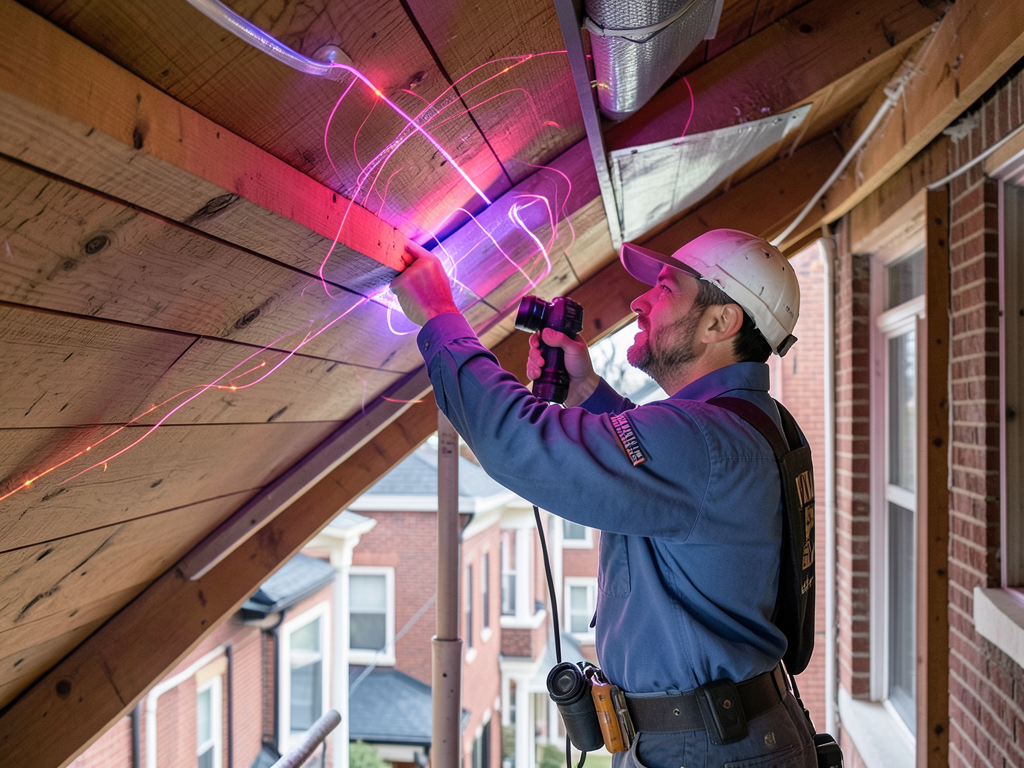
We inspect your existing roof structure, measure square footage, and identify penetrations that need custom flashing. Our team photographs problem areas and uses infrared scanning to find hidden moisture in the existing roof deck. You receive a detailed scope of work that outlines membrane specifications, insulation requirements, and projected installation timeline. This assessment typically takes two to four hours depending on building size.
02

Membrane Installation

We coordinate with your operations team to minimize disruption. The crew arrives before your business opens, removes old roofing material, repairs deck damage, and rolls out synthetic rubber roofing in sections. Heat welding creates permanent seams that will not separate under thermal stress. We install all flashing, termination bars, and penetration boots during this phase. Most commercial buildings in Philadelphia take three to seven days for complete EPDM installation.
03

System Verification

After installation, we flood test the entire roof surface to verify waterproof integrity. Our team inspects every seam, checks flashing details, and confirms proper drainage flow. You receive documentation that includes membrane warranty information, maintenance guidelines, and a roof asset file with installation photos. This verification process ensures your commercial EPDM roof system will protect your operations for the next 20 to 30 years.

Why Philadelphia Businesses Choose Atlas Roofing Philadelphia for EPDM Systems

Philadelphia's commercial building codes require specific wind uplift ratings and fire resistance classifications. We know these requirements because we work with them daily. A warehouse in the Navy Yard faces different wind loads than an office building in University City. Our EPDM specifications account for these variables before installation begins.

Philadelphia's Department of Licenses and Inspections requires permits for commercial re-roofing projects. We handle the permit process, coordinate inspections, and ensure your installation meets both city code and manufacturer requirements. You do not waste time navigating bureaucracy while your roof deteriorates.

Atlas Roofing Philadelphia understands the operational constraints of commercial buildings. You cannot shut down production for a week while we install roofing. We schedule work in phases that keep your business running. Night crews, weekend installations, and section-by-section approaches minimize disruption to your daily operations.

We specify the right EPDM thickness for your application. A retail center with minimal roof traffic uses 45-mil membrane. A manufacturing facility with heavy equipment and regular maintenance access needs 60-mil reinforced EPDM. These decisions affect your roof's lifespan and maintenance costs for decades.

Philadelphia's commercial real estate market demands documented building improvements. When you sell or lease your property, a professionally installed commercial EPDM roof system with proper documentation increases property value. We provide roof asset files that include installation photos, material specifications, and warranty information that satisfies due diligence requirements.

You need a roofing contractor who understands business continuity. Roof failure means lost revenue, damaged inventory, and potential liability. We install single-ply rubber membrane systems that protect your operations through Philadelphia's harshest weather.

What Your Commercial EPDM Installation Includes

Project Timeline and Coordination

Commercial installations require precise scheduling to minimize operational impact. We provide a detailed timeline before work begins, coordinate with your facility management team, and adjust our schedule around your business needs. Most Philadelphia commercial buildings require three to ten days for complete EPDM installation depending on square footage and complexity. We offer flexible scheduling including night work and weekend installations for facilities that cannot accommodate daytime construction. Our project managers maintain daily communication about progress, weather delays, and completion milestones so you always know your building's status.

Structural and Moisture Assessment

Before installing EPDM roofing membrane, we verify your roof deck can support new materials. Our team uses infrared scanning to identify hidden moisture trapped in existing insulation layers. Wet insulation reduces R-value and accelerates deck deterioration. We core sample suspicious areas to confirm moisture levels and deck condition. This assessment prevents installing new membrane over compromised substrate that would fail prematurely. You receive a written report documenting deck condition, required repairs, and recommended insulation upgrades. This diagnostic process protects your investment by ensuring the new synthetic rubber roofing system has a solid foundation.

Waterproof Integrity and Performance

Your commercial EPDM roof system must perform through Philadelphia's temperature extremes and severe weather. We create watertight seams using heat welding that creates molecular bonds stronger than the membrane itself. Every penetration receives custom flashing that prevents water infiltration at vulnerable connection points. Our installations include proper drainage design using tapered insulation that eliminates standing water. After installation, we flood test critical areas to verify waterproof performance before we leave your building. The result is a single-ply rubber membrane that protects your facility, equipment, and inventory through decades of freeze-thaw cycles and summer heat.

Maintenance Planning and Documentation

EPDM membrane requires minimal maintenance compared to built-up or modified bitumen systems. We provide a maintenance schedule that includes biannual inspections, drain cleaning, and seam verification. These simple tasks extend your roof's service life and prevent small issues from becoming expensive problems. You receive complete documentation including material specifications, installation photos, warranty information, and a roof asset file for your property records. This documentation satisfies insurance requirements, supports property valuations, and simplifies future maintenance planning. We offer maintenance contracts that include scheduled inspections and priority service if issues develop. Proper maintenance keeps your commercial EPDM roof system protecting your operations for 25 to 30 years.

Frequently Asked Questions

You Have Questions,
We Have Answers

What is EPDM rubber roofing? +

EPDM rubber roofing is a synthetic rubber membrane made from ethylene propylene diene monomer. It comes in black or white sheets, typically 45 or 60 mil thick. Commercial properties across Philadelphia use EPDM for flat or low-slope roofs because it resists UV damage, temperature swings, and moisture penetration. The material flexes without cracking during Philadelphia's freeze-thaw cycles. EPDM installs as large sheets with seams sealed using tape or liquid adhesive. It handles ponding water better than many alternatives, which matters for buildings with inadequate drainage. This roofing system delivers reliable performance for warehouses, retail centers, and multi-tenant properties throughout the Philadelphia metro.

What are common problems with EPDM roofs? +

Seam failure causes the majority of EPDM roof problems in Philadelphia commercial buildings. Improper installation or age weakens seam adhesion, allowing water infiltration. Ponding water accelerates membrane degradation if your building has poor drainage or structural settling. Punctures from foot traffic, HVAC maintenance, or debris happen frequently on accessible roofs. Shrinkage occurs as EPDM ages, pulling the membrane away from flashing and perimeter edges. Philadelphia's temperature extremes stress older installations. Flashing failures at penetrations and parapet walls create leak points. Animal damage from raccoons or birds sometimes punctures the membrane. Regular inspections catch these issues before they compromise your building's interior or inventory.

Does EPDM have to be glued down? +

EPDM does not require full adhesion. You have three installation methods for your Philadelphia commercial property. Fully adhered systems bond the entire membrane to the substrate using adhesive, providing maximum wind uplift resistance for taller buildings. Mechanically attached EPDM uses fastening plates and screws through the membrane, then covers seams with cover strips. Ballasted systems lay loose EPDM held down by river rock or pavers, which works only on structurally sound roofs with minimal slope. Your choice depends on building height, wind exposure, and structural capacity. Philadelphia's urban wind patterns and building codes influence which method your contractor recommends for code compliance and performance.

Is EPDM rubber roofing any good? +

EPDM rubber roofing delivers solid performance for commercial applications when installed correctly. It costs less than TPO or PVC while providing 20 to 30 years of service life. The material resists ozone, UV radiation, and chemical exposure common around Philadelphia industrial areas. EPDM handles temperature fluctuations from negative degrees to summer heat without becoming brittle. It requires minimal maintenance compared to built-up roofing systems. The membrane stays flexible, accommodating building movement and thermal expansion. For warehouses, shopping centers, and office buildings across Philadelphia, EPDM offers dependable weather protection at a predictable lifecycle cost. It performs particularly well on roofs with limited traffic and proper drainage systems.

What are the disadvantages of EPDM rubber? +

EPDM's black surface absorbs heat, increasing cooling costs for Philadelphia commercial buildings during summer months. White EPDM costs more but reflects heat better. The membrane is vulnerable to punctures from sharp objects, foot traffic, and equipment installations. Seams represent potential failure points, especially as the roof ages. EPDM offers less aesthetic appeal than other systems if your building has visible roofing. It can shrink over time, stressing seams and flashing connections. The material provides lower wind uplift resistance than mechanically attached single-ply alternatives unless fully adhered. Oil and petroleum-based products can degrade EPDM, requiring careful material selection for maintenance. These factors affect total cost of ownership for your property.

What do you put under EPDM roofing? +

Install rigid insulation boards directly over the roof deck before EPDM installation on your Philadelphia commercial building. Polyisocyanurate or expanded polystyrene insulation provides thermal resistance and creates a smooth substrate. A cover board layer protects the insulation from punctures and distributes loads. Some installations use a slip sheet between insulation and EPDM for mechanically attached systems. The substrate must be clean, dry, and free of sharp protrusions. Proper insulation meets Philadelphia energy codes and reduces HVAC costs. Tapered insulation systems create positive drainage toward roof drains, preventing ponding water that shortens membrane life. Your insulation configuration affects both roof performance and building operating costs.

Why do insurance companies not like flat roofs? +

Insurance companies view flat roofs as higher risk because water pools rather than sheds quickly. Ponding water accelerates membrane degradation and increases leak probability. Flat roofs on Philadelphia commercial buildings suffer more weather-related damage claims than pitched roofs. Snow and ice accumulation creates structural load concerns during winter storms. Drainage systems can clog, causing water backup and interior damage to inventory or equipment. Flat roofs require more frequent maintenance and inspections to prevent failures. Insurance underwriters factor this claim history into premium calculations. Some carriers require higher deductibles or exclude certain perils for flat-roofed properties. Proper maintenance documentation and regular professional inspections can help negotiate better coverage terms for your building.

What is the life expectancy of an EPDM roof? +

EPDM roofs last 20 to 30 years on Philadelphia commercial properties with proper installation and maintenance. Climate factors affect lifespan. Philadelphia's freeze-thaw cycles, summer heat, and UV exposure stress the membrane over time. Installation quality significantly impacts longevity. Fully adhered systems typically outlast ballasted installations. Regular inspections and prompt repairs extend service life by addressing small issues before they become major failures. Ponding water, foot traffic, and deferred maintenance shorten lifespan. The membrane thickness matters. Thicker 60 mil EPDM outlasts 45 mil material. Your building's specific conditions, maintenance budget, and roof accessibility all influence actual performance duration. Plan replacement reserves accordingly for your facility's capital budget.

Can EPDM be installed directly on plywood? +

EPDM can install directly on plywood if the substrate meets specific conditions. The plywood must be exterior grade, properly fastened, and completely dry. Any gaps or joints require treatment to create a smooth surface. Most commercial installations in Philadelphia place rigid insulation over plywood before EPDM installation for energy efficiency and substrate protection. This approach meets building code thermal requirements. The plywood must support your chosen attachment method, whether fully adhered, mechanically fastened, or ballasted. Inspect for rot, delamination, or structural damage before installation. Direct-to-deck applications save costs but sacrifice insulation value. Your building's age, deck condition, and energy performance requirements determine if this approach works for your project.

Can I install EPDM myself? +

Do not install EPDM yourself on commercial properties in Philadelphia. Building codes require licensed contractors for commercial roofing work. Professional installation ensures proper substrate preparation, correct adhesive application, and watertight seam construction. Contractors carry liability insurance protecting your business from installation defects. They understand local code requirements, permit processes, and inspection protocols. Improper installation voids material warranties and creates liability exposure if leaks damage tenant spaces or inventory. Commercial EPDM installation requires specialized tools, safety equipment, and crew coordination. Philadelphia's inspection requirements and potential warranty claims make professional installation necessary. Your property insurance may exclude coverage for owner-installed roofing systems. Hire qualified contractors to protect your investment and minimize business risk.

How Philadelphia's Freeze-Thaw Cycles Impact Commercial EPDM Roofing Performance

Philadelphia experiences 30 to 40 freeze-thaw cycles each winter. When temperatures fluctuate above and below 32°F repeatedly, water trapped in roofing materials expands when it freezes, then contracts when it thaws. This cycle destroys rigid roofing materials and opens seams in inferior installations. Commercial EPDM roof systems resist this damage because ethylene propylene diene monomer roofing maintains flexibility across a temperature range from -40°F to 300°F. The synthetic rubber roofing flexes with thermal movement instead of cracking. This characteristic makes single-ply rubber membrane the optimal choice for Philadelphia's flat commercial roofs where water cannot drain quickly and sits on the surface through freeze-thaw cycles.

Philadelphia's commercial districts along the Delaware River waterfront and in South Philadelphia's industrial zones feature buildings constructed between 1940 and 1980. These structures were built with minimal roof slope and often have outdated drainage systems. Atlas Roofing Philadelphia understands these legacy buildings and how to retrofit modern EPDM roofing membrane systems onto older roof decks. We work within Philadelphia's historic district regulations when required and coordinate with the city's building inspection process to ensure your installation meets current commercial building codes. Local expertise matters when your business depends on a roof that protects operations through Philadelphia's harshest weather.
Roofing Services in The Philadelphia Area

Atlas Roofing proudly serves the entire Philadelphia area, including all surrounding counties. We invite you to view our service area on the map to confirm we cover your neighborhood. As your trusted local roofing contractor, we are always ready to deploy our expert teams promptly to your home or business, ensuring you receive the high-quality, professional service you deserve, exactly when you need it.

Address:
Atlas Roofing Philadelphia, 100 N 18th St, Philadelphia, PA, 19103

Additional Services We Offer

Our news updates

Latest Articles & News from The Blogs

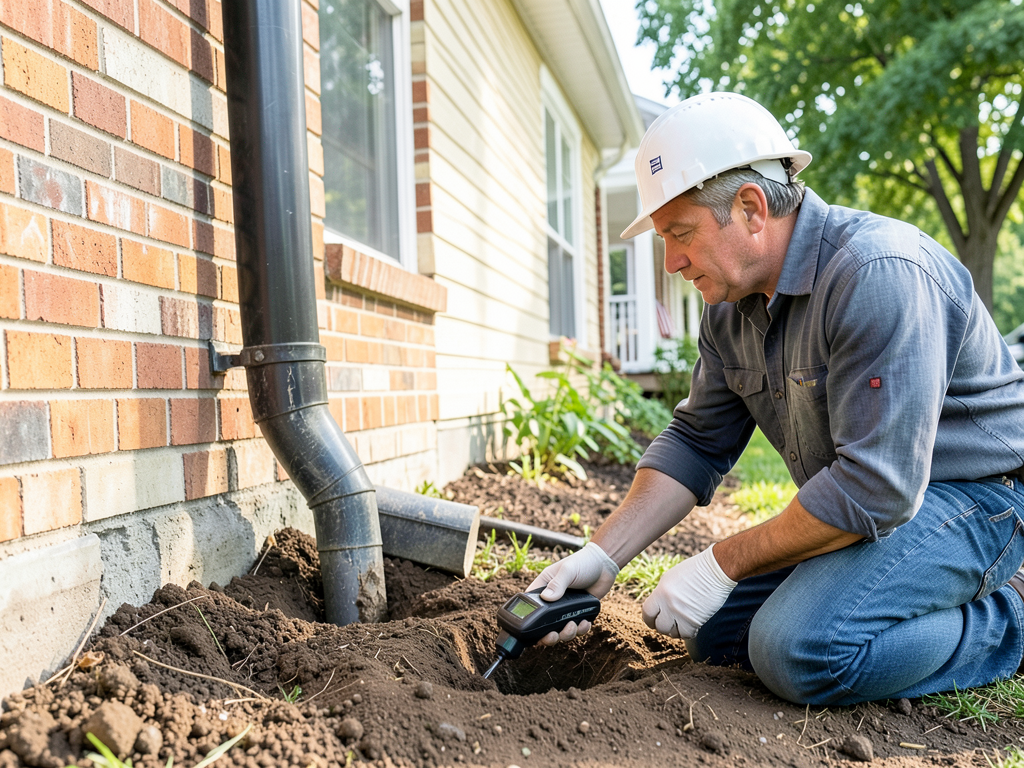
The Best Way to Handle Downspout Runoff in Narrow Manayunk Alleyways Water pouring off your roof into the narrow alleyway…

The Best Way to Handle Downspout Runoff in Narrow Manayunk Alleyways

The Best Way to Handle Downspout Runoff in Narrow Manayunk Alleyways Water pouring off your roof into the narrow alleyway…

Finding the Leak in Your Complicated Tudor Roof in West Mt. Airy

Finding the Leak in Your Complicated Tudor Roof in West Mt. Airy Water dripping from your ceiling during a storm…

Why Ridge Vents Alone Might Not Be Enough for Your Hot Attic in Wynnefield

Why Ridge Vents Alone Might Not Be Enough for Your Hot Attic in Wynnefield Your attic feels like an oven…

Contact Us

Your commercial building needs a roof that handles Philadelphia's weather without disrupting operations. Call Atlas Roofing Philadelphia at (267) 344-1222 for a structural assessment and installation timeline. We install EPDM systems that protect your business for decades.