




menu

Sagging Roof Deck in Philadelphia – Expert Structural Diagnosis Before Total Failure

Atlas Roofing Philadelphia identifies the root cause of bowing roof sheathing, warped roof plywood, and deflected roof decking before your ceiling collapses, your insulation gets soaked, or your home loses resale value.

Slider Image 1
Slider Image 2
Slider Image 3
Slider Image 4
Slider Image 5
Slider Image 7
Slider Image 8
Slider Image 9
Slider Image 10
Slider Image 11

Why Philadelphia Roofs Bow, Warp, and Sag Between the Rafters

You walk into your attic and see sunken roof boards. Or you notice a dip in your roofline from the street. That dipping roof decking is not cosmetic. It means the plywood or OSB sheathing between your rafters has lost structural integrity.

Philadelphia's freeze-thaw cycles are brutal on roof decks. Water gets under shingles during winter storms, seeps into the wood, freezes, expands, and weakens the fibers. When spring humidity hits, that same plywood stays damp because older roofs lack proper ventilation. The wood swells, warps, and eventually sags under its own weight.

Bowing roof sheathing also happens when roofers use undersized plywood during installation. Philadelphia building codes require specific thicknesses based on rafter spacing, but shortcuts during renovations in older neighborhoods like Fishtown, Kensington, and South Philly leave homes with deflected roof sheathing that was never strong enough to begin with.

Another common cause is roof leak neglect. A small flashing failure around a chimney or skylight lets water pool on the decking for months. The plywood delaminates, loses its lamination bond, and turns spongy. You end up with warped roof plywood that cannot hold fasteners, which means your shingles start lifting even if the surface looks fine.

If you see a visible sag, hear cracking sounds when you walk in the attic, or notice water stains on your ceiling drywall, your roof deck is compromised. Waiting turns a sheathing replacement into a full structural repair involving rafters, insulation, and drywall.

Why Philadelphia Roofs Bow, Warp, and Sag Between the Rafters
How Atlas Roofing Philadelphia Repairs Deflected Roof Sheathing Correctly

How Atlas Roofing Philadelphia Repairs Deflected Roof Sheathing Correctly

Most roofers will tear off your shingles, look at the decking, and say you need full replacement. That is often true, but not always. Atlas Roofing Philadelphia performs a structural load assessment before we pull a single nail. We measure deflection angles, check rafter spacing, and probe the wood with a moisture meter to map the damage zone.

If the warped roof plywood is localized, we sister new rafters alongside the existing framing to restore load-bearing capacity. Then we remove only the compromised sheets and install CDX plywood rated for your specific span. We do not use OSB in high-moisture areas like valleys or eaves because it swells faster than plywood when wet.

For older homes with skip sheathing (board decking common in pre-1950s construction), we overlay the existing boards with a continuous plywood layer. This technique preserves the original framing, meets modern code, and eliminates the gaps that cause uneven shingle laying.

We also address the root cause. If poor ventilation caused the bowing roof sheathing, we install ridge vents and soffit baffles to create a thermal break. If a leak caused it, we replace the flashing and inspect the underlayment. If it was installation error, we re-fasten the entire deck with ring-shank nails spaced per manufacturer spec.

Philadelphia's roofing permits require an inspection for any structural decking work. Atlas Roofing Philadelphia pulls the permits, schedules the inspector, and ensures the repair meets the International Residential Code standards that the city enforces. No shortcuts, no hidden rot left behind.

What Happens During a Roof Deck Repair in Philadelphia

Sagging Roof Deck in Philadelphia – Expert Structural Diagnosis Before Total Failure
01

Attic and Surface Inspection

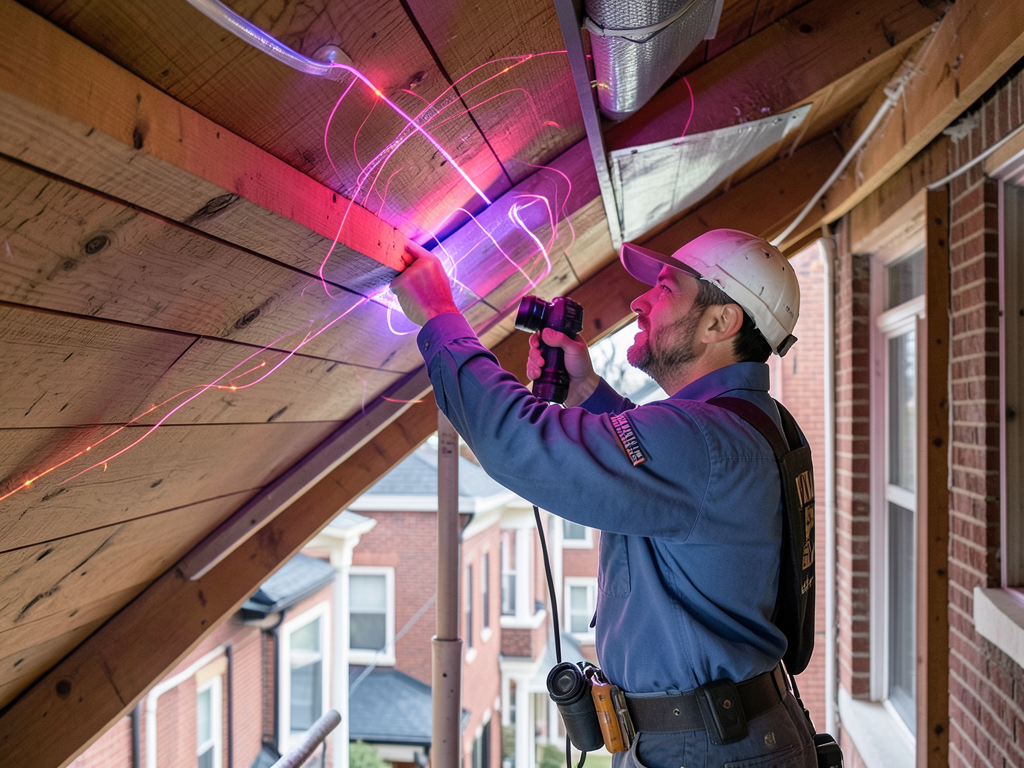
We start inside your attic with a thermal camera and moisture meter. This reveals hidden water damage, insulation gaps, and ventilation failures that caused the deflected roof sheathing. From the exterior, we photograph the sag lines, measure the dip depth, and check for shingle buckling. You get a written report with photos before we touch a tool.
02

Selective Decking Removal

After stripping shingles and underlayment, we remove only the warped roof plywood sections. Healthy decking stays in place. If rafters show rot or splitting, we sister new lumber alongside them using construction adhesive and galvanized bolts. We install new CDX plywood with staggered seams and H-clips to prevent future deflection between rafters.
03

Ventilation and Weatherproofing

Before re-roofing, we install or upgrade ridge vents, soffit intake vents, and attic baffles. This airflow prevents future moisture buildup that causes sunken roof boards. We apply synthetic underlayment, seal all penetrations, and install drip edge. The final shingle installation follows manufacturer nailing patterns to ensure the deck stays flat and stable for decades.

Why Philadelphia Homeowners Trust Atlas Roofing for Structural Roof Repairs

Structural roof repairs require more than a new shingle layer. They require understanding how Philadelphia's housing stock is built. Atlas Roofing Philadelphia has worked on over a thousand roofs across Manayunk, Roxborough, Center City, and the Northeast. We know the difference between a 1920s rowhouse with board sheathing and a 1980s twin with plywood decking.

We also know Philadelphia's permit process. The Department of Licenses and Inspections requires a building permit for structural work, and inspectors want to see engineered solutions when you replace more than 25 percent of your decking. Atlas Roofing Philadelphia designs repairs that pass inspection the first time. We provide stamped drawings when needed and coordinate the site visit so you are not left with an open roof waiting for approval.

Our crews are trained to spot secondary damage that other roofers miss. Bowing roof sheathing often means your fascia boards are rotted, your soffit vents are clogged, or your attic insulation is compressed and wet. We flag these issues during the estimate so you can decide whether to fix them now or later. No surprise change orders after we open the roof.

We also understand Philadelphia weather windows. Summer thunderstorms and winter nor'easters mean we tarp aggressively and stage materials under cover. If rain is forecast mid-project, we do not strip more decking than we can weatherproof in a day. That level of planning prevents water damage to your ceilings and keeps your project on schedule even when the weather does not cooperate.

What You Can Expect During Your Roof Deck Repair

Timeline and Project Duration

A typical sagging roof deck repair takes three to five days depending on the extent of damage and weather conditions. Day one is tear-off and assessment. Days two and three are framing repairs and decking replacement. Day four is underlayment and shingle installation. Day five is cleanup and final inspection. If we discover hidden rot or need a permit inspection, we schedule those mid-project so there is no delay. You get a day-by-day schedule before we start so you know exactly when your roof will be watertight again.

The Structural Assessment Process

Before we quote a price, we perform a attic inspection and exterior evaluation. We measure rafter spacing, check for truss uplift, probe the decking for soft spots, and photograph every problem area. You receive a written assessment that explains whether the issue is localized warping or widespread failure. We also identify the cause, whether it is a ventilation problem, a leak, or original construction defects. This diagnostic phase takes about an hour and ensures the repair solves the root problem instead of just covering up symptoms.

Quality of Materials and Installation

Atlas Roofing Philadelphia uses CDX plywood rated for exterior exposure, not OSB, because plywood holds up better in moisture-prone areas like Philadelphia. We install it with ring-shank nails spaced every six inches at the edges and twelve inches in the field. H-clips go between every sheet to prevent deflection. If your rafters are spaced wider than code allows, we add blocking or reduce the span. The result is a deck that feels solid when you walk on it and stays flat under snow load and wind uplift.

Post-Repair Monitoring and Maintenance

After installation, we provide a maintenance checklist that covers attic ventilation checks, gutter cleaning schedules, and flashing inspections. You should walk your attic twice a year to look for new moisture stains or soft spots. We also recommend a professional roof inspection every three years to catch small issues before they turn into structural problems. Atlas Roofing Philadelphia offers a callback service where we return six months after the repair to verify the ventilation is working and the decking remains stable. This follow-up is included in your project cost.

Frequently Asked Questions

You Have Questions,
We Have Answers

What is a sagging roof deck? +

A sagging roof deck is when the wooden sheathing beneath your shingles dips or bows downward between the rafters. In Philadelphia, freeze-thaw cycles and high humidity accelerate wood rot and weakening. You will see visible depressions from the ground or attic side. The deck supports your entire roof system, so sagging signals structural failure from water infiltration, undersized framing, or age.Rowhouse roofs in older neighborhoods often experience this due to original undersized rafters. If you spot sagging, get an inspection fast. The deck can collapse under snow load.

How much roof sagging is acceptable? +

Zero sagging is acceptable. Your roof deck should be flat and firm between rafters. Even minor dips indicate structural compromise. Philadelphia homes face heavy snow loads and summer storms that worsen weak decking. A sag means the plywood or planks are failing. Water likely penetrated the underlayment, causing rot or delamination. Some homeowners mistake slight waviness for normal settling, but that is wrong. Any visible depression from the street or attic demands immediate attention. Ignoring it risks shingle failure, leaks, and eventual collapse during winter snow events.

Can a sagging deck be fixed? +

Yes, but the fix depends on the cause and extent. Minor sagging from isolated rot requires removing shingles, cutting out damaged plywood sections, and sistering new framing. Widespread sagging across multiple bays means replacing entire deck sections or reinforcing rafters from below. Philadelphia rowhomes with shared walls require careful joist work to avoid affecting neighbors. If the framing itself is undersized or rotted, you need structural repairs before new decking goes down. A qualified roofer will assess from the attic and exterior to determine if repair or full replacement makes sense.

Is it expensive to fix a sagging roof? +

Costs vary widely based on damage extent. Fixing a small isolated sag runs a few hundred dollars for plywood replacement. Widespread deck failure across 500 square feet or structural rafter reinforcement gets expensive fast. Philadelphia labor rates and access challenges on narrow rowhome streets add cost. Most sagging involves hidden water damage, so expect additional framing repairs once shingles come off. The longer you wait, the more expensive it gets. Snow and rain accelerate rot. Get multiple written estimates that include deck inspection, not just shingle quotes.

Does homeowners insurance cover a sagging roof? +

Rarely. Homeowners insurance covers sudden damage like storm wind lifting shingles and exposing the deck to rain. Gradual sagging from age, deferred maintenance, or slow leaks gets denied as wear and tear. If a recent storm caused obvious damage that led to deck failure, document it immediately and file fast. Philadelphia insurers scrutinize roof claims closely due to frequent hail and wind events. Get an independent inspection report showing storm causation before filing. If the adjuster sees years of neglect or missing shingles, expect denial.

How much does it cost to lift a roof? +

Lifting a sagging roof involves jacking up settled rafters, sistering new framing, and replacing damaged decking. Costs depend on access, span, and structural damage severity. Philadelphia rowhomes with shared party walls complicate jacking because you cannot disturb adjoining structures. Most roofers avoid this work unless combined with full replacement. Expect engineering involvement if the sag exceeds a few inches or spans multiple bays. Labor-intensive projects like this require scaffolding on narrow city streets, driving up expense. Get a structural assessment before any work starts.

How to tell if a roofer is lying? +

Ask for attic and exterior inspection access before any estimate. Honest roofers show you the damage with photos and explain the scope clearly. Liars quote from the ground, skip attic checks, and push unnecessary full replacements when spot repairs work. In Philadelphia, watch for storm chasers after severe weather who claim widespread damage without proof. Demand written reports detailing deck condition, framing integrity, and moisture intrusion. Compare multiple estimates. If one quote is double the others with vague explanations, walk away. Check licensing and references.

What is the most expensive part of replacing a roof? +

Deck replacement is the most expensive part if the sheathing failed. Ripping off shingles, tearing out rotted plywood, sistering rafters, and installing new decking is labor-intensive. Philadelphia rowhomes with tight access and disposal logistics add cost. Quality plywood or OSB is not cheap, and you need proper fastening to code. If your estimate shows minimal decking work but the roof sags, question the scope. Many contractors lowball deck repairs to win bids, then hit you with change orders once they expose hidden rot.

How to tell if a roof is about to collapse? +

Warning signs include visible sagging from the street, cracked or split rafters in the attic, and daylight showing through gaps. Inside, look for ceiling cracks, water stains spreading fast, or doors sticking due to framing shifts. Philadelphia snow loads can trigger sudden failure if the deck is compromised. If you hear cracking sounds during storms or see new dips after heavy snow, evacuate and call a structural engineer immediately. Collapse happens fast once critical support fails. Do not enter the attic if you suspect imminent failure.

How much does it cost to fix a sagging deck? +

Fixing a sagging deck ranges from a few hundred dollars for small plywood patches to several thousand for widespread replacement with framing repairs. Philadelphia rowhome access and disposal fees increase costs. The price depends on square footage affected, rafter condition, and whether structural reinforcement is needed. Most sagging involves hidden rot, so initial estimates often climb once shingles come off. Get written quotes that include attic inspection and specify deck replacement per square foot. Cheap bids that skip deck work leave you with recurring leaks and future collapse risk.

How Philadelphia's Row House Design Accelerates Roof Deck Failure

Philadelphia's row house architecture creates a unique problem for roof decks. Shared party walls mean your attic ventilation depends on your neighbors' roofs. If the house next door has blocked soffit vents or no ridge vent, hot humid air gets trapped across both attics. This stagnant air accelerates the warping of roof plywood and creates condensation on the underside of the sheathing. In winter, that condensation freezes and delaminates the wood. Atlas Roofing Philadelphia designs ventilation systems that work even when your neighbor's roof is poorly maintained.

Philadelphia also has strict historical district regulations in neighborhoods like Society Hill, Queen Village, and Chestnut Hill. If your home is in a local historic district, you may need approval from the Philadelphia Historical Commission before replacing visible roofline elements like cornices or parapets. Atlas Roofing Philadelphia has worked with the Historical Commission on dozens of projects. We know how to repair sunken roof boards while preserving architectural details, and we handle the paperwork so your project does not stall waiting for committee review.
Roofing Services in The Philadelphia Area

Atlas Roofing proudly serves the entire Philadelphia area, including all surrounding counties. We invite you to view our service area on the map to confirm we cover your neighborhood. As your trusted local roofing contractor, we are always ready to deploy our expert teams promptly to your home or business, ensuring you receive the high-quality, professional service you deserve, exactly when you need it.

Address:
Atlas Roofing Philadelphia, 100 N 18th St, Philadelphia, PA, 19103

Additional Services We Offer

Our news updates

Latest Articles & News from The Blogs

The Best Way to Handle Downspout Runoff in Narrow Manayunk Alleyways Water pouring off your roof into the narrow alleyway…

The Best Way to Handle Downspout Runoff in Narrow Manayunk Alleyways

The Best Way to Handle Downspout Runoff in Narrow Manayunk Alleyways Water pouring off your roof into the narrow alleyway…

Finding the Leak in Your Complicated Tudor Roof in West Mt. Airy

Finding the Leak in Your Complicated Tudor Roof in West Mt. Airy Water dripping from your ceiling during a storm…

Why Ridge Vents Alone Might Not Be Enough for Your Hot Attic in Wynnefield

Why Ridge Vents Alone Might Not Be Enough for Your Hot Attic in Wynnefield Your attic feels like an oven…

Contact Us

Do not wait for a ceiling collapse or water damage. Call Atlas Roofing Philadelphia at (267) 344-1222 to schedule a free attic and exterior inspection. We will diagnose the cause of your sagging roof deck and provide a written repair plan within 24 hours.