
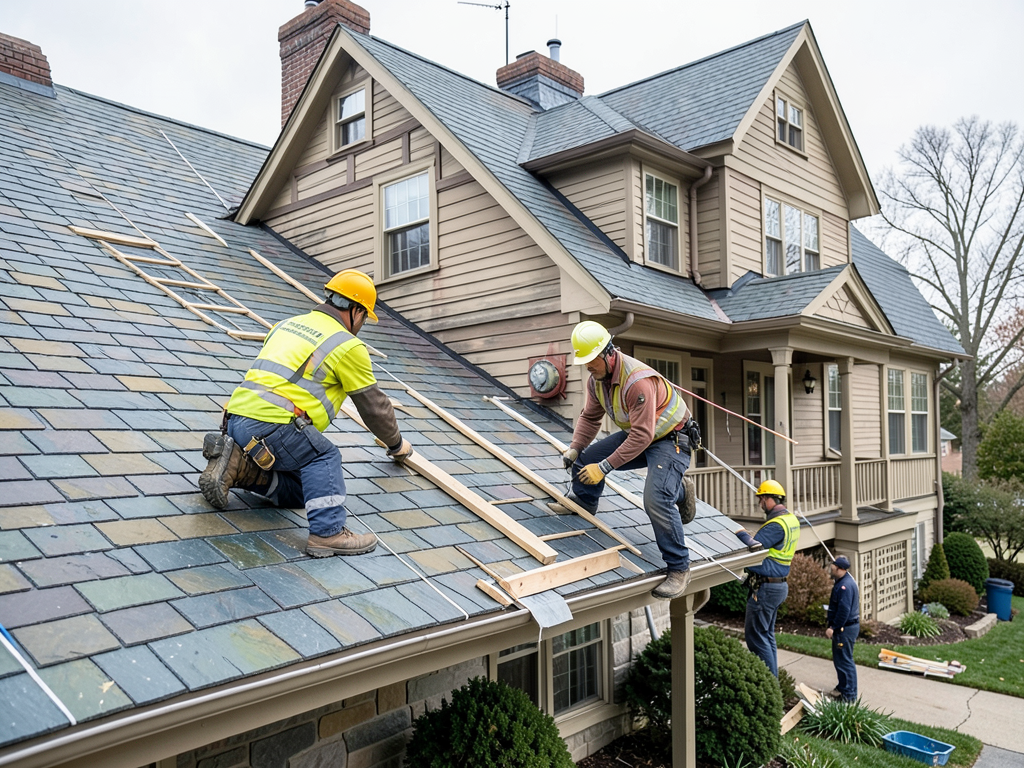
The Best Local Roofing Companies for Luxury Homes on the Main Line
When your home sits on Philadelphia’s Main Line, the stakes for roofing are higher than average. These properties often feature slate, cedar shake, and copper elements that require specialized knowledge. The right contractor understands not just roofing systems, but also the historic preservation guidelines that govern many Main Line townships.. Read more about Professional Cedar Shake Roof Repairs for Properties in Gladwyne and Lower Merion.
Choosing among the best local roofing companies means finding professionals who can navigate the specific challenges of the Main Line’s climate, architectural diversity, and strict building codes. From Bryn Mawr’s Tudor Revival homes to Wayne’s Colonial estates, each property demands a tailored approach to roofing that balances aesthetics with performance.. Read more about Finding a Roofer Who Actually Knows How to Work on Chestnut Hill Slate Roofs.
Main Line homeowners face unique pressures. The region’s freeze-thaw cycles stress roofing materials differently than urban Philadelphia. Ice dam formation on steep-pitched slate roofs can cause thousands in damage if not addressed with proper underlayment and ventilation. Additionally, many homes sit within historic districts where even material choices must receive approval from local preservation boards.
The best roofing companies serving the Main Line understand these nuances. They hold certifications from manufacturers like GAF and CertainTeed, carry Pennsylvania HIC licenses, and maintain comprehensive insurance coverage. More importantly, they have documented experience with the specific roofing systems found throughout Lower Merion, Radnor, and Tredyffrin townships. Lower Merion Township building permit requirements.
Quality roofing on the Main Line isn’t just about preventing leaks. It’s about preserving architectural integrity, enhancing property value, and ensuring your home can withstand the region’s severe weather patterns. Whether you need emergency storm damage repair or a complete slate roof replacement, the right contractor makes all the difference.. Read more about Adding Value to Your Main Line Home with Custom Copper Roofing Accents.
Understanding Main Line Roofing Challenges
The Main Line’s geography creates specific roofing problems that generic contractors often miss. The area’s elevation changes mean wind patterns vary significantly between neighborhoods. Properties near the Schuylkill River face different moisture challenges than those in the higher elevations of Radnor.
Ice dam formation represents one of the most costly issues for Main Line homeowners. When snow melts on warm roof surfaces and refreezes at the eaves, it creates barriers that force water under shingles. This process damages not just the roof but also walls, ceilings, and insulation. The problem intensifies on homes with complex rooflines common in older Main Line architecture.
Material selection becomes critical when dealing with these conditions. Natural slate, while beautiful and durable, requires specific installation techniques to prevent cracking from thermal expansion. Cedar shake demands regular maintenance to prevent moss growth in the humid Pennsylvania climate. Even asphalt shingles need higher wind ratings for properties on exposed hilltops.
The diagnostic process for Main Line roofs often reveals hidden issues. A technician might use infrared scanning to detect moisture trapped beneath slate tiles or perform core sampling to assess the condition of underlying wood decking. These tests help determine whether a roof needs repair or complete replacement.
Understanding these challenges helps homeowners ask the right questions when selecting a roofing contractor. The best companies provide detailed assessments that explain not just what needs fixing, but why it matters for your specific property and location.
Comparing Roofing Materials for Main Line Luxury Homes
Material selection significantly impacts both the performance and appearance of your roof. Each option offers different benefits for Main Line’s climate and architectural styles.
| Material | Lifespan | Main Line Suitability | Cost Range |
|---|---|---|---|
| Natural Slate | 75-100 years | Excellent for historic districts | $20-$30 per square foot |
| Cedar Shake | 30-40 years | Good for Colonial/Tudor styles | $10-$15 per square foot |
| Architectural Asphalt | 25-30 years | Versatile for modern homes | $5-$8 per square foot |
| Standing Seam Metal | 40-60 years | Excellent for severe weather | $12-$20 per square foot |
Natural slate remains the gold standard for Main Line luxury homes, particularly those in historic districts. Its 100-year lifespan means many homes still have original slate that requires specialized repair rather than replacement. The material’s weight demands proper structural assessment before installation.
Cedar shake offers a warmer aesthetic that complements many Main Line architectural styles. However, the material requires regular treatment to prevent rot and insect damage. In Pennsylvania’s humid climate, untreated cedar can fail within 15 years instead of the expected 30-40.
Architectural asphalt shingles have evolved significantly. Modern options include impact-resistant varieties that withstand hail and high winds. For homes where slate or cedar would be cost-prohibitive, these provide excellent protection with lower upfront investment.
Standing seam metal roofing works well for contemporary Main Line homes or additions to historic properties. The material reflects heat effectively, reducing cooling costs in summer. Its interlocking panels resist wind uplift better than traditional shingles.
The best roofing companies help homeowners match materials to their specific needs, considering factors like roof pitch, architectural style, and long-term maintenance requirements.
Main Line Township Building Code Requirements
Each Main Line township enforces different building codes that affect roofing projects. Understanding these requirements prevents costly delays and ensures compliance.
Lower Merion Township requires permits for all roofing work exceeding 100 square feet. The township mandates ice and water shield installation along all eaves where annual snowfall exceeds 20 inches. This requirement aligns with International Building Code Section 1507.2.8 for ice barrier underlayment. International Residential Code ventilation requirements.
Radnor Township enforces stricter historic district guidelines. Any roofing work in these areas requires approval from the Historic Architectural Review Board. The board reviews material samples, color choices, and installation methods to ensure they match original construction techniques.
Tredyffrin Township requires specific ventilation calculations based on roof area and attic space. The township follows the International Residential Code’s 1/300 ventilation ratio, meaning one square foot of net free ventilation area per 300 square feet of attic floor space.
Haverford Township mandates that all roofing contractors carry Pennsylvania HIC licenses and provide proof of liability insurance before pulling permits. The township also requires documentation of manufacturer certifications for any specialty roofing systems like slate or copper.
Delaware County, which includes parts of the Main Line, enforces additional stormwater management requirements. New roofing installations must demonstrate how they’ll manage increased runoff, often requiring upgraded gutter systems or rain barrels.
Working with contractors familiar with these specific requirements streamlines the permitting process. They understand which townships require engineering drawings, when historic preservation reviews are necessary, and how to navigate the approval process efficiently.
Emergency Roofing Services for Main Line Properties
Severe weather can strike the Main Line suddenly, creating urgent roofing emergencies. High winds tear off shingles, hail damages slate tiles, and fallen trees puncture roofs. When these events occur, response time becomes critical.
The diagnostic process for emergency damage starts with a thorough exterior inspection. Technicians look for missing shingles, dented metal, cracked slate, and damaged flashing. They also check for signs of impact damage from hail, which often appears as circular bruises on shingles or chipped slate edges.
Interior inspection reveals the extent of water intrusion. Technicians use moisture meters to detect damp areas in ceilings and walls. They look for water stains, peeling paint, and mold growth that indicate ongoing leaks. Thermal imaging cameras help identify temperature variations that suggest moisture presence.
Temporary protection prevents further damage while permanent repairs are arranged. This might involve installing tarps, sealing exposed areas with roofing cement, or placing plywood over damaged sections. The goal is to create a watertight barrier until comprehensive repairs can begin.
Insurance documentation becomes crucial for storm damage claims. Reputable roofing companies provide detailed damage assessments with photographs, measurements, and repair estimates. They understand insurance company requirements and can help homeowners navigate the claims process.
Response time matters significantly for emergency repairs. Within 24-48 hours, water damage can spread to insulation, drywall, and structural elements. Mold can begin growing within 72 hours in warm conditions. Quick action minimizes both repair costs and health risks.
Historic Preservation and Roofing on the Main Line
Many Main Line homes fall within historic districts governed by strict preservation guidelines. These regulations affect everything from material selection to installation techniques.
The Philadelphia Historical Commission, which oversees some Main Line properties, requires that roofing replacements maintain original material profiles. This means using slate of the same thickness, size, and color as the original installation. Modern alternatives like synthetic slate often require special approval.
Installation methods must also comply with historic standards. Traditional slate roofs use copper nails and specific overlapping patterns that have proven effective for over a century. Modern pneumatic nailers might be prohibited in favor of hand-nailing techniques that minimize damage to brittle slate.
Color matching presents another challenge. Historic districts often require that replacement materials match existing colors exactly. This can be difficult when original materials have weathered over decades. Some districts maintain approved color palettes that limit options for homeowners.
Structural considerations become critical when working on historic properties. Original roof framing might not meet modern load requirements for heavy materials like slate. Engineers must assess whether reinforcement is needed before installation can proceed.
Documentation requirements are extensive for historic projects. Contractors must provide material certifications, installation method descriptions, and sometimes even submit sample installations for review before beginning full-scale work.
The best roofing companies for historic Main Line homes employ specialists who understand these requirements. They maintain relationships with preservation boards and can guide homeowners through the approval process efficiently.
Choosing the Right Roofing Contractor for Your Main Line Home
Selecting a roofing contractor for your Main Line property requires careful evaluation. The stakes are high when dealing with luxury homes that often feature historic elements and expensive materials.
Certifications provide a starting point for evaluation. Look for GAF Master Elite certification, CertainTeed Select ShingleMaster status, or similar manufacturer credentials. These indicate advanced training and often come with extended warranty options.
Pennsylvania HIC licensing is mandatory for all roofing contractors. Verify license numbers through the state’s licensing board. Also confirm that contractors carry comprehensive liability insurance and workers’ compensation coverage.
Experience with your specific roof type matters significantly. A contractor who excels at asphalt shingle installation might lack the expertise needed for slate repair. Ask for examples of similar projects and check references from homeowners with comparable properties.
Local knowledge provides another crucial advantage. Contractors familiar with Main Line townships understand specific permitting requirements, historic district guidelines, and common weather patterns. They can anticipate challenges and plan accordingly.
Detailed proposals reveal a contractor’s thoroughness. Quality proposals include material specifications, installation methods, project timelines, and warranty information. They should also address how the contractor will protect landscaping and manage debris removal.
Communication style indicates how smoothly the project will proceed. The best contractors explain technical concepts clearly, respond promptly to questions, and provide regular progress updates. They should also be willing to discuss alternatives and explain their recommendations.
Price shouldn’t be the primary deciding factor. The cheapest option often cuts corners on materials or installation quality. Instead, focus on value by comparing the comprehensive scope of work, material quality, and contractor qualifications.
Roof Maintenance Strategies for Main Line Homeowners
Regular maintenance extends roof life and prevents costly repairs. For Main Line properties, this means addressing both seasonal challenges and material-specific needs.
Spring maintenance should include removing debris from valleys and gutters. Winter storms often deposit leaves, branches, and other materials that trap moisture against roofing surfaces. This debris creates ideal conditions for moss and algae growth.
Summer inspections focus on ventilation and moisture issues. Heat buildup in attics can damage roofing materials from below. Check that soffit vents are clear and that ridge vents function properly. Also look for signs of animal intrusion, particularly in cedar shake roofs.
Fall preparation involves clearing gutters and downspouts before winter storms arrive. Ensure that all drainage systems direct water away from the foundation. Check flashing around chimneys, skylights, and other roof penetrations for signs of deterioration.
Winter requires monitoring for ice dam formation. After significant snowfall, check attic spaces for signs of water intrusion. Consider installing heat cables in problem areas if ice dams have been an issue in the past.
Material-specific maintenance varies by roof type. Slate roofs need periodic inspection for cracked or missing tiles. Cedar shake requires treatment every 3-5 years to maintain water resistance. Even asphalt shingles benefit from algae-resistant treatments in shaded areas.
Professional inspections every 2-3 years catch problems early. Technicians can identify loose flashing, deteriorating underlayment, or ventilation issues before they cause significant damage. These inspections become particularly important for roofs over 15 years old.
Documentation helps track maintenance history and identify recurring issues. Keep records of inspections, repairs, and material replacements. This information proves valuable when selling your home or filing insurance claims.
Cost Factors for Roofing Projects on the Main Line
Roofing costs on the Main Line reflect both material quality and the complexity of working in established neighborhoods. Several factors influence final pricing.
Material selection represents the largest cost variable. Natural slate costs $20-$30 per square foot installed, while premium architectural asphalt runs $5-$8 per square foot. The price difference reflects not just material costs but also installation complexity and lifespan expectations.
Roof accessibility affects labor costs significantly. Properties with steep pitches, multiple stories, or limited equipment access require more time and specialized equipment. Historic districts might restrict when work can occur, extending project timelines and labor costs.
Underlayment and flashing quality impact both initial costs and long-term performance. Premium synthetic underlayment costs more than traditional felt but provides better moisture protection and durability. Similarly, copper flashing costs more upfront but lasts longer than aluminum alternatives.
Permit fees vary by township. Lower Merion charges based on project scope, while Radnor includes historic review fees for properties in designated districts. These fees typically range from $200 to $1,000 depending on complexity.
Removal and disposal costs depend on existing roof conditions. Multiple layers of old roofing require additional labor to remove. Some materials, like asbestos-containing products in very old homes, require special handling and disposal procedures.
Warranty options affect both upfront costs and long-term value. Extended warranties from manufacturers like GAF or CertainTeed often require certified installation and specific underlayment systems. While these increase initial costs, they provide protection against material defects.
Financing options help manage large roofing investments. Many contractors offer payment plans or can connect homeowners with renovation loans. Some utility companies provide rebates for energy-efficient roofing materials that improve home insulation.
Frequently Asked Questions
How long does a typical roof replacement take on the Main Line?
Most residential roof replacements take 2-5 days depending on size, complexity, and weather conditions. Historic properties or those requiring special materials might take longer due to additional preparation or approval requirements.
Do I need permits for roof repairs in Lower Merion Township?
Permits are required for most roofing work in Lower Merion, including repairs exceeding 100 square feet. The township requires detailed plans showing materials, installation methods, and compliance with local building codes.
What’s the best roofing material for historic Main Line homes?
Natural slate typically provides the best match for historic homes, particularly those built before 1940. The material’s longevity and traditional appearance align with preservation goals, though it requires specialized installation expertise.
How can I tell if my roof needs replacement or just repairs?
Age, damage extent, and material condition determine whether repair or replacement makes sense. Roofs over 20 years old with widespread issues usually need replacement. Professional inspections can assess whether localized repairs will provide adequate protection.
Are there energy-efficient roofing options for Main Line homes?
Yes, several options improve energy efficiency. Cool roof shingles reflect more sunlight, while proper ventilation reduces heat buildup. Metal roofing provides excellent thermal performance, and some materials qualify for energy efficiency tax credits.
Protecting Your Main Line Investment
Your Main Line home represents a significant investment that deserves quality roofing protection. The right contractor combines technical expertise with local knowledge to deliver results that enhance both performance and property value.
Quality roofing does more than prevent leaks. It preserves architectural character, improves energy efficiency, and provides peace of mind during severe weather. For luxury properties, these benefits justify the investment in premium materials and experienced contractors.
The Main Line’s unique combination of historic architecture, variable climate, and strict building codes demands specialized roofing expertise. Contractors who understand these factors can navigate challenges efficiently while delivering superior results.
Don’t wait for emergency situations to find your roofing partner. Establish relationships with qualified contractors before problems arise. Regular inspections and maintenance prevent minor issues from becoming major expenses.
Ready to protect your Main Line home with quality roofing? Call (267) 344-1222 today to schedule your free inspection. Our specialists understand the unique requirements of Main Line properties and provide detailed assessments that help you make informed decisions about your roofing investment.
Conclusion
Finding the best local roofing companies for luxury homes on the Main Line requires understanding the unique challenges these properties face. From historic preservation requirements to severe weather patterns, Main Line roofing demands specialized expertise that generic contractors often lack.
The right roofing partner combines technical certifications, local experience, and a commitment to quality that matches the standards of Main Line homeowners. Whether you need emergency repairs, historic restoration, or a complete roof replacement, choosing a contractor familiar with your specific township’s requirements ensures smooth project completion.
Don’t let roofing problems compromise your home’s value or your family’s comfort. Take action today by calling (267) 344-1222 for a comprehensive roof inspection. Our team understands Main Line roofing from every angle and provides solutions that protect your investment for decades to come.
Pick up the phone and call (267) 344-1222 before the next storm hits. Your Main Line home deserves roofing expertise that matches its quality and value.
{
“@context”: “https://schema.org”,
“@type”: “BlogPosting”,
“headline”: “The Best Local Roofing Companies for Luxury Homes on the Main Line”,
“description”: “Find trusted Main Line roofing experts for luxury homes. Compare materials, services, and local expertise. Call (267) 344-1222 for a free inspection.”,
“wordCount”: 2905,
“datePublished”: “2026-02-19T12:02:00.000Z”,
“dateModified”: “2026-02-19T12:02:00.000Z”,
“inLanguage”: “en-US”,
“mainEntityOfPage”: {
“@type”: “WebPage”,
“@id”: “https://atlasroofingphiladelphia.com”
},
“publisher”: {
“@type”: “LocalBusiness”,
“name”: “Atlas Roofing Philadelphia”,
“url”: “https://atlasroofingphiladelphia.com”
},
“author”: {
“@type”: “Organization”,
“name”: “Atlas Roofing Philadelphia”,
“url”: “https://atlasroofingphiladelphia.com”
},
“image”: {
“@type”: “ImageObject”,
“url”: “https://atlasroofingphiladelphia.com/wp-content/uploads/2026/03/the-best-local-roofing-companies-for-luxury-homes-1.png”
}
}
{
“@context”: “https://schema.org”,
“@type”: “RoofingContractor”,
“name”: “Atlas Roofing Philadelphia”,
“url”: “https://atlasroofingphiladelphia.com”,
“address”: {
“@type”: “PostalAddress”,
“addressLocality”: “Philadelphia”
},
“areaServed”: {
“@type”: “City”,
“name”: “Philadelphia”
}
}
{
“@context”: “https://schema.org”,
“@type”: “FAQPage”,
“mainEntity”: [
{
“@type”: “Question”,
“name”: “How long does a typical roof replacement take on the Main Line?”,
“acceptedAnswer”: {
“@type”: “Answer”,
“text”: “Most residential roof replacements take 2-5 days depending on size, complexity, and weather conditions. Historic properties or those requiring special materials might take longer due to additional preparation or approval requirements.”
}
},
{
“@type”: “Question”,
“name”: “Do I need permits for roof repairs in Lower Merion Township?”,
“acceptedAnswer”: {
“@type”: “Answer”,
“text”: “Permits are required for most roofing work in Lower Merion, including repairs exceeding 100 square feet. The township requires detailed plans showing materials, installation methods, and compliance with local building codes.”
}
},
{
“@type”: “Question”,
“name”: “What’s the best roofing material for historic Main Line homes?”,
“acceptedAnswer”: {
“@type”: “Answer”,
“text”: “Natural slate typically provides the best match for historic homes, particularly those built before 1940. The material’s longevity and traditional appearance align with preservation goals, though it requires specialized installation expertise.”
}
},
{
“@type”: “Question”,
“name”: “How can I tell if my roof needs replacement or just repairs?”,
“acceptedAnswer”: {
“@type”: “Answer”,
“text”: “Age, damage extent, and material condition determine whether repair or replacement makes sense. Roofs over 20 years old with widespread issues usually need replacement. Professional inspections can assess whether localized repairs will provide adequate protection.”
}
},
{
“@type”: “Question”,
“name”: “Are there energy-efficient roofing options for Main Line homes?”,
“acceptedAnswer”: {
“@type”: “Answer”,
“text”: “Yes, several options improve energy efficiency. Cool roof shingles reflect more sunlight, while proper ventilation reduces heat buildup. Metal roofing provides excellent thermal performance, and some materials qualify for energy efficiency tax credits.”
}
}
]
}
{
“@context”: “https://schema.org”,
“@type”: “BreadcrumbList”,
“itemListElement”: [
{
“@type”: “ListItem”,
“position”: 1,
“name”: “Home”,
“item”: “https://atlasroofingphiladelphia.com”
},
{
“@type”: “ListItem”,
“position”: 2,
“name”: “Blog”,
“item”: “https://atlasroofingphiladelphia.com/blog”
},
{
“@type”: “ListItem”,
“position”: 3,
“name”: “The Best Local Roofing Companies for Luxury Homes on the Main Line”
}
]
}
{
“@context”: “https://schema.org”,
“@type”: “Service”,
“serviceType”: “Roofing”,
“provider”: {
“@type”: “LocalBusiness”,
“name”: “Atlas Roofing Philadelphia”,
“url”: “https://atlasroofingphiladelphia.com”
},
“areaServed”: {
“@type”: “City”,
“name”: “Philadelphia”
},
“description”: “Find trusted Main Line roofing experts for luxury homes. Compare materials, services, and local expertise. Call (267) 344-1222 for a free inspection.”
}