
Why Your Kitchen Exhaust Fan Might Be Leaking Through the Roof in Francisville
If you notice water dripping from your kitchen ceiling every time it rains, the culprit might be your kitchen exhaust fan vent. In Francisville, where many homes feature older construction and Philadelphia’s freeze-thaw cycles put extra stress on roof penetrations, this is a surprisingly common problem. The good news is that most kitchen vent leaks can be repaired quickly if you catch them early. EPA roofing resources.
Water intrusion through a kitchen exhaust vent happens when the flashing or boot around the pipe fails. This creates a direct path for rain to enter your home. Left unaddressed, this leak can lead to ceiling damage, mold growth, and even structural issues. Understanding the warning signs and knowing when to call a professional can save you thousands in repairs.
How to Tell If Your Kitchen Vent Is Leaking
The first sign of a kitchen exhaust vent leak is usually water stains on your ceiling near the vent. You might notice discoloration, bubbling paint, or even active dripping during storms. Some homeowners mistake this for a general roof leak, but the location and timing often point directly to the kitchen vent. Why More Homeowners in Manayunk Are Switching to Metal Roofing.
To confirm the source, check your attic during daylight hours. If you see light shining through around the vent pipe or notice damp insulation near the penetration, you have a leak. Another diagnostic method is the water test: have someone spray water on the roof while you watch the vent area from inside. If water appears immediately, the flashing is compromised.
Common Causes of Kitchen Roof Vent Leaks
Several factors can cause your kitchen exhaust fan to leak through the roof. Understanding these helps you identify the problem and determine whether you need a simple repair or a complete replacement. How Much Does a Full Roof Replacement Actually Cost in Philadelphia Right Now.
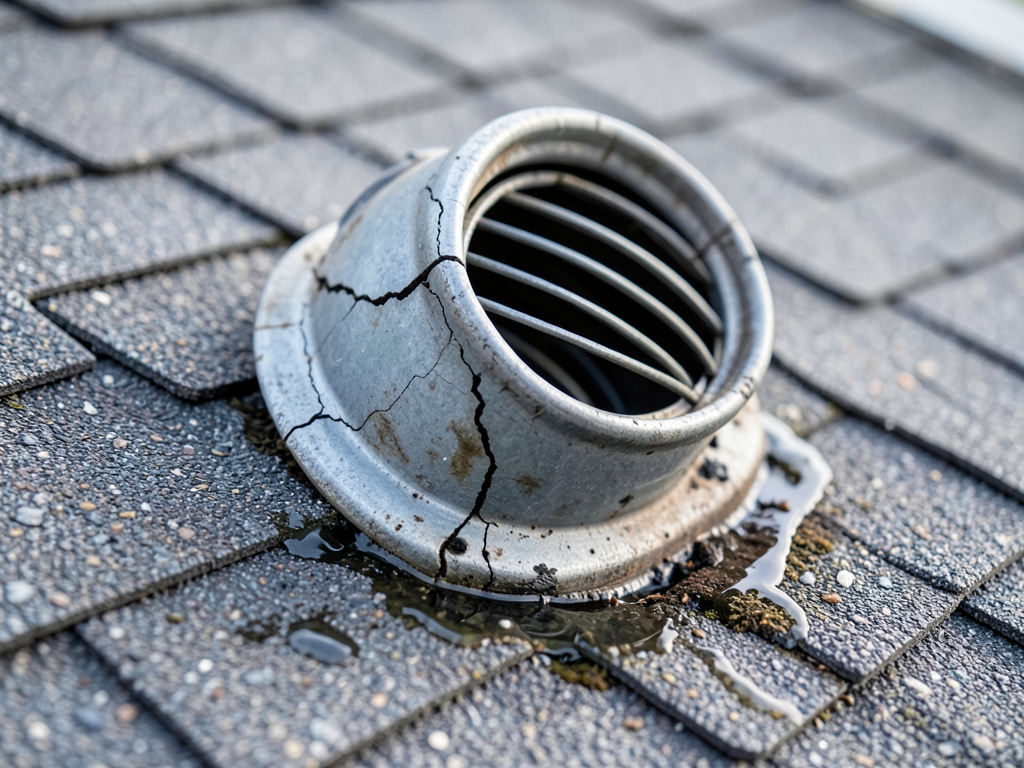
Failed flashing is the most common issue. The metal flashing that seals the gap between your vent pipe and the roof can crack, rust, or pull away from the surface. In Philadelphia’s humid climate, flashing materials degrade faster than in drier regions. The freeze-thaw cycles we experience each winter cause expansion and contraction that weakens seals over time.
Cracked or deteriorated pipe boots represent another frequent failure point. These rubber or neoprene sleeves fit around the vent pipe where it penetrates the roof. UV exposure, temperature extremes, and general aging cause these boots to become brittle and develop cracks. Once compromised, they allow water to flow directly down the pipe into your kitchen.
Improper installation can create problems from day one. If the vent wasn’t properly flashed during installation, or if the boot was sized incorrectly for your pipe diameter, leaks may develop within the first few years. This is particularly common in older Francisville homes where renovations might have been done by previous owners without proper permits.
Debris accumulation around the vent can also cause issues. Leaves, twigs, and other debris can trap moisture against the flashing, accelerating deterioration. In autumn, when Francisville’s mature trees shed leaves, this becomes especially problematic. The trapped moisture can work its way under flashing even when the materials themselves are still in good condition.
Philadelphia Weather’s Impact on Kitchen Vents
Philadelphia’s climate creates unique challenges for roof penetrations. Our region experiences approximately 42 inches of rainfall annually, with precipitation distributed fairly evenly throughout the year. This constant moisture exposure means roof components never get a long dry period to recover.
Winter presents particular challenges. When temperatures fluctuate around the freezing point, as they often do in Philadelphia, ice dams can form around roof penetrations. As snow melts during the day and refreezes at night, water can back up under flashing that would otherwise shed water effectively. This freeze-thaw cycle is especially hard on the sealants used around kitchen vents.
Summer humidity in Philadelphia averages around 70%, creating conditions where condensation becomes a secondary concern. Even when your vent is structurally sound, warm, moist air from cooking can condense on the cold metal vent pipe in your attic. This condensation can drip down and mimic a leak, leading homeowners to call for repairs they don’t actually need.
High winds during summer thunderstorms can lift flashing away from the roof surface. Philadelphia experiences about 10-15 days per year with wind gusts exceeding 40 mph. These winds can catch the edges of poorly secured flashing and create gaps that allow water intrusion.
Emergency Steps to Take When You Discover a Leak
If you discover water dripping from your kitchen ceiling, acting quickly can minimize damage while you wait for professional help. Here are the steps to take immediately:
- Contain the Water
Place buckets, pots, or towels under the leak to catch dripping water. Move furniture and valuables away from the affected area.
- Protect Your Ceiling
If you see a bulge forming in your ceiling drywall, carefully puncture it with a screwdriver to release trapped water. This prevents the ceiling from collapsing and allows water to drain in a controlled manner.
- Minimize Kitchen Use
Stop using your range hood immediately. Running the exhaust fan can draw more water into your home through the compromised vent.
- Document the Damage
Take photos of the leak, water stains, and any damaged items. This documentation helps if you need to file an insurance claim.
- Call for Professional Help
Contact a licensed roofing contractor who can assess the damage and provide permanent repairs. In Philadelphia, most reputable roofers offer emergency services for active leaks. The Best Local Roofing Companies for Luxury Homes on the Main Line.
While these steps help manage the immediate situation, they don’t address the underlying problem. Professional repair is essential to prevent recurring leaks and additional damage.
Repair Options and Cost Considerations
The cost to repair a kitchen exhaust vent leak varies significantly based on the extent of damage and the repair method needed. In Philadelphia, homeowners typically spend between $300 and $800 for standard vent repairs, though complex cases can cost more.
Simple flashing repairs represent the most affordable option. If the flashing is intact but the sealant has failed, a roofer can often reseal the area for $150-$300. This involves removing old caulk, cleaning the surfaces, and applying new roofing sealant designed for your specific roof material. Roofing Pittsburgh.
Boot replacement is necessary when the rubber or neoprene sleeve around the pipe has deteriorated. This repair typically costs $300-$500 and includes removing the old boot, installing a new one, and resealing all connections. High-quality boots with UV protection last longer in Philadelphia’s sunny summers.
Complete vent assembly replacement becomes necessary when multiple components have failed or when the vent itself is outdated. This comprehensive repair runs $500-$800 and includes new flashing, boot, vent cap, and all associated sealants. This option provides the longest-lasting solution and often comes with a warranty.
Emergency repair premiums apply when you need service outside normal business hours or during severe weather events. Philadelphia roofing companies typically charge 50-100% more for emergency calls, though many waive these fees if you’re already a customer or if the damage is extensive. Roofing Allentown.
Insurance coverage varies by policy. Most homeowner’s insurance policies cover sudden, accidental damage from events like storms or falling trees. However, they typically exclude damage from wear and tear or lack of maintenance. If your vent failed due to age rather than a specific event, you’ll likely pay out of pocket.
Why DIY Repairs Often Fail
Many homeowners attempt to fix roof vent leaks themselves using caulk or roofing cement from the local hardware store. While this might seem cost-effective initially, DIY repairs often fail within months, leading to more extensive damage and higher repair costs.
Professional roofers use materials specifically engineered for your roof type and local climate. The sealants available to homeowners often can’t withstand Philadelphia’s temperature extremes or UV exposure. Professional-grade materials include thermal expansion properties that allow them to flex with temperature changes without cracking.
Proper installation technique matters as much as materials. Professional roofers understand how to create watertight seals that accommodate the movement of your house as it expands and contracts with temperature changes. They also know how to integrate new flashing with existing roofing materials to maintain your roof’s integrity.
Warranty considerations play a crucial role. Many roofing material manufacturers void warranties if repairs aren’t performed by licensed professionals using approved methods. A failed DIY repair could cost you the warranty on your entire roof, potentially thousands of dollars if you need a full replacement later.
Safety represents another concern. Working on roofs carries significant fall risks, especially for inexperienced homeowners. Professional roofers have the proper safety equipment, training, and insurance to work safely at heights. A fall from even a single-story roof can result in serious injuries.
Time efficiency favors professionals. What might take a homeowner an entire weekend, including multiple trips to the hardware store, a professional can often complete in a few hours. This minimizes the time your home remains vulnerable to water intrusion.
Preventing Future Kitchen Vent Leaks
Prevention is always more cost-effective than repair. Several maintenance practices can extend the life of your kitchen exhaust vent and prevent future leaks.
Annual roof inspections catch problems before they cause interior damage. A professional roofer can identify deteriorating flashing, cracked boots, or loose connections before water enters your home. In Philadelphia, scheduling inspections in late spring or early fall allows you to address issues before winter’s harsh conditions arrive.
Keeping vents clear of debris prevents moisture buildup that accelerates deterioration. Trim tree branches that overhang your roof to reduce leaf accumulation. After autumn leaf fall, check your vents to ensure they’re clear. This simple maintenance can add years to your vent’s lifespan.
Proper attic ventilation reduces condensation on vent pipes. Ensure your attic has adequate intake and exhaust ventilation to prevent moisture buildup. In Philadelphia’s humid climate, this is particularly important. Consider installing a vapor barrier if your attic shows signs of excess moisture.
Using your range hood correctly helps prevent condensation issues. Run the fan during and after cooking to remove moisture from your home. If your vent exhausts through the roof, ensure the duct is properly insulated to prevent condensation in the attic.
Upgrading to modern vent components can prevent future problems. Newer vent boots often include UV protection and materials designed for longer life in harsh climates. When replacing your roof, consider upgrading all vent components even if they appear functional. This proactive approach prevents future leaks.
When to Call a Professional
While some homeowners feel comfortable with basic roof maintenance, certain situations require professional expertise. Call a licensed roofing contractor if you notice any of these warning signs:
- Active water intrusion during rain
- Multiple water stains suggesting widespread damage
- Cracked or missing flashing
- Deteriorated or missing vent boots
- Roof age exceeding 20 years
- Previous DIY repairs that have failed
- Concerns about structural damage
Professional roofers bring specialized tools and expertise that ensure repairs last. They can also identify related issues you might miss, such as damaged underlayment or compromised decking around the vent penetration.
In Philadelphia, local building codes require permits for many roofing repairs. Licensed contractors handle permit requirements and ensure all work meets current code standards. This compliance protects you from potential fines and ensures your repairs meet safety requirements.
Professional inspections often reveal additional issues that, while not immediately problematic, could cause problems in the near future. Addressing these during a single service call often costs less than making multiple separate repair visits.
Choosing the Right Contractor in Francisville
When selecting a roofing contractor in Francisville, look for these qualifications:
- Proper licensing and insurance specific to Pennsylvania
- Experience with Philadelphia’s unique housing stock and weather patterns
- References from local homeowners
- Warranty on both materials and workmanship
- Transparent pricing with detailed written estimates
- Knowledge of local building codes and permit requirements
Ask potential contractors about their experience with kitchen vent repairs specifically. This specialized knowledge ensures they understand the unique challenges these penetrations present. A contractor who can explain the difference between various boot materials and their suitability for Philadelphia’s climate demonstrates the expertise you need.
Check online reviews but read them critically. Look for reviews that mention specific aspects of the job, like cleanup, timeliness, and how the contractor handled unexpected issues. Generic five-star reviews without details provide less useful information than thoughtful reviews describing actual experiences.
Request proof of insurance before work begins. This protects you if a worker is injured on your property or if damage occurs during the repair process. Don’t hesitate to contact the insurance provider to verify coverage.
Frequently Asked Questions
How long does a kitchen exhaust vent repair typically take?
Most kitchen vent repairs can be completed in 2-4 hours by an experienced roofing contractor. Complex repairs involving multiple components or structural damage may require a full day.
Can I use my kitchen while the vent is being repaired?
Yes, you can typically use your kitchen during vent repairs. However, you should avoid using the range hood until the repair is complete and the sealant has cured, usually 24-48 hours.
Will my homeowner’s insurance cover the repair?
Insurance coverage depends on the cause of the leak. Damage from sudden events like storms is usually covered, while leaks from normal wear and tear typically aren’t. Check your specific policy or consult with your insurance agent.
How can I tell if the leak is from my kitchen vent or another source?
Kitchen vent leaks typically occur directly below the vent penetration in your ceiling. If the water appears away from the vent location or during different weather conditions, the source may be elsewhere on your roof.
What’s the average lifespan of a kitchen vent boot in Philadelphia?
In Philadelphia’s climate, a quality vent boot typically lasts 10-15 years. Factors like sun exposure, temperature extremes, and proper installation affect longevity. Homes in particularly sunny locations may see shorter lifespans.
Should I replace my vent when I get a new roof?
Yes, replacing vent components when installing a new roof is generally recommended. This ensures all components are compatible and provides a fresh seal. Many contractors offer package pricing for roof and vent replacement.
Water leaking through your kitchen exhaust fan vent isn’t just an inconvenience—it’s a warning sign that requires prompt attention. In Francisville’s older homes, these leaks are particularly common due to aging materials and Philadelphia’s challenging climate. By understanding the causes, recognizing the warning signs, and knowing when to call for professional help, you can protect your home from water damage and maintain your roof’s integrity.
Don’t wait until a small leak becomes a major problem. If you notice water stains near your kitchen ceiling or suspect your exhaust vent might be leaking, call (267) 344-1222 today. Our experienced Philadelphia roofing team can diagnose the problem quickly and provide lasting repairs that protect your home. We serve Francisville and all surrounding Philadelphia neighborhoods with emergency service available when you need it most.
Pick up the phone and call (267) 344-1222 before the next storm hits. A quick inspection now can prevent thousands in water damage repairs later. Your home deserves professional care from contractors who understand Philadelphia’s unique roofing challenges. For more information, visit FEMA roofing guidance.
{
“@context”: “https://schema.org”,
“@type”: “BlogPosting”,
“headline”: “Why Your Kitchen Exhaust Fan Might Be Leaking Through the Roof in Francisville”,
“description”: “Kitchen exhaust fan leaking through your Francisville roof? Learn the common causes, emergency fixes, and repair costs. Call (267) 344-1222 for a free inspection today.”,
“wordCount”: 2549,
“datePublished”: “2026-05-30T08:23:00.000Z”,
“dateModified”: “2026-05-30T08:23:00.000Z”,
“inLanguage”: “en-US”,
“mainEntityOfPage”: {
“@type”: “WebPage”,
“@id”: “https://atlasroofingphiladelphia.com”
},
“publisher”: {
“@type”: “LocalBusiness”,
“name”: “Atlas Roofing Philadelphia”,
“url”: “https://atlasroofingphiladelphia.com”
},
“author”: {
“@type”: “Organization”,
“name”: “Atlas Roofing Philadelphia”,
“url”: “https://atlasroofingphiladelphia.com”
},
“image”: {
“@type”: “ImageObject”,
“url”: “https://atlasroofingphiladelphia.com/wp-content/uploads/2026/03/why-your-kitchen-exhaust-fan-might-be-leaking-thro-1.png”
}
}
{
“@context”: “https://schema.org”,
“@type”: “RoofingContractor”,
“name”: “Atlas Roofing Philadelphia”,
“url”: “https://atlasroofingphiladelphia.com”,
“address”: {
“@type”: “PostalAddress”,
“addressLocality”: “Philadelphia”
},
“areaServed”: {
“@type”: “City”,
“name”: “Philadelphia”
}
}
{
“@context”: “https://schema.org”,
“@type”: “FAQPage”,
“mainEntity”: [
{
“@type”: “Question”,
“name”: “How long does a kitchen exhaust vent repair typically take?”,
“acceptedAnswer”: {
“@type”: “Answer”,
“text”: “Most kitchen vent repairs can be completed in 2-4 hours by an experienced roofing contractor. Complex repairs involving multiple components or structural damage may require a full day.”
}
},
{
“@type”: “Question”,
“name”: “Can I use my kitchen while the vent is being repaired?”,
“acceptedAnswer”: {
“@type”: “Answer”,
“text”: “Yes, you can typically use your kitchen during vent repairs. However, you should avoid using the range hood until the repair is complete and the sealant has cured, usually 24-48 hours.”
}
},
{
“@type”: “Question”,
“name”: “Will my homeowner’s insurance cover the repair?”,
“acceptedAnswer”: {
“@type”: “Answer”,
“text”: “Insurance coverage depends on the cause of the leak. Damage from sudden events like storms is usually covered, while leaks from normal wear and tear typically aren’t. Check your specific policy or consult with your insurance agent.”
}
},
{
“@type”: “Question”,
“name”: “How can I tell if the leak is from my kitchen vent or another source?”,
“acceptedAnswer”: {
“@type”: “Answer”,
“text”: “Kitchen vent leaks typically occur directly below the vent penetration in your ceiling. If the water appears away from the vent location or during different weather conditions, the source may be elsewhere on your roof.”
}
},
{
“@type”: “Question”,
“name”: “What’s the average lifespan of a kitchen vent boot in Philadelphia?”,
“acceptedAnswer”: {
“@type”: “Answer”,
“text”: “In Philadelphia’s climate, a quality vent boot typically lasts 10-15 years. Factors like sun exposure, temperature extremes, and proper installation affect longevity. Homes in particularly sunny locations may see shorter lifespans.”
}
},
{
“@type”: “Question”,
“name”: “Should I replace my vent when I get a new roof?”,
“acceptedAnswer”: {
“@type”: “Answer”,
“text”: “Yes, replacing vent components when installing a new roof is generally recommended. This ensures all components are compatible and provides a fresh seal. Many contractors offer package pricing for roof and vent replacement.”
}
}
]
}
{
“@context”: “https://schema.org”,
“@type”: “HowTo”,
“name”: “Emergency Leak Response”,
“step”: [
{
“@type”: “HowToStep”,
“position”: 1,
“name”: “Contain the Water”,
“text”: “Place buckets, pots, or towels under the leak to catch dripping water. Move furniture and valuables away from the affected area.”
},
{
“@type”: “HowToStep”,
“position”: 2,
“name”: “Protect Your Ceiling”,
“text”: “If you see a bulge forming in your ceiling drywall, carefully puncture it with a screwdriver to release trapped water. This prevents the ceiling from collapsing and allows water to drain in a controlled manner.”
},
{
“@type”: “HowToStep”,
“position”: 3,
“name”: “Minimize Kitchen Use”,
“text”: “Stop using your range hood immediately. Running the exhaust fan can draw more water into your home through the compromised vent.”
},
{
“@type”: “HowToStep”,
“position”: 4,
“name”: “Document the Damage”,
“text”: “Take photos of the leak, water stains, and any damaged items. This documentation helps if you need to file an insurance claim.”
},
{
“@type”: “HowToStep”,
“position”: 5,
“name”: “Call for Professional Help”,
“text”: “Contact a licensed roofing contractor who can assess the damage and provide permanent repairs. In Philadelphia, most reputable roofers offer emergency services for active leaks. The Best Local Roofing Companies for Luxury Homes on the Main Line.”
}
],
“image”: “https://atlasroofingphiladelphia.com/wp-content/uploads/2026/03/why-your-kitchen-exhaust-fan-might-be-leaking-thro-1.png”
}
{
“@context”: “https://schema.org”,
“@type”: “BreadcrumbList”,
“itemListElement”: [
{
“@type”: “ListItem”,
“position”: 1,
“name”: “Home”,
“item”: “https://atlasroofingphiladelphia.com”
},
{
“@type”: “ListItem”,
“position”: 2,
“name”: “Blog”,
“item”: “https://atlasroofingphiladelphia.com/blog”
},
{
“@type”: “ListItem”,
“position”: 3,
“name”: “Why Your Kitchen Exhaust Fan Might Be Leaking Through the Roof in Francisville”
}
]
}
{
“@context”: “https://schema.org”,
“@type”: “Service”,
“serviceType”: “Roofing”,
“provider”: {
“@type”: “LocalBusiness”,
“name”: “Atlas Roofing Philadelphia”,
“url”: “https://atlasroofingphiladelphia.com”
},
“areaServed”: {
“@type”: “City”,
“name”: “Philadelphia”
},
“description”: “Kitchen exhaust fan leaking through your Francisville roof? Learn the common causes, emergency fixes, and repair costs. Call (267) 344-1222 for a free inspection today.”
}