




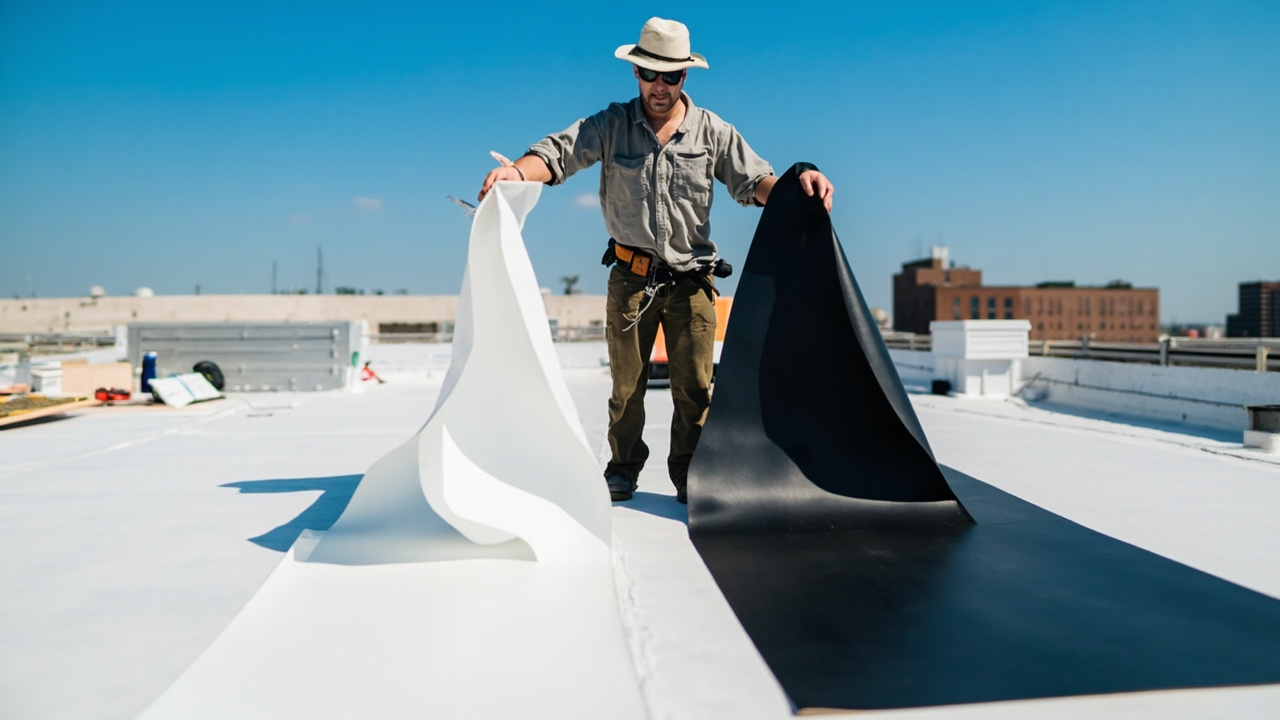
Philadelphia experiences 15-25 freeze-thaw cycles each winter when daytime temperatures climb above 32°F and nights drop below freezing. This cycling stresses roofing membranes through repeated expansion and contraction. EPDM's rubber composition maintains flexibility during these transitions, while TPO's thermoplastic structure becomes slightly less pliable in extreme cold. Your roof's orientation affects performance because south-facing sections experience more dramatic temperature swings. Buildings near the Schuylkill River face additional moisture exposure that accelerates wear on improperly installed seams. The difference between TPO and EPDM becomes measurable in Philadelphia's climate after 7-10 years of service.
Philadelphia's roofing contractors must understand local building codes and L&I permit requirements for commercial re-roofing projects. Atlas Roofing Philadelphia maintains current knowledge of city regulations that affect material selection and installation methods. We work with property owners in University City, Northern Liberties, and the Navy Yard to ensure projects meet both performance standards and compliance requirements. Local expertise matters because Philadelphia's mixed building stock requires different approaches than newer suburban construction. Your flat roof investment deserves contractors who understand regional weather patterns and building characteristics specific to the Delaware Valley.