




menu

Roofing Financing Options in Philadelphia – Affordable Payment Plans That Get Your Roof Fixed Now

Atlas Roofing Philadelphia connects homeowners with flexible roofing financing options, roof replacement financing, and zero-down payment plans that make critical roof repairs accessible without draining your savings or waiting for insurance claims to process.

Slider Image 1
Slider Image 2
Slider Image 3
Slider Image 4
Slider Image 5
Slider Image 7
Slider Image 8
Slider Image 9
Slider Image 10
Slider Image 11

Why Philadelphia Homeowners Need Flexible Roof Financing Solutions

Philadelphia's freeze-thaw cycles, heavy snowfall, and summer storms beat down on roofs year after year. The result? Cracked shingles, compromised flashing, and water damage that only gets worse with time. When your roof fails in Fishtown, Manayunk, or South Philadelphia, you face a tough choice. Wait and risk interior damage, or drain your emergency fund on a repair bill that averages thousands.

Most Philadelphia homeowners do not have five to fifteen thousand dollars sitting in a checking account. A leaking roof does not wait for your next paycheck. Water seeps through damaged decking, ruins insulation, and creates mold problems that multiply your costs. You need the repair now, but traditional payment options lock you out.

Roofing payment plans solve this problem. New roof financing spreads the cost over months or years, letting you address critical damage before it cascades into foundation issues or electrical hazards. You protect your home's structure, your family's health, and your property value without emptying your savings account. Roof loans come in multiple forms. Some lenders specialize in home improvement financing with approval processes that take hours, not weeks. Others offer promotional periods with deferred interest. The key is matching the right financing option to your credit situation, timeline, and budget.

Philadelphia's historic row homes and older housing stock often need full tear-offs, not just patch jobs. Financing a new roof means you can invest in quality materials and proper installation instead of cheap fixes that fail in two years.

Why Philadelphia Homeowners Need Flexible Roof Financing Solutions
How Roof Replacement Financing Actually Works

How Roof Replacement Financing Actually Works

Roofing financing options break down into three main categories. Each has different approval requirements, interest rates, and repayment terms.

First, you have home improvement loans through specialized lenders. These unsecured personal loans typically range from three thousand to fifty thousand dollars. The application process checks your credit score, income verification, and debt-to-income ratio. Approval happens within 24 to 48 hours for most applicants. Interest rates vary based on credit quality, from single digits for excellent credit to mid-twenties for subprime borrowers. Repayment terms stretch from two to seven years.

Second, contractor-arranged financing through partnerships with lending networks. Atlas Roofing Philadelphia works with multiple financing partners who understand roofing projects. You fill out one application, and the system shops it to multiple lenders. This increases approval odds and helps you compare rates side by side. Some programs offer same-as-cash promotions if you pay off the balance within six, twelve, or eighteen months. Miss that deadline, and deferred interest gets added to your balance retroactively.

Third, home equity lines of credit or cash-out refinances. These secured loans use your home as collateral, which means lower interest rates but longer closing timelines. If you have significant equity and can wait two to four weeks for funding, this option cuts your total interest cost substantially.

The financing process starts with a roof inspection. We document the damage, photograph problem areas, and provide a detailed estimate. You choose your materials, and we calculate the total project cost. Then you decide which financing option fits your monthly budget. The lender funds the loan directly, and we schedule your installation.

Your Path From Damaged Roof to Approved Financing

Roofing Financing Options in Philadelphia – Affordable Payment Plans That Get Your Roof Fixed Now
01

Inspection and Cost Estimate

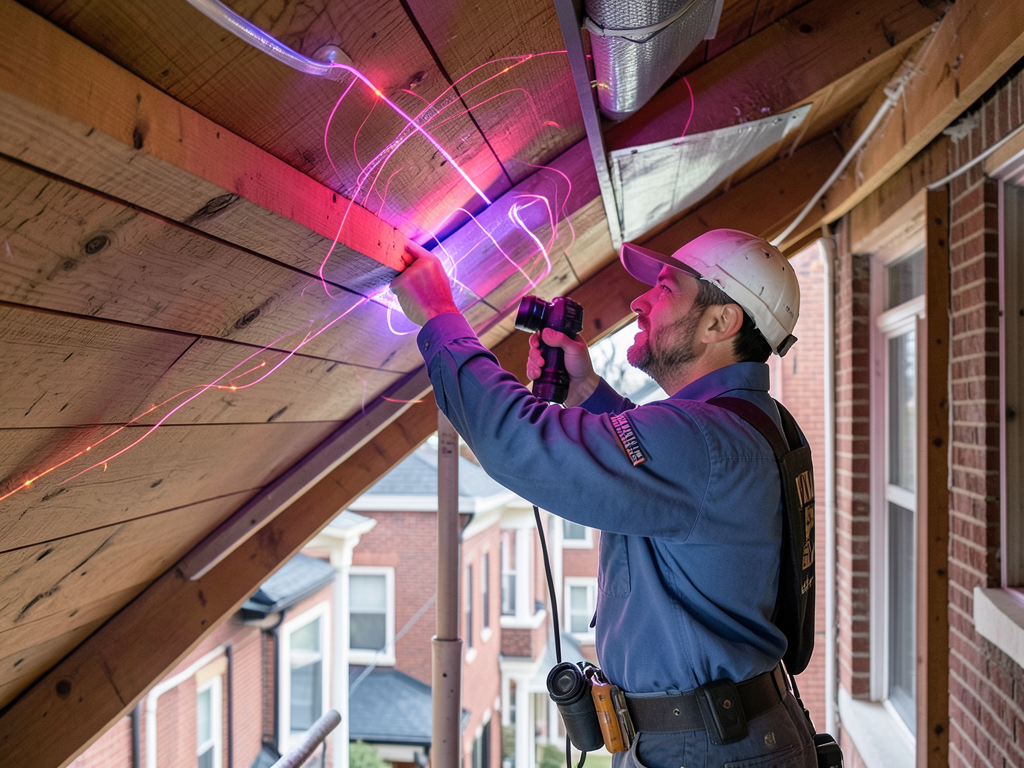
We climb onto your roof and assess every component. The inspection covers shingle condition, flashing integrity, ventilation adequacy, and decking stability. Philadelphia's older homes often hide structural issues under surface damage. We photograph problem areas and measure the roof's square footage. You receive a written estimate that breaks down material costs, labor charges, and disposal fees. This documentation serves as your loan application support.
02

Application and Approval Process

You complete a financing application with basic information like employment history, monthly income, and housing expenses. The lender runs a credit check and calculates your debt-to-income ratio. Approval or denial typically comes back within hours. If approved, you review the loan terms including interest rate, monthly payment amount, and total repayment period. You sign the agreement electronically. Most lenders fund within two to five business days once you accept the terms.
03

Installation and Payment Setup

Once funding clears, we order your materials and schedule installation around Philadelphia's weather patterns. The roofing crew completes the tear-off, decking repairs, and new installation. You verify the work meets specifications before we request final payment from the lender. Your monthly payments begin according to the loan terms. Most financing includes online account management where you track your balance, make payments, and access statements. The roof is yours, fully paid through the lender's funds.

Why Philadelphia Homeowners Trust Atlas Roofing for Financing Guidance

We understand Philadelphia's housing market. From the brick row homes in Fishtown to the twin houses in Northeast Philly, each property type has unique roofing challenges. Our financing partnerships accommodate the city's diverse homeowner demographics. Whether you have excellent credit or past financial challenges, we connect you with lenders who specialize in your situation.

Philadelphia building codes require specific underlayment and flashing techniques. We factor these requirements into every estimate, so your financing covers a code-compliant installation. Cutting corners to lower the loan amount costs you more when the inspector flags violations or when inferior materials fail prematurely.

Our financing partners understand roofing timelines. They know that storm damage creates urgency. Standard home improvement lenders often drag out approvals or require excessive documentation. The networks we work with specialize in quick turnarounds for homeowners facing active leaks or failing roofs. You get answers in hours, not weeks.

We have seen every financing scenario. First-time buyers with thin credit files. Long-time homeowners with perfect payment histories. Property investors managing multiple rehab projects. Self-employed contractors whose income fluctuates seasonally. Each situation needs a different approach. We match you with the right lender and loan structure instead of forcing a one-size-fits-all solution.

Philadelphia's older housing stock often needs more than just shingle replacement. Rotten decking, inadequate ventilation, and outdated flashing systems add to project costs. We document these issues upfront so your financing covers the complete scope. No surprises, no mid-project requests for more money. You know the total cost before signing the loan agreement.

What You Need to Know Before Applying for Roof Financing

Approval Timeline and Funding Speed

Most roofing loan applications process within 24 hours. You submit income verification, authorize a credit check, and answer basic questions about employment history. The lender's algorithm evaluates your debt-to-income ratio and credit score, then issues an approval or denial. If approved, you review loan terms and sign electronically. Funding typically transfers within two to five business days. Some lenders offer expedited processing for emergency situations like active leaks or storm damage. The faster you provide documentation, the quicker funds arrive. Philadelphia homeowners facing urgent repairs should mention the timeline when applying, as some programs prioritize emergency cases.

Credit Requirements and Interest Rates

Roofing financing accommodates a wide credit spectrum. Excellent credit scores above 740 qualify for single-digit interest rates. Good credit between 670 and 739 typically sees rates in the low teens. Fair credit from 580 to 669 faces higher rates but still gets approved through specialized lenders. Even scores below 580 have options, though interest costs climb significantly. Your debt-to-income ratio matters as much as your credit score. Lenders want to see that your monthly obligations, including the new roof payment, stay below 43 percent of your gross income. Recent bankruptcies or foreclosures do not automatically disqualify you, but they limit your options and increase your interest rate.

Loan Amounts and Repayment Terms

Most roofing loans range from three thousand to fifty thousand dollars, covering everything from basic repairs to complete tear-offs with upgraded materials. Repayment terms stretch from 24 months to 84 months, depending on the loan amount and lender requirements. Shorter terms mean higher monthly payments but less total interest. Longer terms reduce your monthly obligation but increase lifetime costs. Some programs offer same-as-cash promotions if you pay off the balance within a promotional period, usually six to eighteen months. Miss that deadline, and all the deferred interest gets added to your balance retroactively. Calculate your monthly budget carefully before choosing a repayment term.

How Your New Roof Impacts Home Value

A new roof adds immediate resale value to your Philadelphia home. Real estate appraisers factor roof condition heavily when determining property value. A failing roof with visible damage can tank your appraisal and kill potential sales. Financing a new roof before listing your home often returns 60 to 70 percent of the project cost in increased sale price. Even if you are not selling soon, a quality roof installation protects your investment. Water damage from a compromised roof spreads quickly, destroying insulation, drywall, and framing. Those repairs cost multiples of the original roof replacement. Financing lets you prevent cascade damage while preserving your emergency savings for actual emergencies.

Frequently Asked Questions

You Have Questions,
We Have Answers

How to pay for a roof when you can't afford it? +

If you cannot afford a roof replacement upfront, explore financing options like home equity loans, personal loans, or contractor financing programs. Many Philadelphia roofing companies offer payment plans with no money down and low monthly installments. Check if your homeowners insurance covers the damage, especially after storms common to the area. You can also apply for an FHA Title I loan or a HELOC if you have equity in your home. Compare interest rates and terms carefully. Avoid delaying necessary repairs, as Philadelphia's freeze-thaw cycles and heavy rain can worsen damage and lead to costlier interior repairs.

What is the best option for financing a new roof? +

The best financing option depends on your credit score and equity. Home equity loans or HELOCs typically offer the lowest interest rates because they use your home as collateral. If you lack equity, contractor financing through roofing companies in Philadelphia can provide fast approval with flexible terms. Some programs offer 0% interest for 12 to 24 months. Personal loans from banks or credit unions work for smaller projects but carry higher rates. Avoid high-interest credit cards unless you can pay the balance quickly. Compare APR, repayment terms, and prepayment penalties before committing.

How much should a 2000 sq ft roof cost? +

A 2,000-square-foot roof in Philadelphia typically ranges from $8,000 to $18,000, depending on materials and complexity. Asphalt shingles cost less, while architectural shingles, metal, or slate increase the price. Philadelphia's older rowhomes and steep-pitch colonials often require additional labor and flashing work. Factors like tear-off, underlayment quality, and ventilation upgrades affect total cost. Get at least three written estimates from licensed contractors. Prices vary by neighborhood, roof pitch, and the number of penetrations like chimneys or skylights. Financing spreads this investment into manageable monthly payments.

Do most people finance their roofs? +

Yes, many homeowners finance their roofs because replacement costs exceed $10,000 on average. Financing makes emergency repairs affordable without draining savings. Philadelphia residents often use contractor payment plans, home equity lines, or personal loans to cover costs. Financing also allows you to upgrade to better materials like impact-resistant shingles, which hold up better against hailstorms and freeze-thaw damage common in the area. Monthly payments preserve cash flow for other home maintenance needs. Most reputable roofing companies in Philadelphia partner with lenders to streamline approval and offer competitive rates.

Is $30,000 too much for a roof? +

$30,000 is high for a standard asphalt shingle roof but reasonable for premium materials or complex projects. If you have a large home, multiple stories, or you are installing metal, slate, or tile roofing, $30,000 can be justified. Philadelphia's historic rowhomes and custom colonials sometimes require specialty materials and skilled labor that drive up costs. Get multiple estimates to confirm the price reflects your roof's size, pitch, and material quality. If quotes seem inflated, ask for a detailed breakdown of labor, materials, and permits. Financing this amount over five to ten years makes it manageable.

Can I pay monthly for a new roof? +

Yes, many roofing contractors in Philadelphia offer monthly payment plans through third-party lenders or in-house financing. You can spread the cost over 12 to 60 months, depending on the lender and your credit. Some plans include deferred interest or 0% APR for a promotional period. Monthly payments make emergency roof replacements affordable without liquidating savings. Approval is often quick, and you can start work within days. Read the fine print for hidden fees or penalties. Compare terms from multiple lenders to find the lowest interest rate and most flexible repayment schedule.

Do roofers do monthly payments? +

Yes, many roofers in Philadelphia partner with financing companies to offer monthly payment plans. These programs allow you to pay over time instead of upfront. Some contractors provide in-house financing with flexible terms, while others work with third-party lenders like GreenSky or Wells Fargo. Approval is typically based on your credit score, and terms range from 12 to 84 months. Some plans include no interest if paid within a promotional period. Monthly payments make roof replacement accessible during emergencies. Always compare APR, fees, and repayment flexibility before signing a contract.

How old may a roof be before insurance claims it's too old? +

Insurance companies in Pennsylvania typically consider roofs older than 15 to 20 years too old for full replacement coverage. If your roof exceeds this age, insurers may only pay actual cash value, which factors in depreciation. Philadelphia homes with older asphalt shingle roofs often face higher premiums or coverage restrictions. Metal, slate, and tile roofs last longer and may receive better treatment. Insurers inspect roof condition during underwriting and after claims. Document regular maintenance and repairs to strengthen your claim. If your roof is aging, consider upgrading before filing a claim.

Is a new roof tax deductible in the IRS? +

A new roof is generally not tax deductible for personal residences under IRS rules. However, if you install energy-efficient roofing materials like cool metal roofs or solar shingles, you may qualify for federal tax credits or rebates. Rental properties and home offices allow you to depreciate roof replacement costs over 27.5 years. Philadelphia homeowners should consult a tax professional to confirm eligibility for local or state energy incentives. The Inflation Reduction Act expanded credits for solar and energy-efficient upgrades. Keep receipts and manufacturer certifications to support your deduction if applicable.

What time of year is the cheapest to replace a roof? +

Late fall and winter are typically the cheapest times to replace a roof in Philadelphia. Demand drops after the busy spring and summer storm season, so contractors offer discounts to keep crews working. You may also find better availability and faster scheduling. However, cold temperatures can complicate shingle installation, so choose a contractor experienced with winter roofing techniques. Avoid scheduling during freeze-thaw cycles or heavy snow. Early fall offers a balance between good weather and lower prices. Always prioritize quality over savings. Delaying necessary repairs to wait for discounts can lead to leaks and interior damage.

How Philadelphia's Historic Districts and Permit Requirements Affect Roof Financing

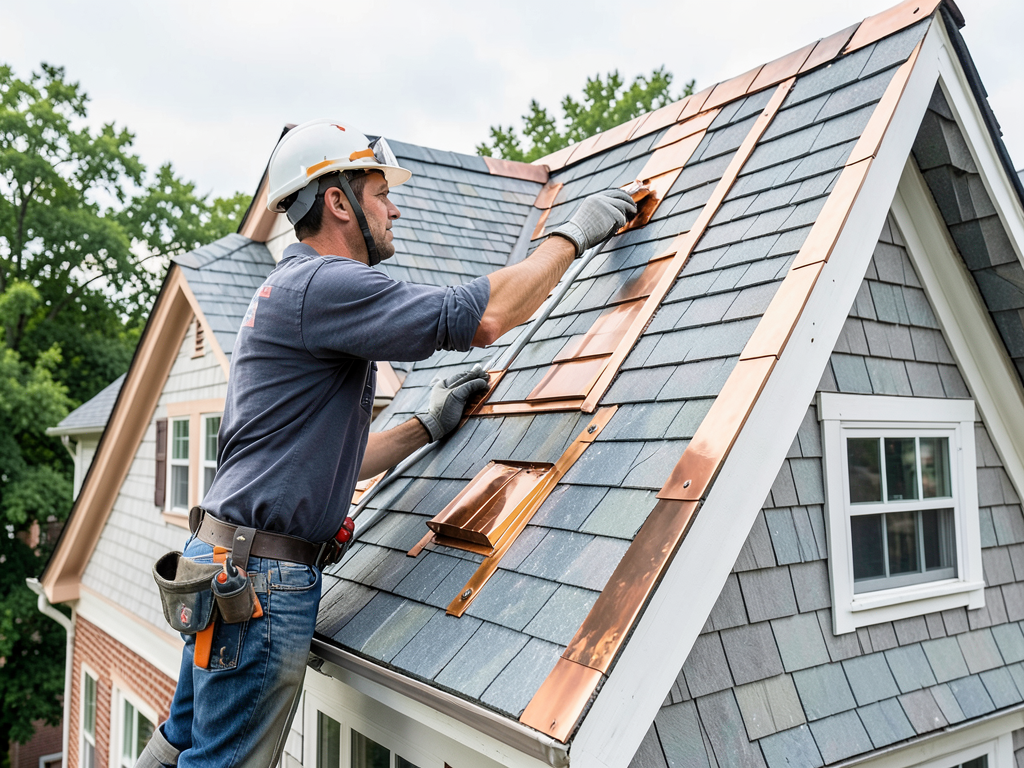
Philadelphia's historic districts in areas like Society Hill, Old City, and Chestnut Hill impose strict regulations on roofing materials and installation methods. The Historical Commission reviews permit applications and requires architectural compatibility. Your financing needs to cover materials that meet these standards, which often cost more than standard asphalt shingles. Slate roofs, copper flashing, and period-appropriate color schemes add to project costs. Lenders unfamiliar with historic preservation requirements may lowball your financing needs. Atlas Roofing Philadelphia factors these requirements into every estimate, ensuring your roof loan covers the full scope of compliant materials and labor.

Philadelphia row homes create unique roofing challenges that affect financing amounts. Shared party walls, limited access for equipment, and tight working spaces increase labor costs compared to suburban single-family homes. Many roofing contractors underbid these projects, only to discover they cannot get materials onto the roof without expensive crane rentals. We account for Philadelphia's urban density in every estimate. Your financing covers the real costs of working in tight city blocks, not idealized suburban pricing. This accuracy prevents mid-project funding gaps that delay completion and expose your home to weather damage.
Roofing Services in The Philadelphia Area

Atlas Roofing proudly serves the entire Philadelphia area, including all surrounding counties. We invite you to view our service area on the map to confirm we cover your neighborhood. As your trusted local roofing contractor, we are always ready to deploy our expert teams promptly to your home or business, ensuring you receive the high-quality, professional service you deserve, exactly when you need it.

Address:
Atlas Roofing Philadelphia, 100 N 18th St, Philadelphia, PA, 19103

Additional Services We Offer

Our news updates

Latest Articles & News from The Blogs

The Best Way to Handle Downspout Runoff in Narrow Manayunk Alleyways Water pouring off your roof into the narrow alleyway…

The Best Way to Handle Downspout Runoff in Narrow Manayunk Alleyways

The Best Way to Handle Downspout Runoff in Narrow Manayunk Alleyways Water pouring off your roof into the narrow alleyway…

Finding the Leak in Your Complicated Tudor Roof in West Mt. Airy

Finding the Leak in Your Complicated Tudor Roof in West Mt. Airy Water dripping from your ceiling during a storm…

Why Ridge Vents Alone Might Not Be Enough for Your Hot Attic in Wynnefield

Why Ridge Vents Alone Might Not Be Enough for Your Hot Attic in Wynnefield Your attic feels like an oven…

Contact Us

Call Atlas Roofing Philadelphia at (267) 344-1222 for a free roof inspection and financing consultation. We connect you with approved lenders within 24 hours and schedule installation as soon as funding clears. Your roof cannot wait. Your budget does not have to stop you.