




menu

Valley Leak Repair in Philadelphia – Fast Diagnosis and Permanent Fixes for Your Most Vulnerable Roof Area

Our trained roofers identify the exact source of your valley leak, repair damaged flashing and shingles correctly the first time, and stop water damage before it spreads to your ceilings and walls.

Slider Image 1
Slider Image 2
Slider Image 3
Slider Image 4
Slider Image 5
Slider Image 7
Slider Image 8
Slider Image 9
Slider Image 10
Slider Image 11

Why Roof Valleys Fail in Philadelphia Homes

You see water stains spreading across your ceiling near where two roof planes meet. That brown spot grows after every rain. You climb into the attic and find wet insulation. The problem is your roof valley.

Philadelphia's freeze-thaw cycles hit roof valleys harder than any other roof section. Water pools in the valley crease during rain. When temperatures drop overnight, that water freezes and expands. The ice lifts shingles and works underneath flashing. When it melts, water flows straight through gaps into your attic.

The frequent temperature swings we see from November through March create constant expansion and contraction. Metal flashing contracts when cold and expands when warm. This movement loosens fasteners and opens seams. Add in Philadelphia's heavy spring rains, and you get active leaks that worsen quickly.

Most valley leaks start small. You might see a drip in your attic after a storm. Then the leak gets worse. Water travels along rafters and shows up far from the actual roof breach. You see ceiling damage in your bedroom, but the leak is 15 feet away at the valley.

Fixing roof valley leaks requires removing shingles around the damaged area, inspecting the underlayment and decking for rot, replacing deteriorated flashing, and reinstalling everything with proper overlap and sealant. Patching roof valley leaks without addressing the underlying cause just delays the inevitable failure. Sealing roof valley joints with caulk might stop drips for a few weeks, but Philadelphia weather breaks that seal fast.

The longer you wait, the more expensive repairs become. Water damage spreads. Roof decking rots. Attic insulation gets soaked and loses effectiveness. Mold grows in damp wood.

Why Roof Valleys Fail in Philadelphia Homes
How We Repair Valley Leaks Correctly

How We Repair Valley Leaks Correctly

We do not patch valley leaks from the outside and hope they stop. That approach fails within months. Atlas Roofing Philadelphia tears out the damaged section, replaces compromised materials, and rebuilds the valley assembly to handle Philadelphia weather.

First, we remove shingles on both sides of the valley. This exposes the flashing and underlayment. We inspect the roof decking for soft spots and rot. If decking shows water damage, we replace those sections with new plywood. Rotten decking cannot hold fasteners and will fail under snow load.

Next, we evaluate the existing flashing. Open valleys use metal flashing visible between shingle courses. Closed valleys have shingles woven together or cut along the valley center. We determine which method works best for your roof pitch and drainage volume. Steep roofs handle closed valleys well. Lower pitch roofs need open metal valleys to move water faster.

We install ice and water shield underlayment first. This self-adhering membrane creates a waterproof barrier that stops leaks even if flashing fails. We extend it 36 inches on both sides of the valley centerline. Then we install new step flashing or continuous valley metal, depending on your roof configuration.

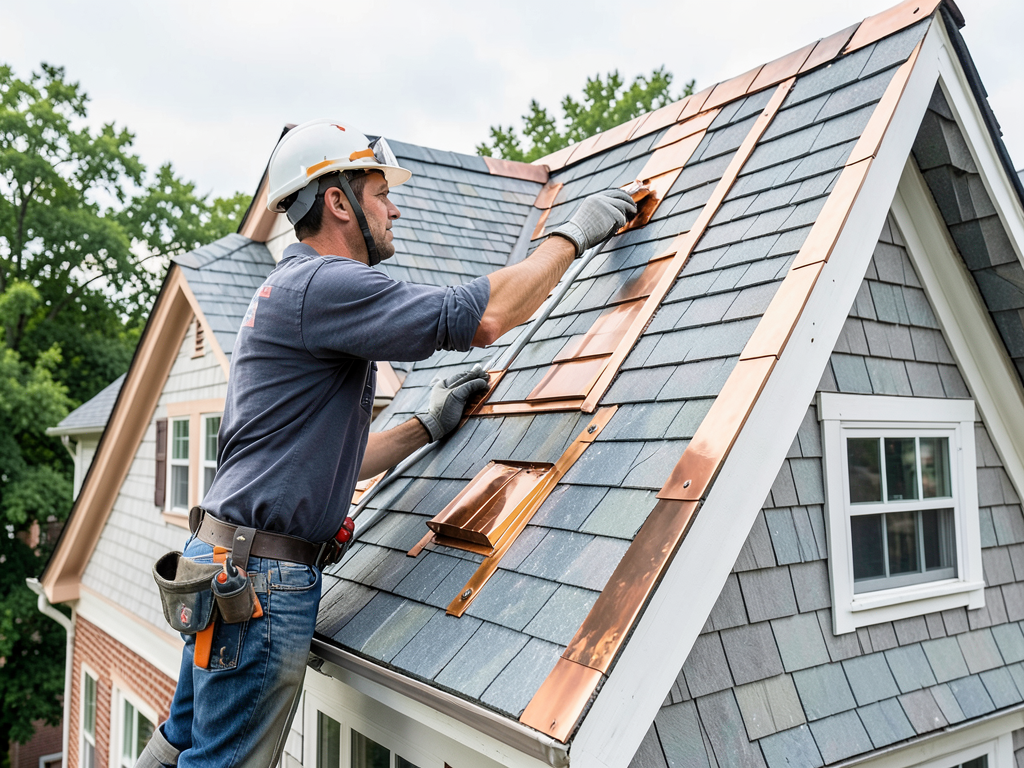
For open valleys, we use 24-gauge galvanized or aluminum flashing. We create a slight W-bend in the center to prevent water from capillary action across the valley. We secure flashing with roofing nails along the edges only, never through the valley center where water flows.

For closed valleys, we weave shingles or use the cut valley method. We apply roofing cement under each shingle edge that crosses the valley. This seals the joint and prevents wind-driven rain from working underneath.

Repairing damaged roof valleys means replacing every component that shows wear, not just the visible problem area. We extend repairs beyond the leak zone to ensure watertight transitions.

What Happens During Your Valley Repair

Valley Leak Repair in Philadelphia – Fast Diagnosis and Permanent Fixes for Your Most Vulnerable Roof Area
01

Attic and Exterior Inspection

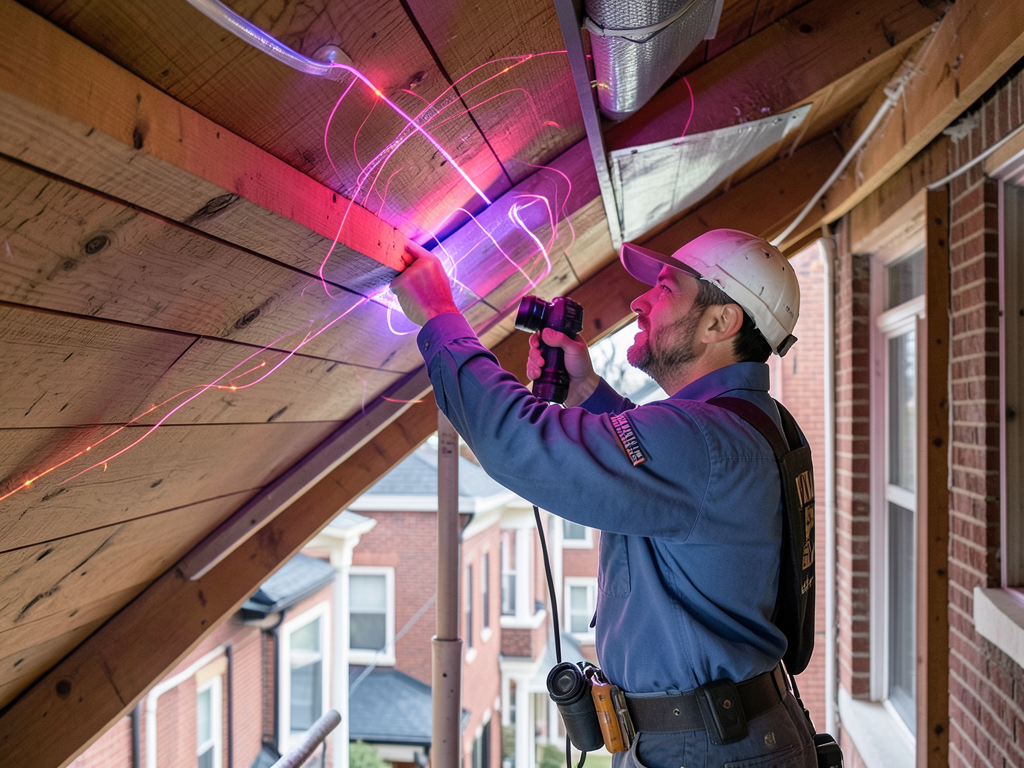
We start in your attic to trace the water path back to the actual breach point. Water rarely enters where you see ceiling stains. We look for wet insulation, water trails on rafters, and decking discoloration. Then we mark the suspected leak location and go on the roof to confirm. We inspect flashing condition, check for lifted shingles, and test sealed joints. This dual inspection pinpoints the exact failure point before we tear anything out.
02

Tear-Out and Material Replacement

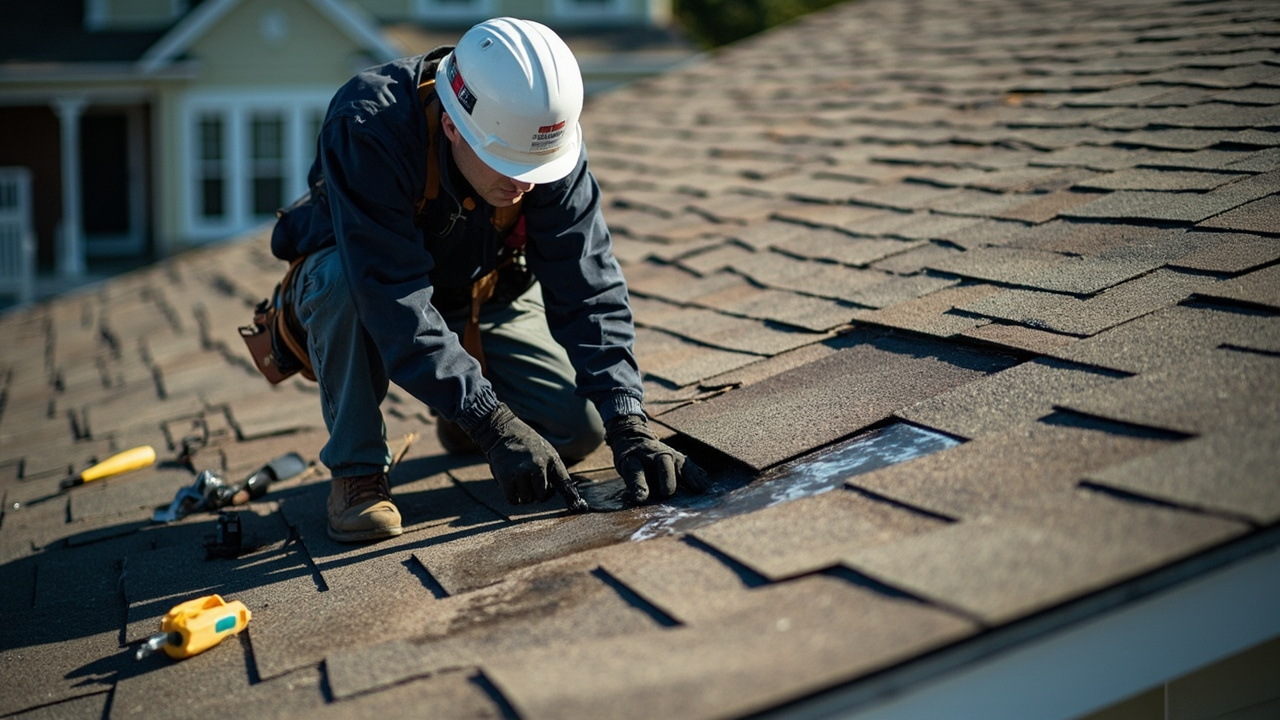
We remove shingles and flashing around the damaged area. We expose the underlayment and decking to check for hidden water damage. If we find soft or discolored plywood, we cut out that section and sister in new decking. We install fresh ice and water shield, then new valley flashing or metal. We measure twice to ensure proper overlap and water shedding. Everything gets secured with the correct fastener type and placement for maximum holding power.
03

Shingle Reinstallation and Testing

We reinstall shingles using the weave or cut valley method appropriate for your roof. We seal every edge that crosses the valley with roofing cement. We match your existing shingle color and style so repairs blend invisibly. Before we leave, we run water down the valley with a hose to confirm proper drainage and verify zero leaks. You get documentation of what we found and what we replaced for your records and future reference.

Why Philadelphia Homeowners Choose Atlas Roofing

You need a roofer who understands how Philadelphia weather attacks roof valleys. We have repaired valley leaks in Fishtown rowhouses with shallow-pitch roofs, Chestnut Hill Tudors with complex valley intersections, and Northeast Philadelphia ranches with long open valleys. Each roof style presents different challenges.

Philadelphia building codes require specific flashing details for roof valleys. We follow those requirements and exceed them where necessary. Valley flashing must extend a minimum distance on each side of the centerline. Underlayment must be continuous across the valley. We know these details and build them into every repair.

We also understand which materials hold up to Philadelphia conditions. Some metal flashings corrode quickly in humid environments. Some shingle adhesives fail during cold snaps. We use materials proven to last in this climate. That means galvanized or aluminum valley metal, high-quality ice and water shield, and architectural shingles rated for freeze-thaw cycles.

Our crews have seen every type of valley failure. We have repaired valleys damaged by ice dams, valleys undermined by clogged gutters, and valleys destroyed by fallen tree limbs. We know the difference between a simple flashing replacement and a full valley rebuild. We give you an honest assessment before we start work.

When you call Atlas Roofing Philadelphia for roof valley flashing repair, you get a crew that shows up on time, works efficiently, and cleans up completely. We do not leave shingle debris in your gutters or nails in your driveway. We respect your property and your time.

We also coordinate with insurance adjusters when storm damage causes valley failures. We document damage thoroughly and provide detailed repair estimates. Many valley leaks qualify for insurance coverage if documented correctly.

What to Expect When You Hire Us

Fast Response Time

We schedule inspections within 48 hours of your call. If you have an active leak causing interior damage, we prioritize your job and often arrive same-day to tarp the area. Most valley repairs take one to two days depending on the extent of damage and weather conditions. We do not leave your roof open overnight unless absolutely necessary. If we cannot finish in one day, we install temporary weather protection before we leave. You get a firm start date when we schedule your repair, and we show up when promised.

Thorough Damage Assessment

Our inspection covers both the visible problem and hidden damage. We check your attic for insulation saturation, rafter water stains, and mold growth. We inspect roof decking from underneath before we commit to a repair scope. On the roof, we test flashing around the valley and check adjacent shingles for lifting or deterioration. We take photos of damage and explain what we find in plain language. You get a written estimate that breaks down material and labor costs separately. We do not surprise you with hidden charges once work begins.

Quality Workmanship Standards

Every valley repair meets manufacturer installation specifications and local building codes. We use only new materials, never recycled flashing or salvaged shingles. Our crews install ice and water shield continuously across valleys with no seams in the water flow path. We secure flashing with the correct fastener spacing and type. We seal all penetrations and edges with professional-grade roofing cement. Before we leave, we inspect our work from the attic to confirm zero moisture penetration. You get a repair that stops leaks permanently, not temporarily.

Service Documentation and Support

We provide a detailed invoice showing exactly what we replaced and what materials we used. This documentation helps if you file an insurance claim or sell your home. We guarantee our workmanship and stand behind repairs. If you experience any issues related to our work, we return to inspect and resolve the problem at no additional charge. We also offer maintenance plans for older roofs that need periodic valley inspections. Regular checks catch small problems before they become major leaks, saving you money and preventing water damage.

Frequently Asked Questions

You Have Questions,
We Have Answers

How to fix a leaking valley? +

A leaking valley requires immediate professional attention. The fix depends on the cause. If flashing is damaged or missing, a roofer removes old material, installs new ice and water shield underlayment, and replaces metal valley flashing. If shingles are improperly cut or sealed, they get trimmed and resealed. In Philadelphia, freeze-thaw cycles cause metal to contract and expand, creating gaps. A qualified contractor inspects the entire valley system, checks for debris accumulation common in wooded Philadelphia neighborhoods, and ensures proper water channeling. DIY repairs fail because valleys handle high water volume and require precise installation.

How much does roof valley repair cost? +

Roof valley repair costs vary based on damage extent, valley length, and material type. Minor flashing repairs may run lower, while full valley replacement with new underlayment and metal flashing costs more. Philadelphia homes with steep roofs or multiple stories increase labor complexity. Older rowhomes in Fishtown or South Philly often have unique valley configurations that require custom fabrication. Material choice matters. Aluminum valleys cost less than copper. Insurance may cover storm damage, especially after heavy northeasters. Get multiple estimates from licensed Philadelphia contractors. Costs also depend on accessibility and whether surrounding shingles need replacement.

How much to repair a valley on a roof? +

Valley repair costs depend on whether you need partial or full replacement. A small section with damaged flashing costs less than a complete valley overhaul. Philadelphia roofs face harsh winters and summer storms, which accelerate valley wear. If underlayment has failed, expect higher costs for proper waterproofing. Homes in Mount Airy or Chestnut Hill with slate or tile roofs require specialized skills, increasing labor rates. The valley type matters. Open metal valleys cost differently than woven or closed-cut valleys. Factor in permit fees if your Philadelphia neighborhood requires them for structural repairs.

Can heavy rain cause roof valley leaks? +

Yes. Heavy rain overwhelms compromised valleys. Philadelphia gets intense summer thunderstorms and tropical remnants that dump inches per hour. If your valley flashing has gaps, corrosion, or improper slope, water backs up under shingles instead of flowing off. Clogged valleys from leaves and debris common in tree-lined Philadelphia streets worsen the problem. During freeze-thaw cycles, ice dams form in valleys, forcing meltwater sideways under roofing. Poor initial installation, like inadequate underlayment or improperly lapped flashing, only shows problems during heavy downpours. Even small defects become major leaks when water volume spikes.

How Philadelphia Freeze-Thaw Cycles Destroy Roof Valleys Faster

Philadelphia averages 20 to 30 freeze-thaw cycles each winter. Temperatures drop below freezing overnight and climb above 32 degrees during the day. This constant cycling affects roof valleys more than any other roof section because valleys collect and hold water. When that water freezes, it expands with tremendous force. Ice lifts shingle edges and pries flashing away from the roof deck. The expansion creates gaps and separations. When the ice melts, water flows through those new openings directly into your attic. Sealing roof valley joints requires accounting for this expansion and contraction, using flexible sealants and proper fastening patterns that accommodate movement without failing.

Philadelphia roofing contractors who understand local weather patterns build valley assemblies differently than roofers in milder climates. We extend ice and water shield farther up both sides of the valley. We use heavier gauge flashing metal that resists deformation. We space fasteners to allow thermal movement without creating stress points. These details matter because Philadelphia valleys experience some of the harshest conditions in the Mid-Atlantic region. Choosing a local roofer familiar with these requirements means getting a repair designed specifically for the weather your roof faces. Generic valley repairs fail quickly here because they do not account for our unique climate stresses.
Roofing Services in The Philadelphia Area

Atlas Roofing proudly serves the entire Philadelphia area, including all surrounding counties. We invite you to view our service area on the map to confirm we cover your neighborhood. As your trusted local roofing contractor, we are always ready to deploy our expert teams promptly to your home or business, ensuring you receive the high-quality, professional service you deserve, exactly when you need it.

Address:
Atlas Roofing Philadelphia, 100 N 18th St, Philadelphia, PA, 19103

Additional Services We Offer

Our news updates

Latest Articles & News from The Blogs

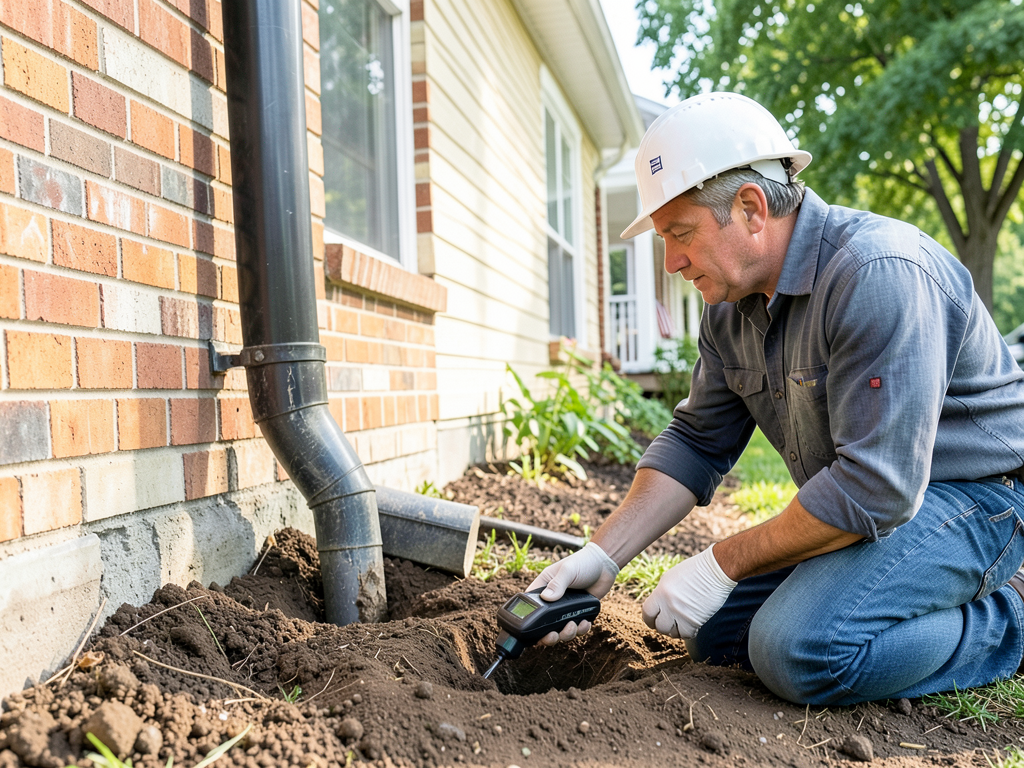
The Best Way to Handle Downspout Runoff in Narrow Manayunk Alleyways Water pouring off your roof into the narrow alleyway…

The Best Way to Handle Downspout Runoff in Narrow Manayunk Alleyways

The Best Way to Handle Downspout Runoff in Narrow Manayunk Alleyways Water pouring off your roof into the narrow alleyway…

Finding the Leak in Your Complicated Tudor Roof in West Mt. Airy

Finding the Leak in Your Complicated Tudor Roof in West Mt. Airy Water dripping from your ceiling during a storm…

Why Ridge Vents Alone Might Not Be Enough for Your Hot Attic in Wynnefield

Why Ridge Vents Alone Might Not Be Enough for Your Hot Attic in Wynnefield Your attic feels like an oven…

Contact Us

Call Atlas Roofing Philadelphia at (267) 344-1222 right now. We will inspect your valley, identify the exact failure point, and give you a firm repair price. Do not let a small leak become a major ceiling repair job.